Top 10 Flowers for a Thriving Chaos Garden: Essential Picks for Vibrant, Low-Maintenance Growth
A chaos garden lets you grow flowers without strict rules or constant care. It’s a way to enjoy a natural, lively space where plants can spread and mix freely. This type of garden suits anyone who wants color and life without spending too much time on maintenance.
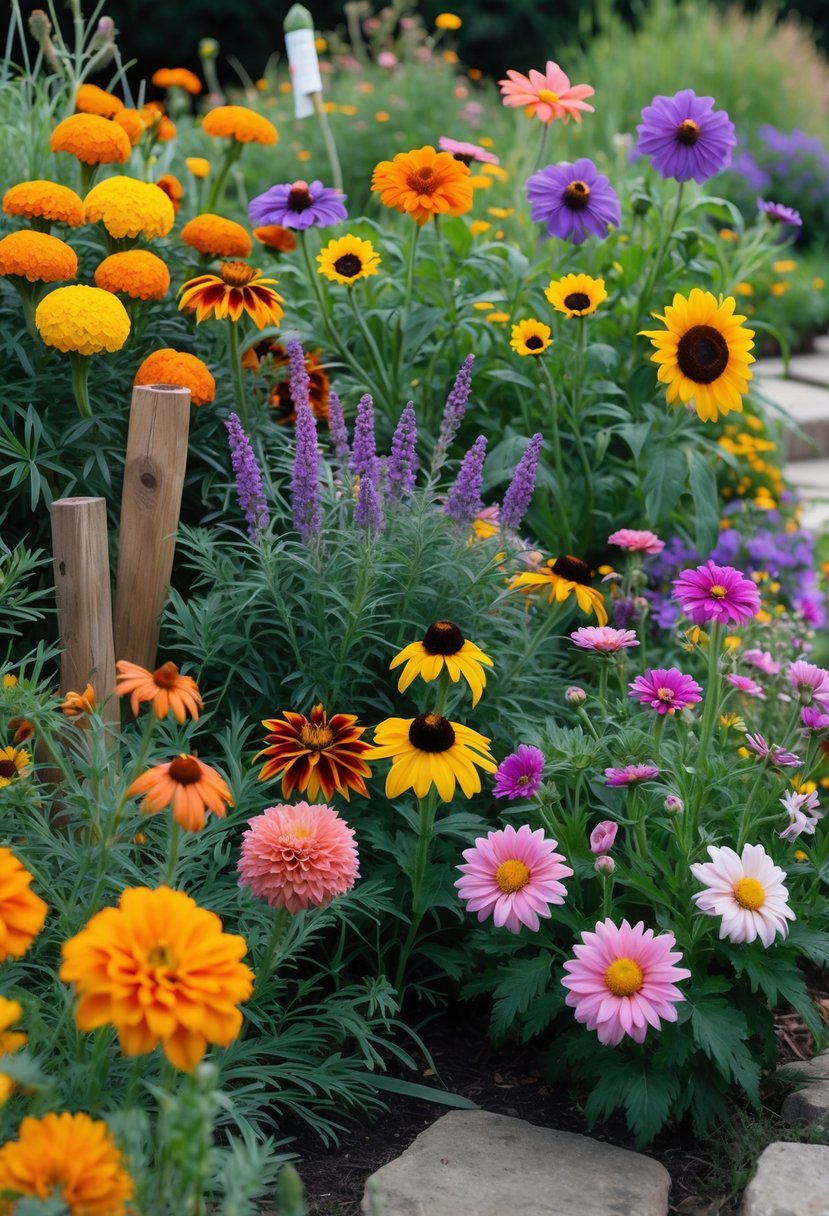
Choosing the right flowers is key to making your chaos garden thrive and stay beautiful all season long. By picking plants that grow well in mixed and sometimes crowded conditions, you can create a vibrant garden that changes with the seasons and attracts pollinators.
10) Verbena
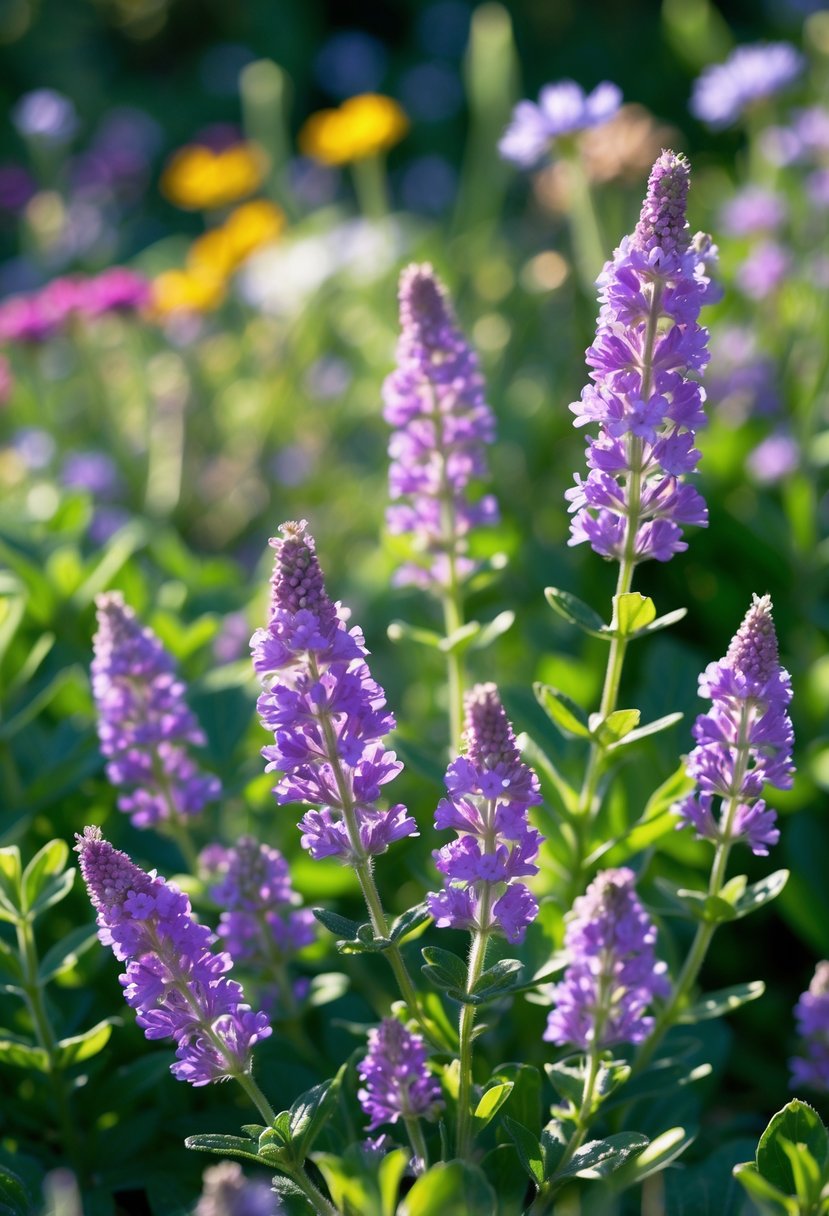
Verbena is a low-growing flower that works well in chaos gardens. It spreads easily and fills empty spaces with small clusters of purple or pink blooms. These flowers grow close to the ground, adding soft color to any area.
You can expect verbena to bloom almost nonstop throughout the growing season. This makes it a reliable choice if you want steady color without much work. It thrives with minimal care and handles dry spells better than many other flowers.
Bees and butterflies are attracted to verbena, helping your garden become more lively. You don’t need to plan its placement strictly; it fits naturally among other plants. If you want to learn more about growing and caring for verbena, check this guide on how to grow and care for your verbena flowers.
9) Nasturtium
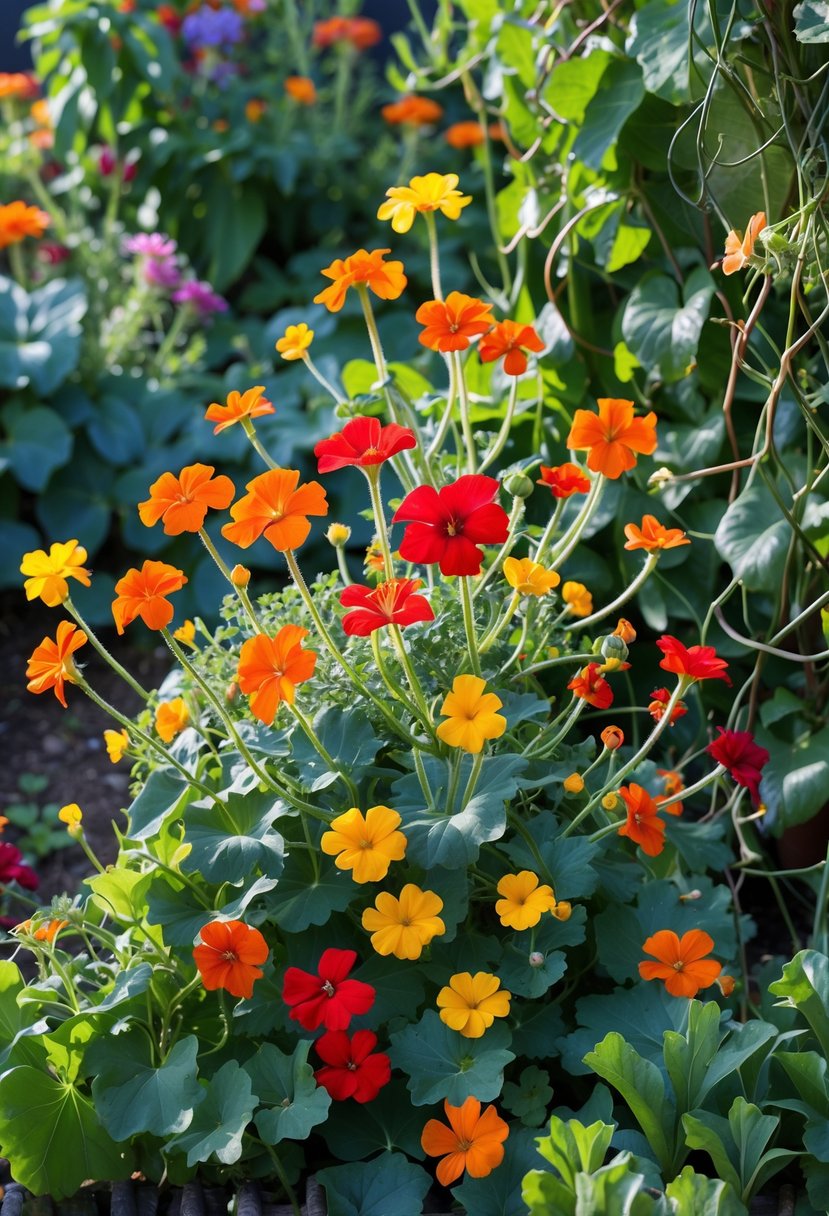
Nasturtiums are easy-to-grow flowers that bring bright color to your chaos garden. They have bold, round leaves and vivid blooms in shades of orange, red, and yellow. These flowers can grow well without much care, making them a good choice for a low-maintenance garden.
You can plant nasturtiums from seeds directly in your garden. They prefer full sun but can handle some shade. Nasturtiums grow quickly and produce flowers all season long, adding continuous interest to your space.
These plants also have edible flowers and leaves with a peppery taste. You can use them in salads or as a garnish. Nasturtiums attract pollinators like bees and butterflies, supporting your garden’s health.
Since nasturtiums can spread freely, they fit well in a chaos garden where plants grow naturally. Their self-seeding ability means they often come back year after year without extra effort. For more details on how to plant and care for nasturtiums, check this guide on growing nasturtiums.
8) Calendula
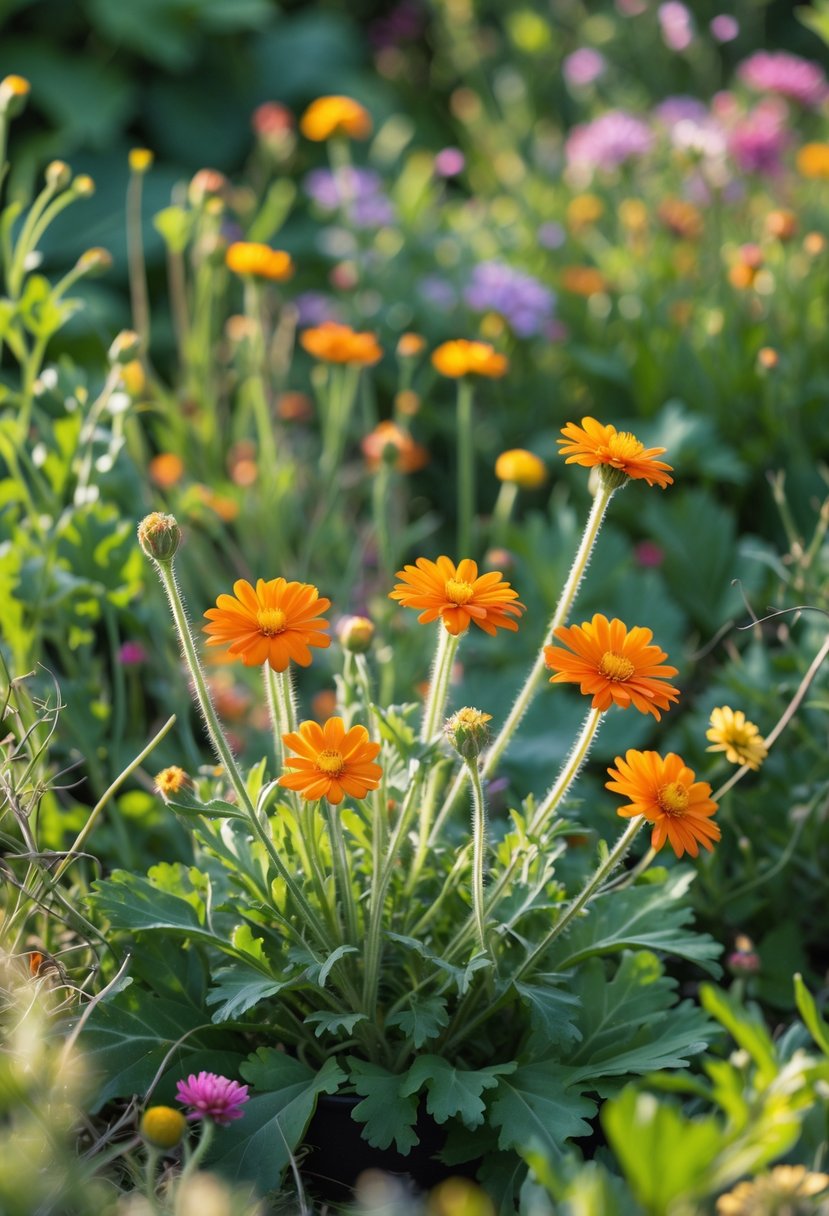
Calendula is a great choice for your chaos garden. It has bright, daisy-like flowers that add a splash of color without much effort from you. The blooms come in shades of orange and yellow, creating a cheerful look.
You don’t need to worry about constant care. Calendula grows well in many soil types and handles different weather conditions. It is known for thriving with minimal attention, making it perfect for a low-maintenance garden.
This flower also blooms for a long time, so your garden stays colorful throughout the season. It attracts pollinators like bees and butterflies, which helps keep your garden lively and healthy.
If you want to grow it easily, scatter seeds directly into your garden. Calendula self-seeds naturally, so it can come back year after year without needing you to replant.
Including calendula in your chaos garden brings both color and simple beauty while supporting the environment. You can learn more about growing this flower in a beginner’s guide to calendula.
7) Zinnia
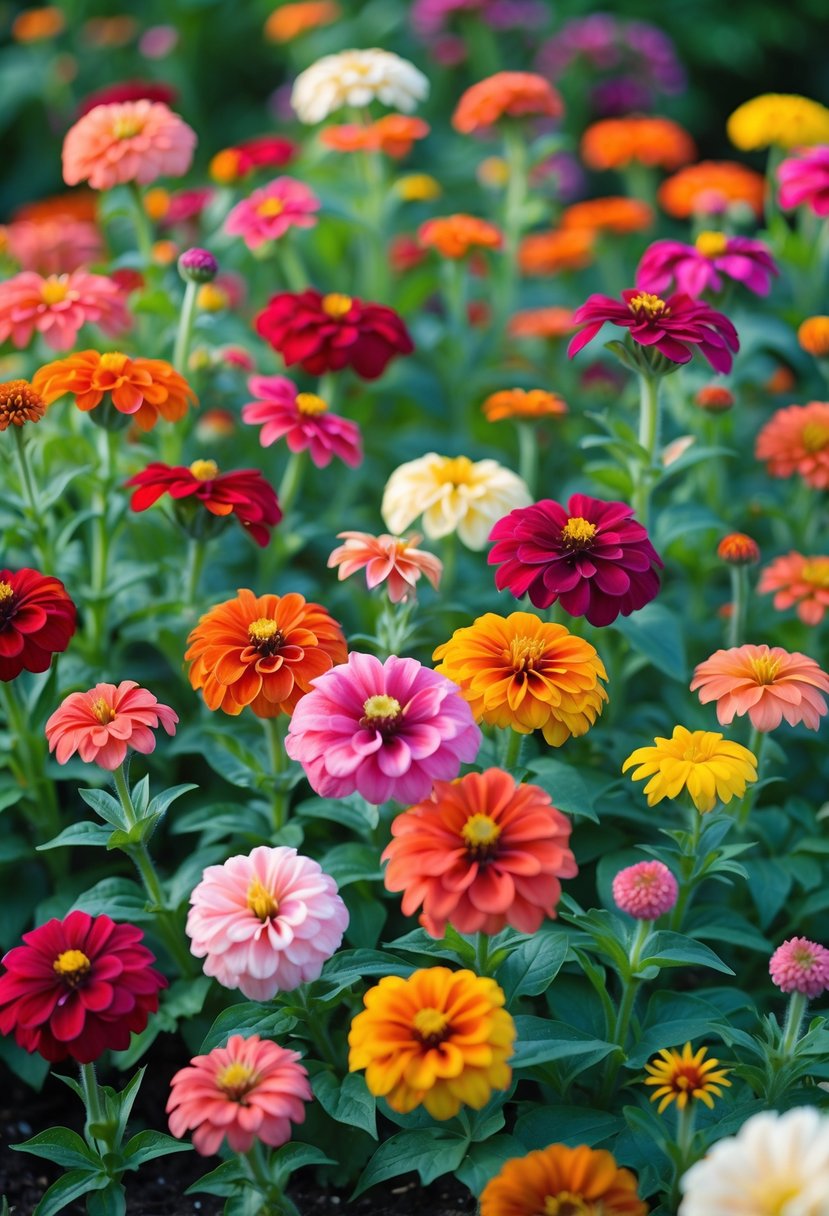
Zinnias are bright, easy-to-grow flowers that work well in chaos gardens. They bloom in many colors and shapes, adding variety and life to your space. You don’t need much experience to grow them successfully.
These flowers thrive in full sunlight and well-drained soil. They also attract pollinators like bees and butterflies, which helps other plants in your garden. Zinnias can bloom all season long if you keep deadheading the spent flowers.
Some varieties, like Zahara Yellow, are compact and resistant to disease. This makes them great if you want low-maintenance plants. You can also cut zinnias for fresh bouquets, which last a long time.
You can learn more about different zinnia types and how to grow them in a cutting garden at this must-have zinnia varieties guide. Adding zinnias can easily bring lasting color and support to your chaos garden.
6) Coreopsis
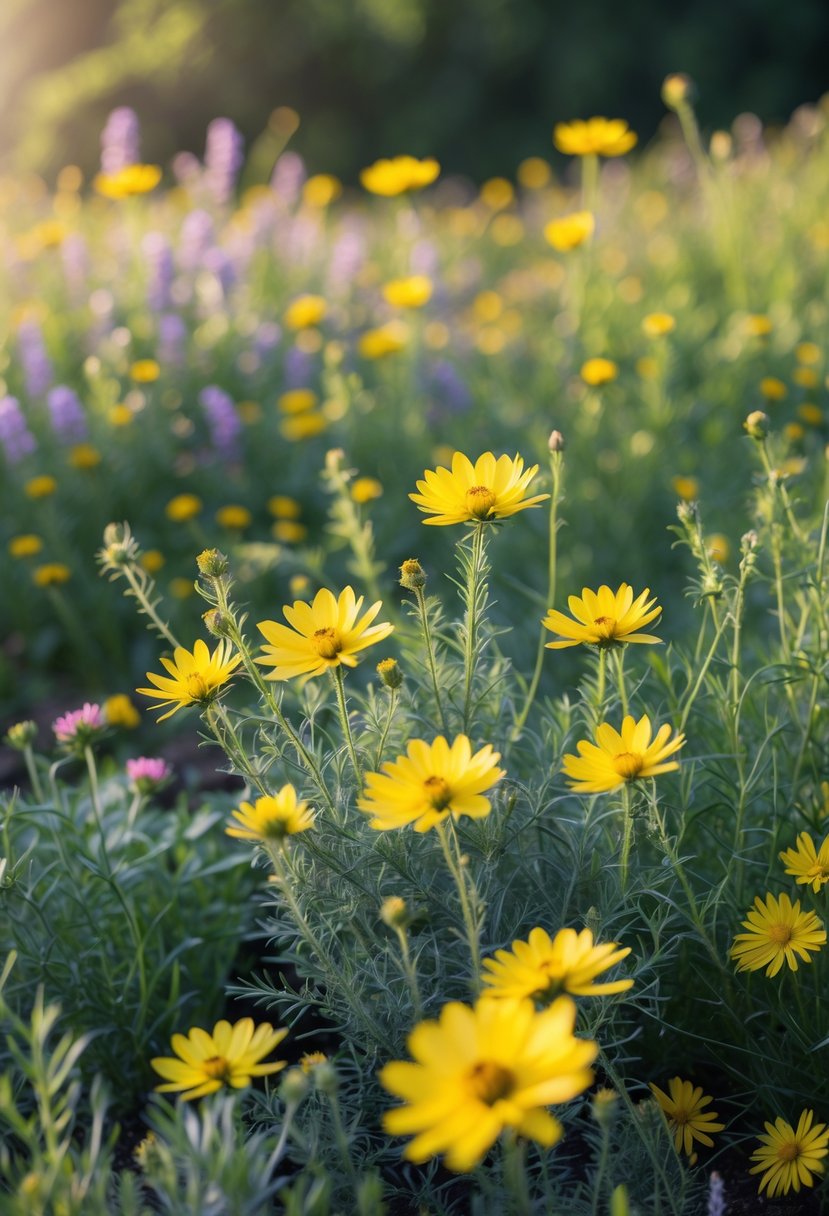
Coreopsis is a great choice for your chaos garden. It has bright, daisy-like flowers that often come in yellow, pink, or red shades. These blooms add a cheerful, natural look without needing much care.
You don’t have to worry about soil quality or dry conditions. Coreopsis grows well in poor soil and can handle dry spells, making it low-maintenance. It thrives in USDA zones 4 through 9, so it fits many climates.
This flower attracts lots of pollinators like bees and butterflies. That helps bring life and balance to your garden. Plus, its long blooming period from summer into fall means your garden stays colorful for months.
You can scatter Coreopsis seeds easily. Its ability to spread fits the free-form style of a chaos garden. Whether you want to add cottage charm or a modern touch, Coreopsis adapts well to different garden designs.
Learn more about why Coreopsis fits so well in a chaos garden from Top 10 Flowers for a Thriving Chaos Garden That Blooms All Season Long.
5) Coneflower (Echinacea)
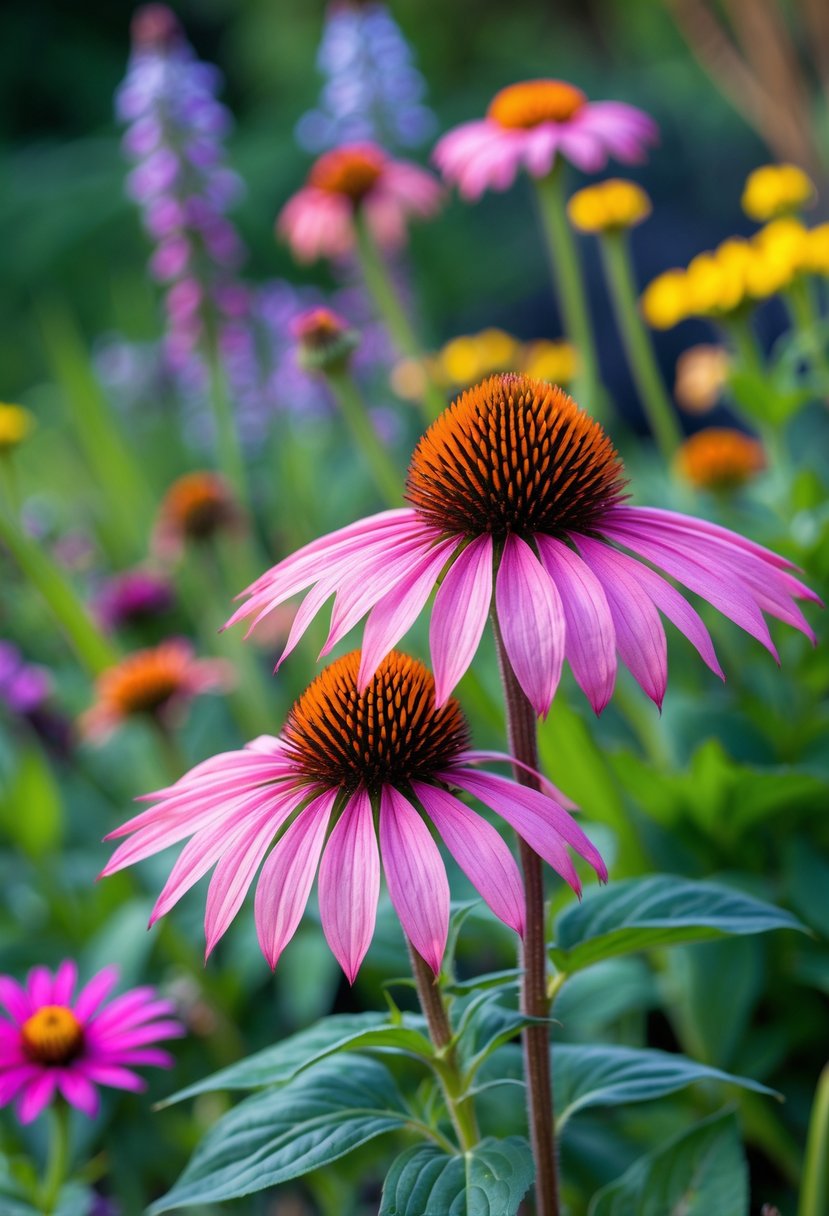
Coneflowers are easy to grow and need little care. You will find they thrive in most garden conditions, including poor soil. This makes them a good fit for a chaos garden where plants grow freely.
These flowers bloom for a long time and come in bright, natural colors like purple and pink. They attract pollinators such as bees, butterflies, and hummingbirds, which can help your garden stay lively.
You can plant coneflowers in mixed borders, rock gardens, or wildflower areas. They add texture and color without crowding other plants. Their daisy-like shape gives your garden a classic look with minimal effort.
If you want to try different kinds, there are many varieties available. Some have taller stems, while others stay low and spread out. You can find helpful tips on growing and caring for coneflowers to keep your garden blooming all season long at this page about how to care for echinacea in your garden.
4) Black-eyed Susan
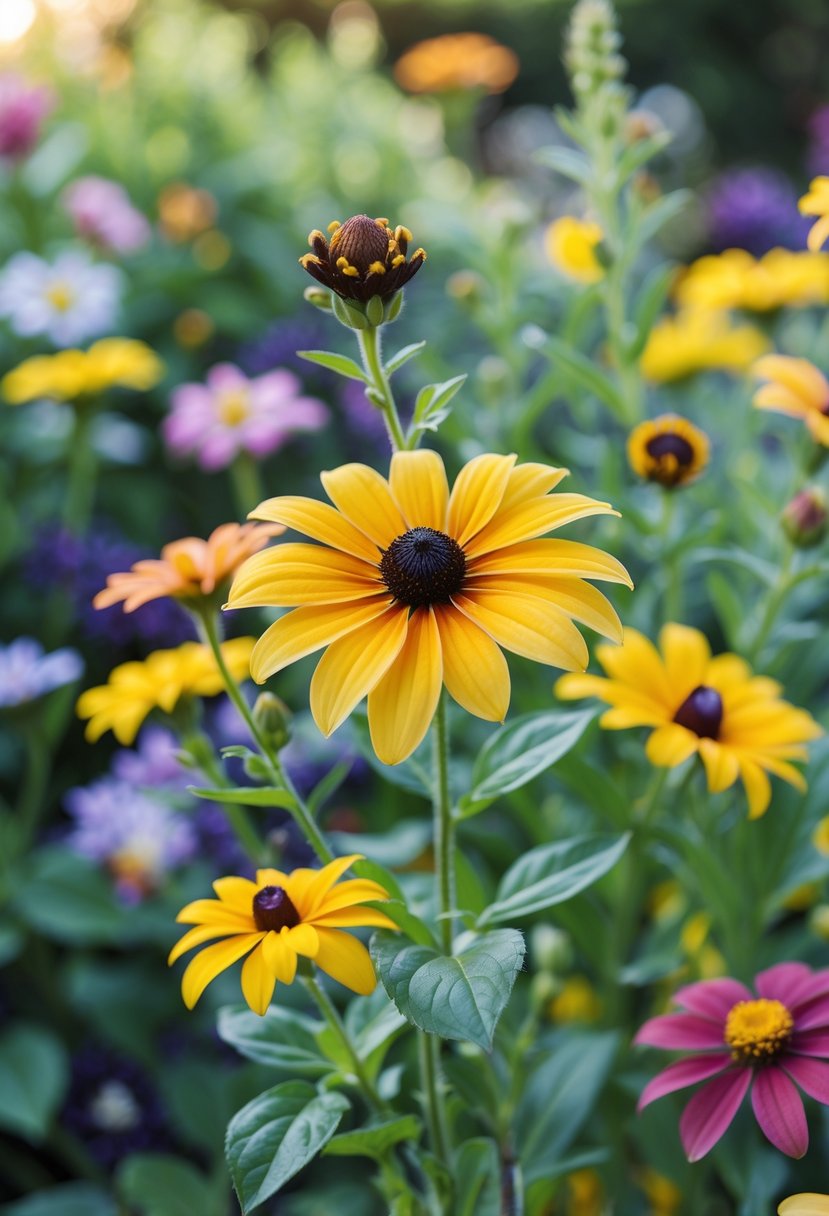
Black-eyed Susan is an easy-to-grow flower with bright yellow petals and dark centers. You will find them adding a cheerful pop of color to your garden for months. They bloom from early summer through late fall, making them reliable for a long season.
These flowers are tough and need little care once they are established. They do well in various soils, including clay, which can be tough for some plants. Their seeds spread naturally, so you don’t have to replant every year.
Black-eyed Susans work well in crowded or wild garden spaces. They fit perfectly in a chaos garden because they thrive without strict care or neat rows. You can combine them with different flowers to create a lively, colorful display.
If you want flowers that bring color and require little attention, Black-eyed Susan is a practical choice. Its resilience and long bloom time keep your garden looking bright with minimal effort. Learn more about growing Black-eyed Susan in a chaos garden with clay soil at biggergarden.com.
3) Cosmos
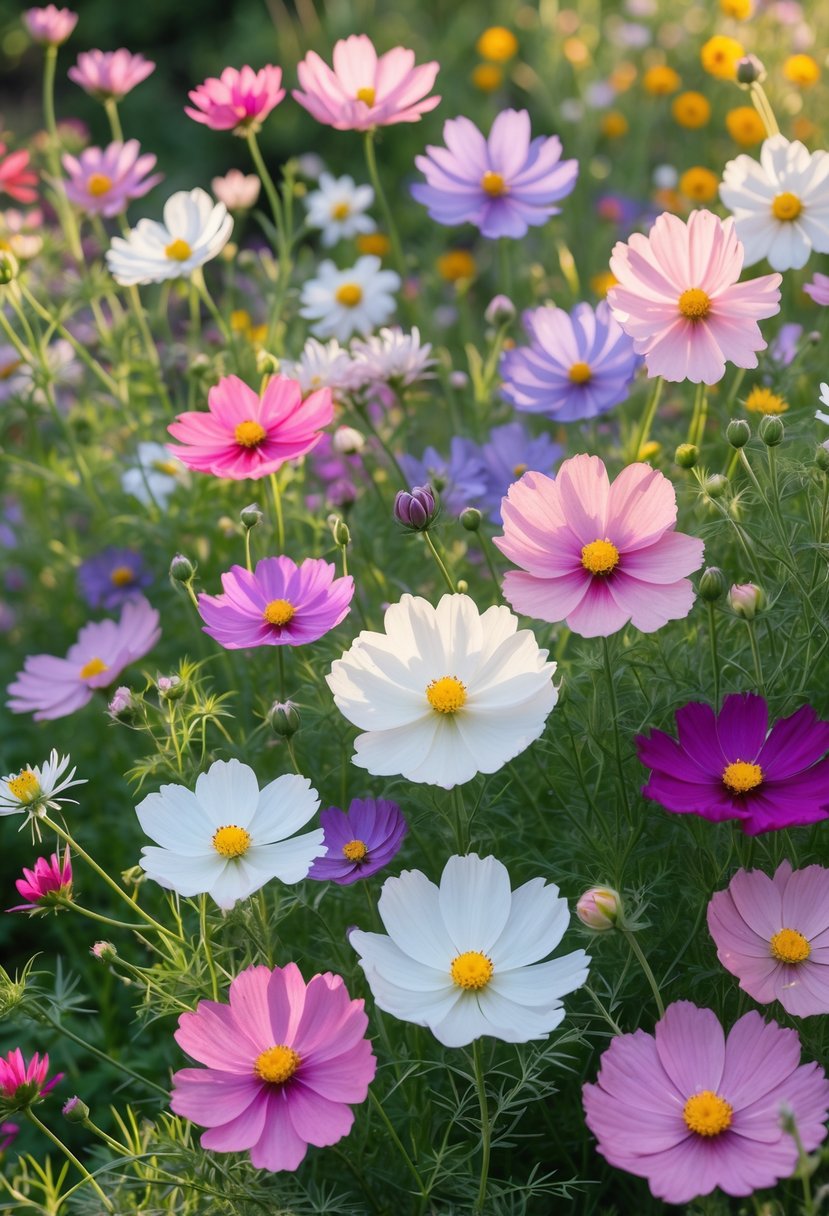
Cosmos flowers are a great choice for your chaos garden. They grow well in many types of soil and weather. You don’t need to worry much about their care because they thrive with little attention.
Their petals come in colors like pink, white, and magenta. These flowers attract bees and butterflies, helping your garden stay lively. Cosmos plants also self-seed, so you can expect new plants to appear each year without extra work.
They bloom for a long time, from early summer through fall. This means your garden will have color for many months. If you want low-maintenance flowers that add movement and charm, cosmos are a reliable option.
Learn more about how cosmos can enhance your garden with this guide on 10 Stunning Cosmos Flower Varieties You Need to Try.
2) Bee Balm
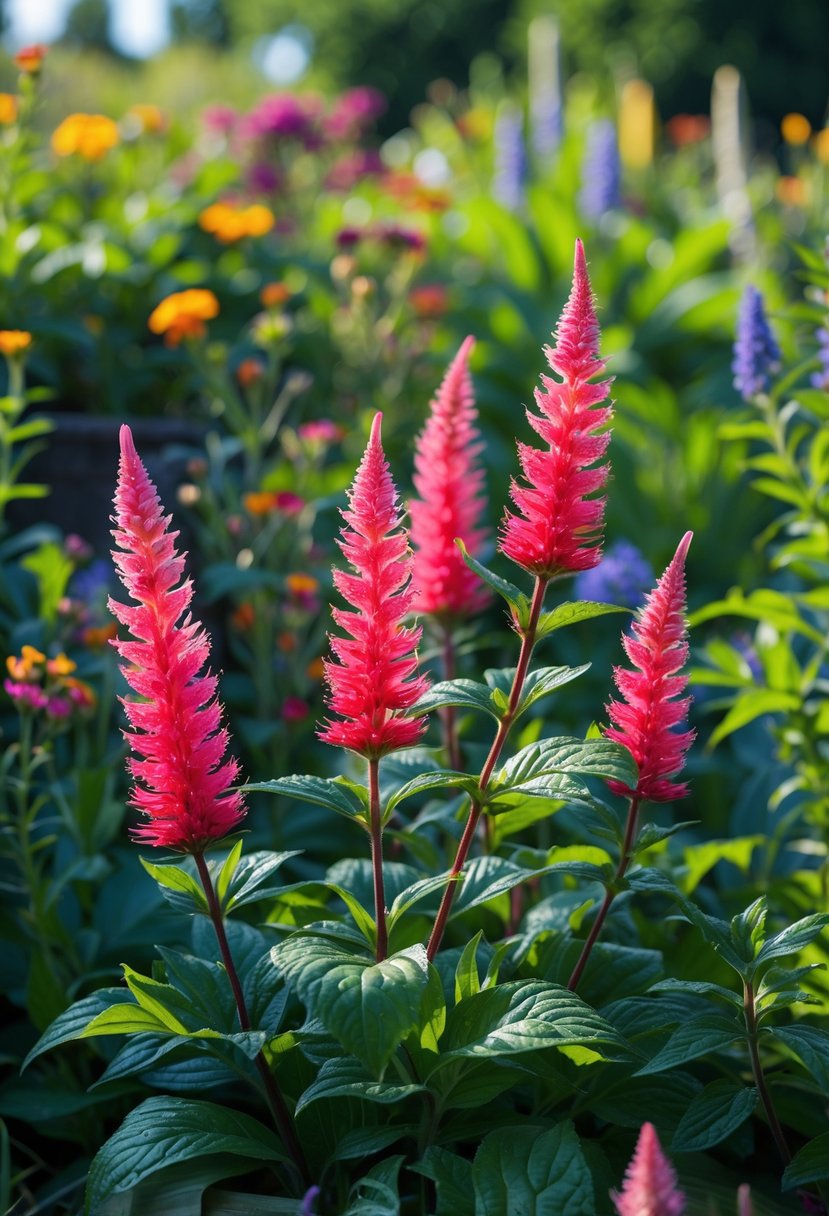
Bee Balm is a strong choice for your chaos garden. Its unique, spiky flowers come in bright shades of red, pink, and purple. These colors stand out well among other plants, bringing boldness to your garden space.
You will also notice the aromatic leaves. The scent adds another layer of appeal to your garden and helps attract pollinators like bees, butterflies, and hummingbirds.
This flower is low-maintenance and adapts well to different conditions. It grows best in full sun but can tolerate some shade.
Including Bee Balm in your garden supports pollinators and helps create a healthy garden ecosystem. Its long blooming season means you get vibrant color for many weeks.
By planting Bee Balm, you encourage natural activity and diversity in your garden. Learn more about how it fits in a thriving garden from this chaos garden flower guide.
1) Wild Bergamot
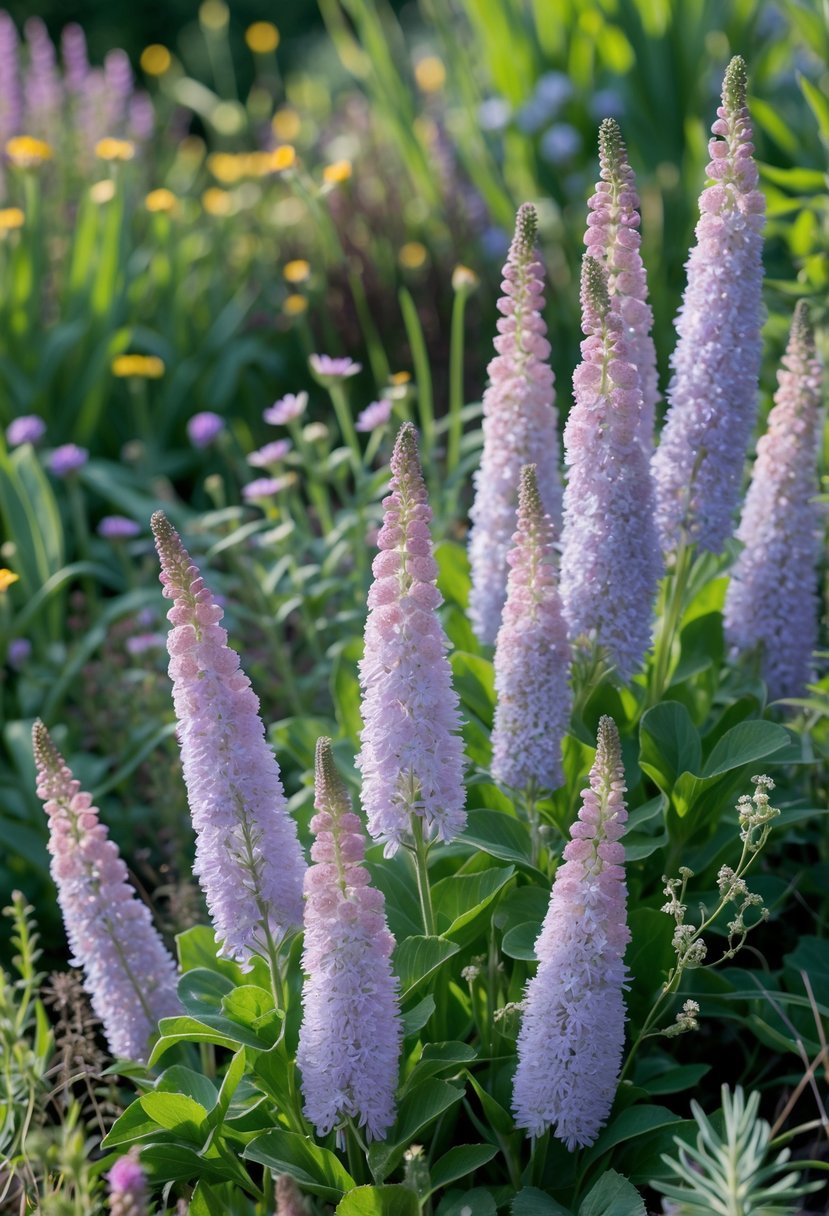
Wild Bergamot is a tough perennial that fits well in a chaos garden. You will see clusters of lavender-pink flowers that bloom in summer and attract bees, butterflies, and hummingbirds. This makes your garden lively and helps pollinators thrive.
It grows best in zones 3-9 and prefers full sun to part shade. You do not need to spend much time caring for it. Just plant it in well-drained soil and water during dry periods.
Wild Bergamot, also called Bee Balm, has aromatic leaves that can add fragrance to your garden. You can let it spread naturally, which fits the idea of a garden that grows freely without strict planning. If you want a flower that needs low maintenance but adds color and wildlife, this is a good choice.
For more details on growing Wild Bergamot and its benefits, you can check this guide on Wild Bergamot.
Key Elements of a Thriving Chaos Garden
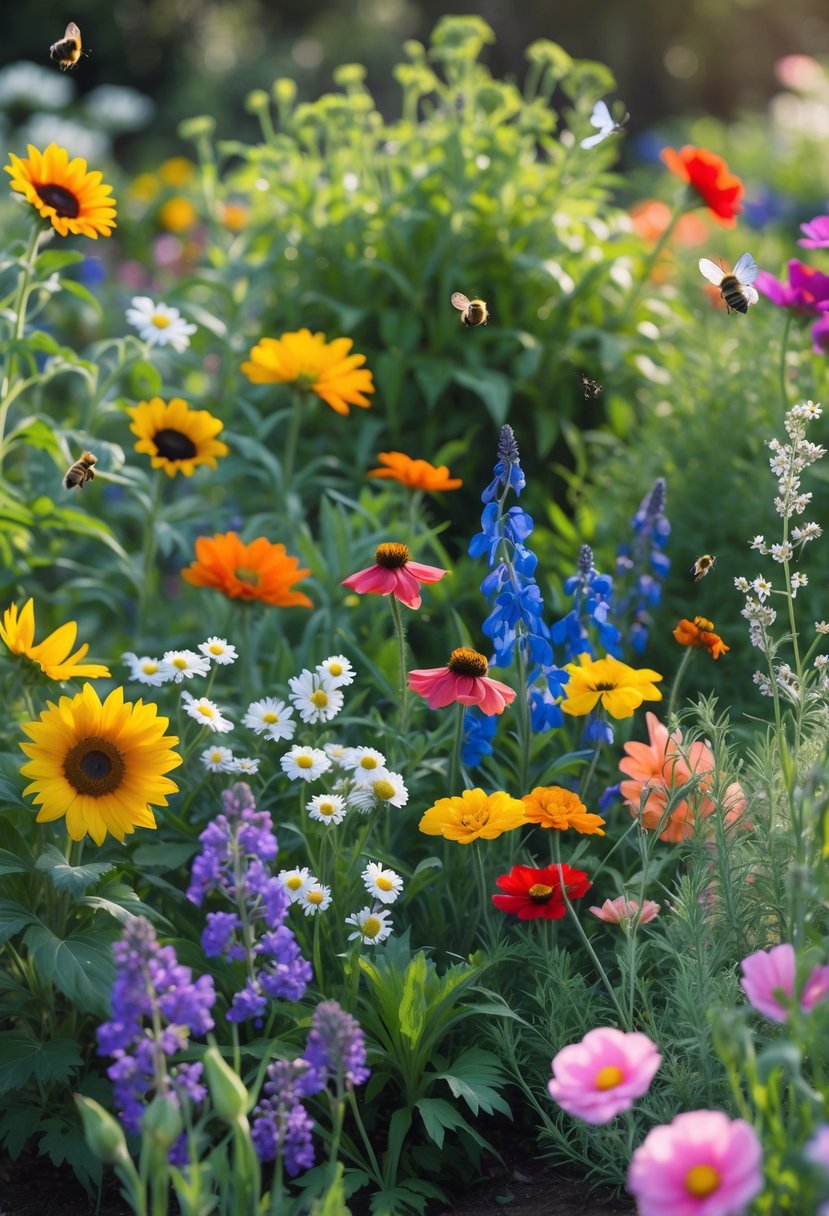
A successful chaos garden depends on choosing plants that match your climate, preparing your soil properly, and arranging layers of plants that work well together. Each of these steps helps create a garden that grows strong and attracts pollinators with little effort.
Climate Considerations
Your garden’s location shapes what plants will thrive. Check your hardiness zone to pick flowers that can handle your temperatures and rainfall.
Low-maintenance flowers for chaos gardens usually tolerate heat, drought, or wet conditions depending on your area. For example, if you live in a dry zone, choose drought-tolerant plants like coneflowers or blanket flowers.
Also, think about sunlight. Most chaos garden flowers do well with full sun, but some need partial shade. Matching plants to your specific light conditions helps avoid weak growth or extra watering.
Soil Preparation Tips
Good soil helps your chaos garden flourish without constant care. Start by testing the soil’s pH and texture to understand its needs.
If your soil is compacted, loosen it with a garden fork or tiller to allow roots to grow easily. Add organic matter like compost to improve drainage and provide nutrients.
Avoid heavy fertilizers since chaos gardens favor natural growth. Instead, enrich the soil slowly using mulch or decomposed leaves. This encourages worms and beneficial microbes that keep soil healthy and support diverse plants.
Plant Layering for Biodiversity
Layering plants in your chaos garden creates a cover that protects soil and boosts plant health naturally.
Begin with low ground covers that suppress weeds and retain moisture. Next, mix mid-height flowers and herbs that attract pollinators. Finally, include taller plants or grasses for height and structure.
This mix provides food and shelter for insects and birds. It also helps plants share resources, like light and water, reducing competition and increasing your garden’s overall resilience.
For tips on which flowers to use, see top flowers for a thriving chaos garden that blooms all season long.
Caring for Diverse Flower Species
Managing different flowers means adjusting how you care for each one’s needs. You’ll need to control water carefully and watch for pests to keep your garden healthy and colorful.
Watering Strategies
Different flowers need different amounts of water. Some, like verbena, prefer to dry out a bit between watering. Others, especially newly planted ones, may need more consistent moisture.
Water your chaos garden early in the morning or late in the afternoon to reduce evaporation. Use a drip system or soaker hose to deliver water directly to the roots. This helps avoid wetting the leaves, which can cause disease.
Check soil moisture regularly. Stick your finger about an inch in the soil; if it feels dry, it’s time to water. Avoid overwatering as it can lead to root rot or mold growth. Group plants with similar water needs together for easier management.
Pest and Disease Management
In a diverse garden, pests can target some plants but not others. Keep an eye out for common signs like chewed leaves, sticky residue, or yellow spots.
Use natural methods first: introduce beneficial insects like ladybugs or use neem oil sprays. These help control pests without harming your plants or the environment.
Remove dead or infected leaves promptly to stop diseases from spreading. Rotate plants and avoid overcrowding to improve air flow and reduce fungal problems.
Regularly inspect your flowers so you can catch problems early. Acting quickly helps keep your garden thriving with fewer chemicals.
For more details on effective watering and pest control, see Top 10 Flowers for a Thriving Chaos Garden That Blooms All Season Long.
Frequently Asked Questions
These questions cover how to choose flowers that attract pollinators, handle tough or uneven conditions, and keep your garden lively with low care. The focus is on picking resilient plants that fit the chaos garden style.
What are the best flowers to plant for attracting pollinators in a chaotic garden environment?
You want flowers like Verbena and Calendula. These blooms attract bees, butterflies, and other pollinators without needing much fuss. Their colors and nectar supply support a healthy garden ecosystem.
Which flowers should I choose for a garden with varied and unpredictable conditions?
Look for flowers that tolerate changes well, such as Nasturtium and Coreopsis. These plants adjust to different soils and weather types. Their ability to grow in mixed settings makes them ideal for a chaos garden.
How do I ensure a diverse and resilient plant community in my chaotic garden?
Combine self-seeding flowers like Zinnia with perennials and herbs. This mix fills different layers and spreads over time. Diversity helps protect the garden from pests and sudden weather changes.
What are the top perennial flowers that thrive in disordered garden spaces?
Coreopsis and Calendula are strong perennial choices. They survive crowding and bloom repeatedly year after year. These plants don’t need strict care and fit well in relaxed garden designs.
Can you recommend flowers that are tolerant of erratic weather patterns for a chaos garden?
Choose flowers that resist drought and rain swings, like Nasturtium and Verbena. These flowers survive dry spells and heavy rains without wilting. Their resilience helps keep the garden colorful all season.
Which low-maintenance flowers provide long-lasting visual interest in a non-traditional garden setting?
Zinnia and Coreopsis offer blooms from early summer to fall with little effort. Their bright colors keep your garden lively without constant attention. These flowers are perfect for a garden that grows wild and free.