Small Cut Flower Garden Layout Ideas for Efficient and Beautiful Planting
A small cut flower garden is a great way to grow fresh flowers right at home. These gardens focus on plants that produce flowers ideal for cutting and arranging indoors. Growing your own cut flowers lets you enjoy colorful blooms and add natural beauty to your space throughout the growing season.
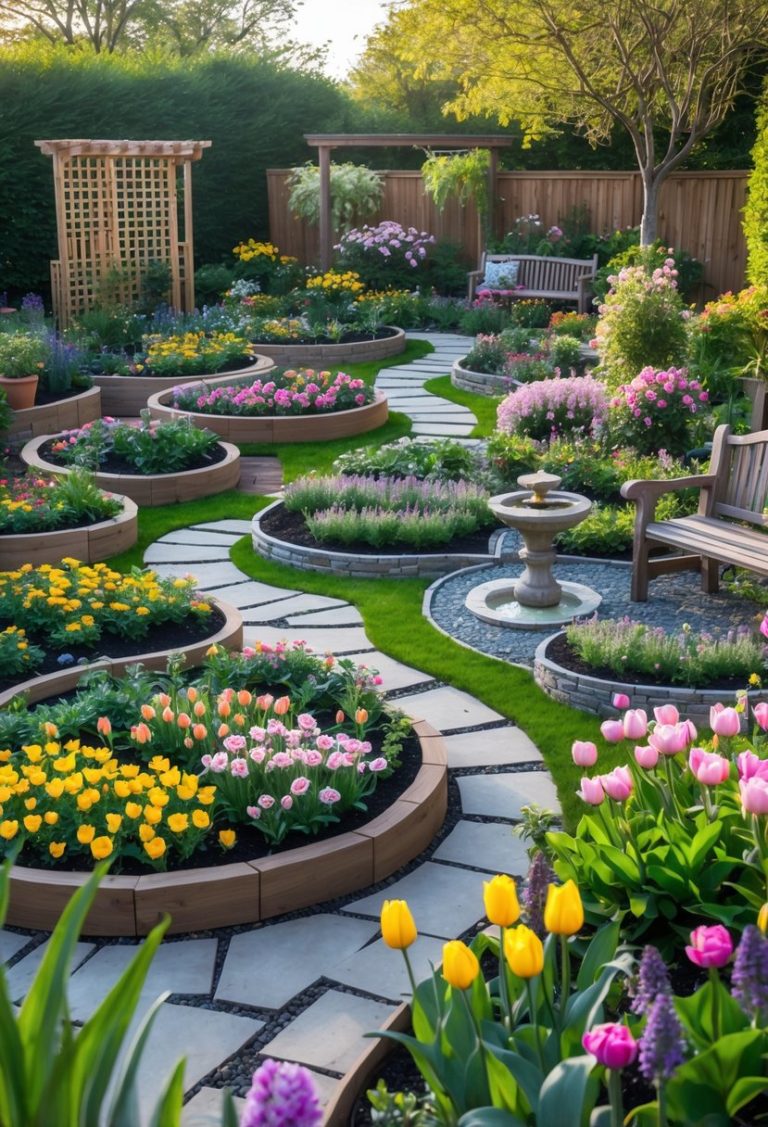
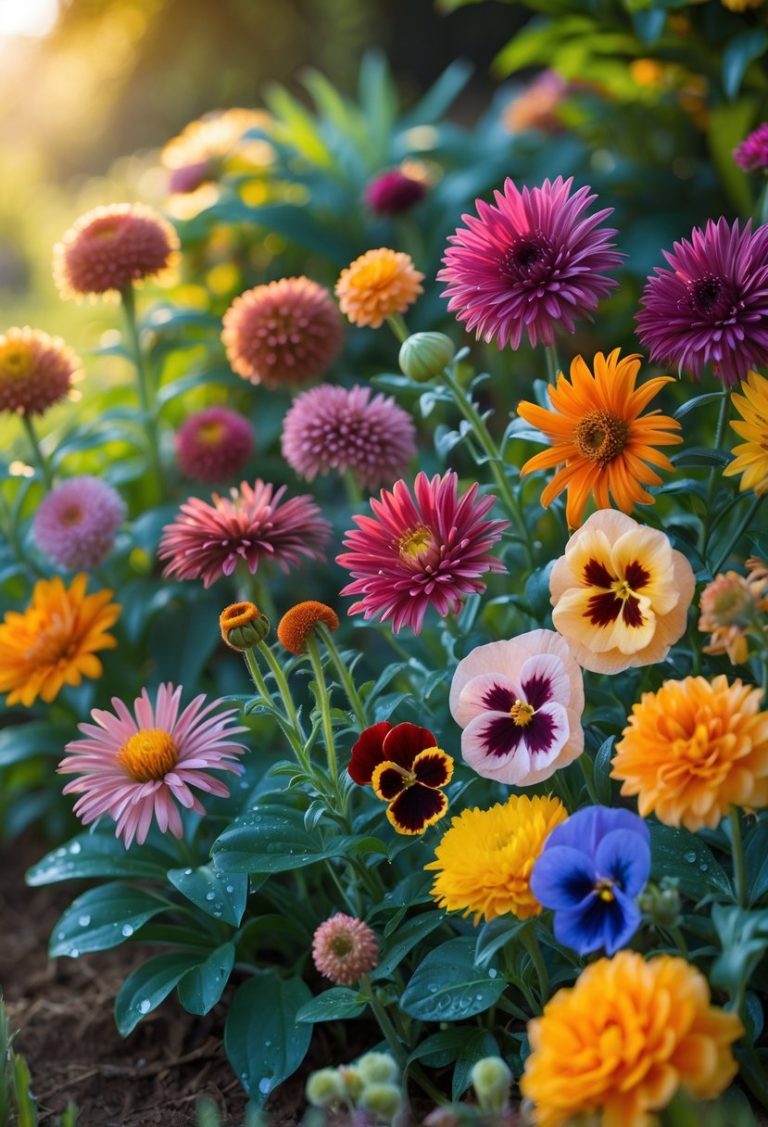
Cut flowers come from many types of plants, including annuals, perennials, and bulbs. You can choose flowers with different colors, shapes, and bloom times to keep your garden interesting. A small garden layout is useful when you have limited space, like a balcony, patio, or small backyard.
When planning your garden, the key things to consider are space, sunlight, and plant needs. You want to arrange plants so they get enough light and room to grow without crowding. Picking flowers that grow well in your climate and match your care routine is also important. We looked into various small cut flower garden layouts to help you create a garden that’s both attractive and productive.
Best Small Cut Flower Garden Layout Products
Choosing the right tools and supplies can help you create a beautiful small cut flower garden. These products are designed to make planting, growing, and arranging your flowers easier and more efficient. Below, you’ll find the top options to support your garden layout goals.
Small Garden Design

This book helps you plan a small cut flower garden with smart ideas and clear layouts that really work.
Pros
- Easy-to-follow design ideas
- Useful for tight spaces
- Inspiring photos and layouts
Cons
- Some advice fits Australian climates better
- Not specific to cut flowers only
- Paperback format may wear with heavy use
You’ll find it handy for making the most of small garden spots. The designs are simple but thoughtful, showing how to arrange plants so your cut flower garden looks neat and full.
The photos give you a real feel for how a small garden can come together. It’s not a how-to on every flower type, but the layout tips work well for growing blooms to cut.
If you want a practical guide with inspiration, this book fits nicely on your shelf. It’s light and compact, easy to carry as you plan and plant your garden space.
RHS Little Cut-Flower Gardening
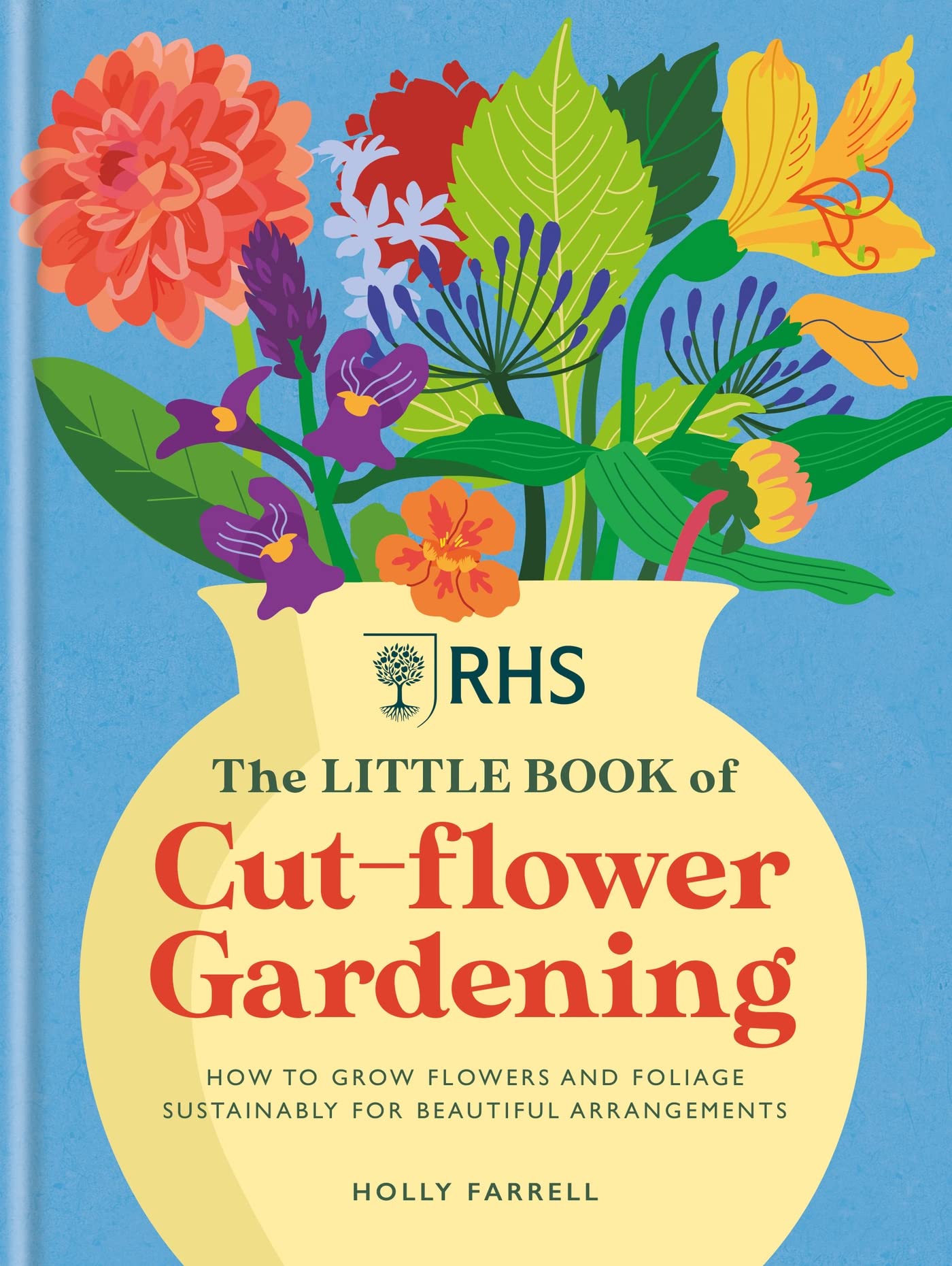
This small guide is useful if you want simple, easy tips to grow cut flowers without complex details.
Pros
- Clear advice for beginners
- Practical ideas for sustainable growing
- Compact and easy to carry
Cons
- Limited depth for experienced gardeners
- Some pictures are low quality
- Price feels high for short content
You’ll find straightforward tips that help you plan and care for a small cut flower garden. It focuses on sustainable methods that make your garden neat and manageable.
The book is short and light, so it’s good when you want quick guidance without too many pages to sort through. However, it might feel a bit basic if you already know a lot about gardening.
If you are just starting out, this book will guide you nicely through setting up your cut-flower layout and preparing your garden for beautiful arrangements indoors.
Small Flower Garden Ideas
This guide is a good choice if you want simple and clear ideas for arranging a small cut flower garden near your home.
Pros
- Easy to follow design tips
- Focused on small spaces
- Quick read with useful layout ideas
Cons
- Limited to front yard garden designs
- Only 52 pages, so coverage is brief
- No photos to show finished gardens
You’ll find practical advice that helps you plan a flower garden without overwhelming details. The ideas focus on small front yard spaces, which makes it easier to visualize how you could use your own garden for cut flowers.
The book’s short length means you get to the point fast. It’s perfect if you want some fresh ideas but don’t want to spend a lot of time reading. It works well for beginners and people with limited space.
If you want a simple guide to start a small flower garden near your house, this is a solid pick. You can check it out here: Small Flower Garden Ideas.
Small Garden Style

This book is a solid guide if you want clear ideas and easy steps for creating a small cut flower garden.
Pros
- Clear, practical design tips for small gardens
- Beautiful photos that inspire your layout ideas
- Easy to follow, even if you’re new to garden design
Cons
- Focus is more on overall garden style than just cut flowers
- Some ideas might feel basic if you have experience already
- Not a step-by-step planting guide
The book shines when it comes to helping you imagine your outdoor space. It shows how small areas and containers can work together nicely. You’ll find layouts that suit different tastes and lifestyles.
You get a fresh look at using flowers alongside other plants and garden features. It strips away complicated details and focuses on real-world design you can start using right away.
If you want a book that mixes style with practical garden planning, this is a good pick. It gave me plenty of ideas to help organize my small flower garden without feeling overwhelmed.
Right-Size Flower Garden

This book is a solid choice if you want to simplify your flower garden while keeping it attractive without needing too much work.
Pros
- Practical advice for smaller, manageable gardens
- Good tips on plant choices that save effort
- Easy to follow, even if you’re new to gardening
Cons
- Some ideas may feel familiar if you’ve read a lot about gardening
- Not many pictures to inspire creativity
- Focuses more on downsizing than expanding
You’ll find this guide helpful if your garden feels too big to handle. It offers smart ways to reduce the size of flower beds without losing their charm. The suggestions are clear and easy to put into action.
The author’s experience shows in the way she balances beauty and practicality. You’ll learn how to choose plants that need less care, which means less time spent weeding and watering.
If you want a flower garden layout that fits your lifestyle better, this book gives you tools to make your outdoor space work for you. It reads fast and is relevant whether you’re scaling down or just organizing.
Buying Guide
When choosing plants for your small cut flower garden, look for varieties suited to your climate. Check the mature size so flowers won’t overcrowd each other. Choose plants with staggered bloom times to enjoy flowers over a longer period.
Pay attention to soil and sunlight needs. Make sure your garden spot matches these requirements for healthy growth. If space is limited, pick compact or dwarf varieties that fit well.
Consider these features when buying seeds or plants:
| Feature | What to Look For |
|---|---|
| Bloom Time | Early, mid, and late-season blooms |
| Plant Height | Compact varieties for small spaces |
| Growing Conditions | Match soil type and sun exposure |
| Ease of Care | Low-maintenance for beginners |
| Flower Variety | Mix of shapes, colors, and sizes |
You might want to buy some starter plants to get quick blooms. Seeds are cheaper but take longer. Check if plants or seeds are disease-free to avoid problems later on.
Tools and supplies also matter. Good soil, fertilizer, and watering systems help flowers grow well. Buy tools that fit your garden’s size, like small hand trowels and pruners.
By focusing on these features, you can pick flowers and supplies that match your small garden’s needs. This will help you create a beautiful cut flower garden even with limited space.
Frequently Asked Questions
A successful small cut flower garden includes plants that bloom at different times and fit well in your space. You also want to plan when to plant and choose varieties that last through seasons. Using raised beds can help with soil control and space use.
What are the best flowers to include in a cut flower garden for year-round blooms?
Choose flowers that bloom in different seasons. Examples are tulips and daffodils for spring, zinnias and cosmos for summer, and chrysanthemums and asters for fall. Include some evergreens or seed heads for winter interest.
How should I arrange my plants in a cut flower garden to maximize space and beauty?
Place taller plants like sunflowers at the back or center. Shorter ones like sweet peas and snapdragons go in front. Group flowers by height and color to create layers and attract pollinators.
Can you provide a planting schedule for a successful seasonal cut flower garden?
Start spring bulbs in the fall. Plant cool-season annuals in early spring. Warm-season flowers go in after the last frost. Sow fall bloomers in midsummer for a late-season show.
Which perennials should I consider for a long-lasting cut flower garden?
Peonies, daylilies, and coneflowers are strong choices. They come back each year and provide reliable blooms. Add some ornamental grasses for texture and interest.
How can I start a cut flower garden in raised beds effectively?
Fill raised beds with well-draining soil mixed with compost. Space plants properly to avoid crowding. Water regularly and mulch to keep soil moist and cool.
What are some recommended seed varieties for a vibrant and diverse cut flower garden?
Try zinnias, sunflowers, cosmos, snapdragons, and bachelor’s buttons. These seeds are easy to grow and provide a mix of colors and shapes. You can also include native wildflower mixes for added diversity.