Small Balcony Flower Garden Ideas for Limited Spaces and Maximum Impact
Creating a small balcony flower garden is a great way to bring color and life to limited outdoor space. Even if your balcony is tiny, you can transform it into a beautiful and relaxing spot with the right plants and setup. A small balcony garden works best when you choose compact flowers that thrive in containers and use clever space-saving ideas.
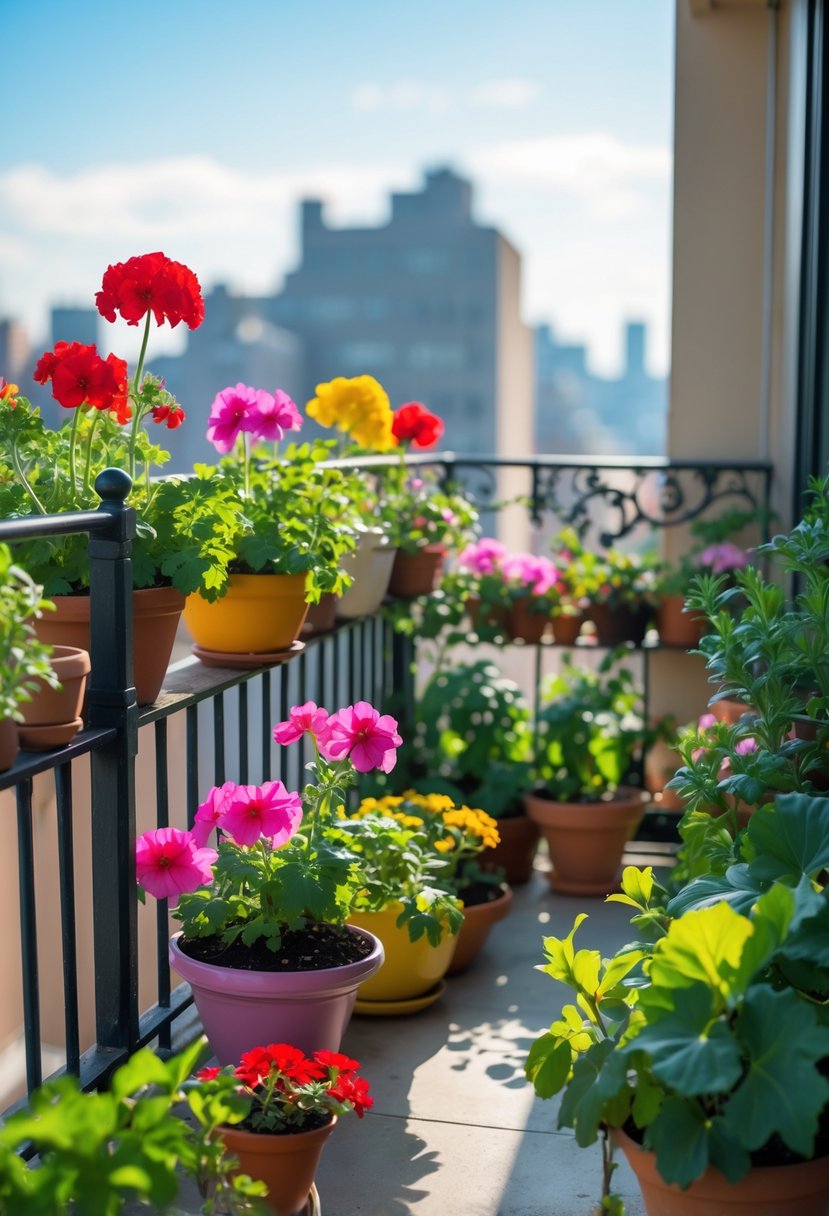
Balconies can face challenges like strong wind and intense heat, but with proper planning, you can protect your plants and keep them healthy. Using vertical stands, hanging pots, and multi-level plant arrangements helps maximize the space while adding variety and charm to your garden. Your balcony can quickly become a green retreat perfect for relaxing or enjoying nature near your home.
Key Takeaways
- You can create a vibrant garden even with limited balcony space.
- Choosing the right flowers and using vertical setups saves room.
- Protecting and caring for your plants helps them thrive in tough balcony conditions.
Planning Your Small Balcony Flower Garden
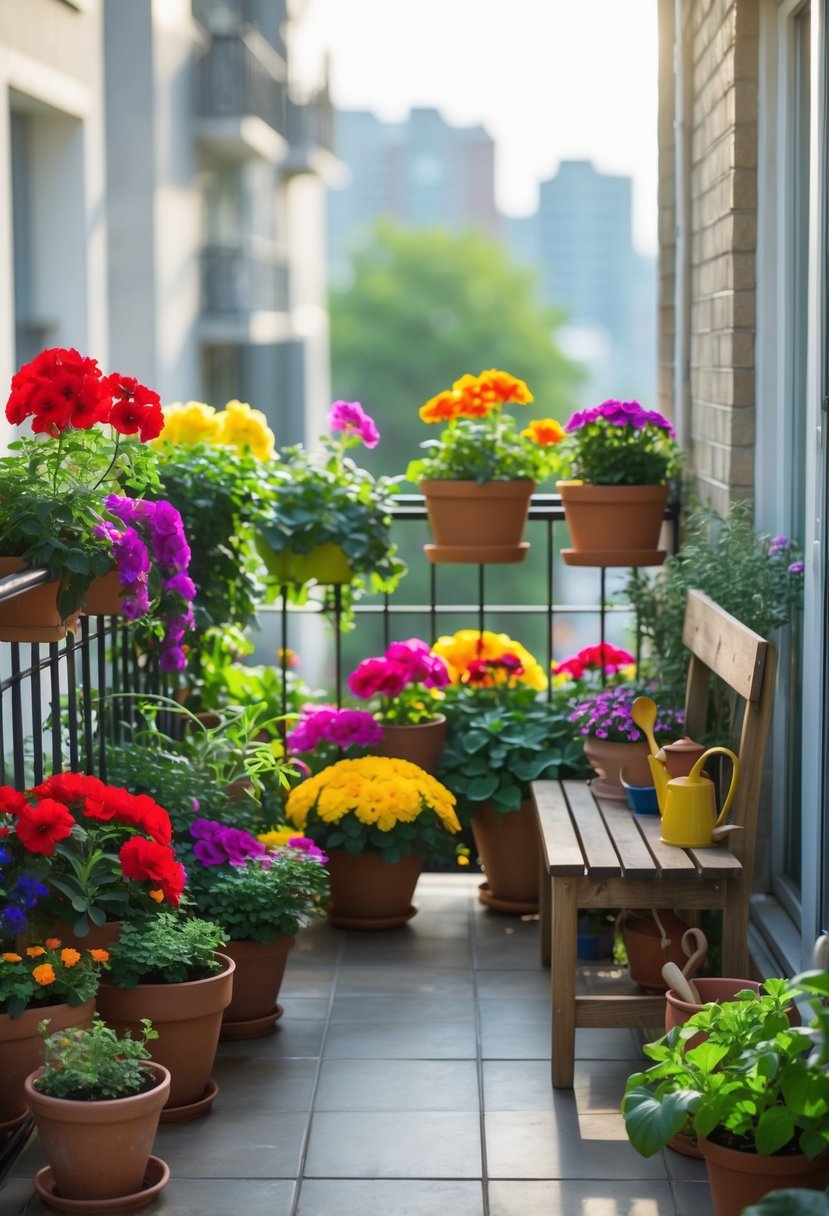
To create a thriving flower garden on your small balcony, you need to carefully consider your space, containers, and how the local conditions affect your plants. Balconies vary in size, shape, and sunlight, so understanding these factors will help you select the best flowers and growing methods.
Assessing Balcony Space and Sunlight
Start by measuring your balcony’s usable space. Note areas where you can place containers without blocking walkways. Balconies often have limited floor space, so use vertical or hanging options to maximize your garden.
Observe how much sunlight your balcony gets each day. Most flowering plants need at least 4-6 hours of direct sunlight. South-facing balconies get the most sun, while north-facing ones may be shady. This will guide your plant choices.
Consider sun patterns at different times and seasons. Some areas might be shaded by buildings or trees. Track sunlight for a day or two to understand your balcony’s light exposure.
Choosing the Right Containers
Pick containers that fit your balcony space and the plants’ needs. Compact containers save space and are easier to move. You can use terracotta pots, which allow airflow and prevent overwatering, or ceramic pots that retain moisture well.
Choose containers with drainage holes to avoid water buildup. If your balcony has a railing, consider railing planters that save space and keep plants visible.
Mix container sizes for variety: small pots for herbs or annuals, and larger ones for deeper-rooted perennials. Lightweight materials like plastic or resin also make moving pots easier if needed.
Understanding Microclimate and Temperature
Your balcony creates its own small environment, or microclimate, which affects how plants grow. Buildings, walls, and floors can trap heat, making your balcony warmer than open spaces.
Temperature changes quickly on balconies, especially in urban areas. During hot days, pots can dry out fast, so choose heat-tolerant plants or use mulch to keep soil moist.
Wind is another factor that can stress plants and dry them out. You can reduce wind damage by placing windbreaks or grouping containers close together.
Keep an eye on seasonal changes. Winter temperatures near buildings might stay warmer, allowing you to grow some flowers longer. Understanding these details helps you pick the right plants that will adapt well to your balcony’s conditions.
Selecting the Best Flowers and Plants
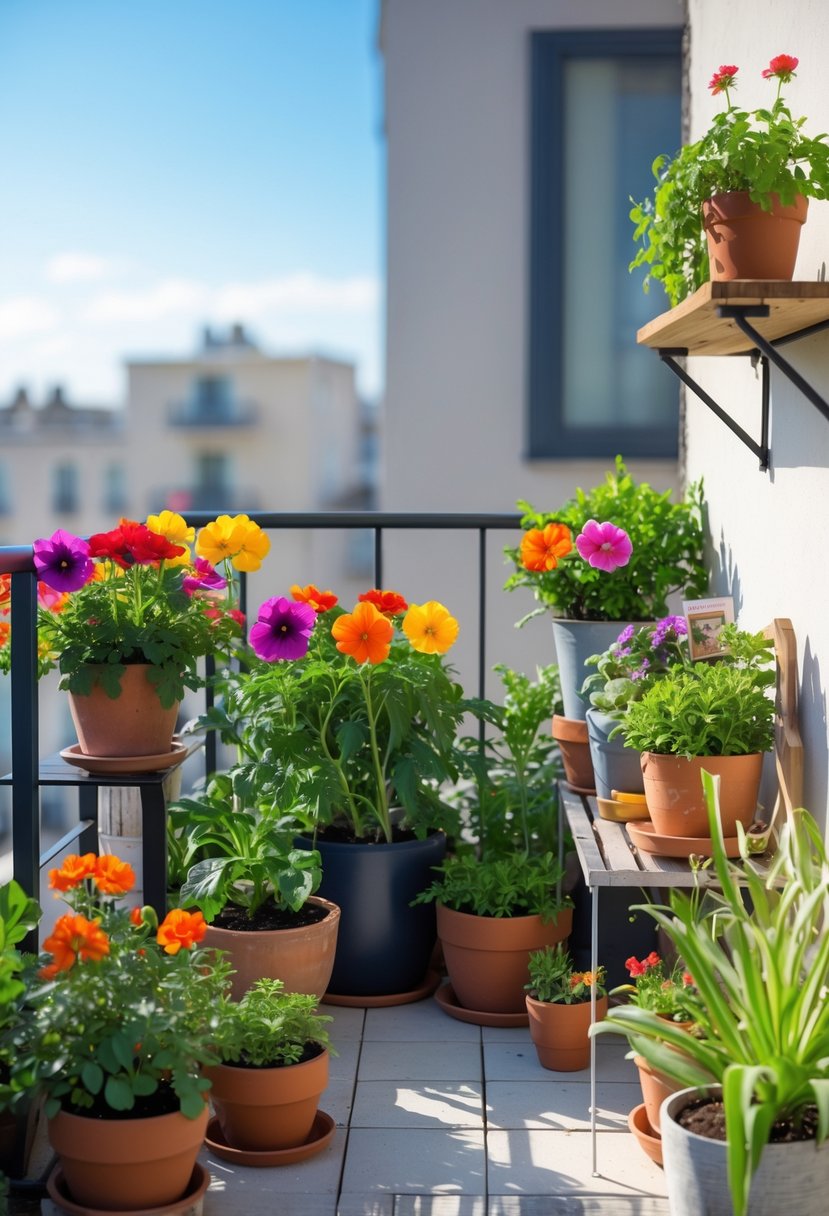
Choosing the right plants for your small balcony depends on space, light, and how much care you can provide. Some plants brighten your balcony with color, while others save space by growing up or trailing down. You can also add useful plants like fresh herbs and vegetables that fit small areas.
Top Flower Choices for Small Balconies
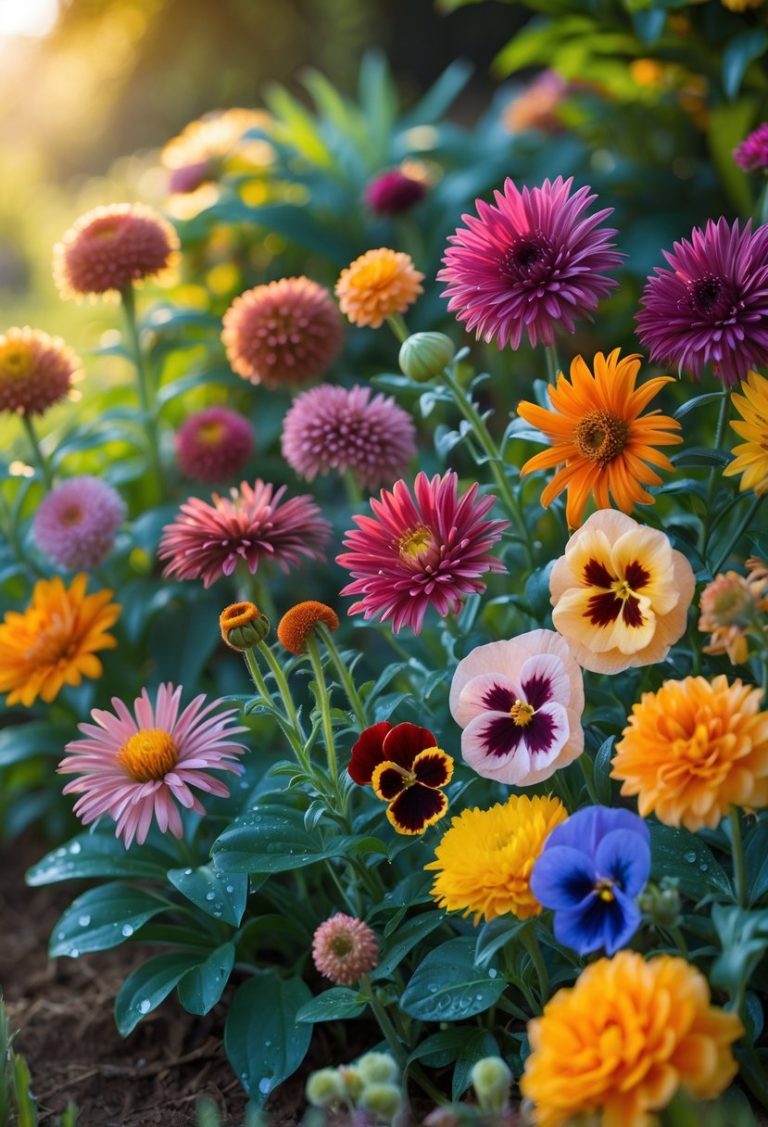
You want flowers that bloom well in limited space and sunlight. Petunias and marigolds are great because they bring bright colors and grow well in containers. Petunias offer trailing blooms that can hang from pots, making your balcony look fuller.
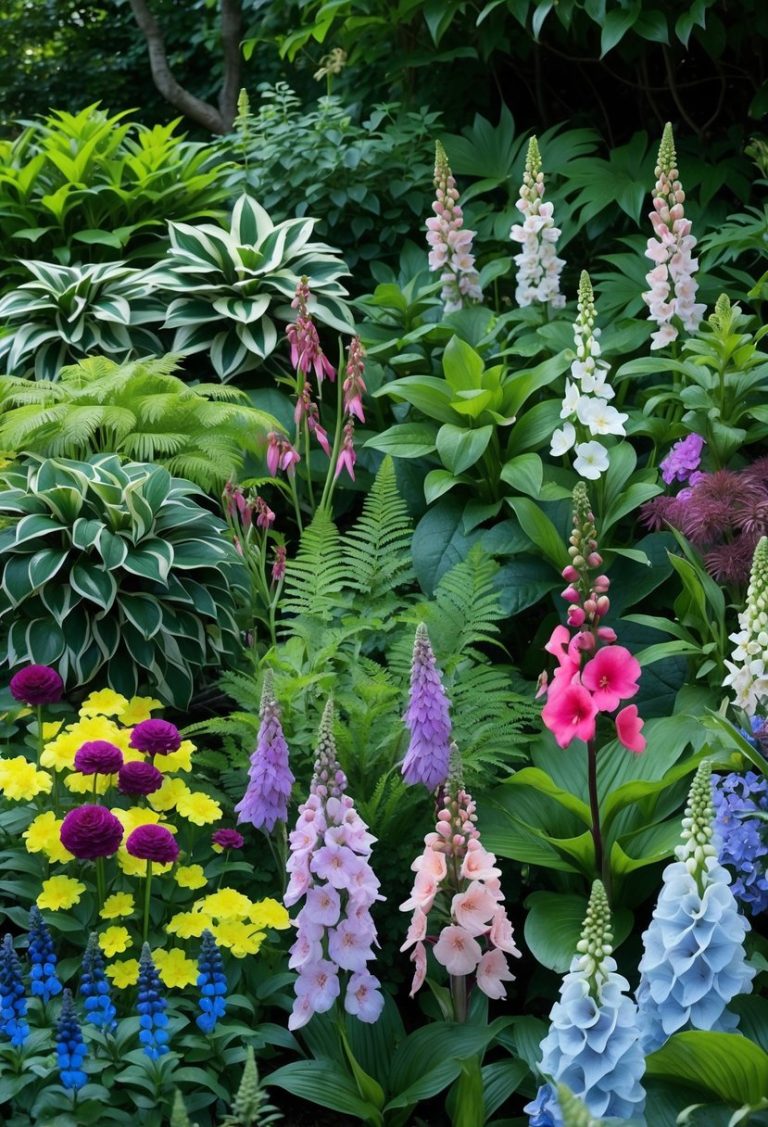
Lavender adds color and scent while attracting pollinators. It also tolerates some drought, which is helpful if you can’t water often. For shade or partly sunny balconies, ferns work well, adding green without needing full sun.
Low-Maintenance and Drought-Tolerant Plants
If you want less work, focus on plants that do well with little water. Succulents and cacti are top choices because they store water and survive dry spells. These plants need well-drained soil and often only occasional watering.
Evergreens also fit well here, as they keep their color year-round and don’t need much care. You can mix succulents and small evergreens in a container for variety that lasts through seasons.
Incorporating Herbs and Edibles
Adding herbs and small vegetables can make your balcony both pretty and useful. Basil, mint, and rosemary grow well in pots and give you fresh flavor for cooking. These herbs like sunny spots but need regular watering.
If you have space and good light, try a mini vegetable garden. Cherry tomatoes and small peppers work well. Use tall or vertical containers to save floor space. You can also grow a simple balcony herb garden with a few pots on a shelf or rail.
Using Climbing and Trailing Plants
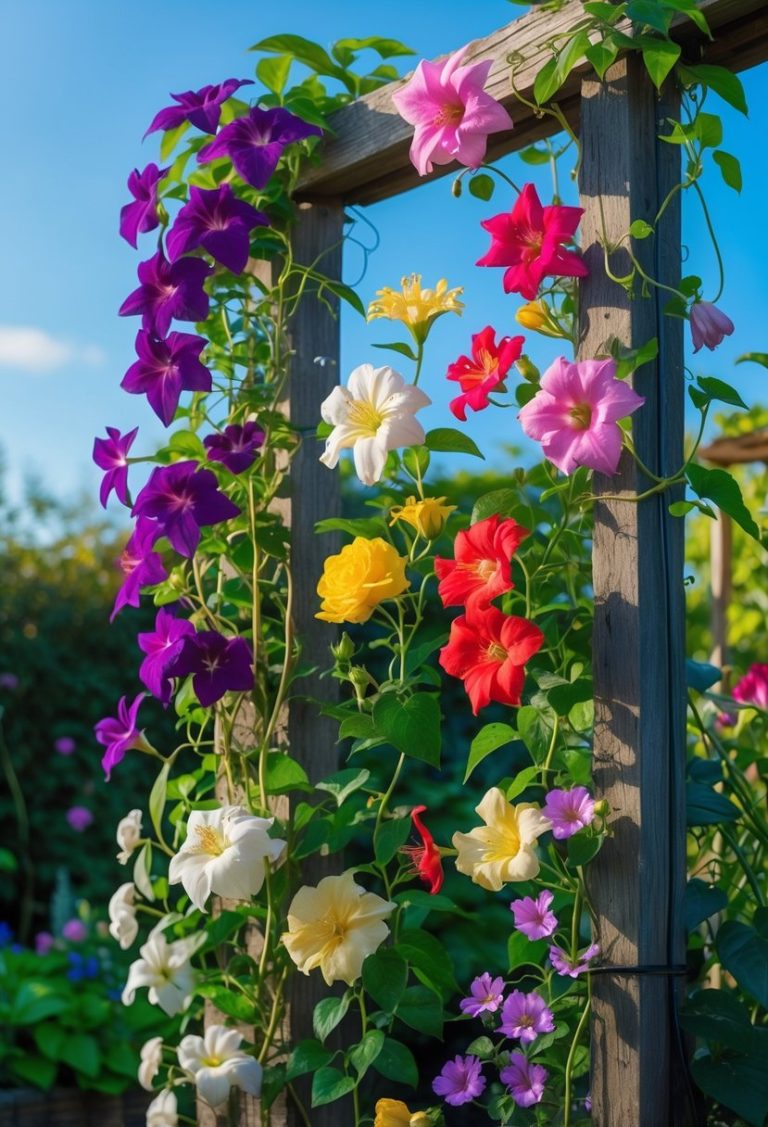
Climbing and trailing plants help you use vertical space effectively. Climbing vines or climbing plants like morning glories or sweet peas add height and hide walls or railings.
Trailing plants such as petunias and ivy spill over the edges of pots, making your garden look lush without spreading wide. Install trellises, hooks, or hanging baskets to give these plants room to grow upward or downward. This method maximizes your small space while creating a green, colorful wall.
Innovative Design and Space-Saving Ideas
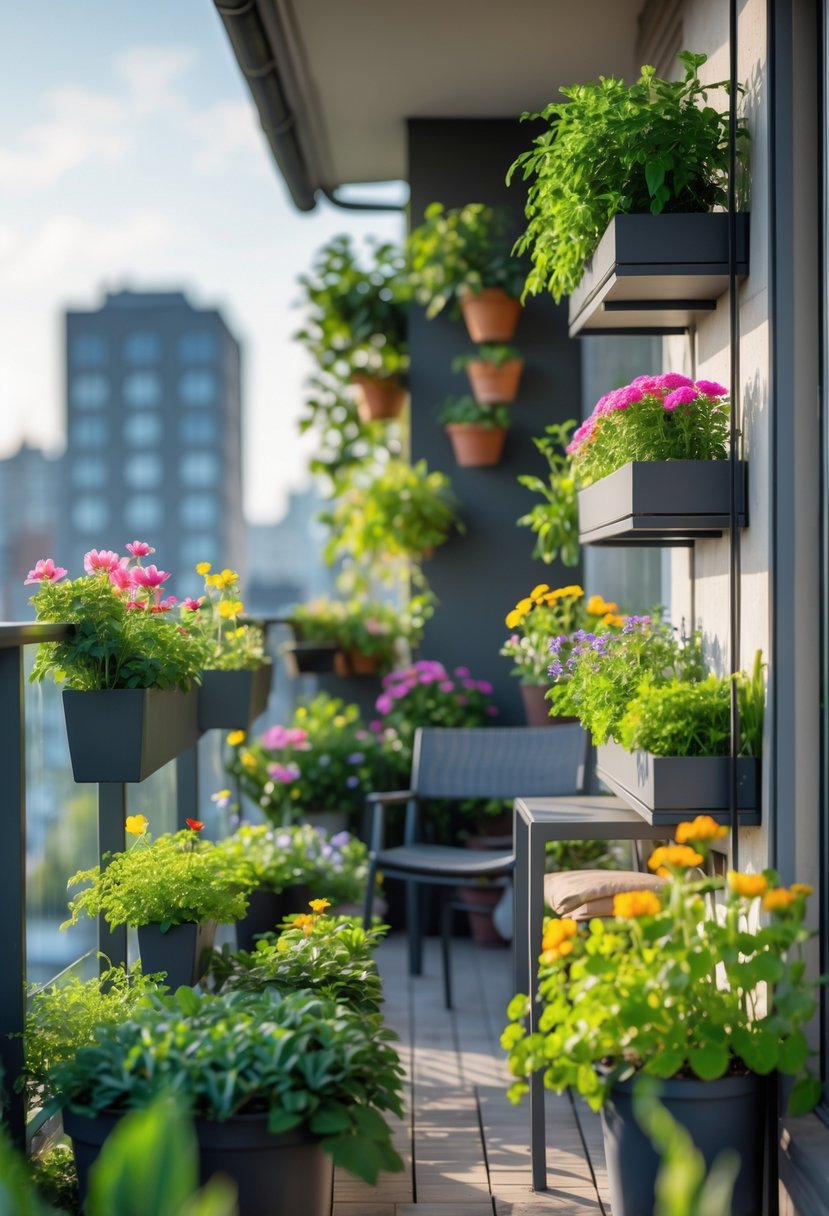
To make the most of your small balcony flower garden, focus on using vertical space and clever planter placements. You can create privacy and style while freeing up floor area for seating or walking. These strategies help you build a green oasis even in tight urban spaces.
Vertical Gardening Solutions
Using walls for vertical gardening is one of the best ways to maximize your space. Install vertical planters or trellises to grow flowers and trailing plants upward instead of outward. This keeps the floor clear and lets you fit more plants in a small area.
You can mix different planter types on one wall, such as pocket planters, stacked pots, or mounted shelves. This adds depth and visual interest. Many vertical garden ideas include resilient plants that thrive in pots, like petunias or herbs.
A vertical garden also works well against an urban backdrop because it brings color and life to otherwise plain walls. It helps turn your balcony into a green oasis without making it feel crowded.
Hanging and Railing Planters
Hanging baskets and railing planters let you use empty airspace smartly. Hang multiple baskets at different heights to create layers of flowers and greenery. This adds a lively, textured look without taking up floor space.
Railing planters clip onto balcony rails, giving you extra planting room along the edges. They’re ideal for flowers that trail or spill over, like ivy and fuchsias. This also keeps plants at eye level for easy viewing and care.
You can use hanging and railing planters together to maximize your planting area. Pair them with plant stands or small shelves so you have both vertical and horizontal options.
Creating a Sense of Privacy and Style
A small balcony can feel exposed, but you can add privacy while enhancing style with plants and structural features. Use tall vertical planters or trellises with climbing flowering vines like morning glories to create green walls.
Placing tall plants strategically can block neighbors’ views and define your garden’s boundaries. Combine this with cozy seating so you’re comfortable enjoying your private spot.
To add style, choose colorful flowers and mix textures—leafy plants with blooming flowers. This variety makes your small space inviting and bright while giving you protection from outside views.
Care and Maintenance for Thriving Balcony Gardens
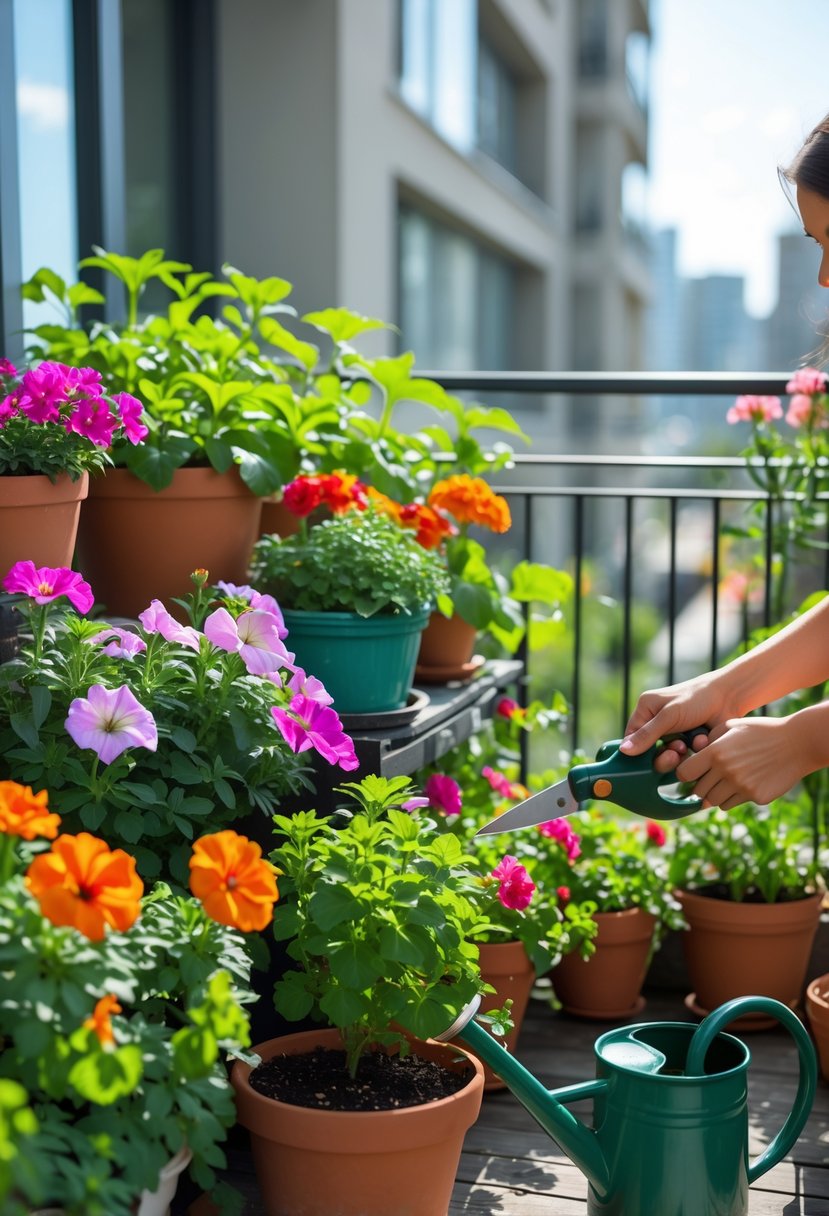
To keep your balcony flower garden healthy, focus on proper watering, adjust care with each season, and plan for the long term. This helps you maintain vibrant blooms and a lush display of greenery that makes your outdoor living space inviting.
Watering Tips and Self-Watering Pots
Watering is critical for container gardening since pots dry out faster than ground soil. Check soil moisture every day, especially during hot weather. Water when the top inch of soil feels dry.
Self-watering pots are helpful because they provide a steady supply of water to your plants without daily attention. These pots have a reservoir that releases water as needed, reducing the risk of over- or underwatering.
Avoid watering leaves directly to prevent mold or disease. Instead, water the soil gently. Use saucers under pots to catch excess water and prevent damage to your balcony floor.
Seasonal Plant Care
Different seasons require different care to keep flowers thriving. In spring and summer, plants need more frequent watering and regular feeding with fertilizer to support growth and blooms.
In fall, reduce watering as temperatures cool down, but keep an eye on moisture levels. Trim dead leaves and spent flowers to encourage new growth.
For winter, protect delicate plants from frost by moving pots closer to walls or bringing some indoors. Use mulch on soil surfaces to keep roots insulated.
Supporting Long-Term Growth
To ensure your balcony garden grows well over time, repot plants every 1-2 years. Use fresh soil and pots slightly larger than the current ones to give roots room to expand.
Prune regularly to promote healthy branching and remove weak or dead stems. This helps maintain a colorful flower display and prevents overcrowding in containers or raised beds.
Rotate pots occasionally to ensure all sides receive sunlight evenly. This avoids uneven growth and helps maintain a balanced, tropical paradise feel in your balcony garden.
Frequently Asked Questions
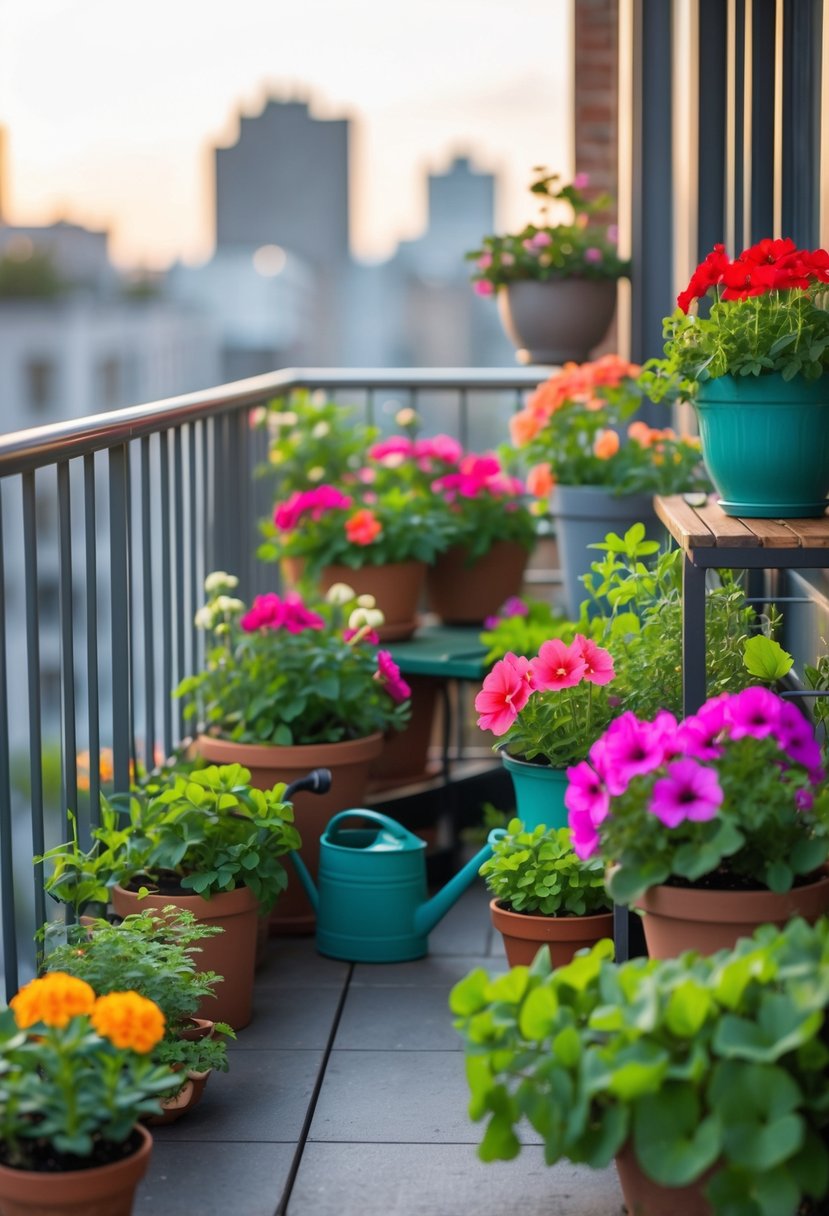
You can grow different types of flowers depending on your balcony’s size and sunlight. Planning well helps you keep plants healthy with less work. Using pots and creative layouts lets you make the most of small spaces and add beauty.
What are the best flowers to grow in a limited space on a balcony?
Choose flowers that stay small or can grow in containers. Petunias, pansies, marigolds, and begonias work well. If your balcony gets strong sunlight, go for sun-loving flowers like geraniums. For shade, try impatiens or fuchsias.
How can I create a low-maintenance flower garden on my small balcony?
Pick hardy flowers that do not need daily care. Use self-watering pots or add mulch to keep soil moist longer. Group plants with similar watering needs together to make care easier.
What are some creative ideas for setting up a small balcony garden in an apartment?
Use vertical planters or hanging baskets to save floor space. Combine flowers with herbs or small vegetables for variety. Place a small bench or bistro set to enjoy the garden.
Are there garden kits suitable for small balcony spaces?
Yes, many kits include containers, soil, and seeds designed for small areas. Look for compact kits that fit your balcony size and include easy-to-grow flower varieties.
What are the essential steps for starting a flower garden on a balcony for beginners?
Begin by checking how much sunlight your balcony gets. Choose pots with good drainage. Use quality potting soil and pick flowers suited to your light conditions. Water regularly and watch for pests.
How can I make my small balcony more attractive with a mini flower garden?
Use colorful pots or matching containers to create a neat look. Add plants at different heights using shelves or stands. Include plants with different leaf shapes and flower colors to add interest.