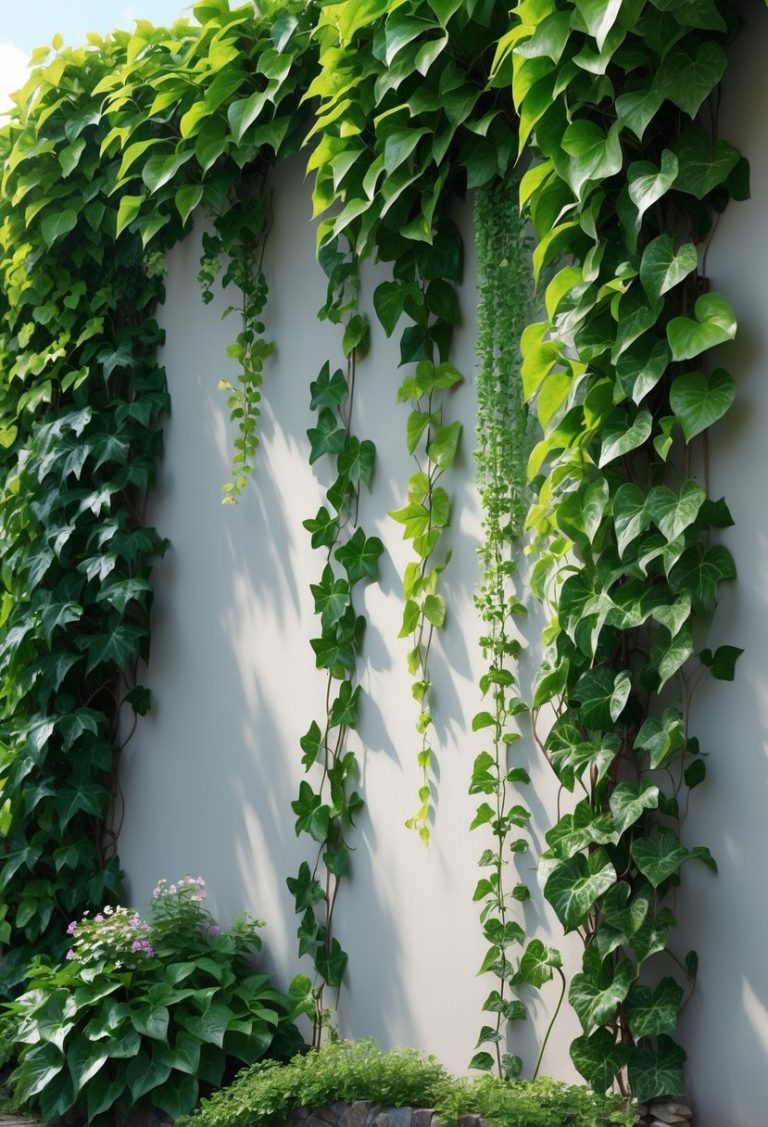
Is It Safe to Plant Climbing Vines Around Your House? Key Risks and Benefits Explained
Planting climbing vines around your house can be both beautiful and practical, but it comes with important considerations. It is safe to grow climbing vines near your home if you choose the right types and maintain them properly to prevent damage. Vines can add charm and help cool your home, but without care, they might cause issues like wood rot or clogged gutters.
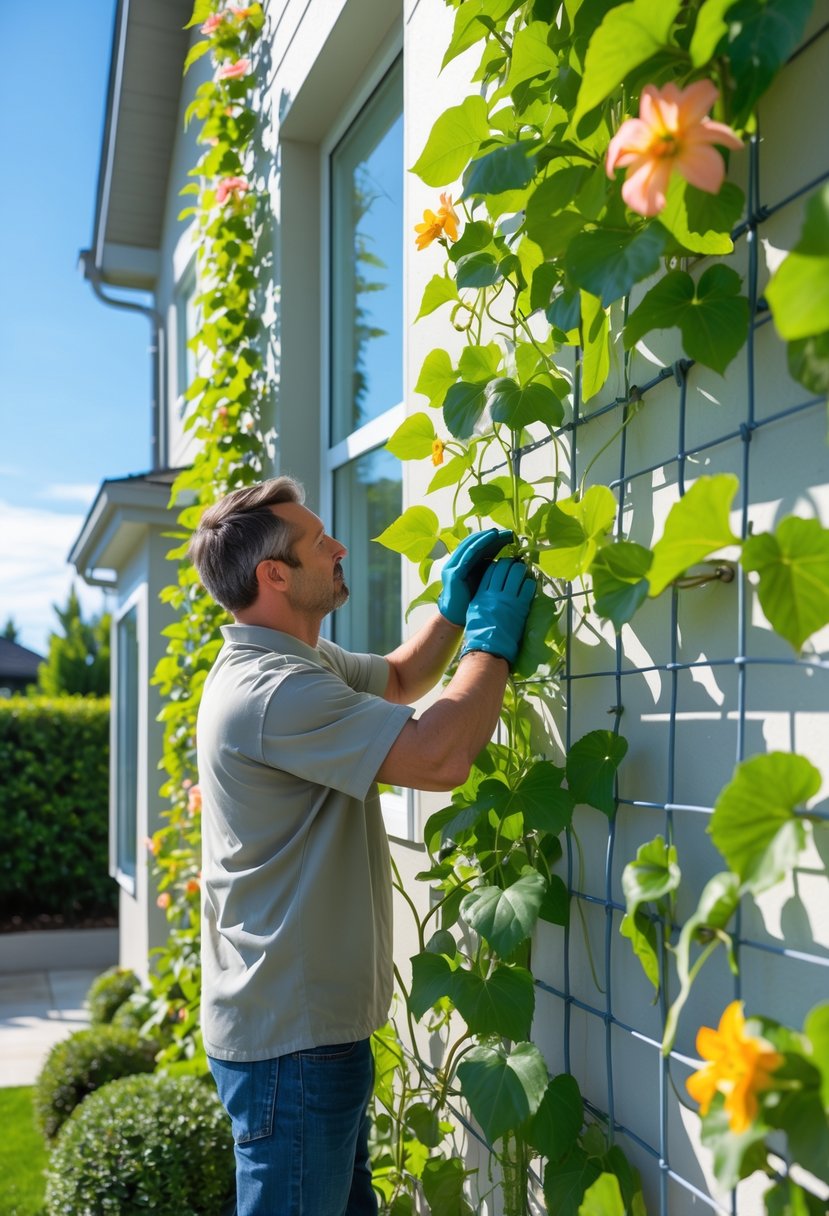
Some vines climb by wrapping around narrow supports like wires or trellises, while others need stronger structures like fences or deck rails. Knowing how to train and prune your vines will help you keep them under control and protect your home’s exterior. With the right approach, climbing vines can be a great addition without harming your house.
Key Takeways
- Choose and care for vines carefully to avoid damage to your home.
- Proper support and regular pruning keep vines manageable.
- Vines can improve your home’s look and help with shade when maintained well.
Potential Risks of Planting Climbing Vines Around Your House
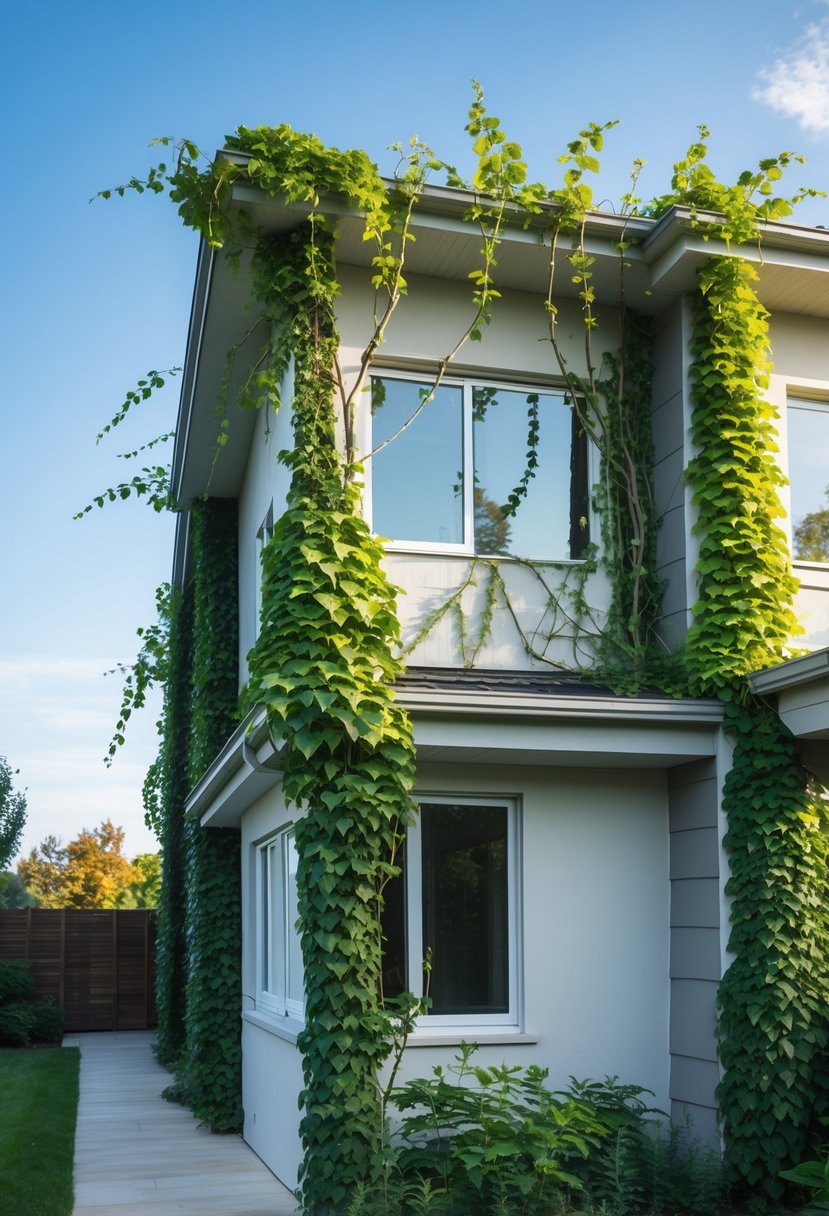
Climbing vines can affect your home in several ways. They may cause physical damage to walls, create moisture problems, and attract pests. Understanding these risks can help you decide whether to plant vines near your house and how to manage them effectively.
Structural Damage to Exterior Walls
Vines like English ivy and Virginia creeper use holdfasts or aerial rootlets to cling to surfaces. These can penetrate cracks in masonry, stucco, or wood siding. Over time, this can worsen existing damage and weaken your exterior walls.
If you have older or fragile siding, vines may cause serious harm. Heavy vines can also add extra weight, which can stress your structure. Regular inspection and pruning are important to prevent vines from becoming too heavy or invasive.
Moisture Concerns and Mold Growth
Vines trap moisture against your home’s exterior wall. This is especially true with dense foliage from plants like English ivy. Moisture can get trapped behind the leaves and holdfasts, creating damp conditions that encourage mold growth.
If your walls are stucco or wood siding, moisture buildup can lead to wood rot or damage to the masonry. You might notice areas that stay wet longer or develop a musty smell. Proper vine maintenance helps reduce moisture risks.
Infestations: Pests and Insects
Dense vines provide shelter for pests such as insects, spiders, and even termites. Termites can cause significant damage if they find an easy path into wooden parts of your house through the vine cover.
Vines close to your home make it easier for pests to hide and establish nests. Regularly trimming vines and inspecting your home’s perimeter lowers the chance of infestation. Keeping vines away from entry points can also help deter pests.
Benefits and Aesthetic Advantages of Climbing Vines
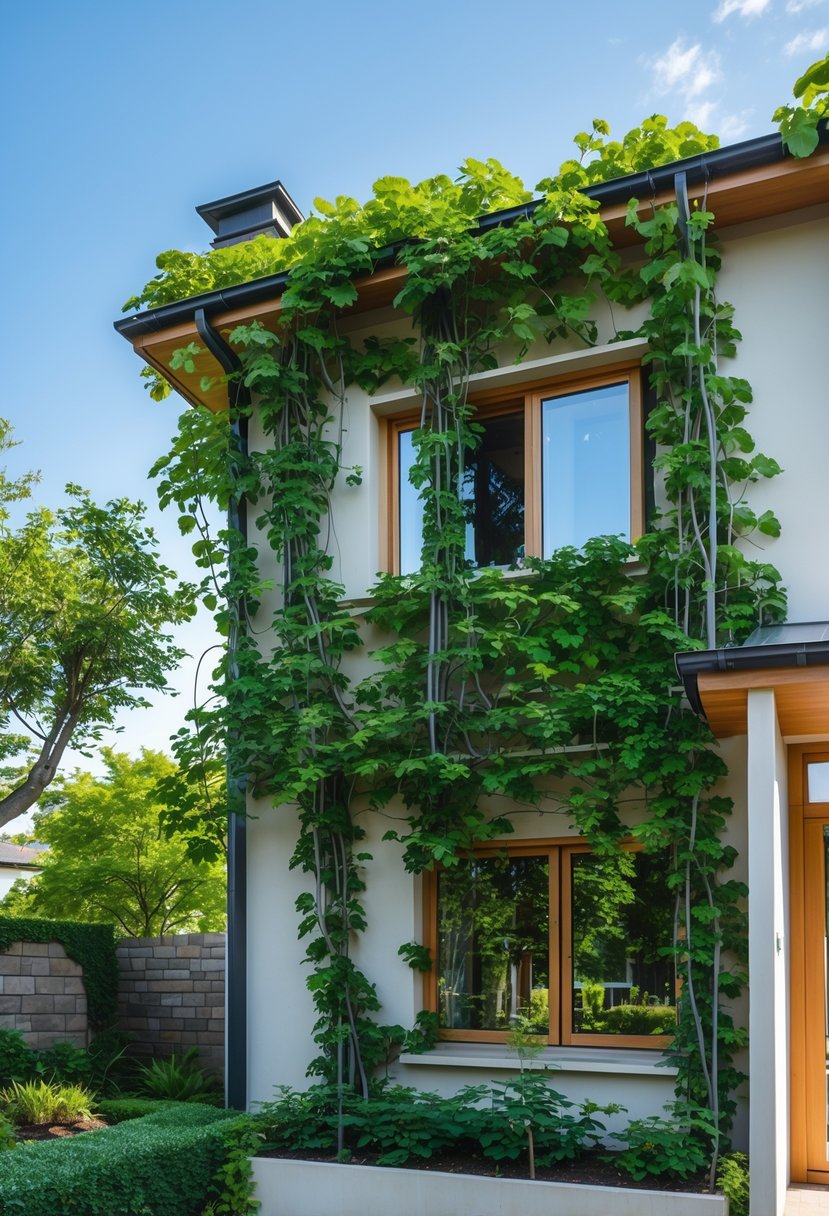
Climbing vines offer many practical and visual benefits for your home. They can improve your outdoor space by adding beauty, increasing privacy, and helping with natural cooling. When choosing vines, keep in mind the type and growth habits to match your needs.
Aesthetics and Curb Appeal
Vines such as ivy, clematis, or honeysuckle add a verdant, lush look to your home’s exterior. They soften hard edges and cover bare walls or fences with green foliage and seasonal flowers. Both annual and perennial vines can enhance curb appeal. Perennials return year after year, offering lasting beauty, while annual vines provide quick bursts of color.
You can train vines on trellises, fences, or wall-mounted wires to create different visual effects. Climbing plants help your house stand out in the neighborhood with a natural charm that stone or wood alone can’t provide.
Privacy and Shade
Climbing vines are effective at creating privacy screens. Dense foliage from plants like wisteria or trumpet vine can block views into your yard. This helps you enjoy outdoor spaces without feeling exposed.
Vines also add shade when grown on pergolas or arbors, cooling these areas on hot days. This makes your patio or garden more comfortable without building permanent structures. Growing vines strategically can reduce sunlight entering your windows, lowering indoor temperatures naturally.
Environmental Value: Cooling and Pollinators
Vines contribute to your home’s microclimate by cooling nearby surfaces. Their leaves reduce heat on walls by shading them and reducing sun absorption. This can help lower your energy bills during summer.
Many climbing vines attract pollinators like bees and butterflies. Plants such as honeysuckle and trumpet vine produce nectar-rich flowers that support local ecosystems. By encouraging pollinators, you also help your garden thrive and boost nearby plant health.
Choosing and Maintaining Safe Vines for Your Home
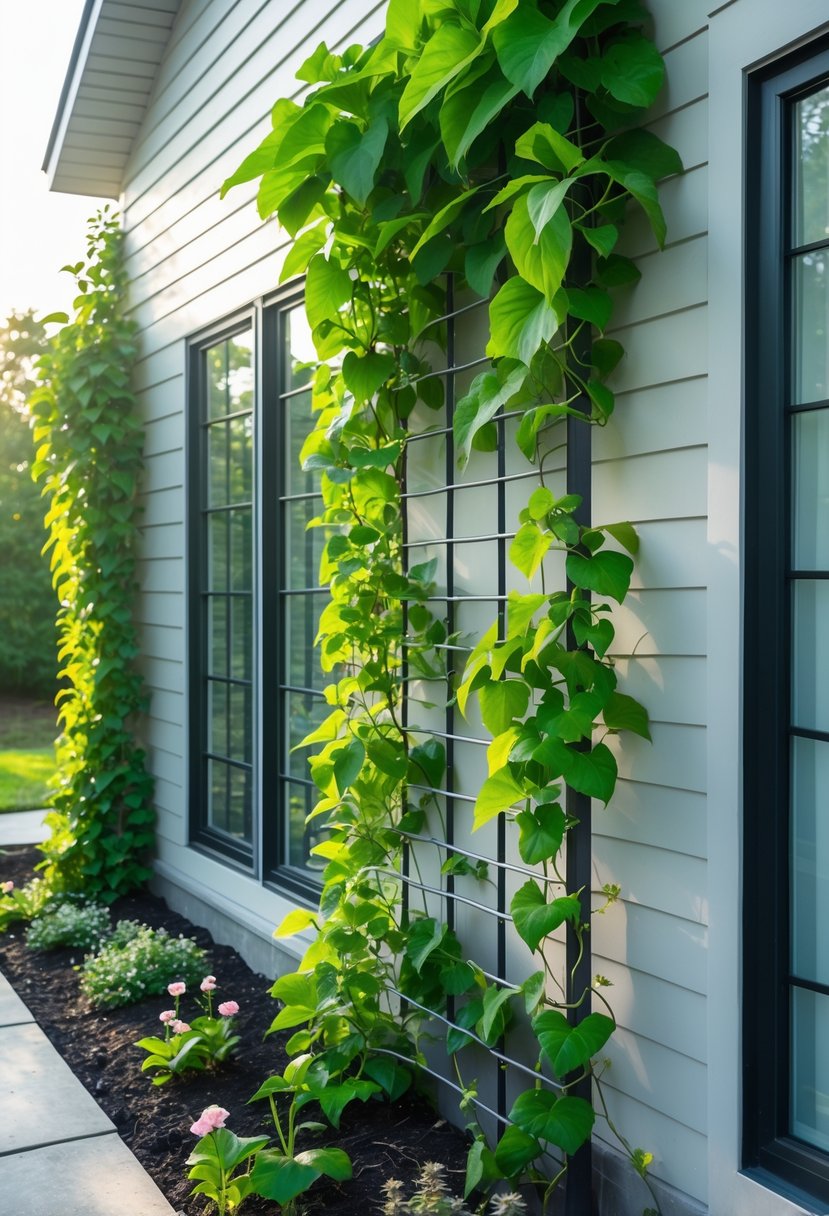
You need to pick the right vines that will not damage your home and keep them well maintained. Using support structures and regular pruning helps protect your house while letting your vines grow strong and healthy.
Recommended Varieties for Home Landscaping
Choose vines that suit your climate and won’t harm your home’s surface. Climbing hydrangea, clematis, star jasmine, and carolina jessamine are good options. They use tendrils or twining stems, which attach gently without causing much damage.
Boston ivy and black-eyed susan vine also work well. These tend to cling but don’t penetrate wood or brick deeply. Avoid strong, woody vines like english ivy or chinese wisteria unless you plan proper support. Morning glory, passionflower, and moonflower add color but need trimming to prevent overgrowth.
Dealing With Invasive Species
Some vines spread rapidly and can harm local plants or your home’s structure. Japanese honeysuckle and english ivy are common invasive species to avoid. They can climb into gutters, break surfaces, and choke other plants.
If you already have invasive vines, remove them carefully. Cut back large growth, dig roots out, and use mulch or barriers to stop regrowth. Replace invasives with native, less aggressive vines like american wisteria or trumpet beautys that are easier to control.
Support Structures for Climbing Vines
To protect your home, use trellises, arbors, or fences instead of letting vines attach directly to walls. These supports keep vines off the surface and reduce risk of damage.
Materials like wood or metal work for supports. Make sure they are strong enough for heavy vines such as wisteria or trumpet honeysuckle. Attach supports securely to the ground or a nearby frame, not to the siding or brick.
Using these structures also makes pruning easier and improves air circulation, reducing mold or mildew on your walls.
Essential Maintenance and Pruning Tips
Regular pruning keeps vines healthy and prevents damage by controlling size and direction. Trim vines near gutters, wires, and windows to avoid interference.
Check vines like bougainvillea or roses for dead wood and remove it. Fertilize annually with balanced fertilizer for steady growth but avoid overfeeding, which causes too much top growth.
Inspect vines often for signs of pests or disease. Remove weak or crossing stems, and thin thick growth to improve air flow. Proper maintenance helps vines look good and protects your home’s exterior.
Frequently Asked Questions
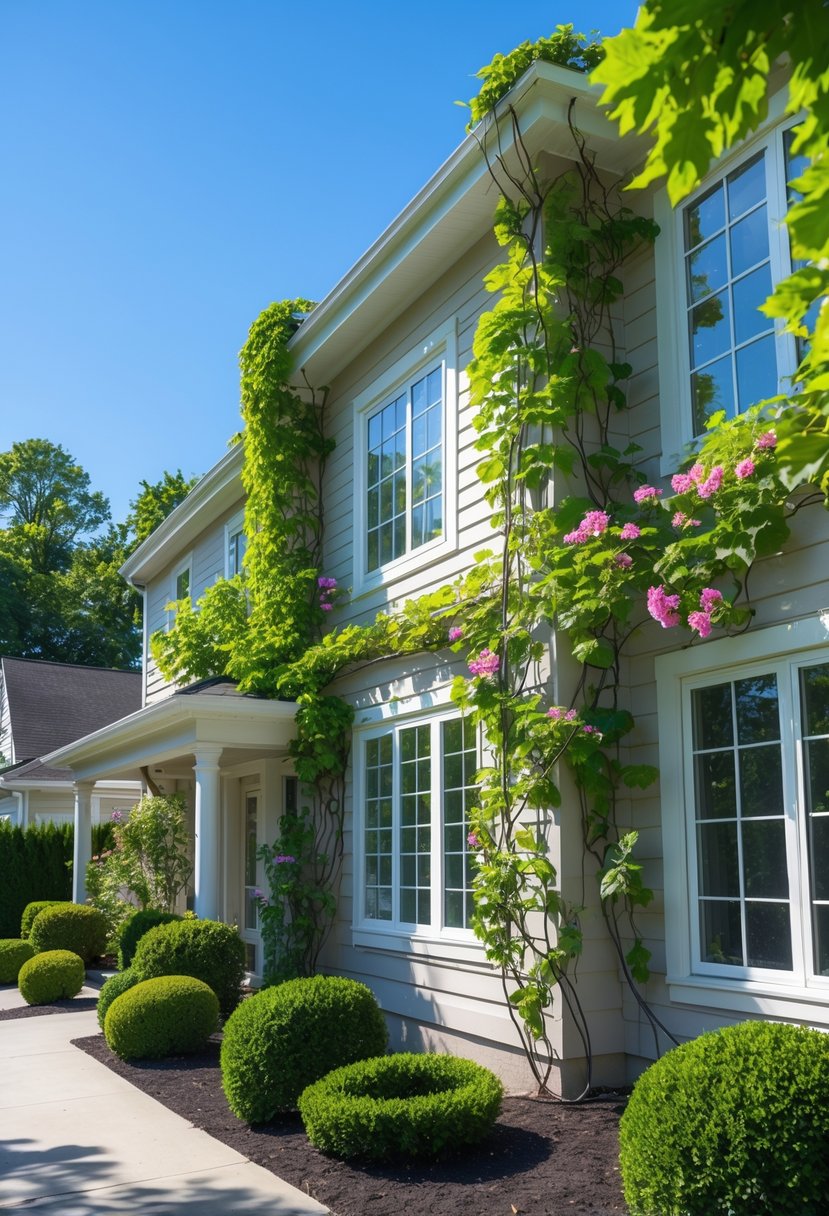
Climbing vines can add beauty to your home, but they need the right support and care. Some types of vines can harm your house if not managed well. Knowing the right plants to grow and how to maintain them helps protect your home’s exterior.
Can climbing vines cause any damage to the structural integrity of a house?
Yes, climbing vines can damage your house if left unchecked. They may trap moisture against walls, leading to wood rot or weakening mortar in brick. Vines that cling tightly can destabilize wood trim or other features. Regular care is essential to avoid damage.
What are the best climbing plants for growing on house walls without causing damage?
Choose vines that climb by tendrils or use a support rather than ones with adhesive pads. Examples include climbing roses, honeysuckle, and clematis. These plants need a trellis or wire support, which prevents direct contact with your walls.
Are there any differences between growing vines on brick walls versus other types of exterior walls?
Brick walls are generally more durable, but mortar can erode if vines cling too closely. On wood or siding, vines may hold moisture and cause rot if not pruned regularly. Using a non-adhesive support helps protect all wall types.
What maintenance steps should be taken to manage vines growing on the house exterior?
You should prune vines regularly to keep their growth controlled and prevent overgrowth. Check supports and remove dead or weak stems. Inspect walls for signs of moisture or damage to avoid long-term problems.
Are there evergreen climbing plants suitable for enhancing house walls year-round?
Yes, some evergreen vines like English ivy or evergreen clematis stay green all year. Make sure the species is suitable for your climate and will not damage your home by growing too aggressively.
How can unwanted vines be safely removed from the side of a house?
Cut the vines at the base first and allow them to die before pulling them off gently. Removing vines too quickly can damage walls or siding. After removal, inspect the surface and clean any residue or debris left behind.