How to Style Your Space with Indoor Plants: Creative Design Tips
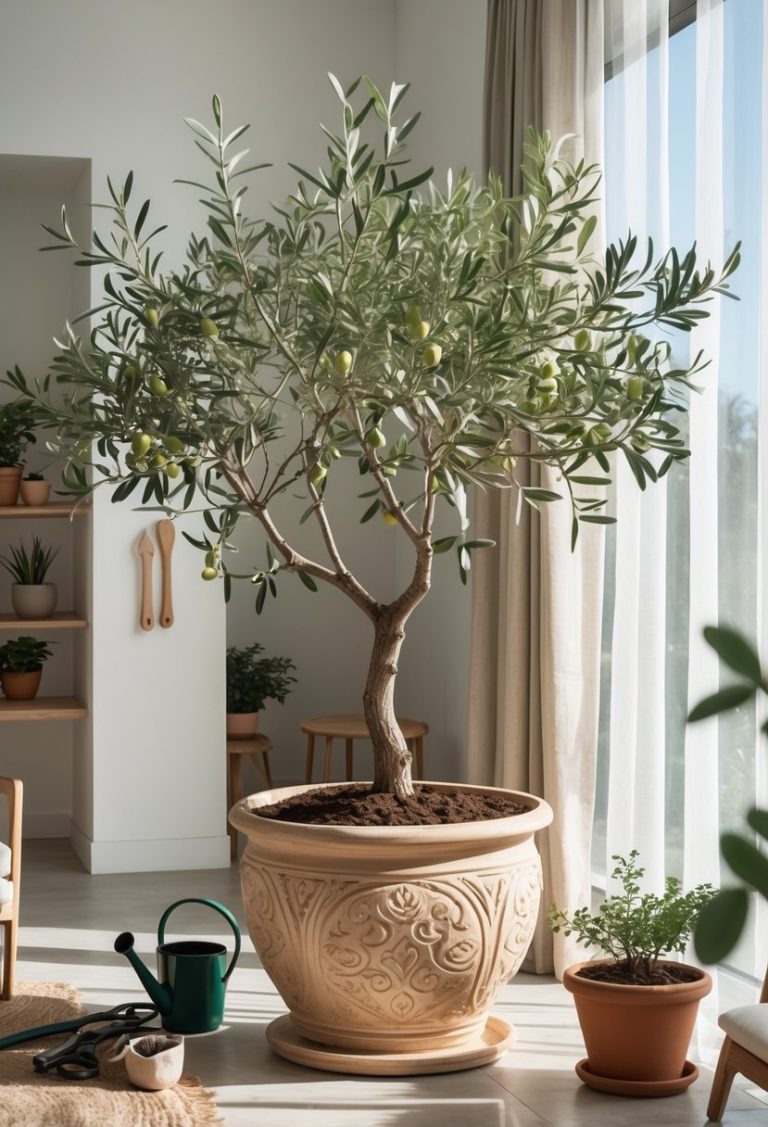
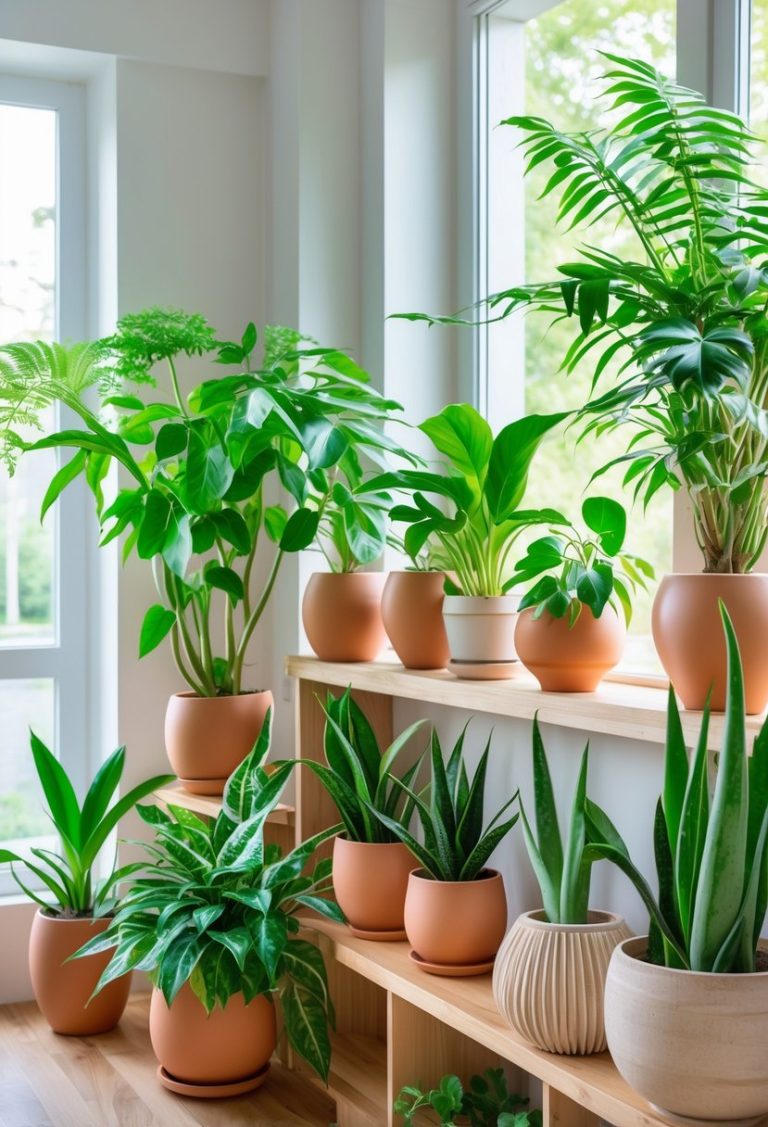
Indoor plants can transform your space by adding color, life, and natural beauty. The key to styling your space with indoor plants is to arrange them thoughtfully using different heights, textures, and groupings to create visual interest and balance. This makes your home feel both fresh and inviting without overwhelming the room.
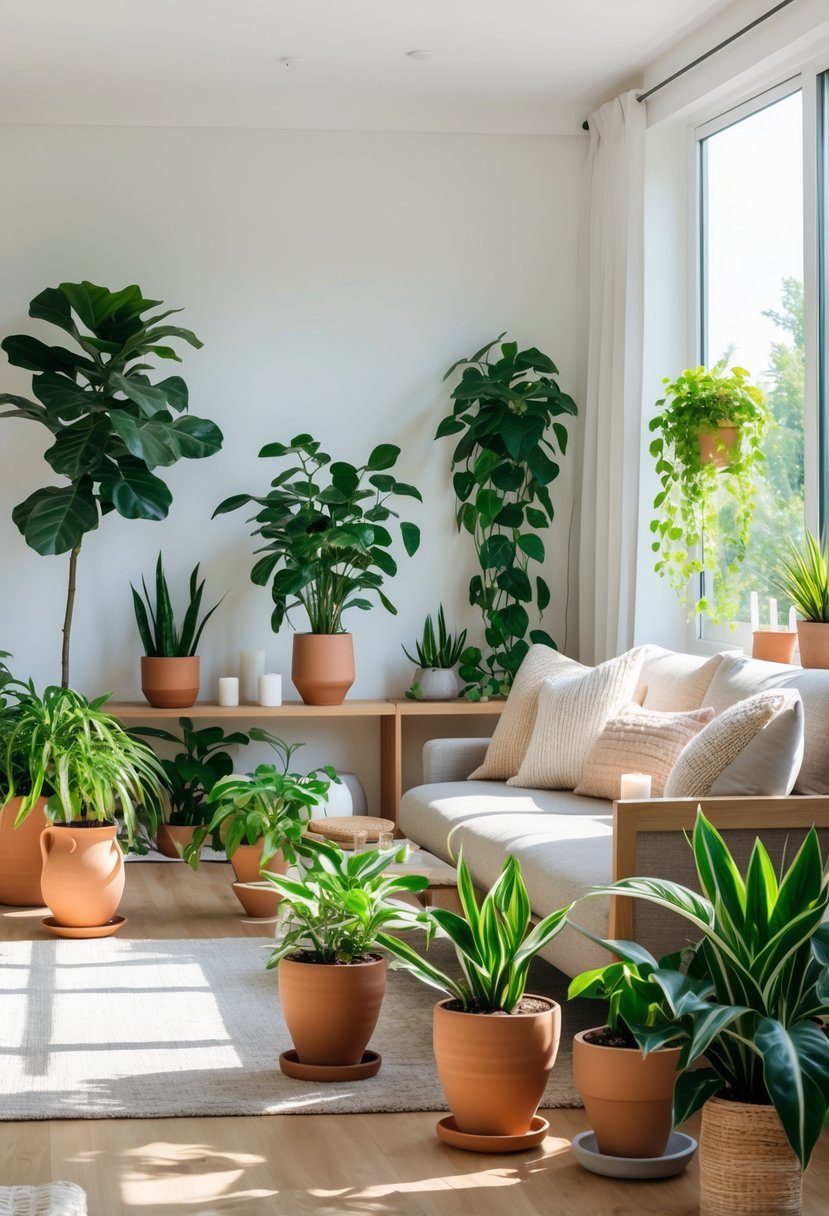
Using tall plants in corners, hanging trailing vines, and grouping plants in odd numbers are simple ways to build depth and rhythm in your design. Placing plants near natural light sources enhances their health and brightens your room naturally. With a few smart choices, you can turn even small spaces into green, calming retreats.
Fundamentals of Styling Your Space with Indoor Plants
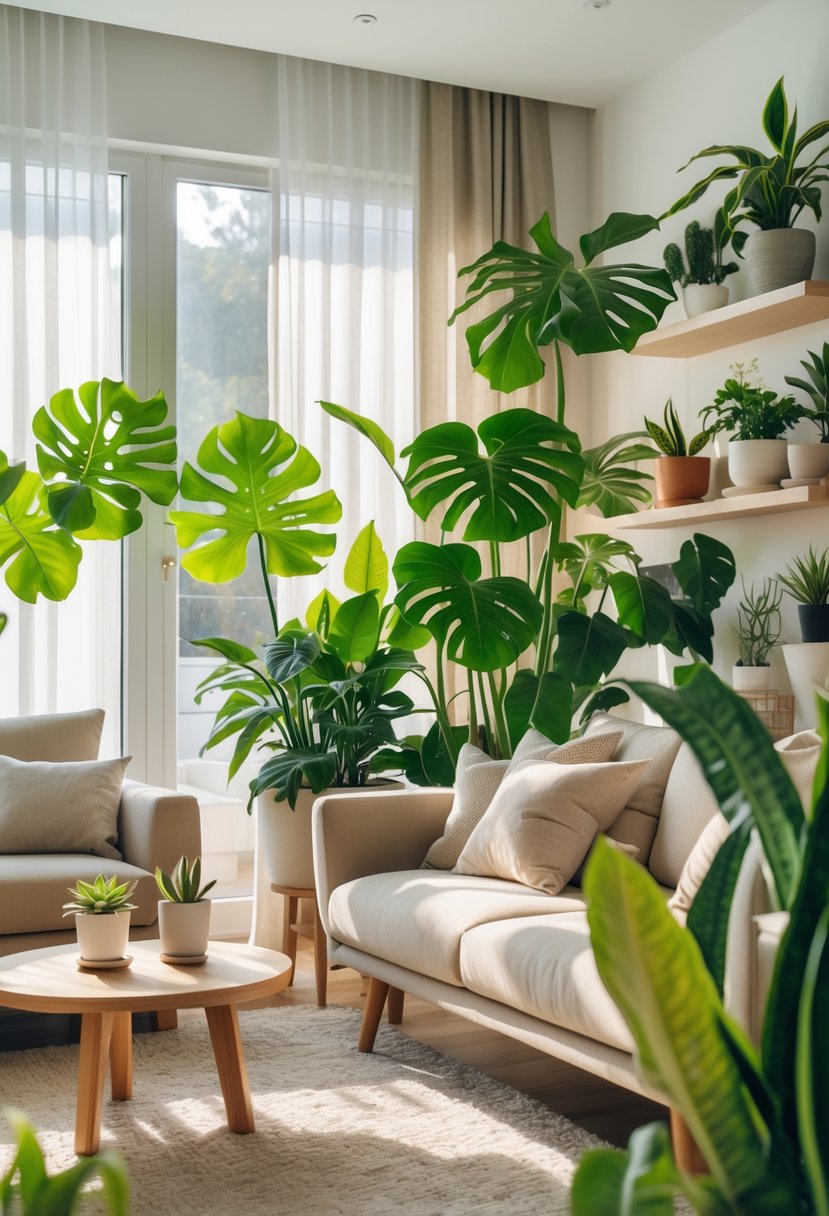
Styling your space with indoor plants starts with understanding how to place them well, picking plants that thrive in your home, and choosing styles that fit your decor. These steps ensure your plants look good and stay healthy.
Evaluating Your Space and Lighting
Start by looking at the natural light in your room. Most indoor plants need bright, indirect light. Check where sunlight hits during the day and how long the light lasts.
Rooms with south-facing windows get the most sun. East and west-facing windows offer moderate light. North-facing windows are low-light areas, so choose plants that tolerate shade there.
Also, think about the space plants will occupy. Avoid spots where they block pathways or interfere with daily activities. Consider corners, shelves, windowsills, or hanging spots that naturally fit plants without clutter.
Choosing the Right Indoor Plants
Pick plants suited to your light conditions and care habits. If you want low maintenance, try snake plants, pothos, or ZZ plants. These survive well with less water and light.
For brighter spots, choose fiddle leaf figs, rubber plants, or monstera. These add height and drama with broad leaves.
Mix plant types for variety: flowering, leafy, and trailing plants each add texture and interest.
Keep your home’s humidity and temperature in mind. Some plants like ferns need higher humidity, while succulents prefer dry air.
Matching Plants to Your Decor Style
Match your plants to your home’s style by selecting planters, colors, and arrangements that fit your decor.
- Modern: Use sleek ceramic or metallic pots and minimal groupings for a clean look.
- Bohemian: Choose woven baskets and macramé hangers. Group plants in odd numbers for a natural feel.
- Traditional: Use classic pots like terracotta or stone with large floor plants in corners.
- Eclectic: Mix different sizes, textures, and planter styles for a layered effect.
Think about height, texture, and color contrast to create balance. Use stands or shelves to layer plants and add visual interest at different levels.
Decorating Strategies for Every Room
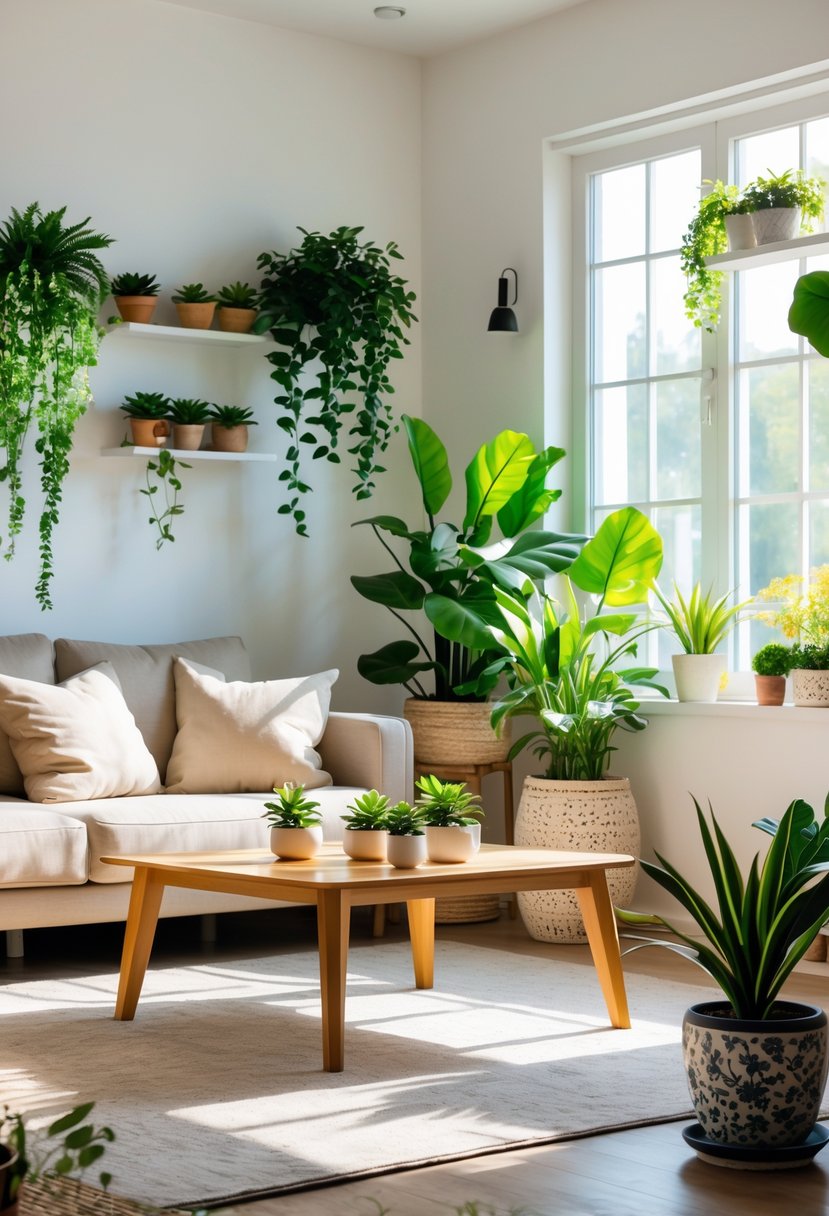
You can use indoor plants to make every room both beautiful and practical. Selecting the right plants and placing them thoughtfully helps bring style and function to your living areas, bedrooms, kitchens, and bathrooms. Pay attention to light, space, and plant care needs in each room to get the best results.
Living Room Plant Styling Techniques
In the living room, focus on creating layers with plants of different sizes and heights. Use large floor plants like monstera or rubber trees as anchor pieces. Smaller plants can fill gaps on side tables or shelves. Grouping plants creates depth and makes the space feel balanced.
Floating shelves or plant stands add vertical interest without cluttering floor space. Try trailing plants like pothos or philodendrons on shelves to soften edges. Arrange plants near windows to maximize natural light and avoid areas with harsh direct sun.
Choose plants that can tolerate lower light if your living room isn’t bright. Consider air-purifying plants like snake plants or peace lilies to improve air quality while enhancing decor.
Bedroom Plant Arrangements
In the bedroom, opt for plants that promote calm and clean air. Snake plants and peace lilies are good choices because they help filter air and require minimal care. Keep plant arrangements simple to avoid overcrowding.
Place plants on nightstands or window sills at varying heights to create a peaceful, layered look. Use small stands or stack books to raise plants for visual interest.
Avoid large, messy plants in tight spaces to keep a relaxed atmosphere. Focus on plants that thrive in indirect light and humidity levels typical of bedrooms. The right greenery can contribute to better sleep and a more soothing environment.
Functional Plant Placement in Kitchens and Bathrooms
In kitchens, create herb gardens with basil, thyme, or mint near windows for easy access while cooking. Use tiered stands or hanging planters to save counter space. Self-watering pots help keep herbs fresh without much effort.
Bathrooms suit humidity-loving plants like ferns, orchids, and air plants. Place these near steam sources like showers to mimic their natural environment. Mounting air plants on shower walls or arranging plants around the bathtub can turn the bathroom into a mini spa.
Both rooms benefit from using plants with low maintenance needs and adjusting placement to fit the lighting. Functional plant choices enhance the room’s purpose while adding natural beauty.
Creative Display Ideas and Arrangement Tips
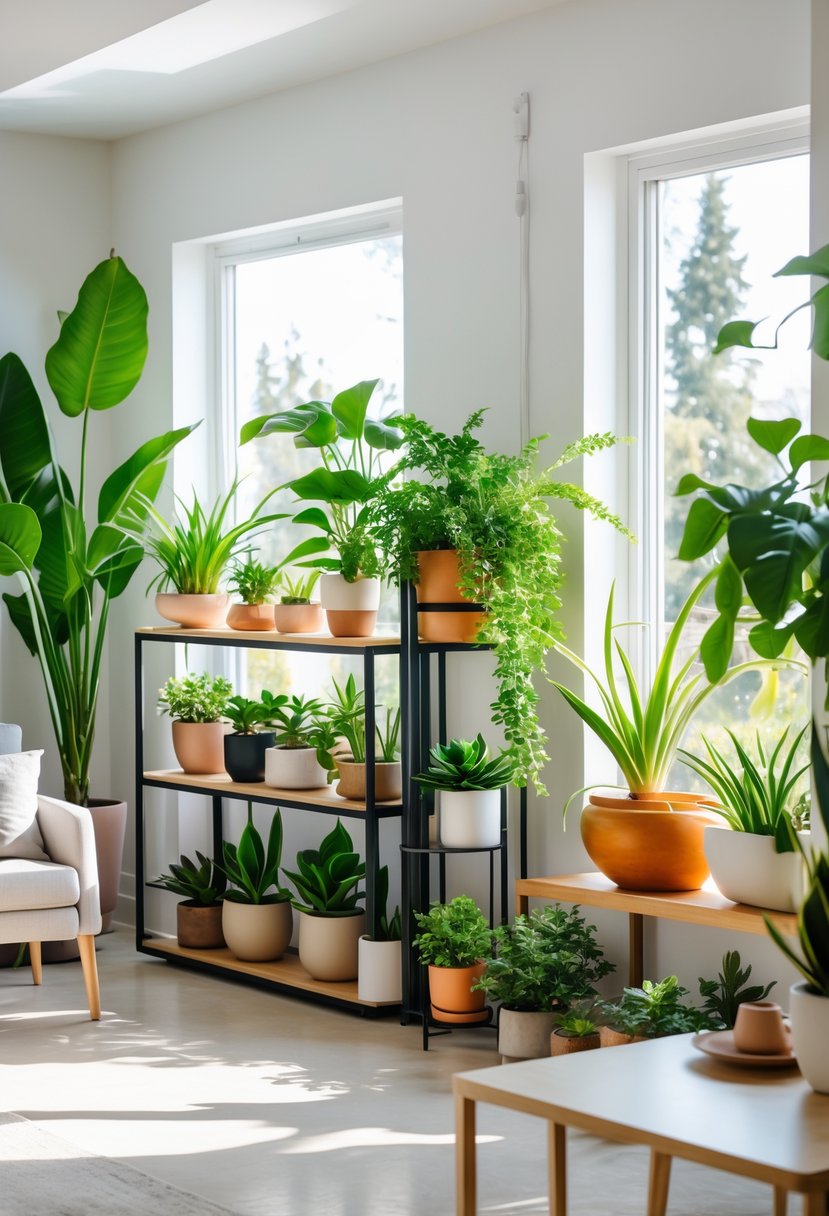
You can use different display techniques to make your indoor plants stand out and fill your space with life. Mixing plant sizes, shapes, and container styles adds interest and beauty. Using vertical and horizontal space well helps your plants look their best without crowding.
Layering and Clustering for Visual Depth
Group plants of different heights and leaf shapes to create layers. Place tall plants in the back or corners, medium ones in the middle, and smaller ones up front or on shelves. This arrangement adds depth and guides the eye through the space.
Clustering several pots together makes a bold statement. Use varying pot sizes and textures for contrast. Keep clusters neat by using plant stands or trays to create a unified look. This approach works especially well on coffee tables, window sills, or sideboards.
Incorporating Hanging and Wall-Mounted Plants
Hanging plants save space and add greenery at eye level or above. Use macramé hangers, ceiling hooks, or wall brackets for options. Trailing plants like pothos or spider plants work best here, as their vines add a soft, natural touch.
Wall-mounted plant displays create a living art piece. You can build a plant wall using wooden frames or install shelves to hold pots securely. Choose plants with different leaf textures and colors to make these vertical gardens more attractive and dynamic.
Using Planters, Stands, and Decorative Accessories
Choose planters that match your room’s style—ceramic, metal, or woven baskets can change the feel of your space. Make sure the planters have drainage holes to keep plants healthy.
Plant stands raise your greenery off the floor and add shape to your arrangement. Use stands of varied heights to create tiers. Decorative accessories like pebbles, moss, or small statues in the plant area can enhance the display without cluttering it.
Styling with Large vs. Small Plants
Large plants, such as fiddle leaf figs or rubber trees, act as focal points. Place them in empty corners or near seating areas to fill voids and anchor your decor. Make sure they get enough light where you put them.
Small plants, like succulents or air plants, fit well on desks, shelves, or windowsills. Group several small plants together or mix them with books and decorative items for an appealing vignette. Use small pots and trays to keep this look organized and intentional.
Maintaining Style and Plant Health
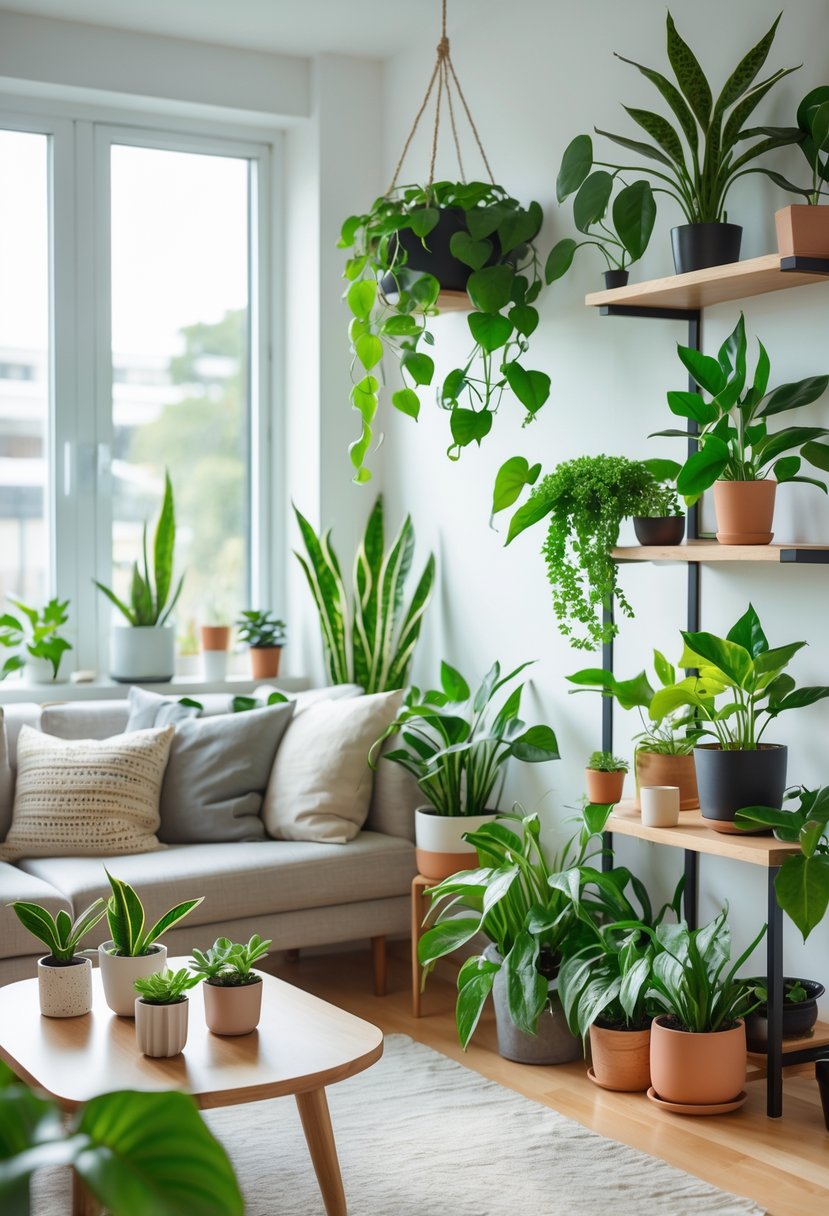
Keeping your indoor plants looking good means caring for them properly. You need to match their needs with your design plans, move them as light and temperature change, and solve problems quickly when they appear.
Balancing Aesthetics and Care Requirements
When styling plants, choose species that fit both your space and their care needs. For example, low-light spots work well for snake plants or pothos but not for fiddle leaf figs.
Group plants that require similar watering and light levels together. This makes maintenance easier and helps all plants thrive.
Use pots and stands that complement your décor while allowing good drainage. Avoid containers without holes, which can cause root rot.
Remember, a plant’s health affects its look. A thriving plant with bright colors and firm leaves adds more to your style than a stressed or wilting one.
Adjusting Plant Placement Through the Seasons
Sunlight levels and room temperature change with seasons. You must follow these shifts to keep your plants healthy and your style fresh.
In winter, move sun-loving plants closer to windows to catch limited light. In summer, protect delicate leaves from harsh direct sunlight by shifting plants a little back.
Watch for drafts near doors and windows, which can harm sensitive species. Move plants away from cold or dry air.
Seasonal moves also let you swap out plants for a new look. Use this chance to refresh your décor with different textures or colors.
Troubleshooting Common Styling Challenges
If your plants show droopy leaves, yellowing, or dry edges, check their placement and care routines first.
Too much water causes root rot; too little makes leaves dry and brown. Adjust your watering schedule accordingly.
Pests like spider mites or aphids can damage plants. Wipe leaves with a damp cloth or use safe insect sprays to control them.
If plants grow unevenly or lean toward light, rotate them regularly for balanced shapes.
Keep an eye on soil and repot plants that seem root-bound or overcrowded to maintain both health and style.