
How To Save A Dying Lavender Plant: Restore and Revive Your Lavender
If your lavender plant is looking yellow, droopy, or lifeless, it doesn’t mean all hope is lost. The key to saving a dying lavender plant is to identify the specific problem, such as overwatering, poor soil drainage, or lack of sunlight, and then adjust its care to match its natural Mediterranean needs. Lavender thrives in full sun, well-draining soil, and needs only occasional watering.
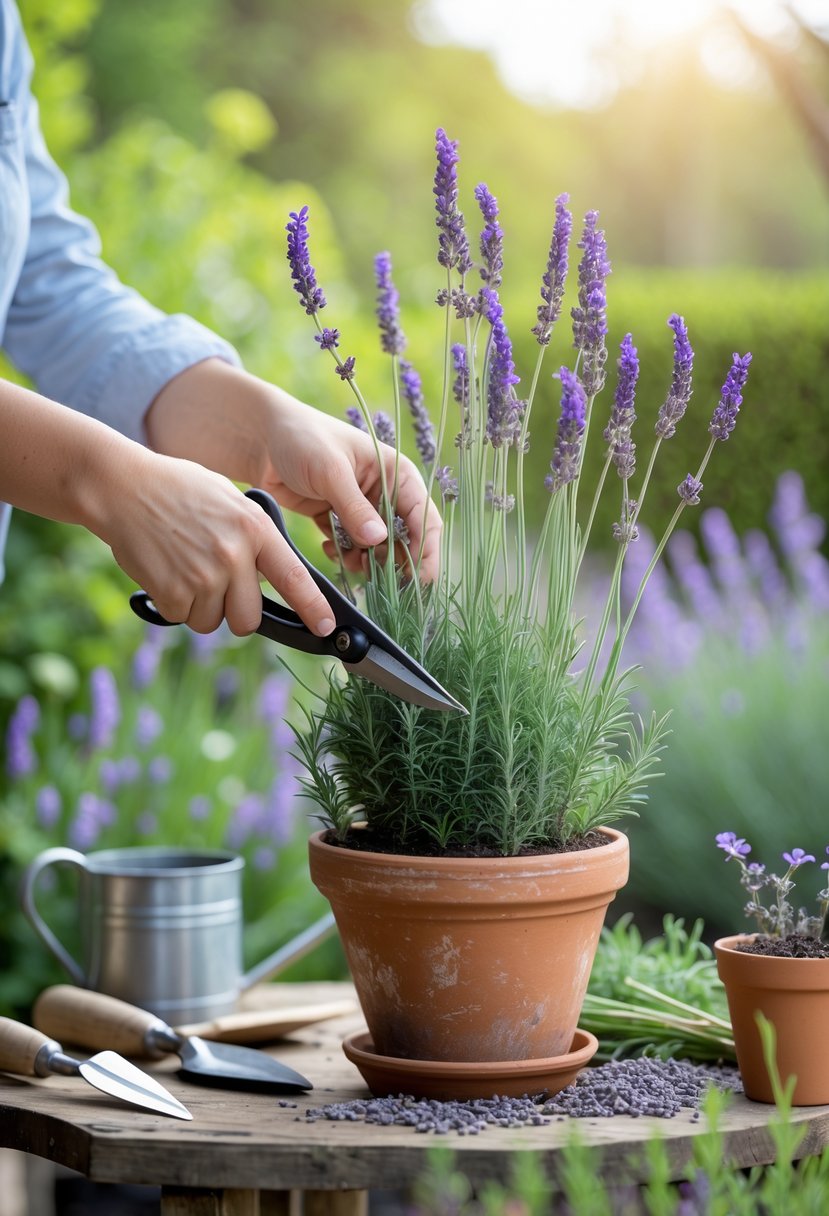
You’ll want to check for signs like soggy soil, root rot, or crowded roots, and fix those first. Simple steps like moving your plant to a sunnier spot, improving drainage, or trimming back woody stems can help your lavender recover and grow strong again.
Diagnosing a Dying Lavender Plant
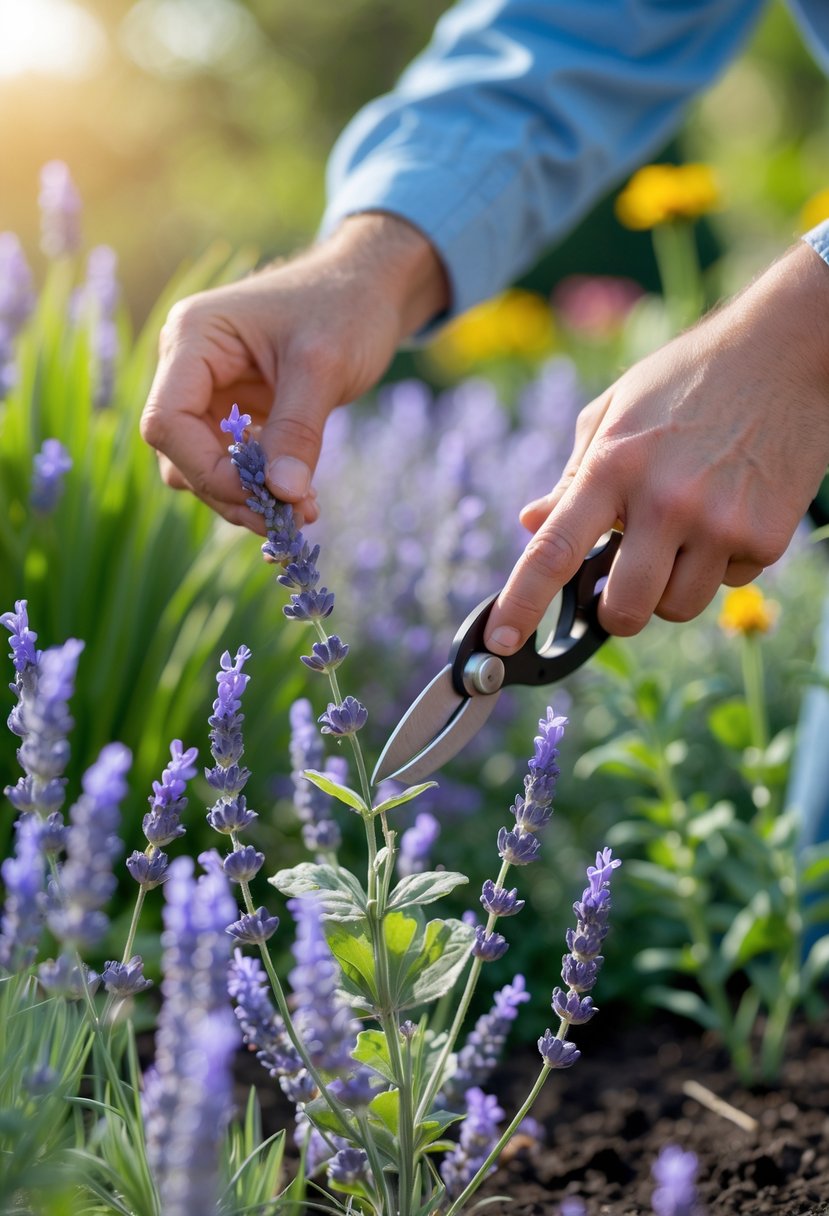
To save your lavender plant, you need to carefully examine its condition. Look for specific signs that show how the plant is struggling. Understanding the common causes will help you decide what to do next.
Recognizing Early Warning Signs
Your lavender plant may first show trouble through changes in its leaves and stems. Watch for yellowing leaves, which often signal too much water. Leaves that curl or dry out can mean your plant is not getting enough water or is stressed.
Brown or drooping leaves suggest underwatering. If the plant’s soil is constantly wet or smells bad, root rot could be developing.
A woody lavender plant looks dry and hard, with little green growth. Older stems may be too tough to help the plant recover without trimming.
Common Causes of Decline
Lavender plants struggle mainly because of water issues, poor soil, sunlight, or disease. Overwatering is the top cause of decline and can lead to root rot. On the other hand, underwatered plants dry out and lose their leaves.
Too much fertilizer or nutrient-rich soil may harm your lavender. It prefers poor, well-draining soil. If your plant doesn’t get at least 6 hours of full sun daily, it will grow weak and produce fewer flowers.
Fungal infections or pests might cause gray leaves or unusual spots. Such diseases can quickly kill your lavender if untreated.
Differences Between Overwatered, Underwatered, and Woody Lavender
An overwatered lavender plant shows yellow leaves and soggy soil. The roots may rot, and the plant will wilt despite wet conditions.
Underwatered lavender looks dry, with brown, crispy leaves. The soil will be very dry, and the plant may droop or lose leaves more often.
A woody lavender plant has lost most of its soft green growth and has hard, brown stems. These stems won’t grow new leaves or flowers until pruned. Regular trimming helps avoid this condition.
Knowing these differences lets you adjust care to meet your plant’s needs.
Essential Steps to Save Your Lavender Plant
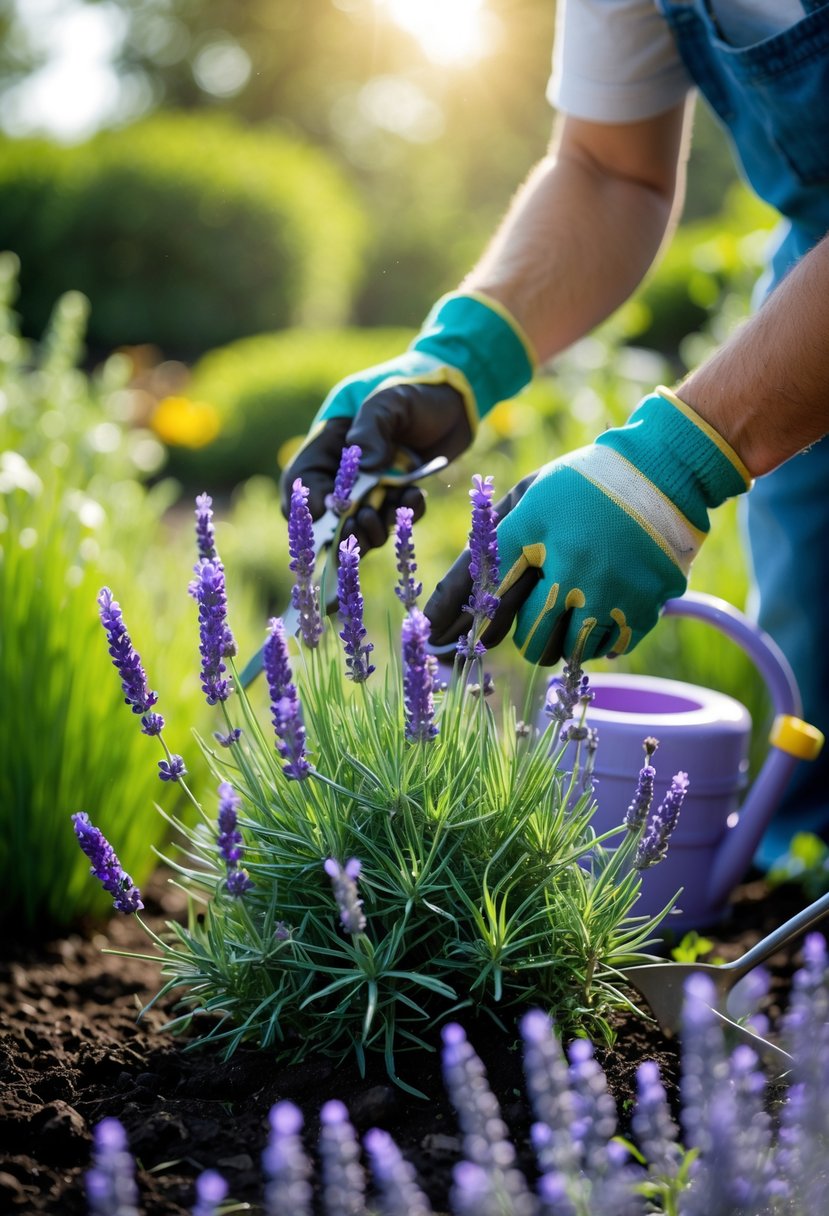
To restore your lavender plant, you need to focus on how you water it and the type of soil it grows in. Proper watering and good soil conditions are critical. Adjusting these correctly can prevent root problems and help the plant recover.
Adjusting Watering Practices
Lavender plants prefer soil that dries out between waterings. Overwatering is a common cause of decline. If your lavender’s leaves are yellowing or wilting, it may have too much water.
Water deeply but infrequently. Soak the soil all the way through when you water, then wait until the top inch of soil is dry before watering again. Avoid watering if the soil feels damp.
If your lavender is overwatered, reduce watering immediately. Ensure it is not sitting in standing water. If pot-bound, repot with fresh, dry soil to help roots breathe.
Improving Soil Drainage and Composition
Good drainage is essential for lavender. Soil that holds too much moisture will stress the plant and invite root rot.
Use well-draining soil, such as a mix of sand, gravel, and potting soil. If planting outside, improve drainage by adding coarse materials or planting on a slope or raised bed.
Check that your pot has enough drainage holes. Remove any organic debris around the plant’s base that may trap moisture.
To help the soil dry faster, mix in materials like perlite or small stones. This lets water move away from the roots quickly, keeping them healthy.
Optimizing Growing Conditions for Recovery
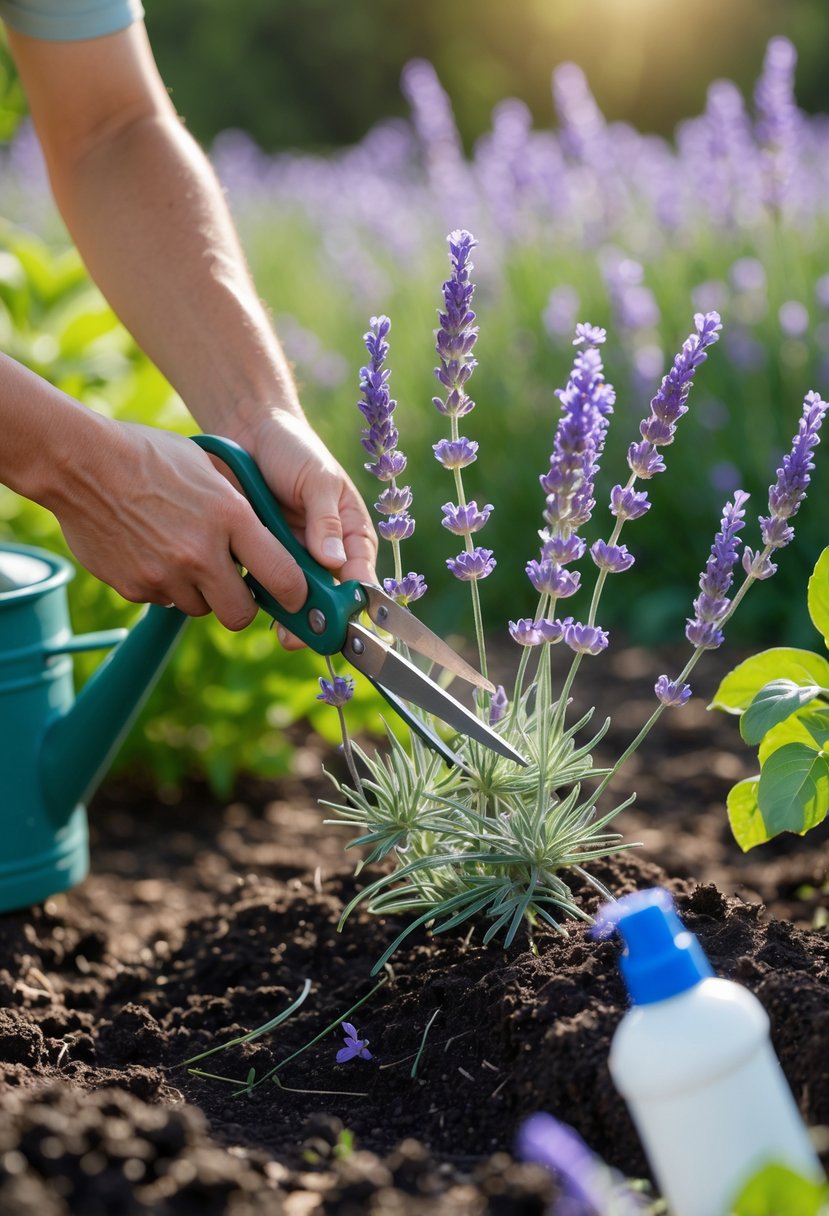
Providing the right environment is key to helping your lavender plant recover. Focus on light, temperature, airflow, and space to encourage healthy growth. Adjust these carefully to meet the plant’s natural needs.
Ensuring Adequate Sunlight
Lavender plants need at least 6 hours of direct sun daily to thrive. Place your plant in the sunniest part of your garden or near a bright, south-facing window if indoors. Without enough sunlight, your lavender will become weak and produce fewer flowers.
If sunlight is limited, consider using a grow light to supplement natural light. Avoid shady or overly damp areas because they increase the risk of disease. Consistent exposure to full sun helps the plant create strong stems and healthy leaves.
Managing Temperature and Air Circulation
Lavender prefers warm, dry conditions similar to its Mediterranean origins. Aim to keep temperatures between 60°F and 80°F (15°C to 27°C) during the day. Avoid cold drafts or sudden temperature drops that can stress the plant.
Good airflow around the plant reduces humidity and prevents fungal diseases. Avoid crowded spaces. Use a fan indoors if air tends to be stagnant. Outdoor plants do well in raised beds or sloped areas where air moves freely.
Container Selection and Repotting
If your lavender is in a container, check if it’s root-bound by looking for roots growing through drainage holes. Choose a container at least 2 inches wider in diameter than the old one. Make sure it has multiple drainage holes to prevent waterlogging.
Use a soil mix designed for lavender, with gritty, well-draining components like sand or pea gravel. When repotting, gently loosen roots and remove any dead or rotten ones. Repotting provides fresh soil and space for growth, essential for recovery.
Long-Term Care and Prevention
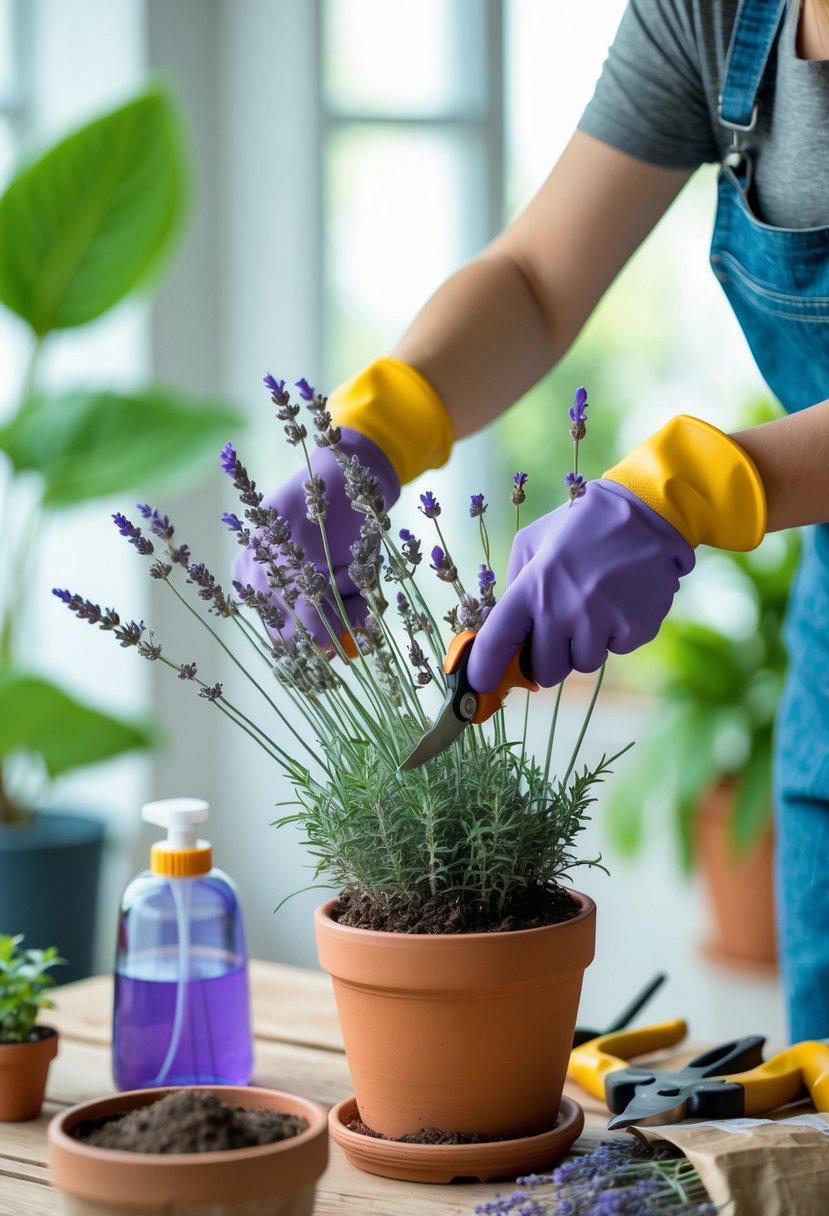
Taking care of your lavender plant over time helps it stay healthy and less likely to get sick. Proper trimming, disease protection, and avoiding common care errors keep your lavender strong and thriving.
Pruning Woody Lavender Plants
Woody lavender plants need regular pruning to keep their shape and encourage new growth. Cut back about one-third of the plant in late winter or early spring. Avoid cutting into old, dry wood because lavender does not grow well from it.
Use sharp, clean scissors or pruning shears. Remove dead or damaged stems first. Pruning helps air flow through the plant, reducing chances of disease. It also prevents the plant from becoming leggy and weak.
If you let your lavender grow too tall or woody without pruning, it may stop blooming. Pruning keeps your lavender looking neat and helps it last for many years.
Preventing Fungal Diseases
Fungal diseases like powdery mildew and botrytis can harm your lavender plants. They often spread when plants are crowded or the soil stays too wet. Make sure your lavender is planted in well-draining soil.
Water your lavender early in the day at the base so the leaves dry quickly. Avoid overhead watering. Remove any diseased leaves right away to stop the spread.
Good airflow around your plants lowers the risk of fungi. Space your lavender plants at least 12 to 18 inches apart. If needed, use fungicides labeled for lavender to control infections.
Avoiding Common Mistakes
Overwatering is one of the biggest mistakes that causes your lavender plant to die. Lavender prefers dry soil between waterings. Let the top inch of soil dry out before watering again.
Too much fertilizer can also harm your lavender. Use a light amount only in spring and summer. Rich soil causes weak, leggy growth and fewer flowers.
Make sure your lavender gets at least six hours of direct sunlight daily. Too little sun will make your plant weak and less fragrant.
Finally, watch for pests like aphids or spider mites, and treat immediately with insecticidal soap or natural remedies. Regular checks prevent small problems from becoming serious.
