How to Harvest Basil for Maximum Flavor and Growth
Harvesting basil properly is important to keep your plant healthy and full of fresh leaves. You should start picking basil once the plant is at least 6 inches tall, cutting leaves or stems above a set of leaves to help it keep growing throughout the season. This method encourages new growth and prevents the plant from flowering too soon, which can make the leaves bitter.
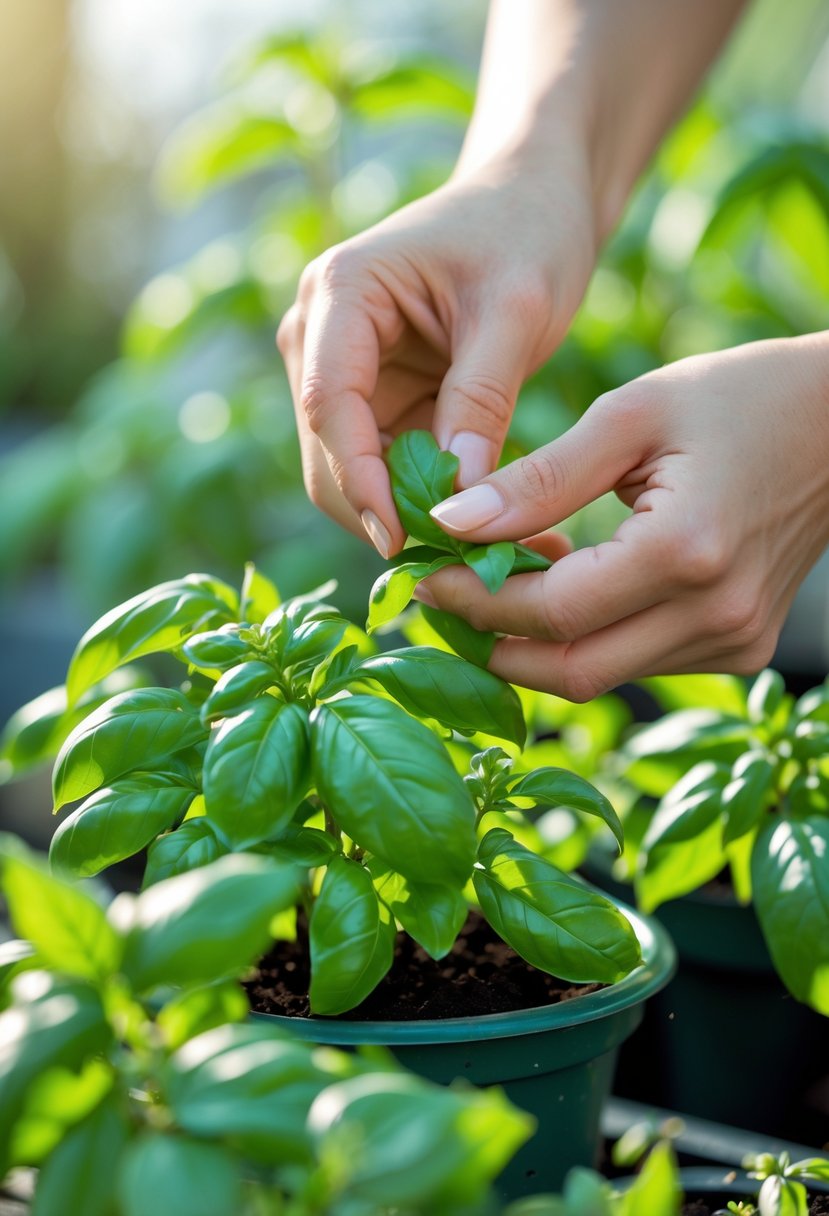
The best time to harvest is in the morning when the leaves are dry and cool. Pinching leaves at the top of the plant helps it become bushier and more productive. Knowing how and when to cut your basil will give you a steady supply for cooking or garnishing.
You can also store basil easily after harvesting by treating it like fresh flowers, which helps keep the leaves fresh longer. Understanding these basic steps will make your basil last and keep you returning for more each season.
Key Takeaways
- Start harvesting when your basil reaches about 6 inches tall.
- Pinch or cut stems above leaf sets to encourage growth.
- Harvest in the morning when leaves are dry for best quality.
When to Harvest Basil
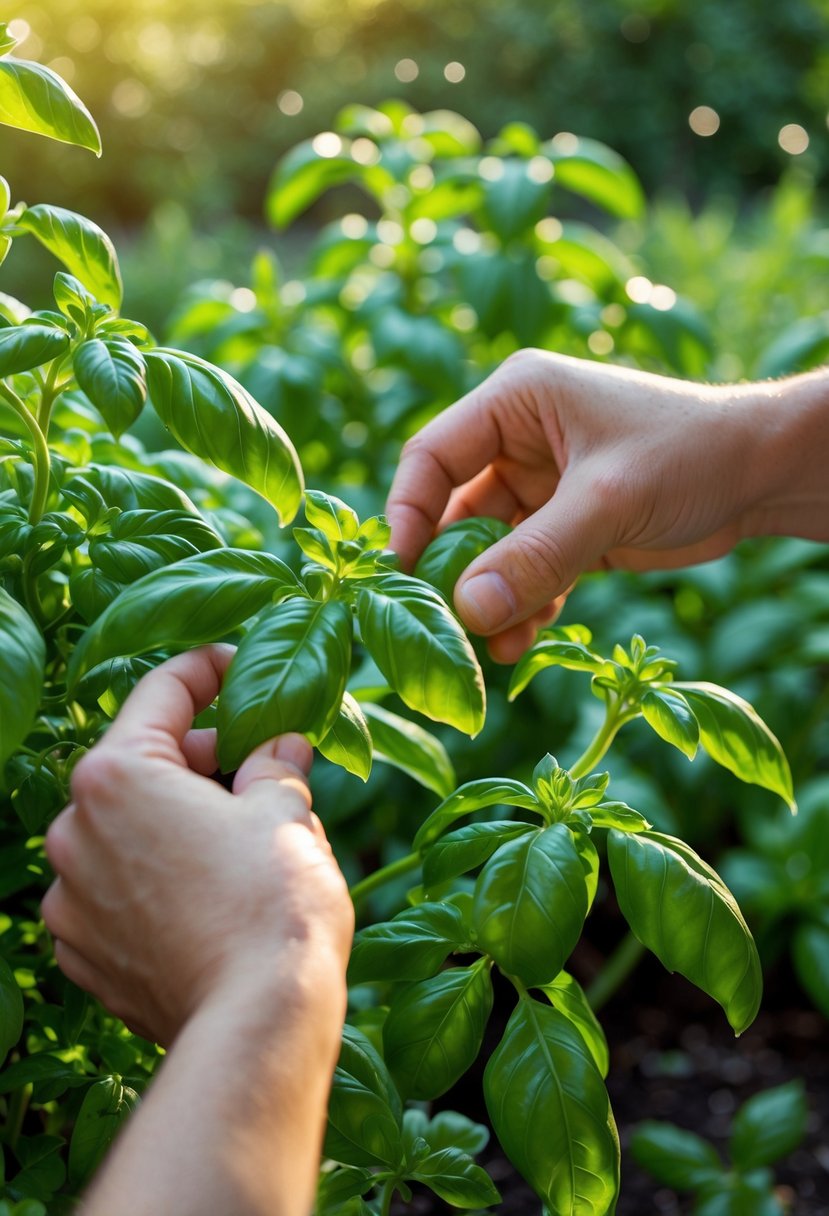
You should harvest basil when the plant is strong enough to support new growth yet hasn’t started to flower. Watching your plant’s size and leaf size helps ensure you pick at the right time for the best flavor and continuous growth.
Recognizing the Right Time
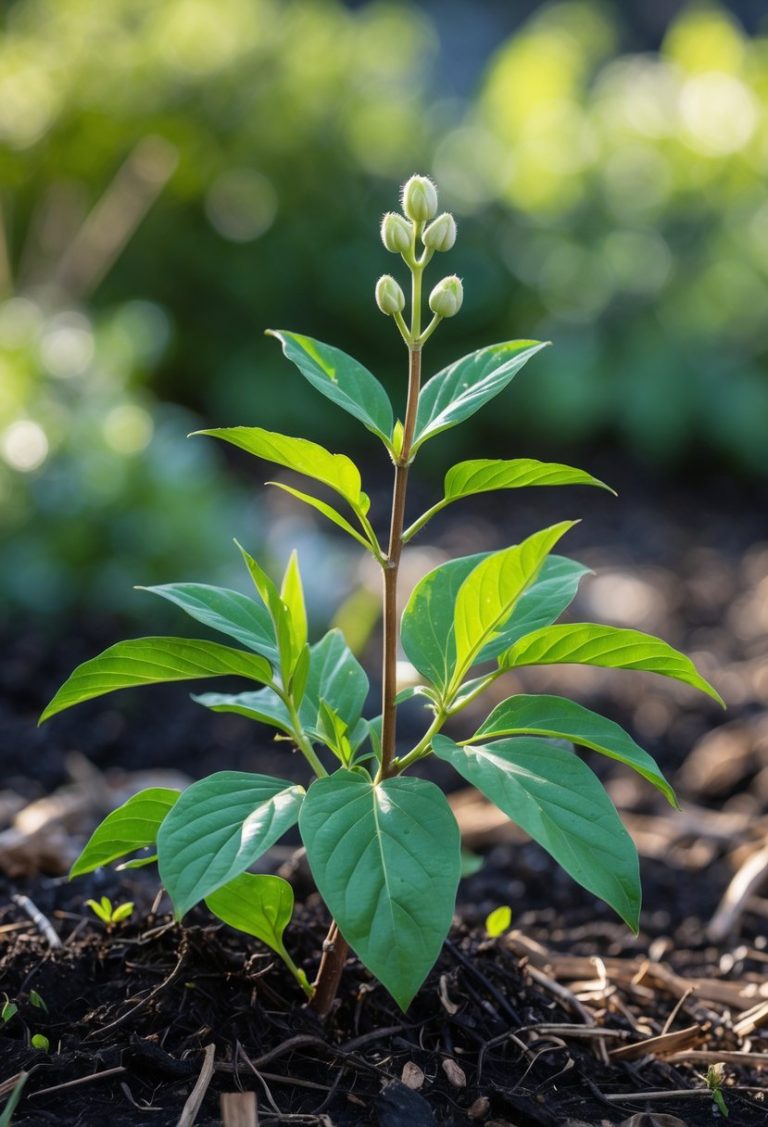
Harvest basil once your plant reaches about 6 inches tall. By this height, the plant has enough leaves to support cutting without damage. Basil with at least four sets of leaves is ideal for harvesting.
Morning is the best time to harvest. The leaves contain the most flavor and moisture then. Make sure the leaves are dry to avoid mold or rot after picking.
If you wait too long, your basil will flower, and the leaves will taste bitter. Pinch off the top sets of leaves regularly to stop blooming and keep your basil producing fresh leaves.
Signs Your Basil Is Ready
Look for leaves that are fully grown but still tender. They should be bright green and free from spots or yellowing.
You can pinch or cut leaves where they join the stem. Removing the top leaves encourages the plant to grow bushier.
If the leaves start to turn dark or have a rough texture, harvest them immediately. Age reduces flavor and leaf quality, so picking early is better for taste and health.
Step-by-Step Guide to Harvesting Basil
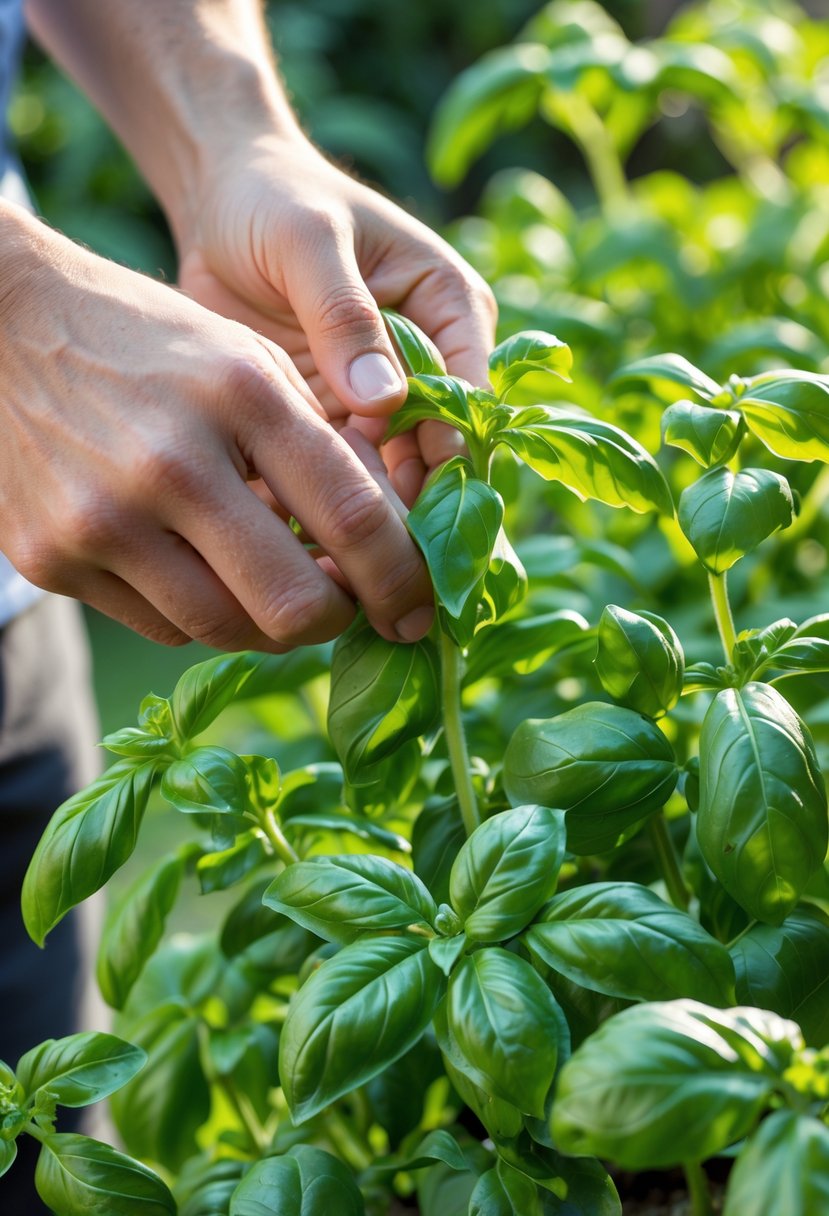
To get fresh basil leaves ready for cooking or making pesto, you need to prepare your tools and use the right cutting techniques. This helps your basil plant stay healthy and produce more leaves over time.
Tools and Preparation
Use clean, sharp scissors or garden shears to avoid damaging the basil stems. Avoid tearing or pulling leaves by hand, which can harm the plant.
Check your basil in the morning when the leaves are dry. Wet leaves can cause mold or disease during storage.
Choose healthy, green leaves for harvesting. If your goal is pesto, focus on larger, tender leaves since they have the best flavor.
Have a container or basket nearby to collect the leaves gently. This prevents bruising the leaves, which can affect their taste and shelf life.
Proper Cutting Techniques
Start cutting basil stems just above a pair of leaves or a growing node. This encourages new shoots to grow from below the cut.
Avoid cutting more than one-third of the plant at a time to keep it healthy. Regularly harvesting every 1-2 weeks helps your basil produce fresh leaves continuously.
For pesto, focus on harvesting the top leaves and stems, where the flavor is strongest and most concentrated.
Cut cleanly with your scissors or shears. Avoid crushing the stems, as this can harm the plant and reduce future growth.
Maximizing Basil Growth with Proper Harvesting
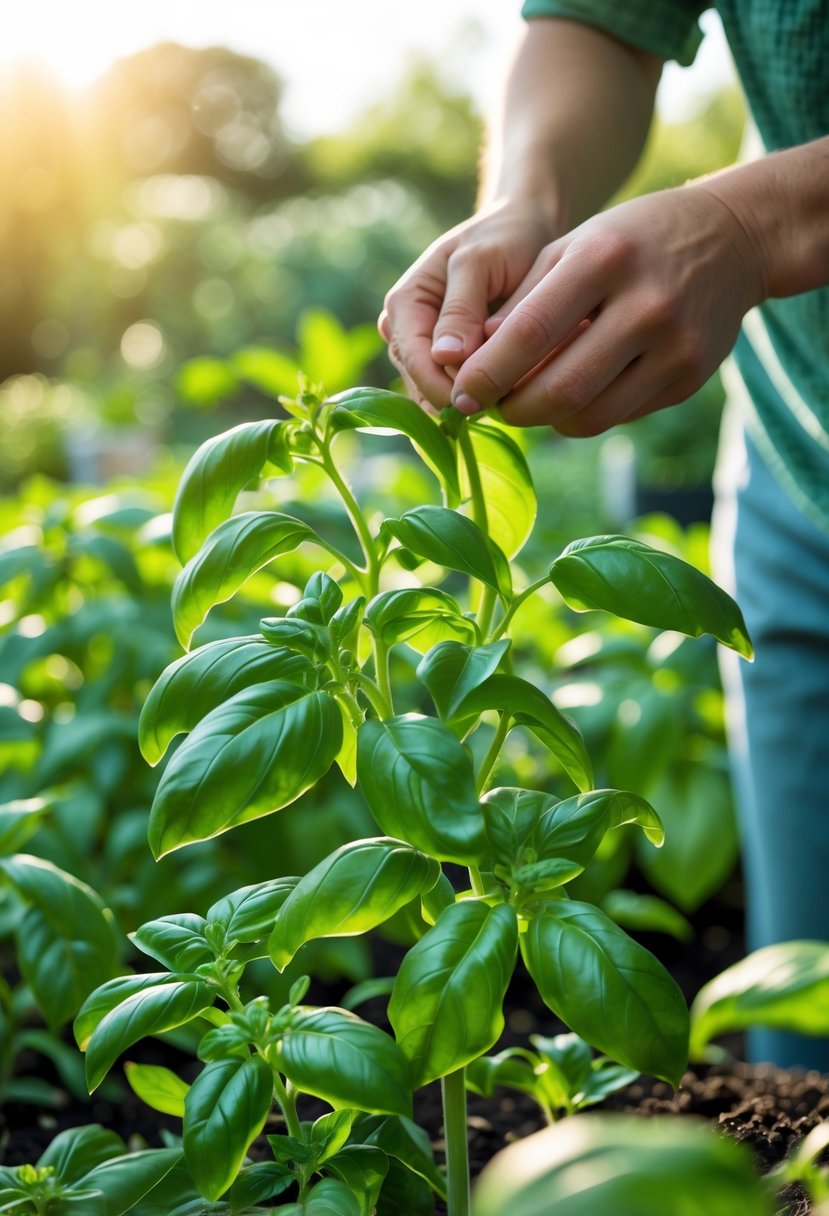
To keep your basil plant healthy and productive, you need to harvest it in a way that encourages new growth. Cutting the right parts and leaving enough leaves on the plant helps it grow back stronger and longer.
Promoting Continuous Growth
Harvest basil when the plant is at least 6 inches tall. Use your fingers or scissors to pinch or cut leaves just above a pair of leaves or a leaf node. This encourages the plant to produce new stems and leaves from that point.
Always leave at least half of the leaves on the plant. Removing too many leaves at once will stress the plant and slow down growth. Try to harvest in the morning when essential oils and flavor are highest.
Regularly snip off flower buds as soon as they appear. Flowers take energy from leaf production and can make your basil taste bitter. Keeping your plant trimmed this way helps it stay productive all season.
Common Mistakes to Avoid
Never harvest more than one-third of the plant at one time. Taking too much leaves the basil unable to photosynthesize efficiently, weakening its growth.
Avoid cutting leaves too close to the ground or stem base. This can damage the plant and reduce its ability to produce new shoots. Always make your cuts just above a leaf node to keep the plant healthy.
Do not ignore plant size. Harvesting from small plants too early can stunt growth and reduce your overall yield. Wait until the basil is strong and well established before regular harvesting.
Water and sunlight matters. Harvesting a dry or stressed plant will harm it. Make sure your basil gets enough water and 6-8 hours of sun daily to stay robust after you cut leaves.
Storing and Using Harvested Basil
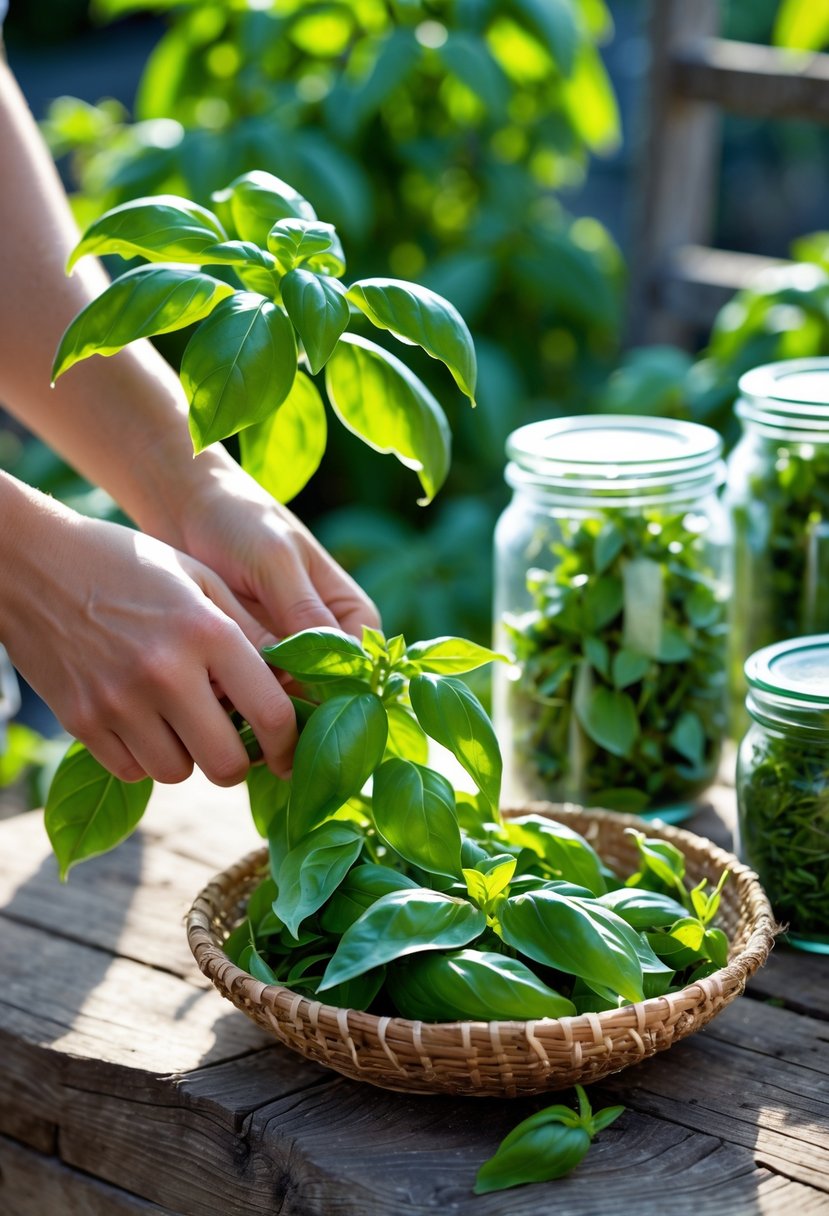
After you harvest basil, it’s important to store it properly to keep the flavor fresh. You can keep basil fresh for a few days or prepare it in ways that extend its shelf life. Making pesto is one popular method that uses freshly harvested basil and preserves its taste for longer.
Storage Methods for Fresh Basil
Start by selecting healthy, green leaves without spots. Store basil like fresh flowers: trim the stems, place them in a glass of water, and cover loosely with a plastic bag. Keep it on the counter, not in the refrigerator, because cold can turn the leaves black.
If you need to store basil longer, wrap the leaves in a damp paper towel and put them in a plastic bag in the fridge. Basil stored this way can last up to a week.
For long-term storage, freeze basil. You can freeze whole leaves or chop them and freeze in ice cube trays with olive oil. Once frozen, transfer cubes into freezer bags. This method retains flavor for months and is ready to use in cooking.
Harvesting Basil for Pesto
To make pesto, harvest basil when the plant is healthy and at least 6 inches tall. Pinch or cut the leaves carefully, leaving enough behind so the plant keeps growing.
Rinse the leaves gently and dry them well. Blend the basil with olive oil, garlic, pine nuts, and Parmesan cheese for a fresh pesto sauce.
You can store pesto in the fridge for up to a week. For longer storage, freeze it in small containers or ice cube trays. Frozen pesto keeps its flavor for up to three months and is easy to use in recipes.
Frequently Asked Questions
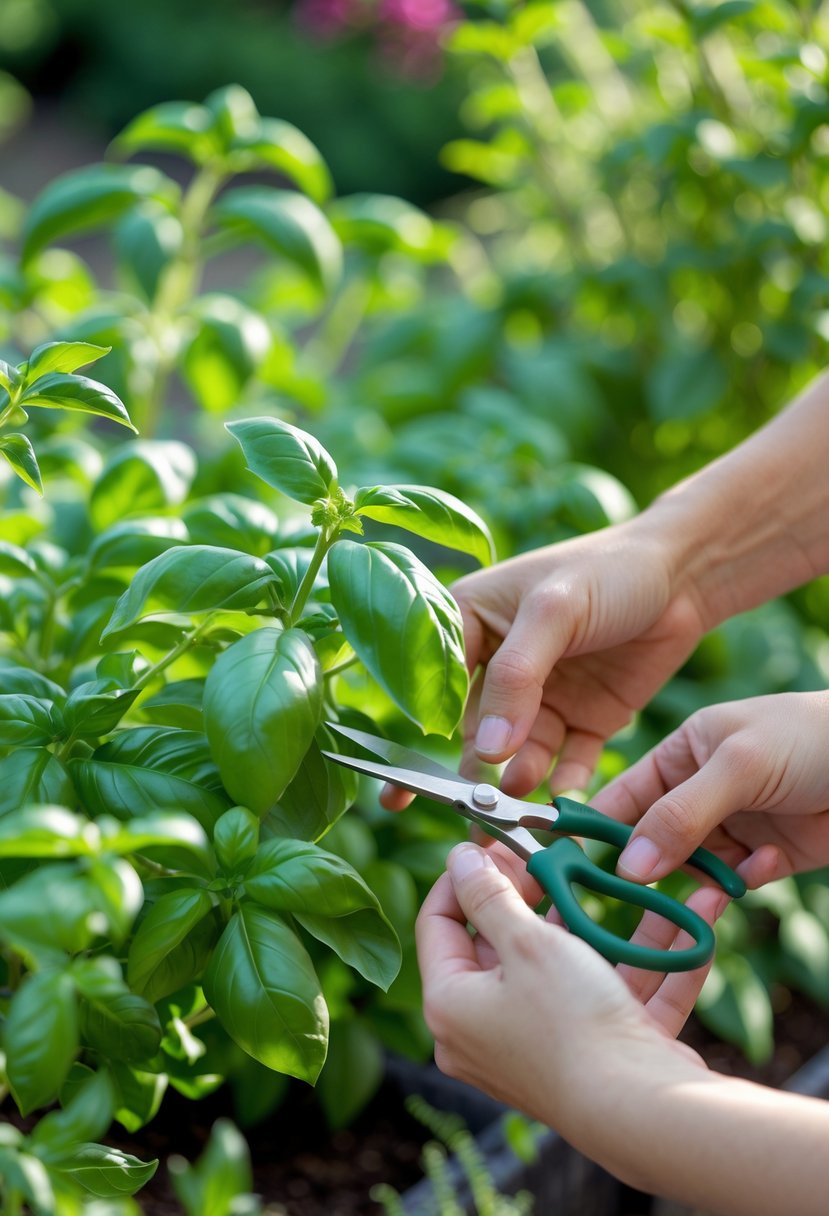
You can preserve basil leaves by harvesting them carefully to keep their flavor. Collecting seeds needs timing and patience. Visual guides help clarify the steps. Large amounts of basil can be used fresh or stored. Proper harvesting influences pesto taste. Drying basil requires specific techniques for best results.
What is the best method to harvest basil leaves for storage?
Harvest basil by cutting just above a set of leaves or a node. Use sharp scissors or pruning shears to avoid damaging the plant. Pick leaves in the morning when oil content is highest for better flavor.
For storage, wash leaves gently and pat dry. Freeze in small portions or dry leaves slowly to keep the aroma.
Can you provide a step-by-step guide on collecting basil seeds?
Let flowers mature and dry on the plant. Wait until seed pods turn brown and brittle.
Cut the seed stalks and place them in a paper bag to finish drying. Shake the bag to release seeds. Store seeds in a cool, dry place until planting.
Are there visual aids available for understanding the basil harvesting process?
Yes, many gardening books and websites offer photos and videos. Step-by-step images show where to cut and how to handle the plant without harm.
Check trusted sources like gardening blogs or video tutorials for clear demonstrations.
What are some effective ways to use a large harvest of basil leaves?
Use fresh leaves in salads, pasta, and sauces. Make pesto or basil-infused oil.
Preserve extras by freezing in ice cube trays with olive oil or drying for later use in cooking.
How do you properly harvest basil to make pesto?
Choose tender, young leaves for better flavor. Harvest before the plant flowers for optimum taste.
Cut stems carefully to gather enough leaves without stressing the plant. Wash and dry leaves before blending into pesto.
What techniques should be followed to dry basil after harvesting?
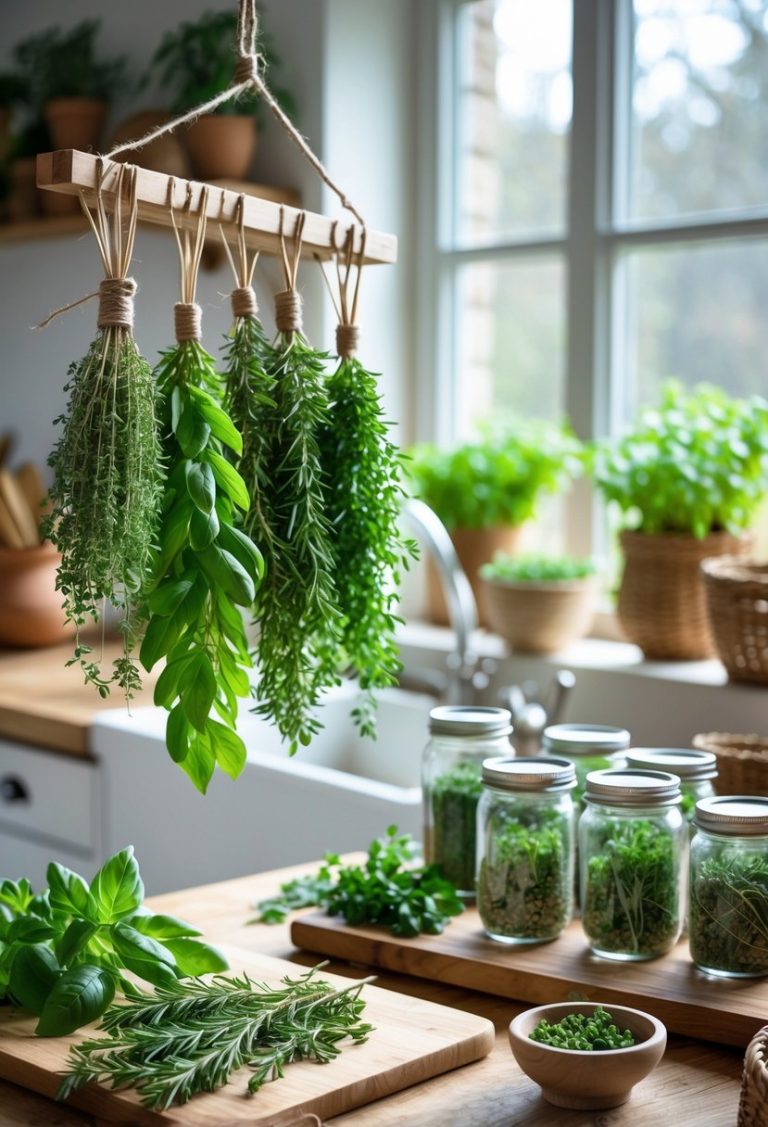
Tie small bunches of basil stems together. Hang them upside down in a dry, dark, well-ventilated area.
Once leaves are brittle, crumble them and store in airtight containers away from light and heat.