How to Grow Your Own Food: A Practical Guide for Beginners and Experts
Growing your own food starts with choosing the right crops for your space and climate. By focusing on what grows well where you live, anyone can plant seeds in good soil, water them regularly, and harvest fresh produce. The key to success is planning a garden that fits your needs and caring for it through each stage of growth.
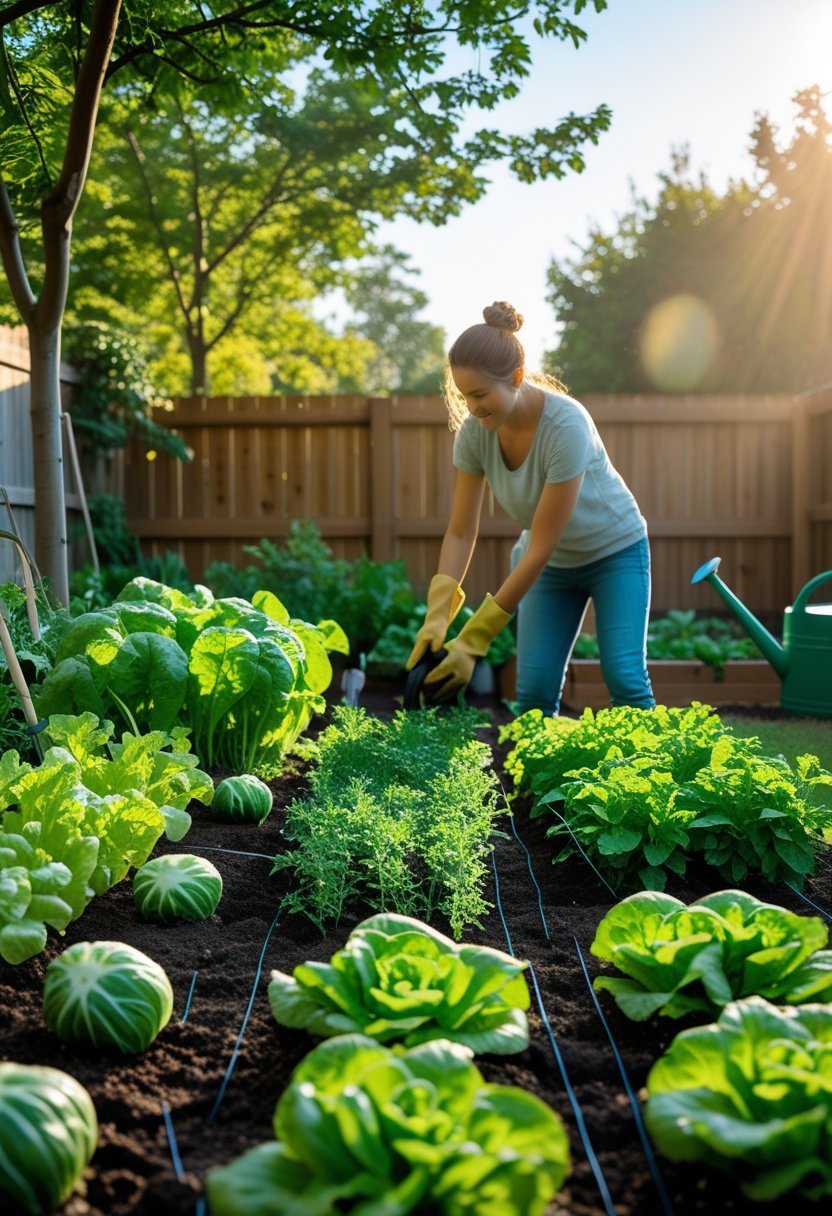
A small garden can provide a steady supply of fruits and vegetables, and using techniques like row planting or a greenhouse can extend the growing season. Learning how to manage your garden step-by-step helps turn a simple plot of land into a dependable food source. With time, skills improve, and the garden can grow to supply even more food.
This article will guide readers through the essential steps and tips to start their own food garden, giving them the tools to enjoy fresh, homegrown food year-round.
Key Takeways
- Successful food growing begins with choosing suitable crops and proper planning.
- Consistent care and knowledge help a garden provide fresh food over time.
- Expanding skills and techniques can increase garden yields and extend the harvest season.
Understanding Home Food Growing
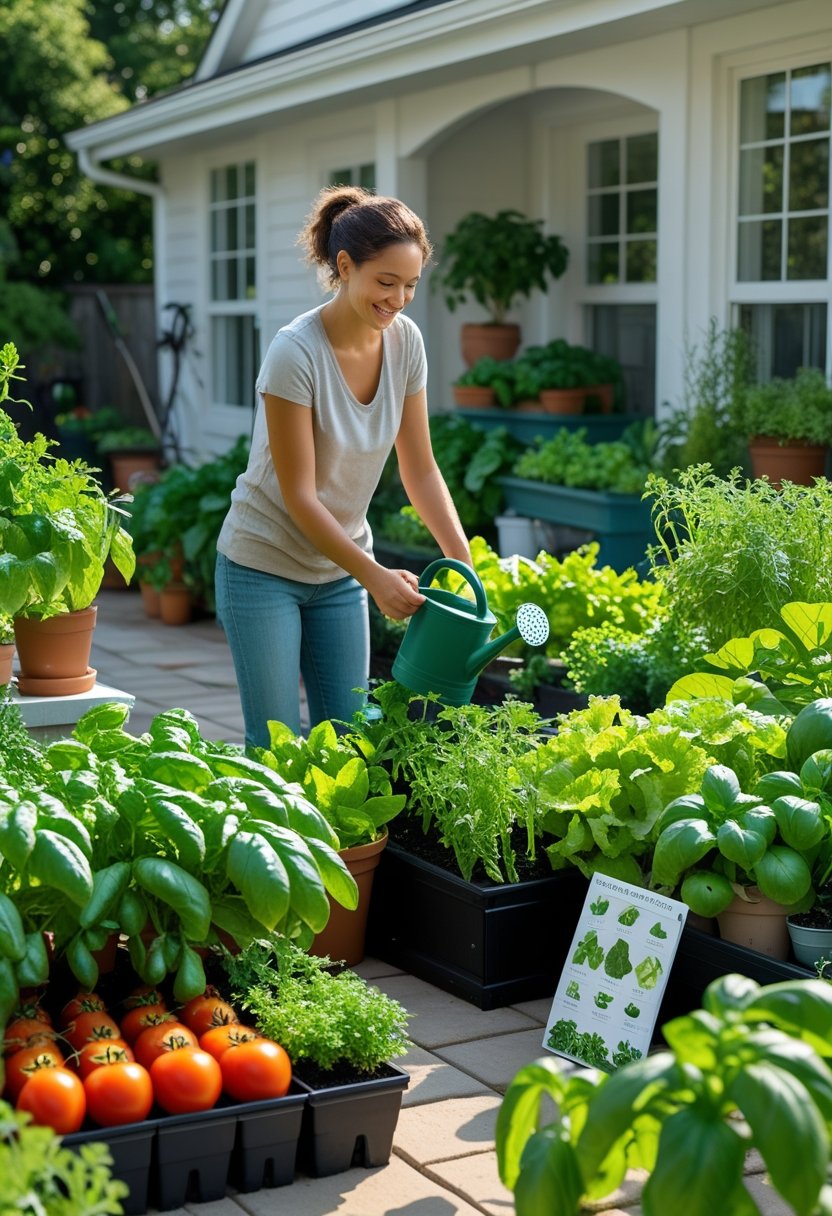
Growing food at home means producing fruits, vegetables, and herbs in your own space. It involves careful planning, choosing the right plants, and caring for them to get fresh, edible produce. The reasons people start home gardens and what this practice is called are important to know before beginning.
What Is It Called When You Grow Your Own Food
When someone grows their own fruits and vegetables, it is often called home gardening or personal food gardening. More specifically, it can be referred to as vegetable gardening or urban gardening if done in small spaces like balconies or yards. The term food gardening emphasizes growing plants to eat rather than just for decoration.
This practice is a part of sustainable living, where people grow food to reduce reliance on stores. It is also linked to self-sufficiency, meaning people produce a significant amount of their own food to meet daily needs. Knowing these terms helps people find resources and communities to support their gardening efforts.
Benefits of Growing Your Own Food
Growing food at home offers several practical benefits. First, it improves access to fresh produce, which is often more flavorful and nutritious than store-bought options. People can pick fruits and vegetables at peak ripeness, which affects taste and nutrient content.
It can also save money. Seed packets cost just a few dollars and produce many plants, making it cheaper than regularly buying fresh produce. Home gardening reduces grocery trips and packaging waste, making it environmentally friendly.
Another benefit is controlling what goes on the plants. Gardeners can avoid pesticides and choose organic methods. It also encourages physical activity and learning about nature.
For detailed tips on how to grow your own food at home and improve soil health, many rely on guides like this one from Reader’s Digest.
Planning Your Home Food Garden
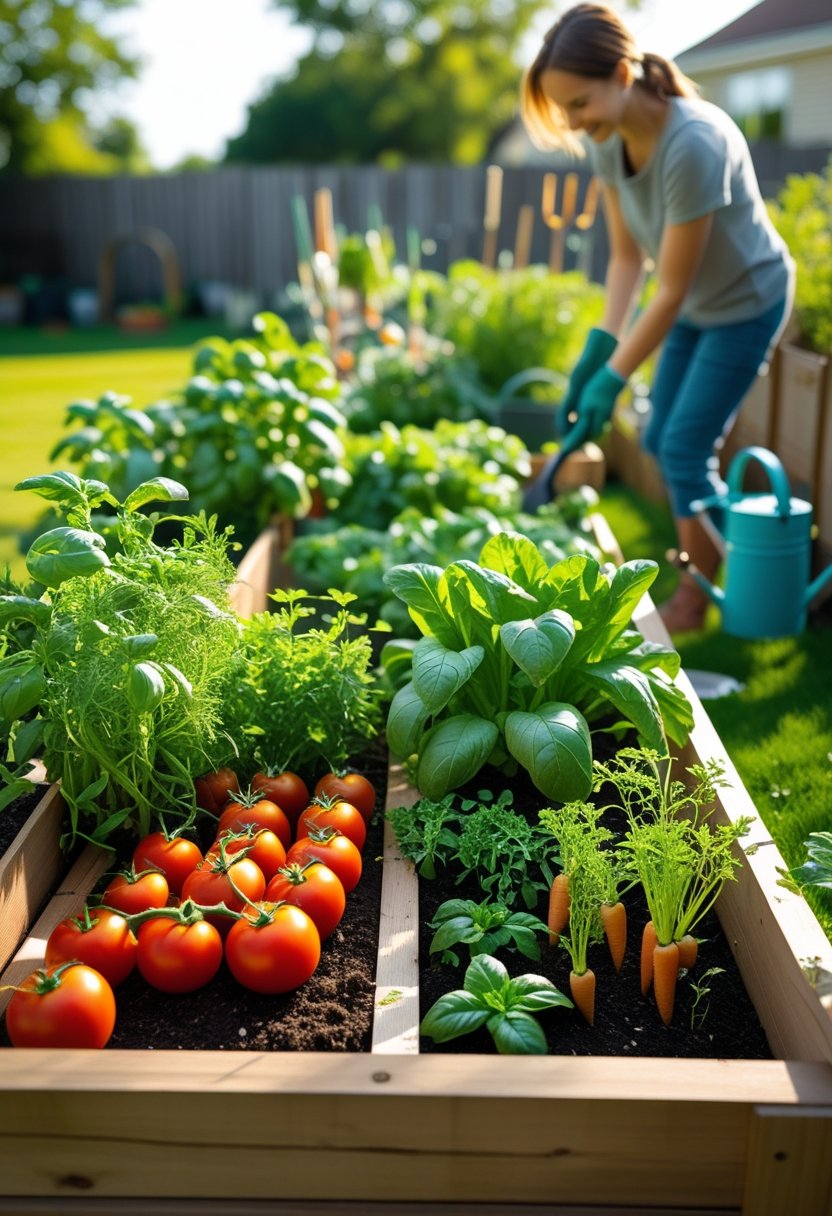
A successful food garden starts with careful preparation. This includes finding the best spot for plants to get enough sun, choosing crops that suit the local climate, and arranging the garden for easy care and good growth. Each step helps ensure steady yields and efficient use of space.
Choosing the Right Location
The garden should be placed where it gets at least 6 to 8 hours of sunlight daily. Most vegetables need full sun to grow well. A flat, well-drained area helps prevent waterlogging, which can harm roots.
Soil quality is also crucial. Ideal soil is rich in organic matter and has good texture—neither too sandy nor too clay-like. Testing the soil pH can guide adjustments, as most plants prefer a pH of 6.0 to 7.0.
Access to water is important. It should be easy to water the garden regularly, especially in dry periods. Close proximity to the house can make this more convenient.
Selecting Crops for Your Climate
Choosing plants that thrive in the local climate reduces failures. He or she should check regional planting guides to know frost dates and ideal growing seasons.
Cold-hardy crops like kale, spinach, and carrots work well in cooler climates. Warm-season crops like tomatoes, peppers, and beans need longer frost-free periods and warmer temperatures.
Growing natives or well-adapted varieties cuts down on pest problems and water use. He or she can start with easy-to-grow vegetables to build experience before moving on to more delicate plants.
Designing Your Garden Layout
A clear garden layout saves time and improves yields. Raised beds or rows can help organize plants and improve drainage. Paths between beds allow easy access without compacting soil.
Plants with similar water and sunlight needs should be grouped together. Companion planting can improve growth—like planting basil near tomatoes to reduce pests.
Using vertical space with trellises maximizes the area and keeps plants healthy. Also, leaving space for crop rotation each season helps prevent soil nutrient depletion and disease buildup.
Getting Started: Step-By-Step Guide
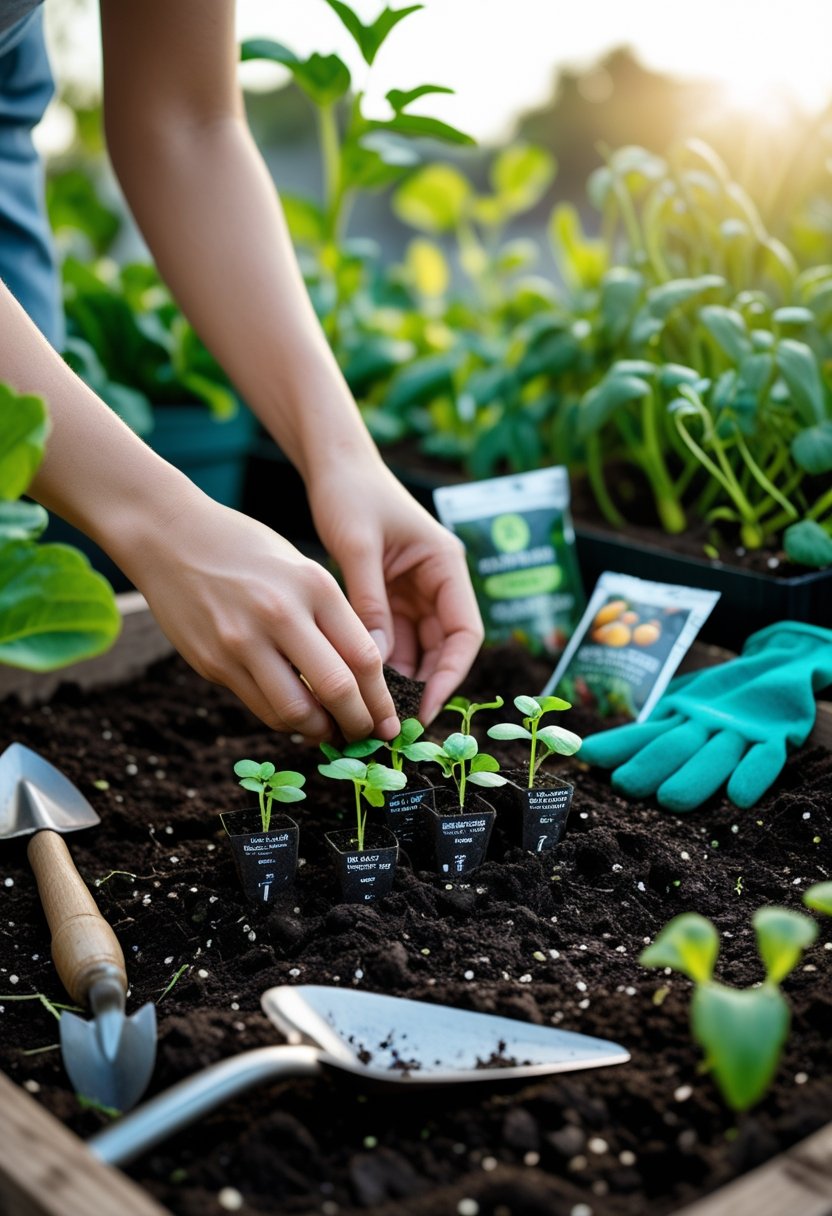
Starting a food garden involves careful planning and attention to key tasks. Preparing healthy soil, choosing the right planting method, and maintaining proper watering and nutrition are all essential to growing strong, productive plants.
Soil Preparation and Improvement
Healthy soil is the foundation of any successful garden. It should be loose and rich in organic matter. Gardeners can improve soil by adding compost, which provides nutrients and helps with drainage.
Testing soil pH helps decide if adjustments are needed. Most vegetables grow well in soil with a pH between 6.0 and 7.0. Adding lime can raise pH if the soil is too acidic, while sulfur can lower it if too alkaline.
Removing weeds and debris before planting prevents competition for nutrients and water. Turning the soil over using a shovel or tiller aerates it and breaks up compacted areas, making it easier for roots to grow.
Adding organic matter such as worm castings or aged manure promotes beneficial microbes. These microbes break down nutrients, improving plant health and growth.
Seed Starting and Planting Techniques
Seeds can be started indoors or sown directly in the garden depending on the plant and climate. Starting seeds indoors allows control over soil, temperature, and moisture, which increases germination success.
Use seed trays or small pots with well-draining seed-starting mix. Keep the soil moist but not soaked, and place containers where they get warmth and light. Once seedlings have grown strong leaves, they can be hardened off outdoors before transplanting.
Direct sowing is best for root vegetables and crops that dislike transplanting. Plant seeds at the depth recommended on the packet to ensure proper emergence.
Spacing seeds or seedlings correctly is important. Crowding plants reduces airflow and causes competition for water and nutrients, leading to weaker growth or disease.
Watering, Feeding, and Maintaining Plants
Consistent watering is critical, especially for young plants. Water deeply at the base to encourage strong root growth and reduce the chance of disease. Avoid wetting leaves unnecessarily.
Feeding plants with natural fertilizers like compost tea or fish emulsion supports steady growth. A balanced approach to feeding avoids nutrient burn or overfeeding.
Regularly check plants for pests and diseases. Removing damaged leaves and using organic pest controls keeps the garden healthy.
Mulching around plants helps retain soil moisture and suppress weeds. Thin out crowded plants as needed to improve air circulation.
Following these steps sets a strong foundation for growing food and ensures plants have the best chance to thrive.
How to Grow Your Own Food: A Step-by-Step Guide for Beginners
Gardening 101: How to Grow Your Own Food – First Principles
Scaling Up and Maximizing Yields
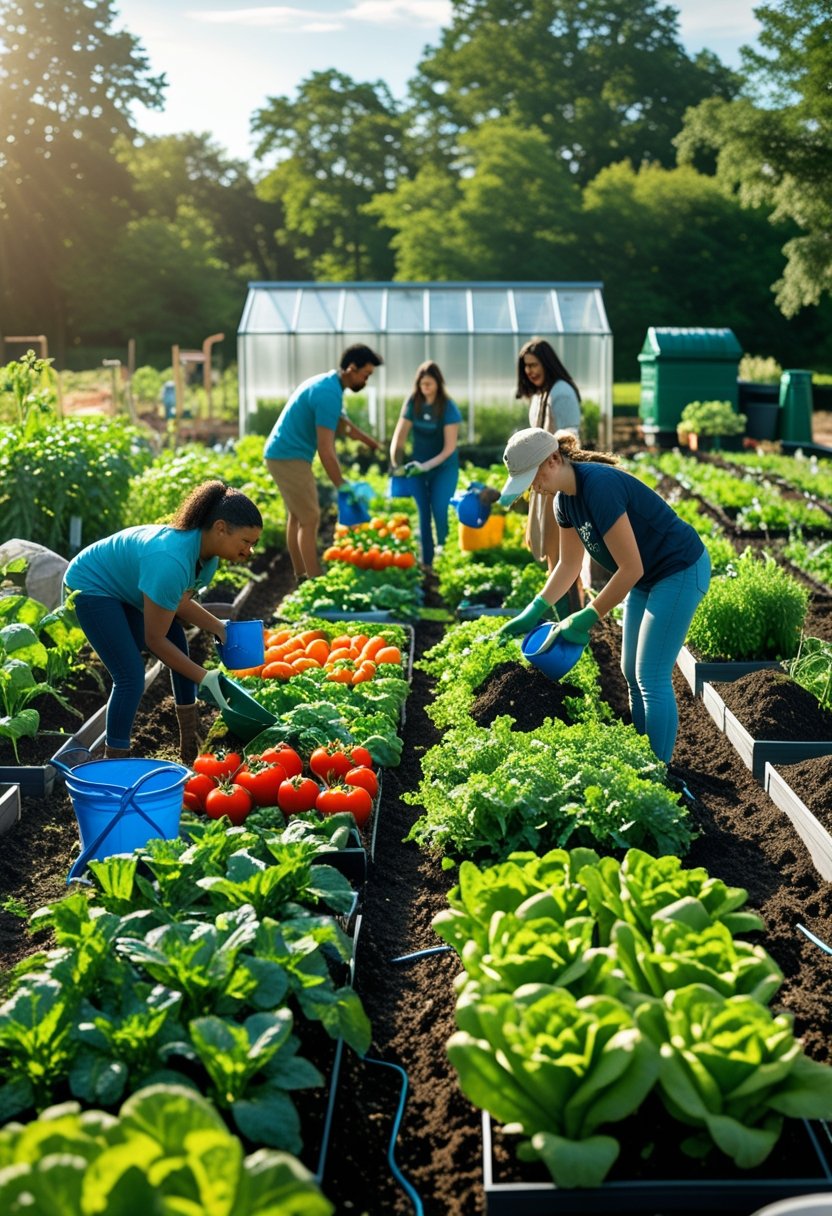
To grow more food at home, using space efficiently and protecting plants is essential. This includes timing plantings to get continuous crops and keeping pests and diseases under control. These actions help ensure a steady, abundant harvest.
Succession Planting Strategies
Succession planting means growing one crop after another in the same space. This method makes the most of your garden by filling gaps between harvests. For example, after harvesting early lettuce, quick-growing radishes or spinach can be planted right away.
Using different maturity rates in crops can also help. Plant fast growers alongside slower ones to spread out the harvest period. This avoids overwhelming amounts of food and helps maintain a fresh supply.
Gardeners can also stagger planting dates. By planting seeds every two weeks, they can keep a continuous flow of fresh vegetables throughout the growing season.
Pest and Disease Management
Healthy plants produce better yields, so managing pests and diseases is important when growing your own food from scratch. Start by choosing resistant plant varieties suited to the local climate.
Using natural methods like companion planting helps. For example, planting marigolds near tomatoes can reduce certain insect pests.
Regular inspections catch problems early. Removing damaged leaves and using barriers like row covers protect plants without chemicals.
Maintaining soil health with compost and proper watering reduces stress on plants, making them less vulnerable to pests and diseases.
For more detailed strategies on increasing yields, using space efficiently, and protecting plants, you can explore tips on how to maximize your edible garden and increase vegetable yields.
Expanding Your Skills and Sharing Knowledge
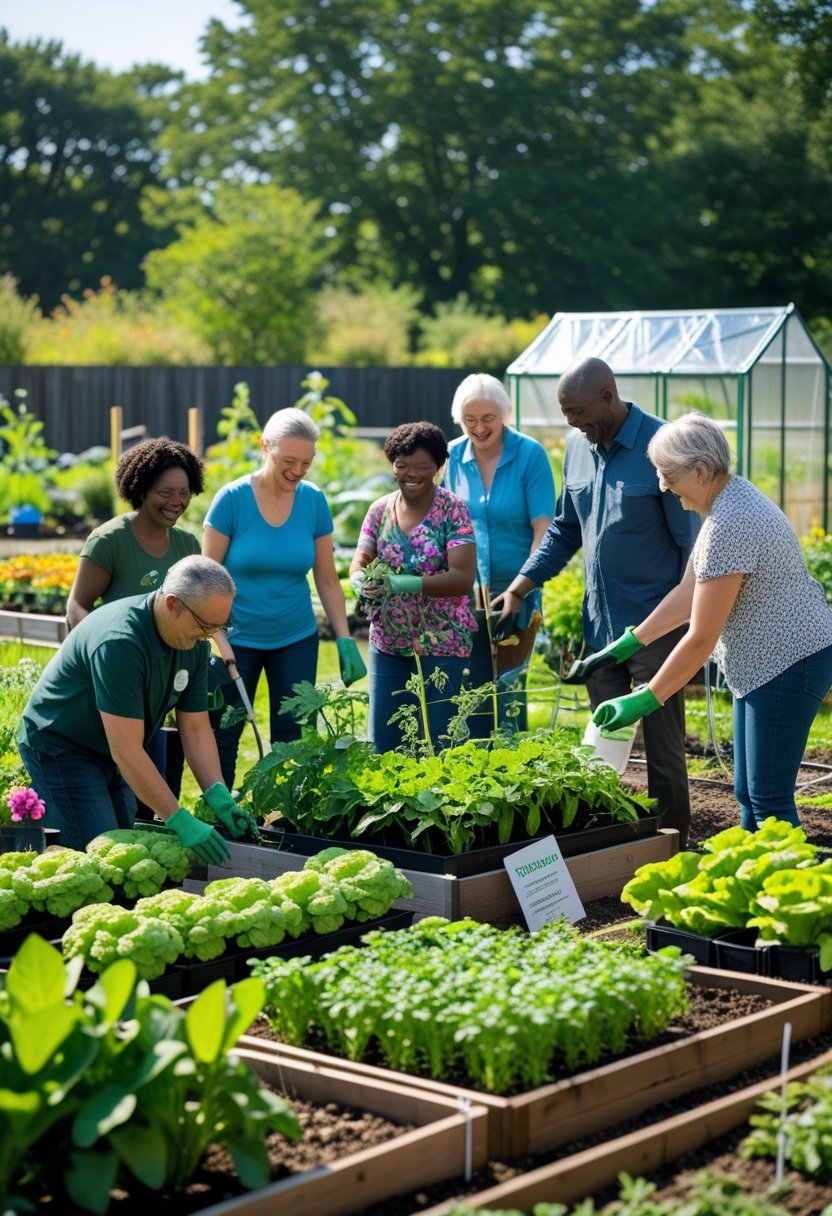
Growing food is a continuous learning process, and sharing what you learn makes it easier for others too. Keeping track of progress, sharing tips online, and joining local groups can build skills and connect growers.
Documenting Your Food Growing Journey
Writing down what works and what doesn’t helps track progress over time. Gardeners should keep a journal or use apps to note planting dates, weather, soil conditions, and harvest results. This creates a valuable reference for future seasons.
Photographs can show growth stages and problems like pests or diseases. Recording details helps spot patterns and improve strategies. It also makes sharing experiences clearer when helping others.
Clear notes on successes and failures turn repeated mistakes into lessons. This close attention boosts confidence and leads to better yields in the long run.
How to Grow Your Own Food Blog
Creating a blog about growing food connects a gardener to a wider audience. It allows sharing advice and stories that inspire others to start planting.
Choosing simple, relatable topics helps readers understand easily. Posts might include seed starting tips, pest control methods, or harvest ideas. Writing regularly encourages practice and growth.
Adding photos or videos makes instructions clearer. Linking to trusted resources improves credibility. Promoting blog posts on social media can attract readers and build a community.
Offering honest experiences, both good and bad, keeps readers engaged. It turns a blog into a helpful, trustworthy guide for beginners and experienced growers alike.
Community Involvement and Education
Joining local gardening groups or online forums provides support and new ideas. Sharing knowledge with neighbors or schools helps spread food growing skills widely.
Organizing workshops or garden tours shows practical methods. Teaching children about growing food encourages healthy habits early. Such involvement strengthens community ties and promotes sustainability.
Listening to others’ experiences exposes gardeners to different climates, techniques, and crops. It expands understanding beyond individual effort and makes food growing a shared practice.
Supporting or starting community gardens builds resources and access for many people. It creates spaces where experience and advice flow freely, making growing food easier and more rewarding for all.
Turning Home Food Growing Into a Business
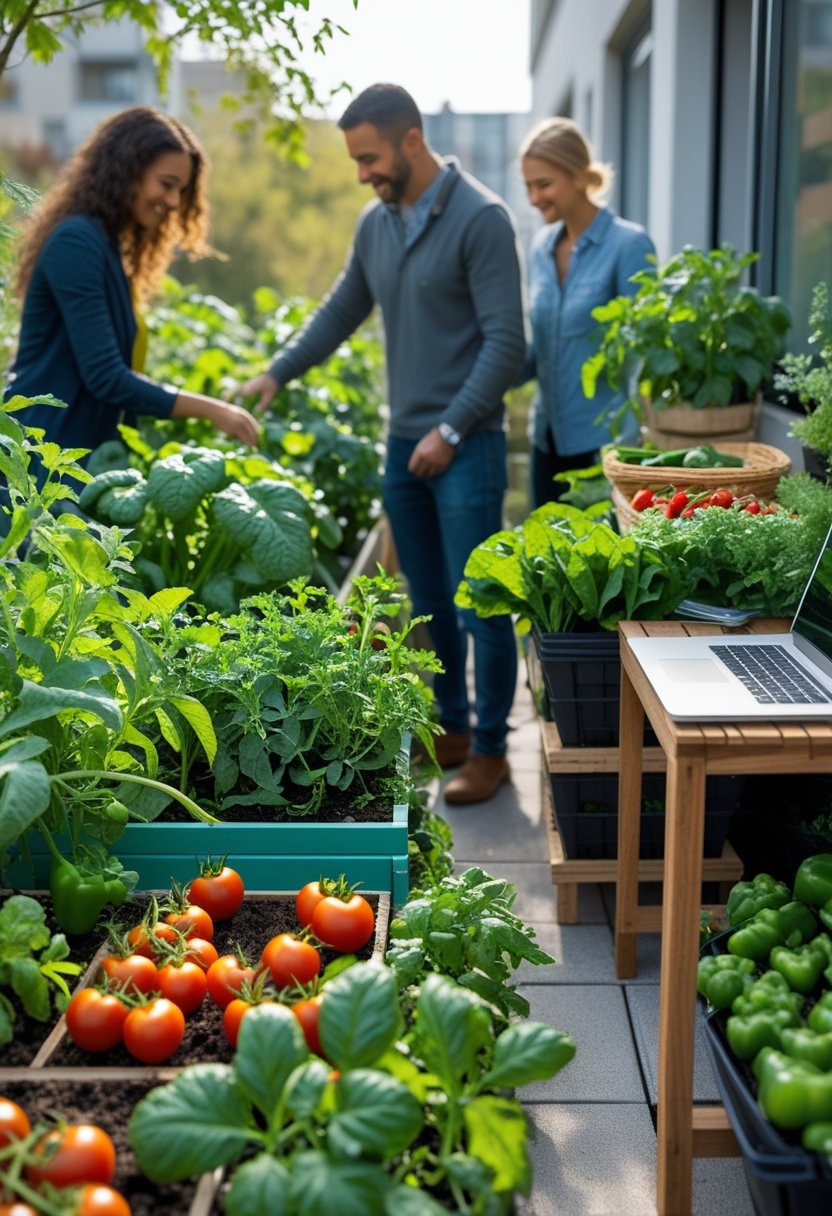
Growing food at home can become a profitable venture by focusing on efficient production, following local laws, and finding the right buyers. Success depends on clear planning, legal compliance, and smart marketing strategies tailored to homegrown produce.
Starting a Small-Scale Food Growing Business
To begin, choosing the right crops or plants is vital. He or she should select varieties that grow well in the local climate and require manageable care. Starting small with high-demand items like herbs, leafy greens, or specialty vegetables can reduce risk and build experience.
They should prepare proper space for planting, such as raised beds or containers, to maximize yield. Using organic or sustainable methods can appeal to health-conscious customers.
Keeping detailed records of costs, growth cycles, and harvests helps track progress. This also assists in pricing products effectively to cover expenses while remaining competitive.
Testing products locally through farmers markets or community-supported agriculture (CSA) groups can build a customer base. It also provides valuable feedback to improve quality and offerings.
Legal and Regulatory Considerations
Before selling food grown at home, it is important to check local laws and health codes. Many places require permits or licenses for food safety and business operations. Requirements vary widely, so he or she should contact local health departments or government offices for clear guidelines.
In some areas, a cottage food license allows selling certain low-risk items from home. However, fresh produce may have specific rules regarding pesticide use, inspection, and labeling.
Having proper liability insurance protects against potential claims related to food safety. He or she should also maintain good hygiene and proper storage conditions to meet legal health standards.
Obtaining a business license enables legal tax reporting and builds trust with customers. It may also open doors to partnerships with local stores or restaurants.
Marketing and Selling Your Homegrown Produce
Effective marketing is key to finding and keeping customers. Branding should highlight qualities like freshness, organic methods, or local origin. Creating simple logos, labels, or flyers helps establish a professional image.
Selling directly to consumers through farmers markets and online platforms builds loyal customers. Social media can promote availability, growing practices, and customer testimonials.
Partnering with local restaurants, grocery stores, or food co-ops can increase sales volume. He or she should prepare clear product lists, pricing, and delivery options to support these relationships.
Offering samples or hosting farm tours creates interest and trust. Regular communication such as newsletters or updates keeps customers informed and engaged.
Using a mix of sales channels reduces dependency on any single market and grows the business steadily.
For additional guidance, a detailed step-by-step approach to starting a home food business is available in this 2025 guide.
Frequently Asked Questions
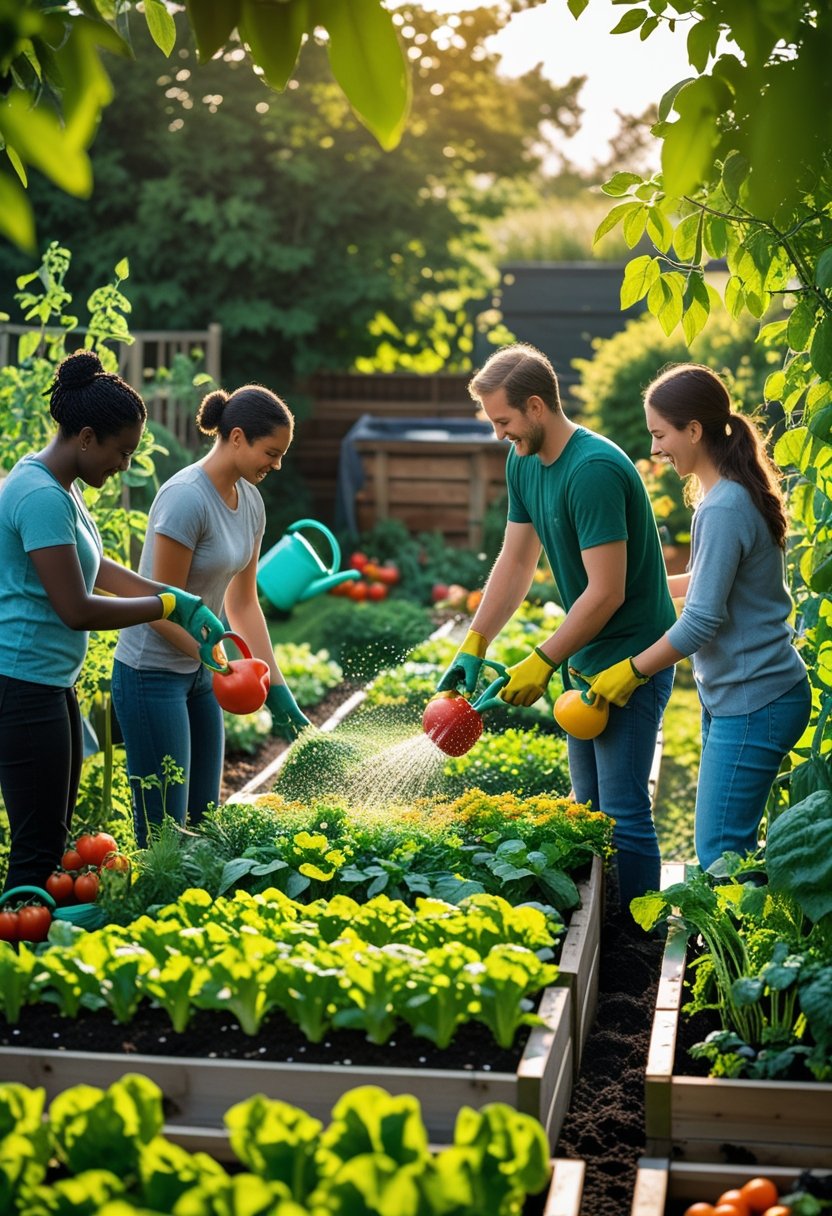
Growing food at home requires planning, preparation, and choosing the right plants. It also involves using space wisely and understanding how to care for crops throughout the year.
What are the essential steps for starting a home garden for food production?
First, select a sunny location with good soil or use containers with quality potting mix. Prepare the soil by mixing in compost and ensuring proper drainage.
Next, pick crops that fit the local climate and the season. Finally, plant seeds or seedlings and water them regularly while keeping an eye out for pests.
Can you grow produce year-round in an indoor space, and if so, how?
Yes, growing food indoors year-round is possible with proper light, temperature, and humidity control. Using grow lights can provide the right spectrum of light plants need.
Containers or raised beds with good drainage help avoid root problems inside. Regular watering and occasional feeding with fertilizer support indoor growth.
What are the best practices for achieving self-sufficiency by growing your own vegetables?
Succession planting, where crops are planted one after another, helps maintain a steady supply of vegetables. Crop rotation prevents soil depletion and reduces pests.
Saving seeds from healthy plants can lessen the need to buy new ones. Regular weeding and composting support strong, productive plants.
How can you successfully grow food in a limited space such as an apartment balcony or patio?
Choosing compact or dwarf plant varieties works well in small spaces. Vertical gardening, using trellises or hanging pots, maximizes limited areas.
Containers must have good drainage and use high-quality soil. Regular watering and proper sunlight are essential.
What cost-saving benefits can one expect from cultivating a personal garden?
Growing food at home reduces grocery expenses by providing fresh produce. It also cuts down on trips to the store and lowers packaging waste.
Over time, saving seeds and composting kitchen scraps can reduce gardening supply costs.
Which vegetables and fruits are the most suitable for beginner gardeners looking to grow food at home?
Leafy greens like lettuce, spinach, and kale grow quickly and easily. Radishes and carrots are simple root vegetables for beginners.
Tomatoes, beans, and strawberries are also beginner-friendly but may need a bit more care. Choosing plants suited to the local environment improves success.
For detailed guidance on starting a home garden, see this step-by-step guide for beginners.