How to Grow Wildflowers: Essential Tips for a Vibrant Garden
Growing wildflowers is a simple and rewarding way to bring natural beauty to your garden or yard. The best time to plant wildflower seeds is in early spring or fall, depending on your region, which helps the seeds grow strong and healthy. Knowing when and how to prepare your soil can improve your chances for a vibrant garden full of blooms.
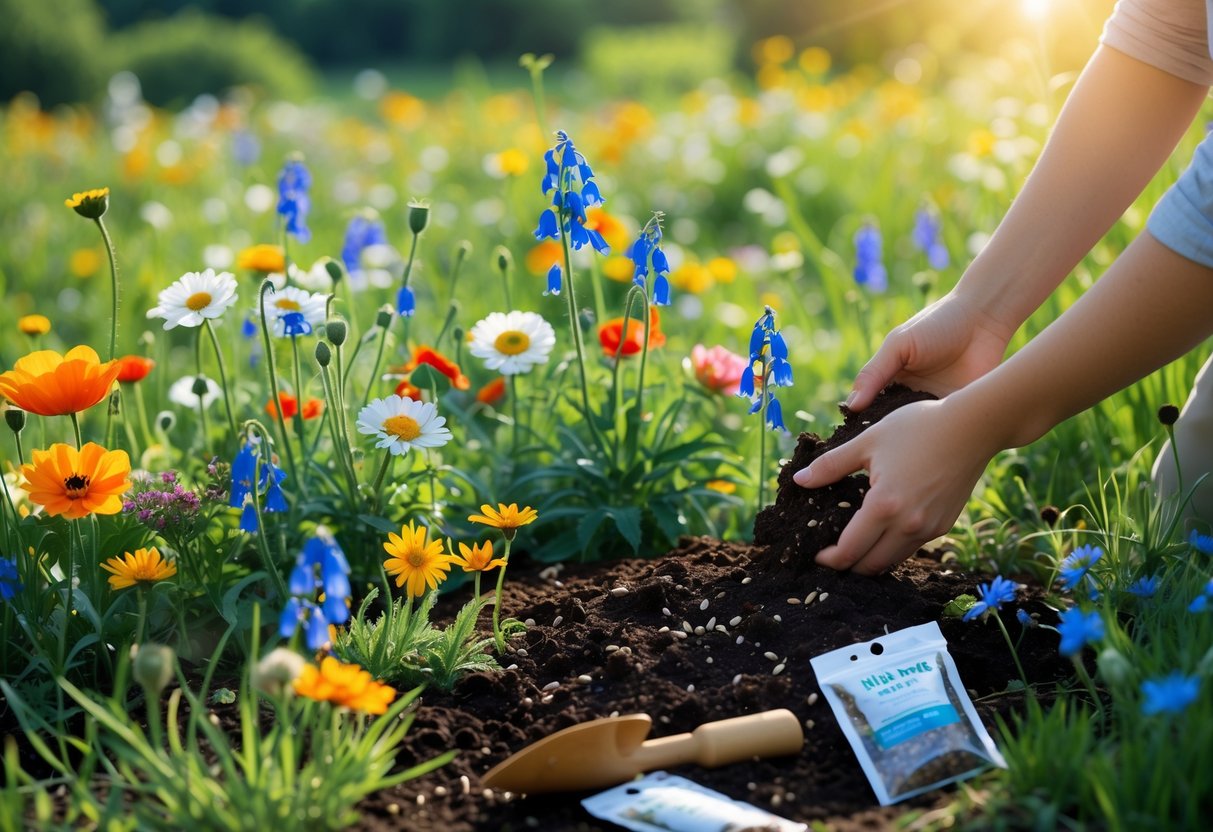
Starting a wildflower garden means also managing weeds and choosing the right seeds for your climate. You can prepare the planting area by clearing weeds and making sure the soil is ready. Once the seeds are in, regular care like light watering and occasional seed touch-ups can keep your garden looking fresh throughout the season.
Key Takeways
- Plant wildflower seeds in early spring or fall for best results.
- Preparing and maintaining the soil helps your wildflowers grow well.
- Keep weeds under control and fill empty spots with new seeds if needed.
Wildflower Basics and Preparation
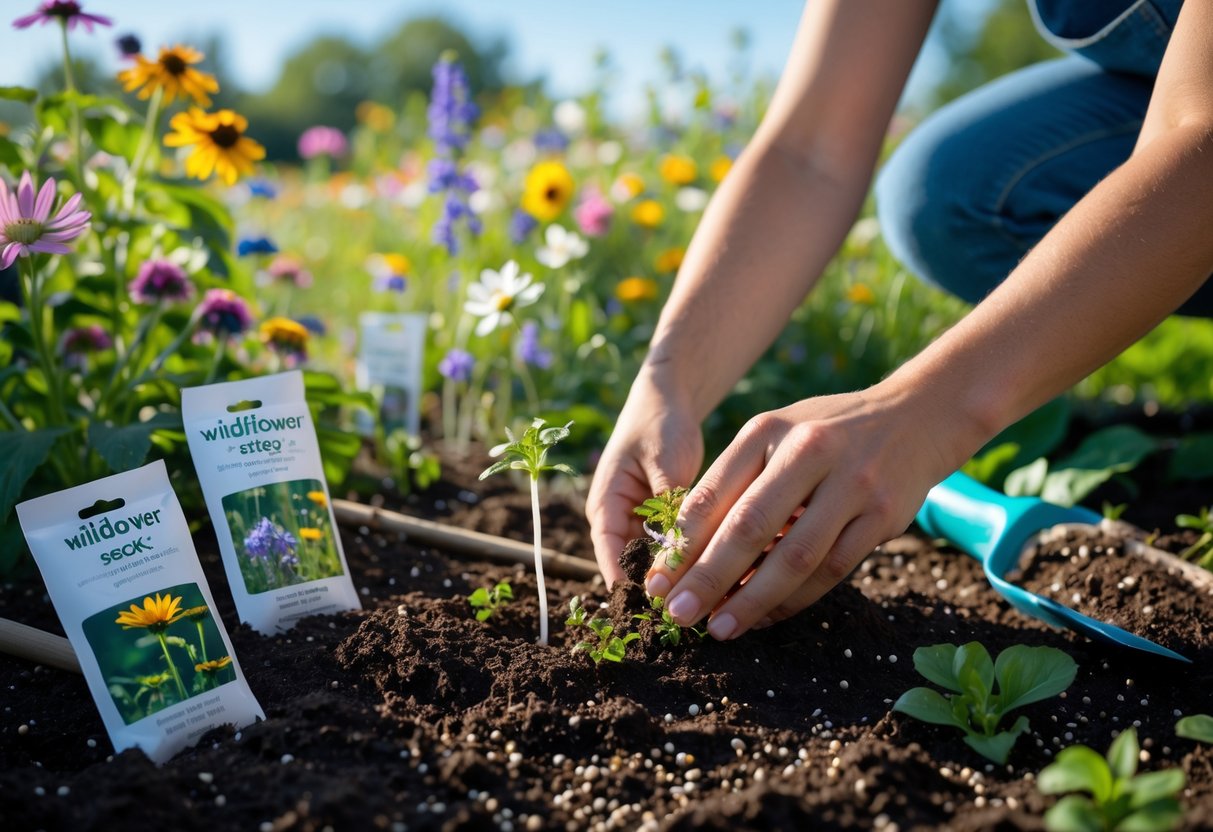
To grow wildflowers successfully, you need to know which types suit your area and how to prepare the planting site. This includes choosing the right mix of seeds and ensuring the soil and location will help them thrive.
Understanding Wildflower Varieties
Wildflower seeds come in many types, from native species to more general mixes. You should pick seeds based on your region’s climate and soil type. Local nurseries or nature centers usually provide the best advice on which plants grow well nearby.
Native wildflowers are often easier to grow because they are adapted to local conditions. They also support local wildlife better than exotic types. You can find seed blends designed for sunny or shady spots, dry or moist soil.
Look closely at the seed packet for information on bloom times and plant height. This helps you plan the garden for continuous color and proper spacing.
Site Selection and Soil Requirements
Choosing the right spot is key. Most wildflowers need full sun, about 6 or more hours a day. Some types can tolerate partial shade, but too much shade will reduce bloom.
Before planting, clear the area of existing weeds or grass. Use methods like sheet mulching or covering with black plastic to kill unwanted plants. This helps your wildflower seeds get a strong start.
Wildflowers prefer well-draining soil that is not too rich. Avoid heavy fertilizing, as this can promote weeds instead of flowers. If needed, lightly loosen the soil and remove stones to make planting easier.
Adding a small amount of super phosphate or similar root booster can help new plants establish faster. After preparing, spread your seeds evenly and gently press them into the soil. Keep the spot moist until the seeds sprout.
How to Grow Wildflowers from Seed
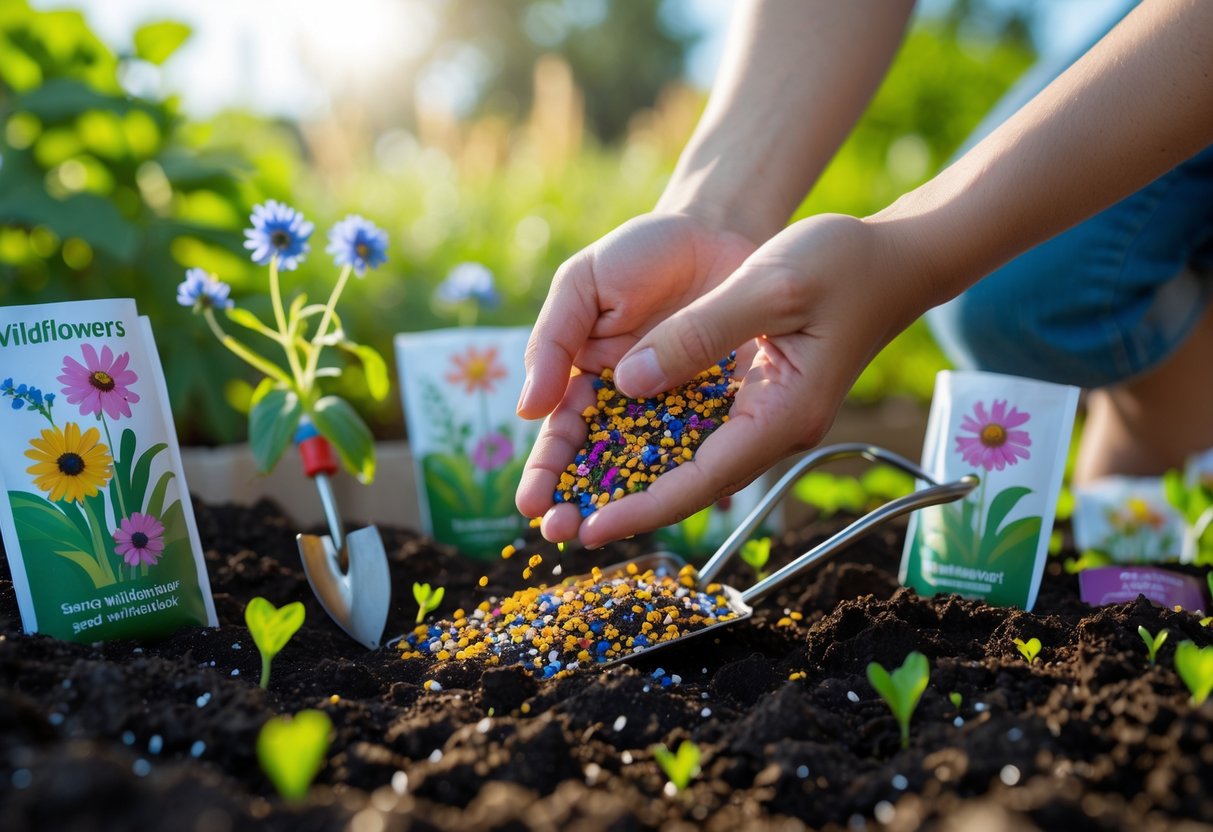
You will need the right seeds, proper planting methods, and suitable water and light conditions. These steps help ensure your wildflowers grow well and bloom beautifully.
Selecting and Sourcing Wildflower Seeds
Choose seeds that match your local climate and soil. Native wildflowers work best because they are adapted to your area’s conditions.
Look for seed mixes labeled for your region, or buy single-species seeds if you want specific types. Check the seed package for planting instructions and coverage rates.
Purchase seeds from quality sources to get fresh and viable seeds. Avoid old seeds, as they may not sprout well.
Seed Sowing Techniques
Prepare the soil by removing weeds and loosening the top layer. Clear any rocks or debris.
You can spread the seeds by hand or use a seed spreader. Mix the seeds with dry sand to distribute them evenly over the planting area.
Lightly press the seeds into the soil but do not bury them too deep. Most wildflower seeds need light to germinate.
Fall or early spring are the best times to plant, depending on your region. In warmer areas, fall planting allows seeds to experience cold dormancy needed for good blooms.
Watering and Light Requirements
Wildflowers grow best in areas that get at least 6 hours of sunlight daily. South-facing spots often provide the most light.
Keep the soil moist after planting but avoid overwatering. Too much water can cause seeds or seedlings to rot.
Once established, many wildflowers tolerate dry conditions. Water only during long dry spells, especially in hot summer months.
Strong sunlight helps seedlings grow sturdy and healthy. Avoid shaded or overly wet locations for planting.
Specialized Wildflower Planting Methods
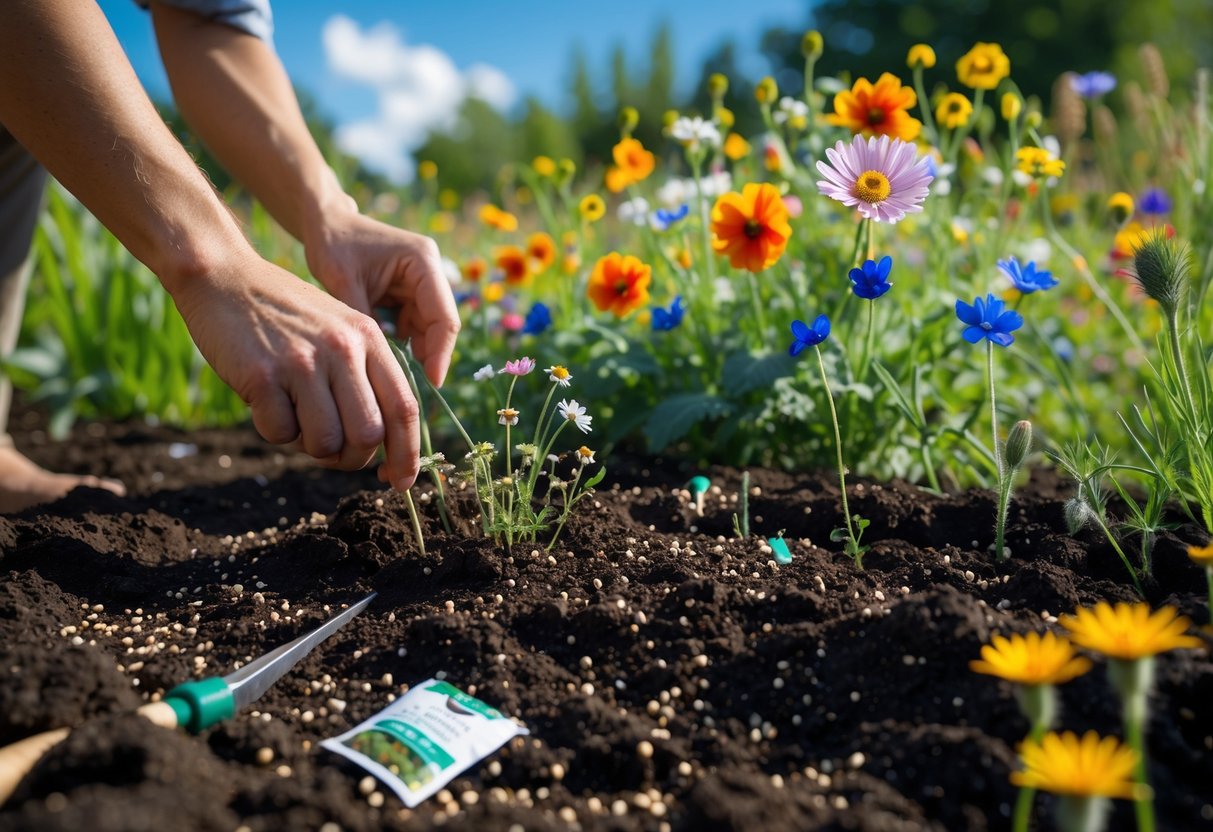
You can grow wildflowers in different settings by adjusting your approach. Some methods work best in grassy areas, while others require indoor care. Each method has its own steps to help your wildflowers thrive.
How to Grow Wildflowers in Grass
Start by choosing a grassy area with good sunlight—at least 6 hours a day. Remove or mow the grass very short to reduce competition. You want to clear the space so wildflower seeds can touch the soil.
Loosen the top layer of soil about 1 to 2 inches using a rake. This helps seeds make contact with the soil for better germination. If the soil feels hard or compacted, lightly scratch the surface to improve seed-to-soil contact.
Scatter the wildflower seeds evenly over the prepared soil. You can mix the seeds with sand for better spread. After sowing, press the seeds gently into the soil but do not cover them with more dirt.
Water the area lightly but regularly, especially during dry periods. Avoid heavy watering, which can wash seeds away or cause them to rot. Keep the grass trimmed carefully around the new seedlings.
How to Grow Wildflowers Indoors
Select seed varieties that do well inside, like poppies or cosmos. Use clean seed-starting soil and small pots or trays with drainage holes. Fill your containers with moist soil but not soaked.
Plant the seeds shallowly, usually just covering them with a fine layer of soil. Keep the soil consistently moist using a spray bottle. Avoid overwatering to prevent mold.
Place your pots in a sunny window or use grow lights to provide at least 6 hours of light daily. Wildflowers need good light to grow strong indoors.
Once seedlings have grown a few sets of leaves, you can thin them by snipping weaker plants. This gives space for stronger ones to grow bigger.
When plants are big enough and the weather is warm, harden them off by putting them outside for a few hours each day before planting them outdoors permanently.
Maintaining and Enhancing Wildflower Areas
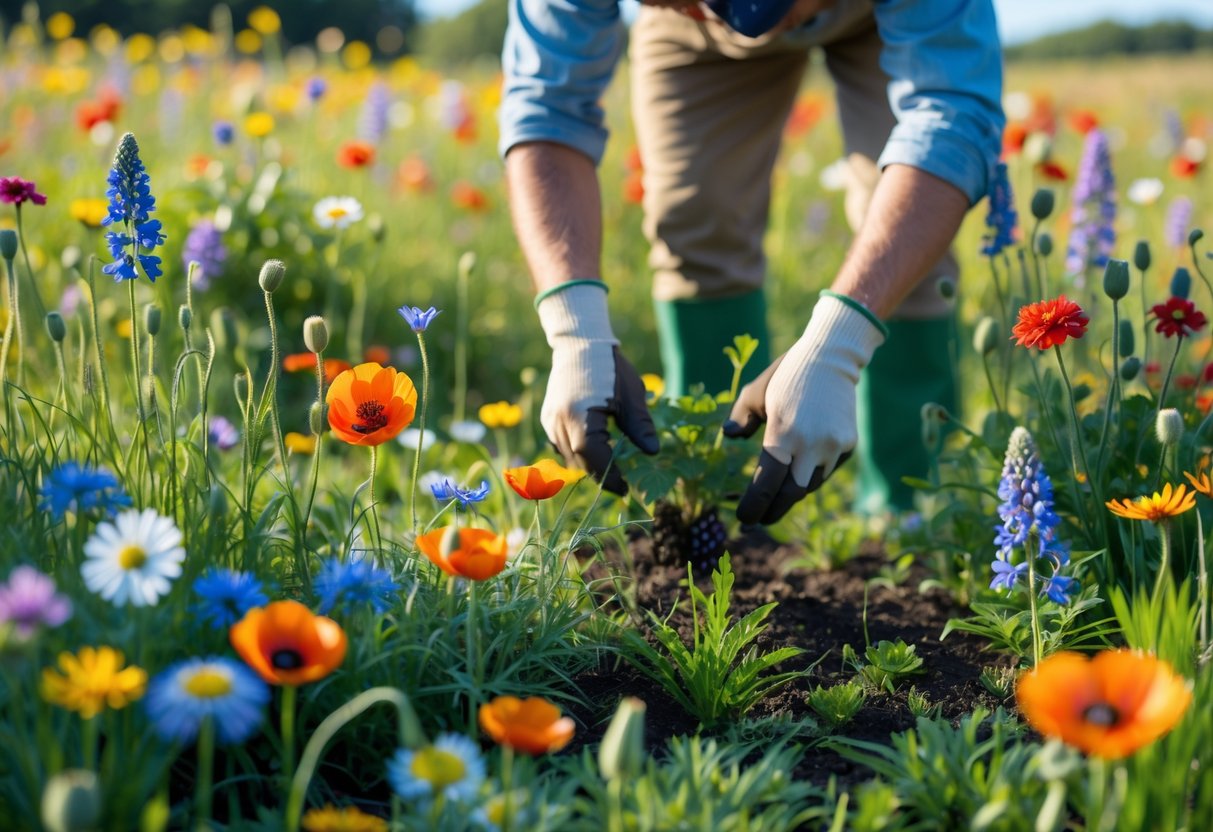
To keep your wildflower area healthy, you will need to manage weeds, promote a mix of plants and animals, and prepare the garden for changing seasons. These steps help your wildflowers thrive and bloom year after year.
Weed Control and Mulching
Weeds compete with wildflowers for water, nutrients, and sunlight, so controlling them is essential. Hand-pulling weeds is effective, especially for small areas. Avoid chemical herbicides to protect pollinators and the natural balance of your garden.
Mulching with organic materials like shredded leaves or bark around your wildflowers helps suppress weed growth. Mulch also keeps the soil moist and cool. Apply a thin layer, about 1 to 2 inches deep, being careful not to cover the wildflower seedlings directly.
Using fast-growing wildflowers can also naturally crowd out weeds. This strategy reduces the time and effort needed for manual weed control.
Encouraging Biodiversity
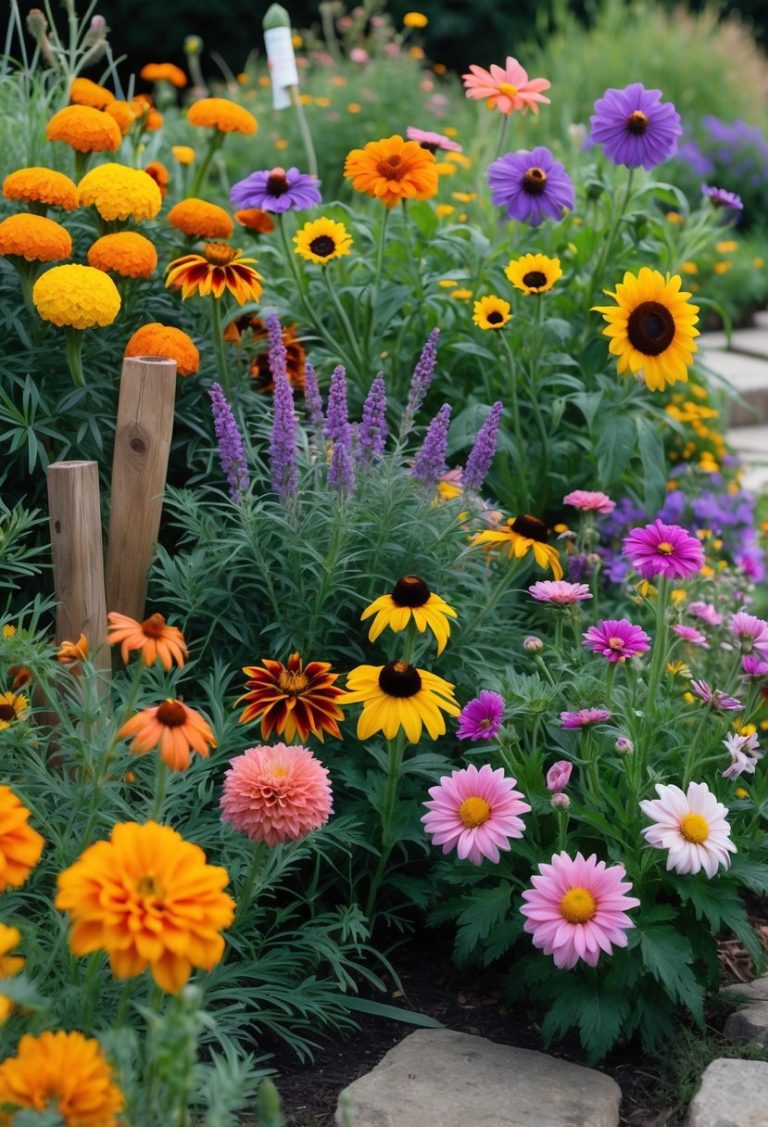
A diverse wildflower garden attracts more pollinators, birds, and beneficial insects. To encourage biodiversity, plant a variety of wildflower species that bloom at different times and heights.
You can add native wildflowers and grasses, which support local wildlife better than exotic species. Providing habitats like small piles of stones or bare soil can offer shelter and nesting sites.
Avoid pesticides and chemicals that harm beneficial insects. Instead, use natural pest control methods, such as attracting ladybugs that eat aphids.
Seasonal Care and Reseeding
As seasons change, you need to adjust care for your wildflower area. In spring, prepare the soil by loosening it and removing debris. This allows new seeds to germinate well.
After the growing season, cut back dead plants but leave some seed heads for birds. If you notice bare patches the next season, fill them by scattering easy-to-grow wildflower seeds.
Water during dry spells but do not overwater, as wildflowers prefer moderate moisture. Regular monitoring and reseeding keep your garden full and colorful year after year.
Frequently Asked Questions
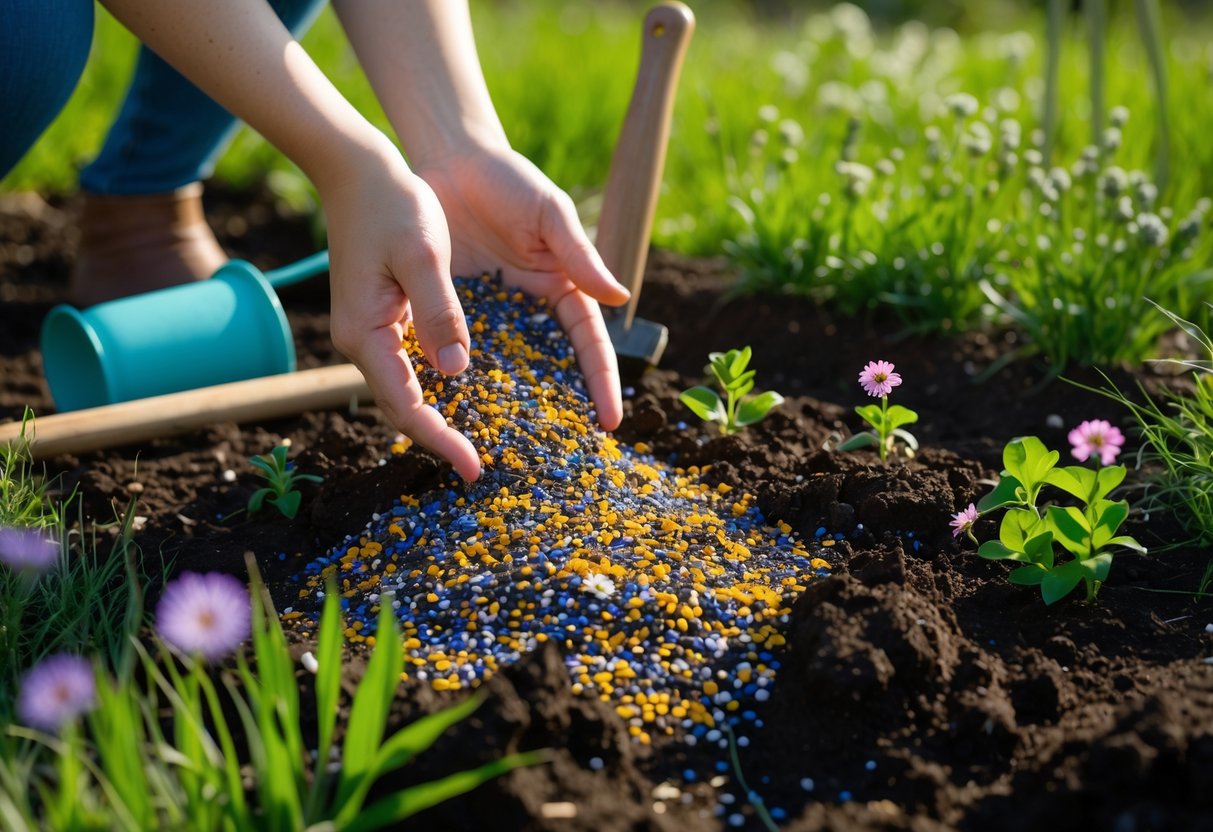
Growing wildflowers requires attention to soil preparation, seed selection, and timing. You also need to consider container size, meadow design, and methods for spreading seeds to get the best results.
What are the best practices for planting wildflowers in containers?
Use a container with good drainage to prevent waterlogging.
Fill it with light, well-draining soil mixed with some organic matter.
Sow the seeds on the surface and lightly press them into the soil. Water gently and keep the soil moist but not soggy.
What considerations should be taken into account when creating wildflower meadows?
Prepare the area by removing grass, weeds, and loosening the soil.
Choose a mix of wildflowers suited to your local climate and soil type.
Avoid overcrowding seeds to reduce competition and allow for healthy growth.
What is the appropriate timing for sowing wildflower seeds in different types of containers?
Plant seeds in early spring or fall for most areas.
For containers, avoid extreme heat or cold. Early spring is usually best to give seedlings time to grow before summer heat.
In warmer regions, fall planting can help seeds undergo natural cold periods for better germination.
Is it possible to successfully grow wildflowers by spreading seeds over existing grass areas?
It is possible but not ideal.
Removing or killing existing grass helps seeds get better contact with soil.
If spreading on grass, mow the area short first and lightly scratch the soil to improve seed-to-soil contact.
How can I establish a low-maintenance wildflower garden?
Choose native wildflowers adapted to your local conditions.
Prepare the soil properly and plant seeds at the right time to reduce extra care.
Once established, wildflowers usually need little watering and fertilizer.
What are some creative ideas for designing a small wildflower garden space?
Mix short and tall wildflowers for layered visual interest.
Include native grasses to add texture and support wildlife.
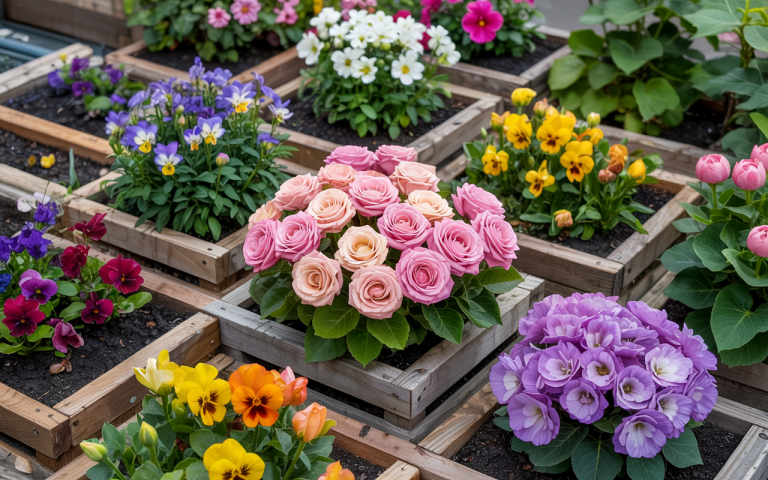
Use raised beds or containers to control soil quality and drainage easily.