
How to Grow Watermelon: Essential Steps for Juicy, Home-Grown Fruit
Growing watermelon can be a rewarding experience, especially when you know the basics. Watermelons grow best in warm, sunny spots with fertile, well-drained soil, and planting them when the soil reaches about 65°F helps ensure healthy growth. You’ll want to plant seeds or transplants with enough space to let the vines spread and take care of watering and fertilizing as the plants grow.
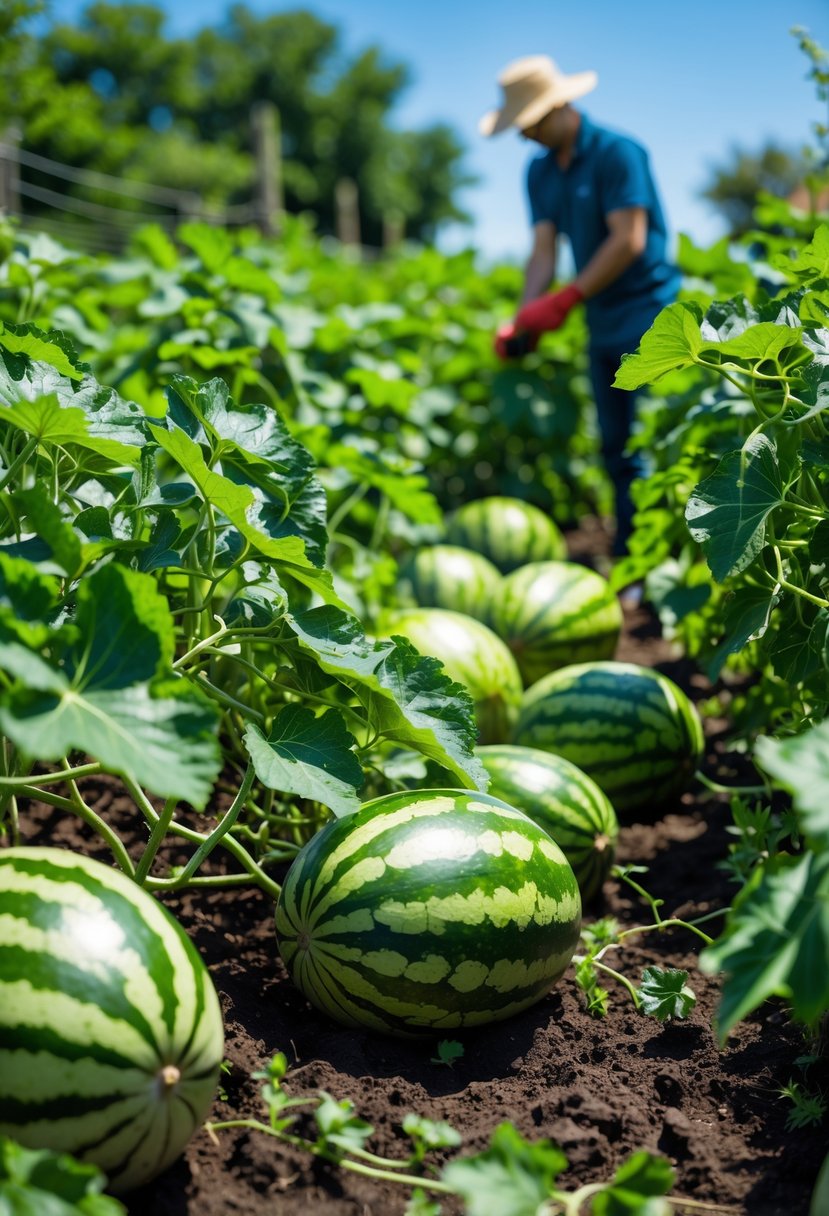
With the right care, including proper watering and protection from pests, your watermelon vines will produce sweet, juicy fruit. Paying attention to details like spacing, soil temperature, and weed control can make the difference between a handful of small fruits and a bountiful harvest. This guide will cover everything you need to grow watermelon successfully in your garden.
Key Takeways
- Choose a sunny, well-drained site and plant when soil is warm enough.
- Space plants properly and water deeply but less often.
- Watch for pests and harvest when fruits show signs of ripeness.
Planting Watermelon Successfully
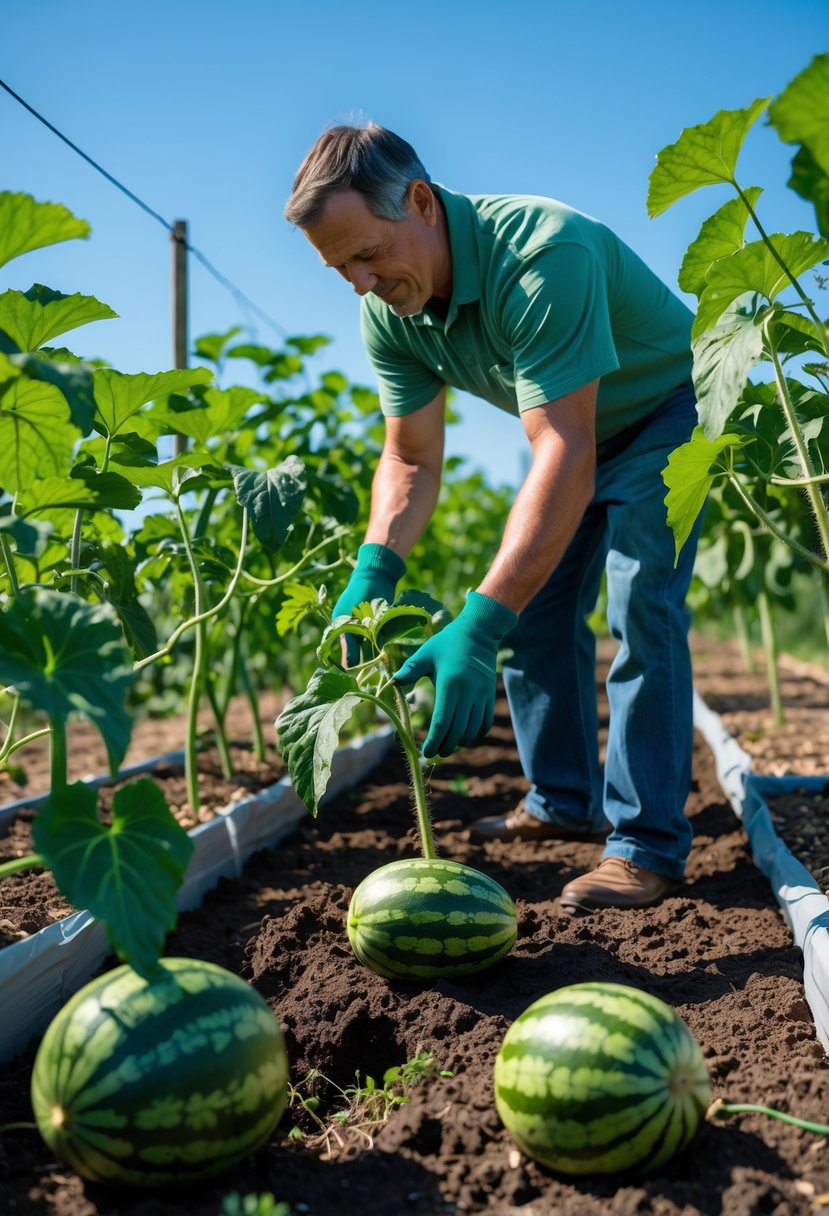
To grow watermelons well, you need to choose a variety that fits your space and climate. Preparing the soil correctly and picking a sunny spot are key. Starting from seed or transplanting seedlings both work, but you must handle each step carefully to help plants establish strong roots.
Selecting the Right Watermelon Variety
Choose watermelon types based on the size you want and how long your growing season is. Large varieties like Crimson Sweet need more space and time. Smaller types like Mickylee or icebox melons are good for short seasons or limited garden areas.
Also consider flesh color. Red-fleshed melons are most common, but yellow varieties like Yellow Baby are available if you want something different. Pick varieties that mature in 35-45 days after flowering to fit your local climate.
If you want sweeter, better-tasting melons, avoid planting too close to other vine crops. This prevents cross-pollination effects on seeds, which won’t affect this year’s fruit but matters if you save seeds.
Soil Preparation and Location
Watermelons grow best in well-drained, sandy or loamy soil with plenty of organic matter. Before planting, work in a complete fertilizer and up to 1 inch of compost per 100 square feet.
Pick a place with full sun, at least 8 hours daily. Soil temperature should reach at least 65 to 70°F before planting. Use raised mounds spaced 4 feet apart to improve drainage and warmth.
Avoid heavy or clay soils that hold water. Watermelons do not like wet roots, which can cause diseases. Mulch with black plastic to warm soil early, conserve moisture, and reduce weeds. Wait to add organic mulches until soil reaches 75°F.
Starting from Seed and Transplanting
Plant 4-6 seeds about 1-2 inches deep in each mound. When seedlings have two leaves, thin to the two strongest plants. This helps each vine grow with enough space.
If your growing season is short, starting transplants indoors about 6 weeks before planting helps. Use pots that won’t disturb roots when moved outside. Transplants should have 2-3 mature leaves before setting out.
Plant transplants 2 feet apart in rows 4-6 feet apart. Be gentle with roots to avoid slowing growth. Use row covers or hot caps to protect young plants if frost is still a risk. Remove covers when temperatures rise or flowering starts.
Cultivating Watermelon in Different Spaces
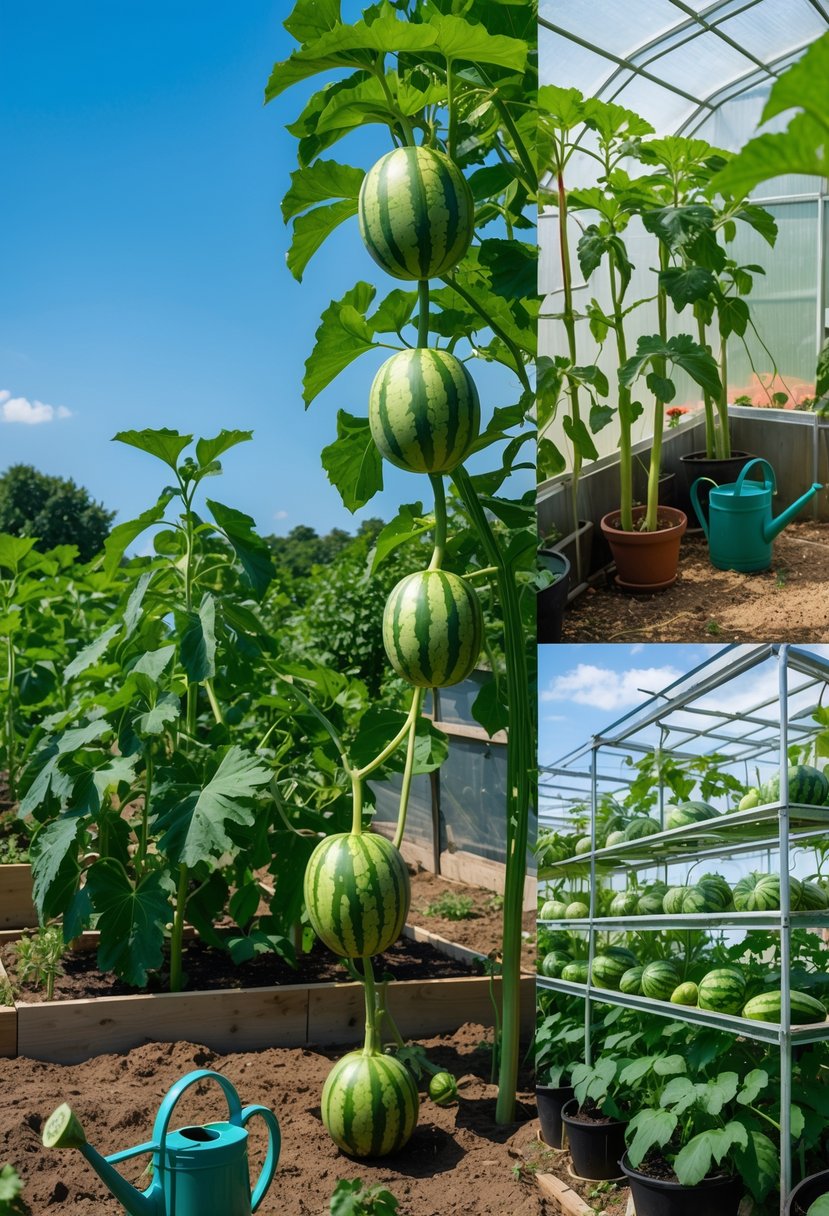
Watermelon plants need space, sunlight, and good soil. You can grow them in containers, small gardens, or even vertically. Each method has specific needs to help your plants thrive and produce fruit without crowding your space.
Growing Watermelon in Containers
You can grow watermelons in containers if you use the right size. Containers should be at least 18 inches deep to give roots enough room to grow. Use a potting mix rich in compost and organic fertilizer for the best results.
Keep your container in a sunny spot where the plant gets at least 6-8 hours of sun daily. Water regularly to keep the soil moist but not soggy. Make sure the container has good drainage to prevent root rot.
To support the vines, attach a small trellis or stakes inside the container. This helps keep the vines off the ground and stops the fruit from getting damaged.
Watermelon in Small Spaces
In small gardens or raised beds, watermelons need careful planning. A plant can fit in a 4′ x 4′ area if supported by a trellis. Prepare the soil with organic matter and balanced fertilizer before planting.
Space the plants well to avoid overcrowding. Watermelons grow best in full sun and well-drained soil. Regular watering helps fruits develop fully. Letting vines run is okay in bigger spaces, but small gardens need vertical or contained growth to save room.
You can also use slings made from cloth or netting to support the developing melons. This prevents the fruits from breaking the vine as they grow heavier.
Vertical Growing Techniques
Growing watermelons vertically uses space efficiently. A strong trellis or fence is needed for the vines to climb. You can plant directly in the ground beside the trellis or use containers.
To protect the fruit as it grows, create slings with cloth or old stockings to hold the melons. This prevents them from falling off the vine or getting damaged.
Train the vines by guiding them to grow up the trellis and prune excess growth if needed. This method reduces disease risk and keeps fruits clean from soil.
Growing Watermelon in Pots
Growing watermelon in pots is similar to containers but often more limited in size. Choose pots at least 18-24 inches wide and deep to allow root spread.
Use a potting mix blended with compost and a balanced fertilizer. Water when the top inch of soil feels dry to touch. Avoid overwatering.
Place the pot in a location with full sun. Use a small trellis or stakes to support the vines. As fruit grows, use slings to hold the melons safely and avoid stem damage. Pots can be moved if sunlight shifts or weather changes.
Care, Harvest, and Troubleshooting

To grow watermelon successfully, you need to manage watering and feeding carefully, ensure good pollination, know when to harvest, and control pests and diseases. Paying attention to these details will help you get healthy fruit and avoid common problems.
Watering, Fertilizing, and Mulching
Water watermelons deeply but only 1-2 inches per week. Water less often but soak the soil deeply each time. Use drip irrigation if possible to reduce leaf wetness and disease risk.
After the vines start running, add nitrogen fertilizer near the plants. Use about 3-4 tablespoons of a high-nitrogen fertilizer (such as 21-0-0) per plant. Water the fertilizer in well.
Mulching with black plastic warms the soil and helps keep moisture in. You can use organic mulch too, but only after soil temperature is above 75°F. Mulches also reduce weed growth and improve fruit quality.
Pollination and Fruit Set
Watermelons need bees or other pollinators to transfer pollen between male and female flowers. Without pollination, fruit may not develop or will be misshapen.
Avoid using insecticides during flowering to protect pollinators. Plant flowers nearby to attract bees.
You can also hand-pollinate if needed. Using a small paintbrush, transfer pollen from male flowers to female flower stigmas early in the morning for best results.
Signs of Ripeness and Harvest
Look for three signs to know when to harvest:
- The tendril near the fruit turns dry and brown.
- The spot where the melon rests on the ground changes from white to yellow.
- The melon skin loses its shiny appearance and looks dull.
At this stage, the watermelon will taste its best. Pick it carefully without damaging the vine or rind.
Store ripe fruit at 45-50°F to keep it fresh for 1-2 weeks.
Managing Pests and Diseases
Watch for common insects like aphids and cucumber beetles. Aphids appear as small green or black insects and cause curled leaves. Spray insecticidal soap or use a strong water spray to remove them.
Cucumber beetles have stripes or spots and can damage vines and roots. Apply pesticides when you first spot them.
Common diseases include powdery mildew and wilts. Choose resistant varieties when possible. Remove and destroy infected plants promptly to stop disease spread.
Keep your plants healthy with proper watering and ventilation to reduce disease risks.
Unique Varieties and Special Tips
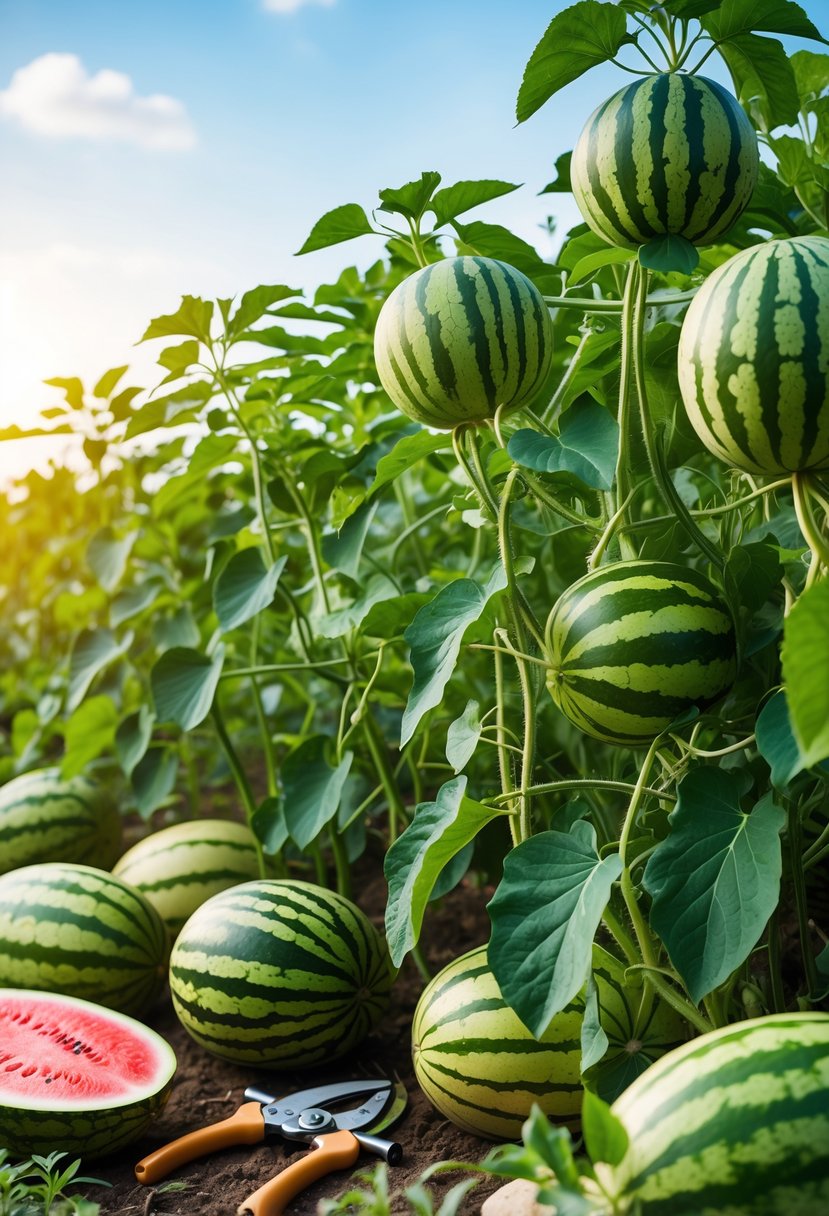
You can explore growing unusual types of watermelon and adjust your approach for different climates. There are even fun ways to enjoy watermelon in games. These ideas can help you diversify your gardening or entertainment.
How to Grow Watermelon Radish
Watermelon radish is a root vegetable, not a fruit. It has a mild, peppery flavor and looks like a watermelon inside with a greenish-white outside.
Plant radish seeds in loose, well-drained soil, about ¼ to ½ inch deep. Keep soil moist but not waterlogged. It grows best in cooler weather, with an ideal temperature around 50-70°F.
Thin seedlings to 2-3 inches apart so roots have space. Radishes mature in about 50-60 days. Harvest before they get too big, or they might become tough and bitter.
Tips for Cooler Climates
Watermelon plants need warmth, so in cooler places, start seeds indoors 3-4 weeks before the last frost date. Use peat pots to avoid root disturbance when transplanting.
Choose early-maturing varieties that ripen in 70-80 days. Use black plastic mulch to keep soil warm and reduce weeds.
Plant watermelons in well-drained soil with full sun exposure. Protect young plants with row covers to keep frost away and improve growth.
Fun with Watermelon in Minecraft
In Minecraft, growing watermelon is simple and useful. You need watermelon seeds, which you get by breaking melon blocks in the game.
Plant seeds on tilled farmland with water nearby for hydration. Melons grow on adjacent blocks, producing melon blocks that you can harvest.
Watermelon in Minecraft restores hunger points and is easy to farm in large quantities. You can use melons for food or crafting tools like glistering melons. This adds fun to farming inside the game.


