
How to Grow Strawberries Successfully in Any Garden Setting
Growing strawberries at home is a rewarding way to enjoy fresh fruit right from your garden. The key to success is planting your strawberries in well-prepared soil, choosing the right varieties, and caring for them properly throughout the growing season. Strawberries like cool temperatures and need good sunlight and space to spread.
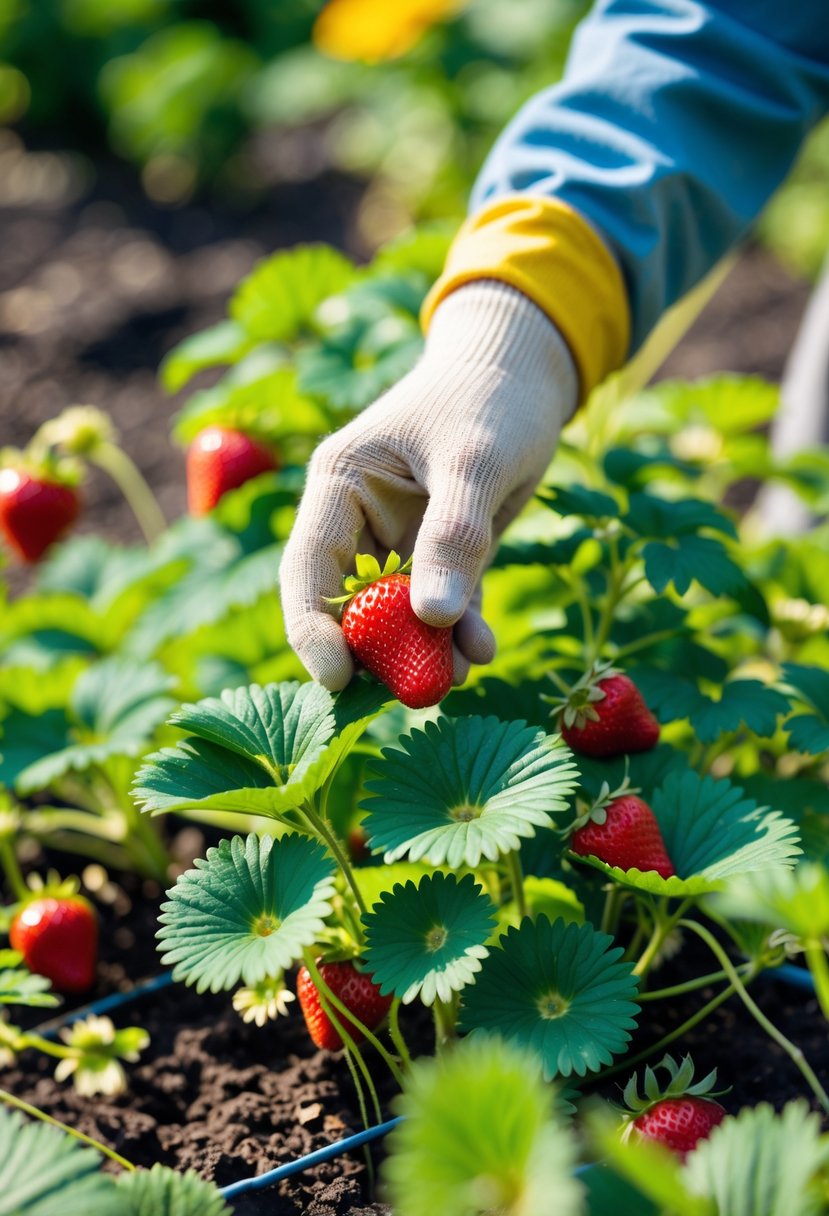
You can plant strawberry plants in rows or containers, making them a flexible choice for many garden sizes. Paying attention to watering, protecting from frost, and managing runners will help your plants produce sweet, healthy berries. With a little effort, you can have a steady supply of strawberries to enjoy all season long.
Key Takeaways
- Select healthy plants suited to your climate and space.
- Prepare soil and plant with enough room to grow and spread.
- Care for your strawberries with proper watering, sun, and protection.
Choosing the Right Strawberry Varieties
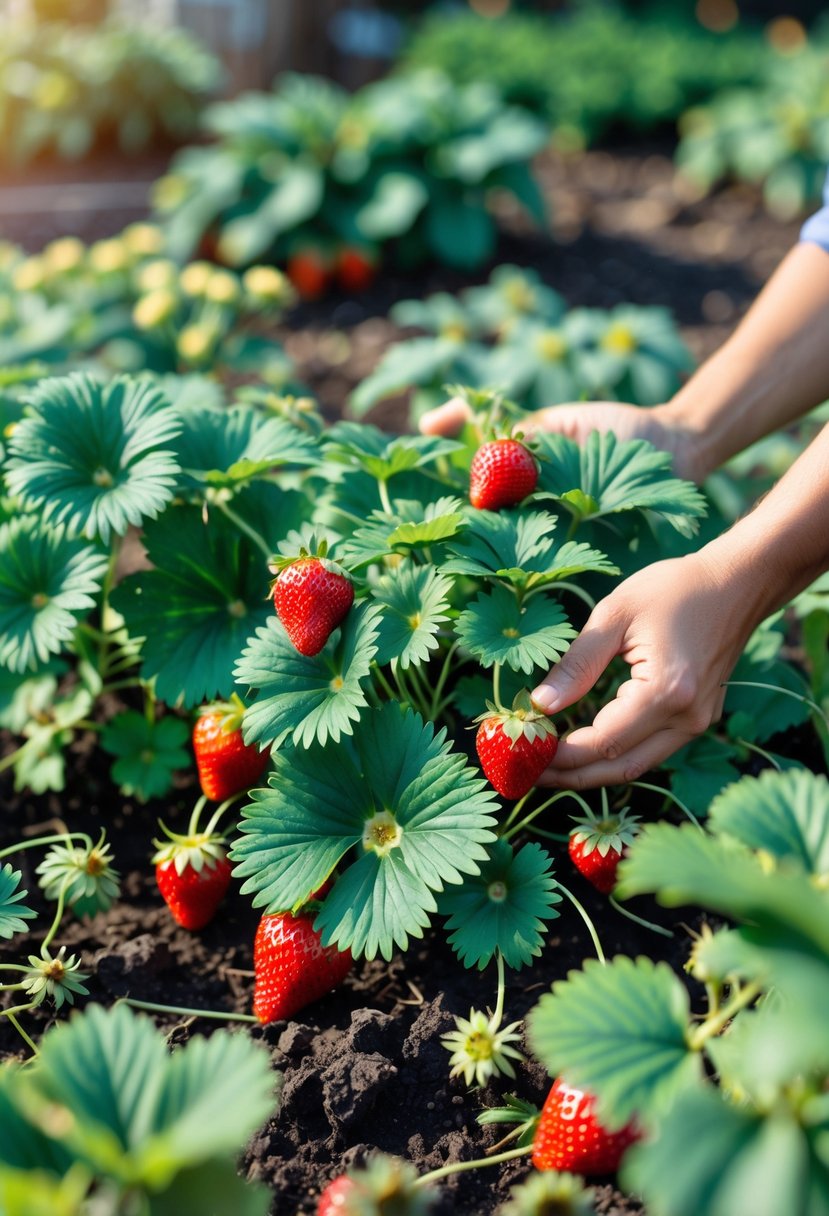
Picking the right strawberry variety affects your plant’s yield and how long you can harvest. You need to know the types of strawberries and match them with your local climate to get the best results.
Types of Strawberries
There are three main types of strawberry plants: June-bearing, everbearing, and day-neutral. June-bearing strawberries produce one large crop in early summer. They are good if you want a big harvest all at once.
Everbearing strawberries give you two or three smaller harvests in spring and fall. They work well if you want strawberries for more than one season.
Day-neutral strawberries keep producing fruit throughout the growing season, as long as temperatures stay between 35 and 85 degrees Fahrenheit. They are good for steady picking.
Each type has popular varieties. For example, Albion and Seascape are well-known everbearing kinds, while early and late-season June-bearing varieties allow you to pick strawberries at different times.
Selecting the Best Variety for Your Climate
Temperature and weather affect which strawberries will grow well for you. If you live in a colder area, pick varieties that tolerate frost and have a shorter growing season.
Warmer climates work better with everbearing or day-neutral types, which handle heat better and produce fruit longer.
Check your local planting dates and pick early or late-season varieties to extend your harvest. Also, think about disease resistance if your area has common strawberry pests or diseases.
Use this quick guide to choose:
| Climate Type | Best Strawberry Type | Notes |
|---|---|---|
| Cold | June-bearing (early-season) | Short season, frost tolerant |
| Mild | Day-neutral | Continuous picking |
| Warm | Everbearing or day-neutral | Heat tolerant, long harvest |
Choosing the right variety for your climate helps you grow healthy plants and enjoy fresh strawberries for longer.
Planting Strawberries: Methods and Preparation
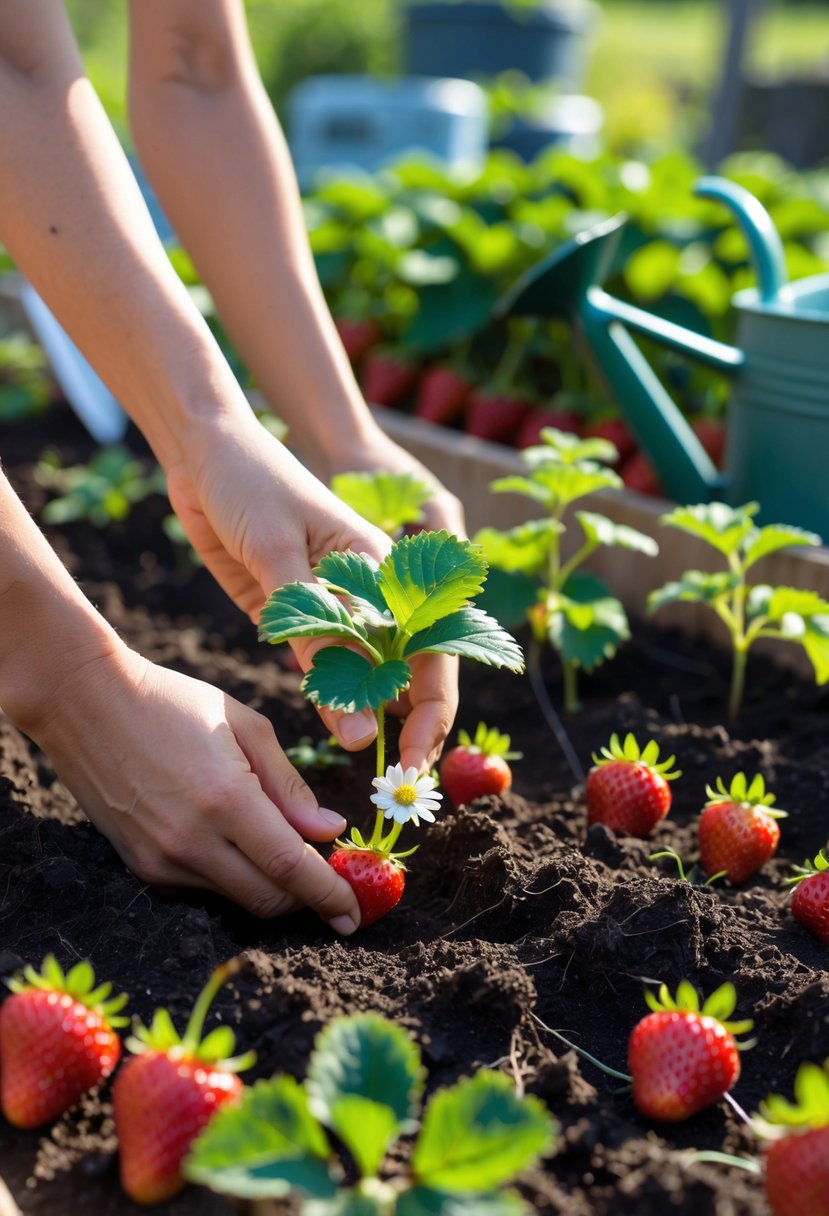
To grow strawberries successfully, you need to choose the right planting method and prepare your plants carefully. Whether you start from seeds, a whole strawberry, or runners, how you begin affects your plant’s health and fruit production.
How to Grow Strawberries From Seed
Growing strawberries from seed takes patience and care. Start by planting seeds indoors in a seed tray with moist, well-draining soil. Keep the soil temperature around 60-70°F (15-21°C) and provide light, either natural or from grow lights.
Sprinkle seeds thinly on the soil surface without burying them deeply. They need light to germinate. Cover the tray with plastic to hold moisture and keep it humid.
Once seeds sprout, thin seedlings to avoid crowding. After strong leaves form, harden off plants by slowly exposing them to outdoor conditions before transplanting. Growing from seed lets you start many plants but takes several months before fruit appears.
How to Grow Strawberries From a Strawberry
You cannot grow strawberries by planting a whole strawberry. Instead, you grow them from the seeds inside the berry or by other methods. Using the seeds means extracting and drying them, then starting your plants as you would with strawberry seeds.
Planting the whole strawberry fruit in soil will not work because the berry will rot. Focus on proper seed extraction or use other methods like runners or young plants to have better success and faster fruit production.
How to Grow Strawberries From Runners
Runners are the easiest and fastest way to grow strawberries. These are long stems from a parent plant that develop small plantlets at their tips. When the plantlets touch the soil, roots form automatically.
To grow from runners, guide the runner’s tip to good soil and pin it down. Water it well, and after a few weeks, the plantlet will have roots.
Once roots are established, cut the runner stem from the parent. Then, you can transplant the new plant to its permanent spot. This method makes it simple to increase your strawberry patch and get strong plants ready to fruit next season.
Soil, Site, and Container Selection
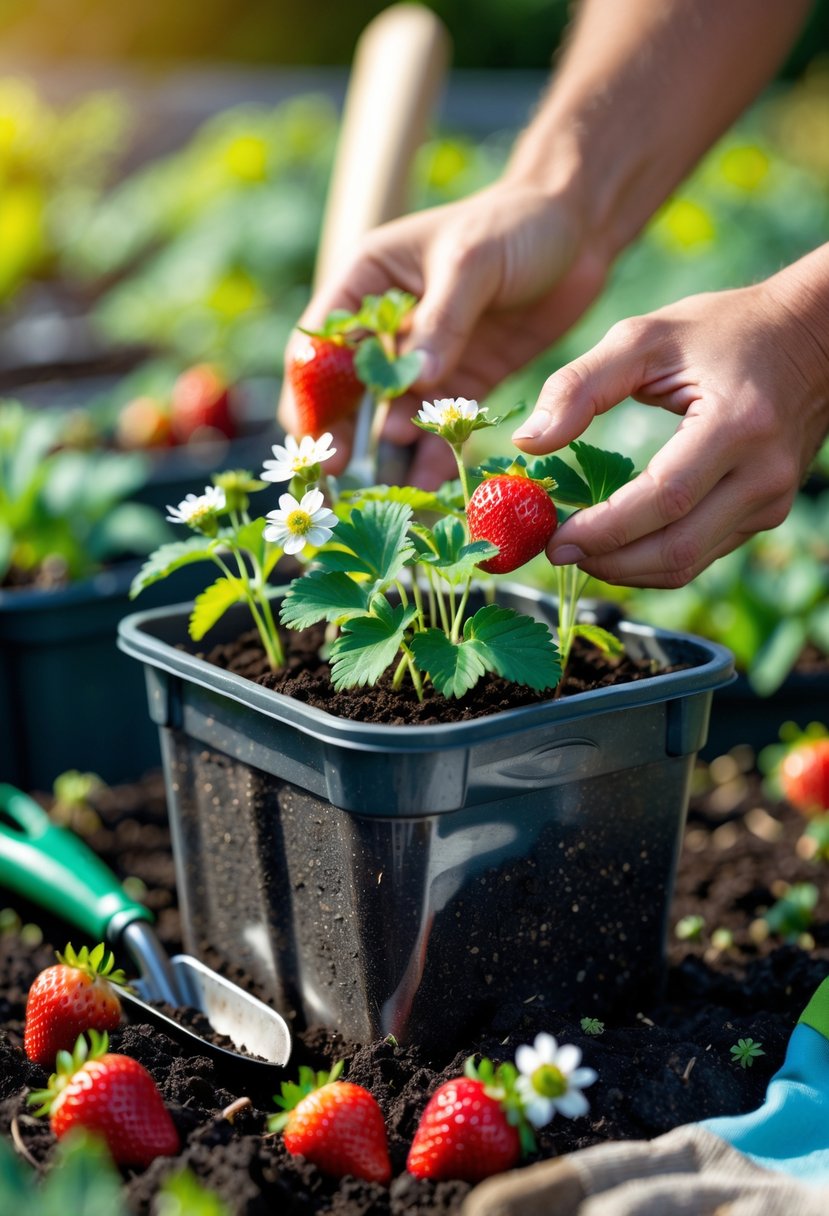
To grow strawberries well, you need the right soil, location, and container setup. Strawberries thrive in sunny spots with good drainage and soil rich in organic matter. Whether planting in a garden bed or a container, preparation is key to healthy plants and tasty fruit.
Preparing Garden Beds
Choose a sunny spot that gets at least eight hours of sunlight daily. The soil should drain well to avoid waterlogging, which can lead to root rot. If your soil is heavy clay or sandy, improve it by mixing in organic matter like compost.
Before planting, loosen the soil to a depth of 8 to 10 inches. Remove weeds and debris. You can add balanced fertilizer based on soil test results, but avoid excess nitrogen as it promotes leaf growth instead of berries.
Create small mounds or raised beds to help with drainage. Space your strawberry plants about 12 to 18 inches apart to give them room to grow and spread. Proper air flow between plants reduces disease risk.
How to Grow Strawberries in Containers
When growing strawberries in containers, pick pots that provide good drainage. Containers should hold enough soil to keep roots cool but not be too deep. A container 8 inches deep and 10 to 12 inches wide works well.
Use a quality potting mix rich in organic matter. Avoid garden soil as it can compact and hold too much water. Mix compost or a slow-release fertilizer into the potting soil to feed your plants.
Make sure your container is placed where it receives full sun for at least six hours daily. Water regularly but do not let the soil stay soggy. Containers dry out faster, so check moisture often, especially in hot weather.
How to Grow Strawberries in a Pot
Growing strawberries in a pot is similar to containers but usually on a smaller scale. Choose a wide, shallow pot with ample drainage holes to suit strawberry roots, which are shallow.
Start with fresh potting mix and add some compost for nutrients. Plant the strawberry so the crown is just above the soil surface. Space multiple plants carefully, or grow one plant per pot to reduce competition.
Keep the pot in a sunny spot, like a balcony or patio. Water consistently to keep the soil moist but not wet. Adding mulch on top can help retain moisture and reduce weeds in your pot.
Caring for Strawberry Plants
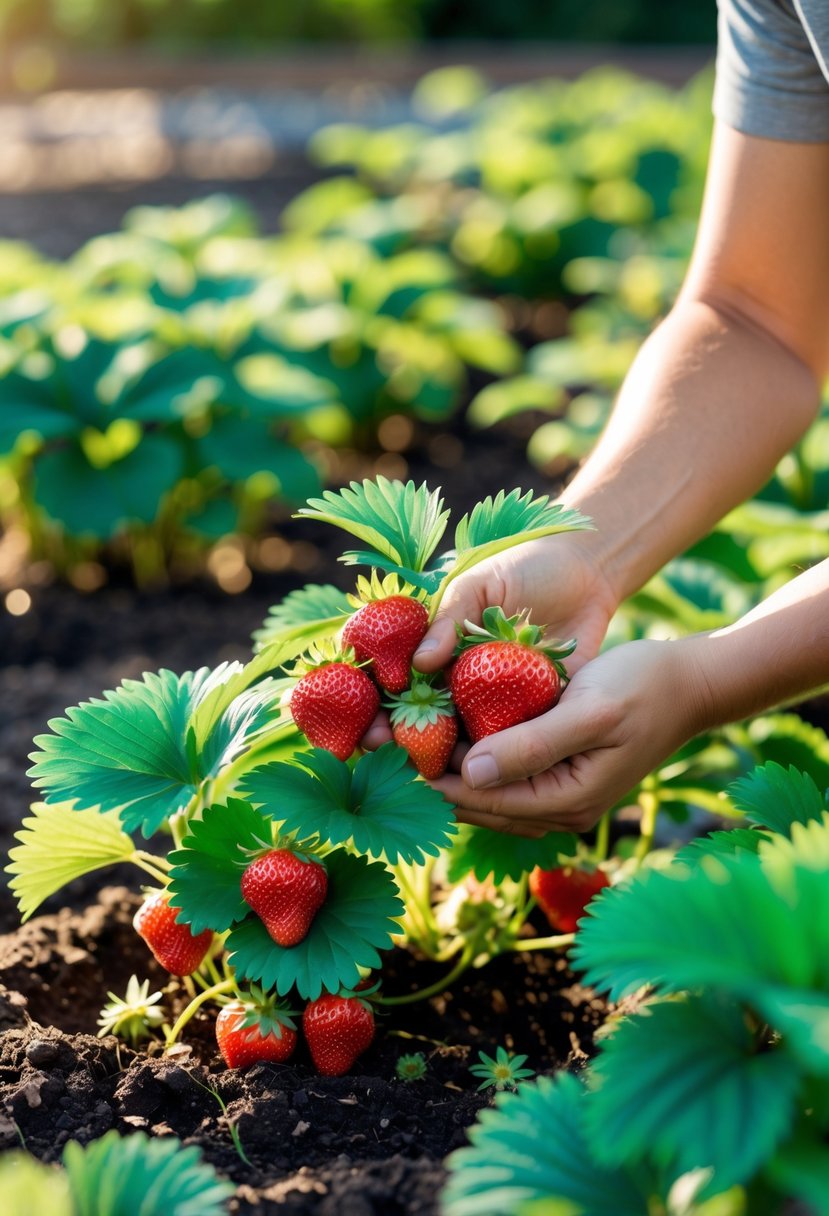
Taking care of strawberry plants means giving them the right water, nutrients, and protection. Paying close attention to these needs helps your plants stay healthy and produce fruit.
Watering and Mulching
Strawberries need consistent moisture, especially while fruit is forming. Water your plants deeply about 1 inch per week, preferably in the morning to prevent disease.
Avoid wetting the leaves to reduce fungal problems. Using drip irrigation or a soaker hose works best.
Apply mulch, like straw or pine needles, around your plants. Mulch keeps soil moist, controls weeds, and protects roots from cold. Keep mulch about 1-2 inches thick and avoid piling it against the plant crown to prevent rot.
Fertilizing and Feeding
Feed your strawberries for steady growth and good fruit quality. Use a balanced fertilizer, such as 10-10-10 (N-P-K), following package directions.
Apply fertilizer at planting and then every 4-6 weeks during the growing season. Avoid over-fertilizing, especially with nitrogen, as it can cause lush leaves but fewer berries.
You can also add compost or aged manure before planting to improve soil health and provide slow-release nutrients.
Disease and Pest Management
Prevent diseases by planting disease-resistant varieties and spacing plants 12-18 inches apart for good air flow. Remove dead leaves and runners to reduce disease risks.
Use mulch to keep soil from splashing onto leaves, which lowers fungal problems. Check plants regularly for pests like aphids, slugs, and spider mites.
If pests appear, try manual removal or use insecticidal soap. Avoid broad-spectrum pesticides to protect beneficial insects. Rotate planting locations every few years to reduce disease buildup in soil.
Harvesting and Maintaining Your Strawberry Patch
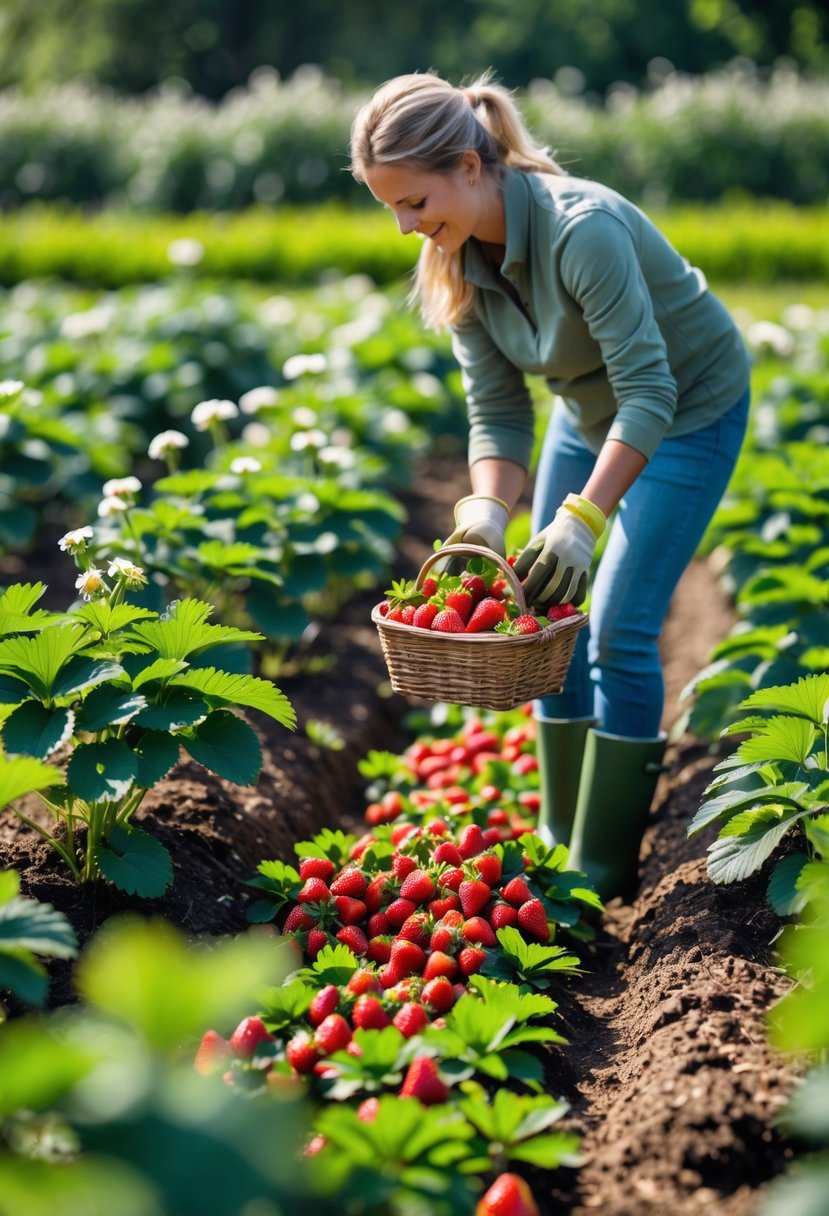
You need to pick strawberries at the right time and handle them carefully. Regular care after harvest helps keep your plants healthy and productive for years. Proper steps for harvesting and renewing plants will improve your yields.
When and How to Harvest
Pick strawberries when they are fully red and ripe for the best flavor. Check your patch every two to three days during peak season.
Gently pull each berry, leaving the green cap and a short stem attached to avoid damaging the fruit. Use a shallow basket or container to prevent squashing berries.
Harvest in the morning when the berries are cool. Avoid letting them sit in direct sun after picking, as this can cause spoilage.
Renovating and Propagating Plants
After harvesting, remove old leaves and thin plants to improve air flow and sunlight exposure. This reduces disease risk.
Cut back strawberry leaves to about 1 inch above the crown in late summer to help plants rest before winter.
Use runners—long stems that grow from the main plant—to produce new strawberries. You can root runners in pots or the ground nearby to grow new plants. This keeps your patch strong and ready for future seasons.
Frequently Asked Questions
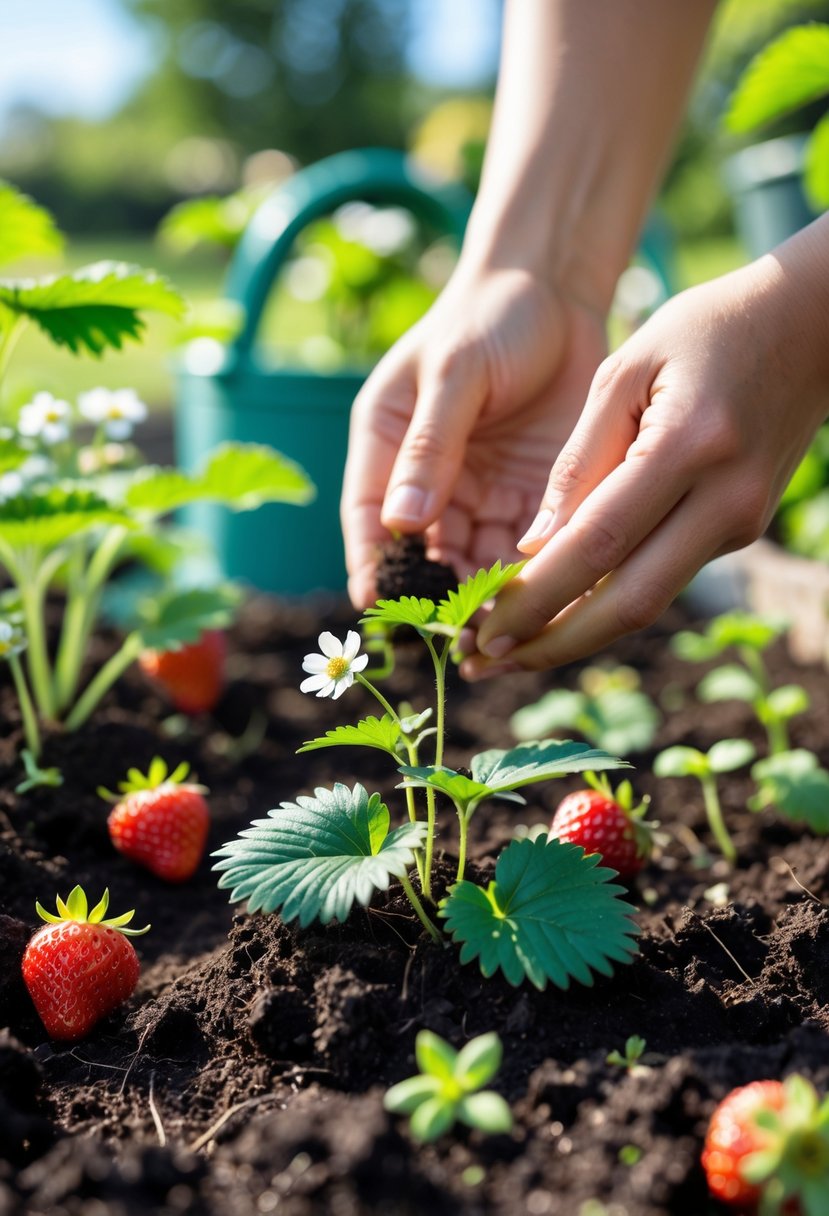
You need to prepare the soil and give strawberries enough sunlight to grow well. Timing and location matter, especially if you want fruit quickly. Choosing between indoor or outdoor growing changes your care routine.
What is the best method to plant strawberry seeds for optimal growth?
Start by choosing a container or garden space with good soil. Use slightly acidic soil with a pH between 5.5 and 6.8. Plant seeds on the surface and press them lightly into the soil without covering fully. Keep the soil moist and provide plenty of sunlight.
How long does it take for strawberries to go from planting to harvest?
Strawberries usually take about 4 to 6 months from planting seeds or runners to harvesting fruit. If you plant bare-root plants or young runners, you may get your first berries sooner, sometimes within 3 months.
Can you provide tips for growing strawberries successfully in pots?
Use a large pot with good drainage. Fill it with rich, well-draining soil mixed with compost. Make sure the plant gets at least 6 hours of direct sunlight daily, but 8 to 10 hours is better. Water regularly but avoid waterlogging.
What are the key steps to propagate strawberries from runners?
Choose healthy runners with small new plants called daughter plants. Plant these runners on well-prepared soil or pots, keeping the connection to the mother plant until roots form. Once rooted, cut the runner and let the new plant grow on its own.
What is the ideal month to start planting strawberries?
In most regions, you should plant strawberries in early spring or late summer. This timing helps the plants establish before extreme weather hits. Spring planting is best before the last frost date for your area.
What are the pros and cons of growing strawberries indoors versus outdoors?
Indoors, you can control temperature and avoid pests, but sunlight can be limited, which slows growth. Outdoors, strawberries get natural light and room to spread, but they face weather changes and pests. Choose based on your space and climate.


