How to Grow Saffron in Your Home Garden: Complete Step-by-Step Guide
Growing saffron in your home garden is possible with the right conditions and care. To grow saffron, you need to plant saffron crocus bulbs in well-drained soil, provide full sun, and plant them in late summer for a fall harvest. These small purple flowers produce the valuable red stigmas, which you can dry and use as the spice saffron.
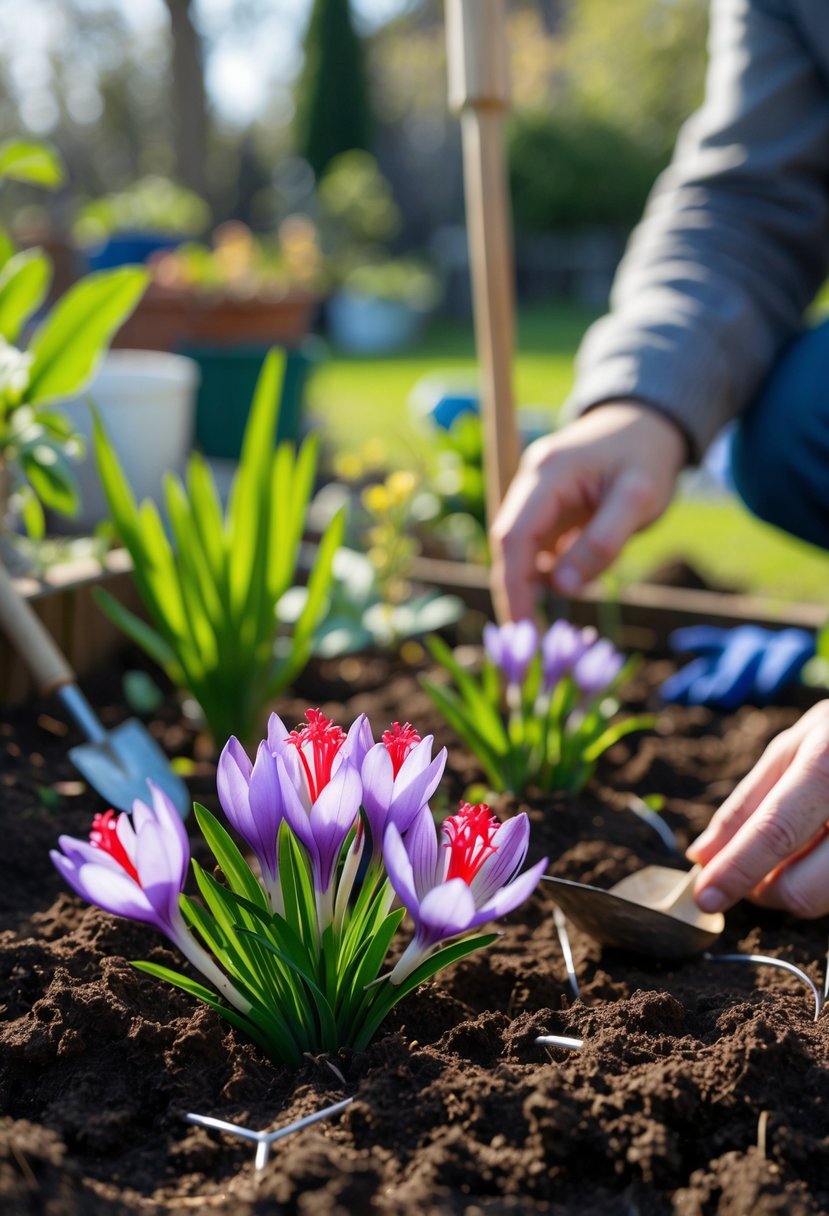
You should plant about 50 to 60 bulbs to get just one tablespoon of saffron, so be prepared for some patience and effort. Saffron crocus grows best in zones 5 through 9 and prefers sandy or loamy soil that drains well. You will enjoy beautiful fall blooms while waiting for the harvest.
With proper spacing, watering, and protection from pests, your saffron crocus will multiply and give you more flowers each year. Growing saffron can add a unique and rewarding element to your garden and kitchen.
Understanding Saffron and Its Benefits
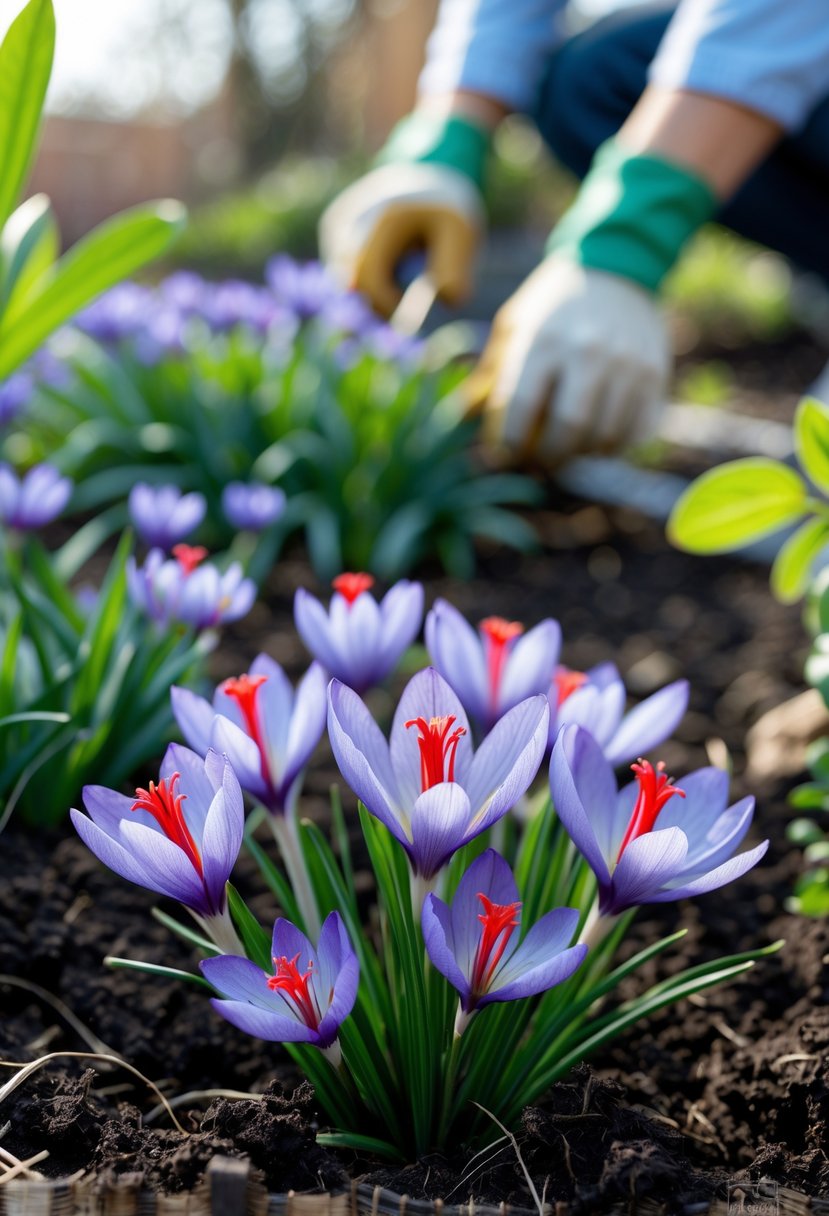
Saffron is a unique spice that comes from a special flower. It offers several uses in cooking, health, and gardening. Knowing its traits and advantages helps you grow and use it more effectively.
What Is Saffron?
Saffron is the dried red stigma of the Crocus sativus flower, commonly called the saffron crocus. Each flower produces only three tiny red threads, which makes saffron one of the most labor-intensive and costly spices worldwide. These threads give dishes a rich color and a distinct, slightly sweet flavor.
The saffron crocus is a perennial bulb plant. It grows underground corms that multiply over time. This means if you plant it once, it can keep producing more flowers every fall for several years with the right care.
Why Grow Saffron at Home
Growing saffron yourself can save you money because store prices are very high. When you plant saffron crocus bulbs, you get fresh, organic threads without worrying about chemicals or preservatives.
Saffron is also low-maintenance. It requires little water and thrives in full sun with well-drained soil. This makes it a hardy choice even for beginners. Plus, your garden will bloom with bright purple flowers in the fall, adding beauty when many plants have stopped flowering.
Saffron Flower Characteristics
The saffron flower is small and purple, usually blooming in mid-to-late fall. It produces three vivid red stigmas per flower. These threads are thin but potent and are picked by hand for drying.
The plant grows best in sandy or loamy soil with good drainage. It prefers full sunlight and needs spacing between bulbs to allow room for growth. After flowering, the plant goes dormant in summer before starting the cycle again.
You can grow saffron in garden beds, containers, or even rock gardens, depending on your space. Each flower’s vivid color makes it an attractive addition to any garden.
Preparing to Grow Saffron at Home
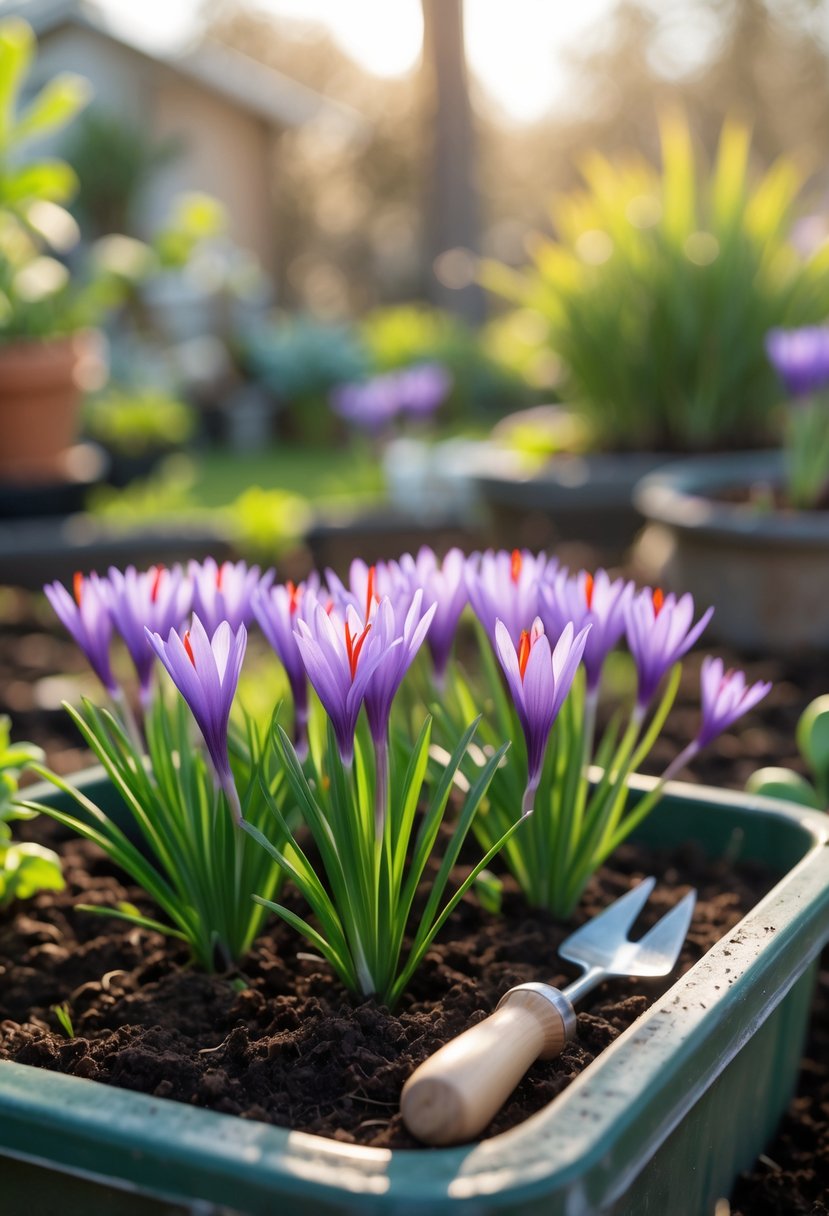
To start growing saffron at home, you need to pick the right bulbs, find a sunny spot with proper soil, and prepare the ground for planting. Each step affects how well your saffron crocus will grow and produce.
Choosing and Sourcing Saffron Corms
Saffron grows from corms, which look like small bulbs. You should buy fresh crocus corms just before planting. Local nurseries or online suppliers usually have them, especially if you live in a climate suitable for growing saffron.
Look for healthy bulbs that are firm and free from mold or damage. Each corm will grow one flower, so buying a good number will increase your harvest. Avoid old or dried-out corms, as they may not sprout well.
Saffron grows best in USDA hardiness zones 6-9, so ensure your area meets this to help your corms thrive through the seasons.
Selecting the Ideal Location
Choose a spot in your garden that gets full sun for most of the day. Saffron crocus needs at least 6 hours of direct sunlight to flower properly. Shade can weaken the plants and reduce your saffron yield.
Make sure the space has good air circulation to prevent disease. Avoid places that stay wet or waterlogged after rain. Too much moisture can cause the corms to rot before they sprout.
If pests like rodents are a problem, consider planting your crocus bulbs in containers with good drainage you can protect more easily.
Soil Preparation and Amendments
Saffron requires well-drained soil to prevent bulb rot. Before planting, loosen the soil about 10 inches deep with a garden fork or tiller.
Mix in organic matter like compost, peat, or shredded leaves to improve soil texture and add nutrients. This helps crocus corms survive cold weather and grow strong roots.
You want a soil that holds moisture but drains excess water quickly. Avoid heavy clay or compacted dirt. If your soil is dense, mix in sand or topsoil to improve drainage.
After preparing the soil, your saffron corms will have the nutrients and environment they need to grow well.
Planting and Cultivating Saffron Crocus
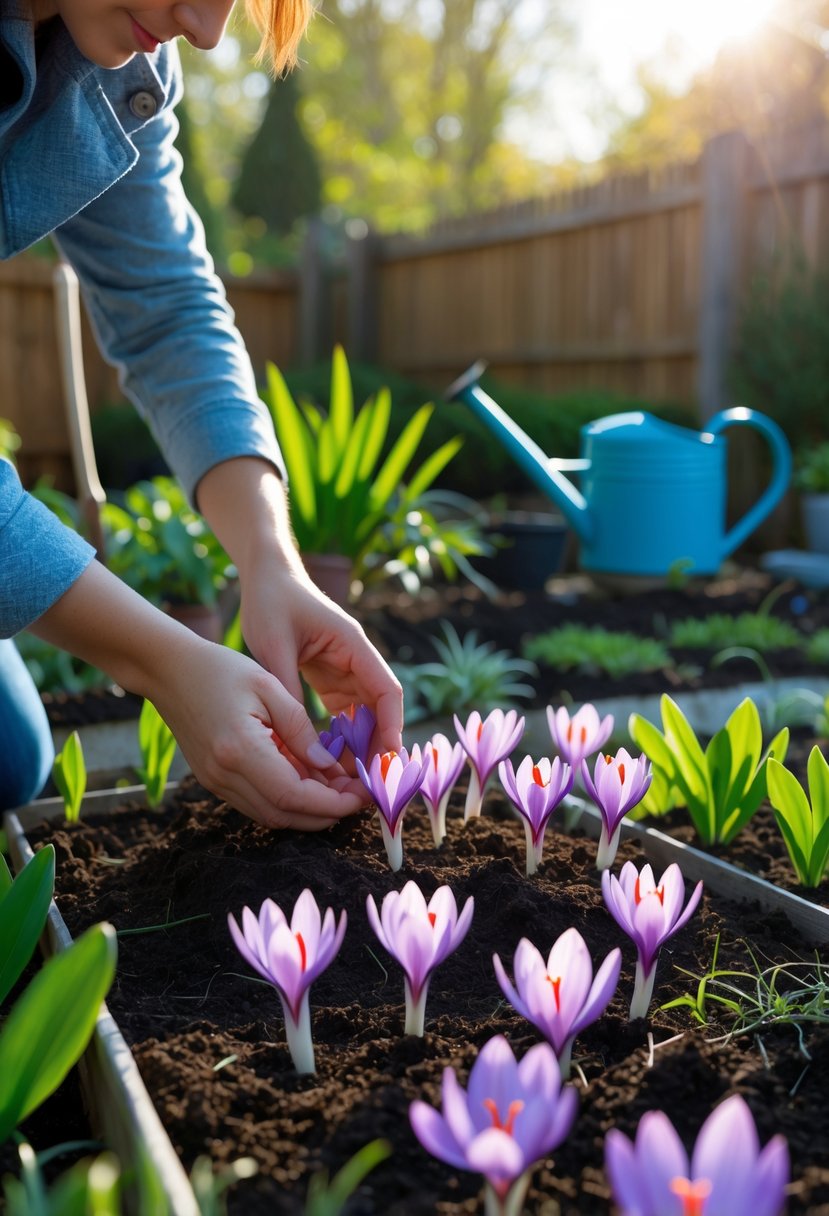
You need well-prepared soil, enough sunlight, and careful watering to grow saffron properly. Protecting the plants from pests and ensuring good drainage help avoid problems like rot or damage. These steps set you up for healthy growth and a good harvest.
Planting Saffron Corms in Ground or Containers
Plant your saffron corms 3 to 4 inches deep with the pointed end facing down. Space them about 3 to 4 inches apart to allow room for growth. Early fall is the best time to plant, before the first frost hits.
You can plant saffron crocus in well-draining garden soil or containers like milk crates lined with weed cloth to keep the soil in place. Containers offer control over soil quality and drainage.
Choose a sunny spot that gets at least 6 hours of direct sunlight. Soil should be sandy or light loam, enriched with organic compost. Avoid heavy clay soils unless you improve drainage first.
Watering and Fertilizing Requirements
Water saffron crocus lightly, about half an inch per week, especially during growth in fall and early winter. Overwatering can cause corm rot.
Once the plants go dormant in summer, keep the soil dry to protect them. Avoid watering during dormancy, usually from late spring through summer.
Use organic compost or a balanced fertilizer before planting. You can add bone meal or coffee grounds to increase nutrients in the soil. Fertilizing lightly once or twice during the growing season is enough.
Ensuring Proper Drainage and Pest Protection
Good drainage is essential. Plant in raised beds, sandy soil, or containers with holes to prevent water from pooling. Avoid soggy soil, which leads to rot.
Cover the planting area with weed cloth to reduce weeds that compete for nutrients. It also makes it easier to harvest and keeps soil temperature stable.
Protect your saffron corms from pests like squirrels and chipmunks by using chicken wire or wire mesh around the planting site. These animals love to dig up corms, so barriers help keep your crop safe.
Caring for, Harvesting, and Storing Saffron
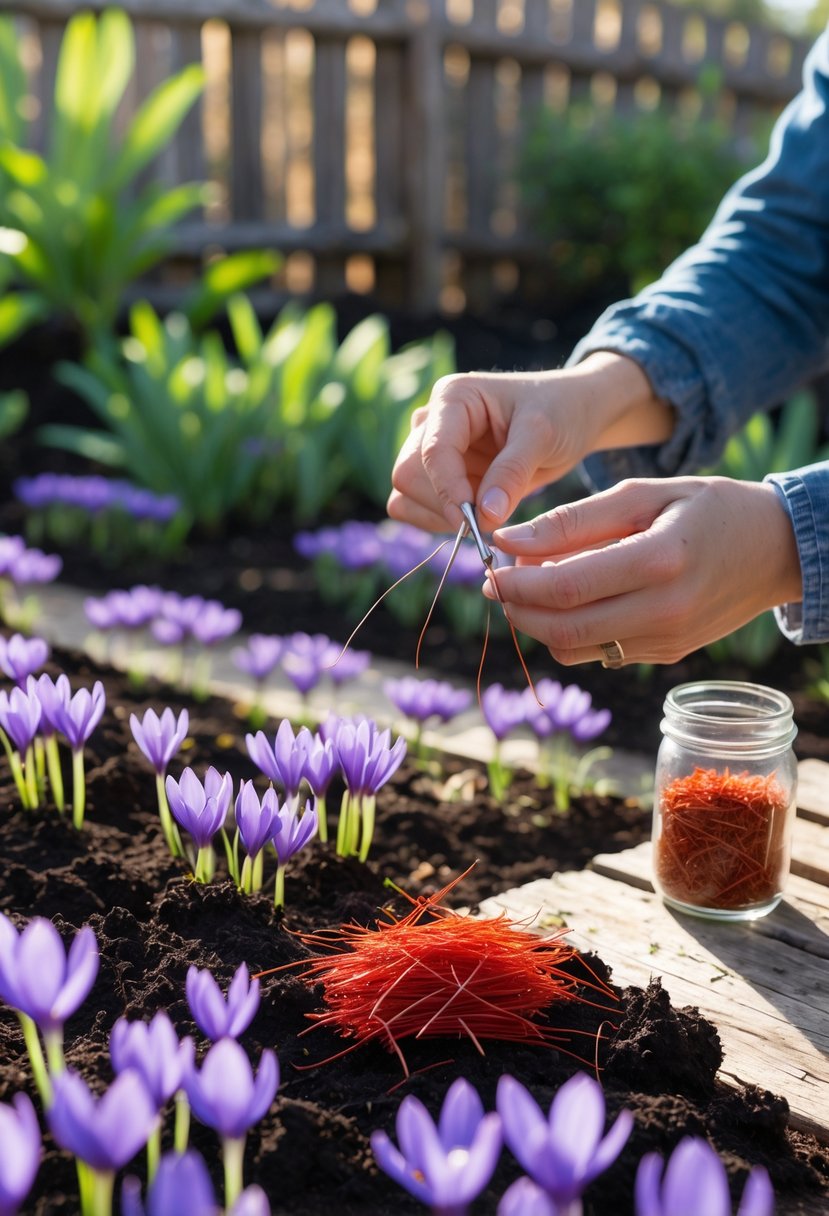
You need to give saffron the right care during its growing season to get healthy plants and good-quality flowers. When harvesting, timing and handling are key to preserving the delicate saffron threads. Proper drying and storage will keep your spice fresh and flavorful for months.
Seasonal Care and Maintenance
During the growing season, make sure your saffron bulbs are planted in well-drained soil with full sun. Water sparingly but consistently, as too much moisture can cause rot.
In autumn, the saffron crocus will sprout green leaves and soon after produce flowers. Avoid cutting the leaves since they help the bulb store energy for next year.
Clear away weeds and keep the soil loose around plants to allow better airflow. Fertilize once a year with a balanced fertilizer, preferably in early spring, to support strong growth.
Harvesting Saffron Threads
You should harvest saffron flowers early in the morning before the blooms open. This timing helps protect the red stigmas, which are the valuable threads.
Carefully pluck the flowers using your fingers without damaging the leaves or bulbs. Each flower produces three red stigmas. Gently separate these threads from the rest of the flower by hand.
Handle the stigmas with care since they are fragile. Avoid harvesting leaves or other flower parts, as only the red stigmas are used for saffron.
Drying and Storing Saffron
Lay the collected red stigmas on a clean, dry surface like kitchen paper. Let them air dry in a well-ventilated, dark place.
Drying usually takes about three days but may vary based on humidity. Make sure the threads do not blow away or get crushed during this time.
Store your dried saffron in an airtight container away from light and heat. Small jars or dark glass containers work well. Wait at least two months after drying for the flavor to fully develop before using.