How to Grow Saffron in Containers at Home: Complete Guide
Growing saffron in containers at home is a practical way to enjoy one of the world’s most valuable spices without needing a large garden. You can successfully grow saffron by choosing the right pot, preparing well-draining soil, and giving your plants enough sunlight. With proper care, you can harvest fresh saffron threads right from your own container, even in small spaces like balconies or indoors.

Saffron plants start from corms, which are like bulbs, and planting them at the right depth in nutrient-rich soil is key. You’ll need to water moderately and provide full sun to mimic their natural growing conditions. This method allows you to control the quality of your saffron while saving money compared to buying it in stores.
If you handle watering carefully and protect your plants from pests, you’ll see beautiful fall blooms. Harvesting the delicate red threads from these flowers is rewarding and adds a special touch to your cooking. Growing saffron at home is not just about the spice; it’s about patience, care, and enjoying the process.
Key Takeways
- Choose the right container and soil mix to grow healthy saffron plants.
- Plant corms at proper depth and provide enough sunlight and water.
- Harvest red threads carefully after fall blooms for the best quality.
Essential Requirements for Growing Saffron in Containers
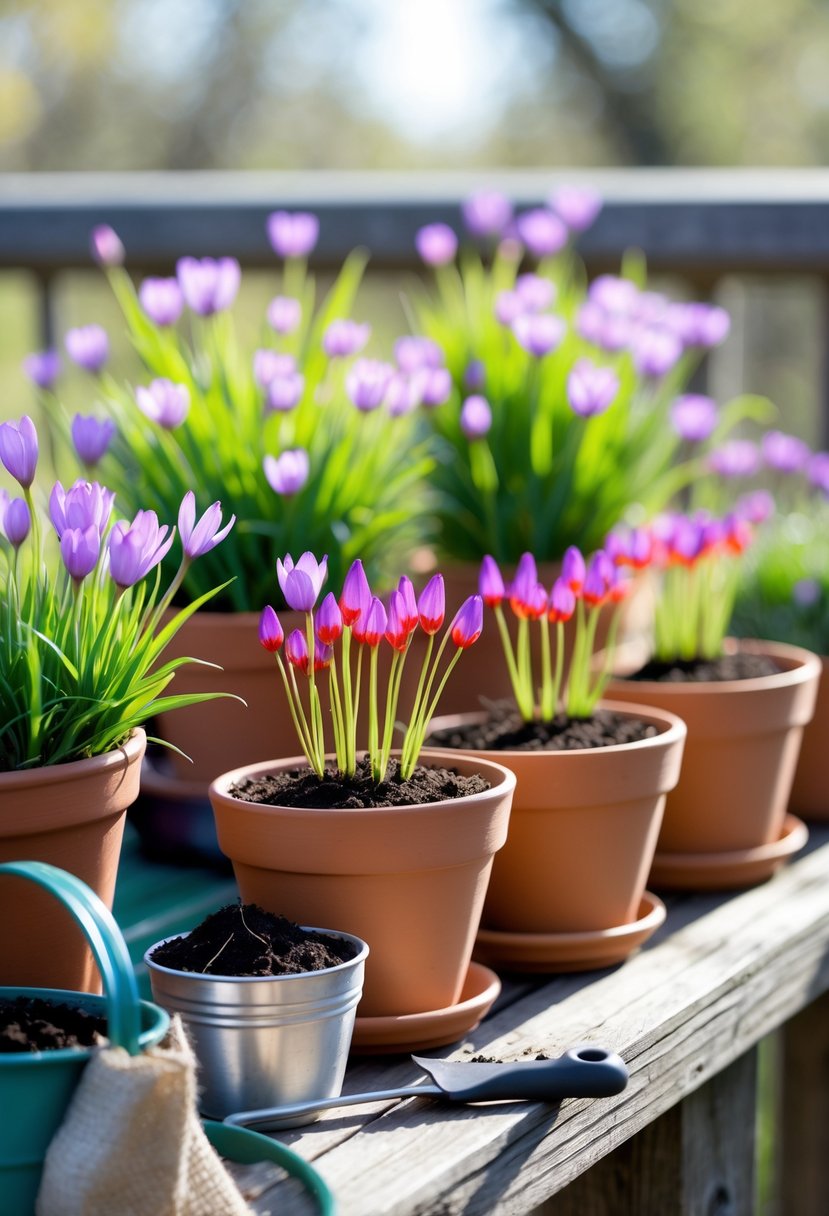
To grow saffron successfully at home, you need the right container, well-prepared soil, and a suitable location that offers enough sunlight. Each of these factors plays a crucial role in helping your saffron corms develop healthy roots and produce quality flowers.
Choosing the Right Container
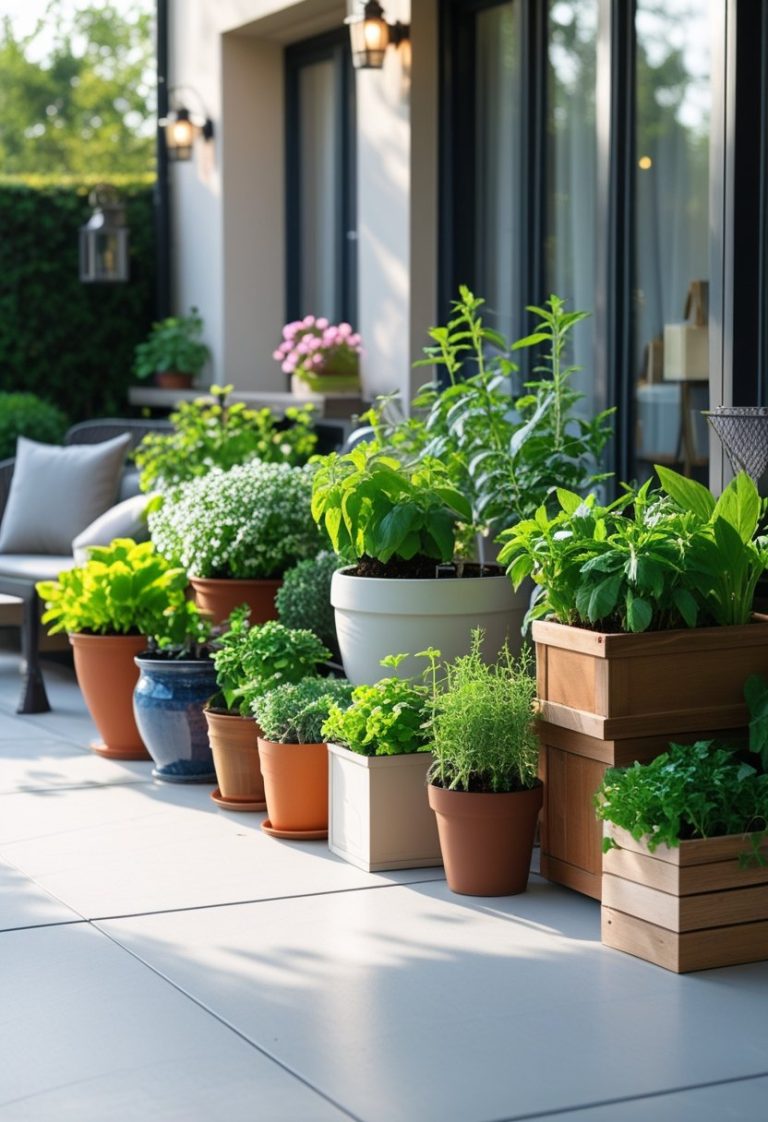
Pick a container that is at least 6 to 8 inches deep. This depth gives saffron corms enough space to grow their roots. The container must have drainage holes to prevent water from pooling at the bottom, which can cause root rot.
Materials like terra cotta or wood work best because they allow air to reach the soil and help remove excess moisture. Avoid plastic pots unless they have plenty of drainage, as plastic holds water longer and can lead to soggy soil.
Choose a container size based on the number of corms. Give each corm about 3 to 4 inches of space to prevent overcrowding.
Preparing and Testing Soil Mix
Use well-draining soil that is loamy and rich in organic matter. Avoid 100% garden soil since it tends to hold too much water, which saffron corms don’t tolerate well.
Mix potting soil with compost or well-rotted organic matter to improve fertility and texture. You can also add a bit of sand or perlite to boost drainage.
Before planting, test the soil moisture level by touching it. It should be moist but not wet. Overly wet soil can cause the bulbs to rot. Keep the soil balanced to support root growth without holding too much water.
Optimal Sunlight and Location
Saffron needs at least 6 to 8 hours of direct sunlight daily to grow well. Position your container in a sunny spot such as a south-facing window, balcony, or garden area.
In hot climates, protect the plants from intense midday heat by providing some afternoon shade. Too much heat stress can harm the corms and reduce flower yield.
Place containers where they have good airflow but avoid windy spots that can dry the soil too quickly. Consistent sunlight combined with proper watering helps your saffron thrive indoors or in small outdoor spaces.
Planting Saffron Corms in Pots
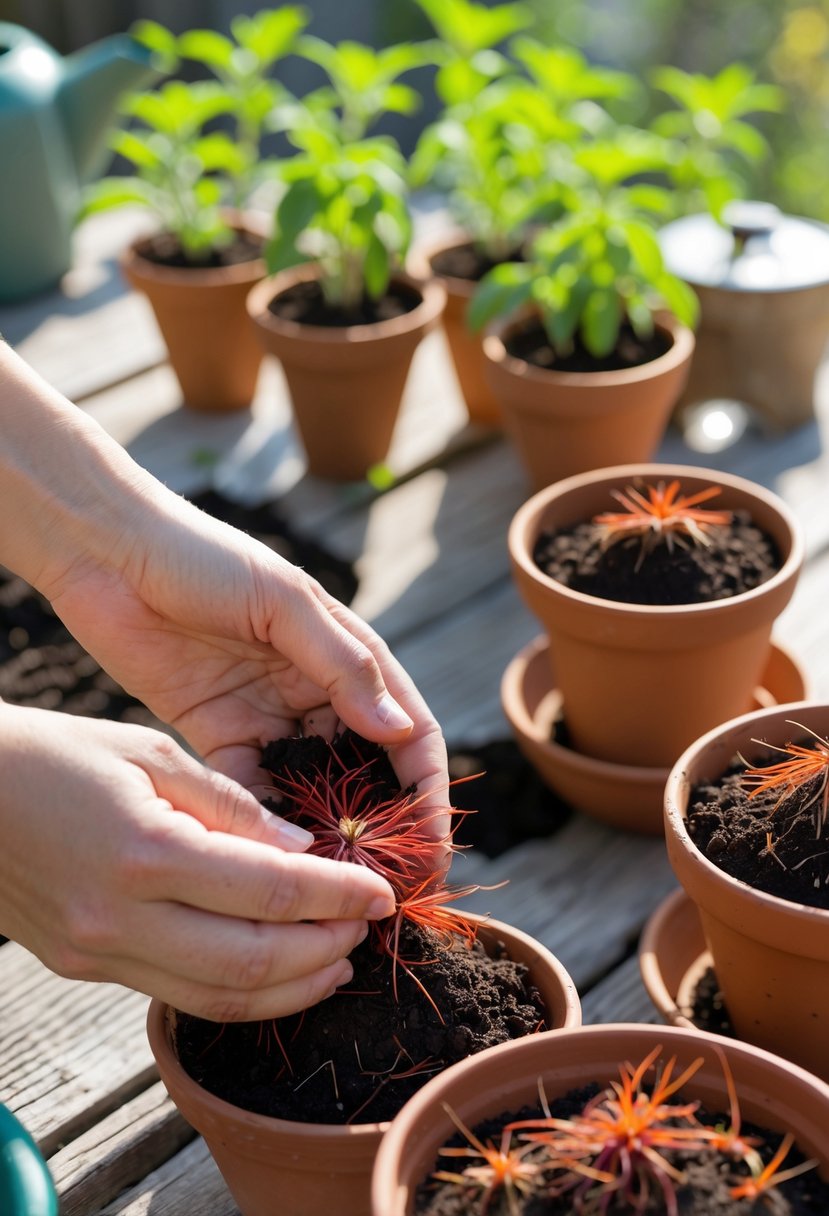
To grow saffron successfully at home, you need good quality corms, the right planting method, and the proper timing and depth. Paying attention to these details ensures the plants will thrive and produce the prized saffron threads.
Selecting Quality Saffron Corms
Start by choosing firm and healthy saffron corms. Look for corms that are plump, free of mold, soft spots, or damage. Avoid shriveled or weak corms as they may not sprout well.
Buy your corms from trusted nurseries or reputable online sources to make sure they are fresh. Each healthy corm has the potential to produce multiple flowers, so select enough based on your container size.
You can store corms in a cool, dry place if you won’t plant them immediately. However, plant them within a few weeks to keep them viable.
Proper Planting Technique
Use containers at least 6-8 inches deep with drainage holes to prevent water buildup. Fill pots with well-draining, loose soil or potting mix to help roots grow easily.
Plant saffron corms about 3-4 inches apart to give them room. Place each corm 3 inches deep with the pointed end facing upward. After planting, water thoroughly once to settle the soil around the corms.
Avoid compacting the soil too hard as saffron roots need space to breathe. Keep the soil moist but not soaked during growth to prevent rot.
Best Planting Time and Depth
The ideal time to plant saffron corms is late summer or early fall, around August or September for most areas. This timing allows the corms to establish before colder weather arrives.
Planting about 3 inches deep protects the corms from temperature changes and supports strong root growth.
Make sure to adjust planting time if your climate has an earlier frost. Plant at least three months before the first frost to give saffron enough time to sprout and flower.
Care and Maintenance of Saffron Plants
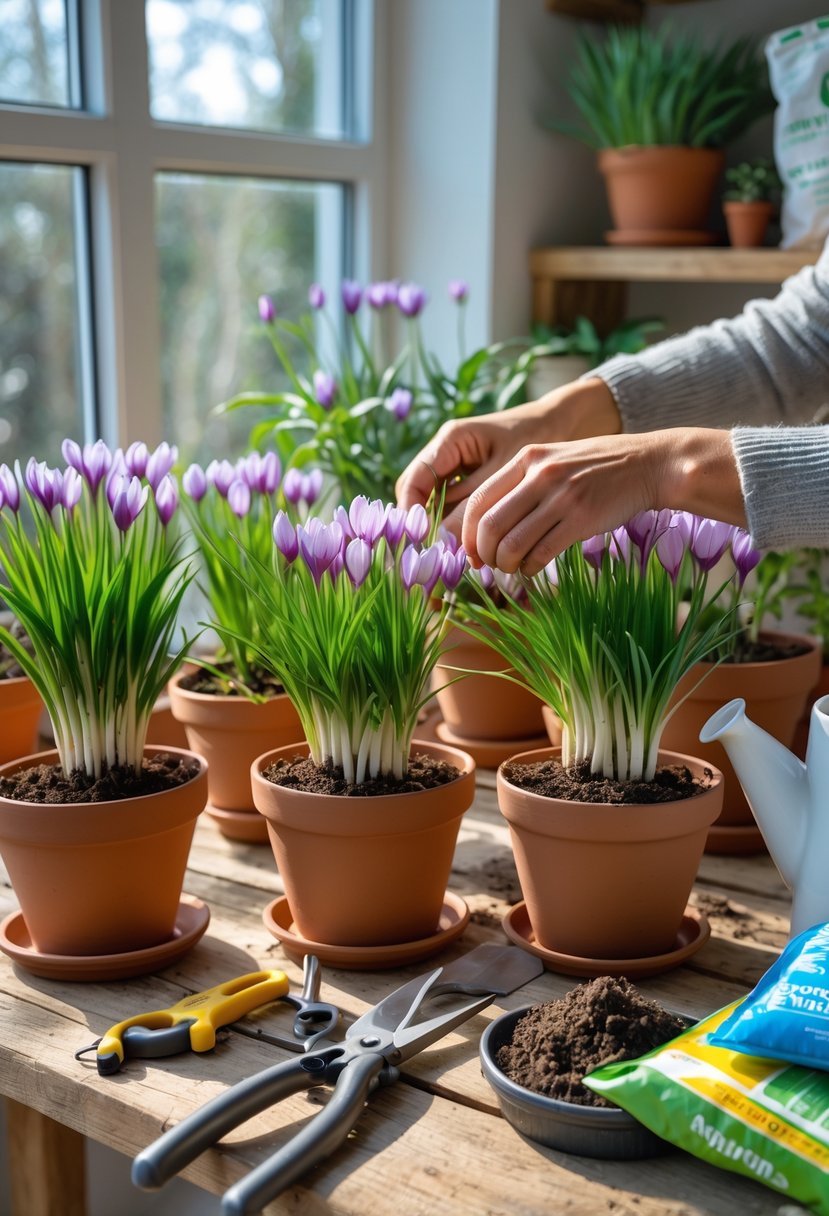
To keep your saffron plants healthy, you need to manage watering, fertilizing, and the plant’s natural growth cycle carefully. Proper care helps your plants produce vibrant flowers and good-quality saffron threads.
Watering Schedule and Drainage
Water your saffron corms right after planting to settle the soil. Keep the soil evenly moist but never soaked. Too much water can cause bulb rot or fungal problems.
Once the plants start growing, reduce watering. Saffron prefers dry conditions during active growth. Water only when the top inch of soil feels dry.
Make sure your containers have good drainage holes. Excess water should escape easily to prevent waterlogging. Use a well-draining soil mix with sand or compost to help water flow.
Fertilizing Practices
Saffron plants need only light feeding. Over-fertilizing can harm the bulbs and reduce their quality.
Use organic options like well-rotted compost or manure. Apply these once or twice during the growing season, usually in late fall and early spring.
Avoid chemical fertilizers with high nitrogen. These can encourage leaf growth but reduce flower and stigma development. A balanced or low-nitrogen feed works best.
Seasonal Dormancy and Overwintering
After flowering, saffron enters a dormant phase in late fall or early winter. During this time, the leaves will yellow and die back naturally.
Reduce watering significantly once dormancy starts. The bulbs need a dry rest period to prepare for the next cycle.
If your region has cold winters, move your containers indoors or to a protected place. Keep the soil dry and cool but avoid freezing temperatures.
Dormancy usually lasts 3 to 5 months, after which new growth will begin, signaling the time to resume regular care.
Harvesting and Storing Home-Grown Saffron
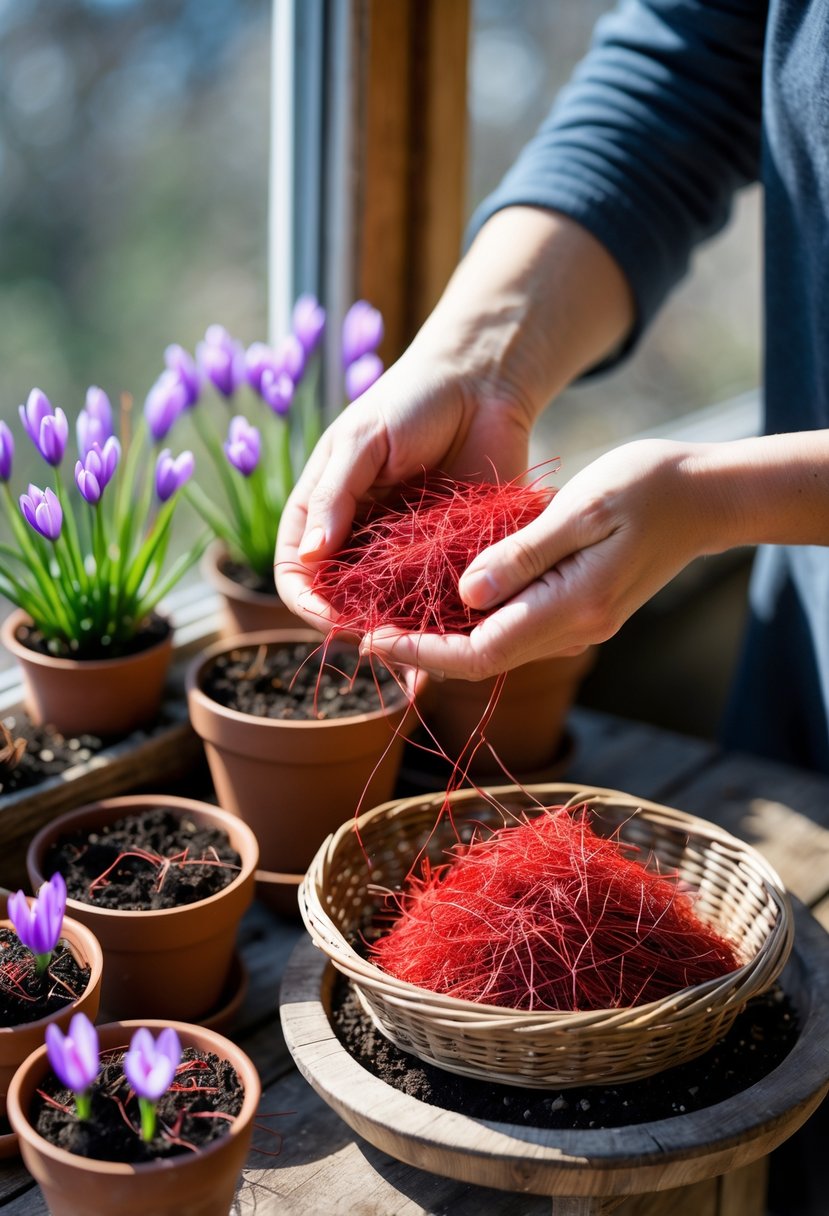
Harvesting saffron requires precise timing and gentle handling to protect the valuable threads. After harvesting, drying and storing the saffron correctly will keep its flavor and aroma for months. Paying attention to these steps ensures you get the best quality spice from your container-grown plants.
Identifying Harvest Time
You should watch for saffron flowers to bloom in the fall, typically around October or November. The flowers open early in the morning and last only a few days.
Harvest saffron when the flowers are fully open but still fresh. This is when the stigmas, the red threads, are ready to be picked. Look for bright crimson, intact stigmas.
If you wait too long, the flowers will start to wilt and lose quality. Picking early in the day helps preserve the spice’s aroma and color.
Safe Harvesting Techniques
Use your fingers or clean tweezers to gently pluck the three red stigmas from each flower. Avoid pulling on the whole flower or damaging other parts.
Handle the stigmas with care as they are delicate and can break easily. Collect them in a clean, dry container.
Work in a cool, dry place to prevent moisture, which can cause spoilage. Avoid squeezing or crushing the threads during harvest.
Wear clean gloves if possible to keep the saffron pure and free from oils or dirt.
Drying and Storing Saffron Threads
Drying saffron is essential before storing to prevent mold and preserve flavor. Spread the threads in a thin layer on a clean paper towel or mesh screen.
Keep them in a warm, well-ventilated area away from direct sunlight. This may take several days until the threads are crisp and snap easily.
Once dry, store saffron in an airtight container. Use a glass jar with a tight lid and keep it in a cool, dark place to protect it from heat and light.
Properly stored saffron can last up to a year, maintaining its color and taste for your cooking needs.