How to Grow Lemon Verbena for Optimal Health and Fragrance
Lemon verbena is a fragrant herb that adds a fresh, lemony scent and flavor to teas, cooking, and homemade products. Growing it successfully requires attention to its basic needs like plenty of sunlight and well-drained soil. The key to growing healthy lemon verbena is providing full sun and soil that drains well to prevent root rot.
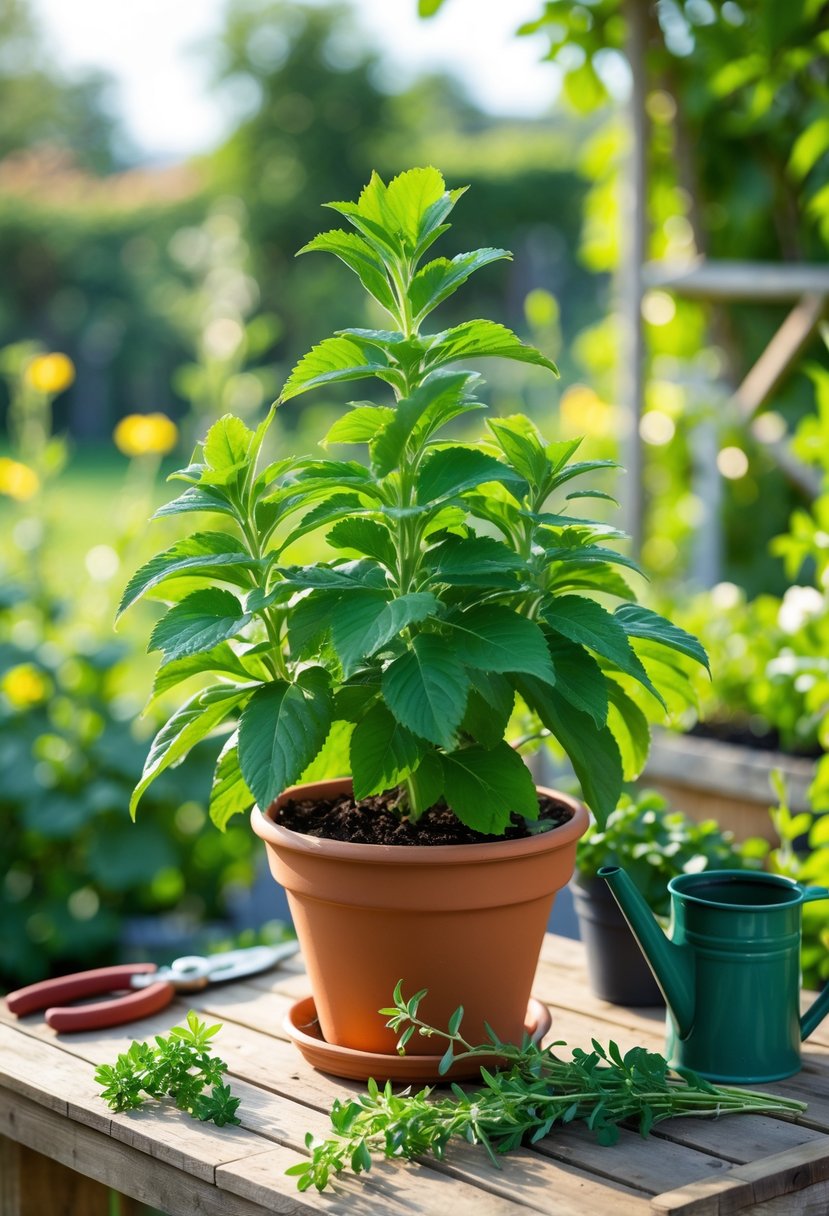
It can be grown outdoors in warm climates or inside containers with enough light. The plant thrives in loose, organic-rich soil and grows best when not overwatered. Whether in a garden bed or a pot, proper care helps lemon verbena stay vigorous and flavorful.
Understanding the plant’s preferences makes it easier to enjoy its benefits year-round. Simple practices in planting, watering, and maintenance will support strong growth and a lasting supply of this versatile herb.
Key Takeways
- Lemon verbena needs full sun and well-draining soil to grow well.
- It can thrive both outdoors and in containers with the right care.
- Regular watering and organic soil support healthy growth and flavor.
Understanding Lemon Verbena
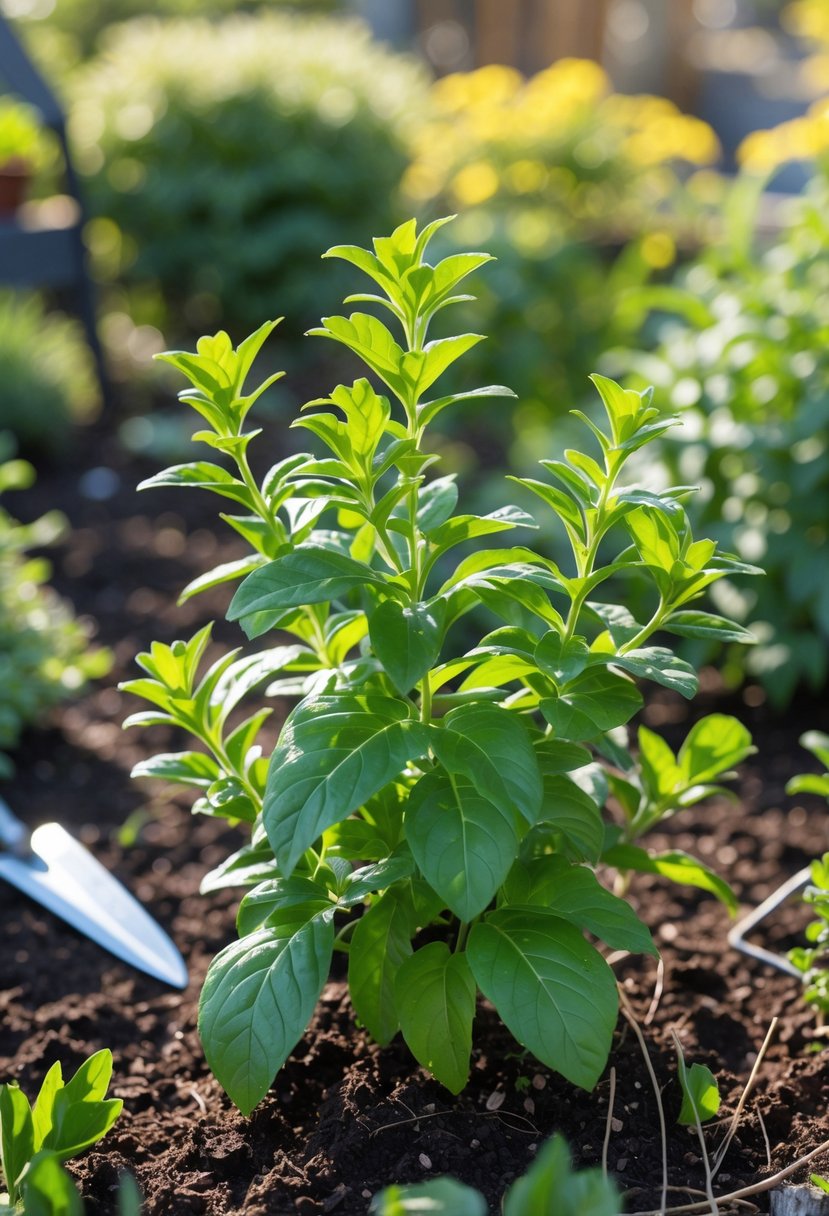
Lemon verbena is a leafy plant known for its strong lemon scent and useful qualities. It has specific growing habits and practical uses that make it popular in gardens and kitchens.
Is Lemon Verbena a Perennial
Lemon verbena is a tender perennial, meaning it lives for several years but is sensitive to cold. In frost-free climates, it can grow year-round and reach heights over 8 feet.
In colder areas, it often dies in winter if left outside. Many gardeners grow it as an annual or bring it indoors during cold months to protect it.
Pruning in early spring helps keep the plant healthy. Cutting back one-third to one-half encourages fuller, bushier growth instead of woody, thin branches.
Botanical Characteristics
Lemon verbena (Aloysia triphylla) has long, narrow leaves that release a strong lemon scent when touched or crushed. Its stems can become woody over time.
The plant thrives in full sun and well-drained soil. It grows best when watered regularly but allowed to dry slightly between waterings.
Outdoors in mild climates, it can grow into a tall shrub. In pots, it generally stays smaller, about 2 to 3 feet tall. Regular pruning keeps it compact and healthy.
Culinary and Medicinal Uses
Lemon verbena leaves are edible and have a bright lemon flavor. They are commonly used fresh or dried to add taste to teas, desserts, and cooked dishes.
Besides flavor, the plant has mild medicinal uses. It can help with digestion and is sometimes used in natural remedies for stomach discomfort.
Its lemon scent also makes it popular for use in soaps and sachets. However, herbs used in soap making must be dried fully to prevent mold and bacteria.
Essential Growing Conditions
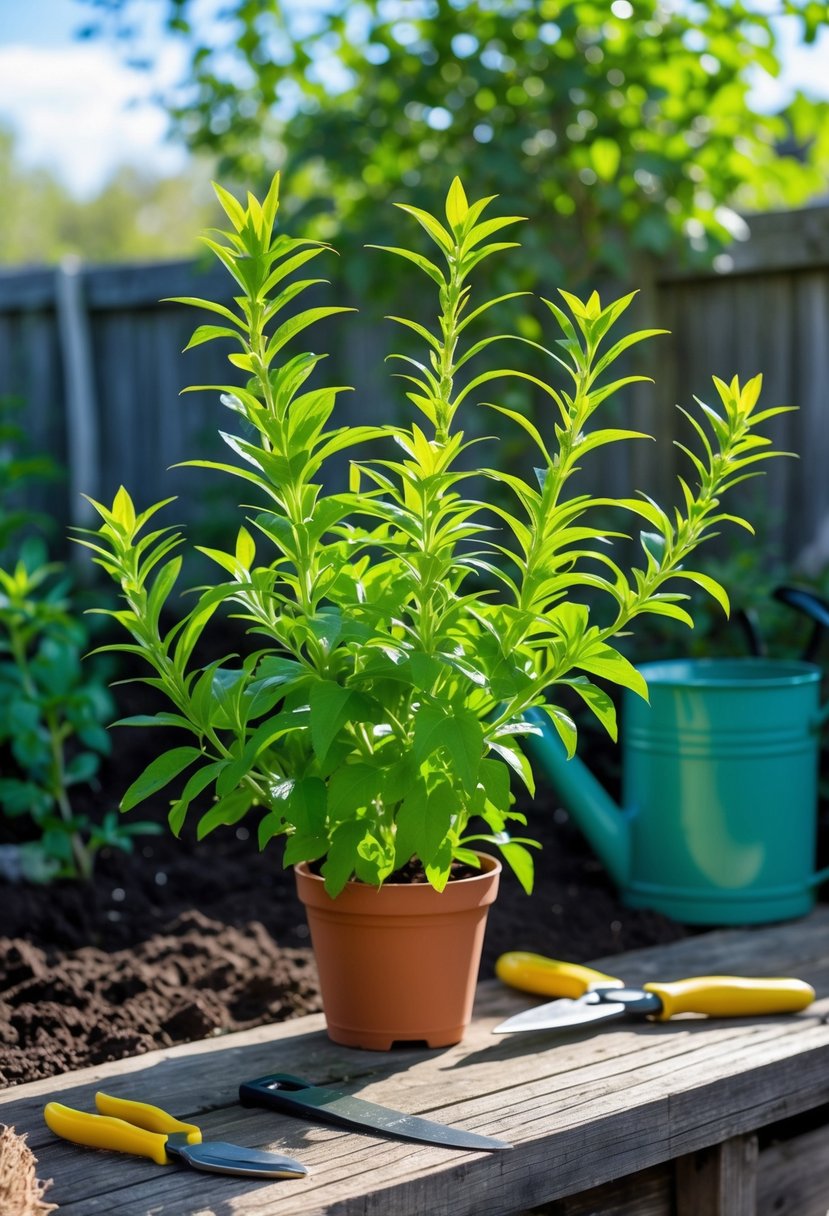
Lemon verbena needs specific soil, light, temperature, and water to grow well. These factors help the plant produce its strong lemon scent and stay healthy. Proper care in these areas supports steady growth and vibrant leaves.
Soil and Drainage Requirements
Lemon verbena prefers well-draining soil to prevent root rot. The soil should be sandy or loamy with a slightly acidic to neutral pH, around 6.0 to 7.0. Good drainage ensures the roots do not sit in water.
Adding organic matter like compost improves soil texture and nutrition. Avoid heavy clay soils that hold too much moisture. Planting lemon verbena in raised beds or pots with drainage holes also helps control moisture levels.
Light and Temperature Needs
This plant needs full sun, with at least six hours of direct sunlight daily for best growth. Sunlight strengthens its lemon scent and essential oils. Shade causes weak, leggy growth and less fragrance.
Lemon verbena grows best in warm temperatures between 60°F and 85°F. It is sensitive to frost and cold weather, so it should be protected or moved indoors if temperatures drop below freezing.
Watering Guidelines
Lemon verbena requires regular watering, especially during dry, hot weather. The soil should be kept moist but never soggy. Overwatering can lead to root diseases.
Water deeply and allow the top inch of soil to dry out between waterings. During summer, it might need watering two or three times a week, depending on weather and soil type. Mulching helps retain soil moisture and keeps roots cool.
How to Propagate Lemon Verbena
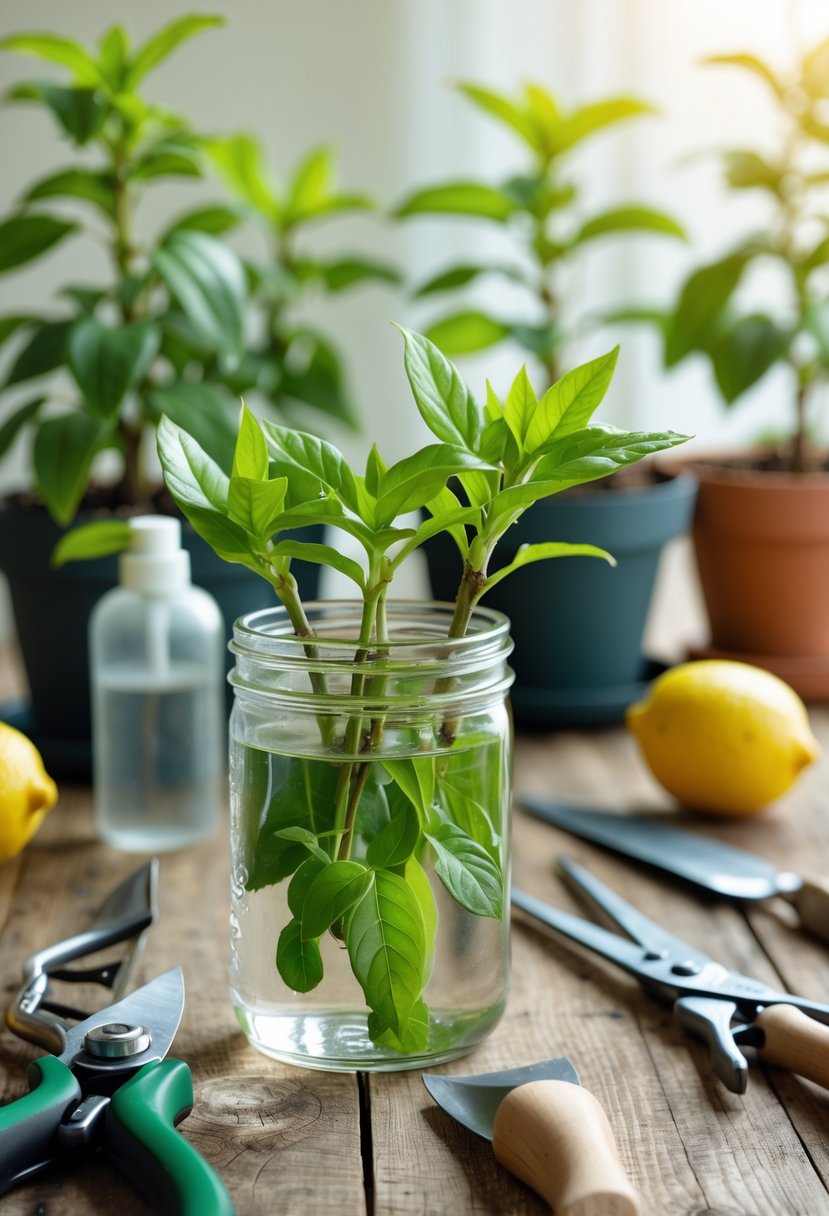
Lemon verbena can be propagated in several ways, including using cuttings or seeds. Each method has specific steps and times that work best to ensure strong, healthy plants.
Propagation from Cuttings
Propagating lemon verbena from cuttings is the most common and reliable method. Select a healthy, non-flowering stem around 4-6 inches long. Remove leaves from the lower half to expose the nodes where roots will grow.
Dip the cut end in rooting hormone to encourage root development. Place the cutting in a pot with well-draining soil or a mix of perlite and peat. Keep the soil moist but not waterlogged.
Cuttings root best in warm conditions, around 70-75°F (21-24°C). Covering the pot with plastic can maintain humidity. Roots typically form in 2-3 weeks, after which the new plants can be moved to larger pots or planted outdoors.
Seed Germination Method
Growing lemon verbena from seeds is less common but possible. Seeds should be fresh and soaked in warm water for 12-24 hours before planting to improve germination rates.
Use a seed tray filled with a light, well-draining seed-starting mix. Sow seeds on the surface and lightly cover with soil. Keep the tray in a warm spot with indirect sunlight, ideally around 70°F (21°C).
Water gently to keep the soil moist but avoid oversaturation. Germination can take 2-3 weeks, but rates vary depending on seed quality. Seed-grown plants may take longer to mature compared to cuttings.
Best Time for Propagation
The best time to propagate lemon verbena is during the spring or early summer. During this period, the plant is actively growing, which increases the chances of successful rooting and growth.
Cuttings taken in spring root faster because the wood is soft but mature enough. Seed sowing is best in late spring after the risk of frost has passed.
Avoid propagation during late fall or winter since cold temperatures and reduced light slow growth and root formation. Keeping plants indoors or in a greenhouse helps if early propagation is needed.
Growing Lemon Verbena Indoors and in Containers
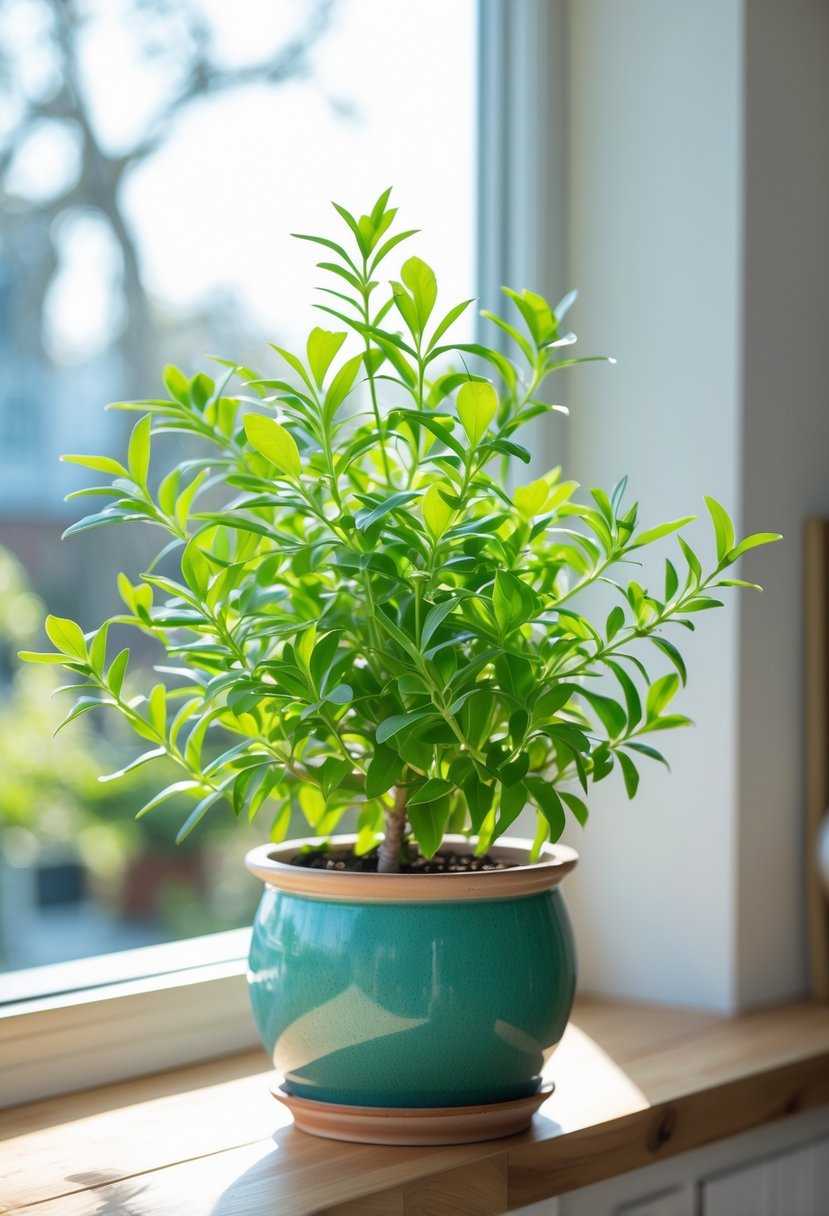
Lemon verbena needs a lot of light and proper care to thrive indoors or in containers. It grows best with good drainage, regular watering, and occasional feeding. Moving the plant to warmer spots during colder months helps keep it healthy.
Growing Lemon Verbena Indoors
Lemon verbena requires a bright spot indoors with at least 6 hours of direct sunlight daily. Placing it near a south-facing window is ideal. It needs well-draining soil and pots with drainage holes to prevent root rot.
Water the plant when the top inch of soil feels dry, but avoid letting it sit in water. Humidity can be low indoors, so occasional misting helps. Fertilize every 6 to 8 weeks with a balanced, water-soluble fertilizer during the growing season.
In winter, keep the indoor temperature between 60°F and 70°F. Avoid cold drafts and sudden temperature changes, which can stress the plant.
Growing Lemon Verbena in Pots
Lemon verbena does well in containers that are at least 10 gallons to allow root growth. Use potting mix designed for herbs or vegetables with added sand or perlite for drainage. Re-pot the plant when it outgrows its container.
Place pots in full sun outdoors during warm months. Water daily or when the soil starts to dry, especially in hotter weather. Applying a general fertilizer every few months supports steady growth.
Before cold weather, bring the pot indoors to protect the plant from frost. Prune lemon verbena back in early spring to encourage new growth and maintain a bushy shape.
Companion Plants for Lemon Verbena
Lemon verbena grows well with herbs that like similar care, such as basil, thyme, and rosemary. These herbs also prefer full sun and well-drained soil.
Avoid planting lemon verbena near large, shading plants. It needs enough light and air to prevent mold and disease. Pairing it with flowers like marigolds can help repel pests naturally.
When growing in containers, mixing companions in the same pot is possible if they have similar water and light needs. Otherwise, use separate pots close together for easy care and harvesting.
Care, Maintenance, and Common Challenges
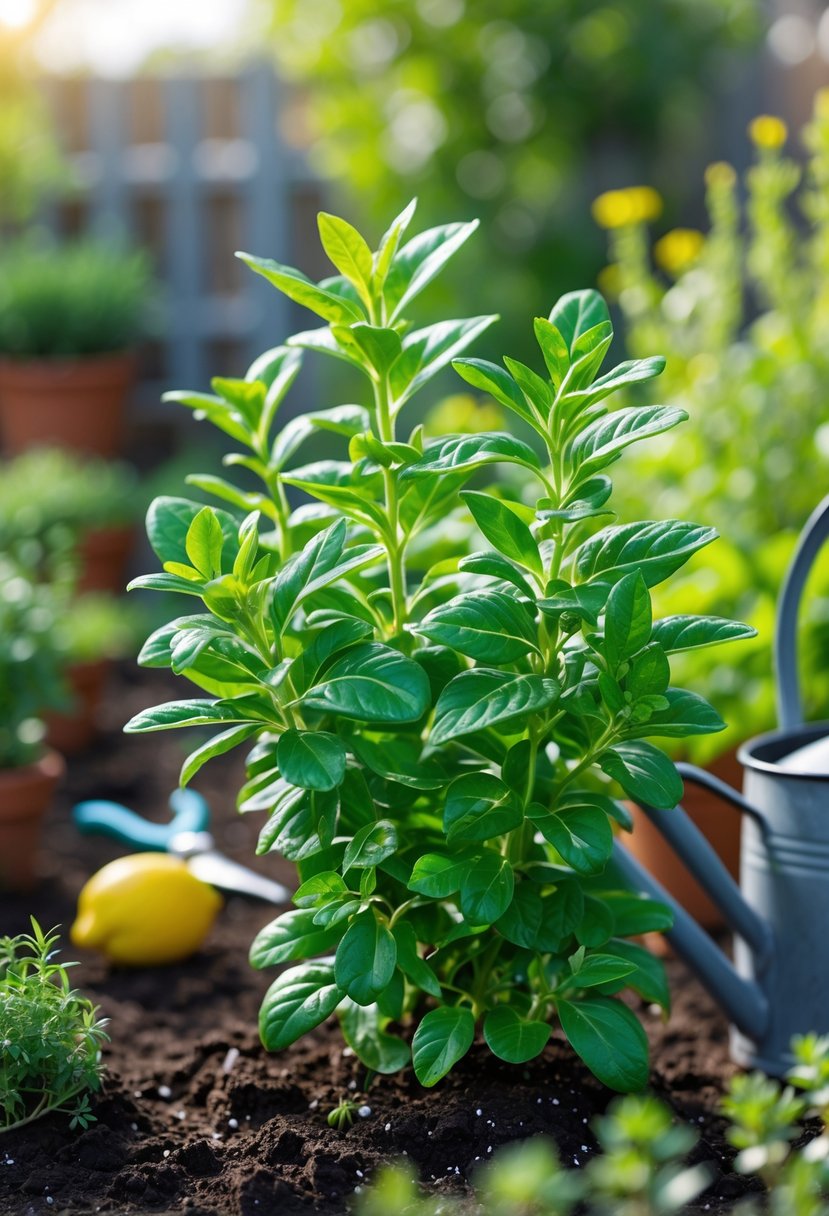
Lemon verbena needs regular pruning to keep it healthy and compact. It can be vulnerable to pests and diseases if not watched carefully. In colder months, special steps help the plant survive indoors or outside.
Pruning and Shaping
Pruning lemon verbena regularly helps maintain its size and encourages new growth. Cut back about one-third of the plant in late spring or early summer after the last frost.
Remove dead or weak branches to improve air circulation. This reduces the chance of disease. Frequent trimming also keeps the plant from becoming too leggy or tall.
Use clean, sharp shears to make cuts just above a leaf node. This will help the plant grow evenly. Avoid heavy pruning in late fall, as it can make the plant vulnerable to cold damage.
Dealing with Pests and Diseases
Lemon verbena can attract pests like aphids, spider mites, and whiteflies. Check the leaves weekly for small insects or webs.
If pests appear, spray with insecticidal soap or neem oil as needed. Avoid overwatering, since damp soil can cause root rot or fungal infections.
Good air flow and sunlight help prevent common problems such as powdery mildew. Removing affected leaves quickly limits spread. Keeping the plant healthy makes it less likely to get sick.
Winter Care and Overwintering
Lemon verbena is sensitive to frost and cold temperatures below 40°F (4°C). In colder regions, it should be brought indoors before the first freeze.
Place the plant near a sunny window with at least 6 hours of light daily. Water carefully to keep soil slightly moist but not soggy.
If kept outside in mild climates, mulch around the base to protect roots from freezing. Pruning lightly before winter reduces stress on the plant.
Regular checks for pests indoors are necessary, as indoor conditions can favor insect growth.
Harvesting and Using Lemon Verbena
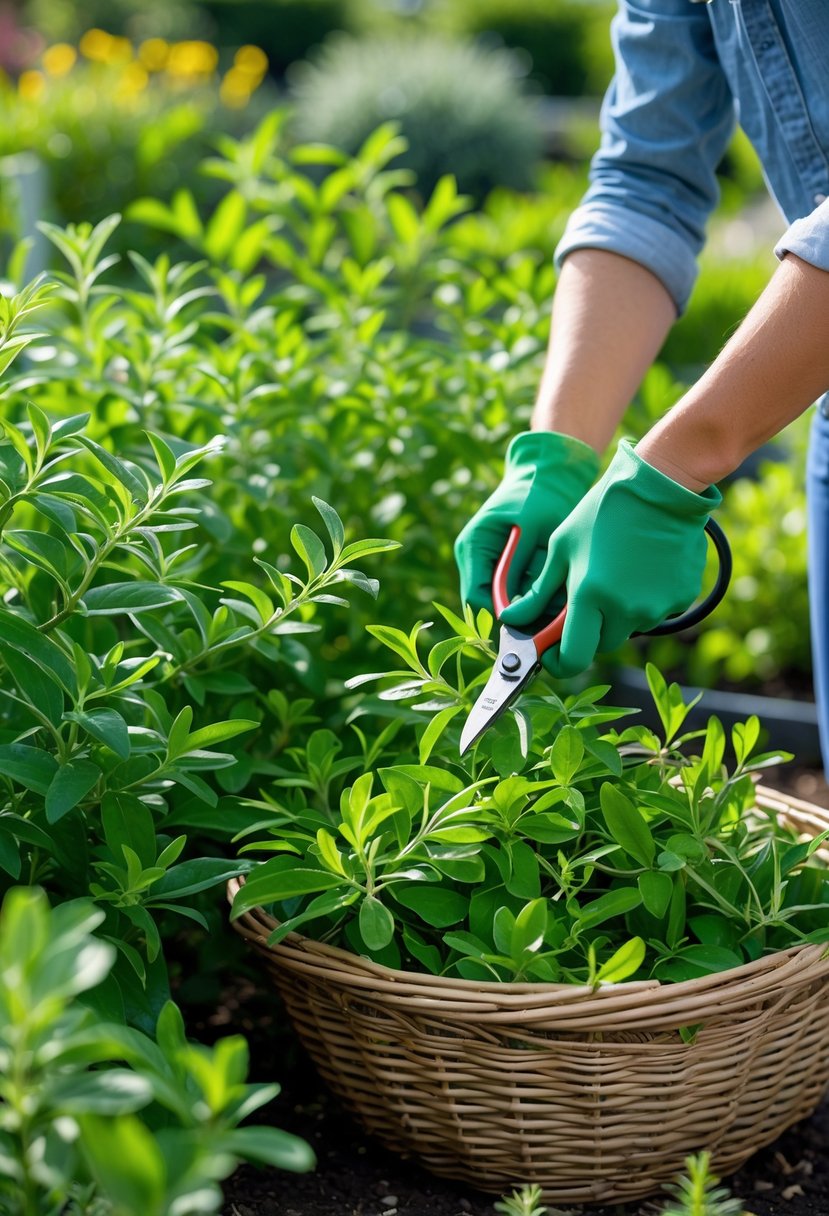
Lemon verbena is best harvested at the right time to capture its full lemon flavor. After picking, it can be dried and stored properly to keep its aroma. The leaves have many uses in cooking and drinks, adding a fresh citrus note.
Optimal Harvest Timing
Lemon verbena leaves are most flavorful just before the plant flowers. This usually happens in late spring to early summer. Picking leaves early in the morning, after the dew has dried, gives the best scent.
Harvest by cutting the top 4 to 6 inches of new growth. Avoid cutting older wood, as it has less flavor. Regular harvesting encourages fuller, bushier growth.
Drying and Storage Methods
To dry lemon verbena, tie small bundles of stems together. Hang them upside down in a warm, dark, and well-ventilated place. Leaf drying takes about 1 to 2 weeks.
Once dry, strip the leaves from the stems and store them in airtight containers. Keep the containers in a cool, dark place. Properly dried lemon verbena can keep its taste for up to a year.
Creative Uses in the Kitchen
Lemon verbena leaves add a fresh lemon flavor to many dishes and drinks. They can be finely chopped for salads or used whole in soups and stews for a subtle citrus scent.
Infuse leaves in hot water to make herbal teas, or steep them in syrups for cocktails and desserts. Lemon verbena also pairs well with fish, chicken, and fruit dishes to brighten flavors.
Frequently Asked Questions
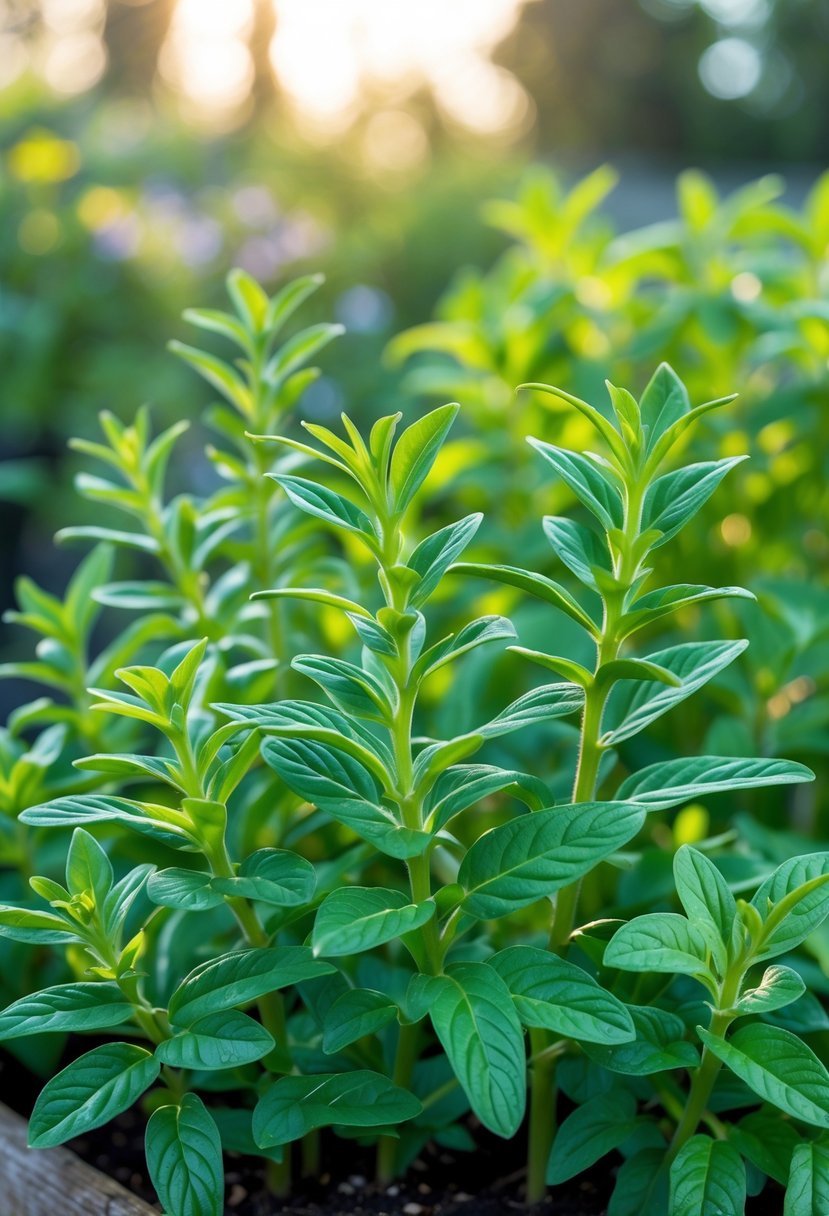
Lemon verbena needs bright light, well-drained soil, and careful watering to grow well. It can be grown indoors or outdoors, and propagation is usually done from cuttings. Managing space, pests, and temperature helps plants stay healthy.
What are the optimal conditions for growing lemon verbena indoors?
Lemon verbena needs at least 6 hours of bright, direct sunlight each day inside. It prefers temperatures between 65°F and 75°F (18°C to 24°C). Good air circulation helps prevent mold and pests.
What steps are involved in propagating lemon verbena from cuttings?
Cut healthy stems about 4 to 6 inches long. Remove leaves from the lower half and place the cutting in moist potting soil or water. Keep the soil or water warm and moist until roots form, usually in 2 to 3 weeks.
How much space does lemon verbena require when planted in a garden?
Lemon verbena plants need about 3 feet of space between each plant. This allows room for growth and air circulation, reducing the risk of disease. It can grow up to 4 to 6 feet tall and wide.
What are the ideal soil conditions and watering schedule for lemon verbena in pots?
Use well-drained potting soil with some sand or perlite mixed in. Water when the top inch of soil feels dry, avoiding overwatering. Ensure pots have drainage holes to prevent root rot.
How can I prevent common pests and diseases when cultivating lemon verbena?
Keep plants healthy by avoiding overwatering and overcrowding. Inspect regularly for pests like aphids and spider mites. Use insecticidal soap or neem oil if pests appear. Good airflow and sunlight reduce disease risks.
What are the sunlight and temperature requirements for thriving lemon verbena plants?
Lemon verbena thrives in full sun, needing 6 to 8 hours daily. It grows best in warm temperatures, ideally between 70°F and 85°F (21°C to 29°C). Protect the plant from frost and cold drafts.