How to Grow Hydroponic Carrots Efficiently for Optimal Yield
Growing carrots hydroponically lets you grow this root vegetable without soil, using water, nutrients, and a special growing medium. The key to success is maintaining a well-aerated, soilless medium and balanced nutrient solution with the right pH level around 5.8 to 6.3. This setup helps carrots develop healthy roots and reach their full flavor potential.
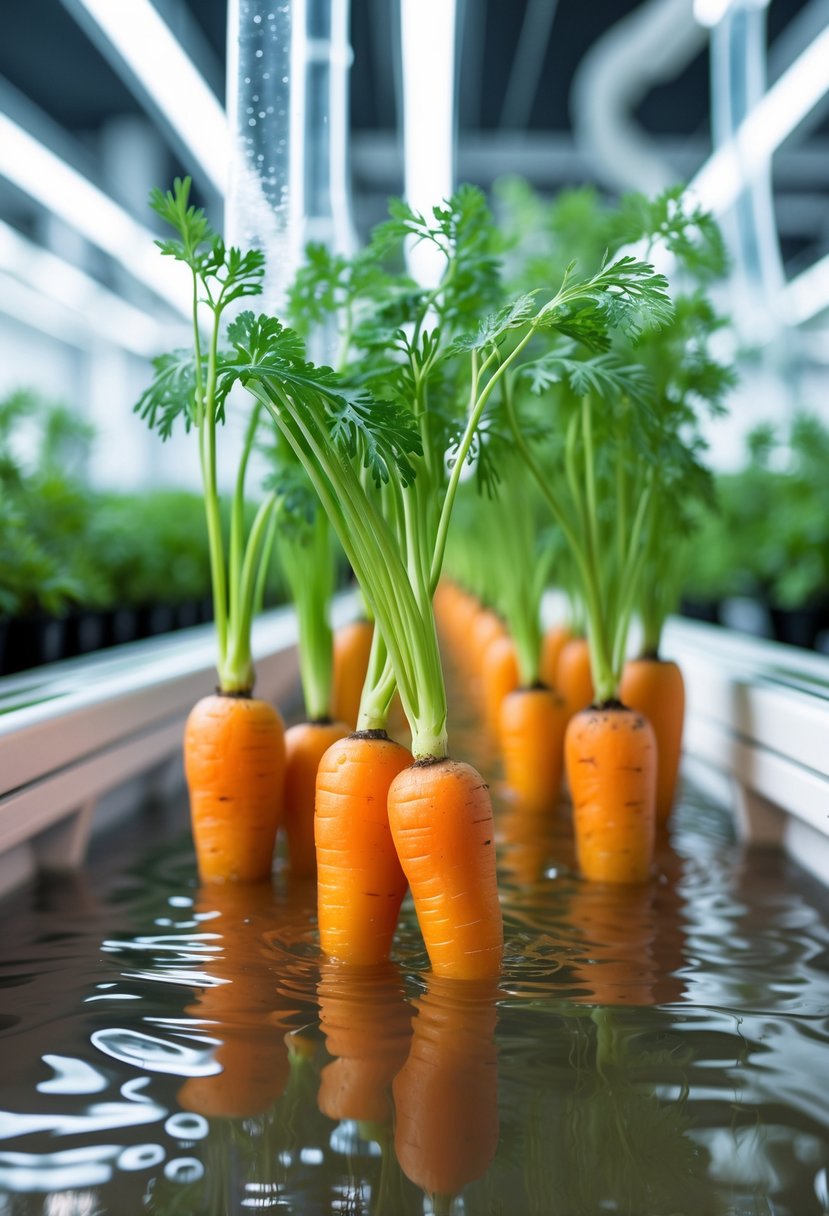
You will need to choose the right type of hydroponic system and keep the environment stable, especially temperature and moisture. With careful attention to these details, you can enjoy fresh, homegrown carrots all year round even in small spaces.
Learning the proper planting techniques and ongoing care will help you avoid common problems and ensure a good harvest. With the right approach, hydroponic carrots can be a rewarding and efficient crop to grow.
Key Takeaways
- A balanced nutrient solution and proper pH are essential for healthy carrots.
- Choosing the right growing medium and system supports strong root growth.
- Careful planting and maintenance lead to a successful harvest.
Understanding Hydroponic Farming For Carrots
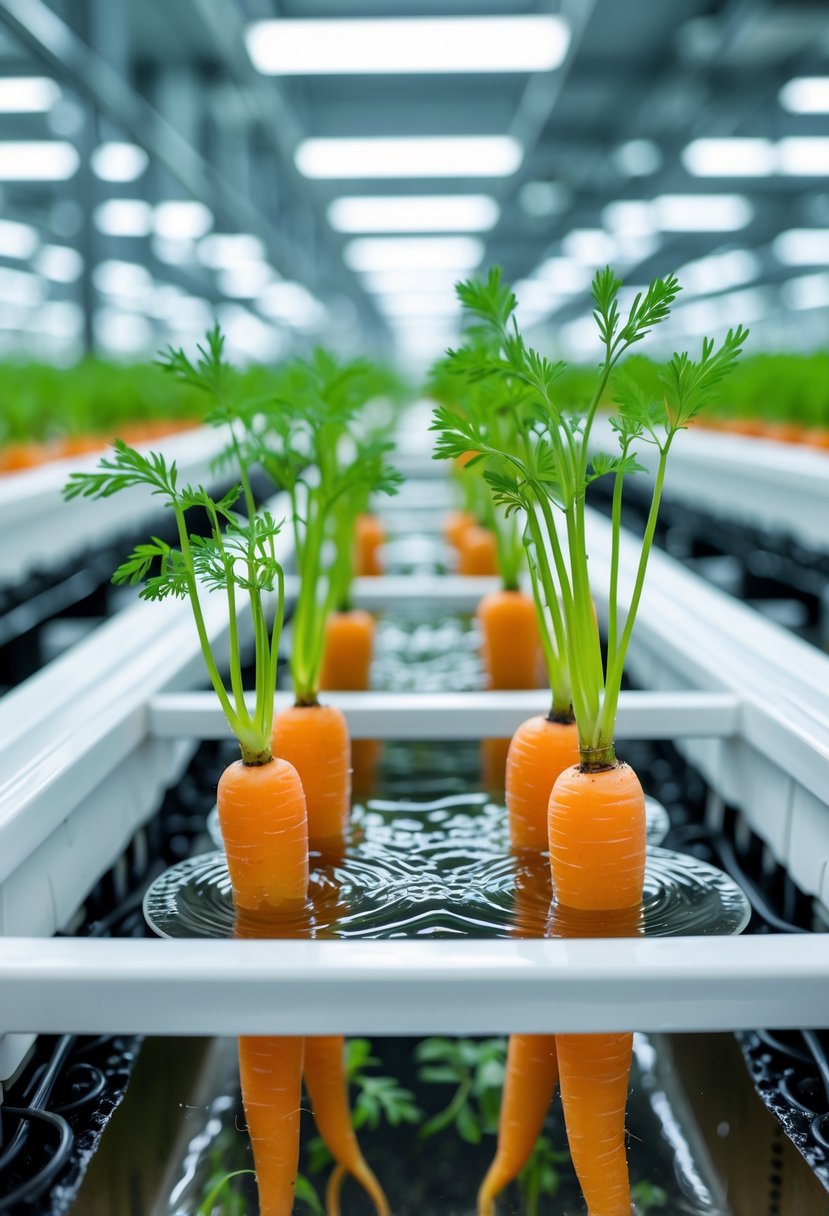
Hydroponic farming lets you grow carrots without soil, using nutrient-rich water instead. This method gives you control over nutrients, water, and light, helping your carrots grow well in less space. To do it right, you need to understand how hydroponic systems work, the benefits they offer, and the equipment needed for success.
Benefits Of Growing Carrots Hydroponically
Growing carrots hydroponically helps you control nutrients precisely, which leads to faster and healthier growth. Because you don’t use soil, you avoid common pests and diseases found in ground farming. This reduces the need for pesticides.
You can also grow carrots year-round indoors, regardless of outside weather. Hydroponic setups use less water compared to traditional farming, making it more efficient. Dwarf carrot varieties, like ‘Nantes’ or ‘Thumbelina,’ do especially well in these systems because they fit small growing spaces.
How Hydroponic Systems Work
Hydroponic systems grow plants by delivering water mixed with nutrients directly to the roots. There are different types of systems, such as Nutrient Film Technique (NFT), Deep Water Culture (DWC), and Kratky Hydroponics.
With Kratky Hydroponics, you can grow carrots using a simple setup like a mason jar filled with water and nutrients. This method requires no pumps or electricity, making it beginner-friendly. In more advanced systems, pumps circulate water to provide oxygen and nutrients consistently.
By providing just the right amount of nutrients and oxygen, hydroponic systems encourage strong root and carrot development without soil.
Essential Equipment And Materials
To start hydroponic carrot growing, you need several key items. First, choose a container or system tailored to your space and budget. This might be a DIY Kratky system using mason jars or a commercial hydroponic setup with pumps and grow trays.
You will also need a balanced nutrient solution designed for root vegetables. Maintain the water’s pH level between 6.0 and 6.5 for optimal nutrient uptake. Proper lighting is important—LED grow lights work well if you’re growing indoors.
Other essentials include:
- Growing medium (like coconut coir or perlite) to support roots
- Air pumps or aerators for systems like DWC
- Monitoring tools for pH and nutrient levels
With the right equipment and materials, you can create the ideal environment for your hydroponic carrots to grow well.
Setting Up Your Hydroponic Carrot System
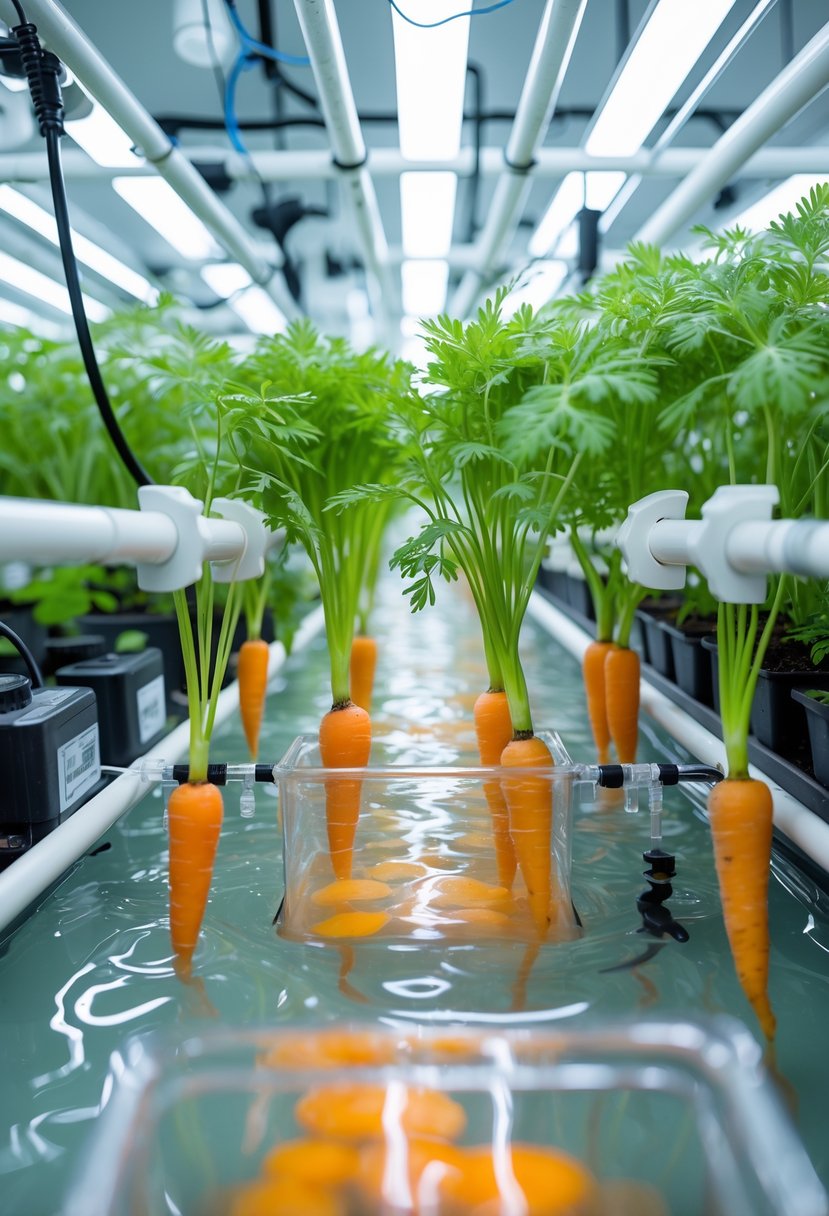
Getting your hydroponic carrot system right starts with choosing a method that supports deep root growth. Picking carrot types suited to hydroponics helps prevent issues from overcrowding. Creating a stable grow medium is also key to keeping roots healthy and strong.
Choosing The Right Hydroponic System
For carrots, systems that provide enough space for roots to grow deep work best. The Kratky method is simple and great for beginners. It uses containers like mason jars filled with nutrient water without pumps or electricity. This method lets you monitor water easily.
Deep Water Culture (DWC) is another option but requires oxygenation with air pumps to keep roots healthy. Avoid systems that only use water without a medium, as carrots need support to prevent rot.
Using an Eco System In A Jar or a DIY Ecosystem In A Jar with Water is perfect for small-scale setups. You get natural water circulation and can manage nutrients well.
Selecting The Best Carrot Varieties
Not all carrot varieties do well hydroponically. Choose short, tender types since they fit better in containers. Nantes, Chantenay, and Amsterdam are good examples.
Look for seeds labeled “short-root” or “container-friendly.” These types prevent crowding and allow roots to develop properly.
Avoid long, slender varieties like Danvers because they need more root space. Growing compact carrots helps you keep control over spacing which is tough in hydroponics.
Preparing The Grow Medium
Carrots need solid support, so a loose, well-draining media is best. A mix of perlite and vermiculite works well. It holds moisture and air while allowing roots to expand easily.
Your grow tray should be at least 12 inches (30 cm) deep to give room for root growth. Fill it with your chosen medium and keep it moist but not waterlogged.
Avoid just using water alone. Carrots will rot if they have no support. The grow medium acts like soil but without dirt, giving stability while letting nutrient water flow.
Step-By-Step Guide To Planting Hydroponic Carrots
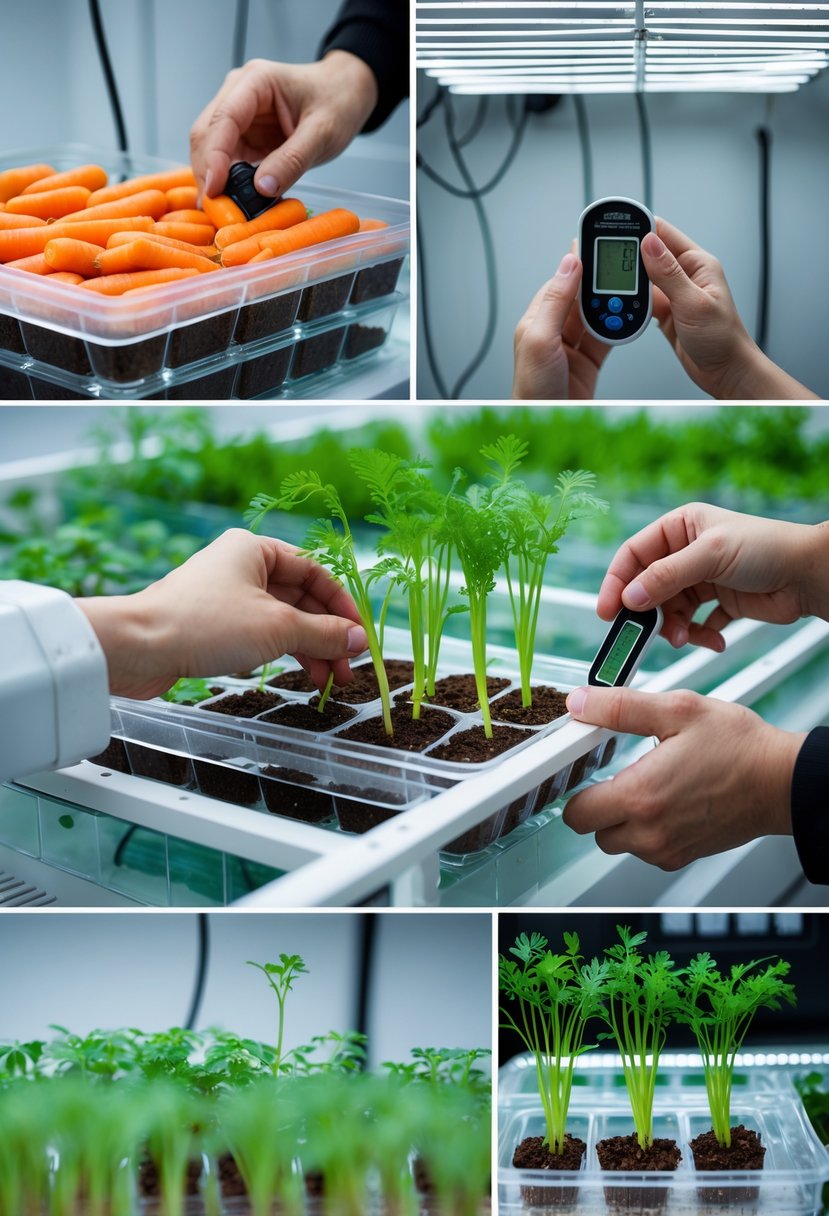
You need to carefully set up your hydroponic system to give your carrots the right start and ongoing care. Focus on seed sowing, keeping water clean and nutrient-rich, and controlling light and temperature to support steady growth.
Sowing Carrot Seeds In Hydroponics
Start by selecting carrot seeds suited for hydroponic growth, usually shorter or rounder varieties. Use a fine, soilless medium like coconut coir or perlite to help support the seeds.
Place your seeds about ½ inch deep in the medium. Keep the medium moist, but not soaked, to encourage germination. Using a DIY mason jar pour spout can help you water gently without disturbing seeds.
Maintain a humidity of around 90% during germination. Carrot seeds usually take 10 to 14 days to sprout. Once seedlings appear, thin them to avoid crowding, leaving about 2 inches between plants.
Maintaining Water Quality And Nutrients
Clean water is key in hydroponics. Use filtered or distilled water to avoid chemicals that harm plants. Change the water every 1-2 weeks to prevent buildup of salts or algae.
Add a balanced nutrient mix high in potassium and phosphorus for root growth. Aim for an electrical conductivity (EC) level around 1.5 to 2.0 mS/cm to supply enough nutrients.
Check the pH regularly. Keep it between 6.0 and 6.5, adjusting with pH up or down solutions. Poor water quality can stunt carrot growth or cause nutrient deficiencies.
Lighting And Temperature Control
Carrots grow best with 12 to 16 hours of light per day. Use full-spectrum LED grow lights positioned 12-18 inches above your plants to simulate natural sunlight.
Maintain temperatures between 60°F and 75°F to promote healthy growth. Cooler temps can slow growth, while higher temps may cause bitterness in roots.
Avoid sudden light or temperature changes, as carrots prefer steady conditions. A small fan can help with air circulation and prevent mold or fungal problems inside your hydroponic setup.
Ongoing Care And Common Challenges
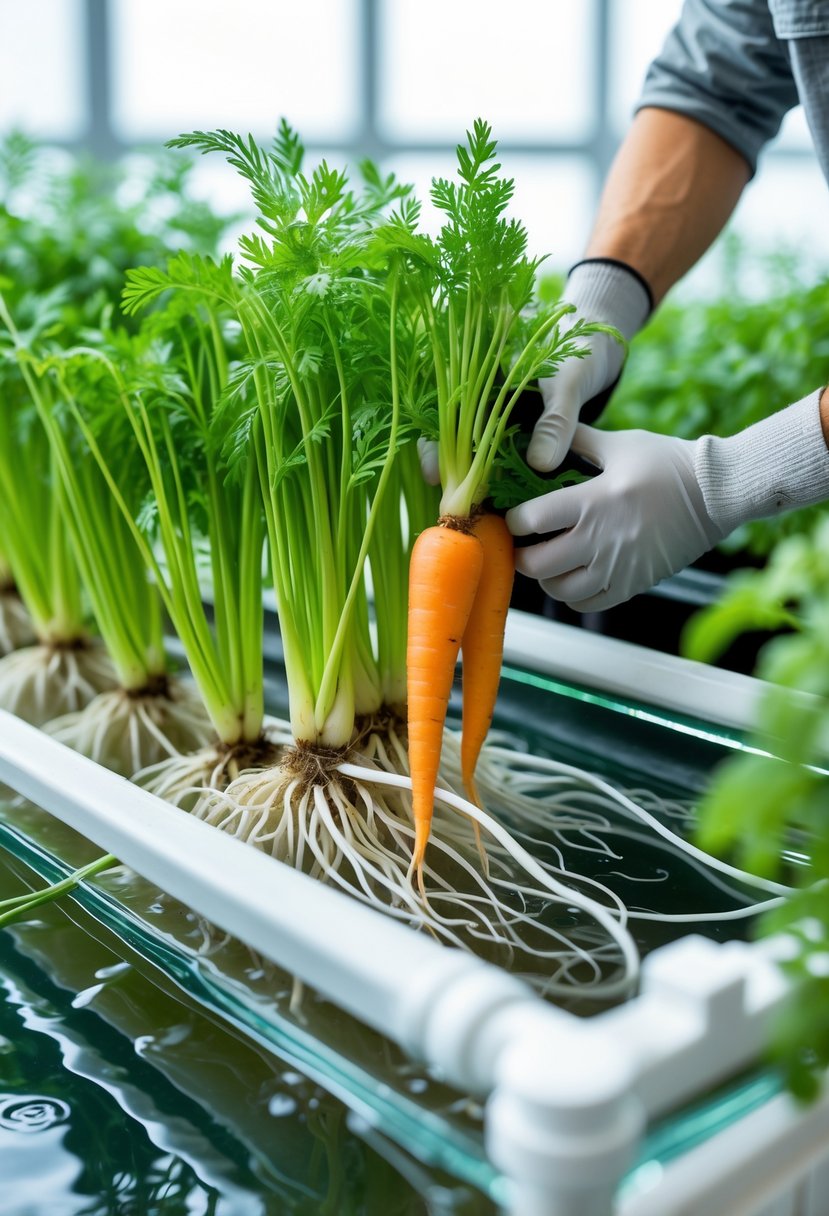
To keep your hydroponic carrots healthy, you need to watch their growth closely, manage pests and diseases carefully, and address common problems as soon as they appear. Proper care during growth helps prevent many issues before they become serious.
Monitoring Growth And Root Health
Pay close attention to your carrots’ roots and leaves. Healthy roots should be white or light tan with a firm texture. Dark, slimy, or foul-smelling roots often mean overwatering or poor oxygen levels.
Check your nutrient solution regularly. Maintain a pH between 5.8 and 6.3 for proper nutrient uptake. Nutrient levels must be balanced because both deficiencies and excesses can stunt growth.
Keep the water temperature steady, ideally around 65°F. Fluctuations can stress your plants. Inspect leaves for color and firmness; yellowing or wilting leaves may signal nutrient problems or root issues.
Pest And Disease Management
Hydroponic systems reduce many soil pests, but you must still guard against airborne insects like aphids or whiteflies. Use sticky traps to monitor pest presence.
Fungal diseases can occur if humidity is too high or airflow is poor. Keep your hydroponic setup clean and ventilated to prevent mold growth.
Chemical pesticides are rarely needed, but if pests become a problem, select ones safe for hydroponic plants and use them sparingly. Always isolate affected plants to stop the spread.
Troubleshooting Common Issues
If your carrots grow slowly, check pH and nutrient levels first. Imbalances often cause poor growth before pests or diseases show up.
Root rot is a common issue caused by too much water or poor oxygen circulation. Using an air stone or increasing airflow helps oxygenate the root zone.
Watch for uneven or misshapen carrots. This can happen if seeds are planted too close or the growing medium is too dense. Space carrots properly and use a loose medium to allow roots to expand.
Record your observations and adjust conditions quickly. Consistent monitoring is key to managing your hydroponic carrots successfully.
Harvesting And Using Hydroponic Carrots
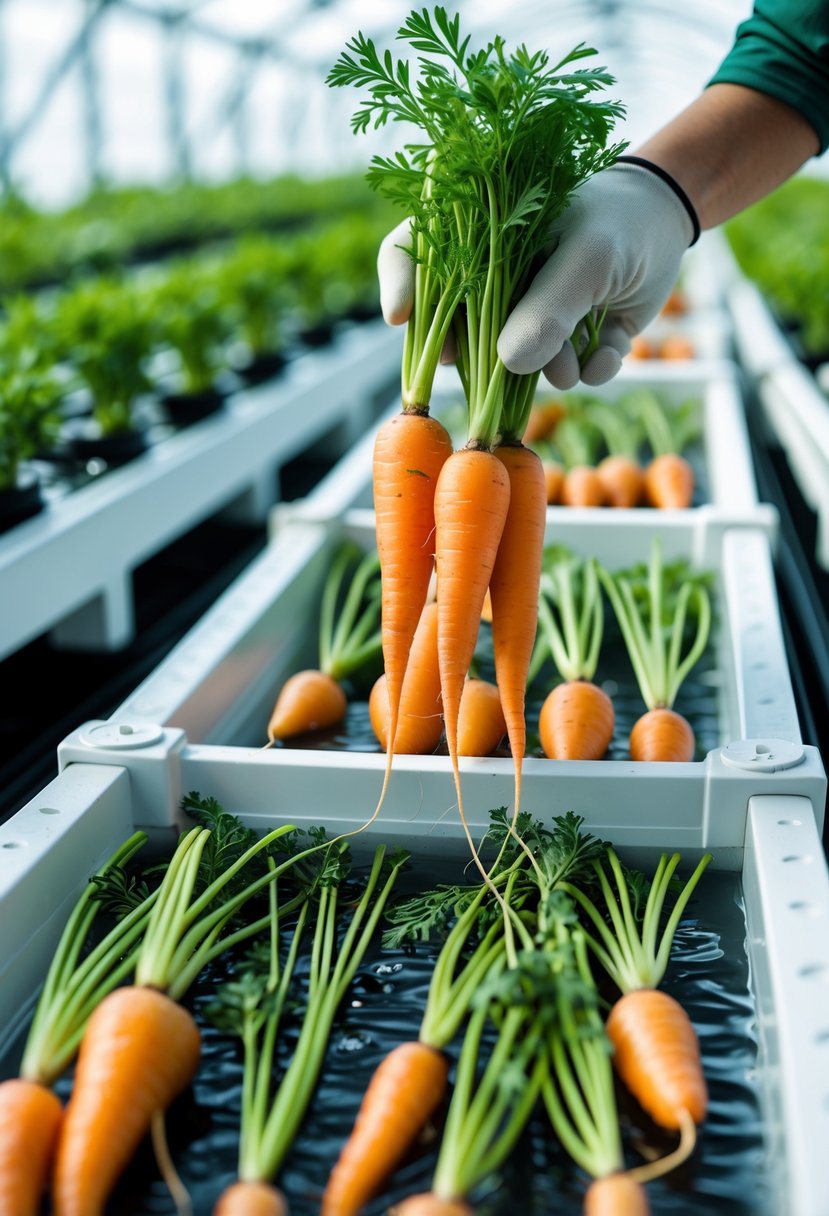
You will want to harvest your hydroponic carrots carefully to avoid damage and store them properly to keep them fresh. After harvesting, there are easy ways to clean your carrots and some creative ideas for using them, including pairing with herbs or using kitchen tools like a Mason jar oil dispenser.
Correct Harvesting Techniques
Use a sharp knife to cut your carrots at the base, just above the growing medium. Pulling them out by hand can break the roots or damage the carrots.
Check that the carrots have reached the right size, usually when the tops are ½ to 1 inch in diameter.
Harvest during the cooler part of the day to reduce stress on the plants.
Handle the carrots gently to avoid bruising. If you grow multiple types of carrots, keep track of each variety to harvest at the right time.
Cleaning And Storing Your Carrots
Rinse your carrots gently with cool water to remove any residue. Avoid scrubbing too hard to keep the skin intact.
If you plan to store them for a while, dry them carefully and trim the green tops. Leaving the tops can make the carrots go bad faster.
Store your carrots in the fridge inside a perforated plastic bag or wrapped in a damp cloth. A cool, dark place with humidity between 95-98% is best.
Using a Mason jar oil dispenser, you can store homemade carrot-infused oils or dressings to use later, helping reduce waste and add flavor.
Creative Ways To Use Hydroponic Carrots
Fresh hydroponic carrots pair well with many herbs like thyme, basil, or parsley for added flavor. Add chopped herbs to carrot salads or roasted dishes.
Enjoy carrots raw as snacks with dips or blend them into juices and smoothies.
You can roast sliced carrots with a drizzle of oil from your Mason jar oil dispenser and a sprinkle of your favorite herbs.
Try carrot soups or add shredded carrots to baked goods for moisture and nutrition. Using fresh herbs and oils enhances these simple recipes without extra complexity.
Innovative Projects And Future Trends In Hydroponics
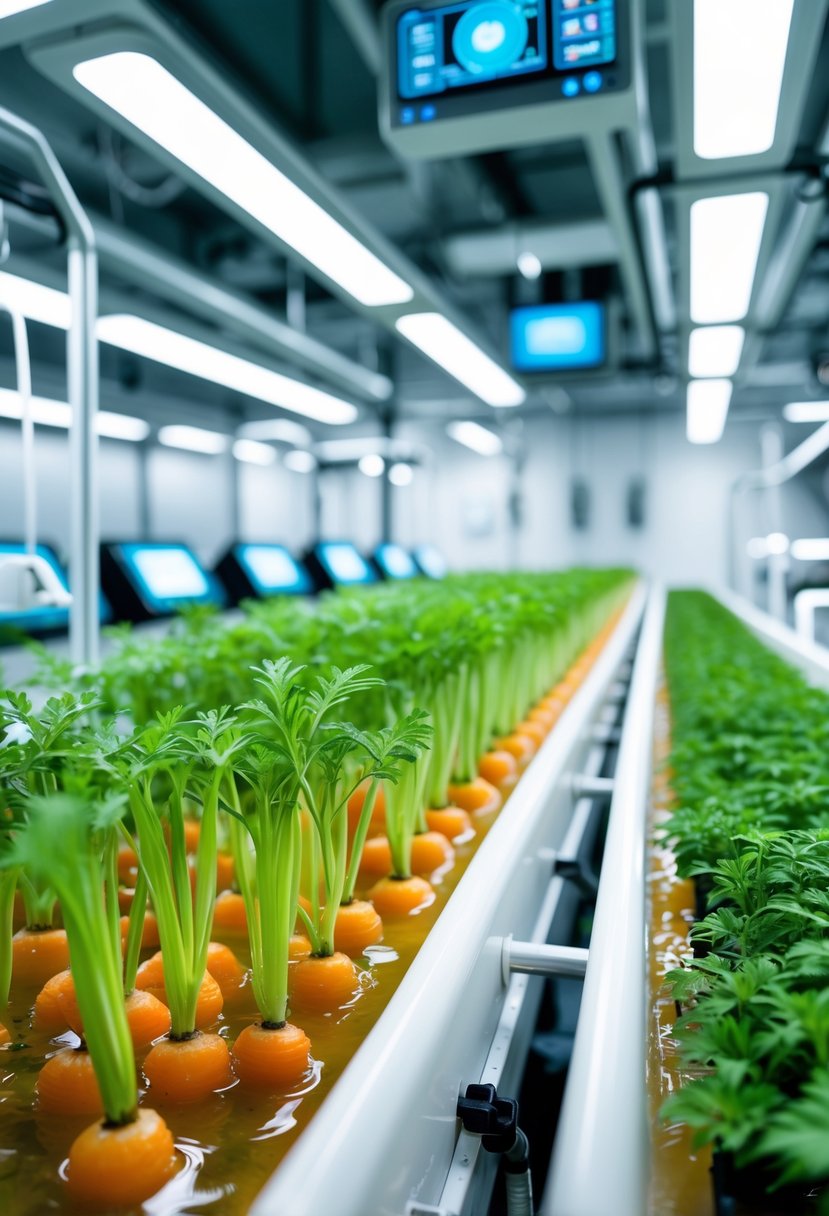
New ideas in hydroponics focus on making systems easier to build, more eco-friendly, and smarter with technology. These trends can help you grow healthier plants in smaller spaces while using fewer resources.
Diy Mason Jar Hydroponics Projects
You can start a simple hydroponic garden at home using mason jars. These projects are popular because jars are easy to find, inexpensive, and small enough for any room or kitchen counter.
A basic mason jar setup includes a jar filled with water and nutrients, a net pot to hold your carrot seeds or seedlings, and a cover to support the plant. You’ll need to change the nutrient solution weekly to keep it fresh.
One well-known project, the Eco System In A Jar, shows how you can create a balanced environment inside the jar. It recycles water and nutrients efficiently, making it a useful model for small-scale carrot growing.
Sustainability And Eco-Friendly Setups
You can reduce waste and energy use by choosing sustainable materials and methods. Using recycled containers or natural growing media helps cut down on environmental impact.
Many 2025 hydroponic systems focus on water recycling and energy-efficient lighting. LED lights designed specifically for plant growth use less power and last longer.
You should also consider organic nutrient solutions instead of chemical ones to improve sustainability. Using these eco-friendly setups saves money and supports healthier plant growth for your hydroponic carrots.
Emerging Hydroponic Technologies
New technology is making hydroponics easier and more efficient. Artificial intelligence (AI) helps monitor crop health by tracking growth, humidity, and nutrient levels in real-time. This means you can spot problems early and adjust conditions quickly.
The Meteor Garden 2025 system is an example of modular hydroponics. It lets you expand your garden in pieces, which works well in small spaces or urban homes.
Other advances include IoT devices that connect your hydroponic system to your smartphone. This remote control lets you manage watering and nutrient supply even when you’re away.
| Technology | Benefit | Example |
|---|---|---|
| AI Monitoring | Real-time health checks | Automated alerts |
| Modular Systems | Flexibility and space-saving | Meteor Garden 2025 |
| IoT Integration | Remote control and data access | Smartphone apps |
Frequently Asked Questions
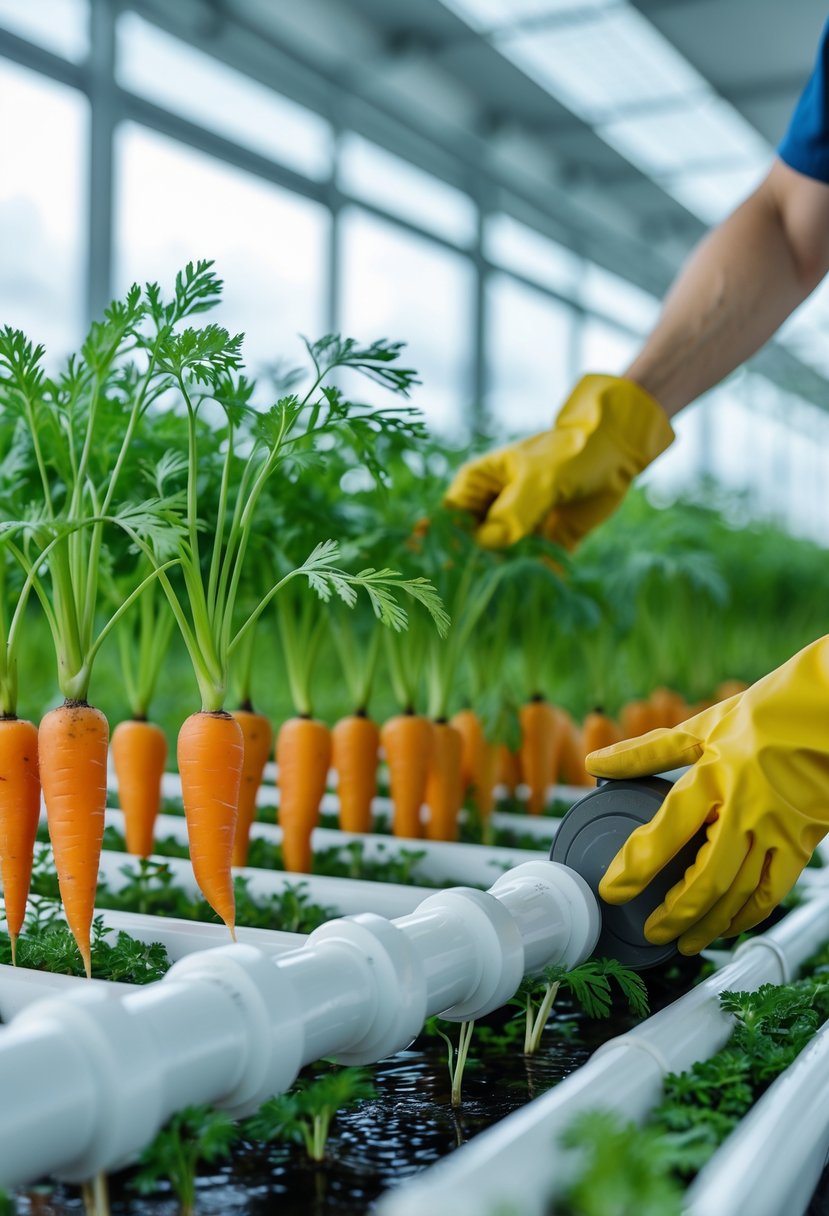
You need the right nutrient mix, setup type, and growing medium for the best carrot growth. Timing and growth stages are important to plan, and different systems like aeroponics work differently than traditional hydroponics.
What is the optimal nutrient solution for growing carrots hydroponically?
You should use a balanced nutrient solution with all essential elements like nitrogen, phosphorus, potassium, calcium, and magnesium. Keep the pH between 5.8 and 6.3 to help your carrots absorb nutrients well.
How do you set up a Kratky system for hydroponic carrots?
The Kratky method is not ideal for carrots because their roots need more space and oxygen. While you can try it, it’s better to use systems that provide continuous nutrient circulation and aeration.
Can carrots be grown in vertical hydroponic systems, and if so, how?
Yes, you can grow carrots vertically if you use deep enough containers to allow root growth. Make sure the medium is loose and supports root development without crowding.
Which growth mediums are best for hydroponic carrot cultivation?
Loose, well-draining mediums like coconut coir, perlite, or a mix of both work best. They hold moisture but also allow air to reach the roots, which carrots need to grow straight and healthy.
What are the growth timelines and stages for hydroponic carrots?
Carrots germinate in about 7 to 14 days with soil temperature around 60-65°F. The growing phase lasts 10 to 12 weeks, depending on the carrot variety and growing conditions.
How is aeroponics different from traditional hydroponics in growing carrots?
Aeroponics sprays nutrient solution directly onto the roots suspended in air, which increases oxygen supply. Traditional hydroponics usually submerges roots or uses a medium soaked in solution, which affects water and oxygen availability differently.