How to Grow Cloves Plant: A Practical Guide from Seed to Spice
Growing clove plants can be a rewarding experience if you provide the right conditions. Clove trees grow best in warm, humid climates with rich, well-draining soil and need consistent moisture to thrive. These evergreen trees are slow to mature but can live for many decades, producing the fragrant flower buds used as the spice cloves.
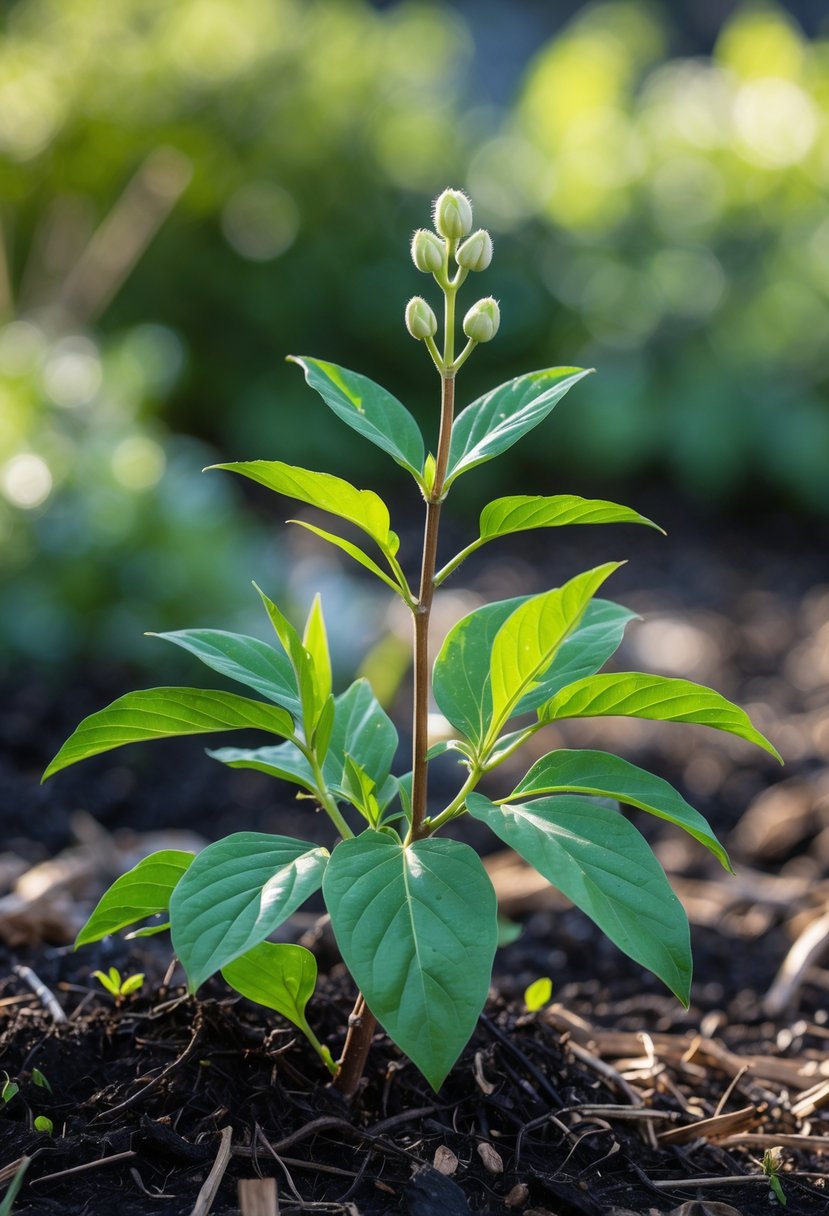
If you want to start growing cloves, patience is key. Seeds need light to germinate and should be planted fresh for the best results. Young plants often benefit from some shade before they can handle full sun. With proper care and attention to watering, soil, and temperature, you can successfully grow cloves in your garden or containers.
Key Takeways
- Clove trees require warm temperatures and high humidity to grow well.
- Fresh seeds need light to sprout and take several weeks to germinate.
- Keep soil moist but well-drained to avoid root problems.
Clove Plant Essentials
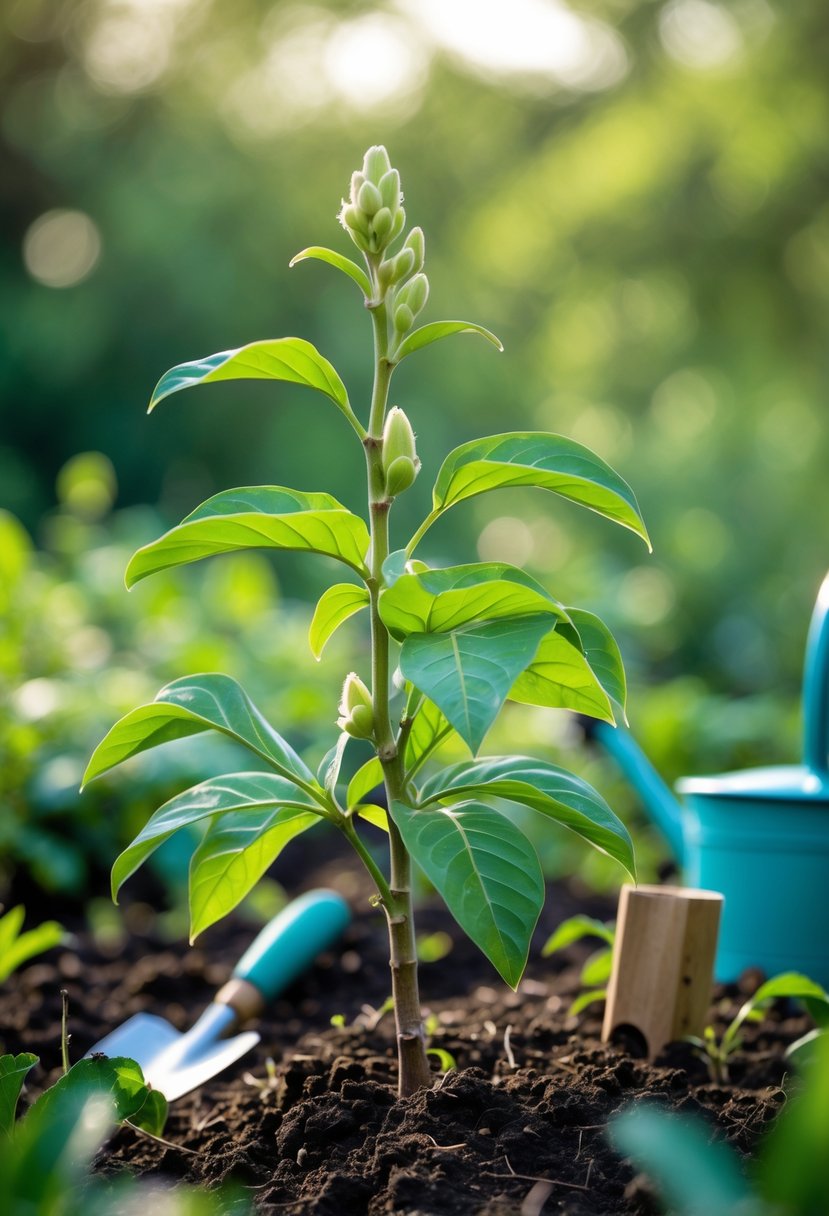
Growing cloves requires attention to specific plant traits, climate needs, and soil conditions to ensure healthy growth and good yields. Understanding these core elements will help you provide the right environment for your clove tree.
Clove Tree Characteristics
The clove tree, Syzygium aromaticum, is an evergreen tropical plant that can grow between 15 and 30 feet tall. It has broad, glossy leaves and produces flower buds that turn from green to pink before harvest. These unopened buds are the cloves used as spice.
Clove trees grow slowly and typically take 15 to 20 years to reach full maturity. You will see blossoms after about 6 to 10 years. The tree remains evergreen year-round and produces aromatic flowers mainly in cooler seasons.
Minimal pruning is needed to maintain shape or height after harvesting. You will want to pick the buds by hand when they change color to get the best flavor and aroma.
Ideal Climate and Temperature
Clove trees thrive in warm, humid climates. They require temperatures consistently above 50°F (10°C) to survive and produce well. Tropical or subtropical environments with high humidity are ideal.
Your clove tree needs full sun for at least six hours a day or partial shade. If your climate is cooler, you might grow clove trees in pots indoors or in greenhouses to maintain warmth and humidity.
Avoid frost or sudden temperature drops, as these can damage the tree. Consistent warmth helps the clove buds develop right and protects the plant from stress.
Soil and Location Requirements
Choose well-draining, loamy soil rich in organic matter for your clove tree. The soil pH should be neutral to slightly acidic (around 6.0 to 7.0). Good drainage prevents root rot from overwatering.
Plant your clove tree where it can get at least six hours of bright sunlight daily with some airflow. Avoid heavy clay soils or areas where water tends to pool.
Keep the soil evenly moist, especially during the first three to four years, watering several times a week if rainfall is low. Mulching helps maintain soil moisture and temperature.
Fertilize your tree every three months during the growing season with well-composted manure or a balanced fertilizer to support healthy growth.
How to Grow Cloves from Seed
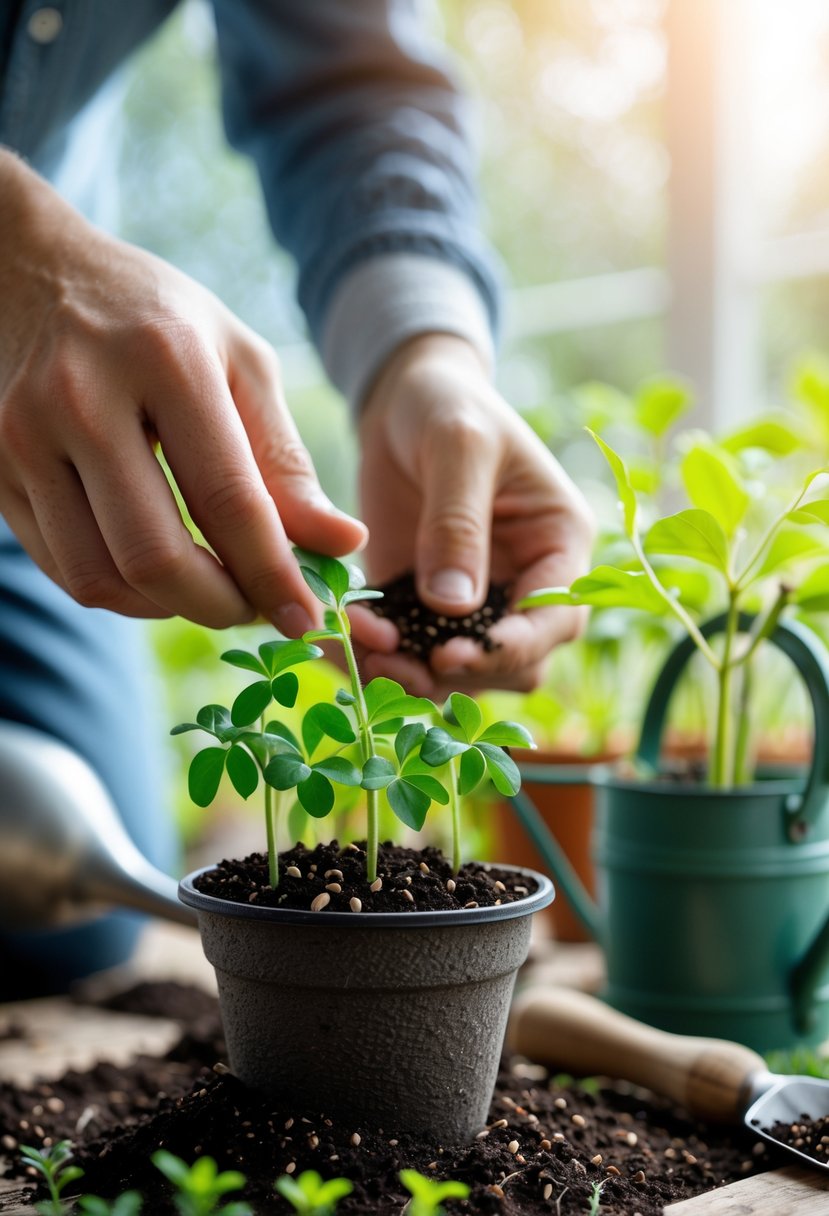
Growing cloves from seed requires careful attention to seed quality, moisture, and temperature. You will prepare your seeds quickly after harvesting, support germination in a warm, humid environment, and provide steady care as young plants develop.
Selecting and Preparing Viable Seeds
Start with fresh clove seeds because they lose their ability to sprout fast. You need seeds collected within 24 to 48 hours before planting to have the best chance of germination. Healthy seeds should be moist and plump, not dry or shriveled.
Before planting, remove the fleshy coating around the seed if it is still present. This helps the seed absorb water better and reduce the chance of mold. Prepare your soil mix by combining garden soil, organic compost, and a bit of sand to improve drainage and nutrition. The pH should be slightly acidic, around 6.0.
Seed Germination Process
Plant your seeds about one inch deep in small nursery bags or seed trays filled with the prepared soil mix. Place the pointed end of the seed facing upward. After planting, water the soil lightly to keep it moist but not soggy.
Keep your seeds in a warm, shady spot with good humidity. Wrapping the planter in plastic or placing it in a humid environment works well. You should see tiny green shoots appear in about three weeks. Check soil moisture daily and water when it starts to dry out.
Transplanting and Early Care
Once seedlings reach about 8 to 10 inches tall and develop strong roots, carefully transplant them into larger pots or your garden. Choose a spot with partial shade and well-drained soil to protect young plants from direct sun.
Water your seedlings regularly to maintain soil moisture, especially during dry periods. Add organic mulch around the base to keep the soil cool and reduce weeds. Prune any dead or unhealthy branches to help the plants grow stronger. Young clove plants need attention to humidity, water, and protection from harsh sunlight for the first few years.
Clove Planting and Ongoing Care
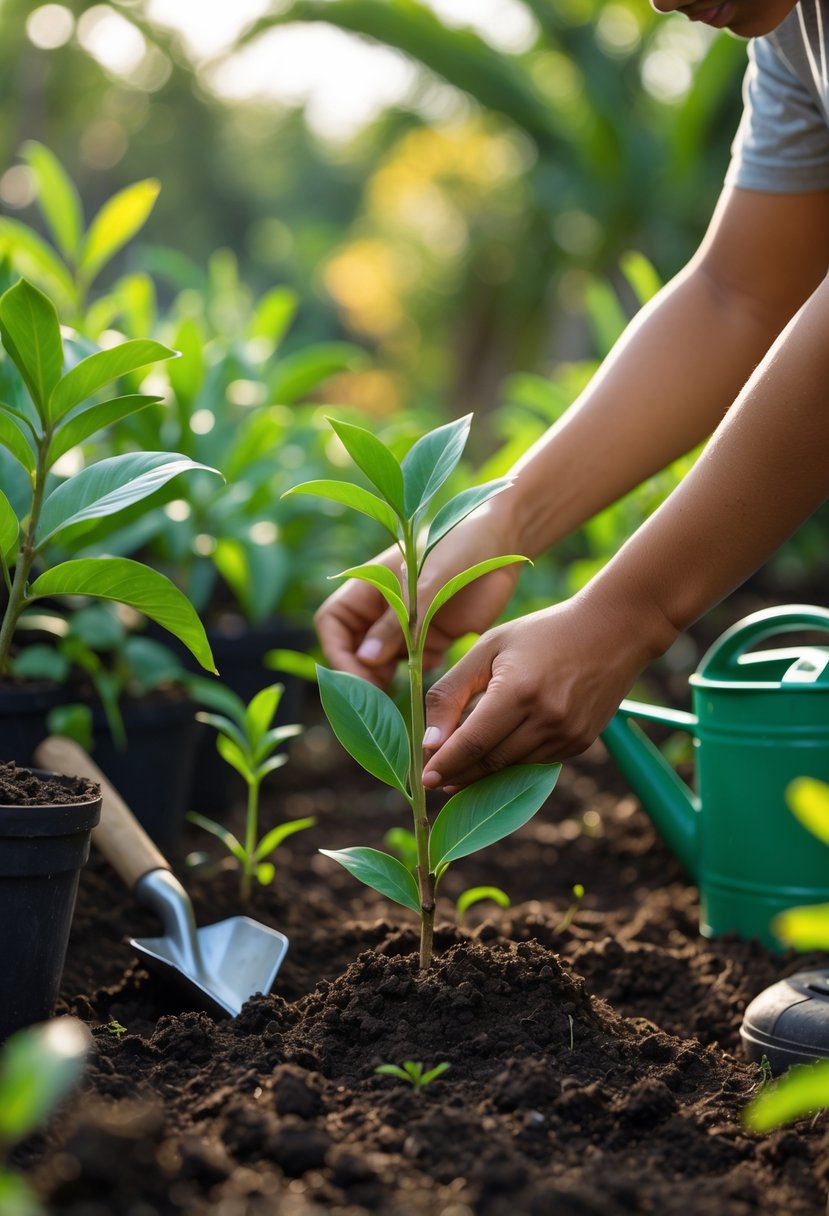
Growing clove trees needs careful planting methods, consistent moisture, and nutrient balance. You must also prune properly and watch for pests to keep the tree healthy and productive.
Proper Planting Technique
Start by choosing a warm, humid spot with rich, well-draining soil. Dig a hole twice as wide as the clove tree’s root ball. Mix compost into the soil you removed to improve fertility and structure.
Place the tree in the hole at the same depth it was in its pot. Fill the hole with the soil mixture and press gently to remove air pockets. Water the tree well after planting.
Add mulch around the base, keeping it a few inches from the trunk. This keeps moisture in the soil and reduces weed growth. Space mature trees 10 to 20 feet apart to allow room for growth and air circulation.
Using fresh seeds for planting is best, as they lose viability quickly. Seeds usually take about 3 to 12 weeks to sprout.
Watering, Humidity, and Fertilizing
Clove trees need soil that is moist but not waterlogged. Use drip irrigation or water deeply and regularly to keep the soil damp. Avoid letting the roots sit in standing water.
These trees thrive in humid air. If you live in a dry area, use humidity trays or mist leaves often. Young trees prefer partial shade, while mature trees grow well in full sun.
Feed your clove tree twice a year with a balanced NPK fertilizer. Nitrogen supports leaf growth, phosphorus helps flowers and roots, and potassium boosts overall health. Adding micro fertilizers like zinc and iron improves nutrient uptake. Gel fertilizers can retain soil moisture, reducing watering needs.
Pruning and Pest Management
Prune your clove tree by cutting off dead or damaged branches to improve air flow and prevent disease. Regular checks will help catch problems early.
Watch for pests such as scale bugs, fruit flies, soft scale bugs, and nematodes. These can weaken your tree if left unchecked. Use appropriate insecticides or natural pest control methods.
Be alert for diseases like Sumatra disease and Eucalyptus canker. Remove infected parts quickly to stop spread.
Keep the growing area clean and mulched to reduce pests and disease risks.
Harvesting and Using Cloves
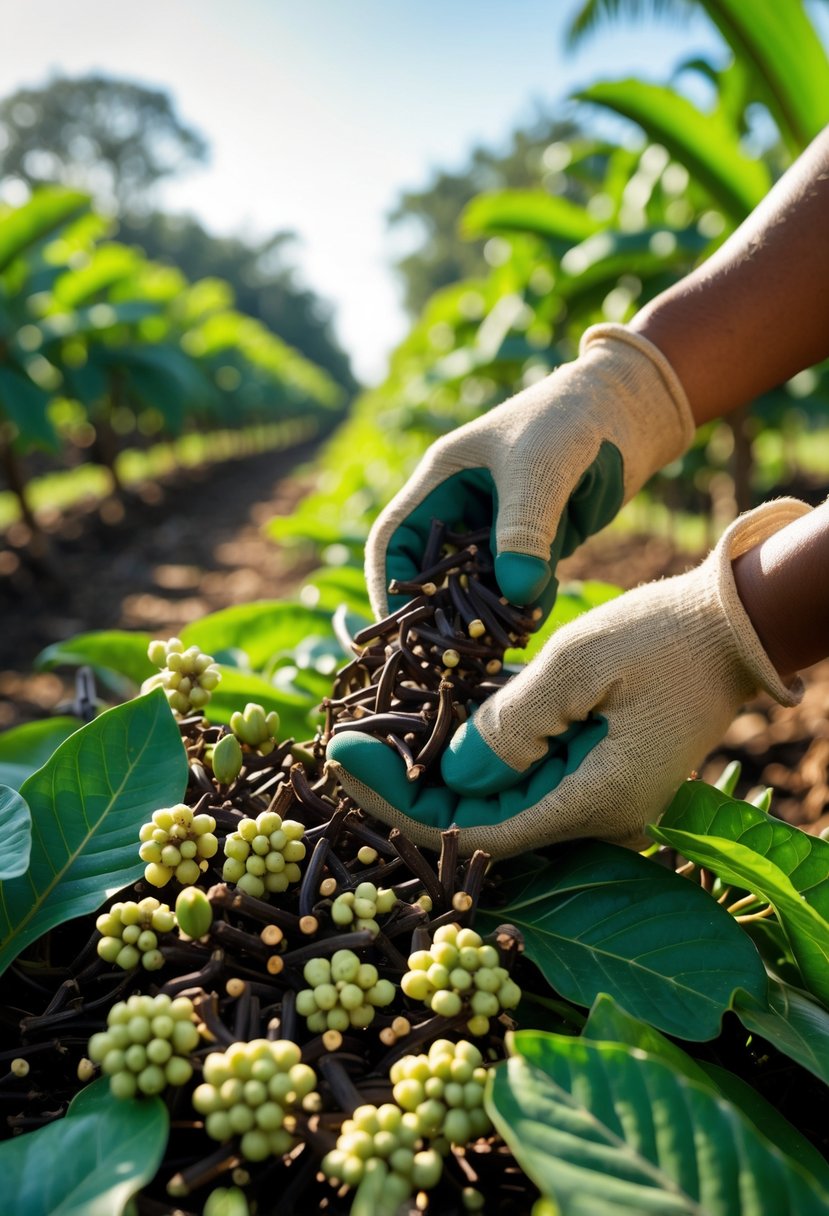
Knowing when and how to harvest your cloves is key to getting the best flavor and quality. After harvesting, proper drying and storage will keep them fresh. Beyond cooking, you can also use other parts of the clove tree for different purposes.
Identifying Harvest-Ready Buds
You can tell cloves are ready to harvest when the flower buds change color. Look for buds that are pink or slightly reddish. They should be firm and not fully open yet.
Harvest at this stage because unopened buds hold the most aroma and flavor. Use clean pruning shears to cut the buds carefully without damaging the tree.
Avoid waiting too long. If buds turn brown on the tree or open fully, they lose quality and are less useful as a spice.
Drying and Storing Cloves
After cutting, spread the buds out in a single layer to dry. Use a well-ventilated, shaded area to prevent direct sun from causing loss of oils or fading.
Drying usually takes several days. When the cloves are hard and dark brown, they are fully dried.
Store dried cloves in an airtight container. Keep them in a cool, dark place to protect their flavor and potency.
Regularly check stored cloves for moisture or mold, and discard if any spoilage appears.
Additional Uses of Clove Tree
Besides the buds, clove tree leaves and oil have applications. You can use clove leaf oil for its antimicrobial properties.
The wood of mature clove trees can be used in carving or small woodworking projects.
Growing cloves also adds an ornamental value to your garden because of its glossy leaves and pleasant smell.
You can harvest leaves occasionally for teas or natural remedies, but avoid over-harvesting to keep your plant healthy.