How to Grow Black Pepper Plant at Home: Step-by-Step Care Guide
Growing black pepper at home is possible if you provide the right care and environment. Black pepper plants need warm temperatures, high humidity, well-draining soil, and support for their long vines to thrive. These conditions mimic their natural tropical habitat and help your plant grow strong and healthy.
You can start your black pepper plant from seeds or cuttings. Both methods require patience, as it may take a few years before the plant produces peppercorns. With the right watering, light, and fertilization habits, you can enjoy fresh black pepper from your own garden or indoor space.
Key Takeways
- Black pepper plants require warm, humid, and well-drained soil conditions.
- Providing support like a trellis is necessary for vine growth.
- Growing from seeds or cuttings needs patience for harvesting.
Understanding Black Pepper Plants
Black pepper plants are tropical vines that need warm, humid conditions to grow well. They have specific growth habits and come in a few popular varieties suited for home growing. Knowing these details helps you care for your plant properly and expect the best results.
Origins and Natural Habitat
Black pepper (Piper nigrum) originates from the tropical regions of South India, particularly the Western Ghats. It thrives where temperatures stay between 75°F and 85°F with high humidity.
In nature, black pepper grows as a climbing vine on trees or supports in dense, moist forests. The climate is consistently warm and wet, which is key to healthy growth. If you live outside tropical zones, you’ll need to mimic these conditions indoors or in a greenhouse.
The soil it prefers is rich in organic matter, slightly acidic with a pH between 5.5 and 6.5, and it requires good moisture retention without waterlogging.
Plant Characteristics and Growth Habits
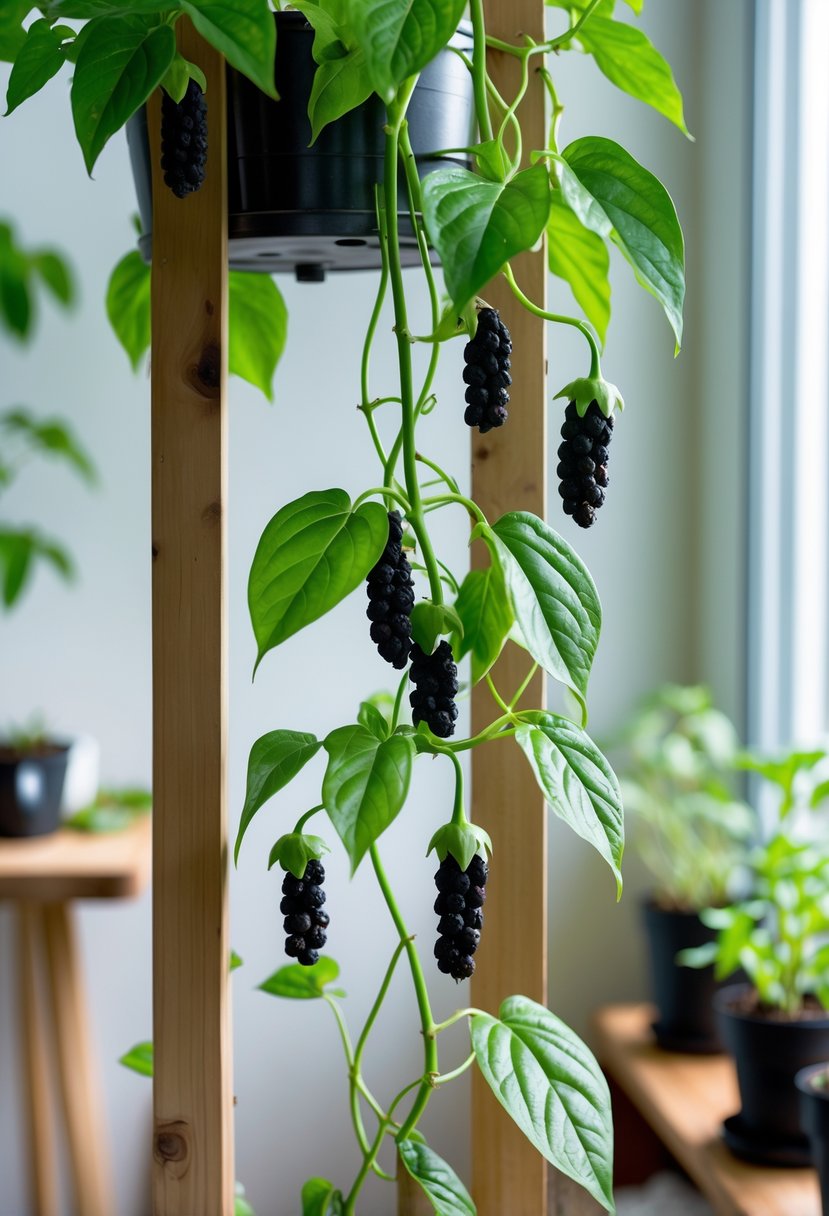
Your black pepper plant is a perennial climbing vine that can grow 10 to 15 feet or longer with proper support.
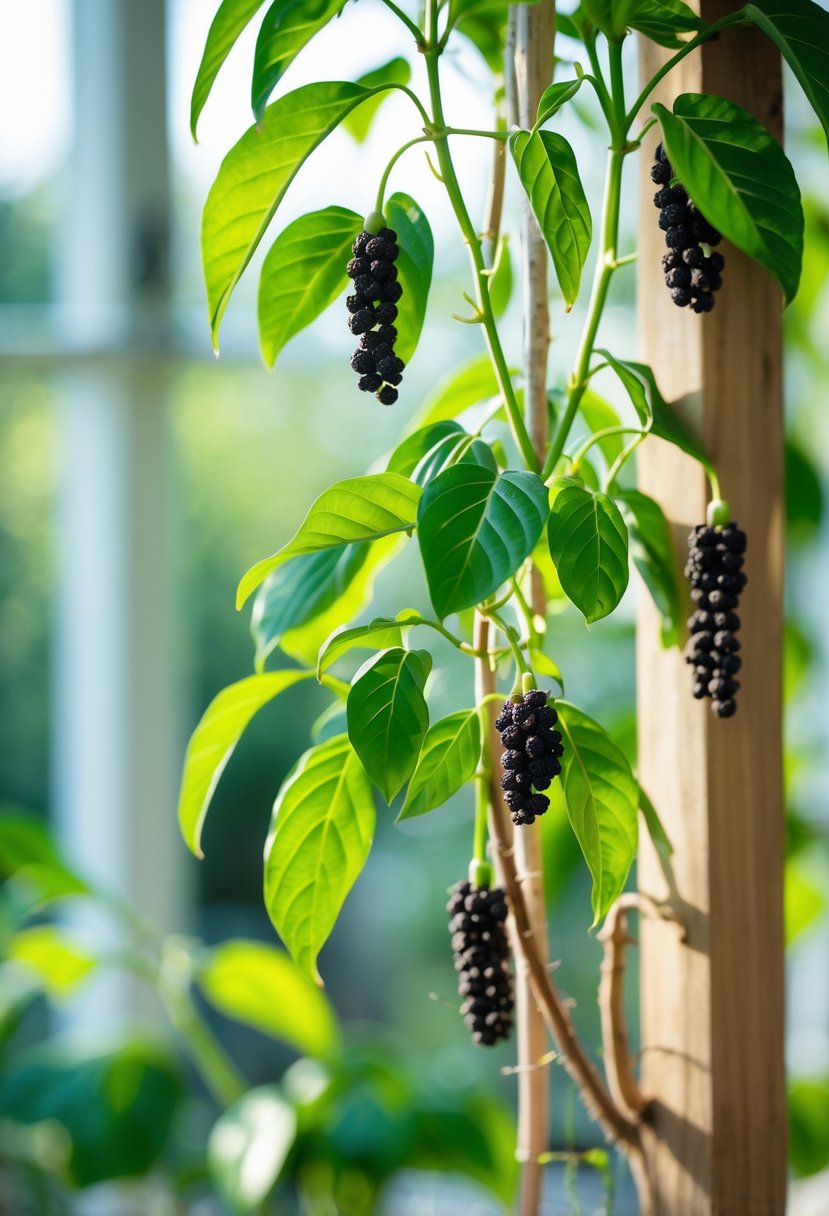
The vines produce heart-shaped green leaves and small white flowers that develop into tiny fruit clusters. These fruits, or peppercorns, start green, turn red when ripe, and eventually dry into the black pepper spice you use.
The plant needs a trellis or support to climb, as it cannot support itself. It prefers indirect sunlight or partial shade to avoid leaf scorching.
Daily watering to keep the soil moist and maintaining high humidity will support steady vine growth and fruit production.
Popular Varieties for Home Growing
Several black pepper varieties exist, but some are better for home cultivation due to their adaptability and aroma.
- Malabar: A well-known Indian variety with strong aroma and flavor. It is widely grown for commercial and home use.
- Tellicherry: Another Indian type known for its larger peppercorns and robust flavor.
- Sri Lankan Black Pepper: Less common but adapted to home growing in tropical climates.
Choosing a variety from a reputable nursery ensures healthy plants with good fruiting potential. Start with a young plant rather than seeds for faster results and easier care.
Essential Growing Conditions
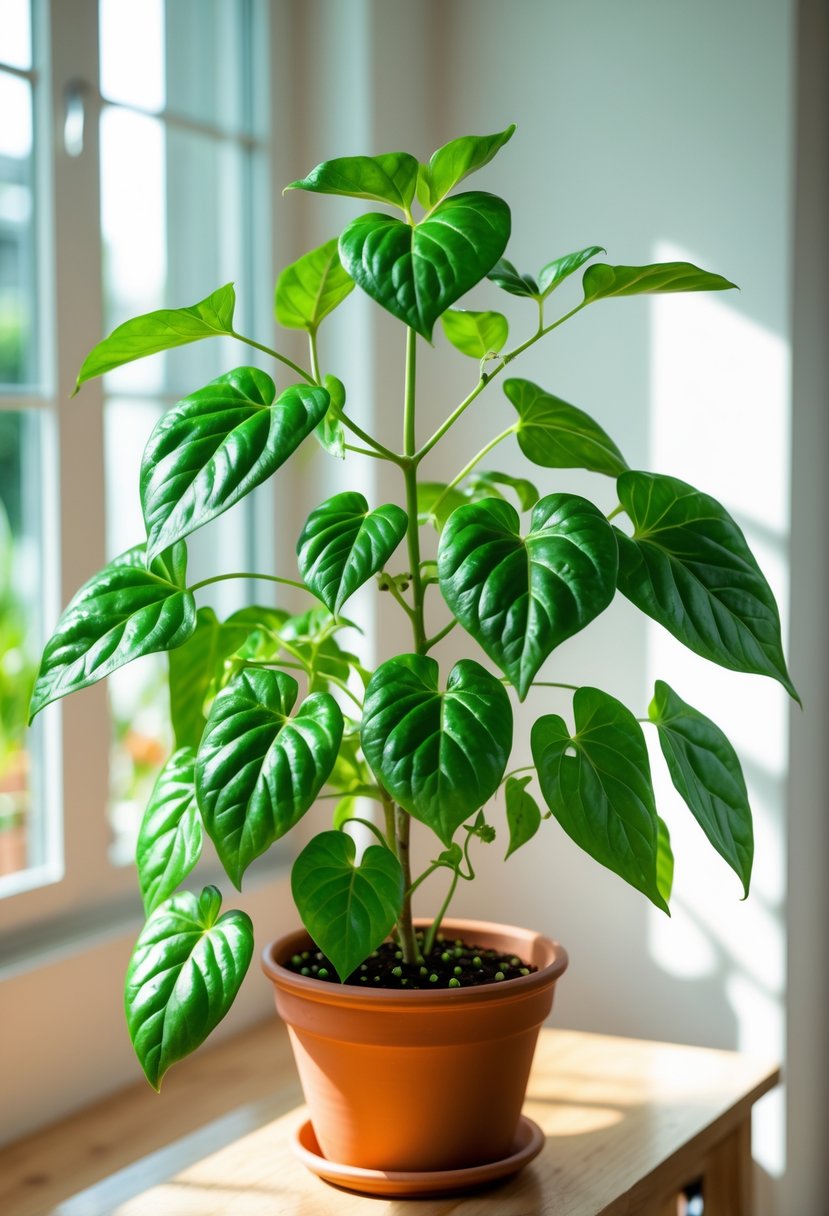
Black pepper plants need specific care to thrive. You must provide the right light, soil, temperature, and humidity. Where you grow the plant, indoors or outdoors, will also affect its health and fruit production.
Light Requirements and Placement
Black pepper plants grow best with 6-8 hours of bright, indirect sunlight each day. Too much direct sun can burn the leaves, while too little light causes weak, leggy growth and pale leaves. If you grow your plant indoors, place it near a window where it gets filtered sunlight.
If natural light is limited, using a full-spectrum grow light can help mimic sunlight. Outdoors, choose a spot with partial shade or morning sun and afternoon shade. This balance supports healthy leaf development and spice production.
Ideal Soil Composition and pH
Black pepper plants prefer well-drained, loamy soil with a slightly acidic to neutral pH between 5.5 and 6.5. This soil type ensures good root health and nutrient uptake. Before planting, prepare the soil by mixing in organic matter like compost or aged manure to improve fertility and drainage.
Avoid waterlogged soil, as it can cause root rot. Use pots with drainage holes if growing indoors, and maintain moist but not soggy conditions. Regularly check the soil’s moisture level to keep your plant healthy.
Temperature and Humidity Needs
Black pepper thrives in warm temperatures between 70°F and 85°F (21°C to 29°C). It is sensitive to cold and frost, so avoid exposing it to temperatures below 60°F (15°C). If you live in a cooler climate, keep the plant indoors or use a greenhouse during colder months.
Humidity should stay between 60% and 80%. To increase humidity indoors, mist the plant regularly or place the pot on a tray filled with water and pebbles. Maintaining warmth and humidity replicates the tropical conditions where black pepper naturally grows.
Choosing Between Indoor and Outdoor Cultivation
Deciding where to grow your black pepper depends on your climate. In tropical and subtropical regions, growing outdoors works well with natural warmth and humidity. Place the plant in a sheltered spot with partial shade.
For cooler or temperate areas, indoor cultivation is often best. You can control light, temperature, and humidity more easily. Use grow lights and a humidifier if needed. Whether indoors or outdoors, provide a trellis or support for the climbing vines to grow properly.
Step-by-Step Planting and Care
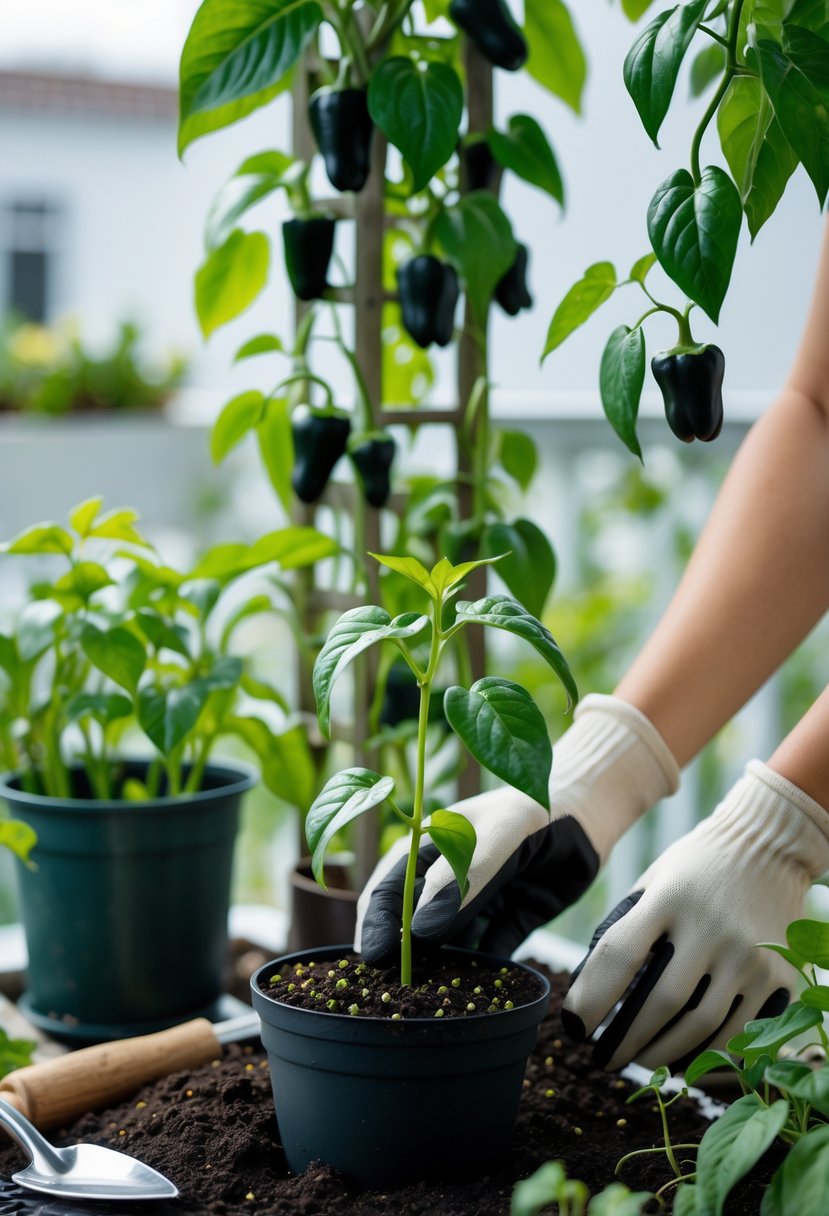
You need to start with healthy plants and maintain the right environment for black pepper to grow well. Proper planting methods and consistent care are essential to ensure strong growth and good fruit production.
Propagation from Seeds
Soak the seeds overnight in lukewarm water before planting. This helps soften the seed coat and speeds up germination. Use pots or containers filled with good-quality soil mixed with aged manure or compost in a 3:1 ratio.
Plant the seeds about 1/4 to 1/2 inch deep and cover lightly with soil or mulch. Keep the soil moist and warm, ideally around 75-85°F (24-29°C).
Germination usually takes 30 to 40 days. Provide indirect sunlight or shade until seedlings reach 5 to 6 inches tall, then transplant them to a larger space or outdoors if the climate suits.
Propagation from Cuttings
Select healthy runner shoots from an established black pepper vine around February or March. Cut lengths with 2 or 3 nodes, removing lower leaves. Dip the cut ends in rooting hormone if available to encourage root growth.
Plant the cuttings in moist, well-draining soil or potting mix. Use pots or plastic bags to maintain humidity around the cuttings. Place them in a warm, shaded area without direct sun.
Roots usually develop within a month. Once the cuttings show new growth, move them outdoors or into larger pots during late spring or early summer.
Watering Techniques and Moisture Balance
Keep the soil consistently moist but avoid waterlogging. Water your plants 2 to 3 times weekly or whenever the top inch of soil feels dry. Overwatering can cause root rot, while underwatering leads to dryness and poor growth.
Use mulch to help retain moisture and reduce evaporation. If growing indoors, mist the leaves regularly or place a tray of water below the pot to increase humidity around the plant.
A good balance of moisture supports healthy root and leaf development, which is crucial for the peppercorn production.
Fertilization and Mulching Strategies
Black pepper plants benefit from organic fertilizers like well-aged manure or nutrient-rich compost. Apply a liquid fertilizer every two weeks during the growing season to supply essential nutrients.
Adding Epsom salt occasionally can stimulate leaf and stem growth. For potted plants, add some compost as a side dressing.
Mulching twice a year with organic materials such as leaves, straw, or grass clippings helps keep the soil moist and controls weeds. Mulch also protects roots and reduces soil temperature stress.
Maintaining and Harvesting Black Pepper
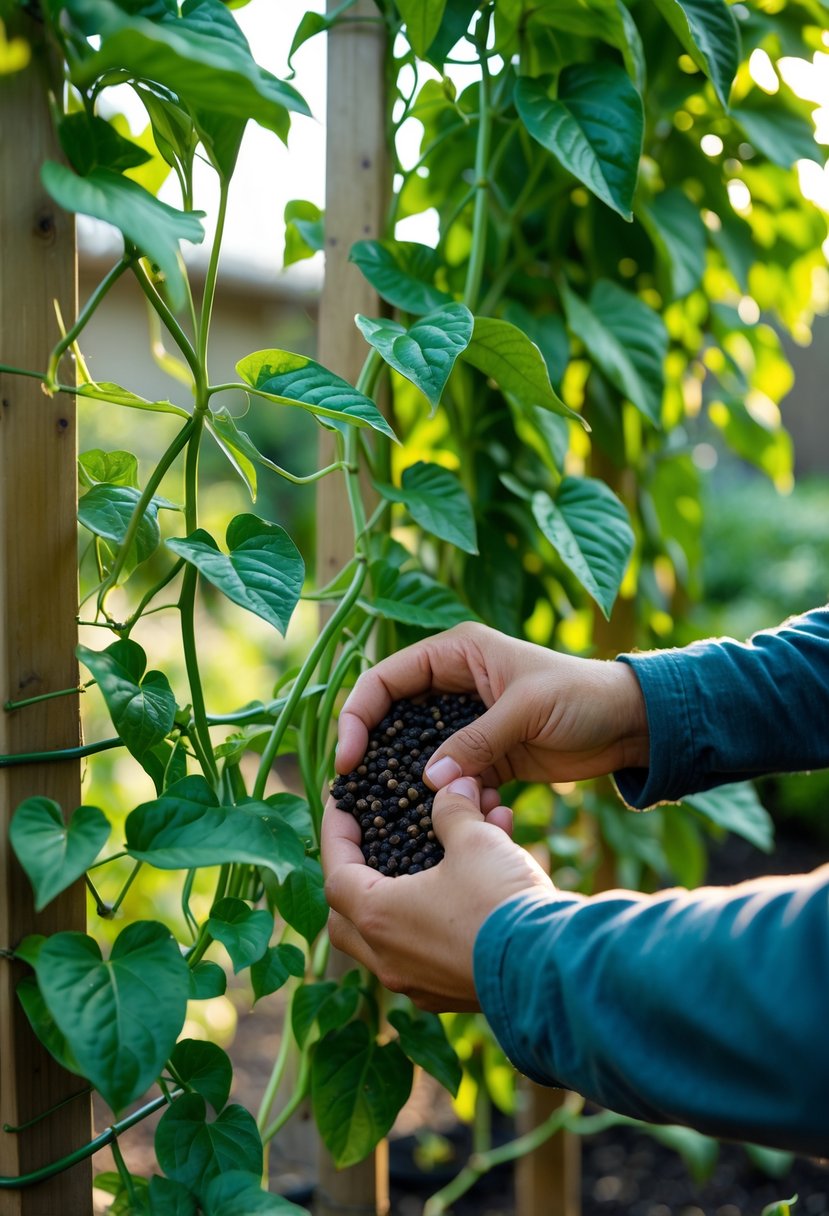
You need to manage your pepper plant’s growth carefully and watch for signs of problems. Proper support, regular care, and timely harvesting ensure healthy vines and quality peppercorns. Understanding how to handle pests and diseases will keep your plant strong.
Supporting and Training the Vines
Black pepper vines can grow very long, often reaching up to 30 feet. You must install a sturdy trellis or support close to the plant. Secure the trellis firmly in the ground, about 3 inches away from the base.
As the vine grows, gently tie the stems to the trellis with soft ties or twine. Avoid tight knots that could damage the vines. Training the plant to climb prevents sprawling and helps air circulation, which reduces disease risk.
Check the ties regularly and adjust them as the plant grows. This approach directs the plant’s energy into healthy upward growth.
Pruning and Regular Maintenance
Pruning helps keep your black pepper plant healthy and productive. Remove any dead, yellowing, or damaged leaves promptly to prevent disease spread. Trim back excessive vine growth to encourage new shoots.
Focus on thinning crowded areas to improve air flow. This reduces the risk of fungal infections. Use sharp pruning shears and sterilize them before cutting.
Regularly check soil moisture. Keep the soil moist but not waterlogged. Overwatering can cause root rot, so ensure proper drainage. Mist the leaves or place the pot on a water-filled tray with pebbles to maintain humidity.
Harvesting and Processing Peppercorns
Harvest peppercorns when their color changes from green to reddish-brown. The berries should feel firm and emit a strong peppery smell.
Pick the peppercorn clusters by hand carefully to avoid damaging the vines. After harvesting, you can use the peppercorns fresh or dry them for storage.
To dry, spread the peppercorns on a clean surface in a well-ventilated, shaded area. Turn them occasionally until fully dry. Store the dried peppercorns in an airtight container to keep flavor and freshness.
Common Pests, Diseases, and Solutions
Watch out for pests like aphids and spider mites, which may attack your plant. Use a neem oil spray or mild soap solution to treat infestations. Spray the leaves thoroughly and repeat as needed.
Overwatering can cause fungal diseases. Avoid watering the leaves directly and ensure good air circulation. Remove any infected leaves immediately.
Regularly inspect your plant for yellowing leaves or slowed growth. These might indicate nutrient deficiencies or low light. Adjust fertilizer use or move your plant to a brighter spot as needed.