How to Grow a Lemon Tree in a Pot: Complete Home Container Guide
Growing a lemon tree in a pot is a practical way to enjoy fresh citrus, even if you don’t have a garden or live in a cooler climate. You can successfully grow a lemon tree in a container by choosing the right pot, soil, and care routine tailored to its needs. This makes it possible to bring the tree indoors during cold weather while still enjoying homegrown lemons year-round.
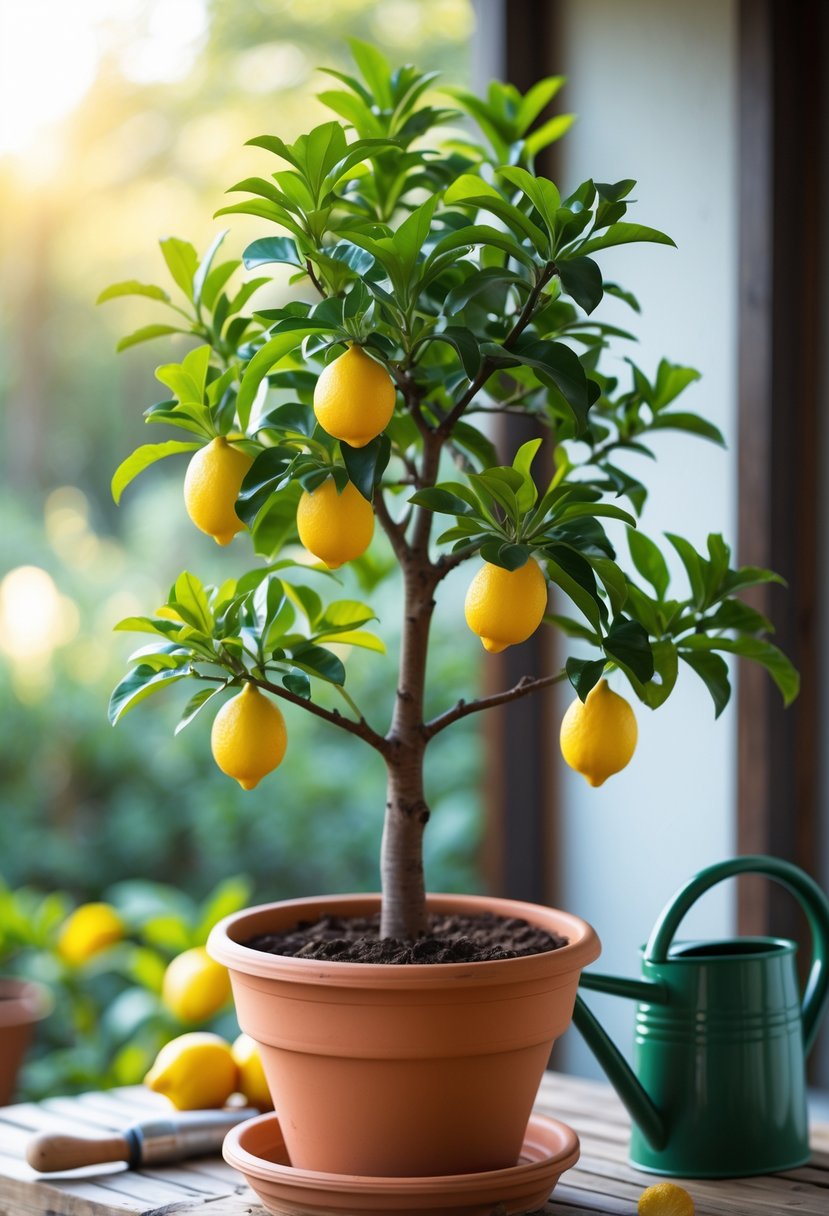
Your potted lemon tree will thrive with enough sunlight and proper watering, as lemon trees do not like their roots to stay wet for too long. Picking the right variety, such as Meyer lemons, which do well in pots, will improve your chances of a healthy, fruit-bearing tree.
With the right tools and knowledge, growing a lemon tree in a pot can be a straightforward and rewarding experience. This guide will help you understand the essentials that keep your tree healthy and productive.
Choosing the Best Lemon Tree and Variety
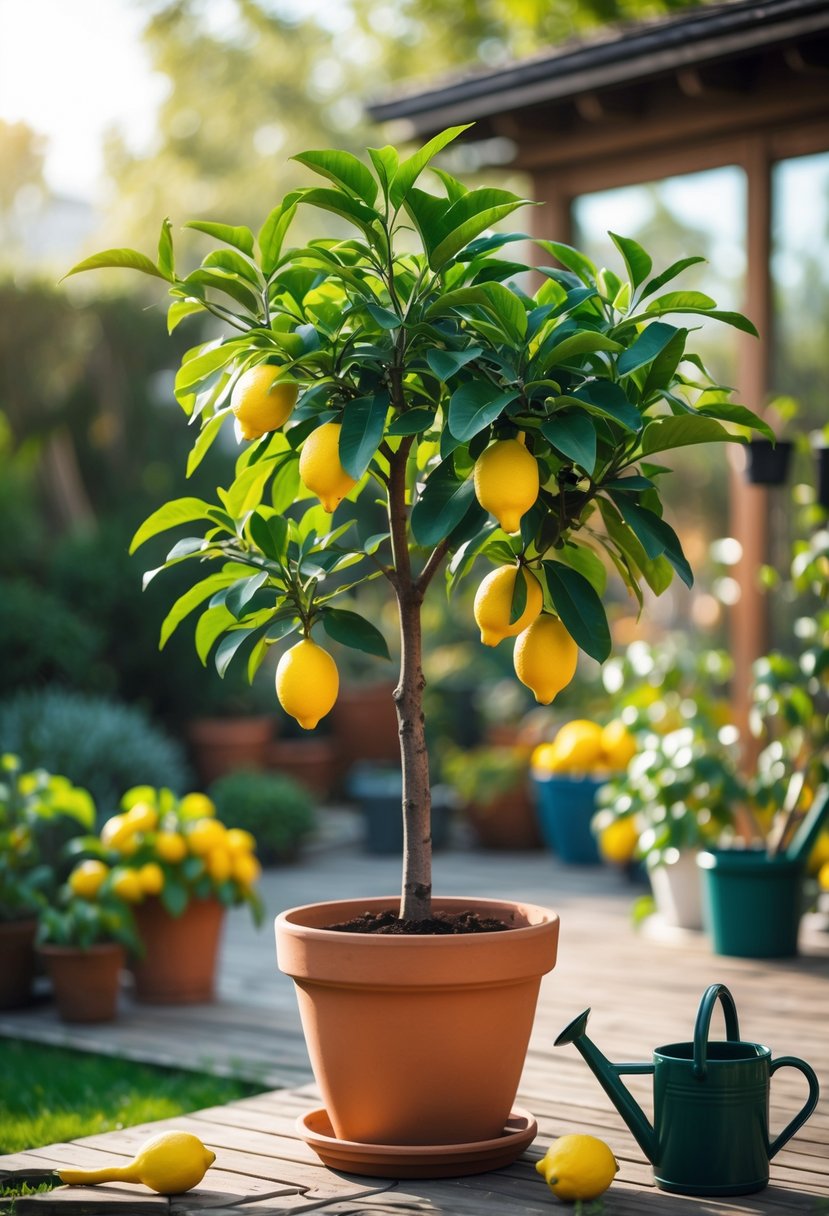
To grow a healthy lemon tree in a pot, you must pick the right type of tree and a strong starter plant. The size of the tree matters, as well as the variety, because it affects fruit quality and how well it adapts to container life. Choosing well will make your growing experience smoother and more rewarding.
Dwarf vs. Standard Lemon Trees
For growing lemon trees in pots, dwarf varieties are usually better. They stay smaller, typically under 10 feet, which fits well in containers and limited spaces. Standard lemon trees grow much larger, often over 15 feet, making them harder to manage in pots.
Dwarf lemon trees, like the Improved Meyer Lemon, produce full-size fruit but are more compact. This makes watering, pruning, and moving the plant easier. If you want fewer problems and easier care, go with a dwarf or semi-dwarf tree.
Top Lemon Varieties for Pots
Some lemon varieties handle pot life better. The Meyer Lemon is the most popular for containers. It’s sweeter and less acidic than other lemons. You can expect fruit production within the first year if you start with a grafted plant.
Other good options include Ponderosa and Eureka lemons, but they generally grow larger and need more space. Meyer lemons tolerate slight colder temperatures and lower light, so they suit indoor or balcony growing well.
Selecting Healthy Lemon Tree Starts
Choose a grafted lemon tree from a nursery for the best results. Grafted trees start fruiting faster, often within the first year. Seed-grown trees take much longer, sometimes up to five years to bear fruit.
Look for plants with healthy leaves, a strong stem, and a few flowers or small fruits. Avoid trees with yellow leaves, pests, or damaged branches. Ask the nursery about the root system and pick a plant that fits well in a 14 to 18 inch pot for starting.
Setting Up Your Pot and Planting
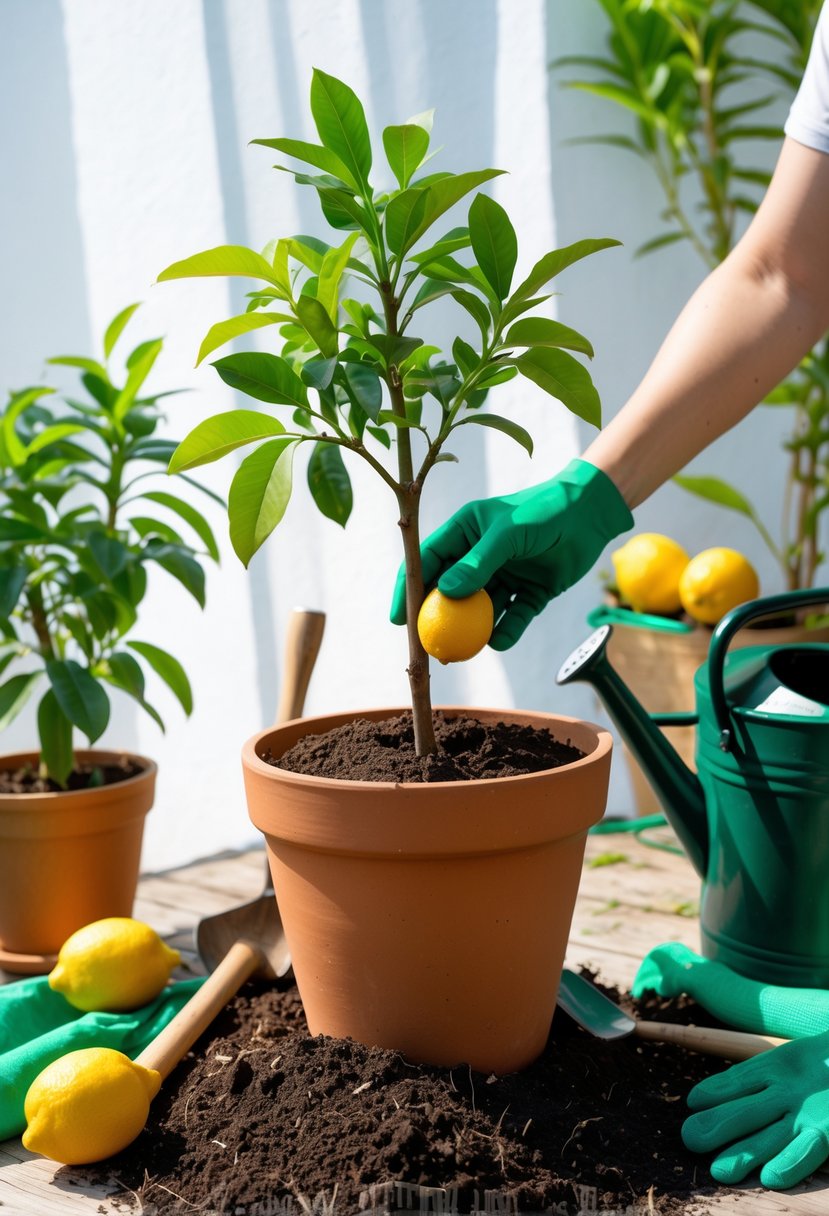
Choosing the right container and soil are essential for healthy growth. Proper planting technique helps your lemon tree get established quickly and produce fruit.
Picking the Right Container
Select a pot about 25% larger than your lemon tree’s root ball. This gives the roots enough space to grow without being cramped. A clay pot is best because it allows air and moisture to pass through, helping prevent waterlogged roots.
Make sure the container has drainage holes to avoid standing water. Avoid plastic pots unless you add sufficient drainage material. A pot with good weight will stay stable and not tip over easily.
If your lemon tree grows, you will need to re-pot it every 2-3 years into a slightly larger container. Don’t use a pot that is too large, as it can hold excess moisture and cause root problems.
Citrus-Specific Potting Soil
Use well-draining potting soil designed for citrus or a mix you create yourself. Lemon trees need soil that holds moisture but does not become soggy.
A good mix can include:
- Equal parts garden soil, cocopeat, and compost
- Organic matter like aged manure for nutrients
- Components that improve drainage like perlite or sand
Aim for slightly acidic soil with a pH between 5.5 and 7. Avoid heavy clay soils that trap water.
This soil helps your potted lemon tree absorb water and nutrients efficiently, leading to healthier growth and fruit production.
Planting Steps for Maximum Growth
Begin by filling the bottom of the pot with some soil mix. Place your lemon tree in the pot, spreading roots gently but firmly.
Fill around the root ball with soil, pressing lightly to remove air pockets. Keep the root neck (where roots meet stem) slightly above soil level to avoid rot.
Water the lemon tree well after planting to help settle the soil. Place it where it receives 7-8 hours of sunlight daily.
Add a layer of mulch on top to keep moisture consistent and protect roots. Avoid watering the leaves to reduce disease risk.
Following these steps ensures a strong start for your lemon tree in a pot.
Essential Care for Potted Lemon Trees
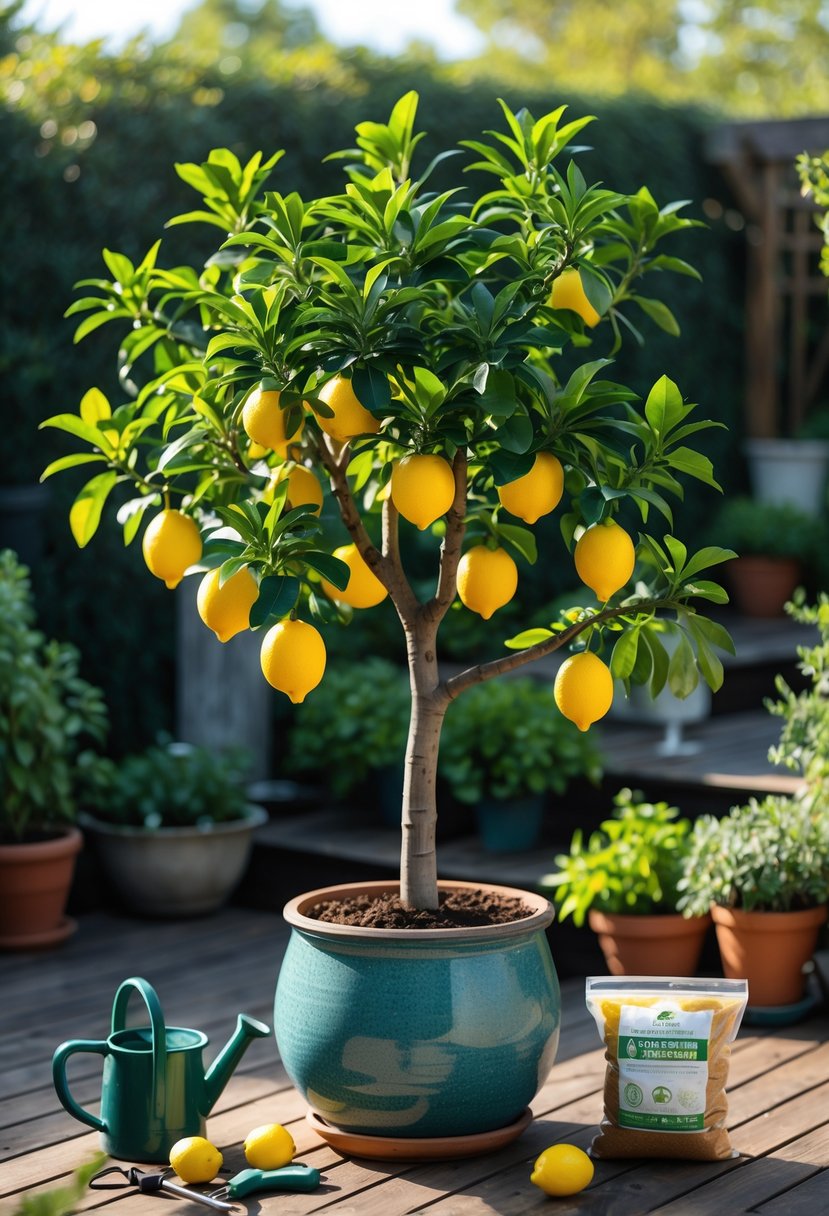
Caring for a lemon tree in a pot means balancing watering, sunlight, feeding, and pruning carefully. Each step plays a key role in helping your tree stay healthy and produce fruit. You will need to adjust your care depending on the season and the size of your lemon tree.
Watering and Moisture Management
Your potted lemon tree needs water, but not too much. Let the top inch of soil dry out before watering again. Overwatering can cause root rot because lemon roots do not like to sit in soggy soil.
Use a terra-cotta pot if possible. It helps the soil dry out faster and prevents water buildup. Check your tree’s soil every few days, especially in hot weather when it may need watering twice a week.
In winter, reduce watering since the tree grows slower and uses less water. Avoid waterlogging by making sure your pot drains well.
Sunlight and Location Requirements
Lemon trees in pots need plenty of sunlight to grow and fruit well. Make sure your tree gets at least six hours of direct sunlight every day.
During spring, summer, and fall, keep your lemon tree outside in the sun. In winter, bring it indoors to protect it from freezing temperatures below 32°F.
If your indoor space is dim, use a grow light to provide the extra light your tree needs. This helps maintain its health even when outside sunlight is limited.
Feeding and Fertilizing Techniques
Lemon trees in pots are heavy feeders and need regular nutrients. Use a fertilizer with a high nitrogen ratio, around 2:1:1 or 3:1:1 (NPK) to support leaf and fruit growth.
Feed your lemon tree three times a year: late winter, spring, and fall. This keeps the nutrients steady without risking overfeeding.
A citrus-specific fertilizer is the easiest choice, as it provides the right balance. Follow the package directions and avoid using general tropical plant fertilizers, which may not suit lemon trees.
Pruning and Repotting Best Practices
Prune your lemon tree simply in late winter or early spring before new growth begins. Remove dead or crossing branches and any suckers near the base. Avoid heavy pruning; lemon trees do well with a natural, bushy shape.
Repot your tree every 2-3 years or when roots grow out of the drainage holes. Choose a pot about 15% larger than the current root system to prevent overwatering problems.
When repotting, loosen the root ball gently. Use a well-draining citrus soil mix to give your tree space and nutrients to grow.
Troubleshooting, Seasonal Tips, and Harvesting
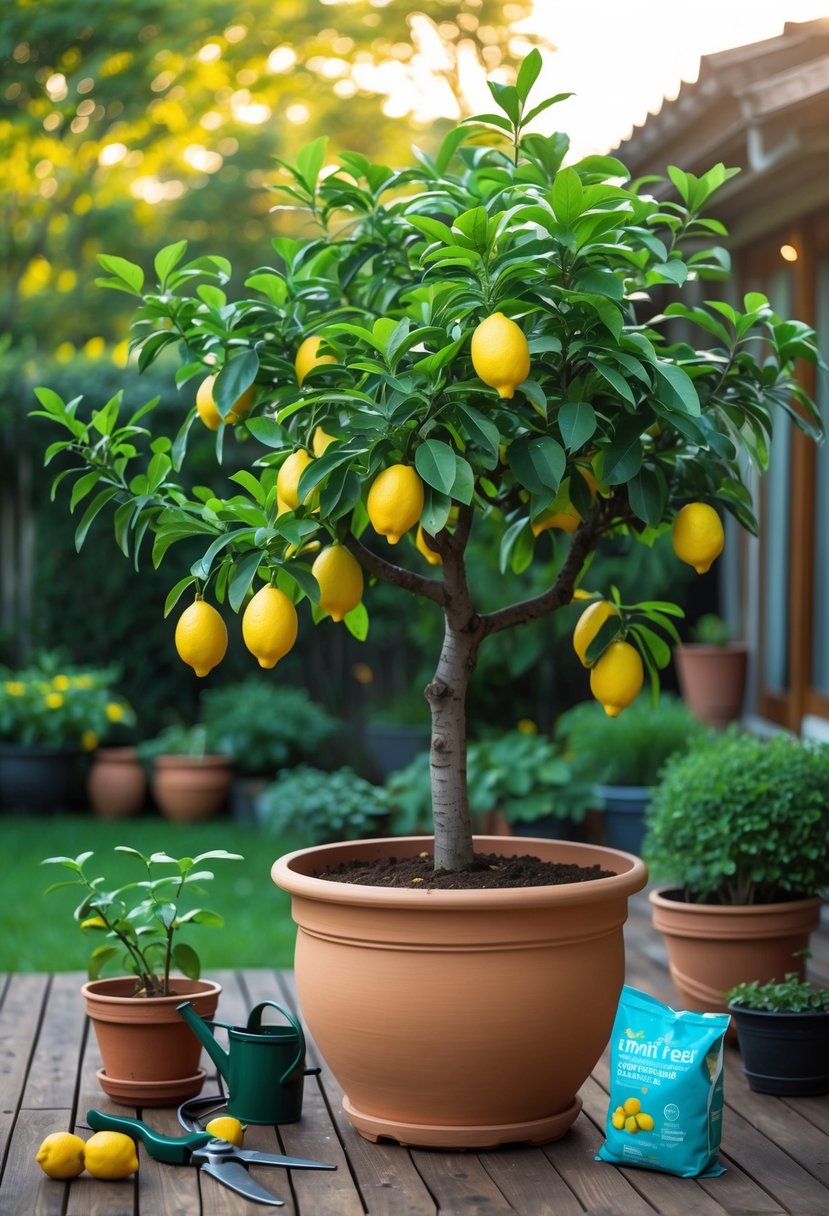
Growing lemon trees in pots means you will need to watch for pests, protect your tree in colder months, help it bloom well, and know when to pick your lemons. Each step requires close attention to keep your lemon tree healthy and productive.
Managing Pests and Diseases
Your lemon tree in a pot is vulnerable to pests like aphids, scale, and orange bugs. These insects suck the sap and weaken your tree. To handle them, spray your tree with neem oil and soapy water regularly. You can also hose off aphids with strong water pressure to reduce their numbers.
Fungal issues may appear as mold or spots on leaves. Avoid watering the leaves and focus on watering the base to stop fungal growth. Remove infected leaves quickly and trim your tree for better air flow.
Regularly check your lemon tree for signs of pests or disease. Early action helps prevent bigger problems.
Winter & Indoor Care
Lemon trees in pots are less cold-tolerant than those in the ground. If you live where frost is common, bring your tree indoors before the cold hits. Place it in a well-lit area, near a south-facing window or under a grow light.
Indoors, keep the soil moist but not soggy. You may need to water more often because pots dry faster. Use a humidifier or mist leaves to maintain humidity.
If your tree is large and hard to move, wrap the pot in insulating fabric and cluster it with other plants for extra warmth.
Encouraging Blooming and Fruit Production
To get your lemon tree to bloom and produce fruit, ensure it gets 6-8 hours of sunlight a day. If indoors, supplemental grow lights can help. Regular feeding with a balanced fertilizer designed for citrus trees boosts flower and fruit growth.
Lemon trees might drop flowers if they are stressed or not pollinated. You can hand-pollinate by gently brushing flowers with a soft paintbrush. Avoid overwatering and sudden temperature changes—they can cause flower drop.
Your lemon tree needs to be at least 2-3 years old before it consistently produces fruit.
Harvesting Homegrown Lemons
You can harvest lemons when they are fully yellow, firm, and slightly heavy for their size. Lemons ripen at different times, so check every few days.
Cut lemons off the tree with pruning shears or twist them gently. Avoid pulling to protect branches. Homegrown lemons typically taste best when they have some natural oil on the skin, making them glossy and fragrant.
Store harvested lemons in a cool place. They usually keep fresh for several weeks.