How Does Star Anise Grow: Essential Tips for Successful Cultivation
Star anise grows as an evergreen tree that thrives in warm, humid climates. It prefers temperatures between about 65 to 95 degrees Fahrenheit and needs partial shade, especially during hot afternoons. The tree can reach up to 26 feet tall, but it usually stays smaller and produces star-shaped fruits used as the spice.

The plant grows best in well-draining, slightly acidic soil with consistent moisture and plenty of sunlight in the morning. It takes patience to grow from seeds, as fruit production can take up to six years. You can also start star anise from cuttings to speed up growth.
With the right care, such as regular watering and occasional feeding with compost or manure, star anise will develop strong roots and healthy branches. Keeping the plant in a mild climate without frost is key to its survival and fruit development.
Key Takeaways
- Star anise grows well in warm, humid environments with partial shade.
- It prefers well-draining, slightly acidic soil and needs consistent moisture.
- Growing from seed takes several years, but cuttings can speed up the process.
Understanding Star Anise Growth

Star anise grows slowly and steadily, requiring warm temperatures, specific soil conditions, and proper care. You will need patience and attention to its natural stages and environment to successfully cultivate this plant.
Growth Cycle and Life Stages
Star anise begins as a seed or cutting. Germination from seed can take several weeks, while cuttings may root faster if kept moist and warm.
The tree starts flowering after 3 to 4 years. Flowers are small, yellow-green, with 8 to 15 petals. Fruit develops after pollination and ripens over a few months.
Full maturity takes about 6 to 7 years. At this stage, your tree can produce star-shaped fruits that are harvested for their spice seeds. You should harvest when pods turn yellow or light brown but before they dry and split.
Botanical Characteristics
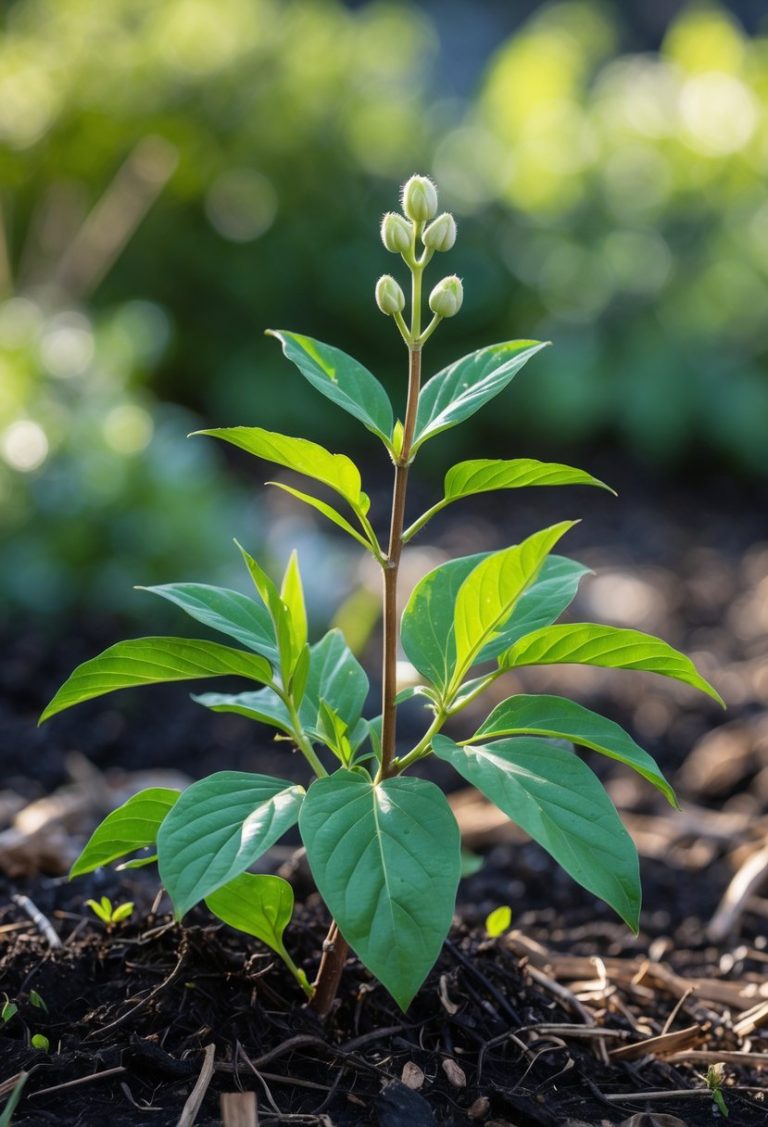
Star anise is an evergreen tree that can grow up to 26 feet (8 meters) tall in its natural habitat. It has glossy, dark green, lance-shaped leaves that stay on the tree year-round.
The fruit is woody and shaped like an eight-pointed star, about one inch in diameter. Each point contains a shiny seed with the spice’s distinctive licorice flavor.
Star anise prefers well-drained, slightly acidic soil (pH 5.5 to 6.5) and needs consistent moisture without waterlogging. It thrives with full sunlight but tolerates partial shade, especially in hotter climates.
Native Regions and Climate Preferences
Star anise originates from southern China and northern Vietnam, regions known for warm and humid climates. These conditions are ideal for its growth.
You should plant star anise where temperatures range between 60°F and 80°F (15°C to 27°C). It can survive brief cold spells down to 30°F (-1°C), but extended cold can damage or kill it.
The tree grows best in USDA zones 8 to 10. If you are growing star anise in a cooler or drier climate, you may need to adjust watering and provide shade during hot afternoons. Proper shelter from cold winds is important for plant health.
Optimal Conditions for Growing Star Anise

To grow star anise successfully, you must focus on providing the right soil, sunlight, temperature, humidity, and watering. These factors directly affect the plant’s growth and fruit production.
Soil Requirements and Preparation
Star anise prefers well-draining, fertile soil with a slightly acidic to neutral pH between 6.0 and 7.0. Use rich, organic matter like compost or aged manure to improve soil fertility and texture.
Make sure to loosen the soil before planting to allow roots to spread easily. Avoid waterlogged areas since star anise roots are sensitive to excessive moisture.
A good soil mixture includes:
- Loamy soil
- Organic compost
- Sand (for drainage)
Proper soil preparation reduces the risk of root rot and supports healthy growth.
Sunlight and Temperature Needs
Star anise thrives in partial to full sunlight. Aim for at least 4-6 hours of direct sun daily to encourage strong growth and flowering.
The ideal temperature range for star anise is between 60°F and 80°F (15°C to 27°C). It tolerates temperatures up to 95°F (35°C) but prefers consistent warmth and mild winters. Avoid exposing the plant to frost or temperatures below 50°F (10°C).
If you live in cooler areas (USDA zones 7 and below), grow the plant in pots so you can bring it indoors during cold months.
Humidity and Watering Strategies
Star anise needs a humid environment, ideally above 60% humidity. You can increase humidity by misting the leaves regularly or placing the plant near a water source.
Water the plant deeply but allow the top inch of soil to dry before watering again. Overwatering can cause root rot, while underwatering will stress the plant and reduce fruit yield.
During dry spells or in dry indoor air, increase watering frequency. Use mulch to retain soil moisture and regulate temperature around the root zone.
Propagation: From Seed to Plant

Star anise grows through two main methods: starting from seeds or using cuttings. Each method needs specific care and conditions to succeed. You can also grow star anise in pots with the right soil and watering practices to support healthy growth.
How to Grow Star Anise from Seed
To grow star anise from seed, use fresh seeds because older seeds lose their ability to germinate. Soak the seeds in warm water for 24 hours to help soften the hard seed coat. Plant the seeds in soil that stays lightly moist but not waterlogged.
Keep the soil temperature between 65°F and 75°F for best germination. Seeds usually sprout in 2 to 3 weeks, but it can take longer. Thin out the seedlings after they grow so only the strongest survive. Water the plants when the top inch of soil feels dry to avoid overwatering.
Using Cuttings for Propagation
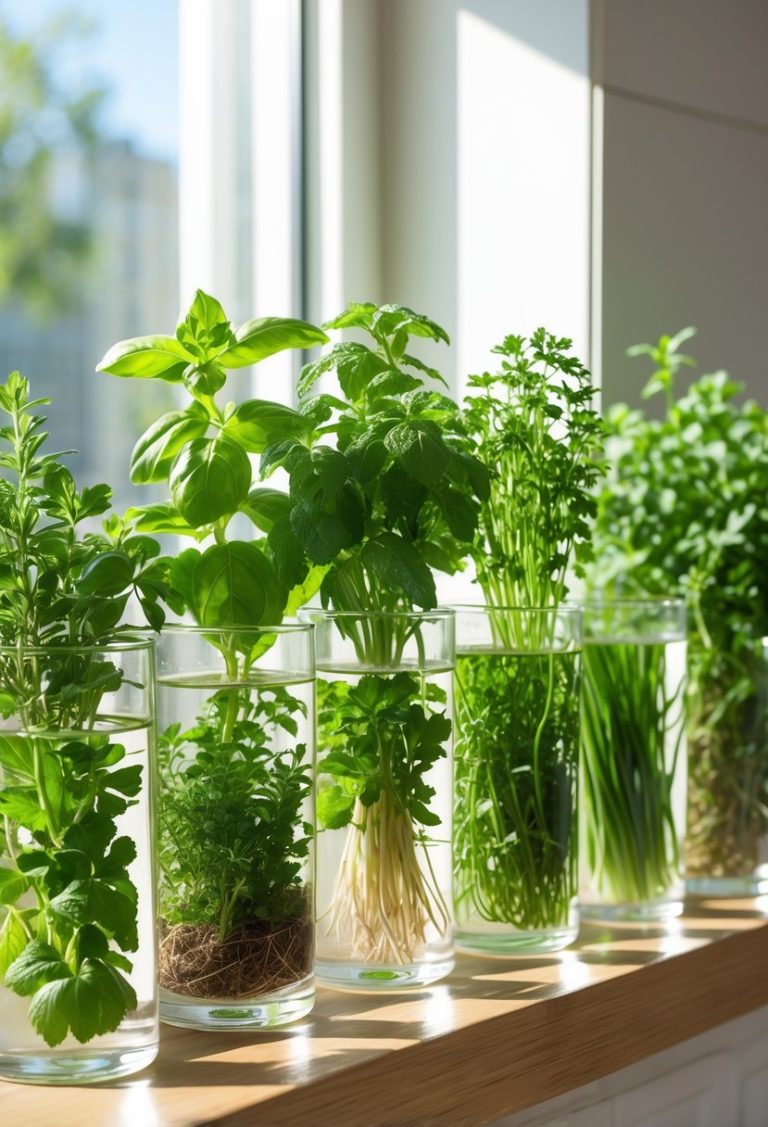
You can also propagate star anise by cuttings. Take a 4-inch healthy branch with a sharp knife. Plant the cutting in a soil mix with perlite and sand or peat humus. This helps with drainage and rooting.
Keep the cuttings in a warm, humid place until roots grow. This usually takes several weeks. After roots develop, move them to larger pots or plant outdoors when the weather is mild. Cuttings grow faster than seeds but may produce less genetic diversity.
Pot and Container Growing Tips
When growing star anise in pots, use well-draining soil rich in organic matter. Make sure the pot has drainage holes to prevent waterlogging. Water moderately, letting the soil dry slightly between watering.
Place the pot where the plant gets full sun or partial shade. Star anise likes warm temperatures, ideally between 68°F and 95°F. Fertilize every two to three months with balanced fertilizer to encourage growth. Repot every 2-3 years to refresh the soil and allow space for roots.
Care, Maintenance, and Harvesting

To keep your star anise plant healthy and productive, focus on regular feeding, careful pruning, and watching for pests or diseases. Proper harvesting and handling of the fruit are essential to maintain its quality and flavor.
Fertilizing and Pruning Practices
Feed your star anise with organic materials like well-rotted compost or manure in early spring. You can also use a slow-release organic fertilizer during the growing season, but avoid over-fertilizing, which can reduce fruit production.
Prune your plant lightly in winter when it is dormant. Cut back no more than 6 inches from each branch using clean, sharp tools. This helps keep the plant manageable and encourages bushy growth. Remove any weak or diseased branches promptly to promote good air circulation.
Pruning also improves fruit yield by focusing the plant’s energy on healthy branches. Avoid heavy pruning that could stress the plant or reduce future harvests.
Pest and Disease Management
Star anise is generally pest-free but still needs some attention. Watch for signs of overwatering, like yellow leaves or wilting, which can lead to root rot. Avoid waterlogging by ensuring the soil drains well.
The plant’s natural pest resistance means you rarely need insecticides. However, it is important to inspect leaves regularly for fungal diseases, especially in humid climates. Remove and destroy affected leaves on sight.
Good airflow around the plant and avoiding overcrowding helps reduce disease risk. Keep the area clean of fallen debris to avoid pests and fungi.
Harvesting and Post-Harvest Handling
Harvest star anise fruit when it turns brown and hard, usually after about 6 years of growth. The star-shaped pods should be fully mature for the best flavor.
Pick the fruit carefully by hand to avoid damaging the plant. Dry the pods in a well-ventilated, shaded area. Avoid direct sunlight to preserve the quality and taste of the spice.
Store dried star anise in airtight containers in a cool, dark place. Proper storage maintains its aroma and extends shelf life. Regularly check for mold or moisture buildup during storage.