How Do Vegetables Grow Without Seeds: Complete Growing Methods
You might think vegetables need seeds to grow, but many don’t. Vegetables can grow without seeds by using parts of the plant like stems, roots, or leaves to create new plants. This process, called vegetative propagation, lets you grow plants that are identical to the original.

You can also grow vegetables using methods like hydroponics or regrowing from kitchen scraps. These ways don’t rely on seeds but still provide fresh produce. Understanding these methods can help you grow vegetables even if you don’t have seeds on hand.
Understanding Vegetative Propagation
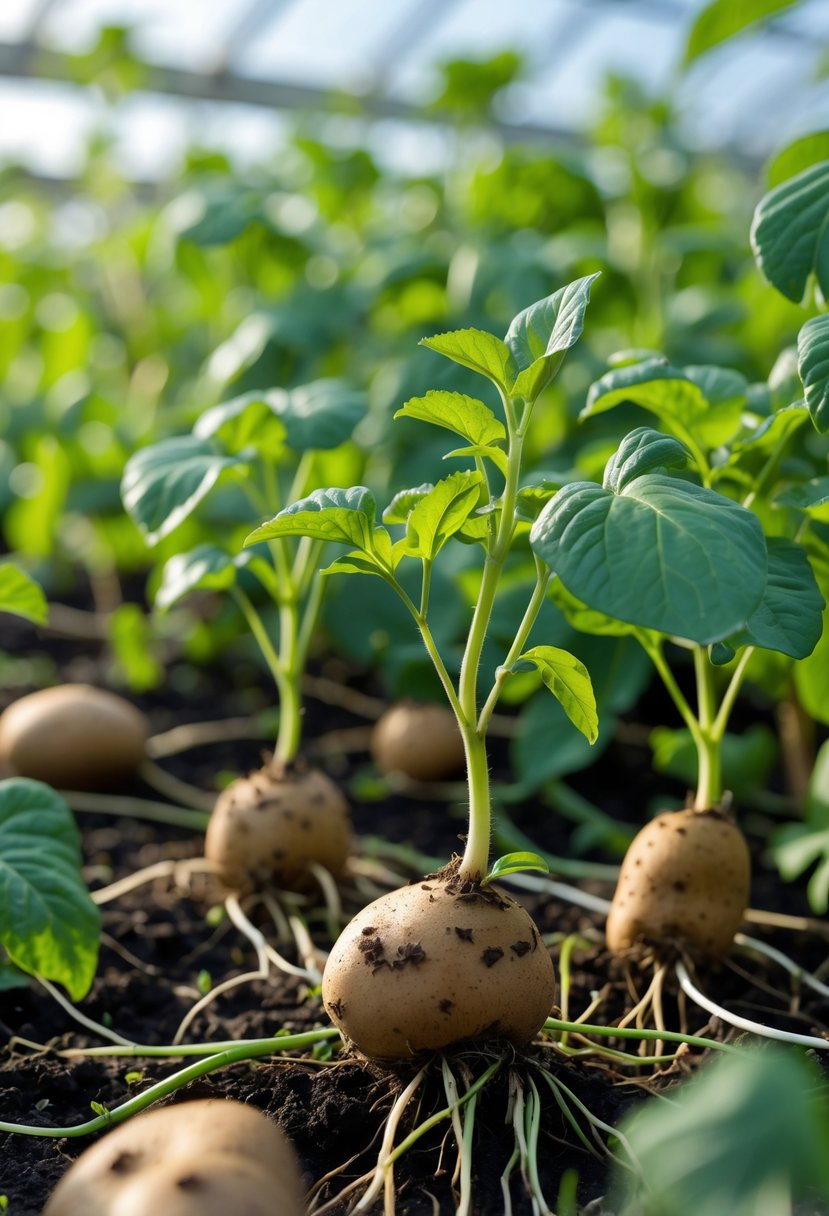
Vegetative propagation lets you grow new plants using parts of existing ones. This method bypasses seeds and relies on the ability of plant cells to create new plants. You will learn the basics of asexual reproduction, how plant cells can regenerate, and the benefits this method has compared to seed planting.
What Is Asexual Plant Reproduction
Asexual plant reproduction means creating new plants without seeds. You use parts of a parent plant, like stems, roots, or leaves, to grow a new plant. These new plants are genetically identical to the original because there is no seed mixing involved.
This method is common in gardening and farming when you want specific plant traits preserved. You might take cuttings from a tomato plant or divide potato tubers to start new plants. It is often faster and more reliable for certain vegetables than waiting for seeds to grow.
Plant Totipotency Explained
Plant totipotency is the ability of certain plant cells to form a whole new plant. You can think of it as plant cells being able to reset and develop into roots, stems, or leaves as needed.
When you place a cutting in soil or water, totipotent cells activate and start growing roots or shoots. This makes it possible for many vegetables to be grown from clippings or scraps without seeds. This natural process is key to how vegetative propagation works.
Advantages Over Seed Propagation
Vegetative propagation offers several advantages when growing vegetables without seeds.
- Faster growth: Plants usually grow faster from cuttings or tubers than from seeds.
- Consistency: You get plants that are exact copies of the parent, keeping desired traits stable.
- Less space and resources: You don’t need seed trays or complicated germination steps.
- Better for certain plants: Some vegetables, like potatoes or garlic, don’t produce viable seeds but grow well from parts like tubers or cloves.
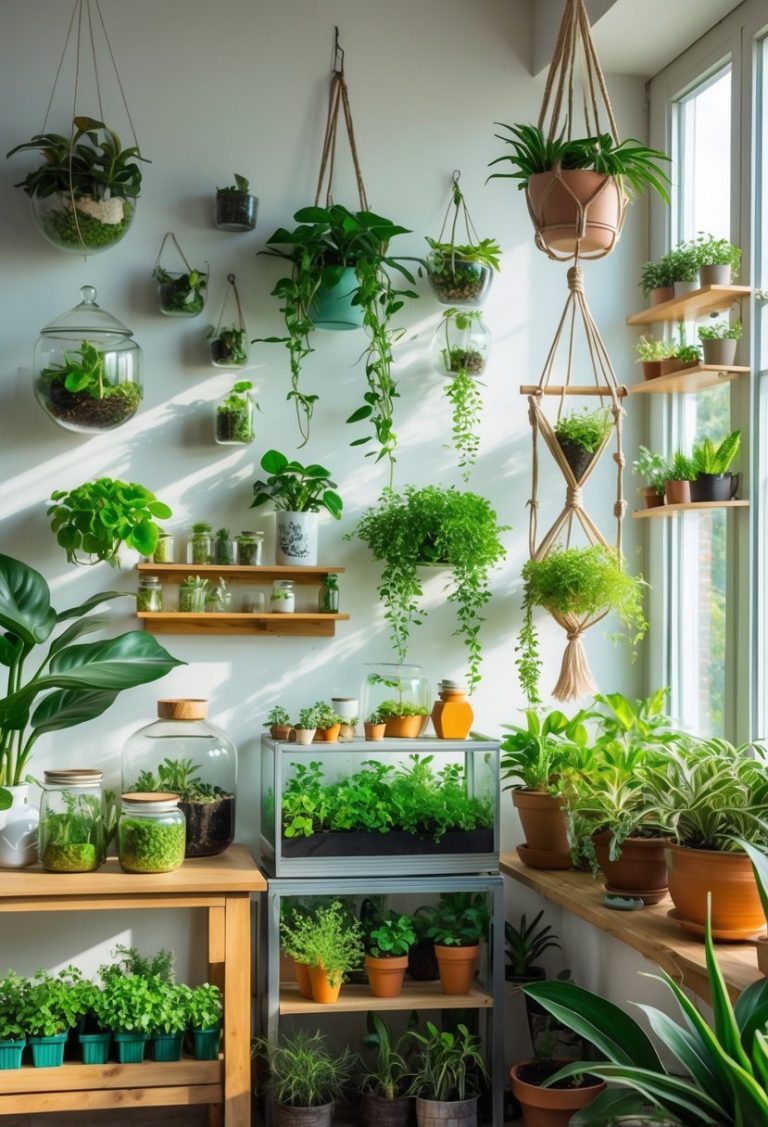
Using vegetative propagation can also reduce the risk of disease spread through seeds and allows you to grow plants indoors or in limited spaces easily.
Main Methods of Growing Vegetables Without Seeds
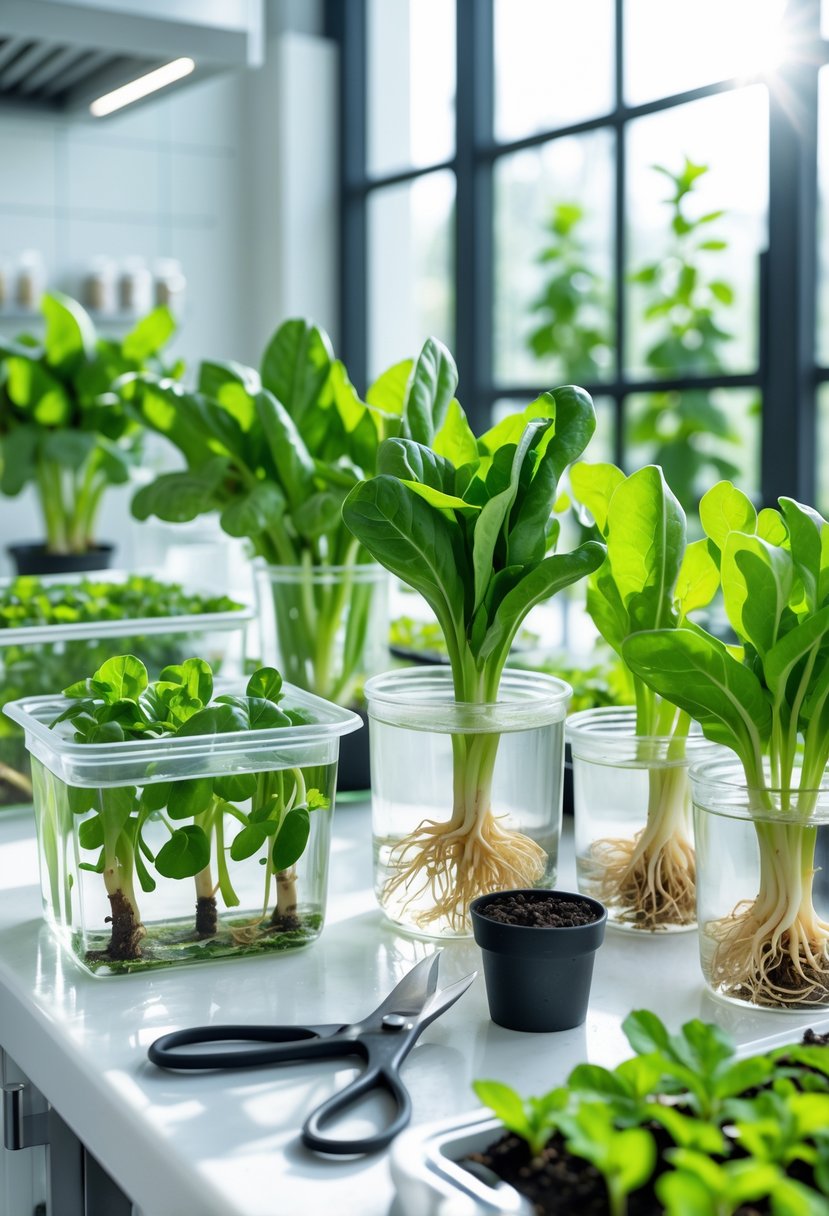
You can grow vegetables without using seeds by using parts of plants like scraps, stems, or roots. These methods let you create new plants from what you already have, saving time and effort.
Regrowing from Kitchen Scraps
Some vegetables, like lettuce, celery, and green onions, can be regrown from scraps you usually throw away. To do this, cut the base or bottom part of the vegetable and place it in water or soil. Keep it in a sunny spot and change the water often if you use water.
Roots and new leaves will start growing in a few days or weeks. Once the plant grows strong enough, you can transplant it into soil to keep it growing. This method is simple and requires little gardening skill.
Stem and Leaf Cuttings
Cuttings use a piece of a plant, usually a stem or leaf, to grow a new plant. You start by cutting a healthy 4-6 inch stem with a few leaves. Remove leaves from the bottom half.
Dip the cut end in rooting hormone to help roots grow faster. Then, plant the cutting in well-draining soil and keep it moist. Place it in a warm, bright area but avoid direct sun.
Roots usually develop within a few weeks. Vegetables like tomatoes, peppers, basil, and mint respond well to this method.
Division and Layering Techniques
Division means splitting a mature plant into smaller parts with roots attached. You dig up the plant carefully and separate it into sections. Each section can be planted separately to grow a new plant.
Layering is when you bend a low branch of a plant to the ground and cover part of it with soil, leaving the tip exposed. Over time, roots form where the branch touches the soil. Once roots develop, you cut the branch and move the new plant.
Both methods work for vegetables that grow in clumps or produce long branches. They help you create new plants without seeds and maintain the traits of the parent plant.
Hydroponics and Other Modern Techniques
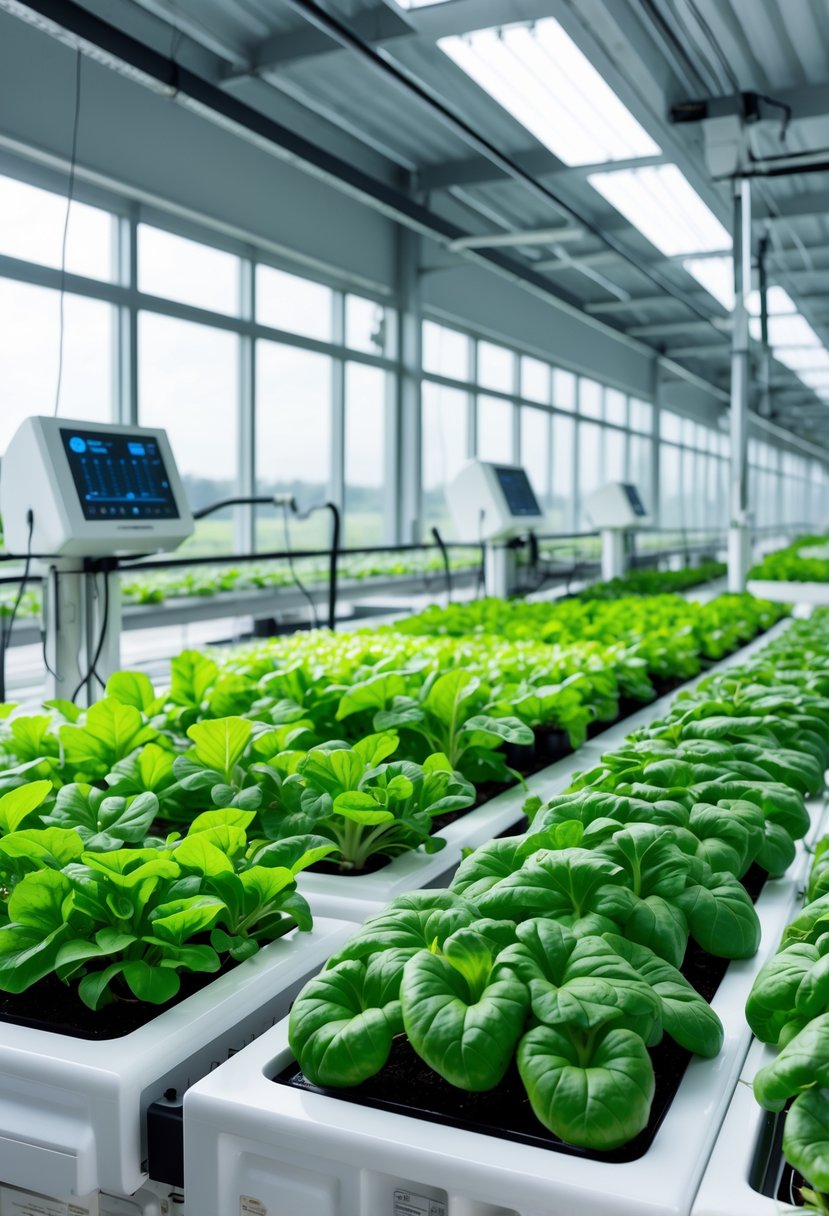
You can grow vegetables without seeds by using special methods that let plants develop from parts like stems or cells. These techniques help you produce healthy plants efficiently and with control over their environment.
Hydroponic Systems for Seedless Growth
Hydroponics grows plants in water with nutrients instead of soil. You don’t need seeds if you start with cuttings or young plants. These cuttings root directly in the nutrient-rich solution.
To set up a hydroponic system, choose a container filled with a balanced nutrient mix. Keep the water’s pH and nutrient levels steady. Your plants need enough light and oxygen too.
Hydroponics saves water and space while speeding up growth. You can grow vegetables like tomatoes or cucumbers this way. You just monitor for pests and diseases regularly.
Tissue Culture and Micropropagation
Tissue culture lets you grow new plants from tiny pieces of plant material in a lab-like setting. You place small cells or tissues into a sterile, nutrient-filled gel or liquid.
These cells multiply and form many new plants genetically identical to the original. This method produces large numbers of healthy plants quickly without seeds.
You can use tissue culture for plants that are hard to grow by cuttings, like strawberries or blueberries. It also allows you to control disease and grow plants year-round.
Micropropagation requires special equipment and careful handling but offers precise and clean plant production.
Vegetables That Thrive Without Seeds
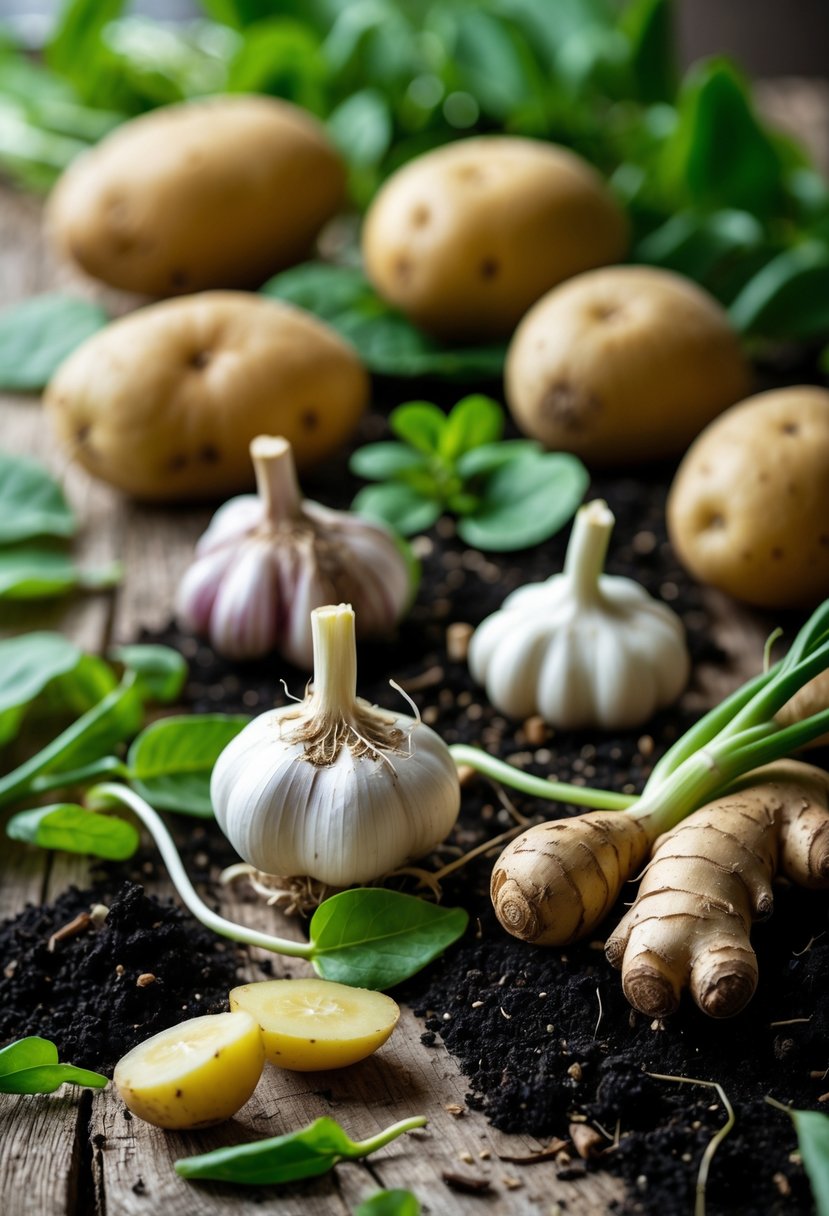
You can grow many vegetables without starting from seeds by using parts of plants like leaves, stems, or roots. Certain vegetables regrow well this way, and some need special care to root or sprout correctly. Understanding which vegetables work best helps you plan your garden effectively.
Leafy Greens and Herbs
Leafy greens like lettuce, spinach, and kale can regrow from their base or leftover parts. For example, if you plant the butt end of a lettuce head in moist soil or water, it will sprout new leaves. Herbs such as basil, mint, and rosemary also root easily from cuttings.
To regrow these plants, place cuttings in water until roots develop, then transplant to soil. Keep the soil moist and provide enough light for steady growth. These plants grow quickly and are great for continuous harvesting. You don’t need seeds, just a healthy parent plant or leftover parts from the store.
Root and Tuber Vegetables
Root vegetables like potatoes, sweet potatoes, and ginger grow well from parts rather than seeds. Potatoes grow from “eyes” or sprouts on a tuber. Sweet potatoes grow from slips, which are shoots that develop from the tuber. Ginger grows by dividing the rhizomes (underground stems).
To grow these vegetables, plant pieces with eyes or shoots in soil with good drainage. These crops need more space because the tubers expand underground. Water regularly and keep the soil warm for best results. This method lets you reuse kitchen scraps or leftover roots.
Bulb and Stem Vegetables
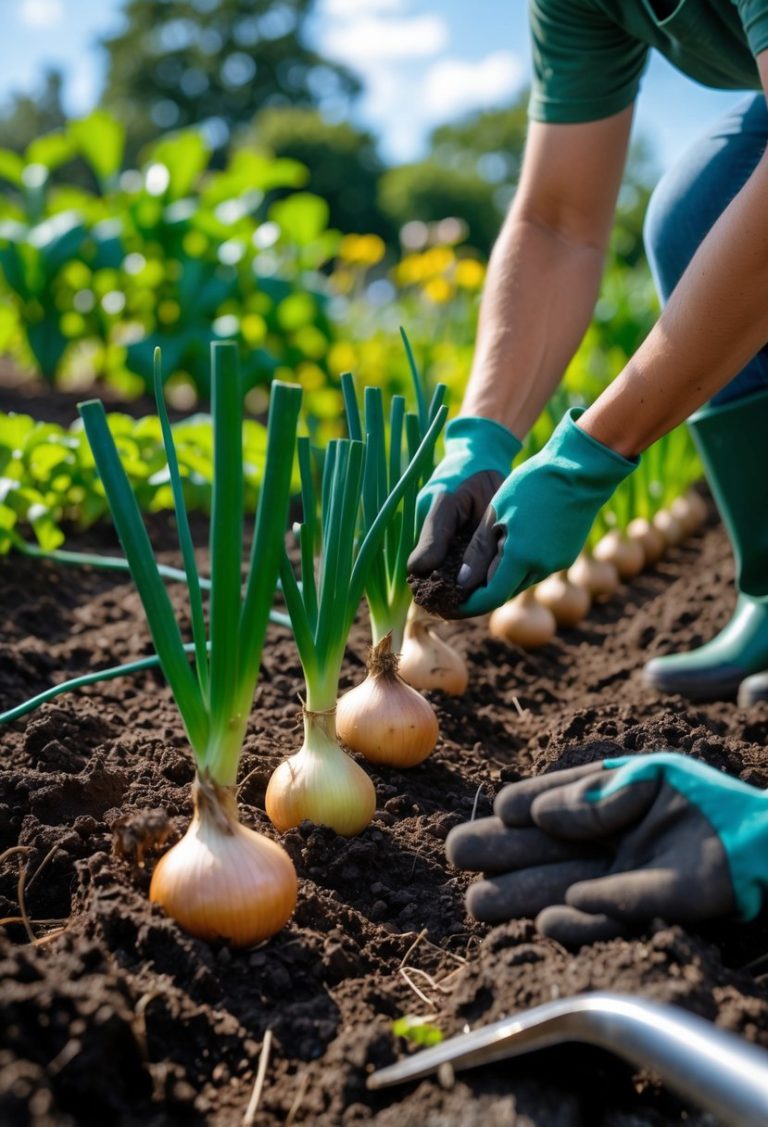
Bulb vegetables such as onions, garlic, and shallots grow from cloves or sets instead of seeds. You can plant individual garlic cloves or onion sets directly into soil for new plants. Similarly, celery and leeks can regrow from the base of the stalk when placed in water.
For best success, use healthy, firm bulbs or stems. Keep them in a well-draining container with sufficient light and moisture. These vegetables take longer to mature than leafy greens but can provide fresh produce without buying seeds repeatedly.