Growing Blueberries in Containers for Maximum Yield and Easy Care
Growing blueberries in containers is a smart way to enjoy fresh fruit even if you have limited space. It allows you to control soil quality and location, making it easier to meet the plant’s needs. The key to success is choosing the right container, soil, and blueberry variety that thrive in pots.
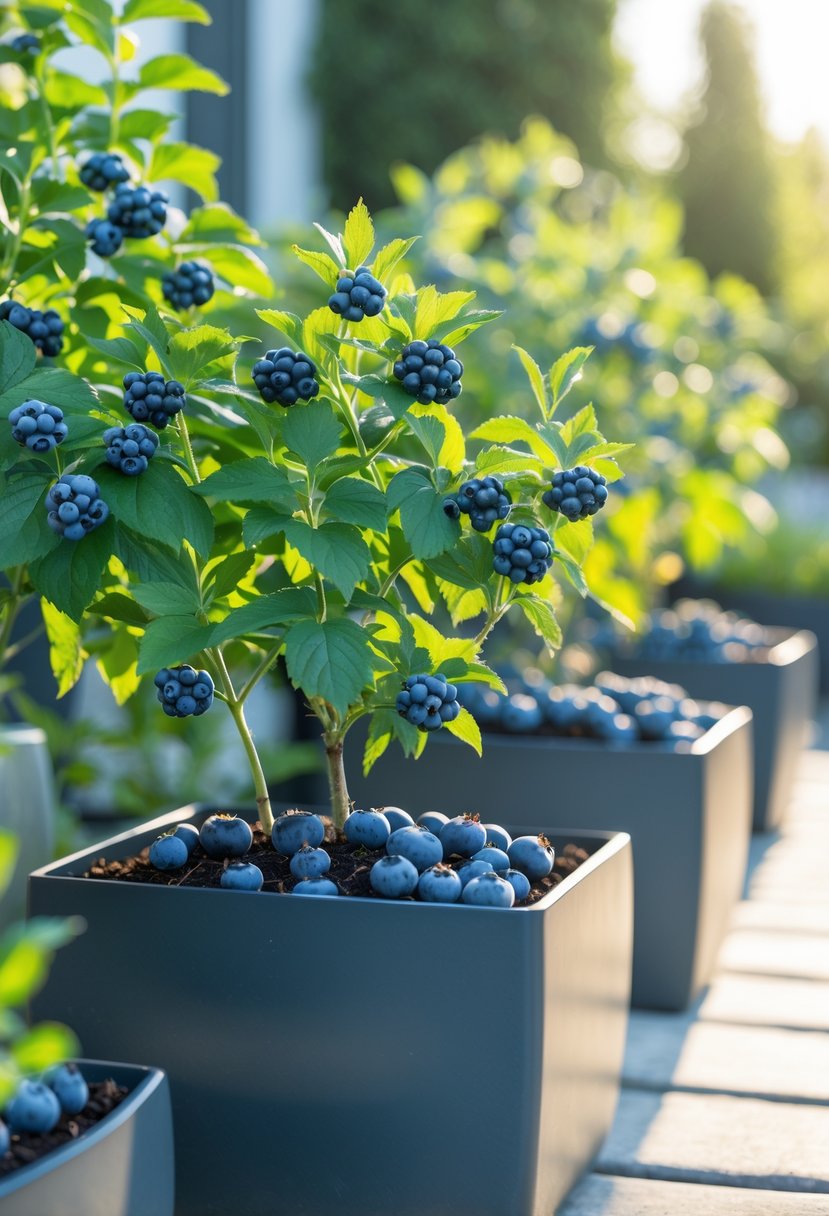
With the right care, patience, and attention to soil acidity, watering, and sunlight, your container blueberries will produce delicious fruit. Growing in pots also makes it easier to protect plants from pests and weather changes, giving you a better chance at a healthy harvest.
This guide will help you understand how to pick the best blueberries, prepare containers properly, and maintain your plants through the seasons for the best results.
Key Takeways
- Select blueberry varieties suited for container growth.
- Use acidic, well-draining soil in appropriate-sized pots.
- Water regularly and provide proper care for fruit production.
Choosing the Best Blueberry Varieties for Containers
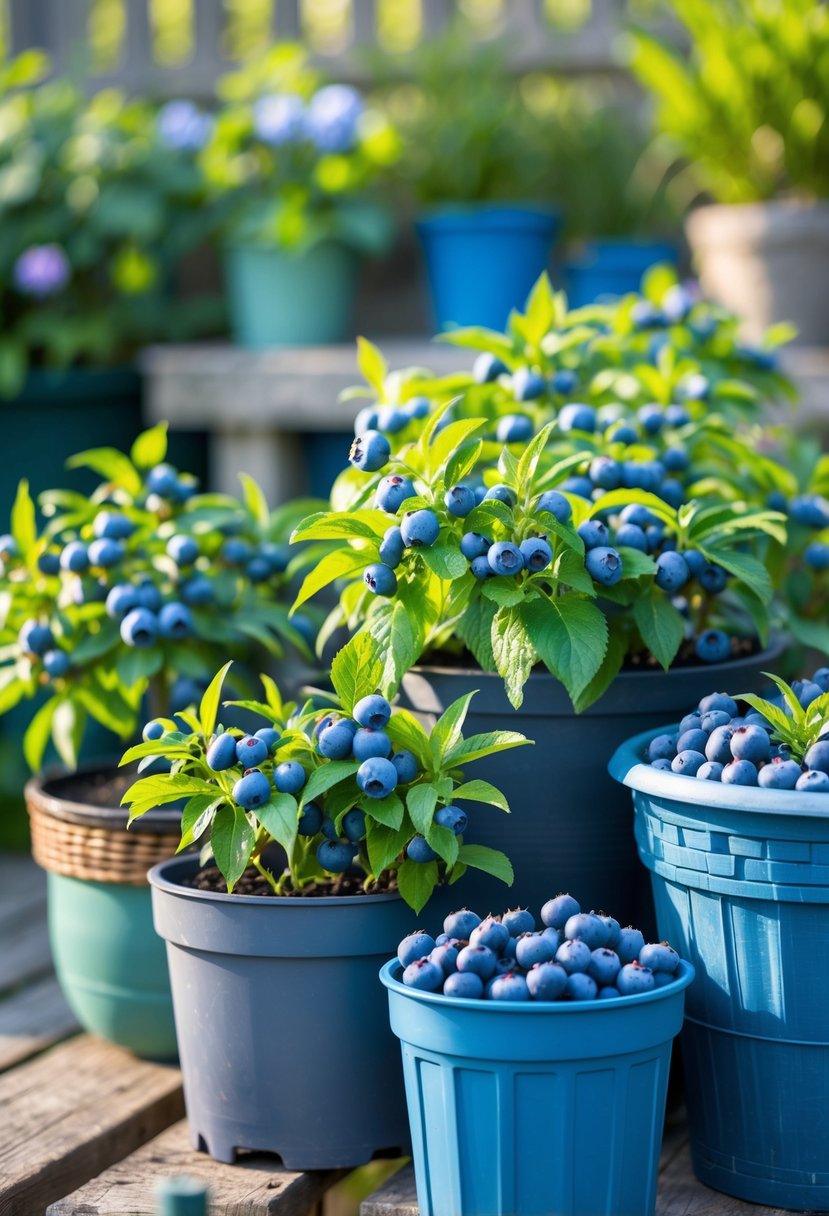
Picking the right blueberry variety is key to a successful container garden. Some cultivars produce more fruit in pots, while others do better in specific climates. Knowing these details helps you get the best growth and harvest from your container plants.
Selecting High-Yield Container-Friendly Cultivars
When growing blueberries in containers, choose varieties known for high yields and compact size. Northern highbush types like Top Hat and Jelly Bean are excellent because they stay small and produce plenty of berries.
These cultivars handle pot life well and don’t require large containers. Use pots with good drainage and acidic soil for best results. Growing blueberries in containers in small spaces or on patios works best with these types since they balance fruit production with manageable growth.
Benefits of Rabbiteye Blueberries for Pots
Rabbiteye blueberries are originally from the southeastern U.S., and they tolerate heat better than other species. If you live in warmer areas like Texas, this type is a good choice for containers. They grow tall but can be pruned to fit pots and still produce well.
Rabbiteye varieties often have larger berries and are more drought-resistant, making them easier to care for in dry climates. They do require acidic, well-drained soil like other blueberries. With proper pruning and care, rabbiteye blueberries thrive in containers even under hotter, sunnier conditions.
Adapting Blueberry Varieties to Regional Climates
Your local climate strongly affects which blueberry variety will do well in containers. In the UK, northern highbush types adapt well because they handle cooler temperatures and shorter growing seasons. Provide protection from extreme cold in winter.
For Texas or other hot regions, southern highbush and rabbiteye blueberries work best. These species tolerate heat and less chill hours. Proper shade and watering are critical when growing blueberries in containers in Texas to reduce heat stress.
In colder northern areas, choose varieties that require more chill hours, like northern highbush, and use insulated pots or bring containers indoors during winter cold snaps. Matching your blueberry type to your climate is essential for fruit production and plant health.
Preparing Containers and Growing Medium
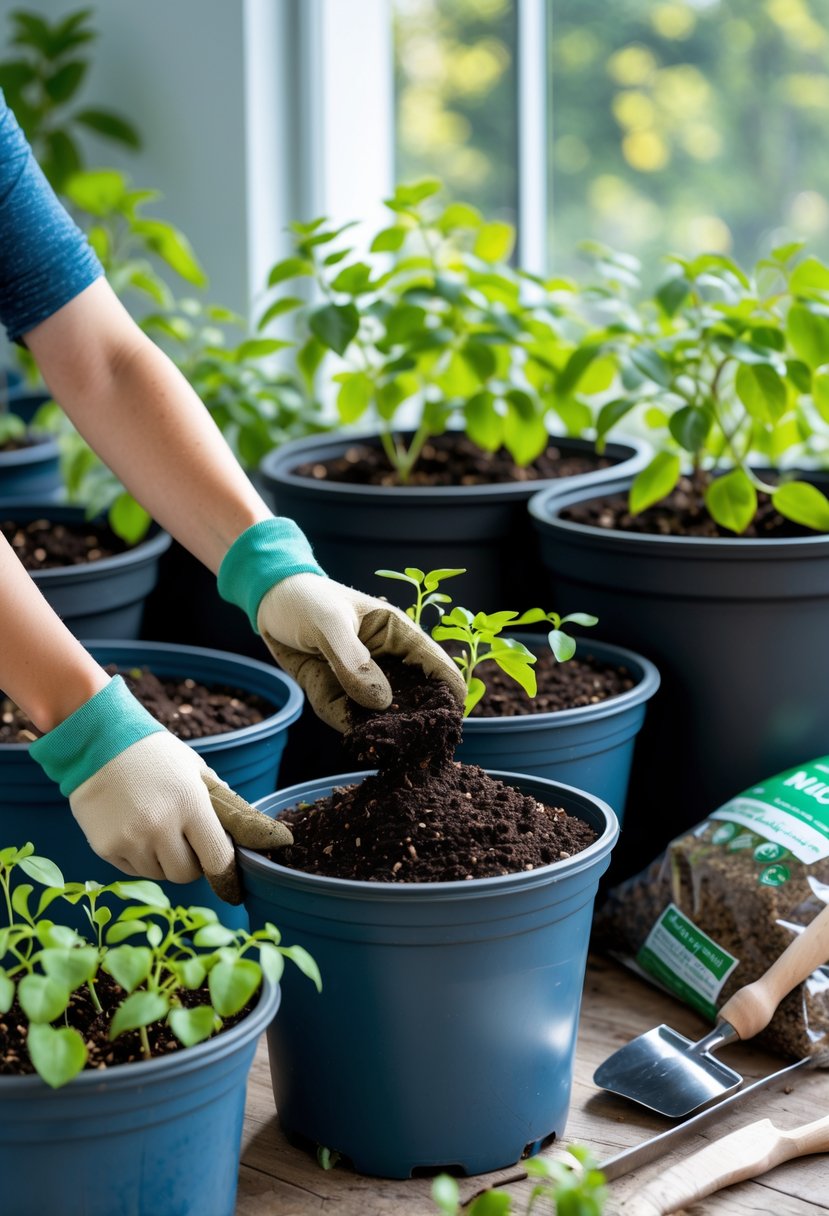
To grow blueberries successfully in containers at home or outdoors, you need the right container size and material. You also must prepare a soil mix that keeps the soil acidic and well-drained. Proper drainage and air flow help keep the roots healthy.
Selecting the Ideal Container Size and Material
Choose a container at least 18 inches wide and deep. Blueberry roots spread wide and need space to grow. Larger containers hold more soil, which helps keep moisture levels steady.
Materials like plastic, wood, or ceramic work well. Plastic is lightweight and retains moisture. Wood containers give good insulation but can rot over time. Avoid metal pots, as they get too hot and can damage roots.
Make sure the container can hold about 5 gallons of soil or more. This amount supports healthy plant growth and fruiting.
Creating an Acidic Soil Mix for Blueberries
Blueberries need acidic soil with a pH between 4.5 and 5.5. Regular garden soil is usually too alkaline, so you must prepare a special mix.
Use a blend of ingredients like peat moss, pine bark, and sand or perlite. This mix keeps the soil light and acidic. You can also add sulfur or an acidic fertilizer made for blueberries to maintain the right pH.
Test the soil pH regularly. If it rises above 5.5, add more acidic amendments to keep the plants healthy.
Ensuring Proper Drainage and Aeration
Good drainage prevents waterlogged roots, which cause root rot. Your container should have several holes at the bottom to let extra water escape.
Place a layer of gravel or broken pottery pieces at the bottom before adding soil. This helps water flow out and improves air movement around the roots.
Avoid compacted soil. Mixing perlite or coarse sand into your soil blend increases aeration and drainage. Check the container often after watering to make sure water drains well and roots get enough air.
Planting and Caring for Blueberries in Containers
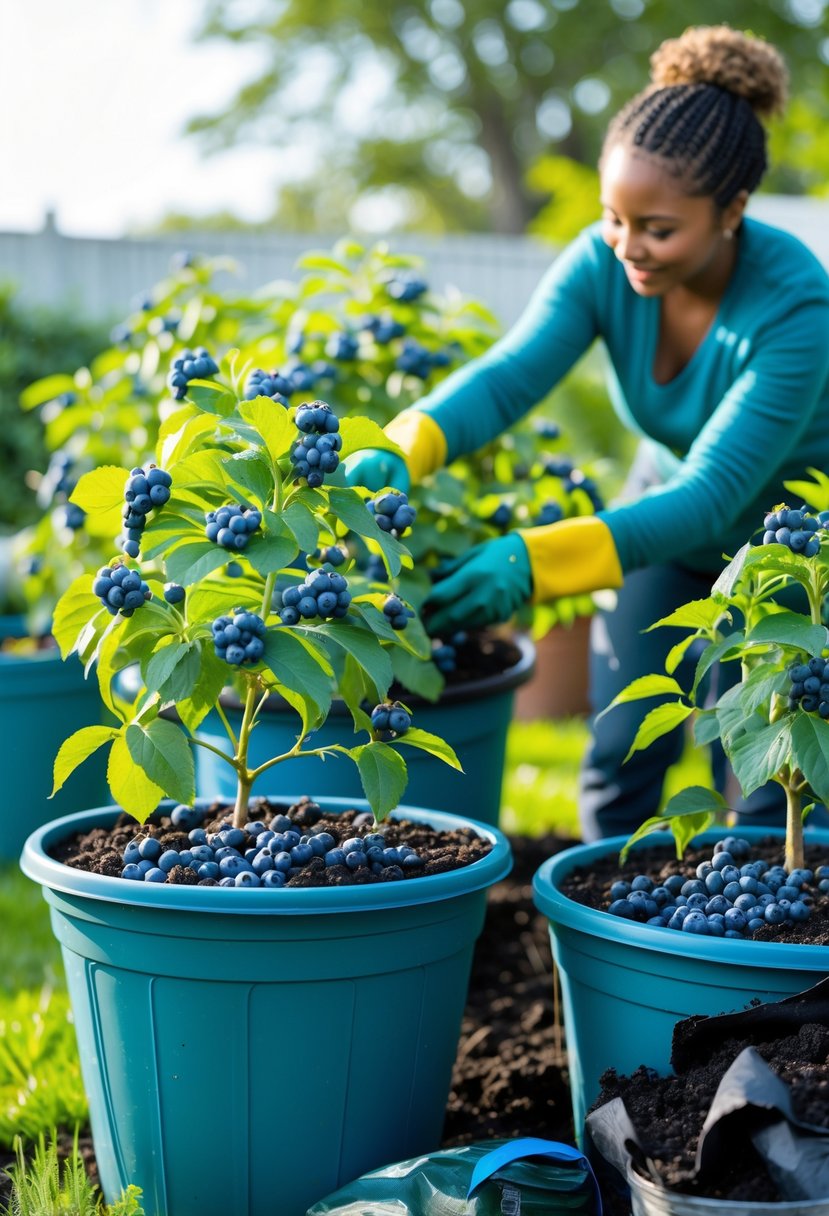
To grow blueberries well in containers, you need to focus on good planting methods, proper watering and feeding, careful pruning, and managing pests and diseases. Each step plays a key role in keeping your blueberry plants healthy and producing fruit.
Proper Planting Techniques for Container Blueberries
Choose a container at least 18 inches wide and deep. Blueberries have shallow roots, so wide pots let roots spread well. Use pots with drainage holes to avoid water buildup.
Pick acidic soil with a pH between 4.5 and 5.5. Use a mix made for acid-loving plants or add peat moss and pine bark. Fill the pot loosely to ensure good airflow around roots.
Plant your blueberry bush at the same soil level it grew at before. Avoid burying the stem. Space multiple plants to give each enough room for growth.
If growing indoors, place the container near a south-facing window where the plant can get at least six hours of sunlight each day. You might need a grow light in winter or low-light areas.
Watering and Fertilizing Strategies
Blueberries in containers need consistent moisture but not soggy soil. Water whenever the top inch of soil feels dry to the touch. Containers dry out faster than garden beds.
Use a water-soluble fertilizer made for acid-loving plants. Apply it every four to six weeks during the growing season. Avoid over-fertilizing, which may harm the roots.
Mulch the soil surface with pine needles or bark chips to help keep moisture and maintain soil acidity. Check the pot’s drainage regularly to avoid root rot.
If growing indoors, monitor humidity and water more often if the air inside is dry. Consistent moisture helps flowers and fruit set properly.
Pruning and Training for Optimal Growth
Prune blueberries every late winter or early spring before new growth starts. Remove dead or weak branches to let light and air reach healthy parts.
Keep the plant’s shape open and balanced. Trim out any crowded branches to prevent disease. Focus on strong, healthy shoots that will bear fruit.
Use stakes or small trellises if branches become heavy with fruit, especially in containers where space is limited. This prevents branches from breaking.
Regular pruning encourages better fruit production in the following years. Avoid heavy pruning the first two years to let the plant establish.
Pest and Disease Management
Check your plants regularly for common pests like aphids, spider mites, or blueberry maggots. Use insecticidal soap or neem oil as a safe treatment.
Keep leaves dry and remove fallen debris to reduce fungal diseases such as powdery mildew or root rot. Good air circulation in container setups lowers disease risk.
Use well-draining soil to prevent root diseases, and avoid watering too much. Treat early if you see signs of disease like yellowing leaves or wilting.
Indoors, inspect plants often for signs of pests or mold. A clean environment and proper care reduce problems. If necessary, quarantine new plants before bringing them inside.
Seasonal Maintenance and Harvesting Tips
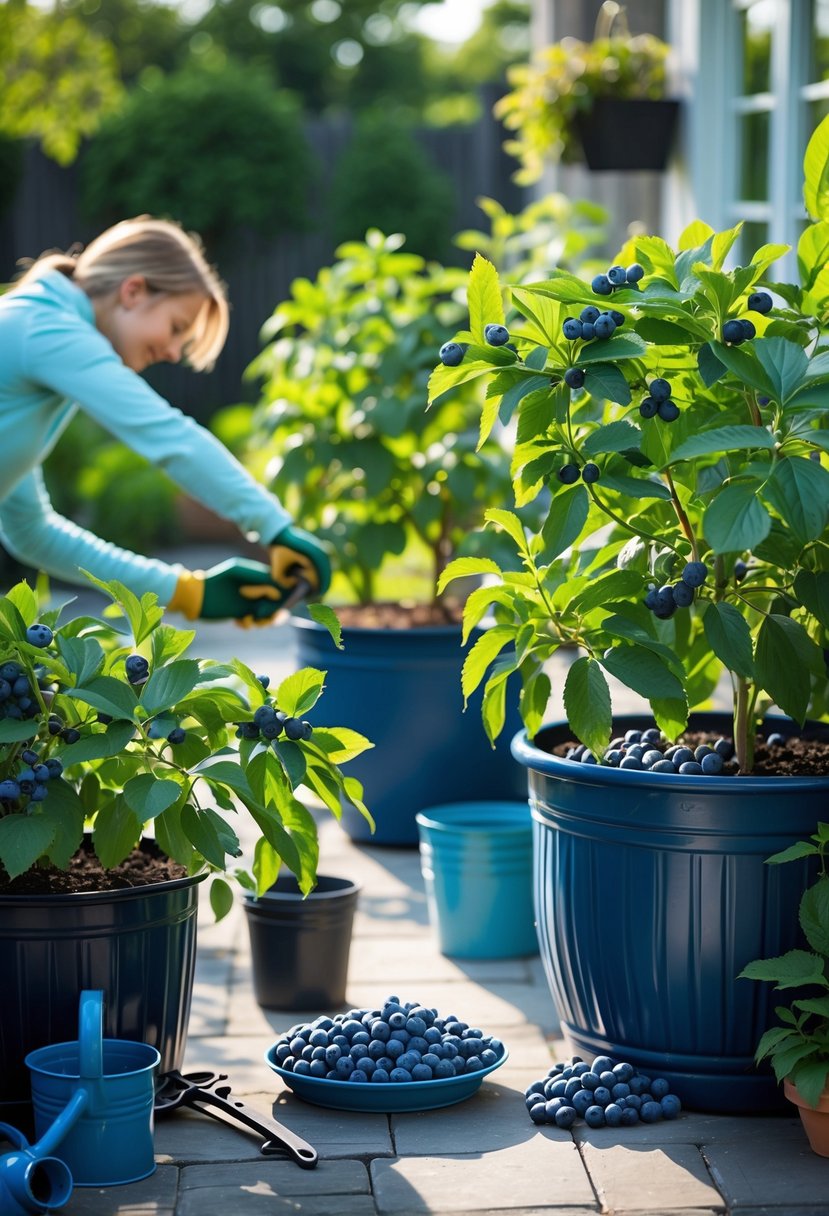
To grow healthy blueberries in containers outdoors, you need to adjust your care based on the weather and plant growth stages. Protect your plants from harsh weather, follow practices to boost fruit production, and know the right time and way to harvest and store berries.
Protecting Blueberries from Extreme Weather
Blueberries in containers are more exposed to temperature changes than those in the ground. During hot summer days, place your pots where they get morning sun and afternoon shade to avoid leaf scorch.
In cold weather, wrap the containers with insulating material like burlap or bubble wrap. You can also move smaller pots to a protected area or indoors to avoid freezing roots.
Use mulch on top of the soil inside the pot to keep roots cool in summer and warm in winter. Water regularly during dry spells, since containers dry out faster and can stress the plants.
Maximizing Fruit Production in Containers
Choose a large pot (at least 12-15 inches wide) with good drainage to support healthy root growth. Use acidic potting soil made for blueberries or mix peat moss, pine bark, and sand to keep the pH between 4.5 and 5.5.
Feed your plants with fertilizer designed for acid-loving plants. Apply it in early spring and again after the first fruit set.
Prune your blueberry bushes every late winter to remove weak branches and encourage stronger growth. Keep your plants well-watered but avoid waterlogging, as too much water harms roots and lowers fruit quality.
Harvesting and Storing Blueberries
Harvest blueberries when they are fully blue and easy to pull off the stem. Check your containers every few days during peak season since ripe berries do not all mature at once.
Pick blueberries gently to avoid bruising. Spread them out to cool immediately after picking; avoid washing before storing as moisture can cause mold.
Store blueberries in a shallow container lined with paper towels inside the fridge. Use them within one week or freeze for longer storage by spreading them on a tray before packing in bags.
Frequently Asked Questions
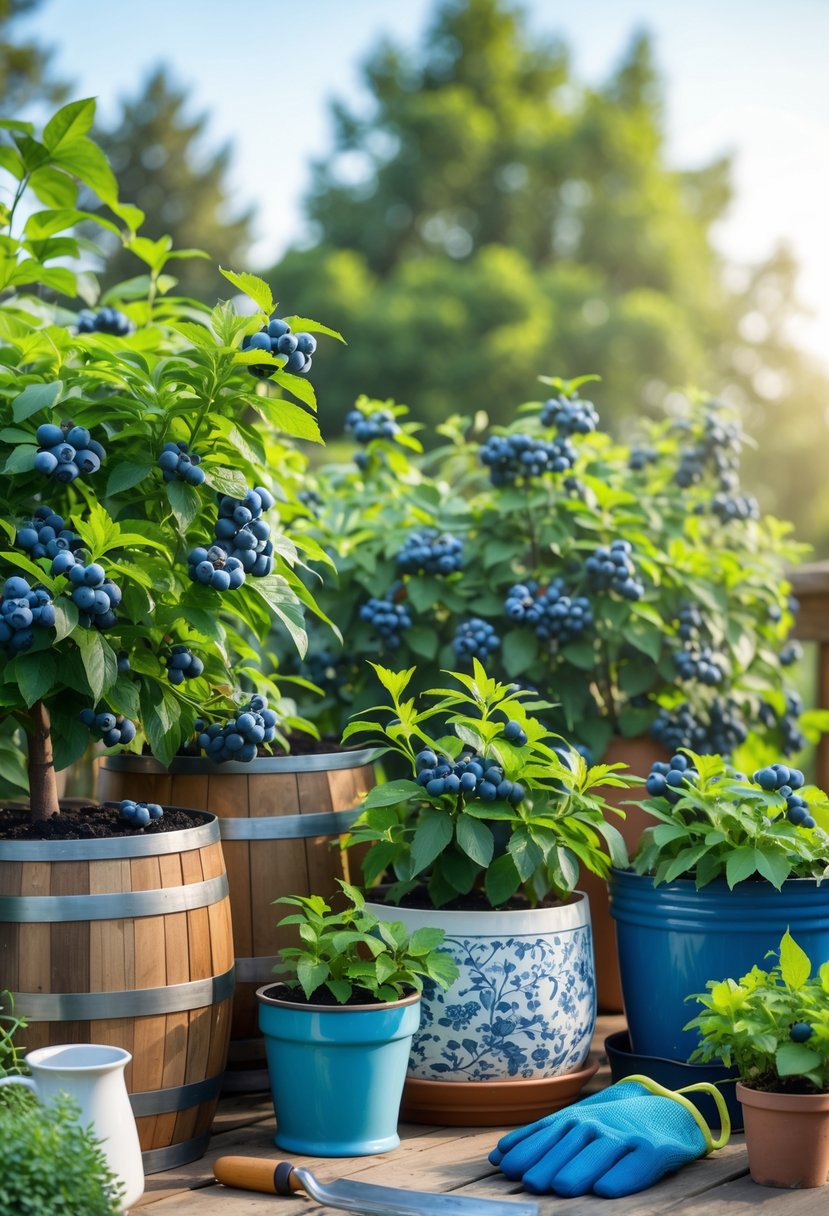
You need well-draining, acidic soil that has the right nutrients for blueberries. Protecting your plants from cold and choosing the right container size helps them grow strong. Watering regularly and understanding if indoor growing works are also important to keep your blueberries healthy.
What is the ideal soil composition for cultivating blueberries in containers?
You should use soil that is acidic, with a pH between 4.5 and 5.5. The soil must be well-draining and high in organic matter. A mix of peat moss, pine bark, and sand works well to create the right balance.
How do I protect potted blueberry plants during the winter months?
Move your blueberry pots to a sheltered place where they won’t freeze. You can also wrap the pots in insulating materials like burlap or bubble wrap. Mulching the soil surface helps keep roots warmer.
What size container is most suitable for blueberry bushes?
Choose containers that hold at least 5 gallons of soil. Larger pots provide enough space for roots to grow and help maintain moisture. Bigger containers also reduce the chance of the soil drying out too quickly.
Can blueberries thrive indoors, and if so, what are the key considerations?
Yes, blueberries can grow indoors, but they need lots of light—at least 6 hours of direct sunlight or strong grow lights. Keep the air temperature cool and maintain high humidity. Proper airflow and avoiding overwatering are also important.
What are the essential care tips for blueberry growth in 5-gallon buckets?
Make sure the bucket has good drainage holes. Use acidic, well-draining soil and keep the soil evenly moist. Fertilize lightly in early spring with a fertilizer made for acid-loving plants.
How frequently should blueberry plants in pots be watered?
Water your blueberries whenever the top inch of soil feels dry. In summer, this could be every few days, depending on temperature and sunlight. Avoid letting the soil dry out completely or stay soggy.