How To Grow Lemon Tree From Seed Indoors: Complete Guide
Growing a lemon tree from seed indoors is a simple and rewarding project anyone can try. You can successfully start your lemon tree by planting fresh seeds in a small, well-draining pot with good sunlight. While it may take time for your tree to grow and bear fruit, the process teaches patience and care.
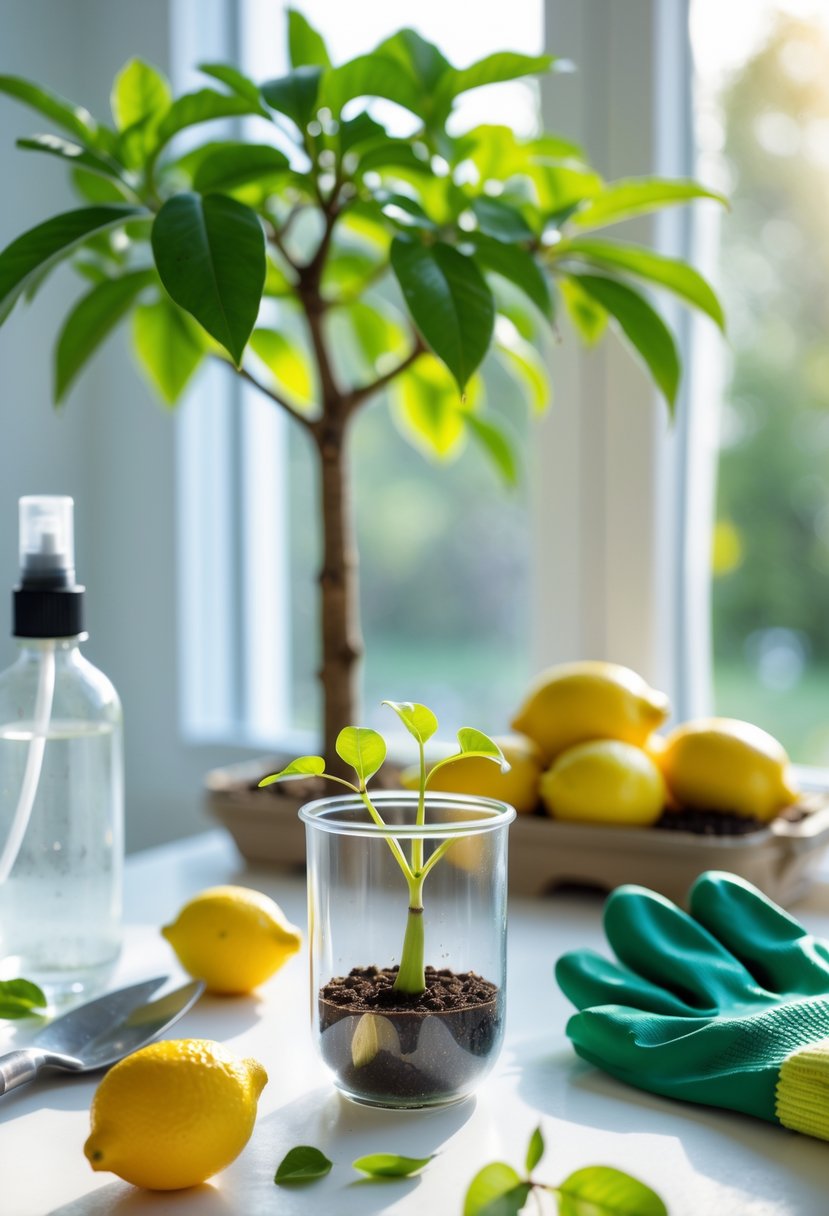
You don’t need a large garden to enjoy lemon trees. Indoor growing allows you to control the environment, giving your seedling the right warmth, light, and water it needs to thrive. With the right care, your lemon tree can become a green, bright addition to your home.
This guide will walk you through how to start your seed indoors, care for the young tree, and help it grow healthy over time. You’ll learn practical steps to make the experience easier and more successful.
Key Takeways
- Plant fresh lemon seeds in a small pot with good drainage and sunlight.
- Provide consistent water and warmth to help your seedling grow strong.
- Growing a lemon tree indoors requires patience but can be very rewarding.
Understanding Lemon Trees Grown From Seeds
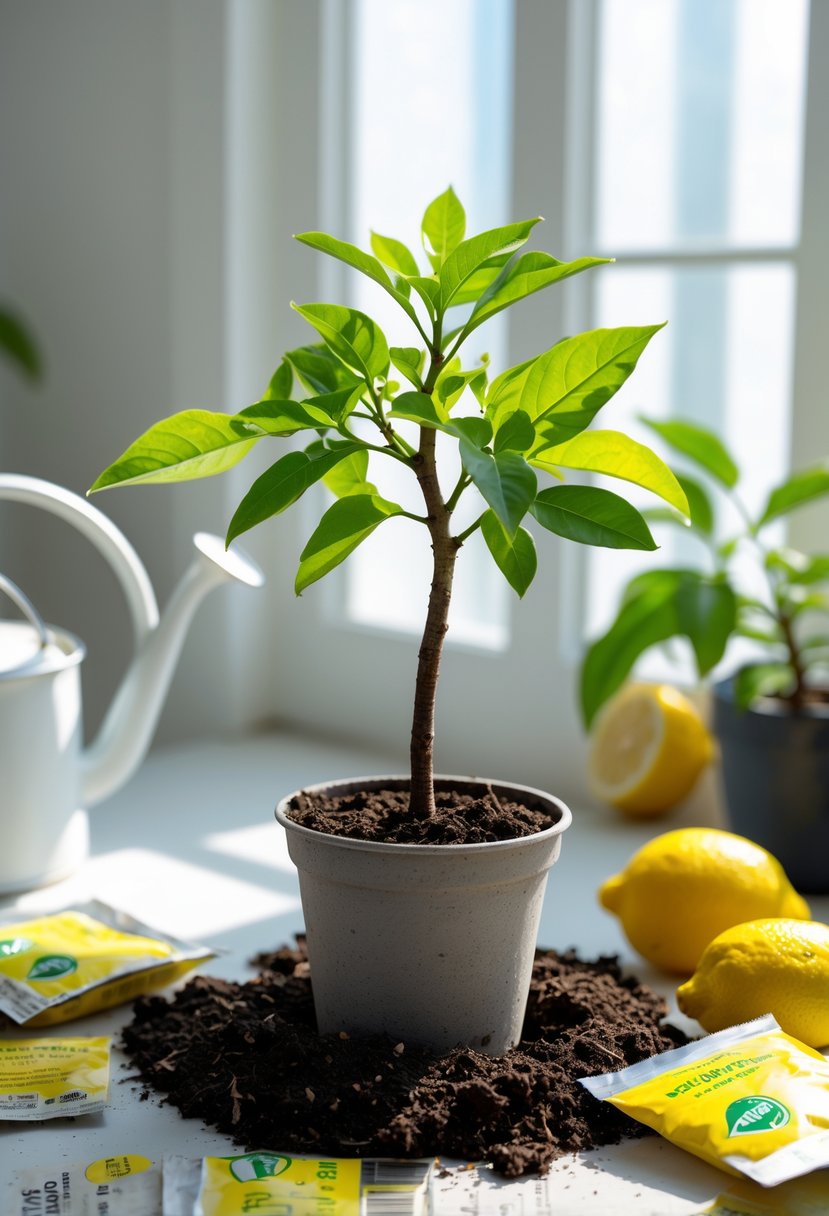
When you grow a lemon tree from seed indoors, you need to know that not all seeds are equally good, and it usually takes several years before the tree bears fruit. You should also understand the difference between seed-grown trees and grafted ones, as this affects growth and fruit production.
Viability of Lemon Seeds for Indoor Growing
You can grow a lemon tree from a lemon seed, but the seed’s viability depends on freshness and variety. Seeds from organic lemons or local markets work best. Store-bought lemons may not produce strong seedlings because many are hybrids.
Plant the seeds soon after extraction for better results. Before planting, remove the seed coating to speed up germination. You must keep the seed moist and warm, ideally between 70-80°F, to help it sprout indoors.
Timeframe From Seed to Fruit
Growing a lemon tree from seed to fruit indoors takes patience. Typically, it can take 5 to 15 years before your tree produces lemons. Younger seedlings will grow leaves and branches for several years before flowering.
If you want fruit sooner, growing from seed might not be the best option. You need to provide adequate light, water, and nutrients throughout this long period to keep your tree healthy while waiting for fruit.
Seed-Grown vs. Grafted Lemon Trees
Seed-grown lemon trees often take longer to bear fruit compared to grafted trees. Grafted trees start fruiting in about 2 to 3 years because they are made from mature rootstock joined to a fruiting variety.
With seed-grown trees, you can’t be sure the fruit will taste like the original lemon because seed genetics vary. However, seed-grown trees are useful if you plan to graft later or want to save money planting many trees. Grafted trees offer quicker, more predictable results.
How To Start a Lemon Tree From Seed Indoors
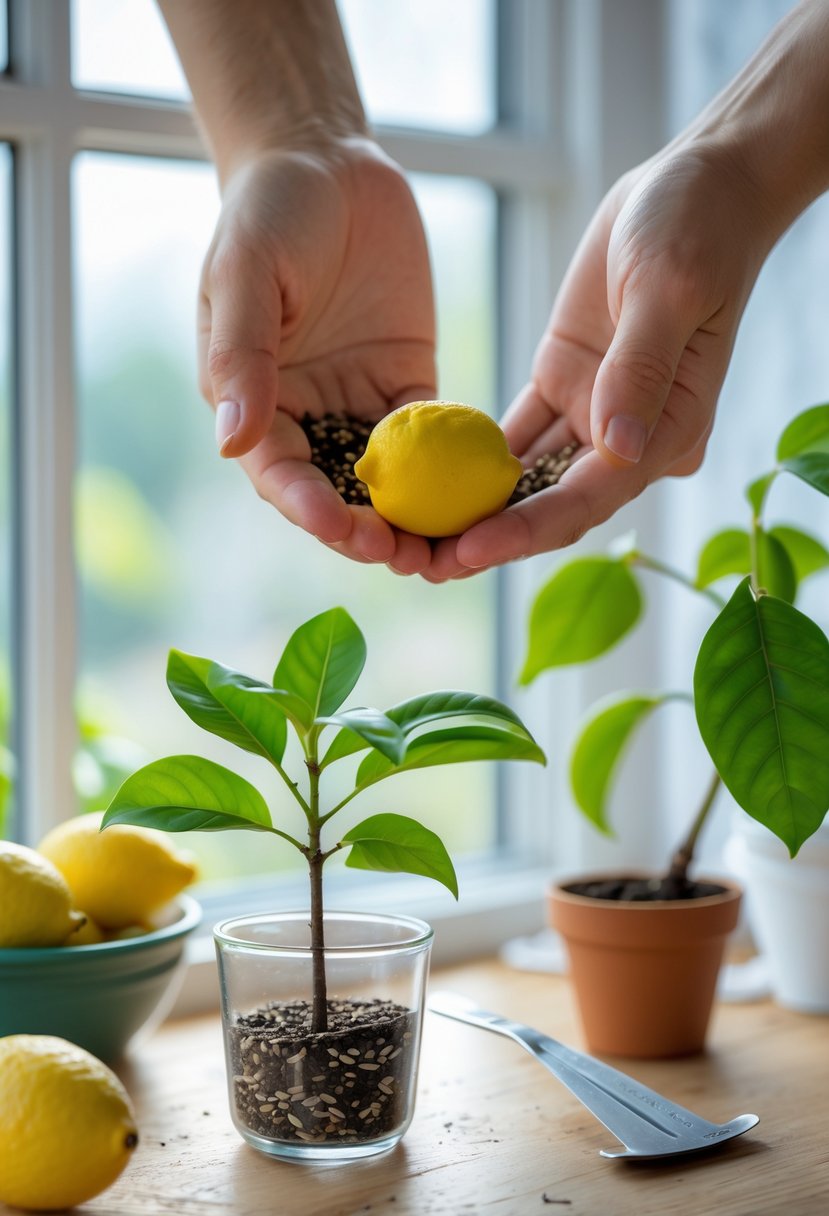
Starting a lemon tree from seed indoors requires careful steps to ensure the seed sprouts and grows strong. You will need to pick the right seed, prepare it well, choose the right container and soil, and follow proper planting steps.
Selecting the Best Lemon Seeds
Choose seeds from fresh, ripe lemons. Seeds from organic or homegrown lemons often work better because they are less likely to be treated with chemicals.
Look for seeds that are plump and free from cracks or spots. Avoid seeds that feel dry or shriveled.
You can grow a lemon tree from a lemon seed, but keep in mind it may take years to bear fruit, and some seeds may produce trees that do not fruit well.
Select multiple seeds to increase your chances since not all may germinate or grow healthy.
Seed Preparation and Germination Process
Start by removing the seeds from the lemon and rinsing off all fruit pulp. Leftover pulp can cause mold during germination.
Soak the seeds in warm water for 8 to 12 hours. This softens the seed coat and helps speed up germination.
You can lightly nick the seed coat with a small file or sandpaper to aid water absorption.
Place the seeds between damp paper towels or in a small pot with moist soil. Keep them warm (around 70-75°F) and avoid direct sunlight.
Seeds may sprout in 2 to 4 weeks.
Choosing Containers and Soil
Use small pots or seed trays with drainage holes to avoid water buildup.
A pot about 3 to 4 inches wide is good for starting seeds indoors.
Choose a light, well-draining potting mix made for citrus or general seedlings. You can mix peat moss, perlite, and sand for better drainage.
Avoid heavy garden soil because it can hold too much water and cause root rot.
Make sure the pot’s drainage is clear to prevent water from sitting at the bottom.
Initial Planting Steps
Fill your container with moist potting mix, leaving about an inch from the top.
Plant the seed about 1/2 inch deep in the soil with the pointed end facing down.
Water the soil lightly, keeping it moist but not soggy. Check soil moisture daily.
Place the pot in a warm spot with indirect sunlight until sprouts appear. Once the seedling grows, move it to a brighter area with more light.
Maintain steady warmth and humidity to help the young lemon tree develop roots and grow strong.
Caring for Your Indoor Lemon Tree Seedling
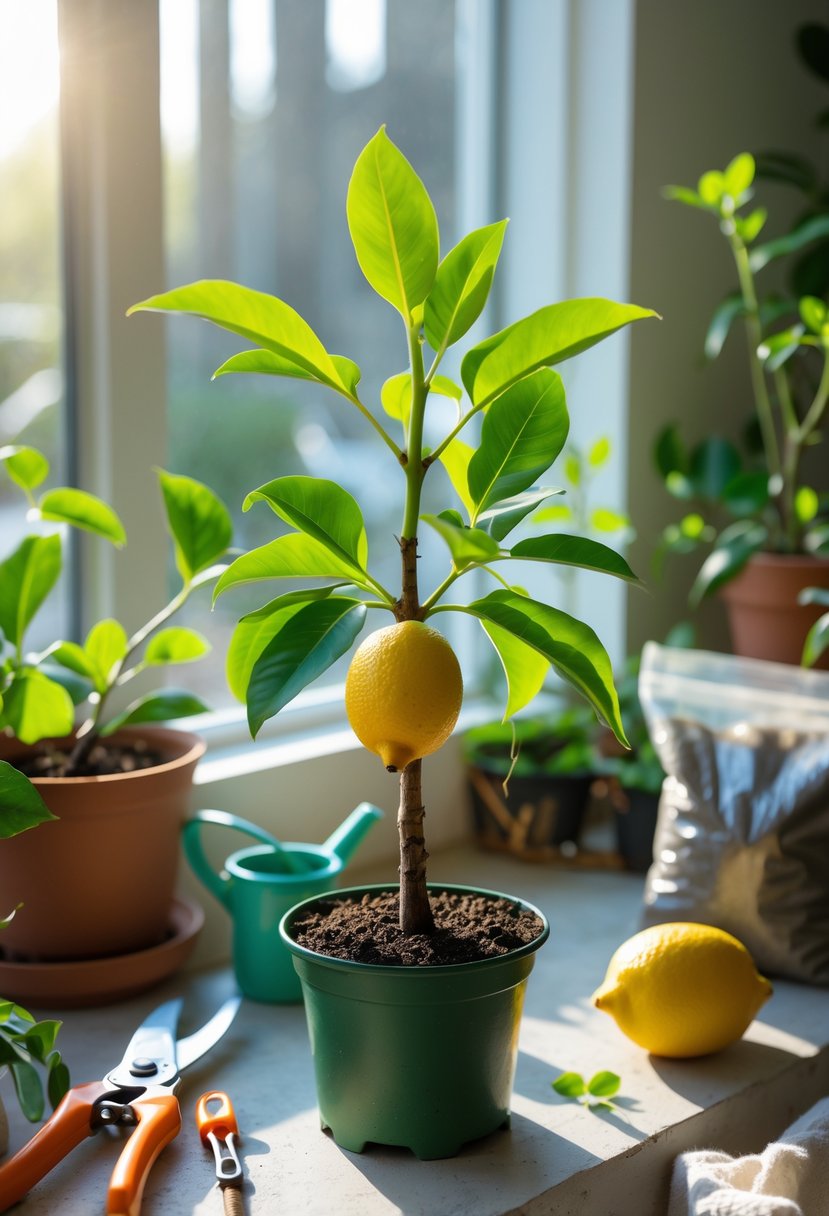
Your lemon seedling needs steady care to grow strong. Paying close attention to water, light, and pot size will help it develop well and stay healthy.
Watering and Humidity Requirements
Water your lemon seedling when the top 2 to 3 inches of soil feel dry. Overwatering can cause root rot, so avoid keeping the soil soggy. Use a pot with drainage holes to prevent excess water buildup.
Lemon trees prefer moderate humidity, around 40-50%. If your indoor air is dry, especially in winter, increase humidity by misting the leaves or placing a tray with water and pebbles near the tree.
Keep the soil moist but not wet. Consistent watering helps your seedling avoid stress and encourages steady root and leaf growth.
Lighting and Placement
Your lemon seedling needs 8-10 hours of direct sunlight daily. Place it near a south-facing window for the strongest light. If natural light is limited, use a grow light designed for citrus plants.
Avoid spots with cold drafts or sudden temperature changes, which can harm your seedling. Keep the temperature steady between 65°F and 75°F.
Too little light will slow growth, and too much heat can dry out the soil quickly. Monitor your seedling’s leaves; pale or yellow leaves may mean it needs more light.
Transplanting and Potting Up
Start with a small pot about 4-6 inches wide for your seedling. Once roots fill the pot and growth slows, move to a larger container about 12-15 inches in diameter.
Use a well-draining, citrus-specific potting mix. When transplanting, gently loosen the roots but avoid damage. Water thoroughly after moving the tree to settle the soil.
Repot every 1-2 years to give roots more space and refresh the soil. Proper pot size supports healthy root development and prevents your lemon seedling from becoming root-bound.
Encouraging Growth and Fruiting Indoors
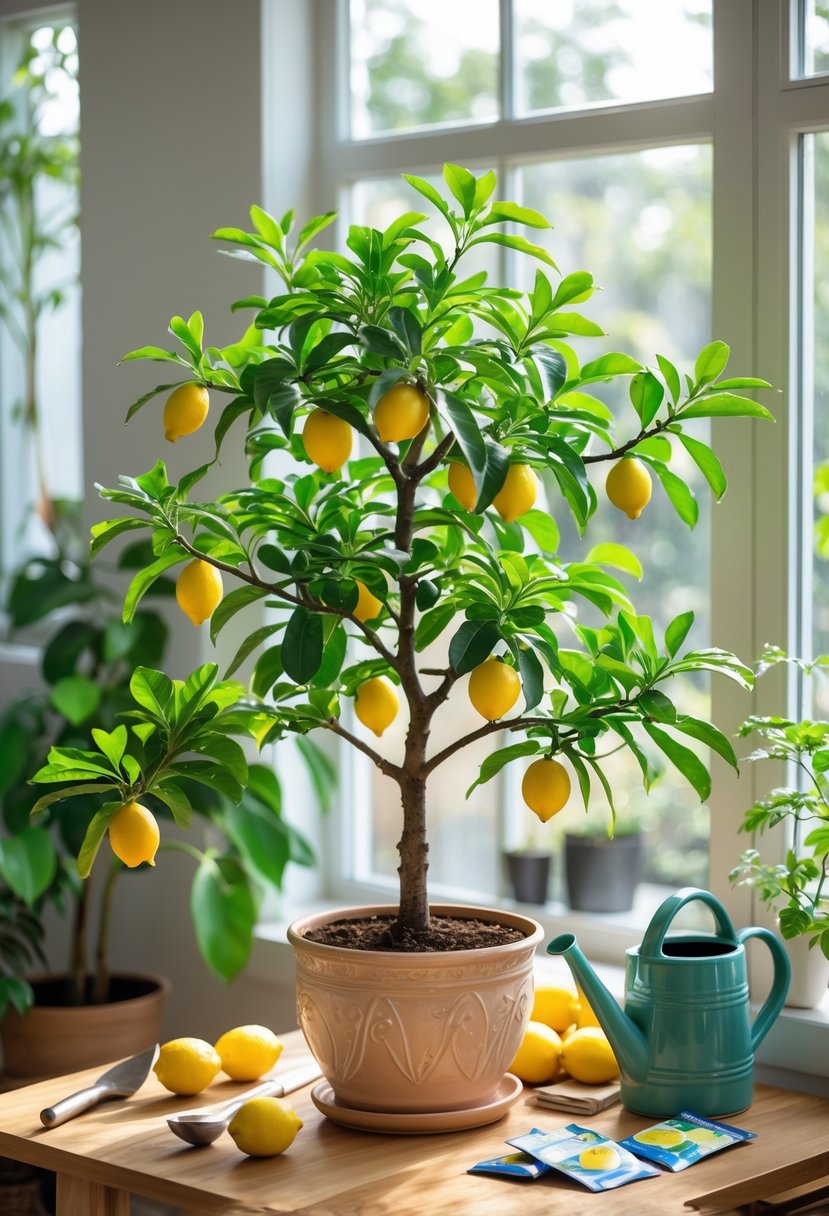
To help your lemon tree grow strong and produce fruit, focus on giving it the right nutrients, training its shape, and making sure it gets pollinated. Each step is important because growing from seed to fruit can take several years, and proper care speeds up the process.
Fertilizing and Nutrient Needs
Your lemon tree needs regular feeding to get the nutrients required for healthy growth and fruiting. Use a balanced citrus fertilizer with nitrogen, phosphorus, and potassium. Nitrogen helps leaf growth, phosphorus supports roots and flowers, and potassium improves fruit quality.
Feed your tree every 4 to 6 weeks during the growing season, usually spring through early fall. Make sure to follow the fertilizer package directions. Over-fertilizing can harm your plant.
You can also add micronutrients like magnesium, iron, and zinc, which are important for citrus trees. Slow-release fertilizers or liquid fertilizers work well indoors. Always water the tree before and after fertilizing to avoid root damage.
Pruning and Training Young Trees
Pruning encourages your lemon tree to develop a strong structure and healthier branches. Start shaping your tree when it is about 1 year old or when it grows a few sets of leaves.
Remove any dead or weak branches first. Cut back branches that grow inward or cross over others to improve air circulation. This reduces disease risks.
Train your tree by trimming the tips of branches to promote branching out rather than growing tall and spindly. Use clean, sharp tools for pruning to avoid injuring the tree. The best time to prune is in late winter or early spring, before new growth starts.
Pollination Techniques for Indoor Lemon Trees
Indoor lemon trees need help with pollination because they don’t have access to bees or wind like outdoor trees. Pollination is necessary for fruit to develop.
Use a small brush or cotton swab to transfer pollen from flower to flower. Gently brush the inside of each flower’s petals to move the pollen. Do this every few days while the tree is flowering.
Another option is to place a small fan nearby to help spread pollen around. If your lemon tree flowers but does not set fruit after a few weeks, this step is likely missing. Regular pollination practice will increase your chances of a good harvest.