How to Create a Stunning Sloped Woodland Garden: Expert Tips for Design and Maintenance
Creating a sloped woodland garden can turn a tricky yard into a beautiful, peaceful space that feels like a natural retreat. Your slope gives you a chance to build layers of plants and paths that follow the land beautifully. The key to a stunning sloped woodland garden is careful planning that uses the natural slope to improve drainage, prevent erosion, and add visual interest through terracing and plant variety.

Choose plants that suit the shade and soil conditions of your woodland area, and think about mixing low ground covers with taller trees and shrubs. Adding winding paths will make your garden easy to explore and enhance its natural, peaceful feeling. With the right approach, your sloped garden can become a unique outdoor space that blends with the land and stays healthy over time.
Key Takeways
- Plan your garden to work with the slope for better drainage and stability.
- Use a mix of plants in layers to create depth and interest.
- Design paths to make the garden easy to explore and maintain.
Planning the Sloped Woodland Garden
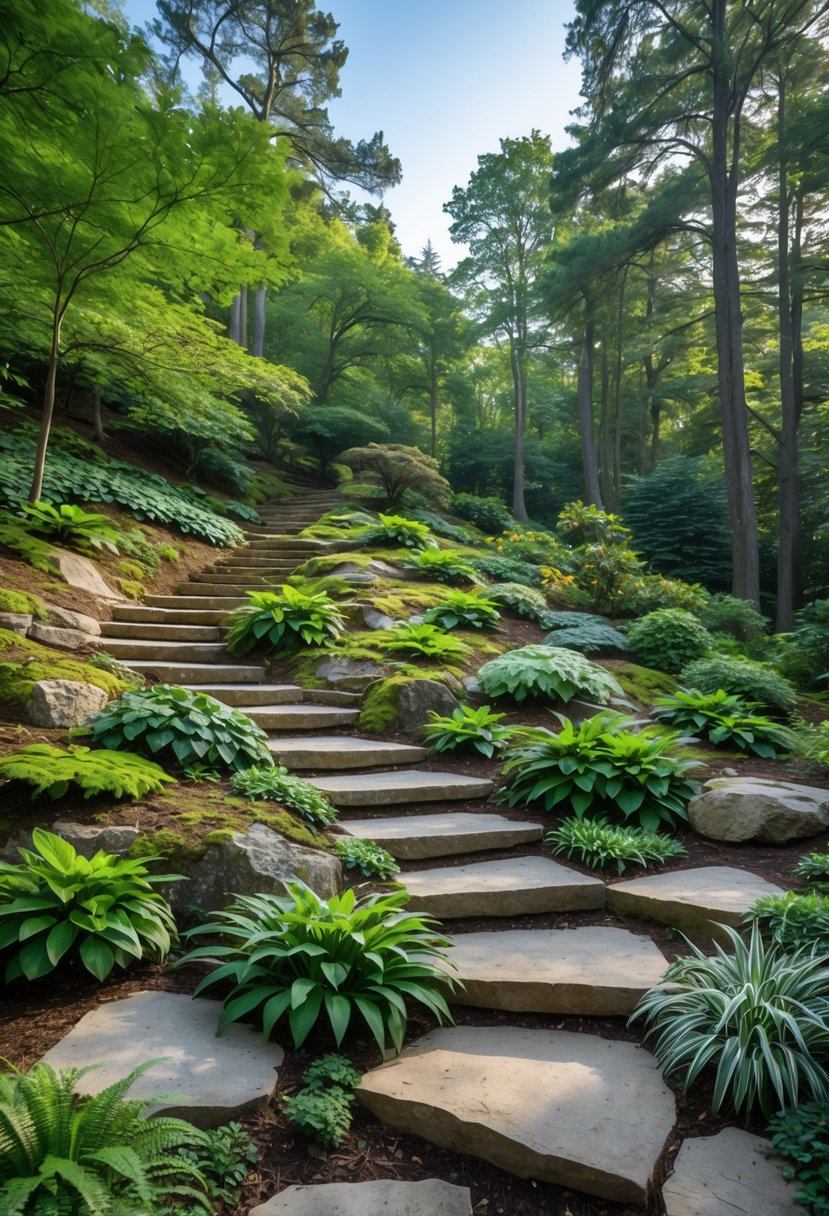
Before you start planting, it is important to understand the slope and the conditions of your site. Careful design helps you use the natural features well and create a balanced, attractive woodland area that works with the land.
Assessing the Slope and Site Conditions
Check the steepness of your slope. Steeper slopes may need terracing or retaining walls to prevent soil erosion.
Observe the sunlight your site gets during the day. Woodland plants usually prefer shaded or partly shaded areas, so identify sunny and shady spots.
Test the soil type and drainage. Woodland gardens do best in moist, well-drained soil. If the soil is poor or drains badly, you might need to add organic matter or create raised beds.
Look for natural features like rocks or trees. Use these in your design to make the garden feel more natural and less forced.
Design Principles for Woodland Spaces
Design your garden to mimic a natural woodland. Layer plants by height—place tall trees at the back, shrubs in the middle, and ground covers in front.
Create gentle winding paths to make your garden easy to explore. Use natural materials like bark or gravel for the paths to blend with the woodland feel.
Use plants that thrive in shade and need little care. Native plants or woodland species are usually best.
Consider adding elements like logs, stones, or a small water feature to add interest and support wildlife.
Plan for good drainage and erosion control by using terraces or planting ground covers that hold soil in place.
Designing Woodland Paths and Access

Paths in a sloped woodland garden need careful thought to keep the area safe and attractive. You must plan the path route to work with the slope and the natural setting. Choosing the right materials ensures the path lasts and blends with the woodland feel.
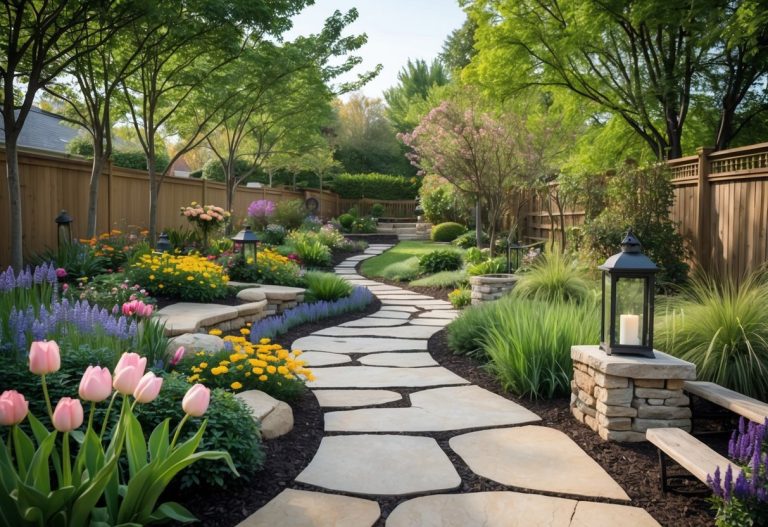
How to Create a Stunning Sloped Woodland Garden Path
First, plan your path so it follows the natural contours of the slope. Avoid straight lines; gentle curves make walking easier and look more natural.
Next, add terraces or steps where the slope is steep. This helps prevent soil erosion and makes the path safer to navigate.
Keep the path narrow, about 2 to 3 feet wide, so it fits well in the woodland space without disturbing too many plants.
Consider adding small retaining walls or edging to hold the soil in place along the path.
Place the path where it offers good views and access to key garden features like seating areas or flowering plants.
Selecting Materials for Natural Pathways
Choose materials that provide good grip and fit the woodland style. Gravel and crushed stone are good options since they drain well and fit uneven ground.
Natural stone pavers give a stable walking surface and a clean look but may be more expensive and harder to install on steep slopes.
Wooden steps or boardwalks work well in wet areas and add to the rustic feel. Use treated wood or naturally rot-resistant types to last longer.
Use river rocks, mulch, or bark chips alongside your path to define edges and reduce weeds.
Avoid smooth stones or slippery surfaces, especially on steep parts, to keep your path safe year-round.
Plant Selection and Layering Strategies

To build a successful sloped woodland garden, focus on plants that thrive in shade and can handle varied soil conditions. Layering your garden with trees, shrubs, perennials, and groundcovers will create depth, texture, and visual interest throughout the year.
Choosing Shade-Loving Trees and Shrubs
Pick trees and shrubs that do well in low light and help form the main structure of your garden. Native species often work best as they adapt to local climates and soil.
Good tree choices include:
- Dogwood (Cornus spp.) for seasonal blooms
- Witch hazel (Hamamelis) for winter interest
- Redbud (Cercis canadensis) for spring flowers
For shrubs, choose varieties with dense foliage and natural shapes:
- Rhododendrons and azaleas for vibrant colors
- Mountain laurel (Kalmia latifolia) for evergreen appeal
- Ferns like the Christmas fern, which tolerate shade well
These plants help break up the slope and provide shelter for other smaller plants. They also trap moisture and reduce soil erosion.
Incorporating Woodland Perennials and Groundcovers
Fill the lower layers with shade-tolerant perennials and groundcovers to create a lush, carpeted effect.
Use plants like:
- Hostas for large, attractive leaves
- Astilbes for feathery plumes that brighten dark spaces
- Solomon’s seal (Polygonatum) for elegant arching stems
Groundcovers stabilize soil and prevent weeds. Consider:
- Vinca minor for low-growing greenery and purple flowers
- Sweet woodruff (Galium odoratum) for fragrant cover
- Wild ginger (Asarum canadense) for dense, heart-shaped leaves
Arrange plants in layers based on height and spread to ensure each one has room to grow. This will also create natural transitions and avoid bare patches on your slope.
Maintaining and Enhancing Your Sloped Woodland Garden

To keep your garden healthy and beautiful, you need to manage soil stability and follow a seasonal care routine. Focusing on erosion control and timely maintenance will protect your plants and improve the garden’s look.
Soil Erosion Control Techniques
Controlling soil erosion is key for a sloped garden. Use terracing to create flat planting areas. This reduces runoff and gives roots space to grow firmly.
Plant ground covers like ivy or native grasses. They hold soil with their roots and slow water flow.
Add mulch around plants to protect soil from rain impact. Mulch also keeps moisture and limits weeds.
Consider building stone or wooden retaining walls. They help hold soil in place and add structure to your garden.
Avoid compacting soil by walking only on paths. Compacted soil can worsen erosion and harm plants.
Seasonal Maintenance Tips
In spring, check your plants for winter damage and remove dead leaves. Prune shrubs carefully to encourage healthy new growth.
Summer needs regular watering but avoid overwatering. Use drip irrigation or soaker hoses to target roots and reduce surface runoff.
Fall is a good time to add mulch and plant bulbs or new shrubs before winter.
Winter maintenance includes clearing fallen branches and protecting young plants with burlap or mulch.
Inspect retaining walls and terraces after storms to fix any damage quickly. This prevents bigger problems in the spring.
Frequently Asked Questions

Creating a beautiful sloped woodland garden means thinking about plant choices, soil, and how to shape the land. You will want to plan paths, terraces, and layers carefully while keeping your budget and maintenance needs in mind.
What are effective strategies for creating a low-maintenance woodland garden?
Choose native plants that thrive in your local climate. Use ground covers and mulch to reduce weeds and protect soil moisture. Group plants with similar water and light needs together to simplify care.
What considerations should be taken into account when planning the layout of a woodland garden?
Think about how sunlight hits the slope and where shade will be strongest. Plan layers with tall trees, medium shrubs, and low ground plants. Include natural features like rocks or logs to add interest and stability.
How can you develop a sloped garden beautifully while adhering to a budget?
Use simple terracing with natural materials such as stones or wood. Start with a few key plants and add more over time. Reuse fallen branches or logs for decoration and plant supports.
What are the best practices for constructing a woodland garden path?
Make paths meander gently to follow the slope’s natural shape. Use stepping stones or mulch to keep the path clear and safe. Ensure the path is wide enough for comfortable walking and drains well to avoid erosion.
What are creative ideas for small woodland gardens?
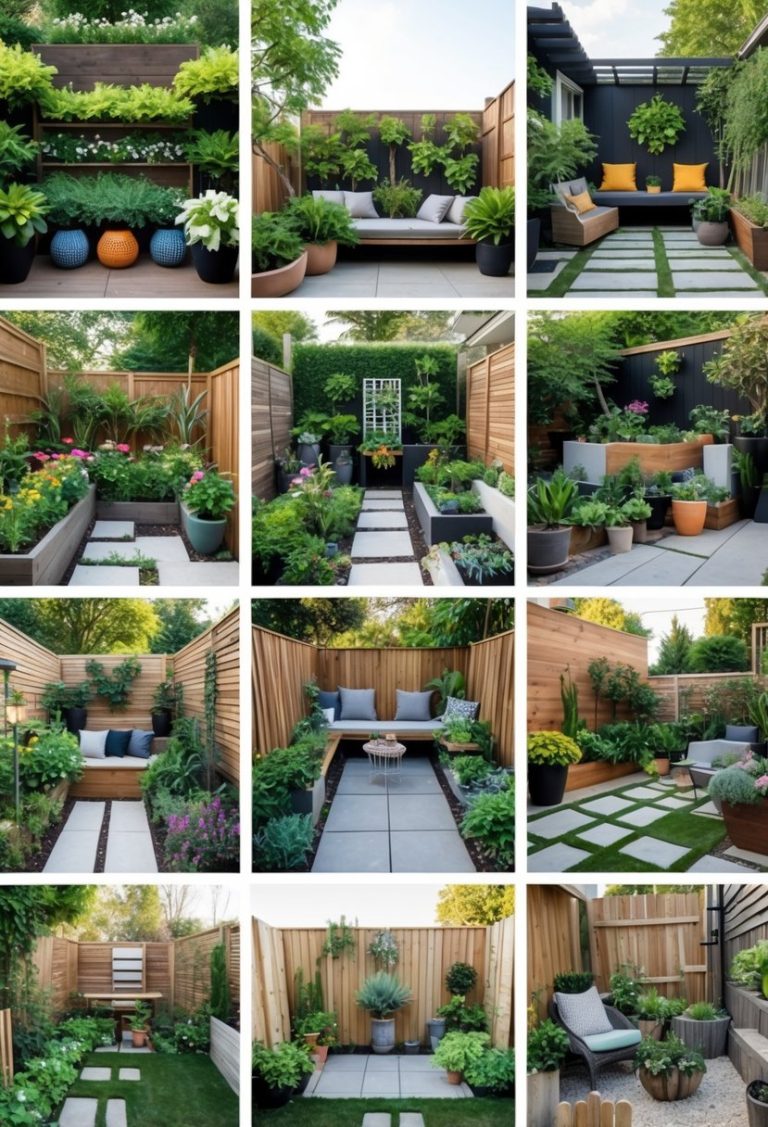
Use vertical layers to maximize space with small trees and shrubs. Add features like a fairy garden or a small water element. Plant colorful shade-loving flowers to brighten darker areas.
How can you build a tiered garden on a slope to enhance the visual appeal?
Divide the slope into flat terraces using retaining walls or raised beds. Plant each tier with different types of plants for variety and depth. Include steps or pathways between levels for easy access.