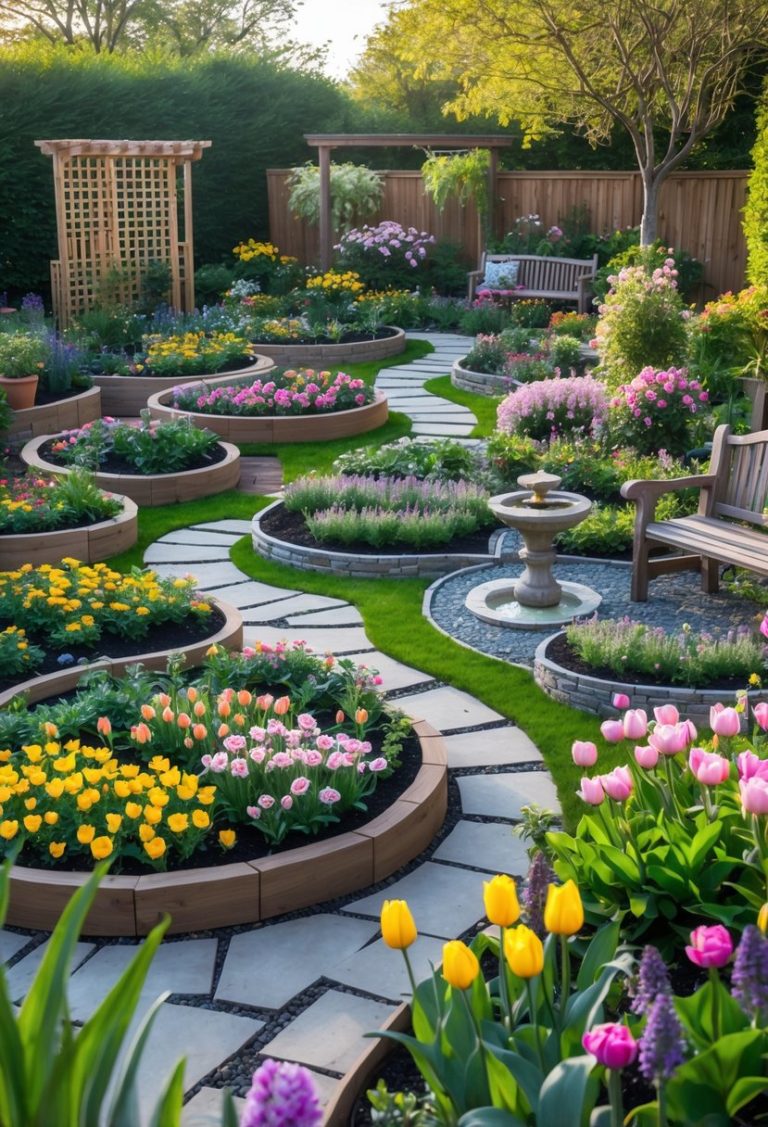
How to Attract Butterflies to Your Garden: Essential Tips for a Vibrant Backyard Habitat
Attracting butterflies to your garden is easier than you might think. The key to drawing these colorful insects is planting the right flowers and host plants they need for food and breeding. Butterflies prefer gardens with plenty of nectar-rich blooms and places where caterpillars can grow safely.
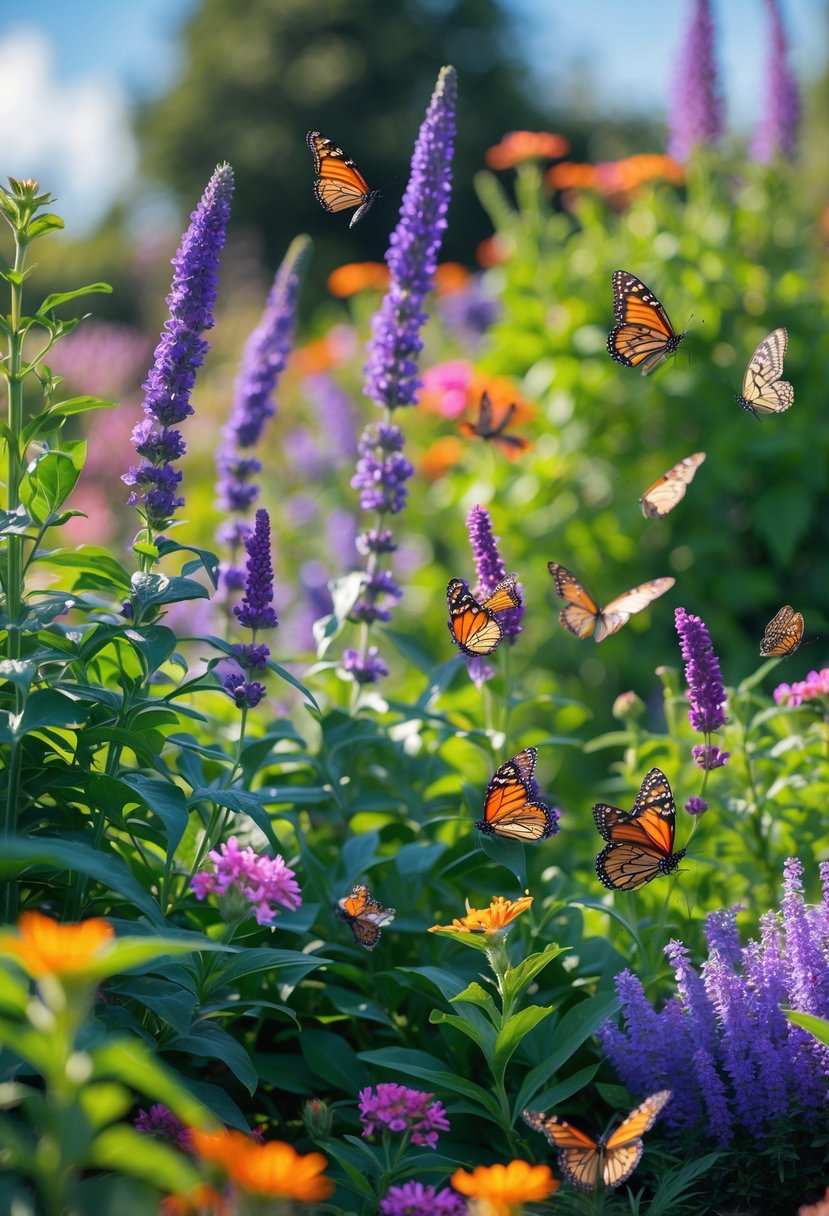
Creating a butterfly-friendly space also means providing shelter and sunning spots, since butterflies need warmth to fly. Avoid using pesticides, as these chemicals can harm butterflies and other helpful insects. By making small changes, you can turn your garden into a lively, natural habitat that supports butterflies throughout their life cycle.
Key Takeways
- Plant flowers that provide nectar and host plants for caterpillars.
- Create sunny spots and shelter to support butterfly activity.
- Avoid pesticides to protect butterflies and other pollinators.
Choosing the Best Butterfly-Friendly Plants

To attract butterflies, you need plants that provide nectar and places for caterpillars to grow. Choose plants that bloom at different times and suit your local climate. Mixing native plants with popular butterfly favorites increases your garden’s appeal to many species.
Native Plants and Their Benefits
Using native plants helps support local butterfly species better than non-native ones. These plants are adapted to your area’s soil and weather, so they grow well with less care.
Native plants often serve as both nectar sources and host plants where butterflies lay eggs and caterpillars feed. You can check local garden centers or websites for native plant lists in your region.
Planting natives also benefits bees and other pollinators, creating a healthy garden ecosystem. Examples include milkweed for Monarch butterflies and purple coneflower, which attracts many butterfly types.
Top Flowers That Attract Butterflies
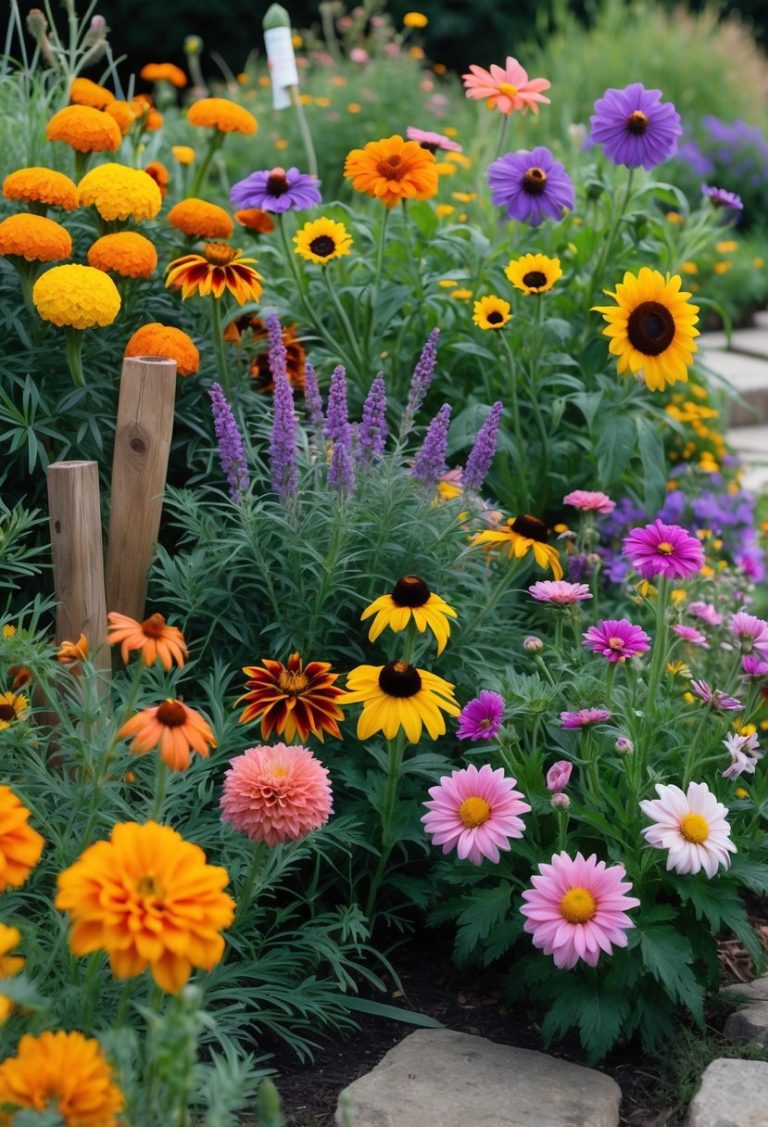
Butterflies prefer flowers with bright colors like red, orange, yellow, and purple. Choose plants that offer abundant nectar.
Here are some of the best flowers to include:
- Milkweed: Essential for Monarchs, with large nectar-rich blooms.
- Butterfly Bush: Provides long-lasting nectar and attracts various species.
- Marigolds: Plant in groups for better attraction; they bloom for a long time.
- Purple Coneflower: Attracts butterflies and bees with its large petals.
- Lantana: Heat tolerant and blooms in clusters of small flowers.
Use a mix of taller and shorter flowers to appeal to different butterfly species and provide places to rest.
Creating a Continuous Bloom Cycle
Butterflies need flowers throughout the entire growing season. To keep them visiting, plant species that bloom at different times from early spring to late fall.
Start with early bloomers like violets or milkweed. Then add mid-season plants such as marigolds or coneflowers. Finish with late bloomers like asters or goldenrod.
This staggered approach ensures fresh nectar is always available. It also helps support different butterfly species that are active at different times.
You can use a simple table to plan bloom times:
| Plant | Bloom Time |
|---|---|
| Milkweed | Spring to Summer |
| Marigolds | Summer to Fall |
| Asters | Fall |
| Butterfly Bush | Summer to Fall |
Mixing plants this way keeps your garden lively and inviting to butterflies all season long.
Designing a Butterfly Habitat
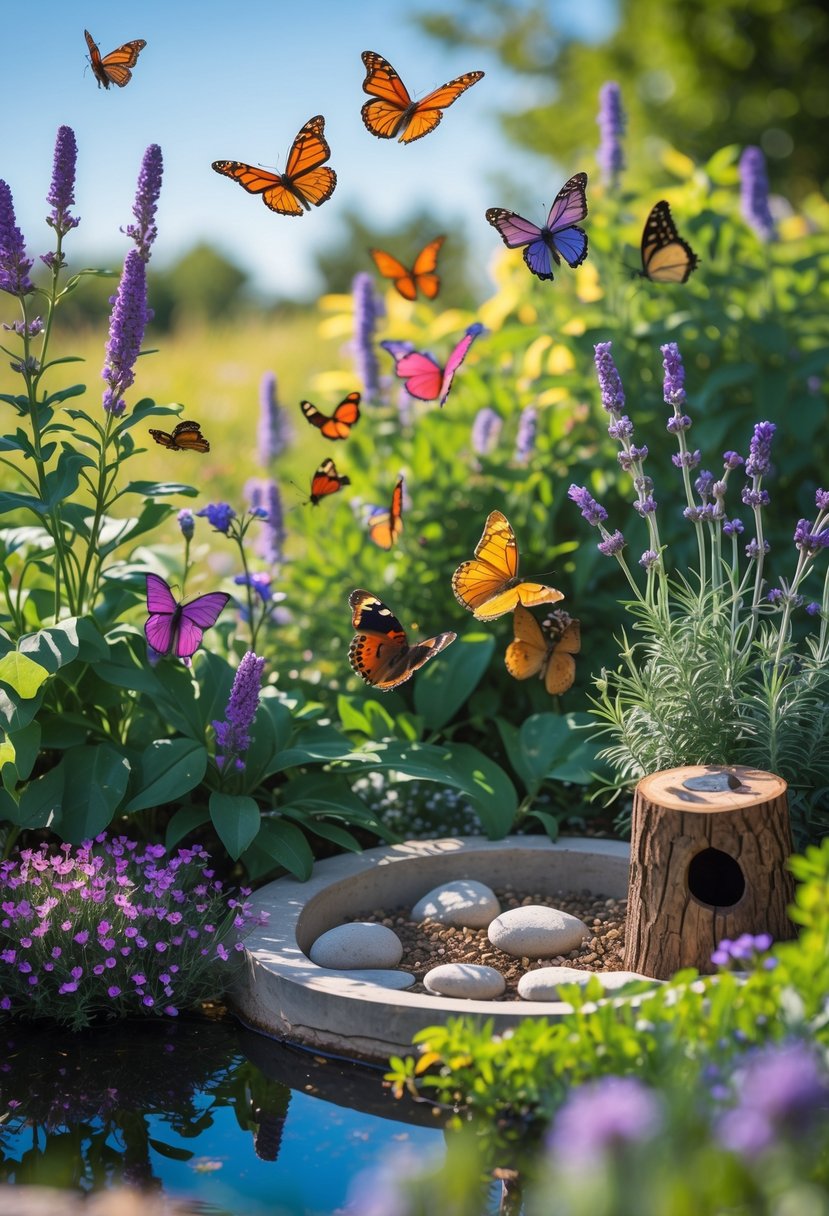
To attract butterflies, you need to create a space that meets their basic needs for warmth, food, water, and safety. This means arranging your garden with plenty of sun, places to rest and hide, fresh water, and protection from predators.
Providing Sunlight and Shelter
Butterflies are cold-blooded and rely on the sun to warm their bodies. Place your garden in an area that gets at least 6 hours of direct sunlight each day. Flat rocks or logs are great for butterflies to bask on and absorb heat.
Shelter is just as important. Use shrubs, tall grasses, or small trees to protect butterflies from strong wind and rain. These plants also provide hiding spots from birds and other predators.
Avoid using pesticides, as these chemicals harm butterflies and their caterpillars. Instead, choose native plants that naturally support local butterfly species. Make sure you include plants for both adult butterflies (nectar sources) and their larvae (host plants).
Water Sources and Mud Puddling
Butterflies need water for drinking and minerals, but they don’t use typical birdbaths. They prefer shallow, damp soil or sand where they can land safely. This behavior is called “mud puddling.”
Set up a shallow dish with sand or soil and keep it moist. You can also create a small puddle in your garden by gently watering bare ground. Minerals from moist soil help butterflies survive and reproduce.
Avoid deep water where they can drown. Regularly check the water source to keep it clean and fresh. Avoid chemical treatments near these areas to keep the environment safe.
Safe Spaces from Predators
Butterflies face threats from birds, spiders, and other insects. You can help by providing plenty of dense plants and hiding spots.
Use a mix of tall and low-growing plants to give cover at different heights. Some plants with thick leaves or thorny branches make good refuges. Avoid open spaces where butterflies can easily be spotted and caught.
You can also attract birds and insects that prey on butterfly predators. Ladybugs and certain birds help control harmful pests without harming butterflies.
By building a garden with these features, you increase the chances that butterflies will visit and stay in your yard.
Enhancing Butterfly Interaction
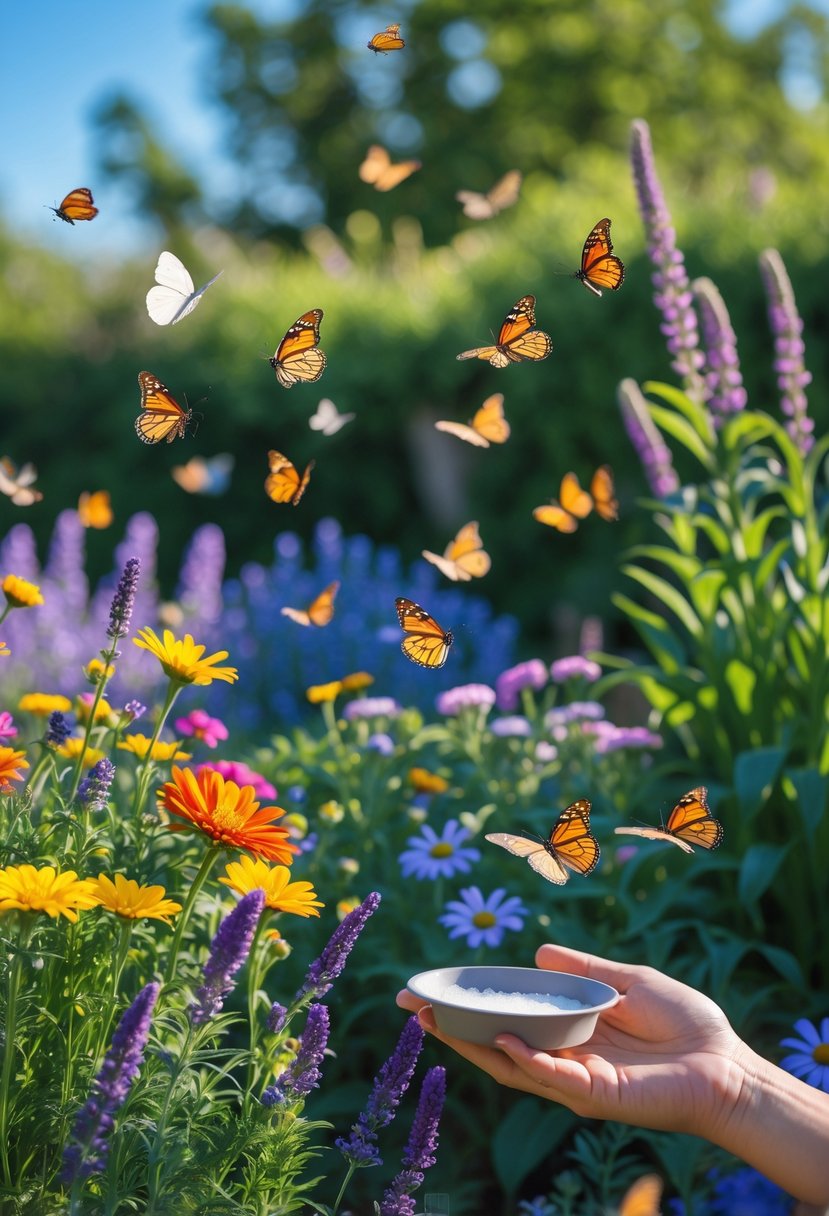
You can create moments where butterflies feel comfortable around you, making your garden visits more special. Knowing what draws butterflies close and how to encourage them to land on you allows you to connect with these insects in a unique way.
How to Attract Butterflies to Your Hand
To get butterflies to land on your hand, stay calm and still. Sudden movements will scare them away. Hold your hand steady, palm up or gently cupped, near flowers or sunny spots where butterflies often feed.
Wearing light-colored, soft fabrics helps because butterflies are more attracted to gentle colors than bright or dark shades. You can also place a small bit of fruit juice, sugar water, or wet a cotton ball with a sugar solution on your fingers to provide a food source.
Avoid strong perfumes or lotions that can repel butterflies. Let your skin breathe, and if you want to improve your chances, sit quietly in your garden where they feed, giving them time to grow comfortable.
What Attracts Butterflies to Humans
Butterflies are attracted to humans mostly because of scent and warmth. Sweaty skin gives off salts and minerals that butterflies like to feed on, especially during warm weather. This is why they often land on people after exercise or on warm days.
Wearing bright colors like yellow, red, or purple can also catch their eye, as these colors often resemble flowers they like. Avoid heavy perfumes and opt for natural, mild scents instead, to keep butterflies interested.
Additionally, butterflies are drawn to moisture. Holding damp cloths or moist spots on your skin may increase their interest. Being patient and gentle around butterflies encourages them to come closer and even land on you.
Frequently Asked Questions
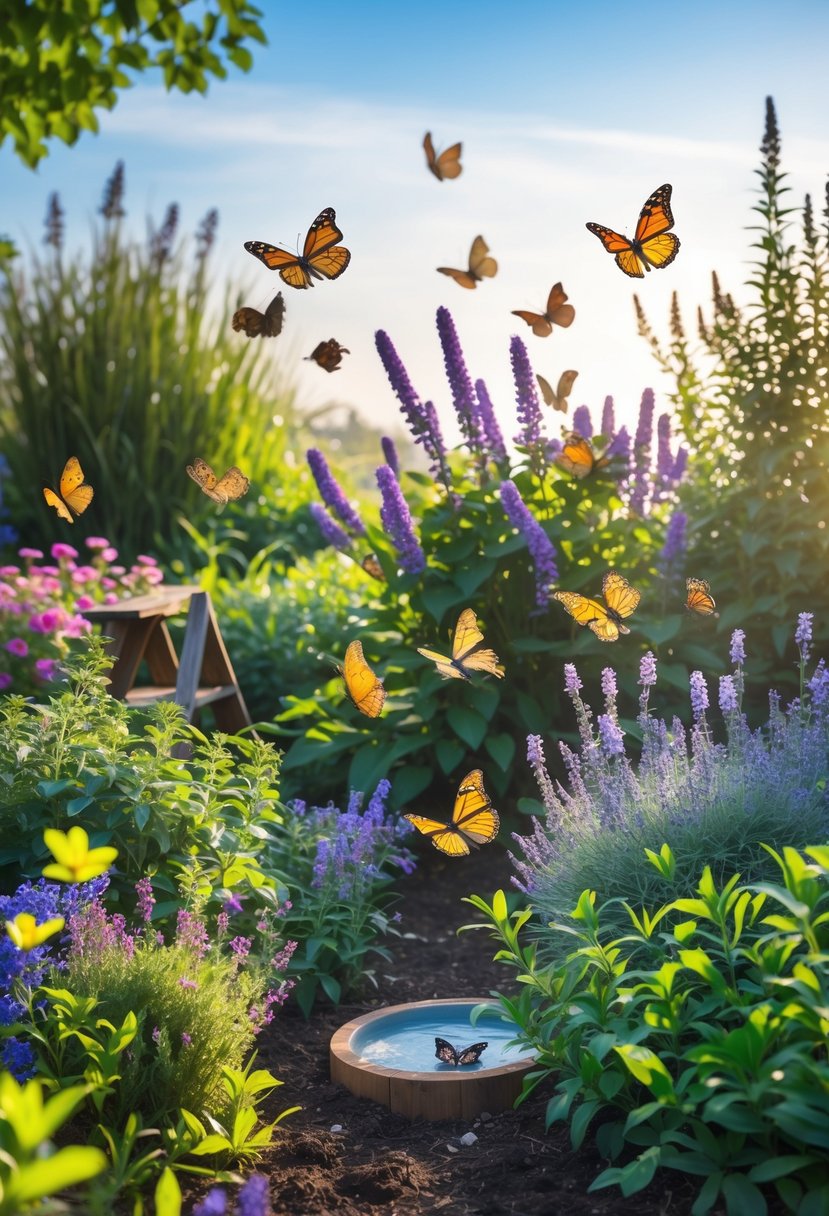
You can attract butterflies by planting specific plants that serve as food and breeding sites. Creating a good habitat also means considering shelter, seasonal needs, and avoiding chemicals that harm pollinators.
What plants should I grow to attract butterflies to my garden?
Grow nectar plants like milkweed, purple coneflowers, and butterfly bush. Include host plants like milkweed for monarch caterpillars and parsley or fennel for swallowtails.
These plants provide food for both adult butterflies and caterpillars, supporting all life stages.
What is the best way to provide a habitat for butterflies during winter?
Leave plant debris and some leaves on the ground as shelter. You can also provide protected areas like piles of twigs or brush.
Butterflies often overwinter as pupae or eggs on host plants, so don’t clean up too thoroughly in fall.
Which nectar-rich flowers are essential for a butterfly-friendly garden?
Choose flowers like lantana, zinnias, marigolds, and cosmos. Native wildflowers also work well and often attract local butterfly species.
Make sure these plants bloom at different times to provide nectar throughout the season.
How can I create a garden that appeals to both butterflies and bees?
Use a mix of flowering plants that produce nectar and pollen. Avoid pesticides, especially insecticides and mosquito sprays.
Provide shallow water sources and patches of bare soil where these pollinators can rest or gather minerals.
Why might butterflies not be visiting my garden, and how can I change that?
Butterflies avoid areas with pesticides or no food sources. Too much wind, lack of sun, or few host plants can also drive them away.
Add nectar and host plants, keep the area sunny and calm, and stop using harmful chemicals.
How can you attract butterflies to your garden without using artificial attractants?
Focus on natural food sources by planting a variety of native flowers and host plants. Provide water sources like damp sand or mud patches for minerals.
Avoid sprays, and create safe spaces where butterflies can lay eggs and complete their life cycle.