
How Gardening Affects Mental Health: Understanding the Psychological Benefits and Stress Relief
Gardening is more than just a hobby or a way to grow plants. It has a direct positive effect on your mental health by reducing stress, improving mood, and boosting focus. Spending time working with soil and plants can help you feel calmer and more peaceful.
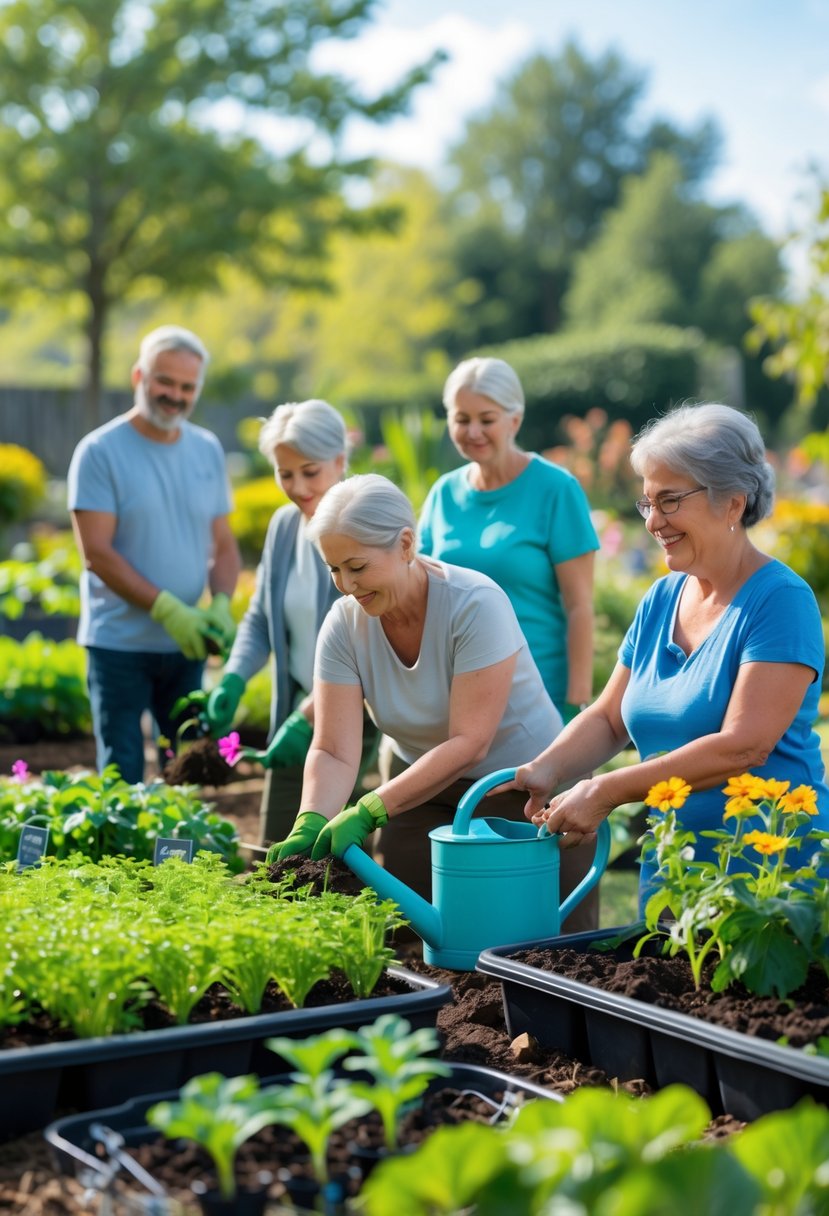
Engaging in gardening regularly can lower symptoms of anxiety and depression while enhancing your overall sense of well-being. You don’t need a large garden to see benefits; even small gardening activities can improve your mood and mental clarity.
This article will explore how gardening supports mental health and offer simple ideas on how you can use gardening to feel better every day.
Key Takeaways
- Gardening can help reduce stress and improve your mood.
- Gardening supports better mental focus and emotional well-being.
- Small, regular gardening activities make a positive mental health impact.
Understanding the Relationship Between Gardening and Mental Health
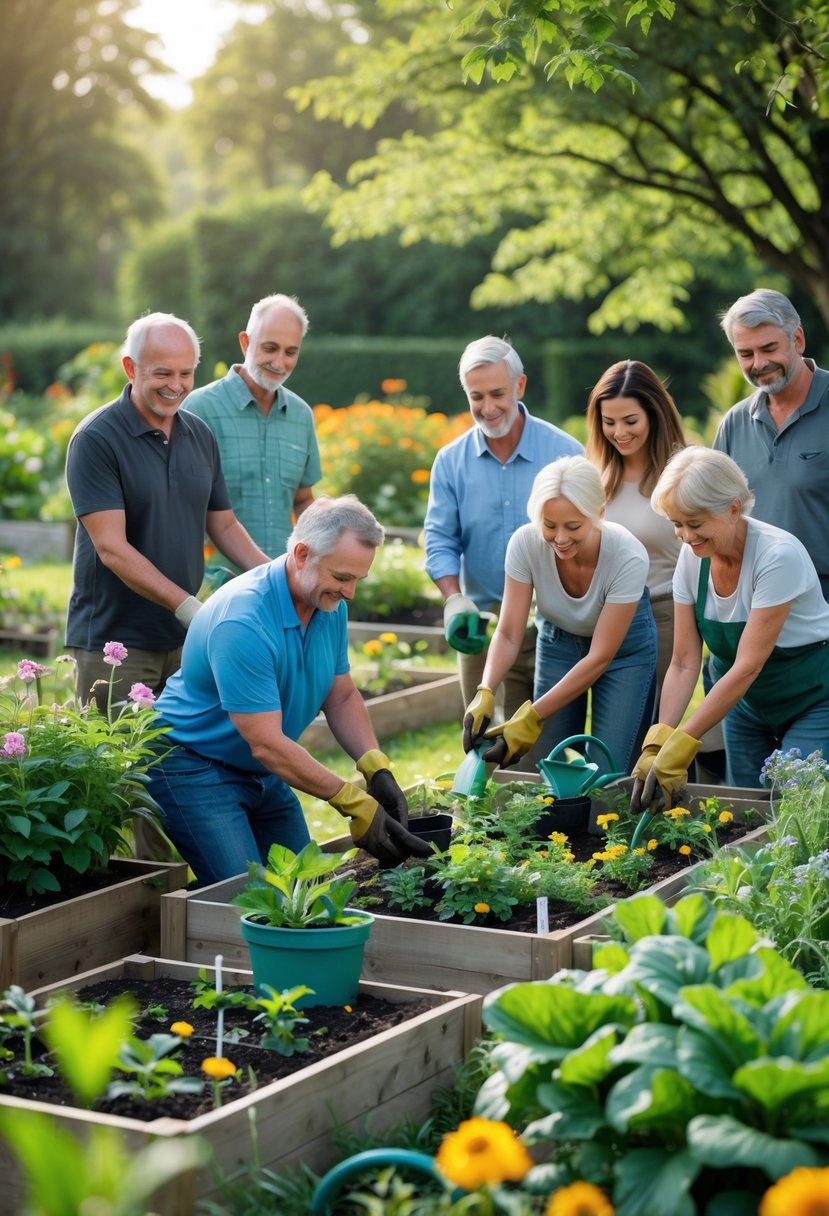
Gardening can influence your mental health through several clear pathways. It affects your mood, stress levels, and emotional strength while engaging different parts of your brain. Scientific studies have explored why these effects happen and how reliable they are.
Overview of How Gardening Affects Mental Well-Being
When you garden, you spend time outdoors, move your body, and focus on a task. This combination helps reduce feelings of anxiety and depression. Gardening also offers a sense of purpose and accomplishment as you see plants grow and thrive.
Working in a garden can improve your mood by lowering stress hormones. It encourages mindfulness, which can calm your mind. Social gardening, such as in community gardens, adds benefits by building connections with others.
Gardening gives you control over a small environment, which can improve confidence and reduce negative thoughts. This activity also encourages you to be patient and persistent, skills that support emotional health.
Scientific Theories Linking Nature and Psychological Health
One major theory is the Biophilia Hypothesis. It states that humans are naturally drawn to nature, which helps restore mental energy and reduce stress. Being near plants and soil can trigger these natural benefits, making you feel calmer and more relaxed.
Another explanation comes from Attention Restoration Theory. This theory says nature provides a break from constant mental focus, helping your brain recover. Gardening involves soft attention that lets your mind rest while staying engaged.
Horticultural therapy is another concept, where gardening is used as a deliberate treatment for mental health issues. Studies show that interaction with plants can lower cortisol levels and improve mood, supporting these theories with real-world evidence.
Key Research Findings on Gardening and Emotional Resilience
Research shows gardening reduces symptoms of depression and anxiety in adults. A review of multiple studies found consistent improvements in mood and stress levels. Many people report feeling happier and less overwhelmed after regular gardening sessions.
Gardening also builds emotional resilience by encouraging patience and care for living things. This process helps you manage difficult emotions better over time. Group gardening activities add social support, which strengthens your ability to cope with stress.
A meta-analysis of gardening programs confirmed benefits like better cognitive function and less mood disturbance. These findings support the idea that gardening is a practical, low-cost way to improve mental health.
Major Mental Health Benefits of Gardening
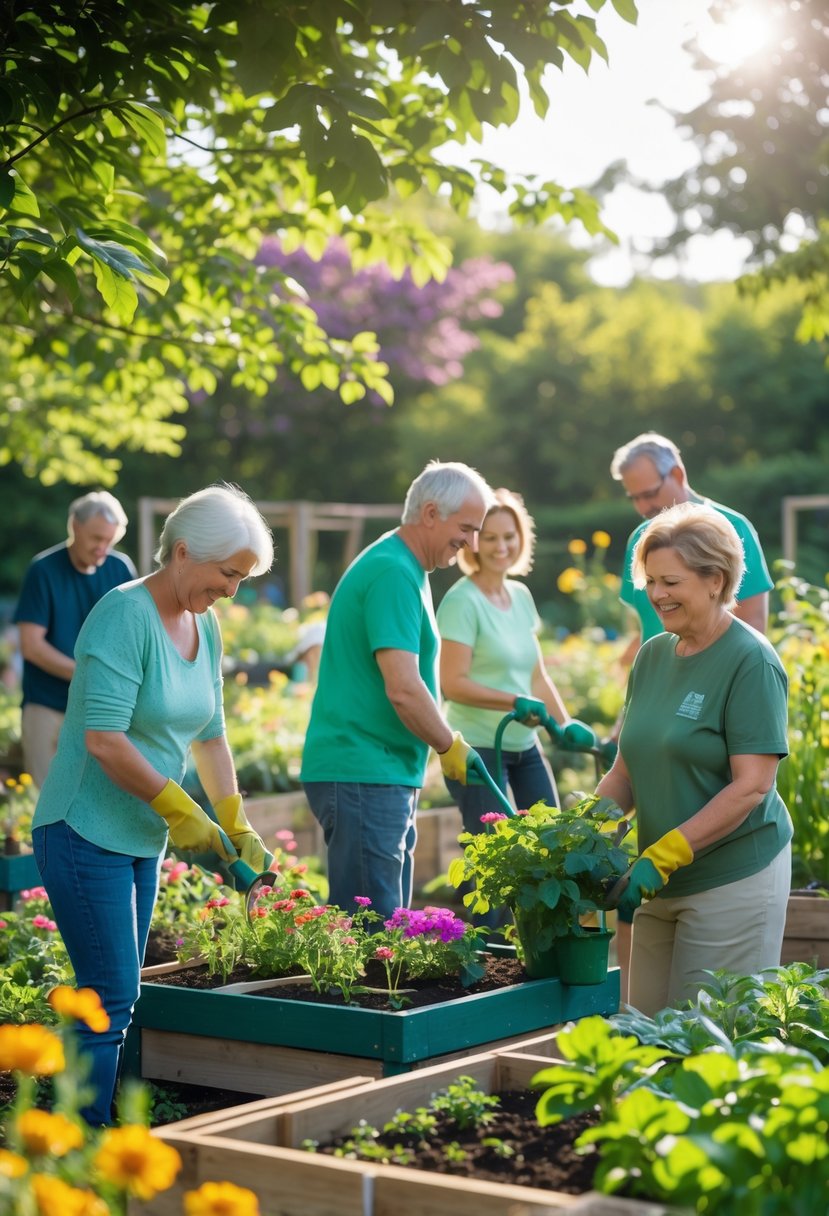
Gardening offers several ways to improve your mental health. It can help lower your stress levels, support you if you feel depressed, and boost your mood. The act of working with plants, being outside, and focusing on growth changes your emotional state in real, measurable ways.
Reduction of Stress and Anxiety
When you garden, your body releases fewer stress hormones like cortisol. Being outdoors and engaging in repetitive tasks, such as planting or watering, helps calm your mind. The physical activity involved promotes relaxation and eases tension.
Gardening also gives you a break from everyday worries. Focusing on the needs of your plants distracts your brain from anxious thoughts. In fact, research shows that spending time in nature reduces feelings of anxiety and promotes a sense of peace.
Simple actions, such as digging or pruning, help slow your breathing and heart rate. This physical response directly counters stress symptoms. You gain control over your space, which can make stressful situations feel more manageable.
Support in Managing Depression
Gardening can be a helpful tool if you struggle with depression. The routine gives you a sense of purpose and accomplishment when you see plants grow and thrive. This feeling of progress can counter feelings of hopelessness.
Exposure to sunlight during gardening helps increase your serotonin levels. Serotonin is a brain chemical linked to mood improvement. This natural boost often makes it easier to handle everyday challenges.
You also connect to nature, which can provide comfort when you feel isolated. The sensory experience—the colors, smells, and textures—engages your brain in a positive way. Small successes in gardening can build confidence and motivate you to keep going.
Enhancement of Mood and Overall Happiness
Gardening can improve your outlook on life by lifting your mood. The combination of physical exercise, fresh air, and sensory enjoyment triggers the release of endorphins, often called “feel-good” chemicals.
The hands-on interaction with plants gives you a chance to practice mindfulness. Paying close attention to the present moment helps reduce negative thinking and fosters a calm mind. This can improve your emotional balance.
You may also find joy in nurturing living things. Seeing the fruits of your labor, like flowers blooming or vegetables growing, can lead to a deep sense of satisfaction. This positive feedback loop encourages you to return to gardening again and again.
Gardening as a Therapeutic Practice
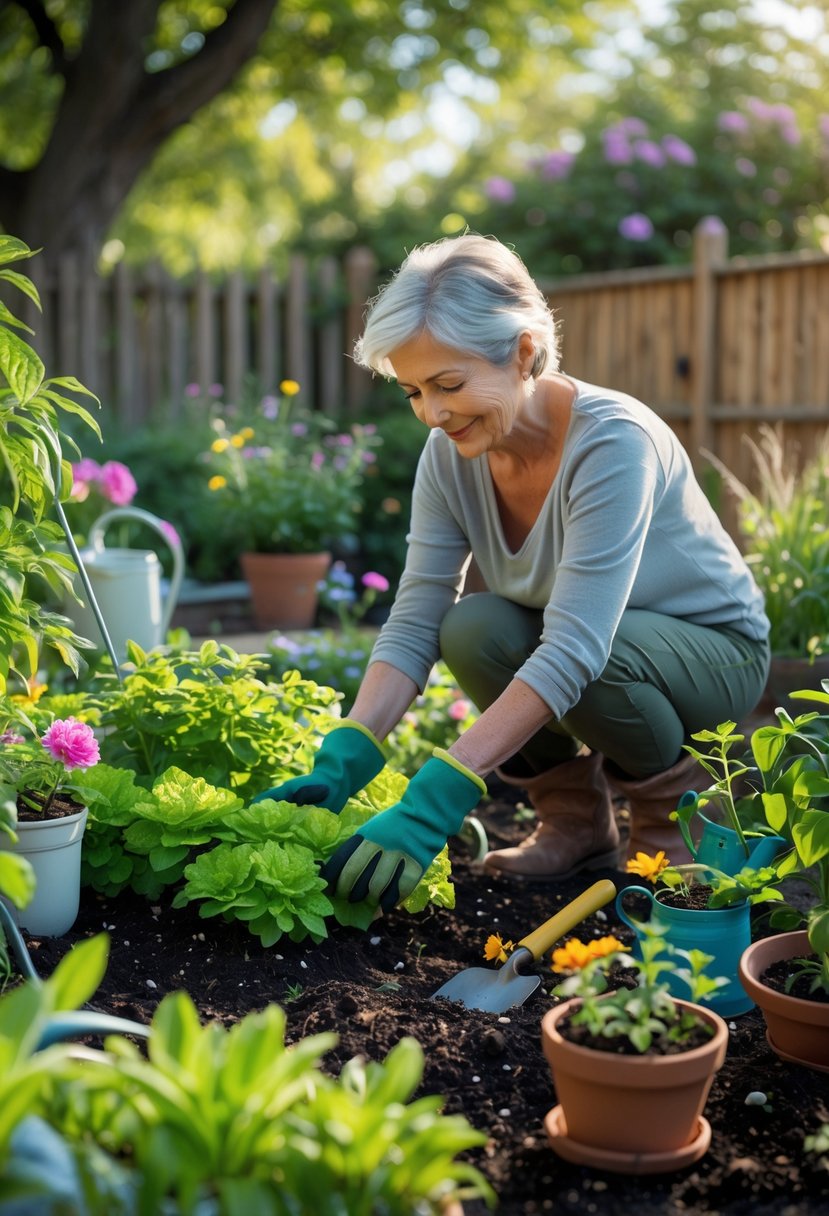
Gardening helps manage mental health by lowering stress and improving mood. It offers structured activities that engage your mind and body. You can benefit both from clinical programs and community-based gardening efforts that support emotional wellness.
Horticultural Therapy and Clinical Applications
Horticultural therapy uses gardening tasks guided by trained therapists to aid your mental health. This practice targets conditions like anxiety, depression, and stress. Through activities like planting, watering, and nurturing plants, you can improve focus and reduce symptoms.
In clinical settings, gardening is part of treatment plans for patients with mental health challenges. It helps with emotional regulation and builds a routine. The hands-on nature of gardening offers comfort and encourages mindfulness.
Therapists monitor your progress and tailor gardening tasks to your needs. This therapy supports cognitive function and encourages social interaction when done in groups. It’s a practical way to enhance your mental well-being over time.
Community Gardening Programs for Emotional Wellness
Community gardens give you a space to connect with others while gardening. These programs promote social support, which plays a big role in mental health. Working alongside peers helps reduce feelings of loneliness and builds a sense of belonging.
The shared goal of maintaining a garden can improve your self-esteem and provide a regular activity that breaks negative thought patterns. You also gain physical activity, which helps lower anxiety and depression.
Community gardening often involves instructional support to help you learn new skills. These programs create a safe, welcoming environment where you can share experiences and relieve stress together. This practical social setting supports your emotional wellness.
Practical Gardening Activities for Mental Health Support
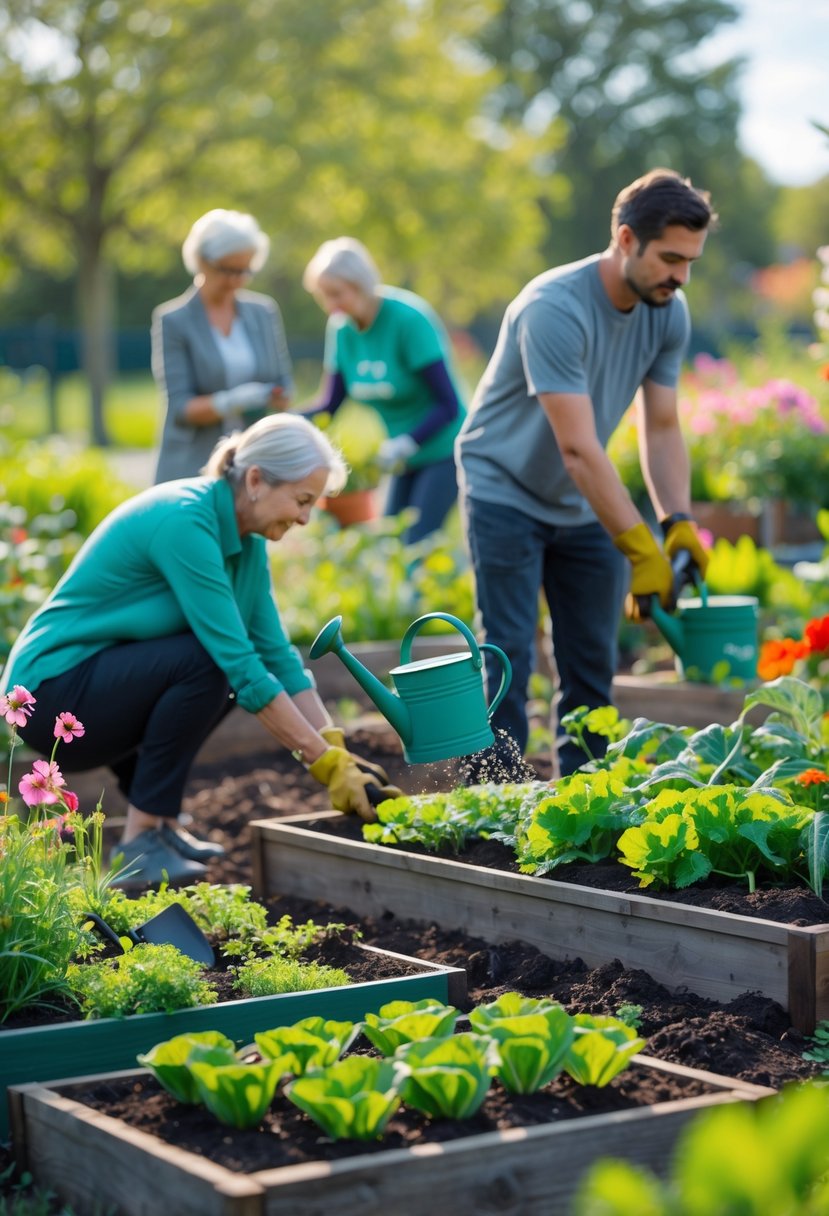
You can use specific gardening activities to improve your mental health. These activities involve focused attention and choosing the right plants or garden styles that suit your needs. Both physical and social aspects play a role in boosting mood and lowering stress.
Mindful Gardening Techniques
Mindful gardening means paying close attention to what you are doing, like feeling the soil or noticing the colors of leaves. This helps you stay present and calm, which reduces anxiety and stress.
Try these techniques:
- Slowly dig or plant, focusing on each movement.
- Breathe deeply while watering plants.
- Notice the scent and texture of flowers.
- Clear your mind of distractions when you garden.
By being mindful, you increase your connection with nature. This leads to a sense of peace and accomplishment that supports mental health.
Recommended Plants and Garden Types
Choosing the right plants can support your mood and energy levels. Easy-care plants like herbs (basil, mint) or flowers (sunflowers, lavender) are good choices because they require less stress to maintain.
Consider these garden types:
| Garden Type | Mental Health Benefit | Best Plants |
|---|---|---|
| Herb Garden | Boosts confidence and focus | Basil, rosemary, thyme |
| Flower Garden | Increases joy and relaxation | Lavender, daisies, tulips |
| Community Garden | Builds social connection | Any shared local plants |
Community gardens especially help by providing social support. Being part of a group while gardening adds meaning and reduces feelings of isolation.
Pick plants and garden styles that motivate you to keep gardening regularly, which maximizes mental health benefits.
Expert Tips for Integrating Gardening Into a Healthy Lifestyle
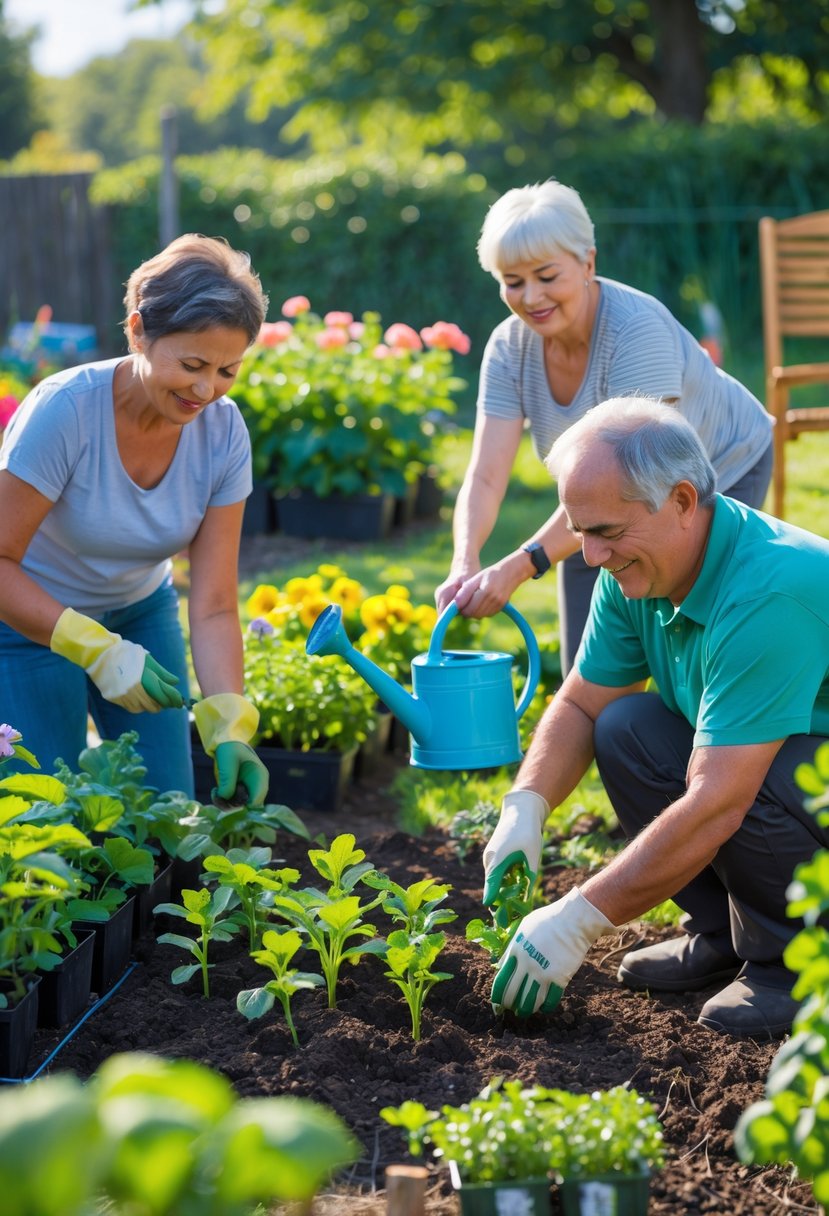
You can make gardening fit into your daily life by setting simple habits and facing common challenges. Small changes in how you garden can help improve your mood, focus, and overall well-being.
Creating a Personal Gardening Routine
Start with small steps, like caring for a few pots of herbs or flowers. Set aside a regular time each day or week to tend your plants. This helps build a habit and keeps gardening from feeling like a big job.
Use tools and seeds that match your experience level. Pick plants that are easy to grow and need little care at first. You can increase the variety once you feel more confident.
Try to practice mindfulness while gardening. Focus on the colors, smells, and textures of your plants. This helps reduce stress and keeps your attention in the moment.
Overcoming Common Barriers to Starting
Space and time are common problems when beginning gardening. If you have little room, use containers or small raised beds. Even a sunny windowsill can work.
Lack of knowledge can hold you back. Use simple guides or videos to learn basic gardening skills. Start with plants that are forgiving, like succulents or herbs.
Physical limits might make gardening hard for some. Use raised beds or long-handled tools to reduce bending or reaching. Gardening can be adapted to your needs without strain.
Frequently Asked Questions
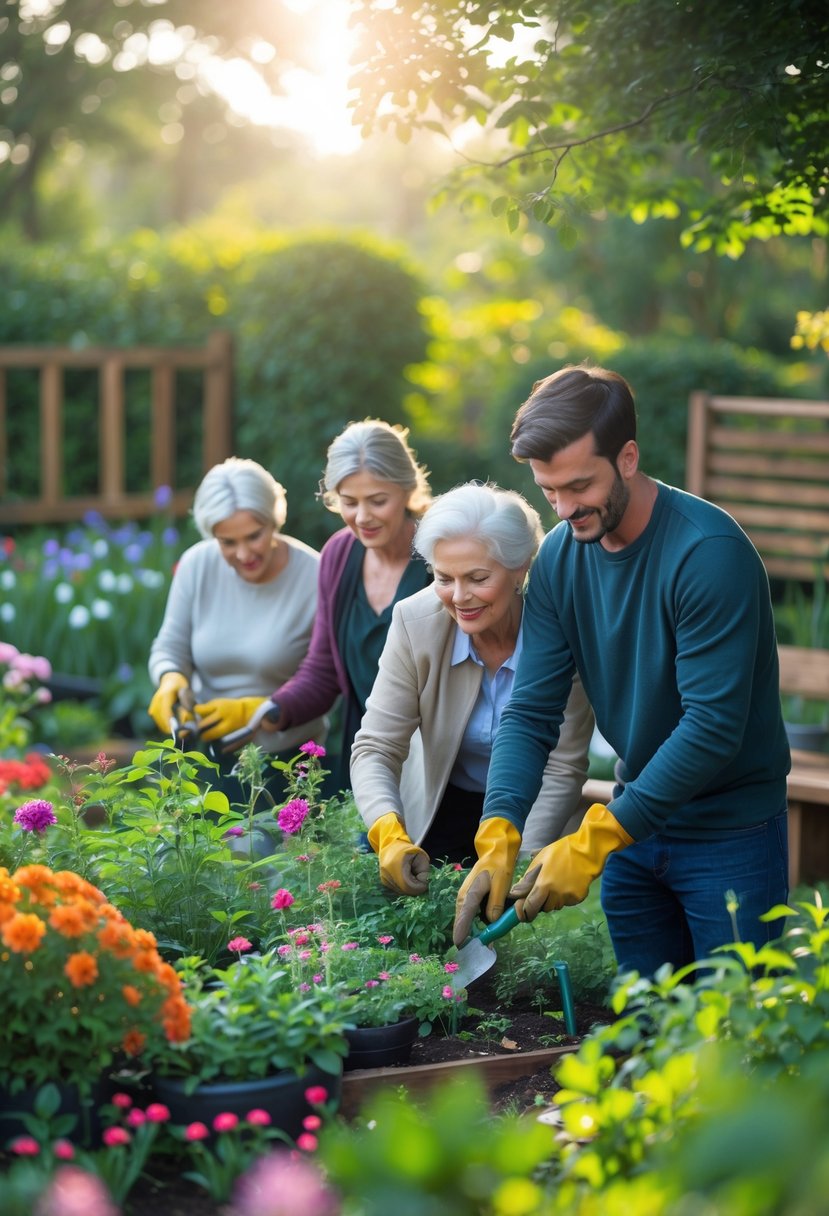
Gardening affects your mental health in several ways. It improves your mood, lowers stress, and helps you connect with others. It also involves physical movement that supports your emotional well-being.
What are the psychological benefits of engaging in gardening activities?
When you garden, you can reduce feelings of anxiety and depression. Gardening helps focus your mind, which can decrease negative thoughts. It also promotes a sense of achievement as you care for plants and watch them grow.
Can gardening be used as a form of therapy for mental health conditions?
Yes, gardening is sometimes used in therapy to help people manage mental health issues. It supports relaxation and mindfulness, which can ease symptoms of depression and anxiety. Gardening therapy is often combined with other treatments.
How does regular gardening contribute to an individual’s emotional wellbeing?
Gardening regularly helps you feel more positive and less stressed. Being outdoors and caring for plants gives you a natural way to relax. Over time, it can improve your overall mood and increase feelings of calm.
Is there any research linking gardening with reductions in stress or anxiety levels?
Studies show that gardening can lower your stress hormone levels. It helps reduce anxiety by giving you a calming activity that engages your senses. Some research also notes that gardening with others can increase these benefits.
What social advantages can gardening provide concerning mental health improvement?
Gardening with a group helps build connections and reduces feelings of loneliness. You can share goals and enjoy teamwork, which supports your mental health. Being part of a community garden can make you feel supported and valued.
In what ways does the physical activity involved in gardening impact mental health?
The physical work in gardening boosts your mood by releasing endorphins. It increases your energy and helps you sleep better. Moving your body while gardening also reduces feelings of tension and improves mental clarity.


