Vertical Gardening Vegetable Techniques for Maximizing Small Space Harvests
Vertical gardening is an effective way to grow vegetables when space is limited. By using vertical structures like trellises, pallets, or living walls, gardeners can maximize their growing area and keep plants organized. This method allows more vegetables to grow in a smaller footprint, making it ideal for small yards or urban spaces.
Not all vegetables are suited for vertical gardening, but many thrive when given the right support and care. Plants such as peppers, beans, and cucumbers do well climbing or hanging, saving ground space for other crops. The key is choosing the right plants and structures to fit the space and sunlight available.
Vertical gardening also brings benefits like easier harvesting and better air circulation, which help reduce disease. This approach combines both function and creativity, allowing gardeners to grow a variety of fresh vegetables efficiently.
Key Takeways
- Vertical gardening saves space by growing plants upward instead of outward.
- Choosing suitable vegetables and supports improves plant growth and yields.
- Proper care and design help maintain healthy, productive vertical gardens.
Fundamentals of Vertical Gardening for Vegetables
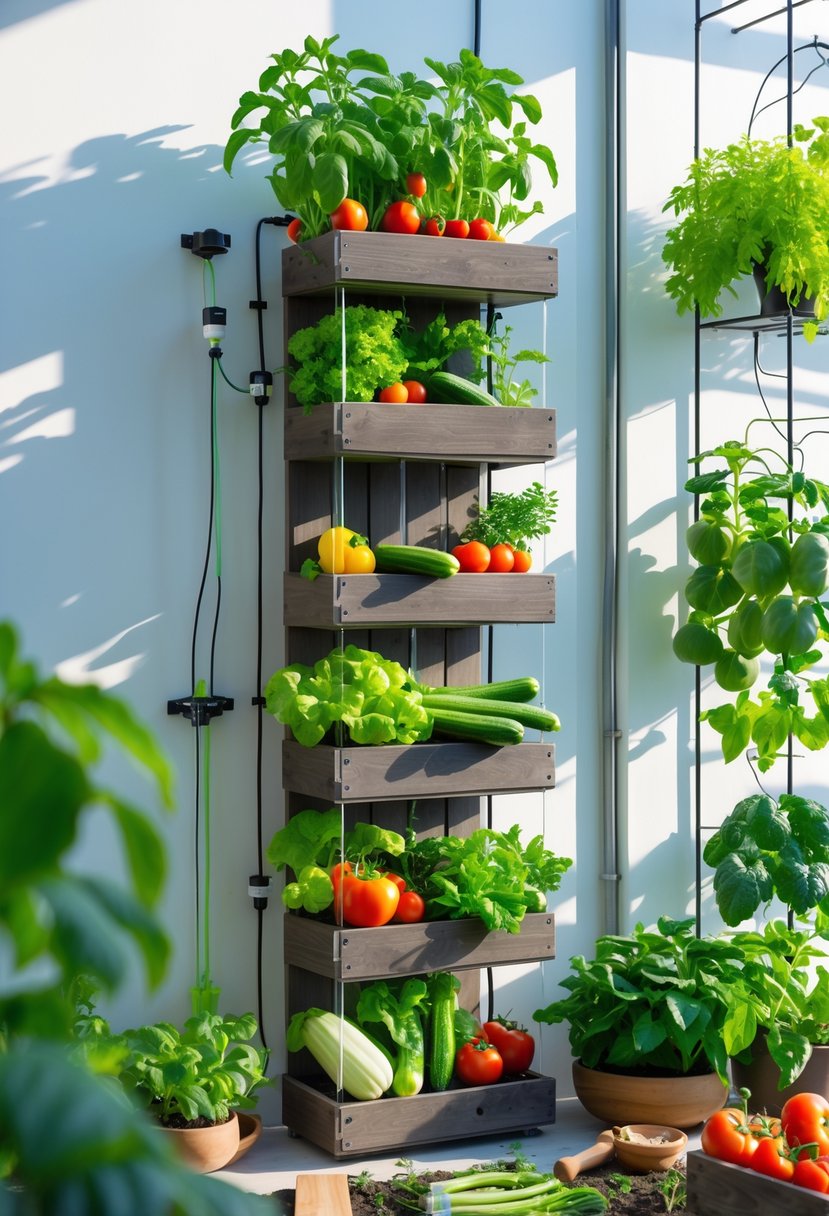
Vertical gardening grows vegetables upward using structures like trellises or stacked containers. This method saves space, improves air flow, and allows better control of water and sunlight. Gardeners must learn how plants grow vertically, understand the advantages, and prepare for common issues when starting a vertical vegetable garden.
How Vertical Vegetable Gardening Works
Vertical gardening uses supports such as trellises, walls, or towers to grow plants upward instead of spreading on the ground. Vegetables like cucumbers, peppers, and leafy greens thrive when trained to climb or grow in stacked containers.
Watering is different too. Drip irrigation or watering at the top lets gravity carry water down to roots below. Soil or growing medium needs to be light but hold water well. Proper support helps plants avoid damage as they grow taller. This method fits small spaces and urban areas well.
Benefits of Growing Vegetables Vertically
Vertical gardening saves space by using height instead of ground area. This allows more plants in small places like balconies or patios.
Plants get better air circulation when grown vertically, which helps prevent diseases. It also makes harvesting easier because vegetables hang at reachable heights.
Sunlight reaches all parts of the plants more evenly, helping vegetables like peppers and tomatoes ripen better. Plus, vertical systems often use less soil and water, making gardening more efficient.
Common Challenges in Vertical Vegetable Gardening
Vertical gardens can dry out faster because soil holds less water in small containers or thin layers. Frequent watering or drip irrigation is needed to keep plants healthy.
Supporting plants is crucial. Heavy vegetables like peppers need strong trellises to prevent breaking. Gardeners should regularly check ties and supports as plants grow.
Pests can hide in crowded vertical spaces, so attention to plant health is important. Some plants may also struggle if they do not get enough sunlight higher up or if the growing medium lacks nutrients. Adjusting plant choice and care helps avoid these problems.
Choosing the Right Vertical Gardening Systems
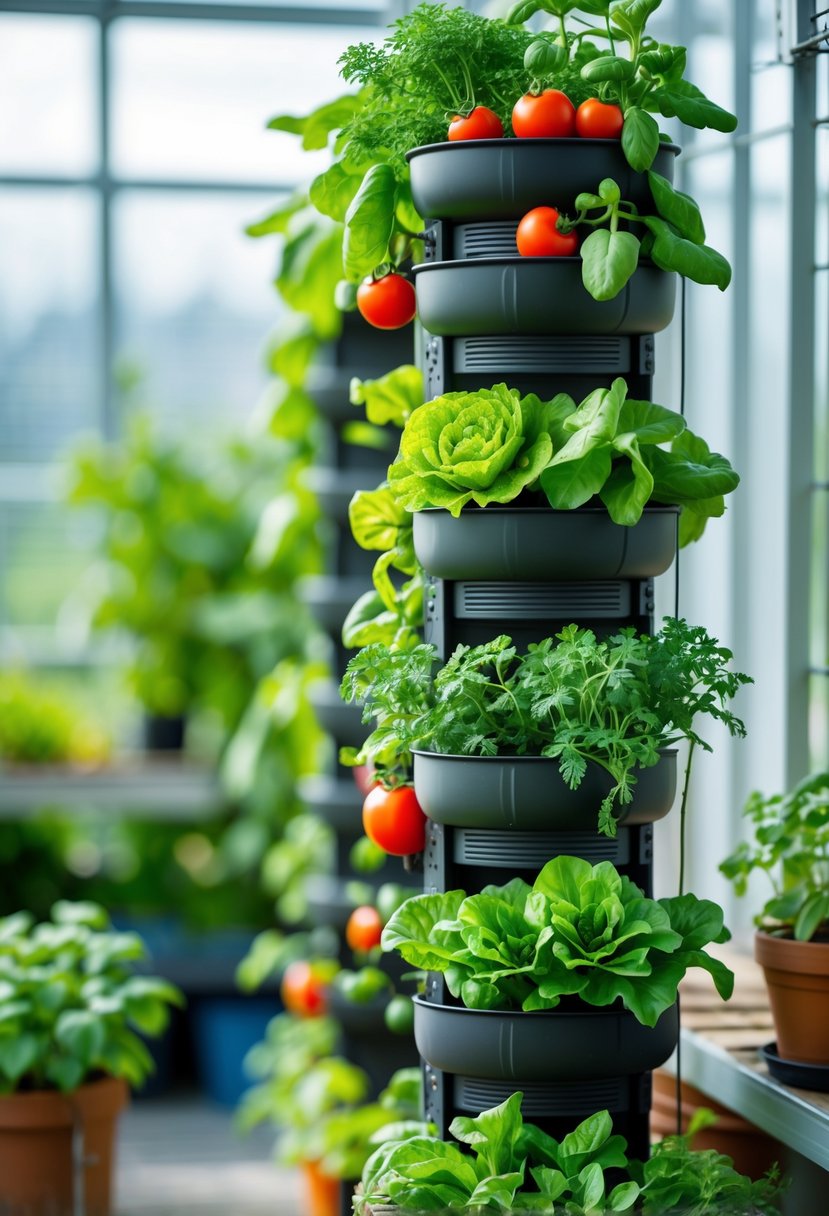
Selecting the right system depends on the vegetable types, space available, and budget. Different vertical setups suit various plants and growing conditions. Understanding system types, cost options, and space limits helps gardeners choose the best fit.
Types of Vertical Vegetable Gardening Systems
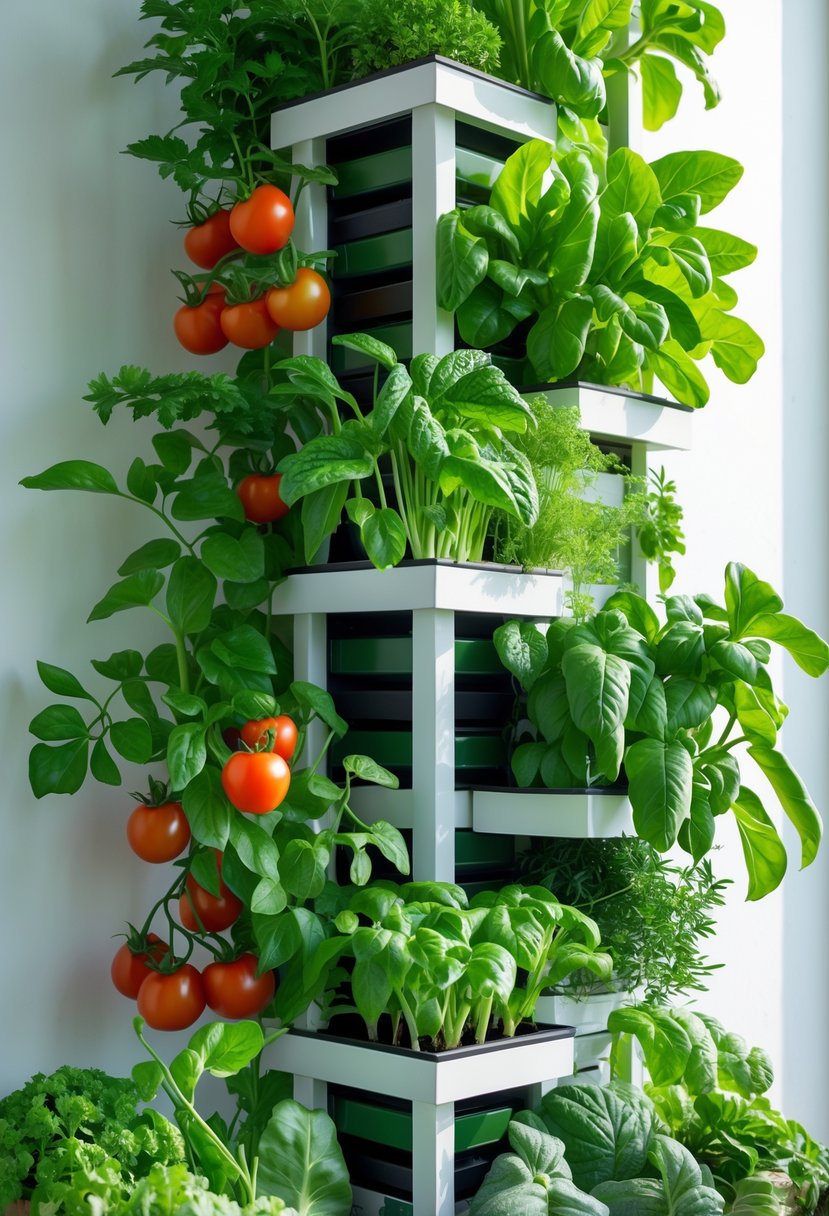
There are several systems to grow vegetables vertically. Common types include trellises, towers, and wall-mounted containers. Trellises work well for climbing plants like beans and peas. Towers suit leafy vegetables such as lettuce and kale that don’t vine.
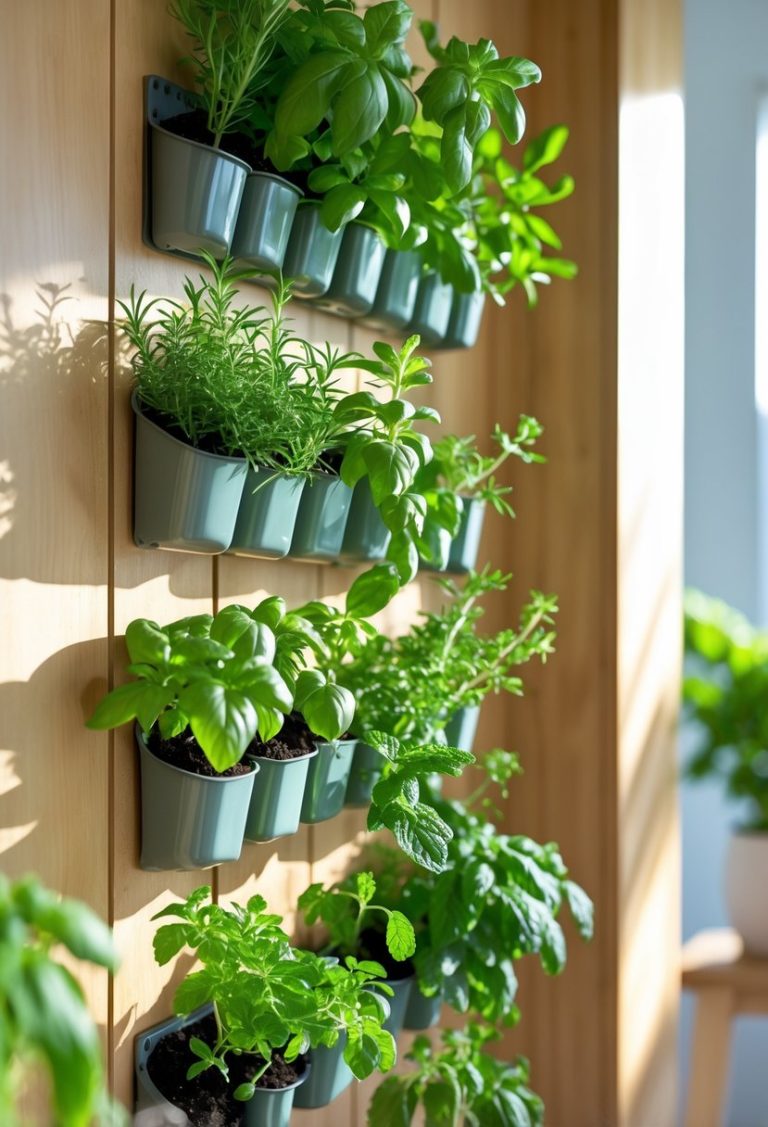
Wall-mounted pockets or hanging containers are good for small vegetables like strawberries and herbs. Some systems use nets or strings to support plants. Choosing the system depends on the plant’s growth habit and how much space the gardener has.
DIY vs. Commercial Vertical Systems
DIY systems are often cheaper and customizable. Gardeners can repurpose items like pallets, old shelves, or PVC pipes to create vertical setups. DIY options can fit unusual spaces and personal styles but may need more effort and basic skills.
Commercial systems are ready-made and built to last. These often come with features like built-in drip irrigation or stackable containers. They cost more but can save time and offer better plant support.
Space and Structural Considerations
Measure the available space carefully before choosing a vertical system. Some structures need strong support, especially for heavy vegetables like tomatoes or squash. Walls, fences, or specially installed posts often hold these systems.
Vertical gardening works best with good sunlight. Consider the direction the plants face to ensure they get enough light. It’s also important to check local conditions like wind and weight limits on balconies or patios.
Selecting Vegetables for Vertical Gardening
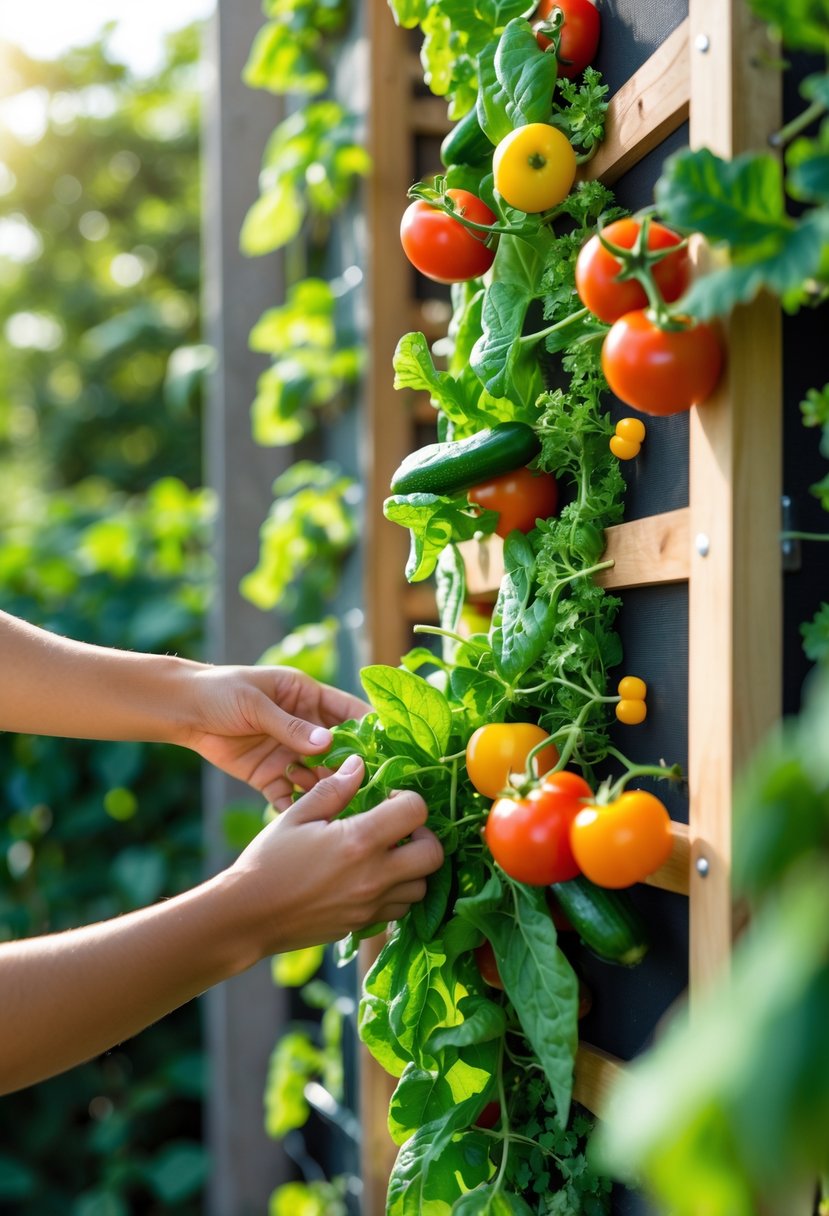
Choosing the right vegetables helps gardeners maximize space, improve yields, and simplify care. Some vegetables naturally climb or grow well on supports, while others need specific conditions. Understanding the best options, beginner-friendly plants, and how seasons affect growth helps build a successful vertical garden.
Best Vegetables for Vertical Gardening
Vegetables that climb or vine are ideal for vertical gardens. Cucumbers, pole beans, peas, and tomatoes are among the top choices. They naturally grow upward and produce well when given sturdy supports like trellises or cages.
Other good options include bell peppers and dwarf eggplants. Peppers need full sun, well-drained soil, and regular watering to produce bright fruits. Dwarf eggplants fit compact spaces and do not spread aggressively, making them good for containers.
Vertical gardening also reduces pest risks and improves air circulation around plants. Using slings or ties can help heavy fruits stay supported and grow straight.
Vegetables for Beginners
For those new to vertical gardening, choosing easy-to-grow vegetables reduces frustration. Fast-growing vines like pole beans and peas are simple to manage. They require minimal care beyond basic watering and support.
Tomatoes are popular but need consistent care to avoid diseases. Bush varieties may be easier if vertical space is limited. Starting with peppers or dwarf eggplants can also offer a manageable experience while producing attractive crops.
Beginners should focus on soil quality, watering schedules, and sturdy support structures to encourage healthy growth without complicated steps.
Seasonal and Climatic Factors
Vegetables for vertical gardens must suit the local climate and seasonal changes. Warm-season crops like tomatoes, peppers, and cucumbers thrive in full sun and warm temperatures.
Cooler climates or early spring planting call for cold-tolerant options like peas, which grow well in lower temperatures. Gardeners should consider growing schedules and frost dates to plan planting times.
Proper placement ensures plants receive optimum sunlight, which affects fruit size and color. In hot, dry areas, additional watering and shade might be necessary to prevent stress on vertical crops.
Planting and Caring for Vertical Vegetable Gardens
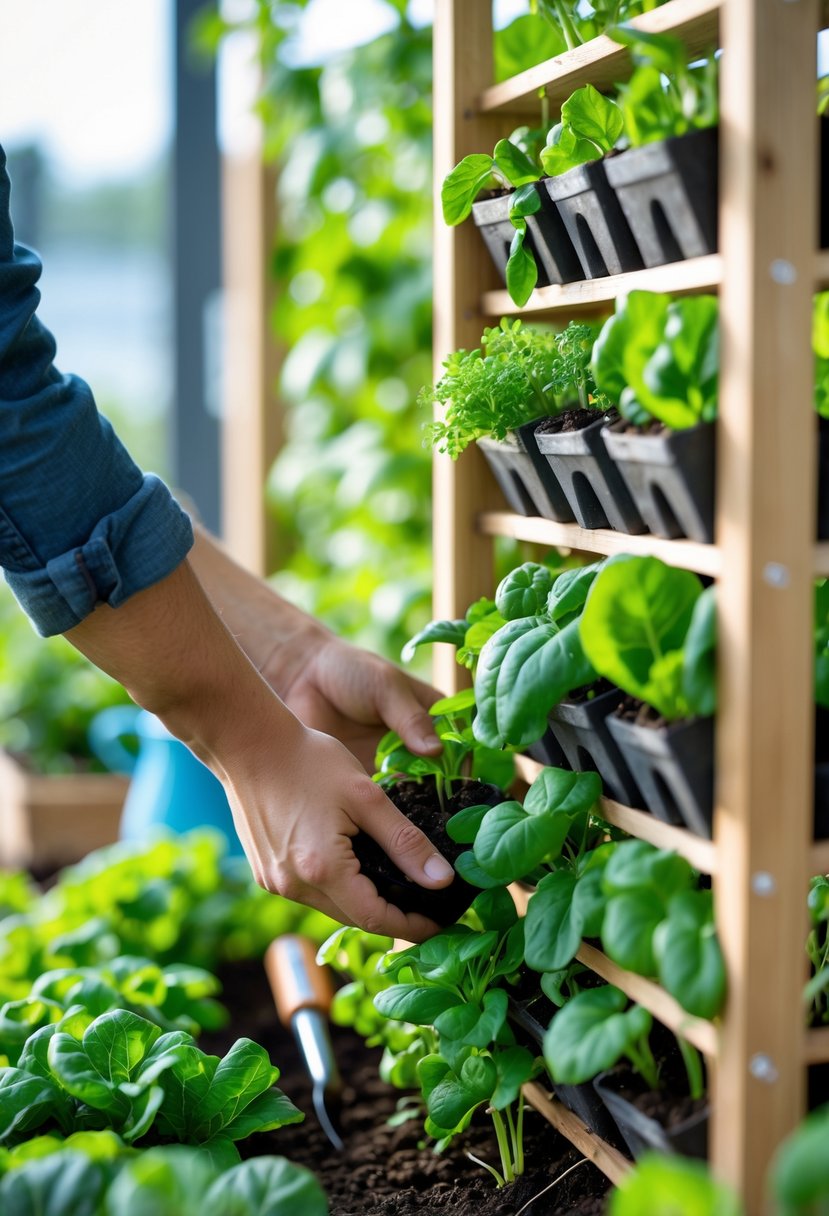
Vertical vegetable gardens need the right soil, watering, and support to thrive. Proper care helps plants grow healthy and produce more vegetables without taking up much space.
Soil and Nutrient Management
Plants in vertical gardens require soil that drains well but retains moisture. A mix of potting soil with compost works best. Compost adds nutrients and improves soil structure.
Regular feeding with balanced fertilizer is important. Slow-release fertilizers can provide continuous nutrients. If using containers or pockets, check soil pH often; most vegetables prefer a pH between 6.0 and 7.0.
Adding organic matter like worm castings or seaweed extract can boost soil health. Avoid heavy or compacted soil because it limits root growth and water flow in vertical setups. Always loosen soil before planting and refill containers as needed.
Watering Techniques for Vertical Systems
Vertical gardens dry out faster than ground plots, so watering must be steady and even. Drip irrigation systems are ideal because they deliver water directly to plant roots, saving water and reducing disease risk.
Timers can automate watering to avoid overwatering or underwatering. Check soil moisture every few days, especially in hot weather or if plants show stress.
Hand watering may work for small systems but use a gentle spray to avoid displacing soil. Mulching the soil surface can also help retain moisture between waterings.
Supporting Growth and Maximizing Yields
Strong support structures keep plants upright and healthy. Use trellises, stakes, or cages especially for vining vegetables like cucumbers, pole beans, and tomatoes.
Training plants to climb these supports ensures better air circulation and light exposure, improving fruit quality and reducing pests.
Regular pruning removes dead leaves and focuses energy on fruit production. Rotate crops in vertical systems to avoid nutrient depletion and reduce disease buildup.
Spacing plants properly according to their growth habits prevents overcrowding and boosts airflow, leading to larger yields.
Creative Vertical Gardening Ideas and Inspiration
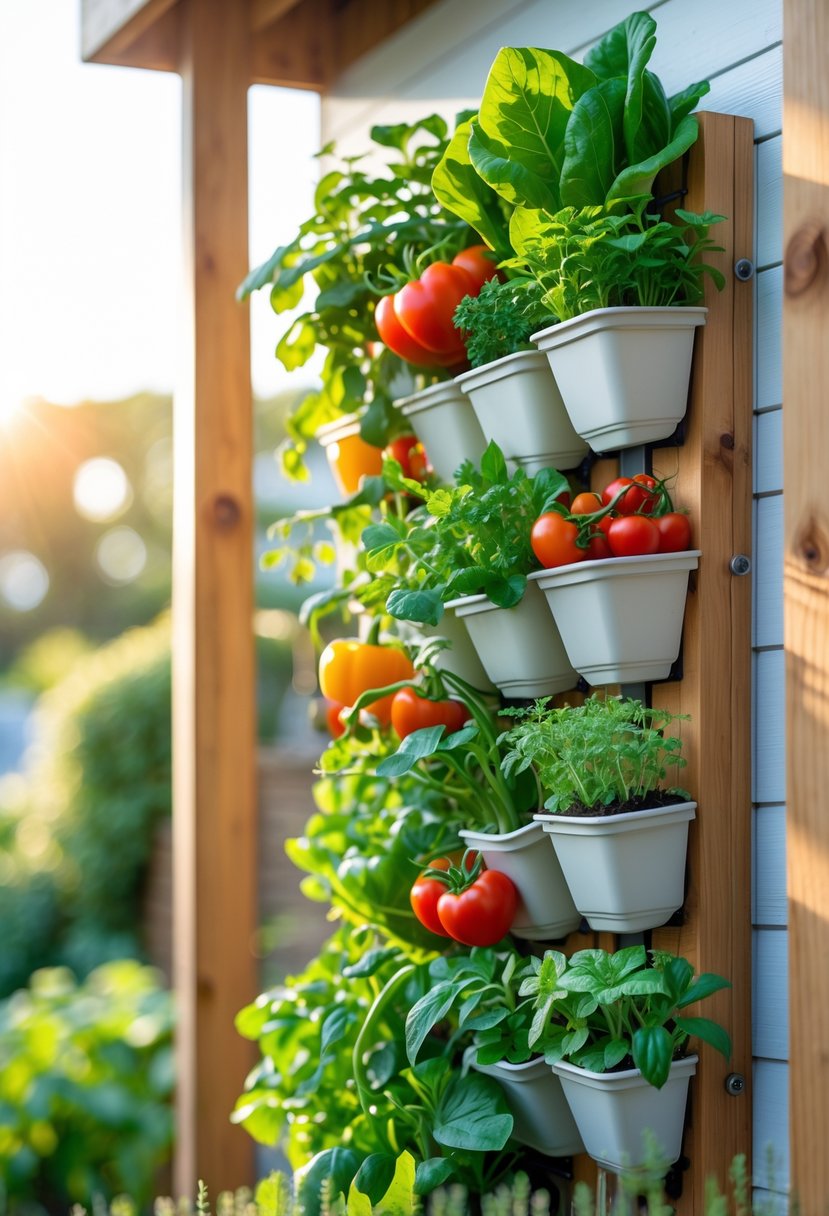
Vertical gardening for vegetables lets gardeners make the most of limited space while growing a wide variety of crops. It also allows for unique designs that fit patios, balconies, or small yards. Using different materials and smart layouts, these ideas help optimize growth and ease maintenance.
Small Space Vegetable Garden Designs
Small spaces benefit most from vertical setups that save floor area. Vertical planters stacked in tiers or attached to walls maximize the number of plants in a tight spot. Hanging pockets or towers are popular for herbs, lettuce, and small peppers.
Plants like tomatoes, beans, and cucumbers can climb trellises or netting, which is ideal for narrow balconies. Modular planter systems let gardeners expand upward as needed. Good drainage and sunlight access are key factors to consider.
Using compact containers with built-in irrigation helps keep plants healthy without busy upkeep. Grouping plants with similar water and light needs improves growth efficiency in limited spaces.
Upcycling and Sustainable Materials
Creative vertical vegetable gardens often use repurposed materials to reduce waste. Old pallets can be turned into wall planters by adding soil pockets or containers. Plastic gutters cut in half serve as troughs for leafy greens or herbs.
Other materials like shoe organizers, recycled bottles, or fabric pockets make light, flexible growing spots. These options also cut costs and limit the need for new supplies.
Choosing sustainable materials ensures the garden is eco-friendly. It also adds character and uniqueness, making vegetable vertical gardens functional and artistic.
Frequently Asked Questions
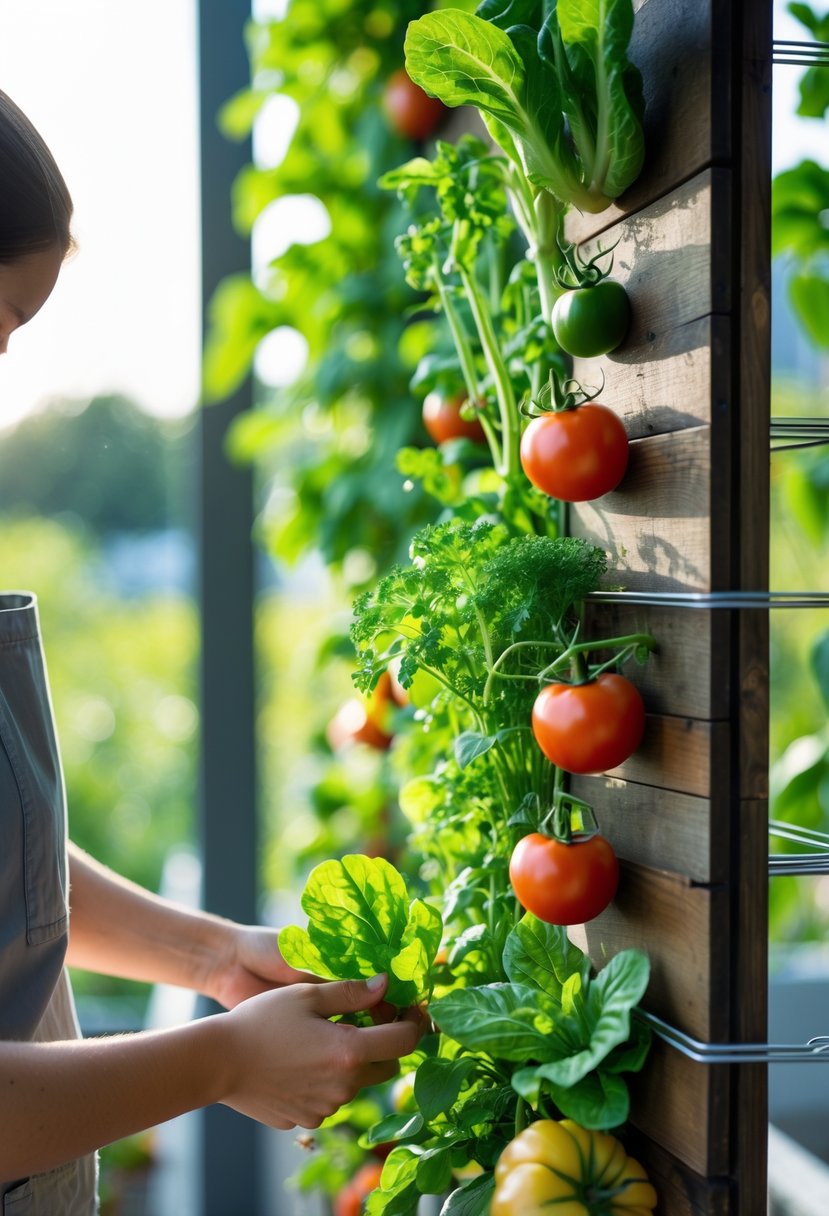
Vertical gardening works best with certain vegetable types and growing methods. Knowing which plants climb well, how to set up a garden, and which systems save space can improve success.
What are the best vegetables to grow in a vertical garden?
Leafy greens like lettuce and kale do well because they have shallow roots. Cherry tomatoes and herbs such as basil are good choices too. Compact vegetable varieties are often easier to manage in vertical spaces.
How do you start a vertical vegetable garden for beginners?
Begin by picking a sturdy support like a trellis or vertical planter tower. Choose plants suited to your climate and space. Use quality soil or a hydroponic system if soil is limited.
Which vegetables are suitable for climbing vertical garden structures?
Climbing vegetables like beans, peas, and cucumbers thrive on trellises or netting. These plants naturally grow upward and save ground space.
What are the most effective vertical gardening systems for vegetables?
Wall planters with pockets work well for small herbs and vegetables. Multi-tiered planter towers allow many plants in a small area. Hydroponic systems use nutrient solutions and can produce vegetables without soil.
Can you recommend some vertical gardening ideas for small spaces?
Use wall-mounted pockets or hanging containers to grow herbs. Trellises combined with planter boxes maximize vertical height. Balcony corners or fences are good spots for vertical setups.
How do you choose plants for a vertical vegetable garden?
Pick plants with small or shallow root systems. Consider plants that naturally climb or grow compactly. Assess sunlight and water needs to match your garden’s environment.