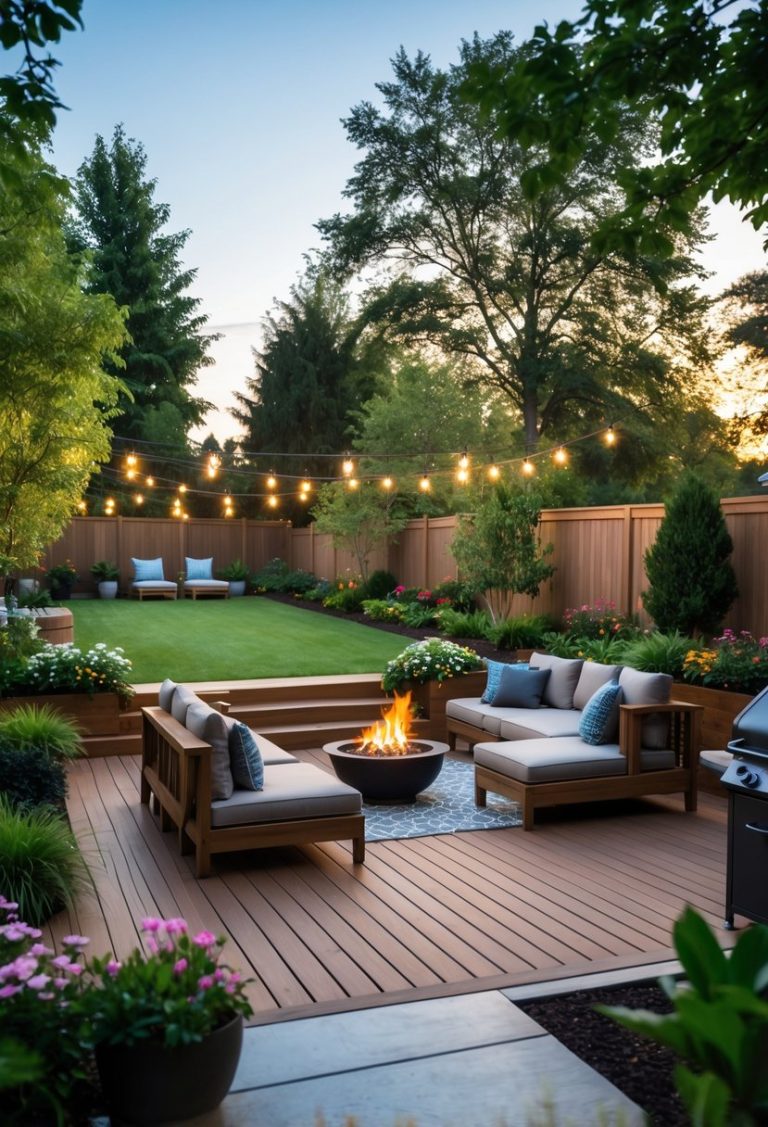
11 Small Garden Design Ideas to Maximize Space and Style
Creating a small garden can be both fun and rewarding, no matter the size of the space. Smart design choices allow you to maximize limited outdoor areas while keeping the garden attractive and functional. By using clever layouts, vertical planting, and thoughtful plant selection, even tiny yards or balconies can become green, inviting places.
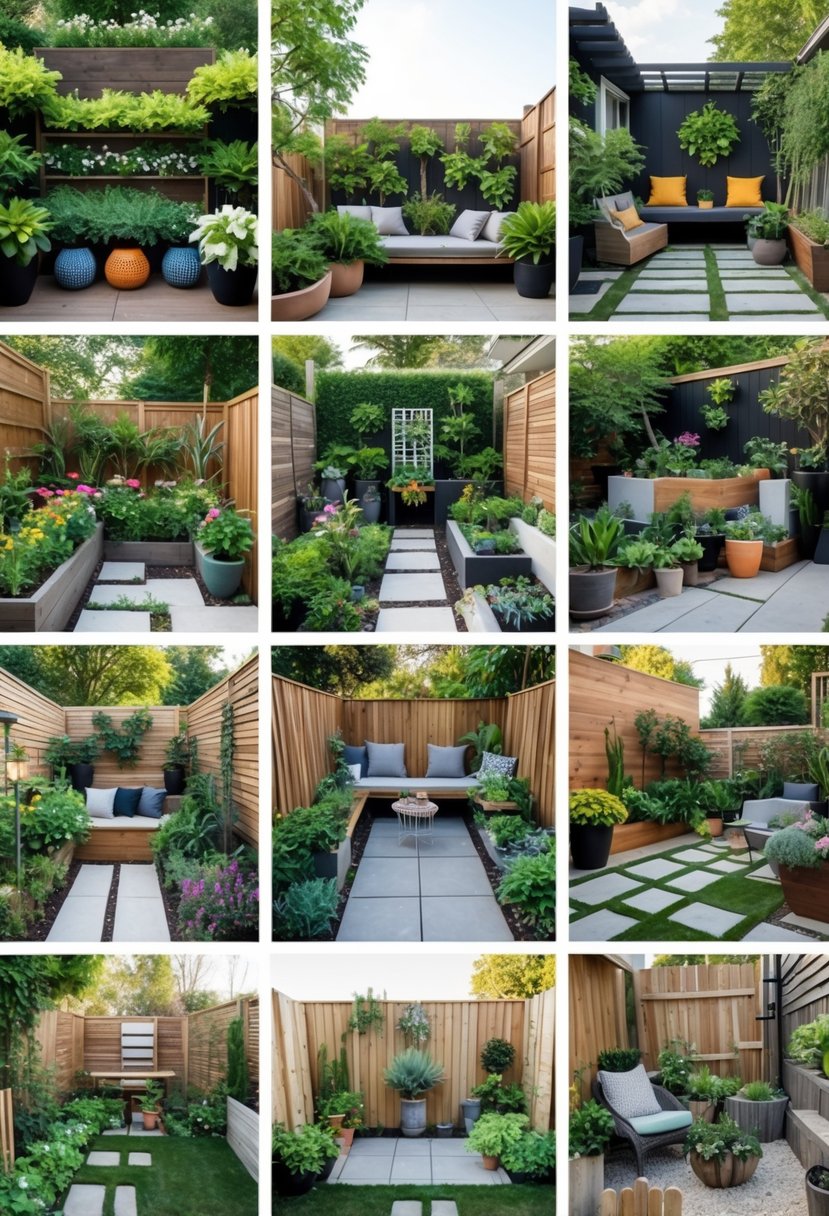
Small gardens require a balance of style and practicality. Using space-saving techniques and easy-to-maintain plants helps reduce work while enhancing beauty. With the right approach, a small garden can offer a peaceful retreat and a burst of nature in any setting.
Key Takeaways
- Effective design makes the most of limited garden space.
- Choosing the right plants reduces maintenance and boosts charm.
- Vertical and creative layouts add interest and usability.
Fundamental Principles of Small Garden Design
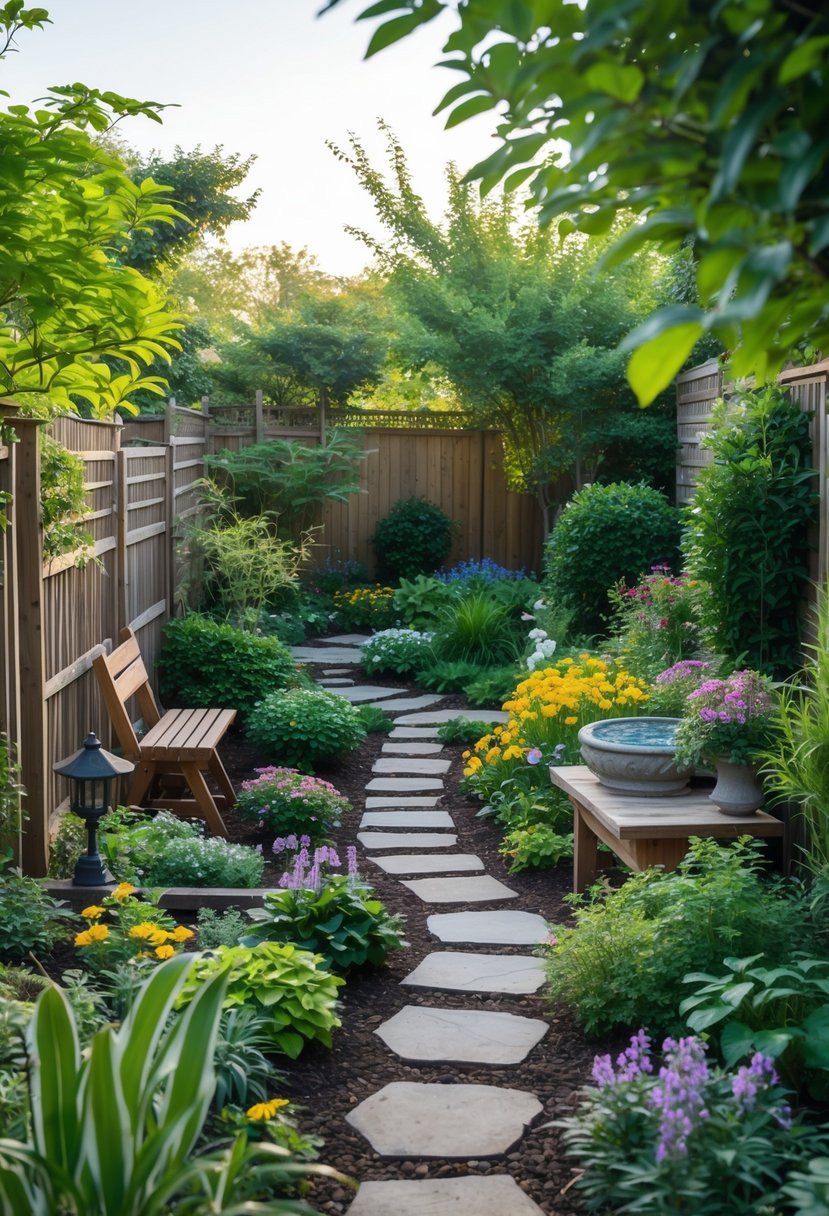
Designing a small garden requires careful thought about the space available, the purpose of the garden, and how light affects plant growth. Understanding these factors helps in creating a functional and attractive garden that fits the home and lifestyle. Attention to detail and smart planning can turn limited space into a peaceful outdoor area.
Assessing Your Space
He or she should start by measuring the garden area precisely. Knowing exact dimensions helps to make accurate plans and avoid overcrowding. It is important to note existing features like trees, walls, and pathways.
Evaluating the soil type and condition is also key. This affects which plants will thrive and how much maintenance the garden will need.
If the garden is irregularly shaped or has slopes, these features will influence layout options. A simple sketch or photo will guide the design process and help in choosing the best small garden design ideas layout.
Setting Design Goals
Clear goals guide the garden’s style and use. One might want a place for relaxation, growing herbs, or entertaining guests. Defining these will determine plant types, furniture, and decorative features.
He or she should consider how much time can be spent on maintenance. Choosing low-maintenance plants and features can reduce upkeep.
Combining functionality with aesthetics is important. For instance, a small garden space design idea could include multi-use elements like built-in seating with plant boxes.
Maximizing Light and Layout
Light is crucial for plant health. He or she should observe how sunlight moves across the space during the day. This helps to place sun-loving plants where they will get enough light.
Shady spots can be used for shade-tolerant plants or seating areas. Reflective surfaces such as light-colored paving or walls can increase brightness.
Layout should allow easy access and flow. Narrow paths or raised beds create structure without crowding. Arranging taller plants at the back and shorter ones near pathways improves visibility and maximizes the small garden design ideas layout.
Using vertical space with hanging plants or trellises also helps add greenery without taking up ground area. This is a popular small garden idea for home gardens with limited floor space.
Small garden design ideas layout often highlight these elements to make small gardens feel larger and practical.
Creative Layouts for Limited Spaces
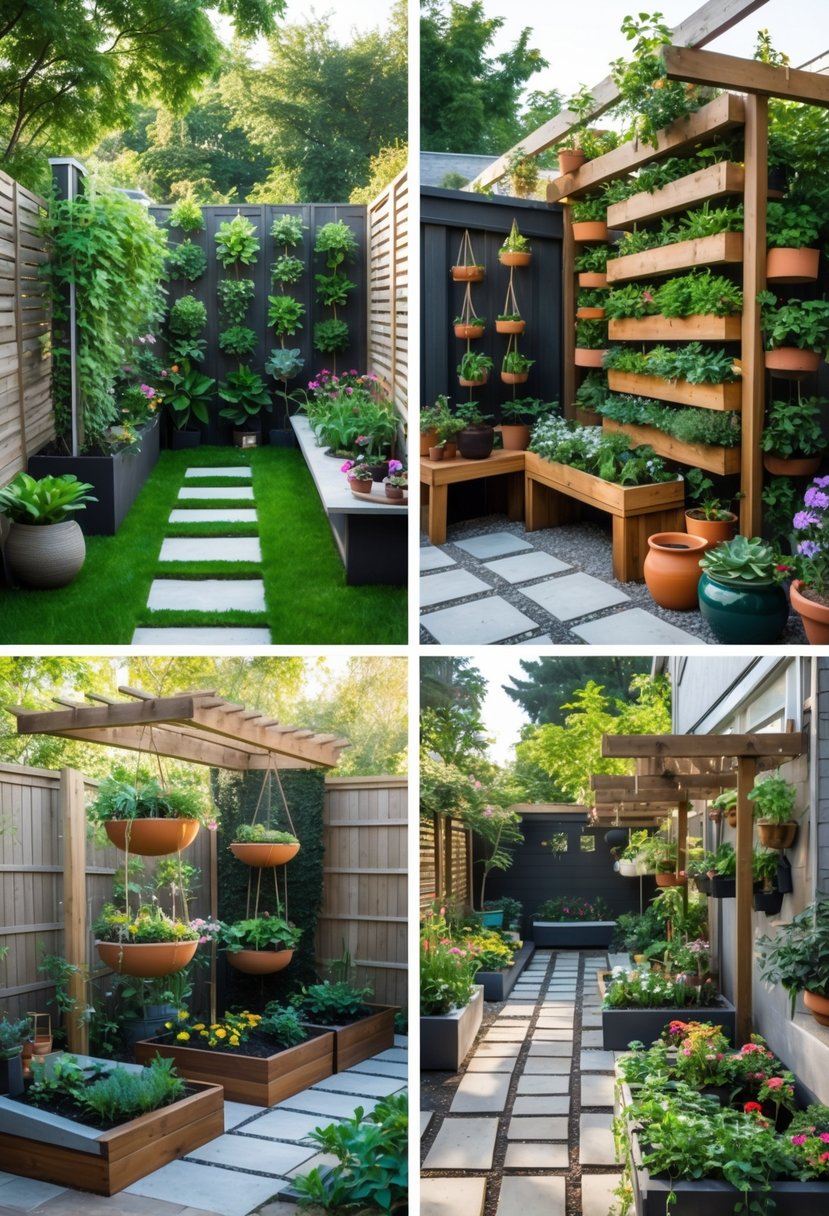
Maximizing space in a small garden requires thoughtful planning and design. Effective use of vertical areas, clear zones for different activities, and well-placed paths or features can make even a very small garden feel organized and inviting. These strategies help avoid clutter and create purposeful use of limited square footage.
Vertical Gardening Solutions
Using vertical space is key in very small garden ideas, especially when horizontal space is tight or there is no room for grass. Vertical gardening involves growing plants upward on walls, trellises, or raised structures.
Popular options include:
- Wall-mounted planters for herbs or flowers
- Trellises that support climbing plants like beans or roses
- Stacked pots or shelves to hold multiple plants in a small footprint
This approach not only increases planting area but also adds greenery without taking up valuable ground space. Vertical gardens can work well on patios or narrow yards and are perfect for small garden design ideas layout that focus on efficient use of every inch.
Zoning and Multi-Use Areas
Dividing a small garden into zones helps organize the space by function. For example, a compact seating area, a spot for container plants, and a small turf or gravel section can co-exist without feeling cramped.
A simple zoning plan might include:
- Dining or relaxation zone with foldable furniture to save space
- Growing zone with raised beds or pots for vegetables and flowers
- Utility zone for tools or composting tucked discreetly away
Multi-use furniture or features can support several purposes at once, such as benches with hidden storage. This strategy is especially useful in small garden ideas no grass layouts, where ground cover needs to remain minimal but functionality stays high.
Incorporating Pathways and Focal Points
Clear and narrow pathways guide movement through a small garden, making it feel larger and more accessible. Paths can be paved, gravel, or stepping stones, depending on the style and budget.
Focal points like a single striking plant, a water feature, or garden sculpture draw the eye and create visual interest without overwhelming the space.
To optimize the design:
- Keep pathways straight or gently curved for easy navigation
- Use contrasting materials or colors for edges to define space
- Position focal points at the end of paths or where several views meet
Thoughtful pathways and focal points break up a small garden and provide a flow that invites exploration, enhancing the overall feel of the layout.
For more specific ideas, see creative small garden layout ideas.
Plant Choices and Styling Tips
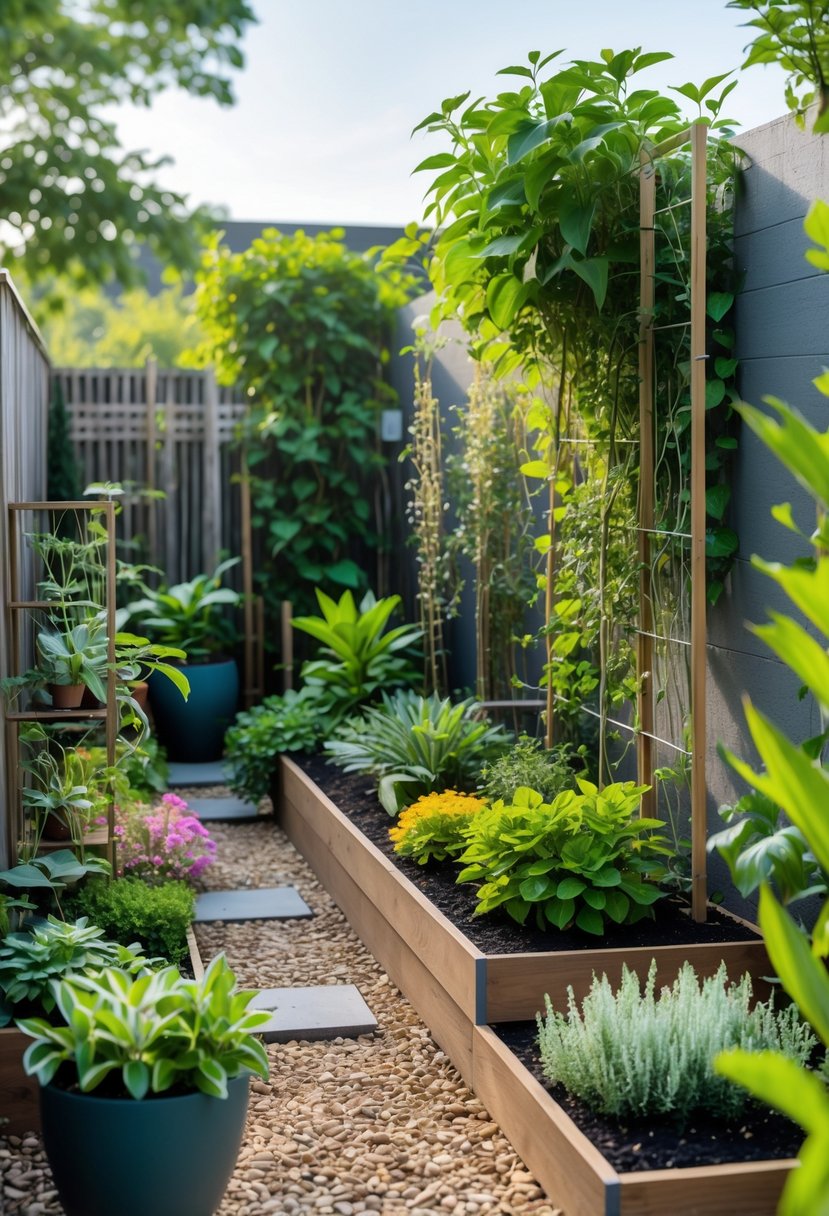
Choosing plants and arranging them well can make a small garden look both lush and organized. Using the right plants saves space, while thoughtful styling brings depth and color. Containers add flexibility and help fit greenery into limited spots.
Choosing the Right Plants for Small Gardens
Selecting plants that grow well in tight spaces is key. Compact or slow-growing plants like dwarf shrubs, herbs, and small flowering perennials work well. Evergreens add year-round structure without taking much room.
Plants with different heights and textures, such as tall narrow plants like Italian cypress or slender grasses, make the garden feel larger. Native plants or those suited to the UK climate reduce maintenance and water needs.
Using drought-tolerant varieties helps create low-maintenance small garden ideas. Also, choose plants with varied bloom times to maintain color over months.
Layering and Grouping Plants
Layering plants means placing taller ones at the back and shorter ones in front. This creates depth and interest without overcrowding. Grouping plants in odd numbers, like threes or fives, feels natural and balanced.
Combining groundcovers like creeping thyme with mid-height sedums and taller accents improves texture and ground coverage. Mixing leaf shapes and colors enriches the look in small spaces.
Good layering helps define small garden zones and can visually widen narrow garden beds. It also encourages a healthier garden by reducing weeds.
Using Pots and Containers
Pots allow gardeners to add plants where soil is poor or space is tight. Containers can be moved to change shapes or capture sunlight spots. Using pots with different sizes and colors adds design variety.
Choosing narrow, tall containers is a smart solution for narrow paths or balconies. Self-watering pots make care easier. Containers also help separate plants, limiting roots from spreading aggressively.
Organizing pots on shelves or steps maximizes vertical space. Grouping similar plants in containers can create a mini garden cluster, fitting well into small garden ideas in the UK and beyond.
For more ideas, see small garden design ideas.
Modern Approaches for Small Spaces
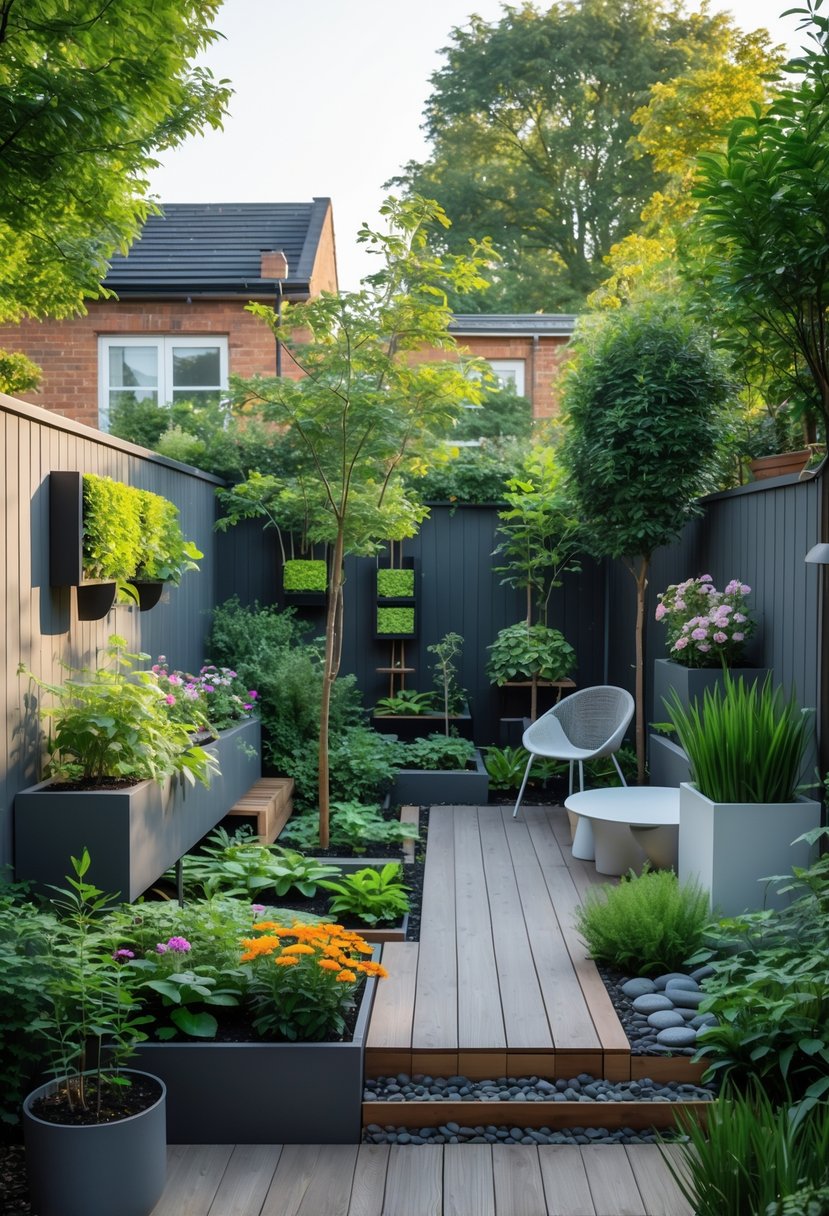
Effective modern garden designs focus on clean lines, smart use of space, and easy care. These ideas help create calm, stylish areas without crowding or extra work. Using thoughtful plant choices and multifunctional elements makes small spaces feel larger and more inviting.
Minimalist and Contemporary Features
Minimalism is key for small gardens with limited space. This includes using geometric shapes and simple layouts to keep the area from feeling cluttered. A few well-chosen plants with strong visual impact, like tall, narrow species or succulents, work best in small garden space design ideas.
Furniture and garden features often have sleek, straight lines. Materials like metal, concrete, or wood fit the contemporary look and add structure. Using raised beds or planters in square or rectangular shapes can create defined zones without overcrowding. Bright colors are usually limited to one or two accents to keep the design calm and modern.
Low-Maintenance Design Solutions
Small gardens benefit from low-maintenance plants like evergreens, grasses, or succulents, which reduce the need for constant watering or trimming. Choosing small garden ideas no grass helps cut down on upkeep and saves water.
Incorporating vertical gardening is a practical method to maximize planting without using floor space. Trellises, wall planters, or stacked pots can grow herbs and flowers upward. Multi-functional garden furniture—such as benches with storage—combines utility with style, making every inch productive while keeping care simple.
Personalizing and Enhancing Your Small Garden
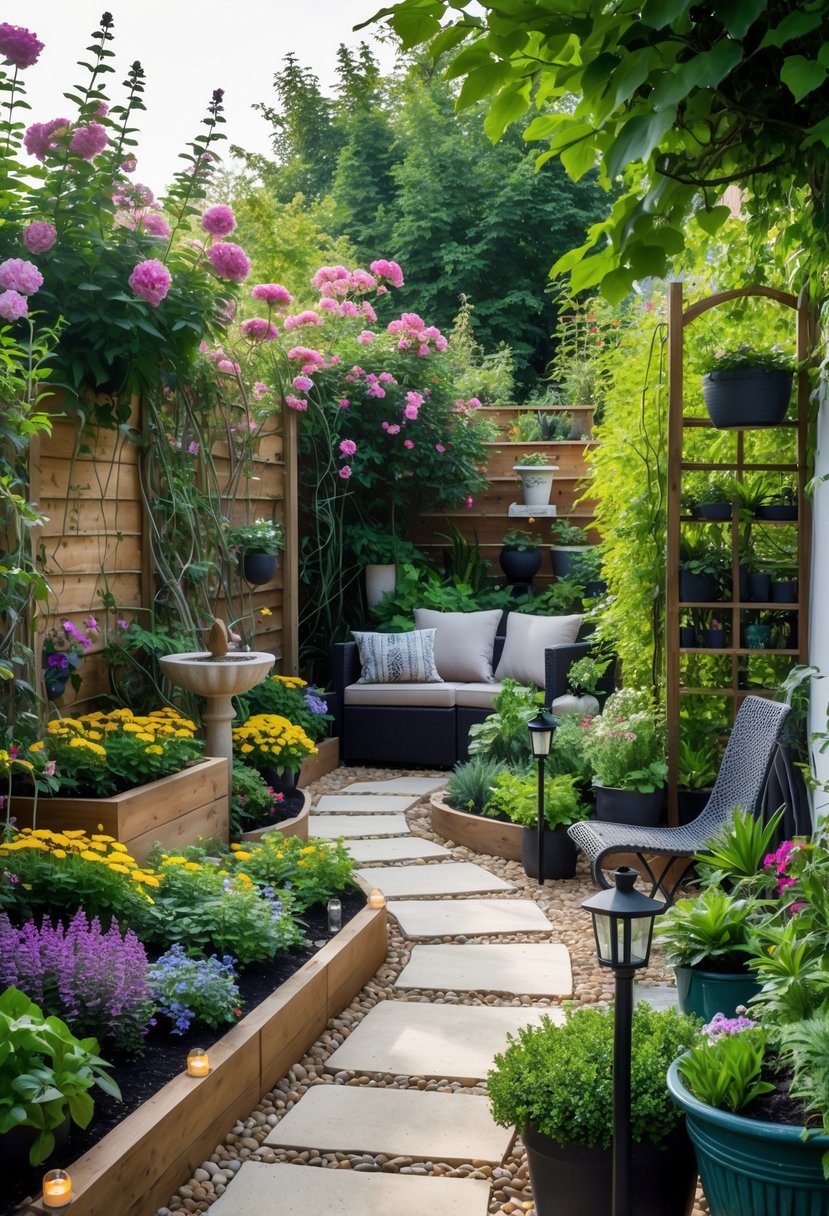
A small garden should reflect personal style while making the most of limited space. Using decorative items can add charm and character. Creating zones for relaxation and socializing brings function and comfort to the outdoor area.
Adding Decorative Elements
Decorative touches in a small garden help make the space inviting without crowding it. Gardeners often choose small sculptures, colorful pots, or hanging lanterns to add interest without taking up ground space. Mirrors can visually expand the garden by reflecting light and greenery.
Using vertical plant stands or wall-mounted planters saves floor space and adds layers. Selecting decor in natural materials like wood or stone blends with plants for a unified look. Simple water features such as a small fountain can bring calm sound and movement.
Plants with interesting textures and colors also work as living decoration, providing year-round appeal. These elements combine to create a beautiful small garden that feels unique and well cared for.
Optimizing for Relaxation and Entertaining
A successful small garden design for relaxation focuses on comfort and accessibility. Compact seating options like foldable chairs or bench seating with storage allow flexibility. Adding soft cushions and weather-resistant fabrics enhances comfort.
Defining surfaces with outdoor rugs or different floor materials separates areas for sitting and walking. Shade solutions like umbrellas or pergolas help make the garden usable during hot days.
For entertaining, small fold-out tables or wall-mounted drop-leaf tables save space yet offer surfaces for food and drinks. Incorporating ambient lighting such as string lights or solar lamps extends garden use into evenings.
By carefully selecting furniture and details, the garden becomes a place for quiet moments or small gatherings without feeling cramped. This approach supports both peaceful enjoyment and social activity in a limited outdoor area.
More ideas for beautiful small garden ideas and small garden ideas for home can be found in dedicated guides such as 11 Low-Maintenance Small Garden Design Ideas for Your Landscaping.
Frequently Asked Questions
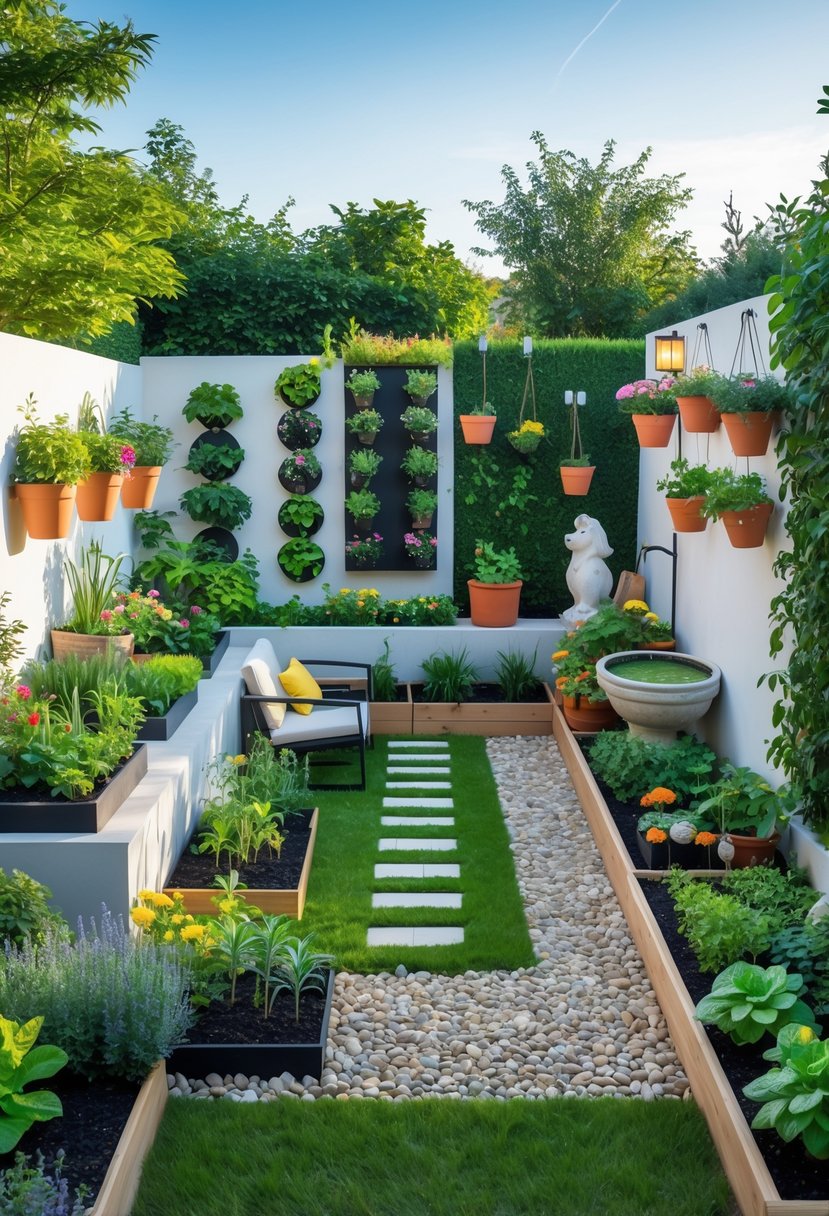
Small garden designs require careful planning to use space efficiently, choose the right plants, and keep maintenance manageable. Budget-friendly options and specific landscaping techniques help improve both function and appearance. Creating a modern feel also depends on layout and materials.
How can one maximize space in a small garden design?
Using vertical elements like trellises or wall planters increases growing space without crowding the ground. Diagonal paths or angled layouts create an illusion of a larger area. Multi-use furniture and built-in seating can save floor space while adding function.
What are some budget-friendly ideas for designing a small garden?
Reusing materials such as pallets for planters or DIY garden beds reduces costs. Growing plants from seeds instead of buying mature plants lowers expenses. Simple additions like a small birdbath or water bowl add charm without the need for expensive features.
What considerations are essential for a low maintenance small garden?
Choosing native or drought-tolerant plants reduces watering needs and upkeep. Grouping plants with similar care requirements simplifies maintenance. Using mulch helps retain soil moisture and prevent weeds, cutting down on routine work.
What are effective landscaping techniques for small gardens?
Incorporating raised beds or containers helps organize space and soil health. Using lighting highlights key features and extends usability into the evening. Adding pathways or stepping stones guides movement and visually breaks up the space.
How to create a modern look in a small garden space?
Clean lines and minimal clutter define modern style. Using materials like concrete, metal, and wood for furniture or planters adds a sleek touch. Neutral colors with pops of green create contrast while keeping a tidy appearance.
What is the optimal plant arrangement for limited garden areas?
Layering plants with taller ones at the back and shorter ones in front maximizes sunlight and view. Mixing textures and colors adds interest without overcrowding. Including compact or dwarf varieties saves space and keeps the garden balanced.
For more detailed design ideas and tips, see 11 Small Garden Layout Ideas for a Stunning Garden Oasis.