Bedroom Plants for Healing: Boost Health and Wellness Naturally
Adding plants to your bedroom can do more than just brighten the space. Certain plants help improve air quality, reduce stress, and promote relaxation, making them natural tools for healing as you rest. Their calming presence and beneficial properties create an environment that supports better sleep and overall well-being.
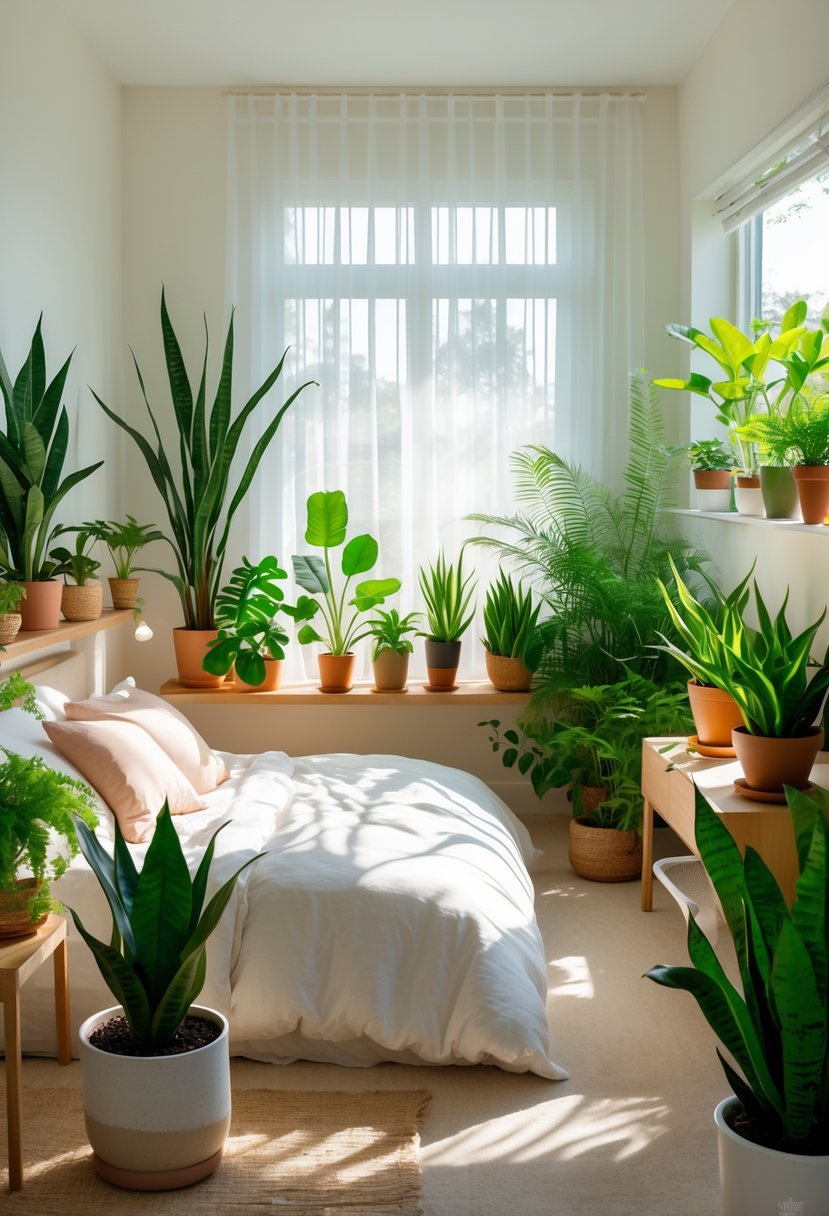
You don’t need a green thumb to enjoy these benefits. Many healing plants for the bedroom are easy to care for and have qualities like releasing oxygen at night or filtering out toxins. Choosing the right plants can transform your bedroom into a peaceful retreat that aids both your mental and physical health.
Growing healing plants indoors also helps create a balanced and soothing atmosphere. With a few simple tips, you can select and maintain plants that thrive in bedroom conditions, boosting your comfort and helping you recharge each night.
Key Takeaways
- Certain plants improve air quality and promote relaxation in your bedroom.
- Many healing plants are low-maintenance and fit well in indoor spaces.
- Proper plant care enhances their health benefits and longevity.
Benefits of Healing Plants in the Bedroom
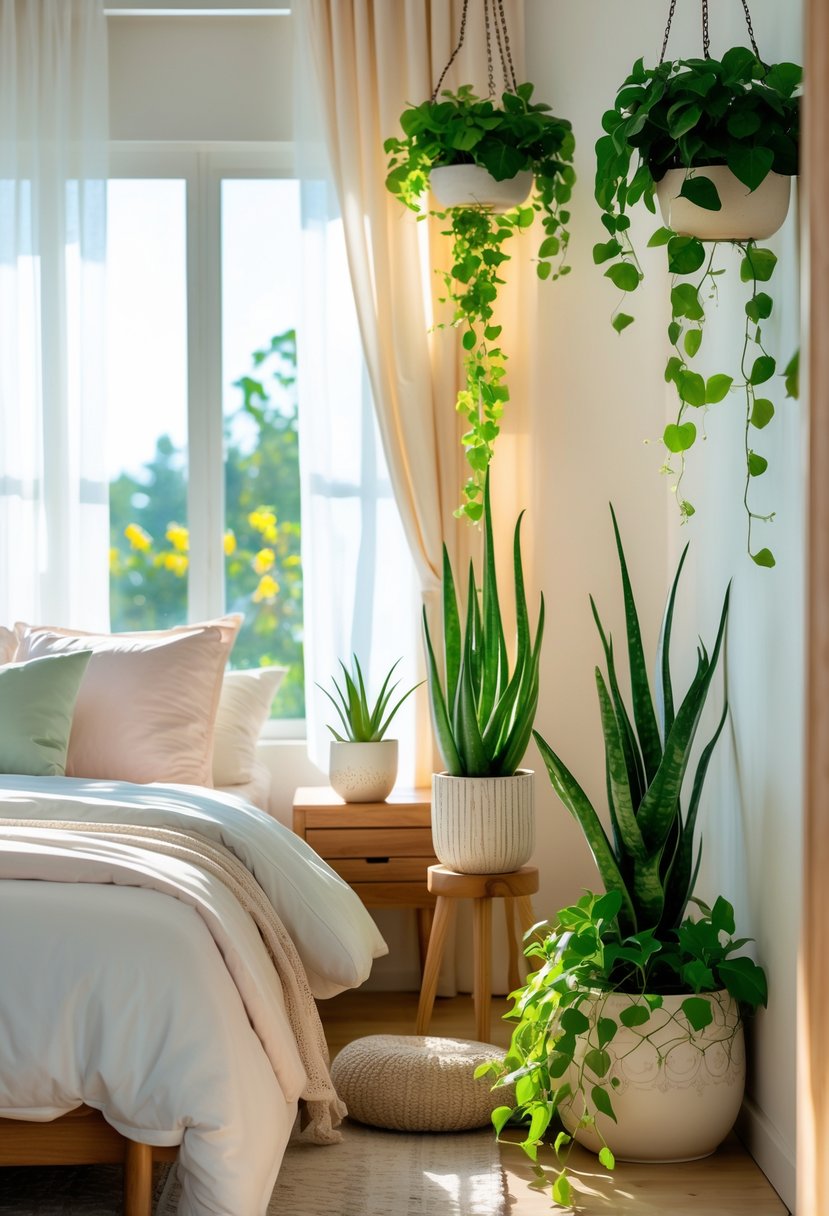
Adding healing plants to your bedroom brings several clear advantages. These plants can improve the air you breathe, help you sleep better, and support your mental health. Their natural qualities make your space healthier and more restful.
Air Quality Improvement and Toxin Removal
Healing plants like aloe vera, snake plants, and English ivy actively remove toxins from the air. They absorb harmful chemicals such as formaldehyde, benzene, and carbon monoxide, which often come from indoor materials and appliances.
Many of these plants also release oxygen during the night. Aloe vera and spider plants are good examples. This increase in oxygen can help you breathe more easily and improve the air quality while you rest.
Choosing low-maintenance, healthy plants means you get these benefits without extra effort. They work naturally to cleanse your bedroom environment.
Enhanced Sleep and Relaxation
Plants like lavender and jasmine produce natural scents that can improve your sleep quality. Lavender lowers your heart rate and blood pressure, creating a calm state that makes falling asleep easier.
Jasmine’s gentle fragrance helps reduce anxiety and promotes relaxation. Having these plants near your bed encourages a peaceful, soothing atmosphere that supports better rest.
Beyond scent, plants that increase oxygen levels can improve sleep by creating fresher air. This combination helps reduce nighttime disturbances and lets you wake up feeling more refreshed.
Stress Reduction and Mental Well-Being
Healing plants in the bedroom can lower stress and improve your mood. The presence of green, living things supports emotional well-being by providing a calming influence.
Peace lilies, for example, not only remove airborne mold spores but also increase humidity, which can ease respiratory discomfort and contribute to feeling more relaxed.
The act of caring for these healthy plants also promotes mindfulness. Watching them grow and thrive can give you a sense of accomplishment and reduce feelings of anxiety.
Top Healing Plants for Bedroom Wellness
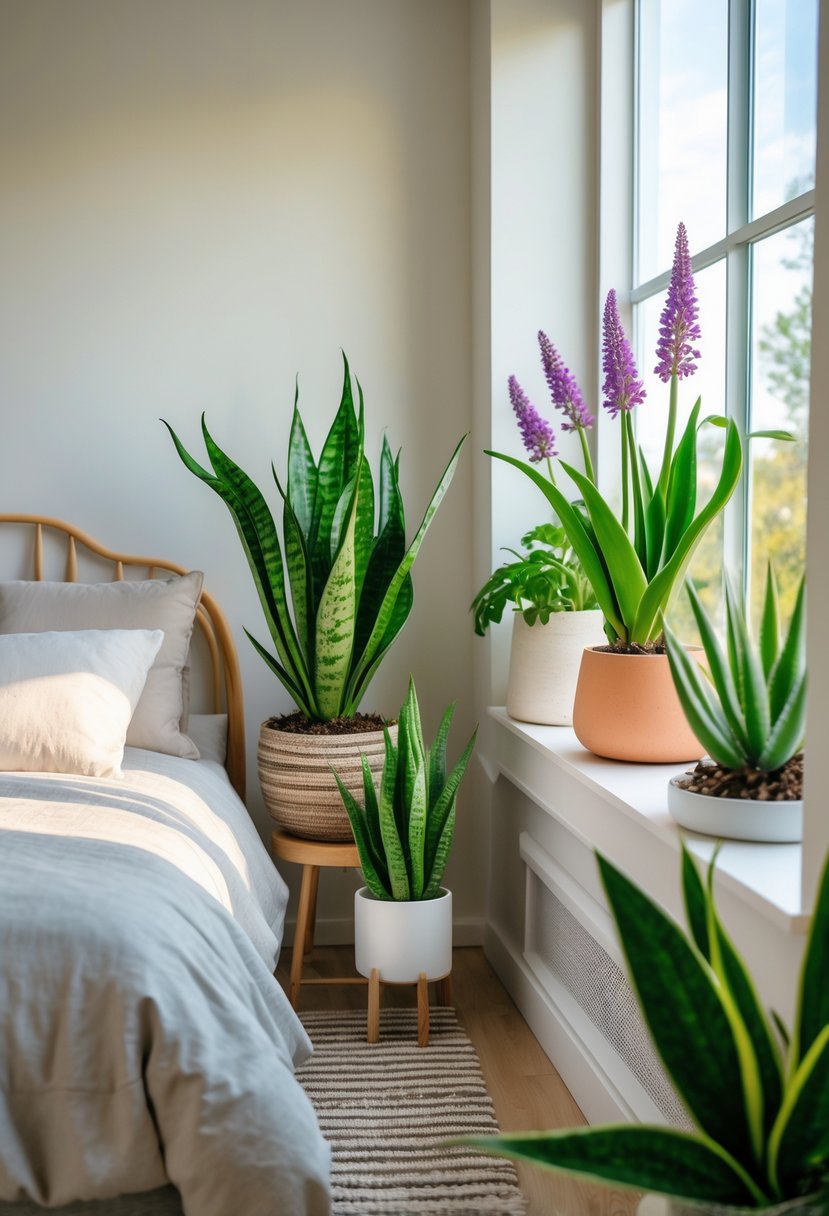
Adding certain plants to your bedroom can improve air quality, reduce stress, and support better sleep. These plants are easy to care for and offer specific benefits that help create a healthier and more relaxing space.
Snake Plant (Sansevieria)
The snake plant is a great choice if you want a low-maintenance, air-purifying plant. It filters out toxins like formaldehyde and benzene, which can accumulate indoors. Unlike most plants, it releases oxygen at night. This can help you breathe easier while you sleep.
Snake plants handle low light and don’t need much water. Place one on your nightstand or a corner of the room. The tall, upright leaves give a modern look and help keep your bedroom environment fresh and healthy.
Lavender (Lavandula)
Lavender is known for its calming scent. It helps reduce stress, anxiety, and insomnia. Having lavender in your bedroom can promote a peaceful atmosphere that supports better sleep quality.
Keep the plant near a window so it gets enough sunlight. You can also use its flowers for a gentle, natural aroma without using synthetic sprays. Lavender’s soothing color adds a relaxing touch to your bedroom decor while boosting your well-being.
Aloe Vera
Aloe vera is a versatile plant that improves air quality by removing harmful chemicals. It also produces a soothing gel that is often used for minor skin irritations.
Place aloe vera on your nightstand for easy access and to enjoy its air-purifying properties. This plant needs minimal care and thrives in indirect sunlight. It adds a fresh, healing presence to your room and promotes a calm environment.
Peace Lily (Spathiphyllum)
The peace lily is valued for its ability to remove toxins and increase indoor humidity. This helps reduce dry air, which can improve breathing and skin health.
Its elegant white flowers add beauty and a sense of calm to your bedroom. Peace lilies need moderate light and regular watering, but they are not difficult to care for. By reducing airborne pollutants, this plant supports a healthy and restful sleep space.
Additional Plants That Promote Bedroom Healing
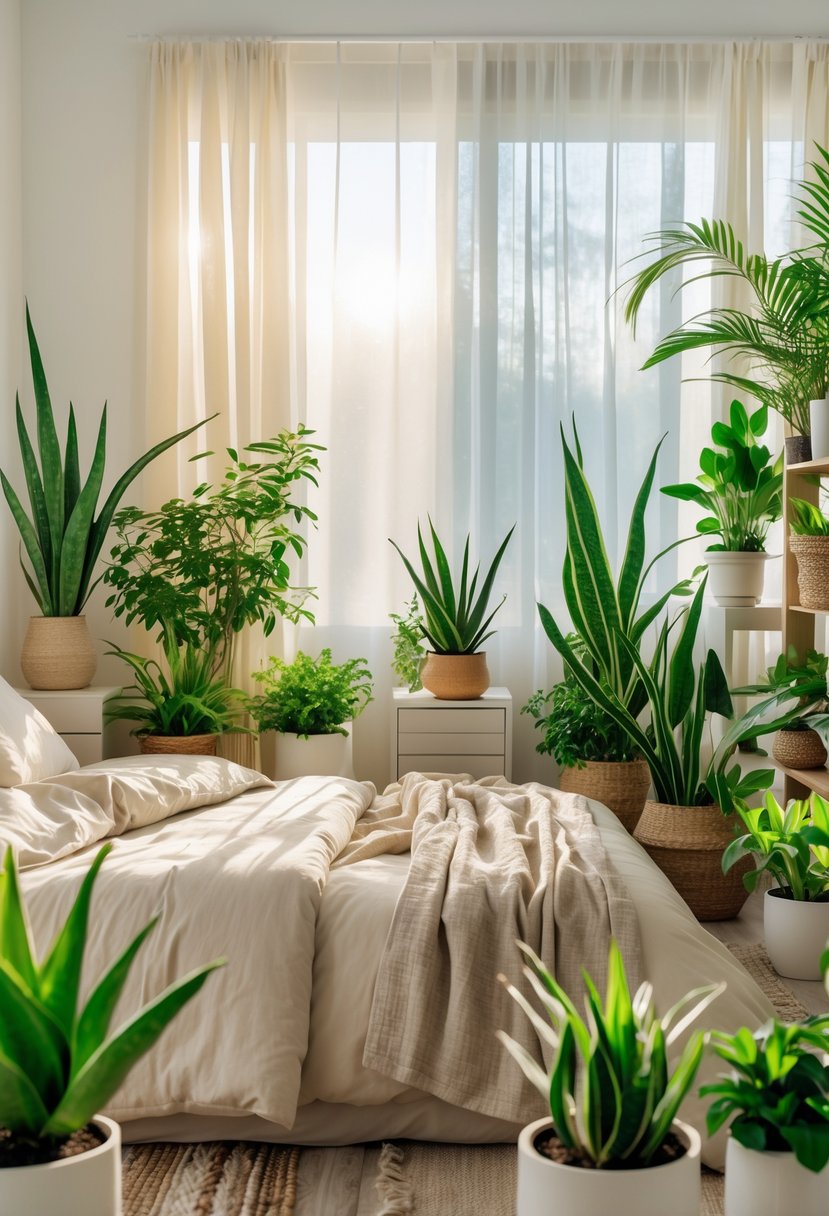
Some plants not only improve air quality but also help reduce allergens and add natural beauty. These plants are easy to care for and bring a calming, healing presence to your bedroom.
Boston Fern (Nephrolepis exaltata)
The Boston fern is a great choice for improving indoor air quality. It works well to remove pollutants like formaldehyde and xylene from the air. This helps create a cleaner environment, which can reduce respiratory issues and promote better sleep.
Boston ferns also add humidity to your bedroom, especially useful in dry climates or during winter. Higher humidity helps ease dry skin, throat irritation, and congestion.
Keep your Boston fern in a spot with indirect light and water it regularly to keep its leaves lush. It prefers moist soil but avoid waterlogging. Its full, green fronds make your room feel fresher and more inviting.
English Ivy (Hedera helix)
English ivy is a strong air purifier that fights allergens such as mold and dust particles. This makes it especially helpful if you deal with allergies or asthma. You can place it in a hanging basket or let it climb on a frame for a natural decorative touch.
It needs moderate light and prefers soil that stays evenly moist. English ivy’s ability to reduce airborne mold spores means it supports a cleaner breathing space during sleep.
Beyond air cleaning, English ivy adds a soft, green texture that can make your bedroom feel more peaceful and natural.
Spider Plant (Chlorophytum comosum)
Spider plants are easy to grow and very effective at purifying the air. They absorb common toxins like carbon monoxide and formaldehyde while releasing fresh oxygen during the night.
Their arching leaves bring a lively green presence to your room without requiring much care—you only need to water it when the soil dries out.
Spider plants also help improve sleep by increasing oxygen levels and reducing airborne pollutants. They work well in low to moderate light and can be placed on shelves or hung in baskets for space-saving.
This plant is a practical and attractive option to improve the air you breathe while resting.
How to Select Healthy Plants for Bedroom Environments
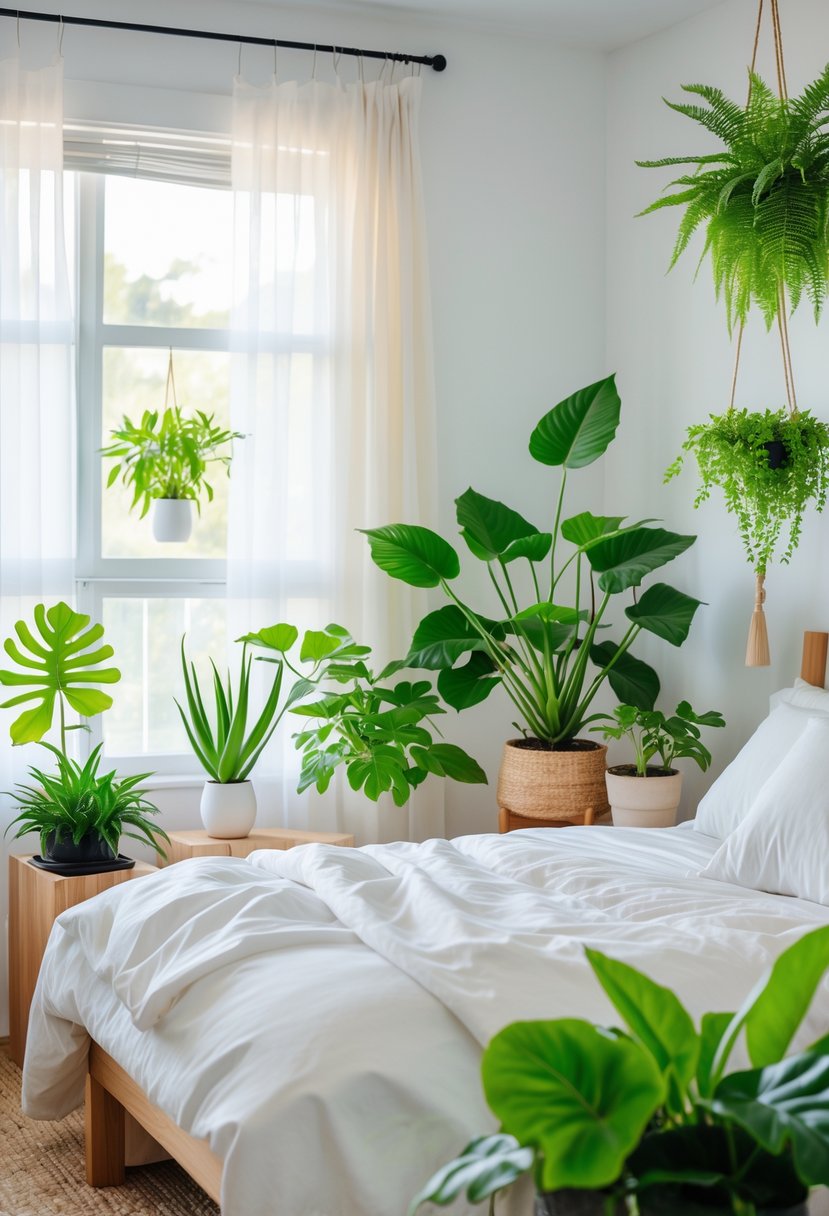
Choosing the right plants for your bedroom depends on the light available and how much care you can provide. Look for plants that fit your room’s conditions and your schedule to keep them healthy and beneficial.
Best Choices for Low-Light Spaces
If your bedroom gets little natural light, select plants that thrive in shade. Some good options are the Snake Plant, Peace Lily, and Golden Pothos.
The Snake Plant is tough and grows well even with minimal light. It helps improve air quality by releasing oxygen at night.
Peace Lilies handle low to medium light and also add moisture to dry air. Their white flowers bring a calm presence to the room.
Golden Pothos is a trailing vine that adjusts to low light and needs only occasional watering. It filters common toxins like formaldehyde and benzene.
These plants will keep your bedroom healthy without needing direct sunlight.
Easy-Care Options for Beginners
If you’re new to indoor plants or want low-maintenance choices, pick plants that don’t require daily attention.
Spider Plants are forgiving and survive in different light levels. They only need watering when the soil feels dry.
Aloe Vera is a succulent that tolerates occasional neglect. It needs bright light but minimal watering and offers healing properties from its gel.
Rubber Plants do best in indirect light and only need moderate watering. They are effective at removing toxins from the air while adding a stylish look.
Choose plants that match your routine to keep your bedroom green without stress.
Tips for Maintaining Healing Plants Indoors
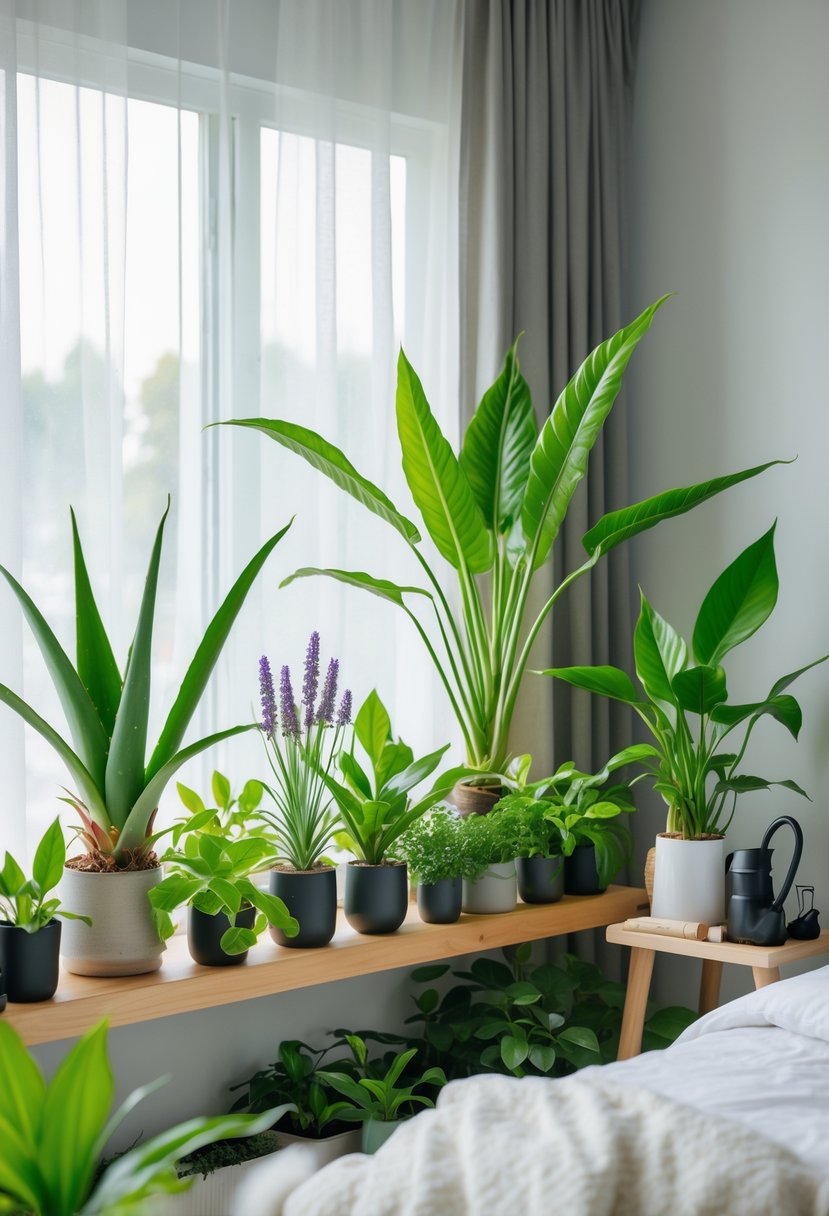
Caring for healing plants in your bedroom requires attention to how much water and light they get, as well as the right soil conditions. Proper care supports their growth and helps them keep improving your air quality and mood.
Watering and Humidity Needs
You should water your healing plants based on their specific needs. Some plants like aloe vera prefer dry soil and need watering only when the top inch of soil feels completely dry. Others, like Boston ferns, need consistently moist soil.
Humidity is also important. Plants like the Areca palm thrive with higher humidity, so placing a humidifier nearby or misting the leaves can help. If the air is too dry, plants might develop brown leaf tips or stop growing well.
Avoid overwatering by making sure pots have good drainage. Too much water can cause root rot, which harms healing properties and plant health.
Soil and Light Requirements
Most healing plants grow best in well-draining soil that allows air to reach the roots. For example, succulents like aloe and stonecrop need sandy or cactus soil with excellent drainage to avoid soggy roots.
Light needs vary by plant. Lavender and rosemary need bright, direct light, so place them near a south-facing window. Peace lilies and pothos prefer indirect but bright light. Spider plants adapt well to lower light settings but will grow faster in brighter conditions.
Match the soil and light to each plant’s needs to keep them healthy and full of healing benefits. Regularly check both and adjust as your room’s conditions change.