10 Edible Plants You Can Grow Indoors for Fresh Flavor and Year-Round Harvest
Growing edible plants indoors lets you have fresh flavors right at your fingertips, no matter the season or space you live in. You don’t need a big garden or special equipment to enjoy homegrown herbs, vegetables, and greens.
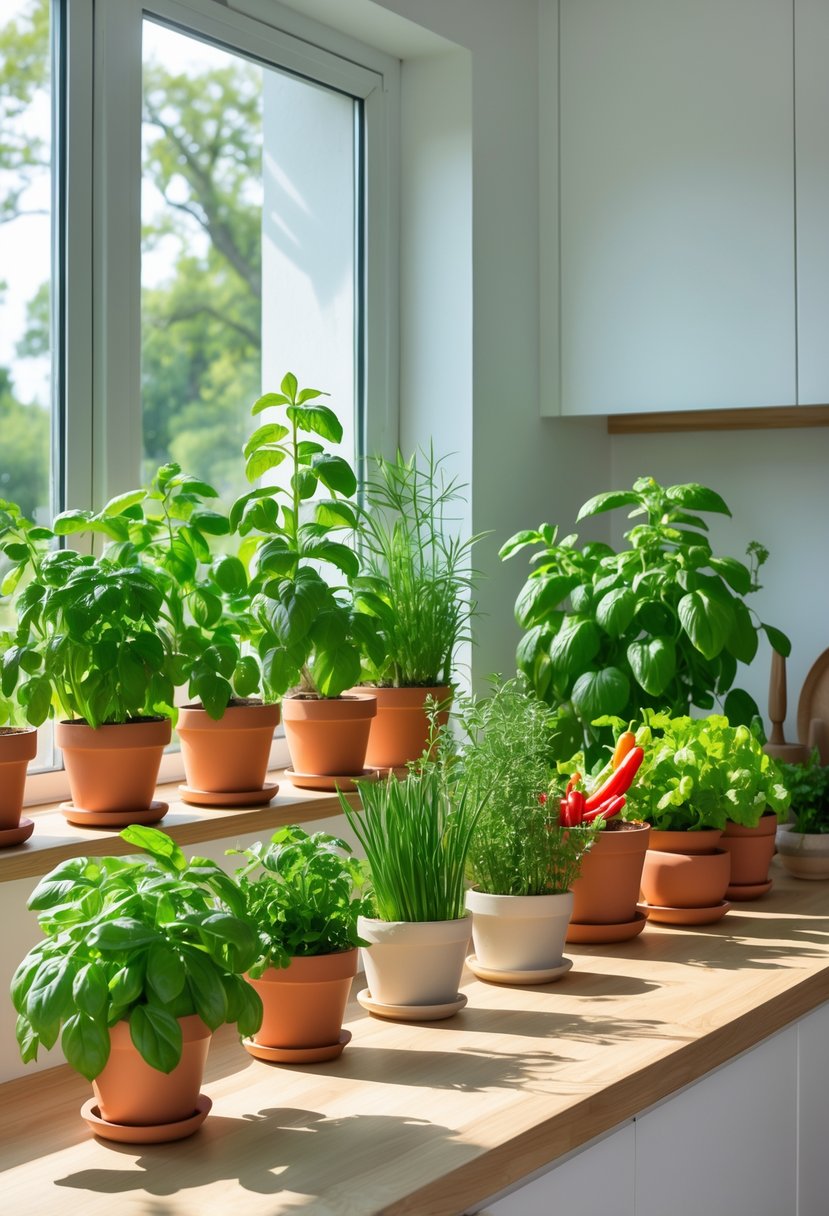
You can easily add tasty and healthy ingredients to your meals by growing simple edible plants inside your home. This helps you save money and ensures you always have fresh produce nearby.
10) Mint
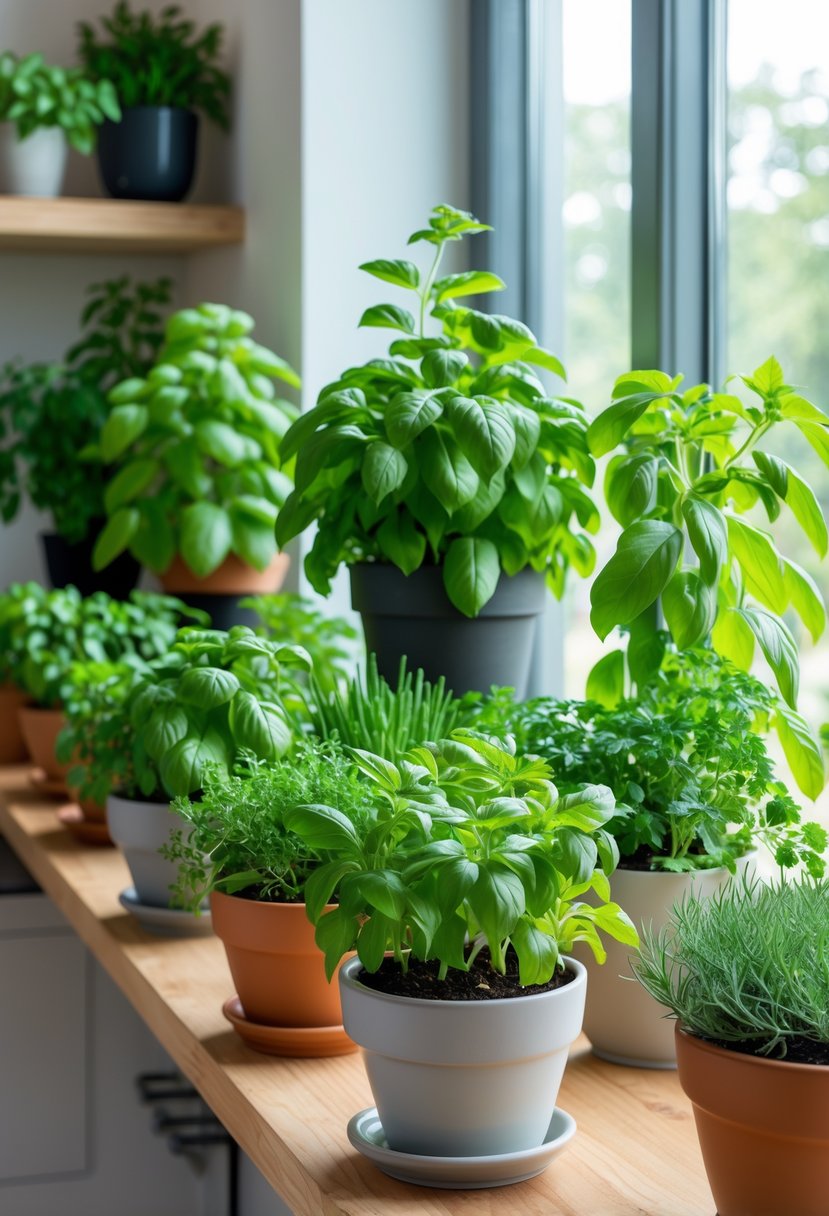
Mint is an easy herb to grow indoors. It grows quickly and does well even if you are not an experienced gardener.
You can grow mint in pots on your windowsill or kitchen counter. It prefers bright, indirect sunlight and moist soil.
Mint spreads fast, so you might want to keep it in its own container. This helps prevent it from taking over other plants.
You can use fresh mint leaves in drinks, salads, and cooking. Growing it indoors means you have fresh mint whenever you need it.
9) Kale
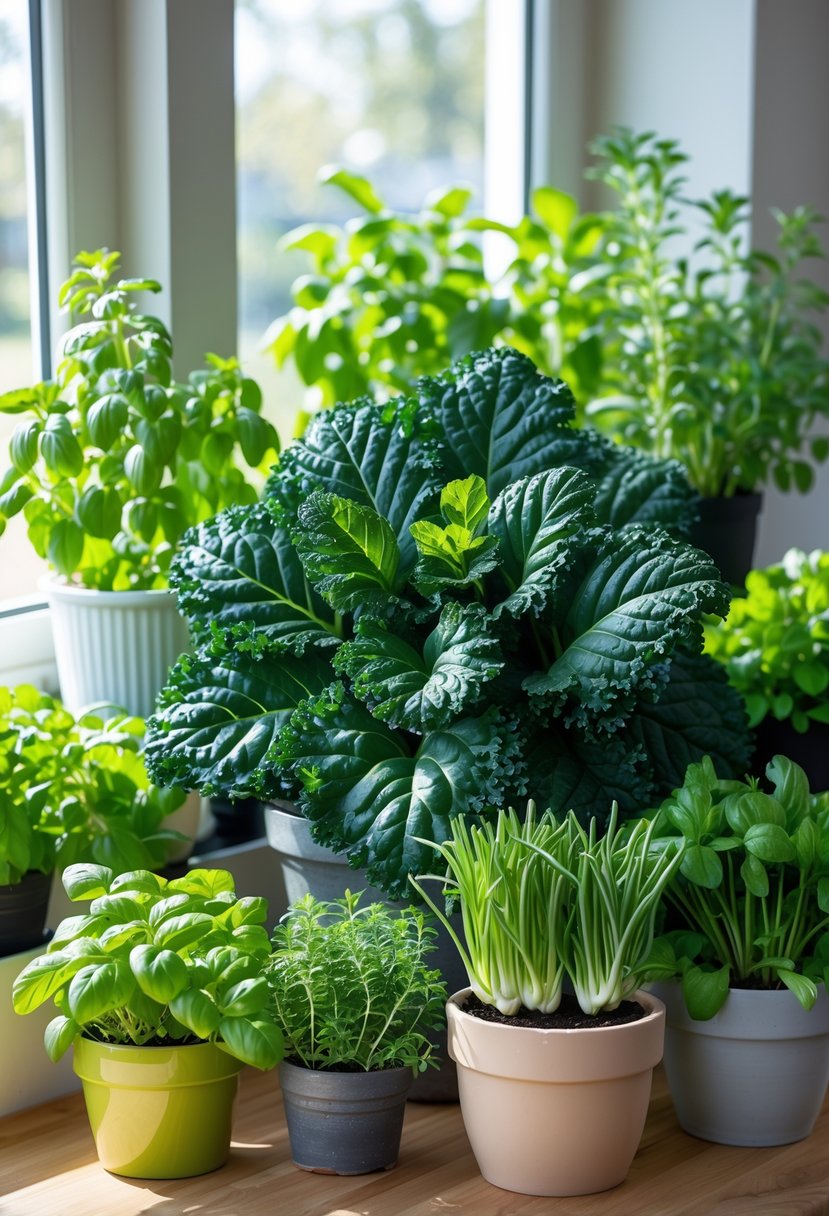
You can grow kale indoors with ease, especially dwarf varieties like Dwarf Blue Curled. These types are better suited for small spaces and indoor conditions.
Kale grows well in pots and needs plenty of light to stay healthy. Place it near a bright window or use a grow light.
Microgreens are a quick option if you want kale fast. They can be ready to harvest in just a couple of weeks after planting.
Regular watering is important, but be careful not to overwater. The soil should stay moist but not soggy.
Growing kale inside allows you to have fresh greens year-round. It adds good nutrition and flavor to your meals.
8) Strawberries
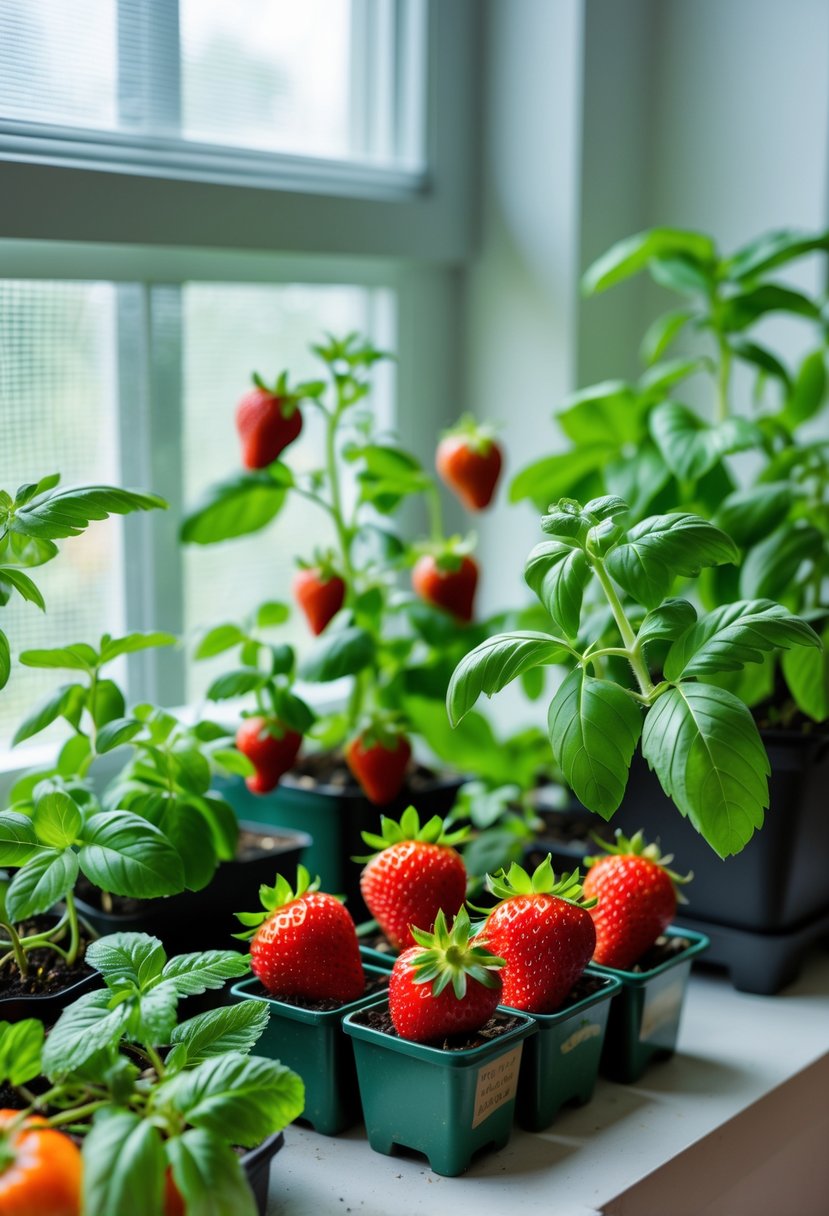
You can grow strawberries indoors with the right care. They need bright light, so place them near a sunny window or use a grow light. Strawberries like cooler temperatures, ideally between 60-75°F.
Water your plants regularly but avoid overwatering. Good drainage is important to keep roots healthy. Picking ripe berries often encourages more fruit to grow.
Growing at least 6 to 7 plants per person helps ensure a steady supply of fresh strawberries. Keep them away from vegetables like tomatoes and cabbage to prevent pests and disease. Indoor strawberries can give you fresh, juicy berries year-round with proper attention.
7) Dwarf Citrus Trees
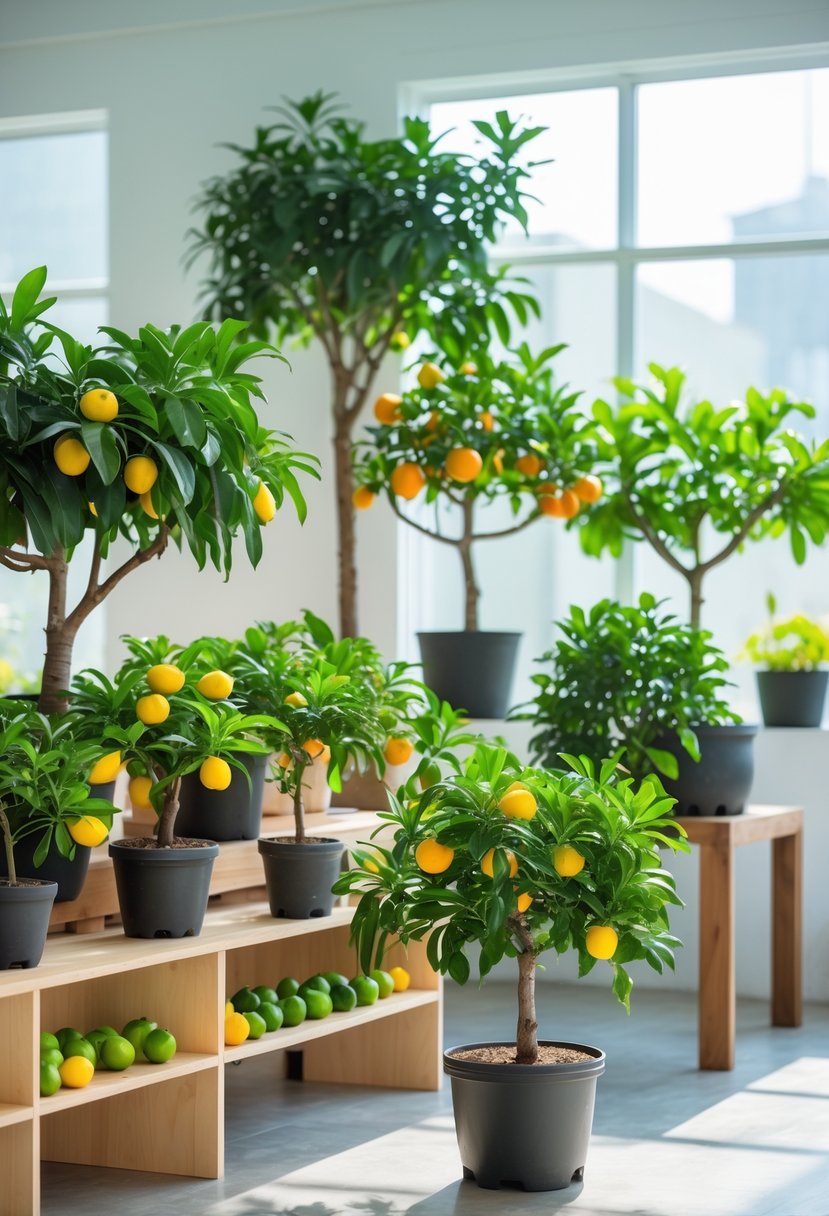
Dwarf citrus trees are a great choice for indoor growing. They stay small, usually between 8 and 10 feet tall, which makes them easy to manage in pots. You can grow lemons, limes, oranges, and other citrus varieties in a sunny spot indoors.
These trees produce fresh fruit that adds real flavor to your cooking. They also bloom with fragrant flowers that brighten your space. Regular pruning helps control their size and keeps them healthy.
You don’t need a large garden to enjoy citrus fruit. With good light and proper care, dwarf citrus trees can thrive on a balcony, near a window, or inside your home. They are low-maintenance and suitable for beginners.
6) Microgreens
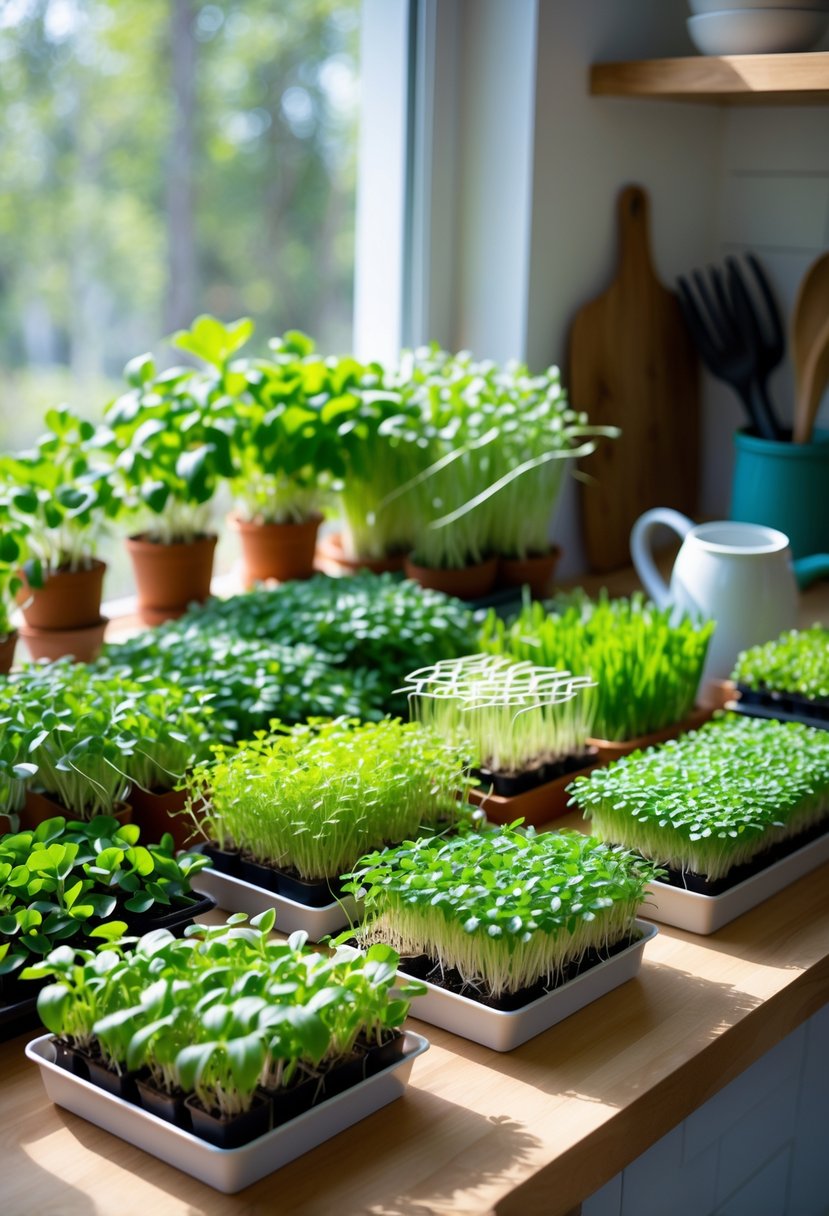
Microgreens are young vegetable or herb seedlings harvested shortly after sprouting. You can grow them easily indoors using small trays or containers.
They grow quickly, usually ready to harvest in 1 to 3 weeks. This makes them a good option if you want fresh greens fast.
You can grow many types, like kale, radish, basil, and sunflower. Microgreens need only a sunny window and minimal space.
They add fresh flavor and nutrition to your meals. Growing microgreens indoors lets you have a steady supply all year round.
5) Chives
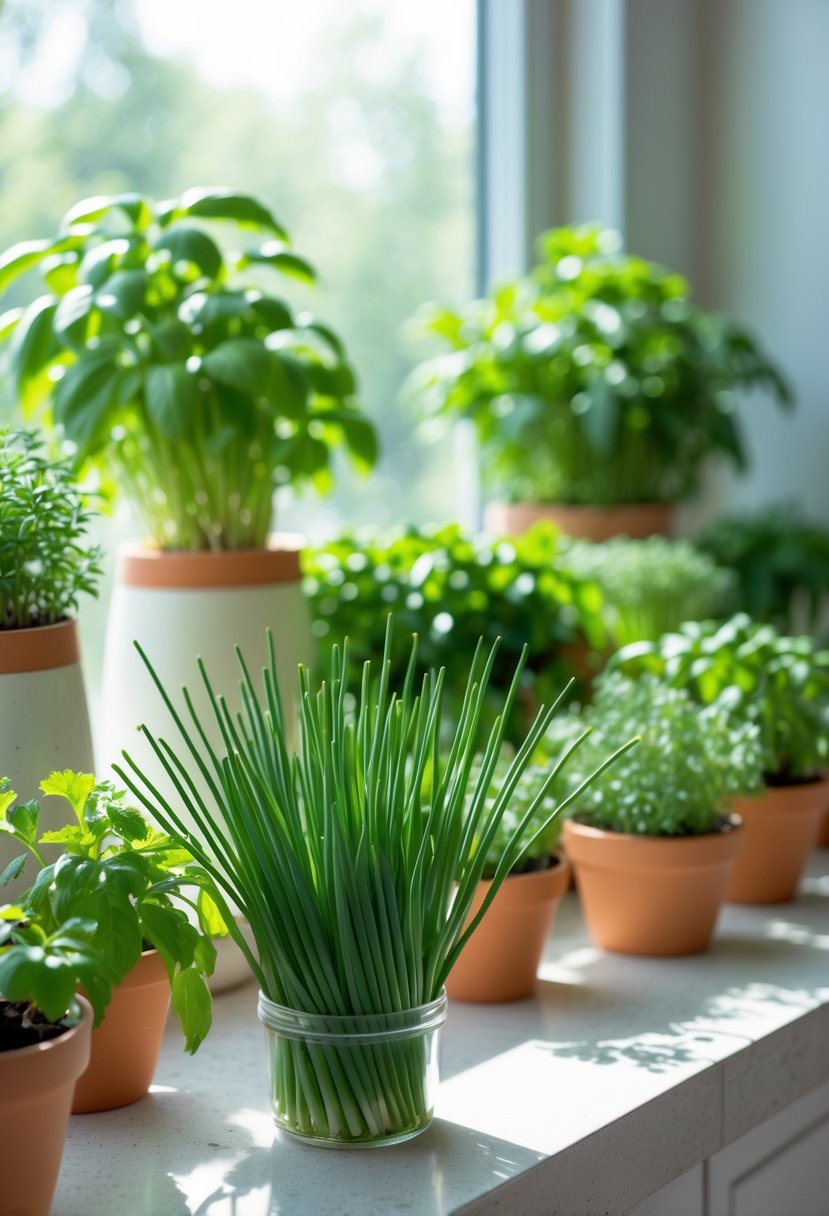
Chives are a simple herb to grow indoors. They need a sunny windowsill where they can get plenty of light. With just a bit of water and good soil, your chives will grow strong and healthy.
You can snip fresh chives anytime to add a mild onion flavor to your meals. They work well in salads, eggs, and soups. Chives grow well year-round, making them a reliable indoor herb.
To start, you can plant chive seeds or divide an existing plant. Dividing the root ball helps you create new plants easily. Growing chives indoors gives you fresh herbs without needing a garden.
4) Spinach
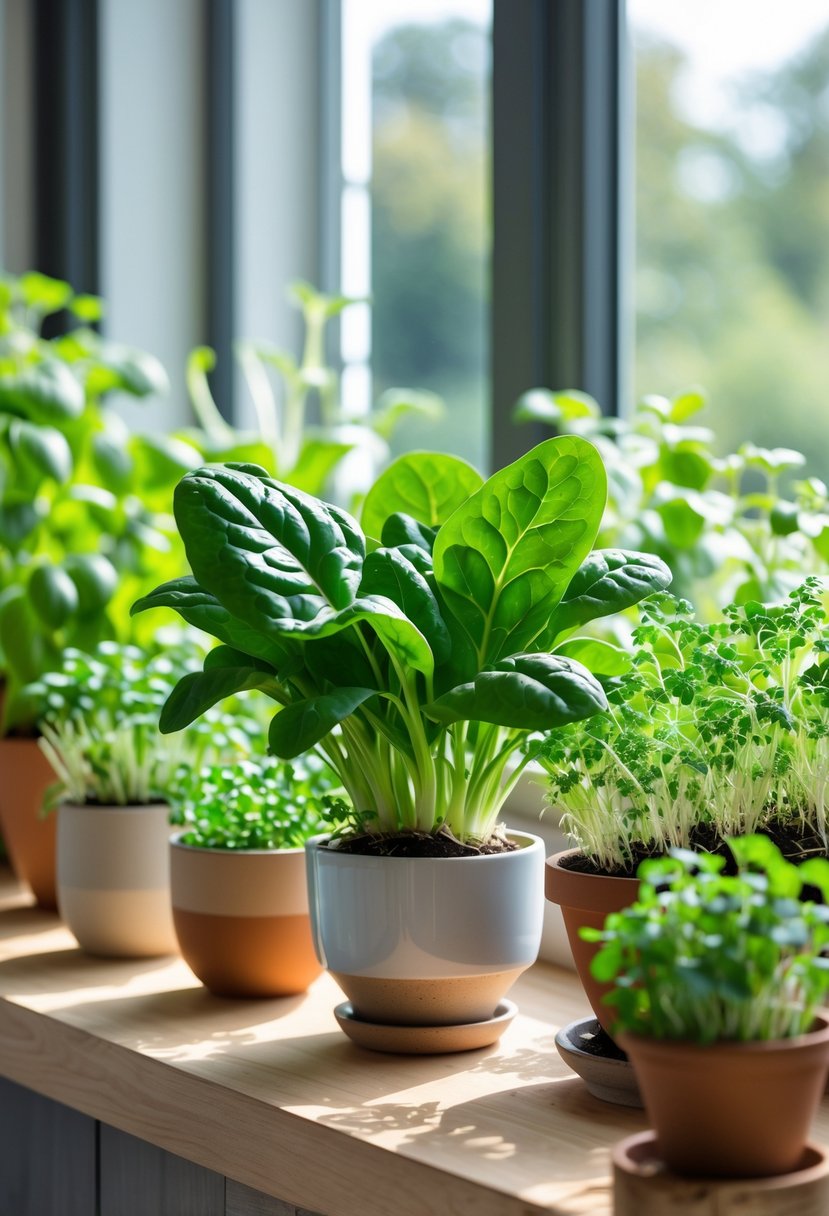
Spinach grows well indoors and is a good choice for fresh greens year-round. You can plant seeds in a container that is about 6 inches deep. It takes about 30 days from seed to harvest, making it a fast option.
To get the best yield, harvest the outer leaves first. This lets the center keep growing new leaves. Spinach prefers cool temperatures and bright, indirect light.
Make sure the soil stays moist but not soggy. With regular care, your indoor spinach will provide fresh leaves for salads and cooking for weeks.
3) Lettuce
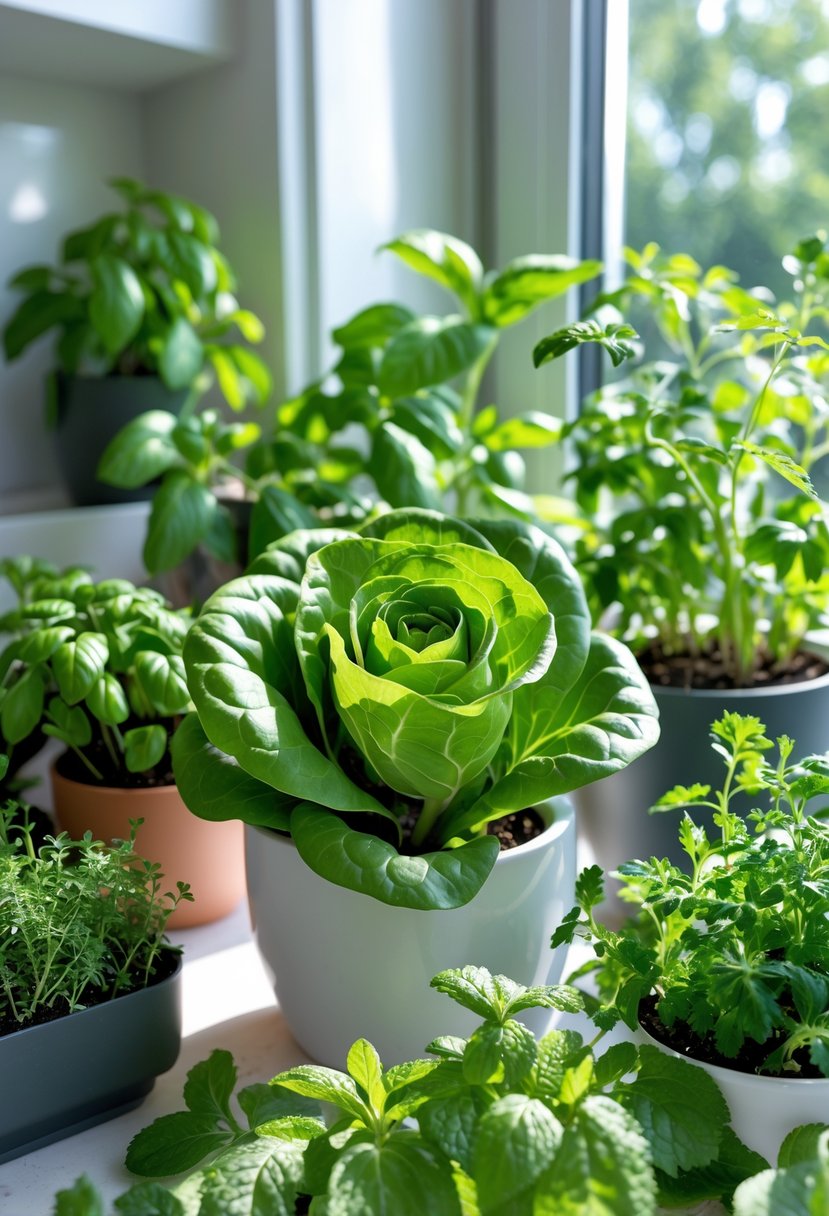
Lettuce is one of the easiest leafy greens to grow indoors. It grows quickly, so you can enjoy fresh salads often. You need to give it 10 to 12 hours of light daily, which can be natural or from a grow lamp.
Lettuce prefers cooler temperatures between 60°F and 70°F. Make sure to keep your indoor space within this range for the best results. It also needs well-drained soil and regular watering to stay healthy.
Because lettuce is compact, it fits well in small containers. This makes it a great choice if you have limited space but want fresh greens all year round. You can harvest outer leaves regularly to encourage new growth.
2) Cherry Tomatoes
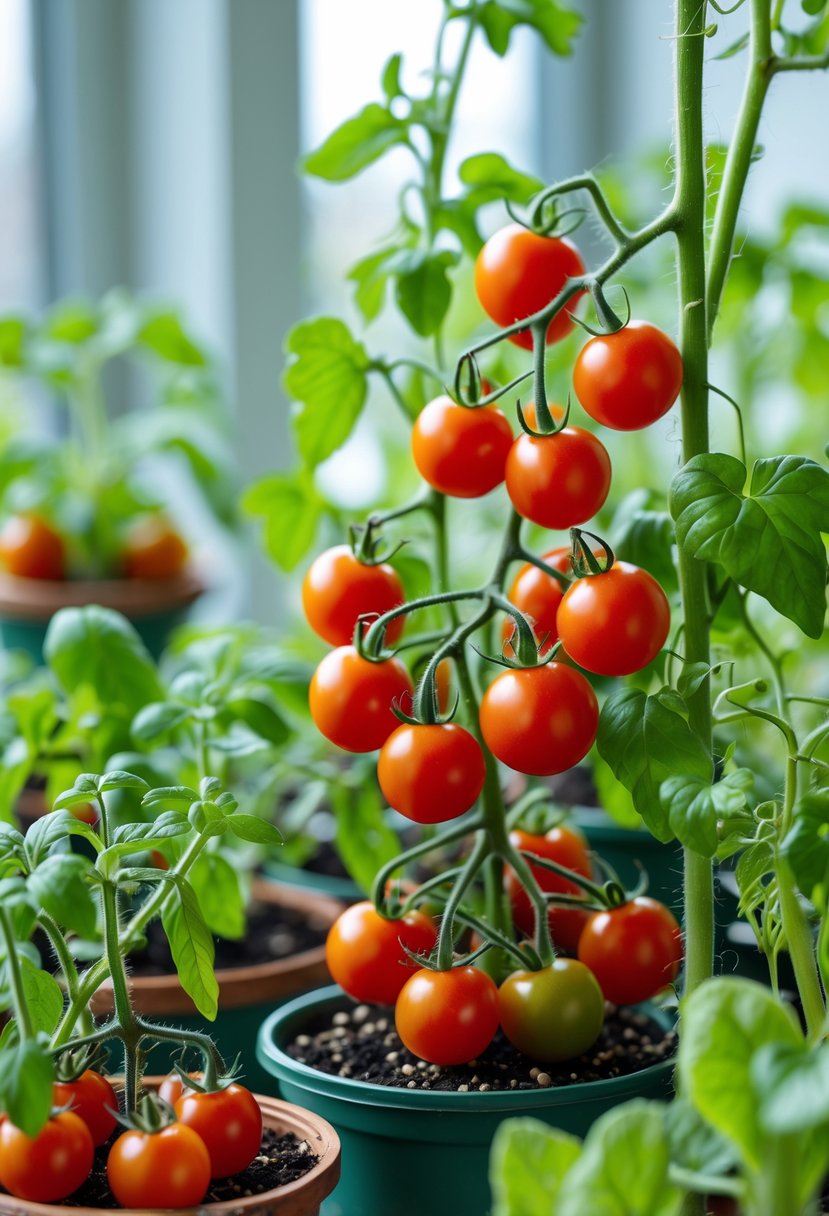
You can grow cherry tomatoes indoors with the right care. They need a well-drained pot that is about 12 to 14 inches wide. Use good potting soil or a soilless mix to give the plants the nutrients they need.
Place your cherry tomato plant in a spot where it gets at least six hours of sunlight each day. If natural sunlight is limited, consider using a grow light to help your plant grow strong.
Water the plant when the top soil feels dry but avoid overwatering. With the right conditions, you can harvest fresh cherry tomatoes year-round, adding flavor to your meals without needing a garden outside.
1) Basil
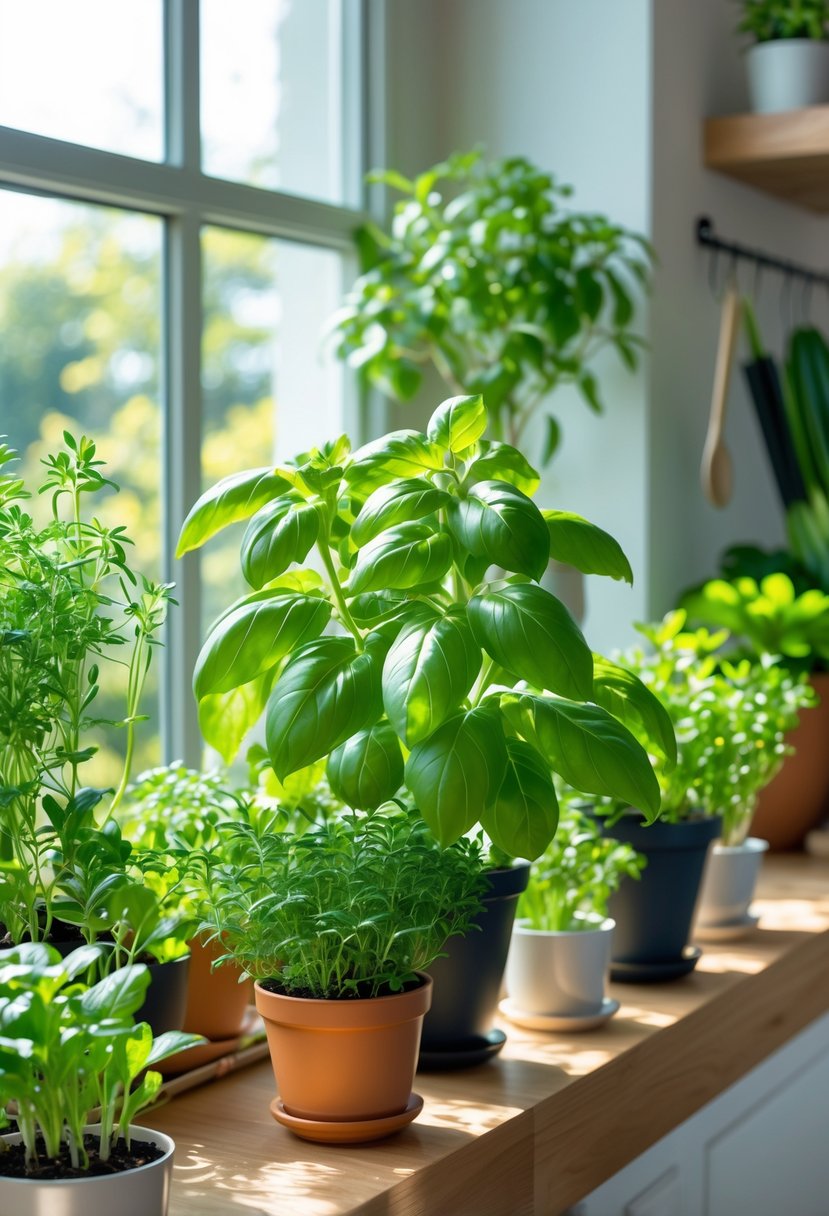
Basil is one of the easiest herbs to grow indoors. It needs at least six hours of direct sunlight each day. A south-facing window is ideal for this.
You can also use a grow light if natural light is limited. This helps basil stay healthy and productive all year round.
Water basil when the top inch of the soil feels dry. Make sure to use well-draining soil to avoid overwatering.
Trimming your basil regularly encourages new growth. Fresh leaves will add a bright, fresh flavor to your meals, especially in dishes like pesto or salads.
Optimizing Indoor Growing Conditions
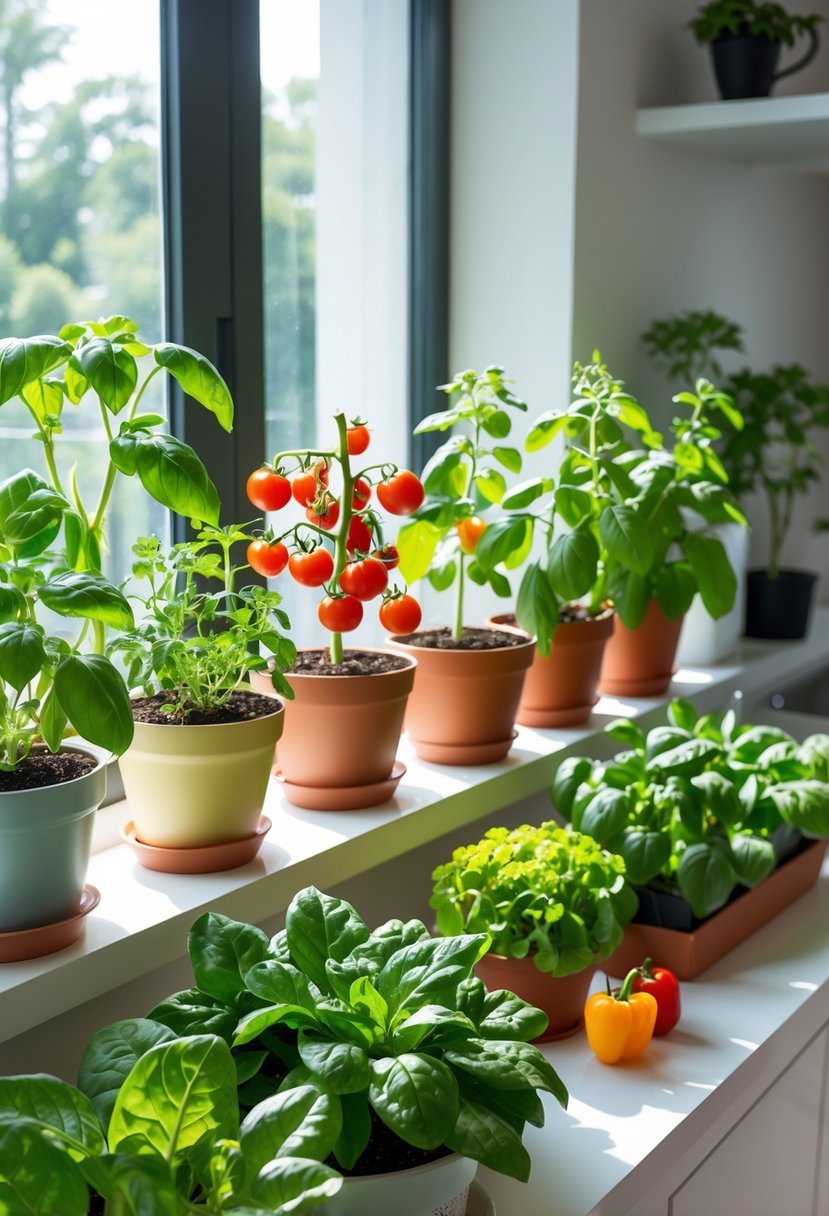
You need to create the right environment to help your edible plants grow well indoors. This means managing light, soil, containers, humidity, and temperature carefully. Each of these factors plays a key role in how healthy your plants will be and how much food they produce.
Lighting Essentials for Edible Plants
Most edible indoor plants need about 10 to 12 hours of light each day. If natural sunlight is limited where you live, use grow lights to make up the difference. LED grow lights are popular because they save energy and produce the light spectrum plants need.
Place plants near south-facing windows if possible to maximize sunlight. Make sure the light reaches all parts of the plant by rotating pots regularly. For plants like lettuce, herbs, and greens, consistent light is critical to avoid leggy and weak growth.
Keep artificial lights about 6 to 12 inches above your plants. Too close can burn leaves; too far will reduce light intensity and slow growth.
Best Soil and Containers for Indoor Growth
Choose soil that drains well but retains moisture. A mix labeled for indoor vegetables or herbs usually works best. Avoid soil that is heavy or stays soggy because it can cause roots to rot.
Use containers with drainage holes to prevent water buildup. Containers should match the plant size; too small limits root growth, and too big can hold excess water.
Consider self-watering containers if you often forget to water. Make sure your pots are made of breathable materials like terracotta or plastic with vents for air flow.
Humidity and Temperature Considerations
Most edible indoor plants prefer temperatures between 60°F and 75°F. Keep plants away from drafts, heaters, or air conditioners that cause temperature swings.
Humidity levels around 40-60% suit most edible plants. You can increase humidity by misting leaves, grouping plants together, or using a small humidifier.
Too dry air can cause leaves to brown at the edges, while too much moisture can lead to mold or fungal problems. Monitor conditions and adjust as needed to keep your plants comfortable.
Harvesting and Using Your Indoor Edible Plants
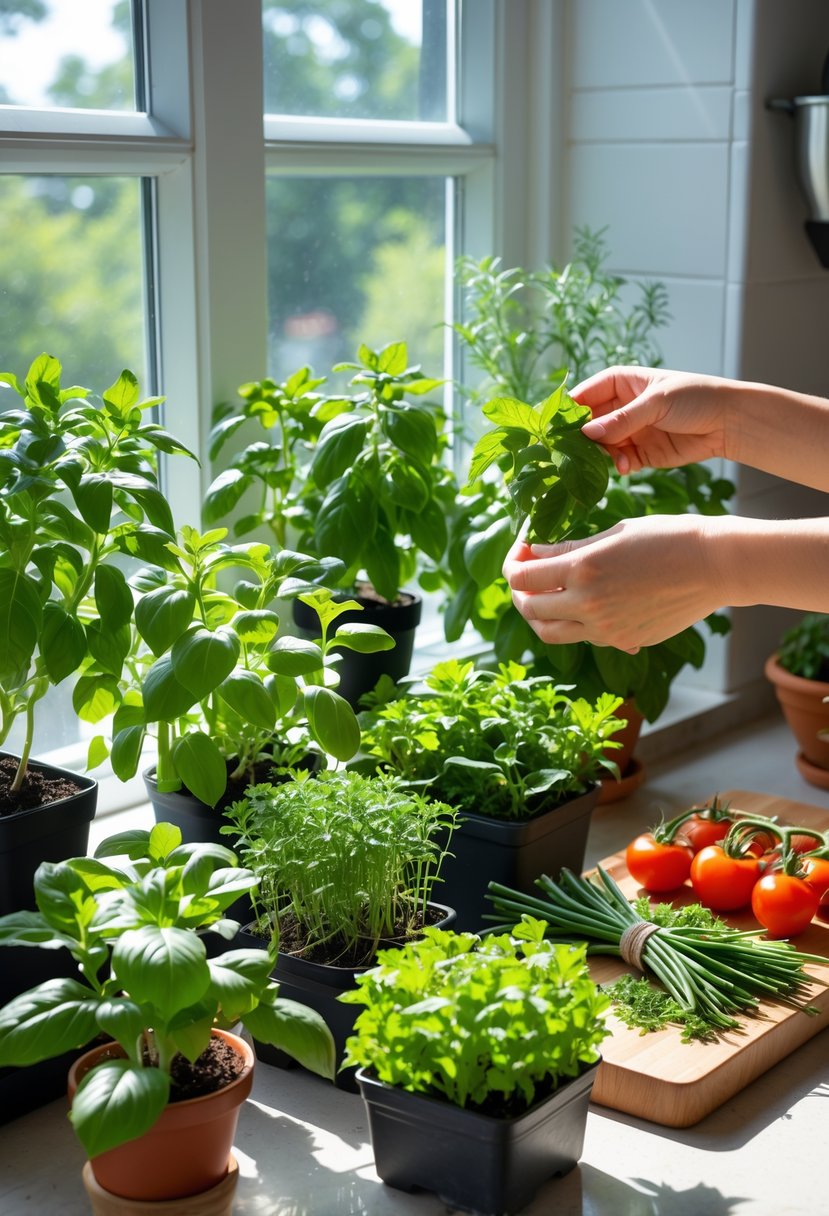
Knowing when and how to pick your plants ensures the best flavor and ongoing growth. Proper handling after harvest helps keep your produce fresh and ready to use.
When and How to Harvest for Maximum Freshness
Harvest leafy greens like spinach or lettuce when the leaves are about 3-4 inches long. Use scissors or clean hands to snip outer leaves first, allowing inner leaves to keep growing.
Herbs such as basil or cilantro taste best when picked before flowering. Pinch or cut just above a leaf node to encourage bushier growth.
For small fruits or peppers, wait until they reach full color. Gently twist or snip the fruit off to avoid damaging the plant.
Always harvest in the morning. This is when the plants hold the most water and flavor.
Storing and Preserving Your Indoor Harvest
Most leafy greens last 3-5 days when wrapped in a damp paper towel and stored inside a plastic bag in the refrigerator.
Herbs like basil should stay on the counter in a glass of water, loosely covered with a plastic bag, to keep them fresh for several days.
Peppers and small fruits can be kept in the fridge crisper drawer for up to two weeks.
If you want to save herbs longer, try drying or freezing them in ice cube trays with water or oil.
Label your storage containers with the date to keep track of freshness.