Backyard Vegetable Garden Layout: Designs, Ideas & More
Designing a backyard vegetable garden layout helps you maximize space, sunlight, and plant health to grow a successful and productive garden. A well-planned layout considers your yard size, the types of vegetables you want, and how you will access and care for your plants. This sets the foundation for better yields and simpler maintenance.
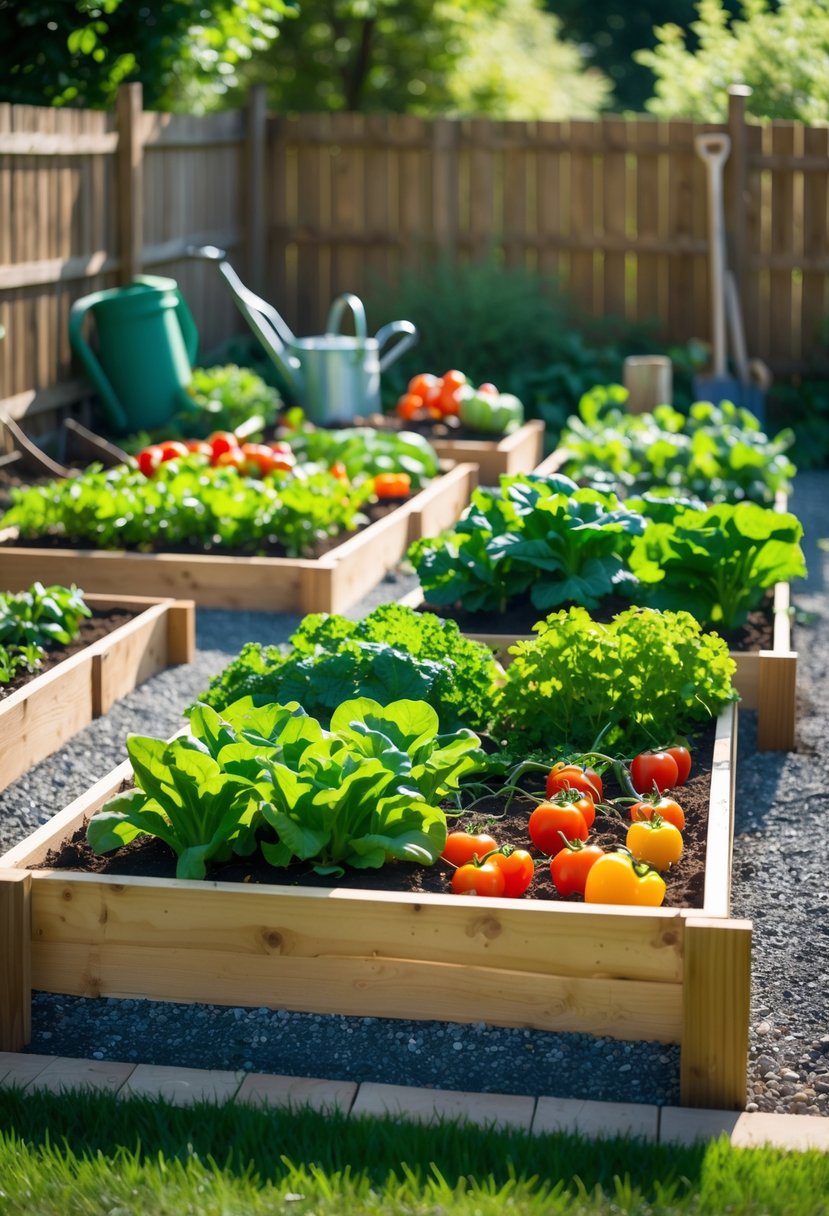
Whether you have a large yard or a small space, you can create a layout that fits your needs and lifestyle. Raised beds, in-ground rows, and container gardens are common options to organize your plants. Planning pathways and grouping plants based on their water and light needs also helps improve growth and makes your garden easier to manage.
By learning straightforward layout strategies, you can avoid common mistakes and focus on growing fresh vegetables efficiently. Knowing how to arrange your garden lets you enjoy your space while getting the most from your efforts.
Key Takeways
- Proper garden layout improves plant growth and care.
- Choose garden styles that fit your space and needs.
- Organize plants to simplify maintenance and boost harvests.
Fundamentals of Backyard Vegetable Garden Layout
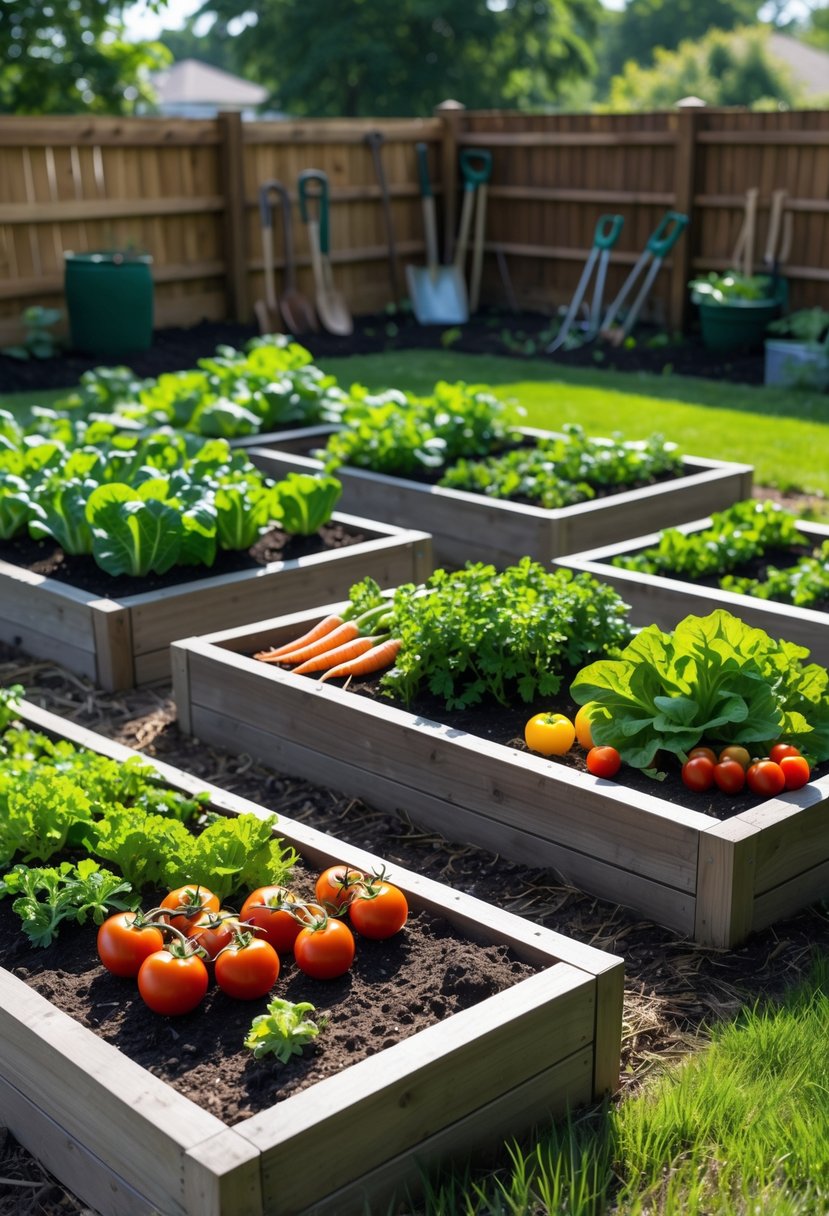
To build a productive vegetable garden, you need to focus on location, size, and design. These factors impact how much sunlight your plants get, how easily you can care for them, and how well the garden fits your space.
Choosing the Right Location
Pick a spot with at least 6 to 8 hours of direct sunlight daily. Most vegetables need full sun to grow well. Avoid areas shaded by trees or buildings.
Good drainage is essential. Choose flat or gently sloped land where water won’t pool after rain. Wet soil can cause root problems.
Consider access to water. Your garden should be near a hose or water source to make regular watering easier.
Avoid spots near large trees. Tree roots compete for nutrients and moisture, which can hurt your vegetable plants.
Planning Your Garden Size
Start with a manageable space. If you’re new, a 100-200 square foot area works well. This size lets you grow a variety of crops without becoming overwhelming.
Think about how much time you can spend gardening. A bigger garden requires more maintenance like weeding, watering, and harvesting.
Use your available space wisely by planning paths within the garden. Leave space to move between plants without compacting the soil.
You can expand the garden later once you get used to the work and understand your needs better.
Backyard Vegetable Garden Layout Designs
There are several proven garden layouts you can try:
-
Rows: Traditional straight rows are easy to plan and work in. Space plants to allow for growth and air circulation.
-
Raised Beds: These improve drainage and soil quality. Raised beds also reduce bending and make weed control simpler.
-
Square-Foot Gardening: Divide beds into 1-foot squares for dense planting. This method maximizes space and reduces weeds.
-
Containers: Ideal for small spaces or poor soil areas. Use pots or boxes for herbs, lettuce, or radishes.
Consider how to protect plants from foot traffic and pets. Using paths, fences, or raised beds helps keep plants safe.
Pick a layout that fits your garden’s shape and your daily routine best.
Popular Vegetable Garden Layout Ideas
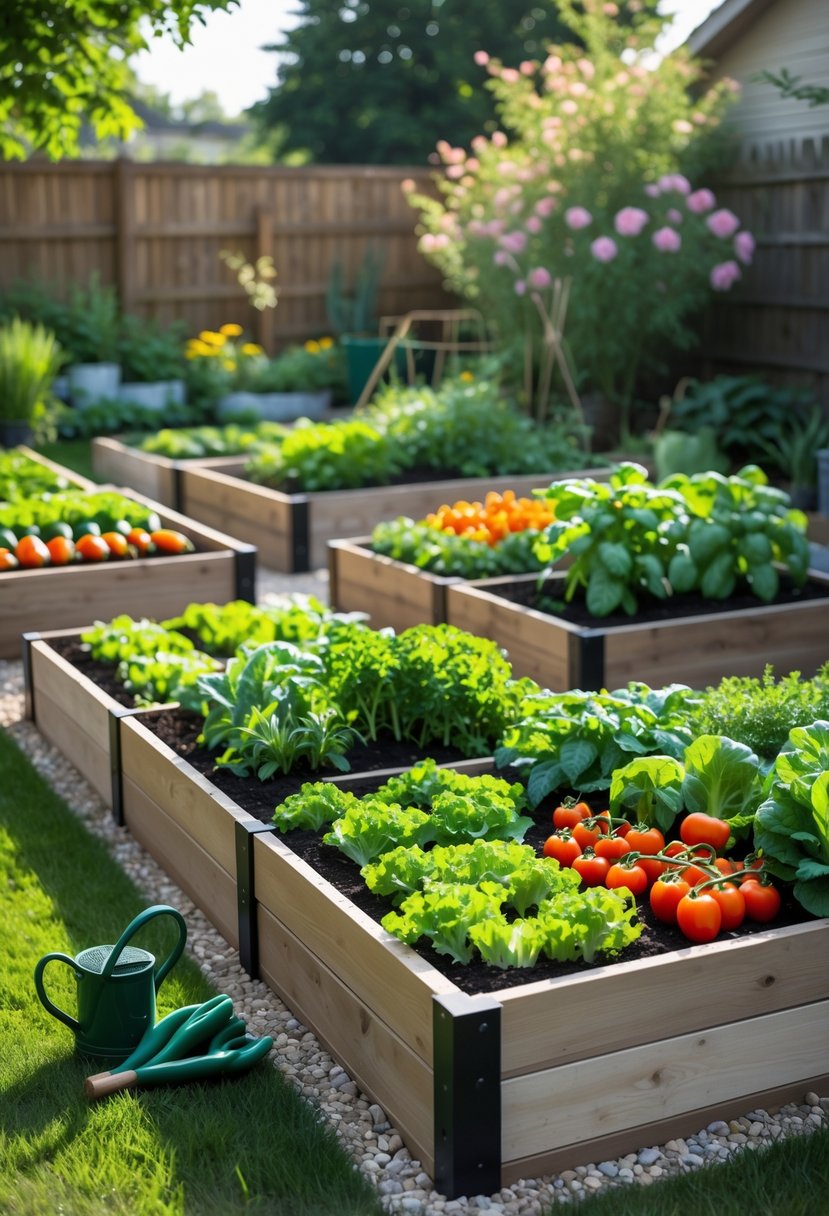
Choosing the right layout for your vegetable garden helps you use space well, keep plants healthy, and make care easier. You can work with rows, raised beds, grids, or group plants that grow well together. Each method has clear steps to follow for better growth and easier maintenance.
In-Ground and Traditional Row Layouts
Row layouts are one of the simplest methods for in-ground gardens. Plant your vegetables in straight rows running north to south. This direction helps sunlight reach all plants evenly.
Place the tallest vegetables on the north side of each row. Then plant medium-height crops next, with the shortest plants on the south side. This stops tall plants from shading shorter ones.
Leave enough space between rows for you to walk, water, and harvest easily. Use regular spacing between plants to avoid overcrowding and promote air circulation.
Raised Bed Layouts
Raised beds are raised soil boxes that make gardening easier by improving soil drainage and warming. You control the soil quality better when using raised beds.
Arrange the plants in blocks or groups, keeping similar crops together. The beds are usually 3 to 4 feet wide, so you can reach plants without stepping on the soil. This reduces soil compaction.
Space plants with enough room to grow and leave paths between beds for access. Raised beds work well in small spaces or if the soil in your yard is poor.
Square Foot and Grid Layouts
Square foot gardening divides your plot into squares, usually 1 foot by 1 foot. This system is highly organized and helps you maximize space.
Each square is dedicated to one crop or several small plants. Calculate spacing based on seed packet recommendations, often fitting several plants per square.
Use stakes and string or wooden frames to mark the grid clearly. This layout makes it easy to track what you’ve planted, manage growth, and harvest quickly.
Companion Planting Concepts
Companion planting groups vegetables that benefit each other when planted nearby. For example, planting beans near corn can help both grow better.
Some plants repel pests, while others attract helpful insects. Planning companion plants carefully reduces disease and lowers the need for pesticides.
Make sure the plants in a combination share similar sun and water needs. Use this concept to improve yields and garden health naturally.
Small Backyard Vegetable Garden Layout Strategies
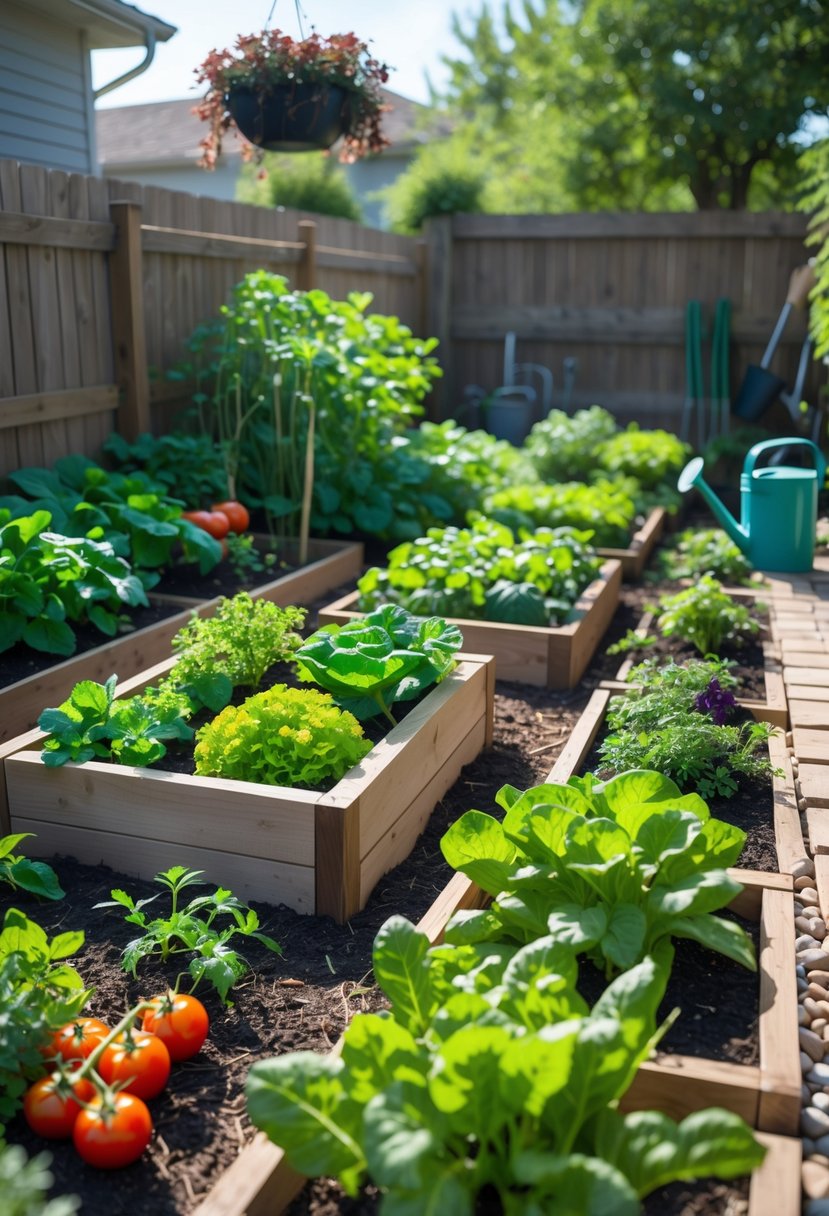
When working with a small backyard, your goal is to fit as many healthy plants as possible while keeping the space manageable. Careful planning, smart use of vertical areas, and choosing the right crops are key to a successful garden.
Maximizing Space in Small Backyards
To get the most from your limited garden area, use raised beds or long, narrow planter boxes. Raised beds give you control over soil conditions and help keep your garden organized.
Divide your garden into sections, like 12×12 inch squares, to plan exactly where each plant goes. This method helps you avoid overcrowding and makes maintenance easier. Create paths to access plants without stepping on soil, which keeps roots healthy.
You can also place taller plants on the north side and shorter ones toward the south to make sure all get enough sunlight. Group plants with similar water and sunlight needs together. This reduces resource waste and keeps your garden thriving with less effort.
Vertical Gardening Techniques
When ground space is tight, go up. Vertical gardening uses trellises, wall-mounted planters, or stacked pots to grow more plants in less area.
Grow climbing vegetables like peas, cucumbers, or cherry tomatoes vertically. Use trellises or wire supports to keep plants off the ground and make harvesting easier.
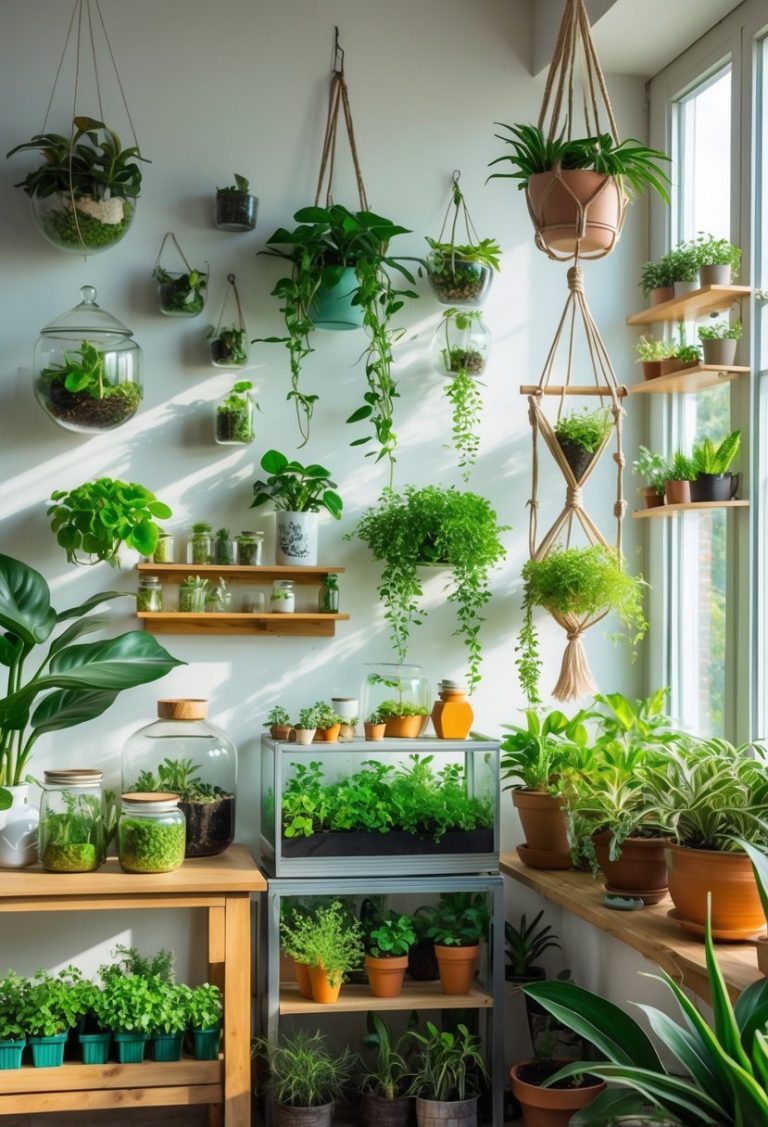
Wall gardens or hanging baskets work well for lightweight plants like herbs and leafy greens. These setups save space and can decorate a bare fence or wall.
Make sure vertical structures are sturdy and positioned to get enough sunlight. Consider drip irrigation or careful watering, as vertical systems can dry out faster than traditional beds.
Selecting Crops for Small Spaces
Choose compact or slow-growing vegetables that don’t require wide spacing. Examples include leafy greens, radishes, cherry tomatoes, mini bell peppers, and bush beans.
Avoid sprawling plants like zucchini or large pumpkin varieties unless you have space to contain them.
Plant one type of vegetable per planter or section. This keeps care simple and reduces disease spread.
Opt for quick-growing crops to harvest more frequently, freeing up space for new plants. Herbs like basil, parsley, and thyme fit well in small gardens and add flavor to your cooking.
Tips for Maintaining and Optimizing Your Vegetable Garden
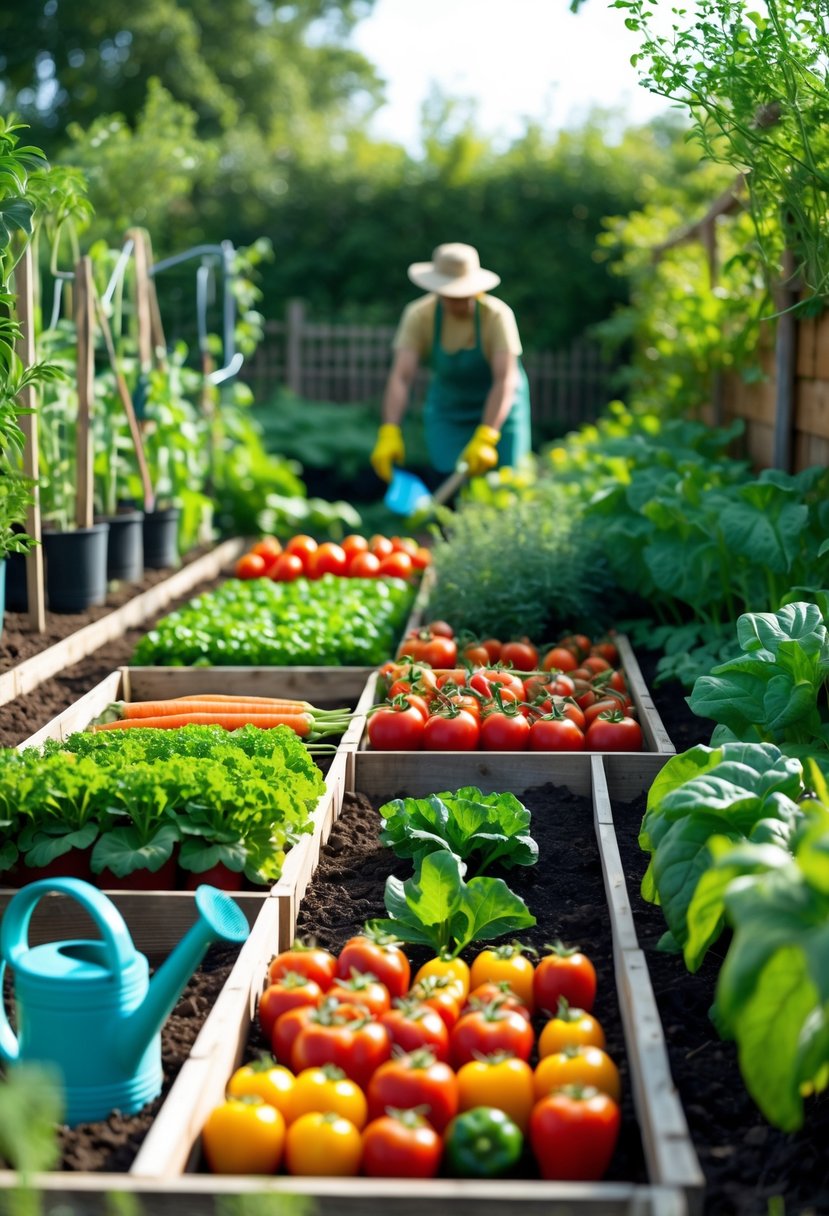
To keep your vegetable garden productive, focus on easy access, good soil health, and smart planting choices. These steps will help you manage your garden more effectively and improve your crop yields.
Pathways and Access
Create clear pathways so you can move easily without stepping on your plants. Use mulch, gravel, or wood chips to keep the paths clean and prevent weeds.
Paths should be wide enough for tools like wheelbarrows or garden carts. This makes watering, pruning, and harvesting faster.
Design pathways to reach every part of your garden. Avoid making paths too long or narrow, which can block sunlight and air circulation around plants.
Soil Preparation and Health
Healthy soil grows healthy plants. Test your soil to know if it needs nutrients or adjustments in pH.
Add organic matter like compost or aged manure to improve soil structure. This helps roots grow strong and hold water better.
Avoid using chemicals that can harm soil life. Instead, use natural fertilizers and mulch to keep soil moist and reduce weeds.
Turn the soil before planting to loosen it, but avoid digging too deep to protect beneficial organisms.
Seasonal Planting and Crop Rotation
Plant vegetables that match the season to get the best growth. Cool-season crops like spinach do well in spring and fall, while warm-season crops like tomatoes grow best in summer.
Rotate crops each year to avoid pests and diseases. For example, follow beans with root vegetables rather than planting the same family repeatedly.
Group plants by families to plan rotations. This method keeps soil balanced and reduces the chance of soil-borne problems.
Use a simple chart to track where you plant each vegetable yearly. This helps you spot patterns and improve rotation over time.