9 Most Fragrant Vines That Enhance Your Garden’s Aroma
Vines are a great way to add beauty and fragrance to your outdoor space. They can cover fences, walls, and pergolas while filling the air with pleasant scents. If you want to enhance your garden with plants that smell good, fragrant vines offer a simple solution.
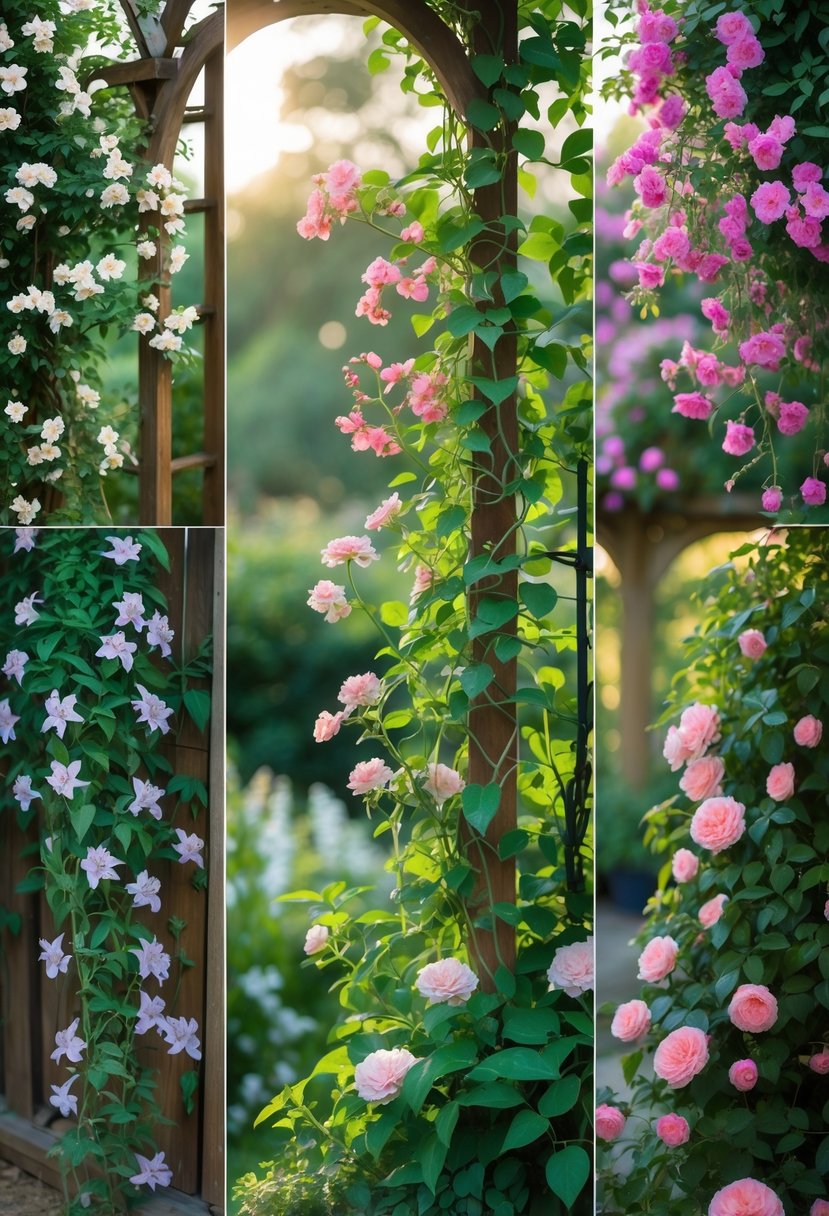
The most fragrant vines provide both visual appeal and sweet aromas that make your garden more enjoyable. Choosing the right vines can transform your outdoor area into a relaxing and inviting place for you and your guests.
1) Jasmine (Jasminum spp.)
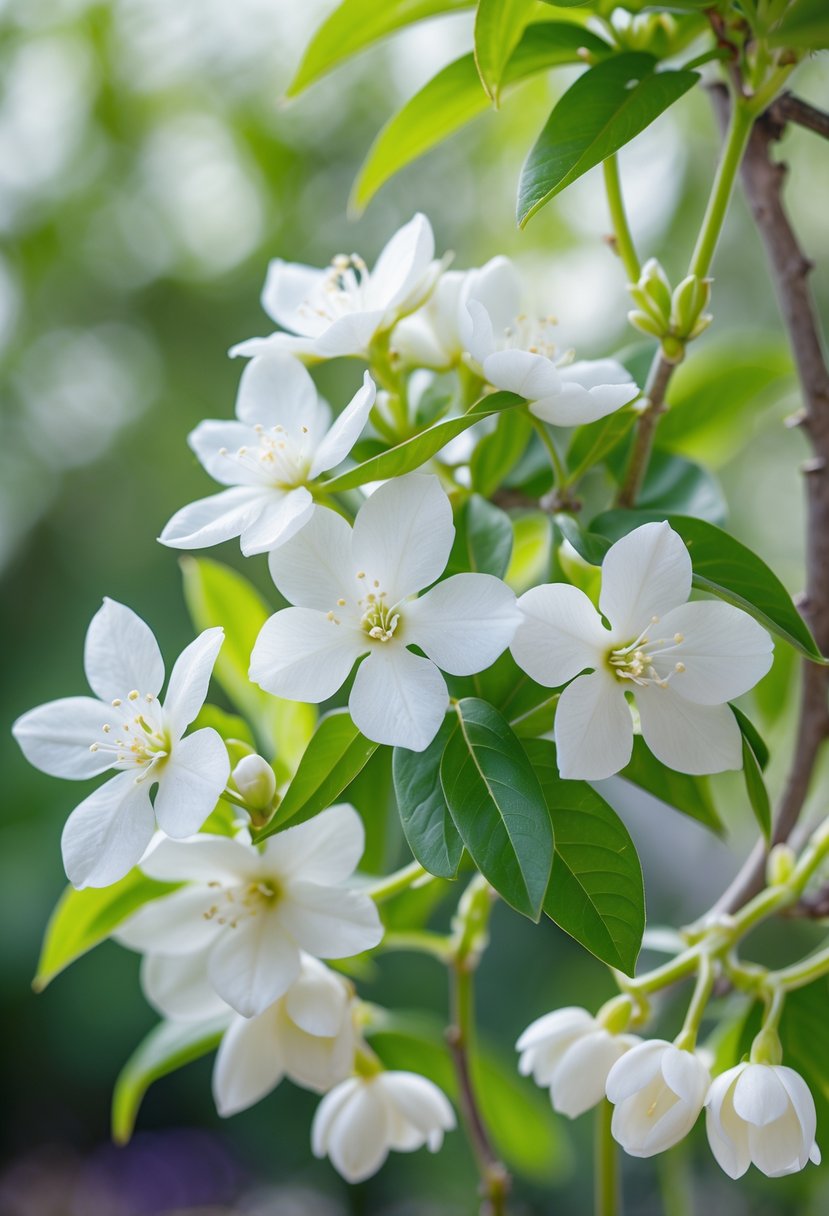
Jasmine is a popular group of vines known for its sweet, strong fragrance. You can find many different types, like Common Jasmine and Arabian Jasmine, each offering unique scents. These vines often bloom with white or yellow flowers that smell best in the evening.
You can grow jasmine in USDA zones 7 to 10. It likes full sun with some shade and well-drained soil. Jasmine vines need regular care to keep them healthy and fragrant.
Many jasmine types are used in perfumes and teas because of their rich aroma. Growing jasmine can add beauty and a pleasant scent to your garden or home.
2) Clematis (Clematis montana)
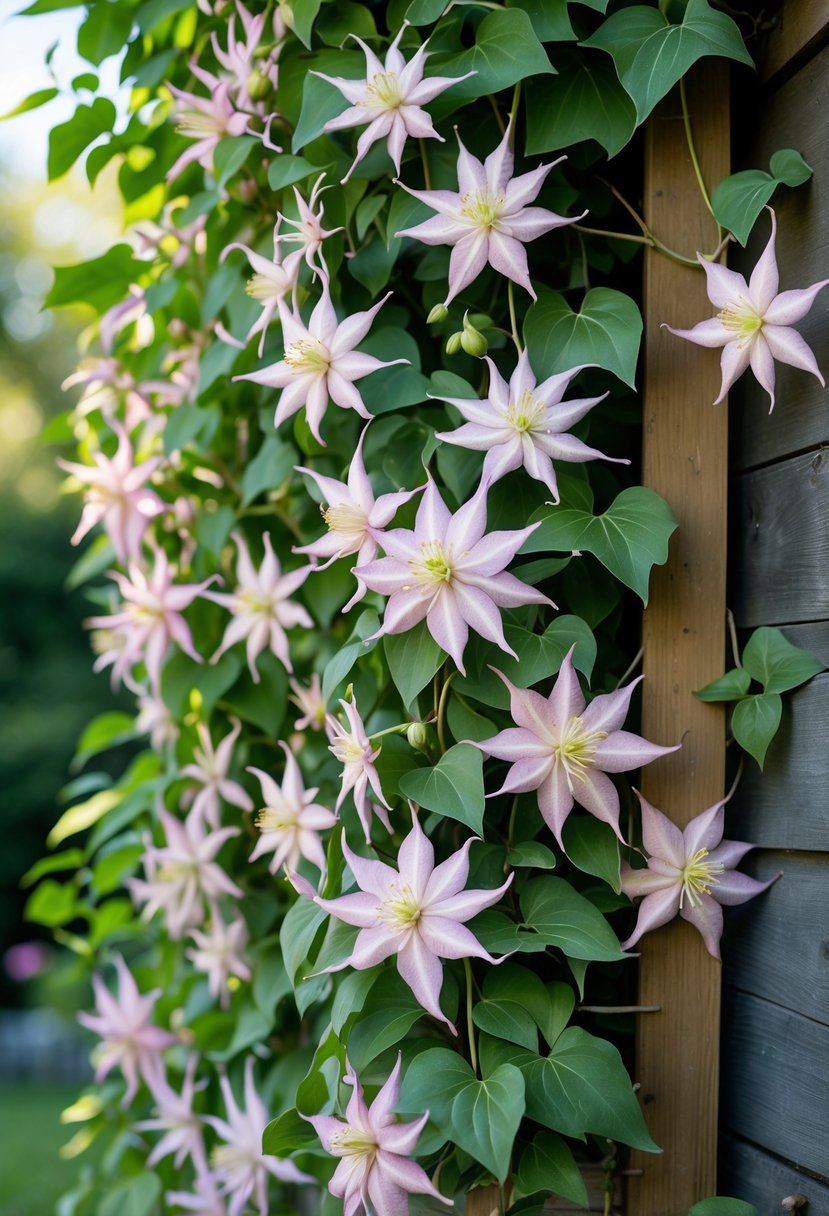
Clematis montana is a popular climbing vine that grows quickly and covers walls or fences well. It produces many small, star-shaped flowers in late spring to early summer.
You will notice a nutty or almond-like fragrance from its blooms. Some varieties, like Clematis montana var. wilsonii, have a stronger scent similar to chocolate.
This vine thrives best in USDA zones 6 to 9. It needs cold winters to bloom well and show its fragrance, so consider your climate before planting.
Clematis montana is a good choice if you want a vine that adds both beauty and scent to your garden. It pairs well with other plants to create a fragrant outdoor space.
3) Star Jasmine (Trachelospermum jasminoides)

Star Jasmine is an evergreen vine with dark green, glossy leaves. You’ll notice its star-shaped white flowers in spring, which give off a strong, pleasant fragrance.
This vine grows well in zones 8 to 10 and can climb walls, trellises, or spread as ground cover. It prefers full sun to partial shade, making it versatile for many garden spots.
You’ll find it easy to care for since it needs only moderate watering and well-drained soil. Star Jasmine can grow quite fast and reach up to 20 feet tall if given support.
Plant it near outdoor areas like patios or entrances so you can enjoy its scent. It also works well in containers, especially in colder areas where it can be moved indoors.
4) Sweet Pea Vine (Lathyrus odoratus)
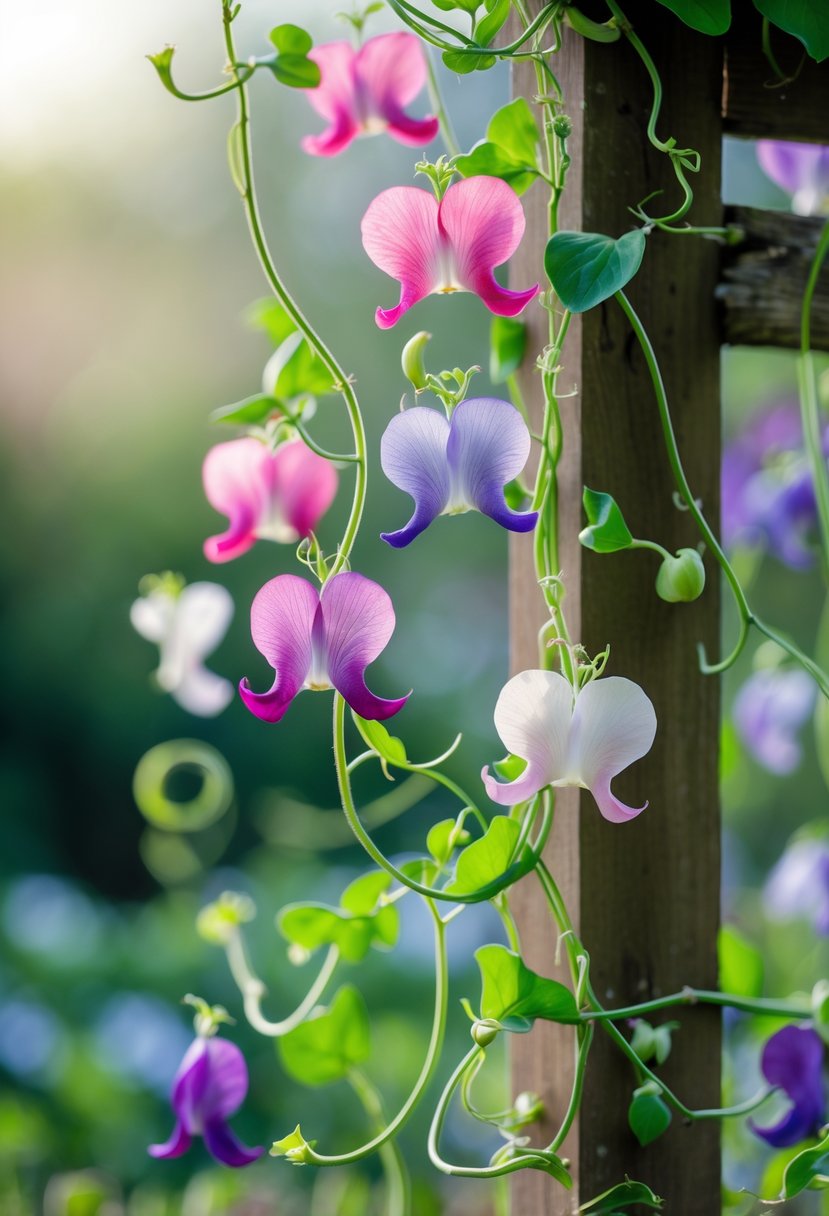
You can grow sweet pea vines easily if you give them full sun and moist soil. They are annual climbers that bloom from late spring through summer. Their flowers have a clear, sweet fragrance that adds a nice scent to your garden or home.
Sweet peas come in many colors and grow well on trellises, fences, or arches. You can also cut their long stems for indoor bouquets. These vines prefer rich, slightly alkaline soil. You may want to add bone or blood meal for better flowering.
Keep in mind that sweet peas are best suited for USDA zones 2 through 11. They are perfect for bright spots with some afternoon shade. Their gentle climb and lovely smell make them a popular choice in many gardens.
5) Honeysuckle (Lonicera japonica)
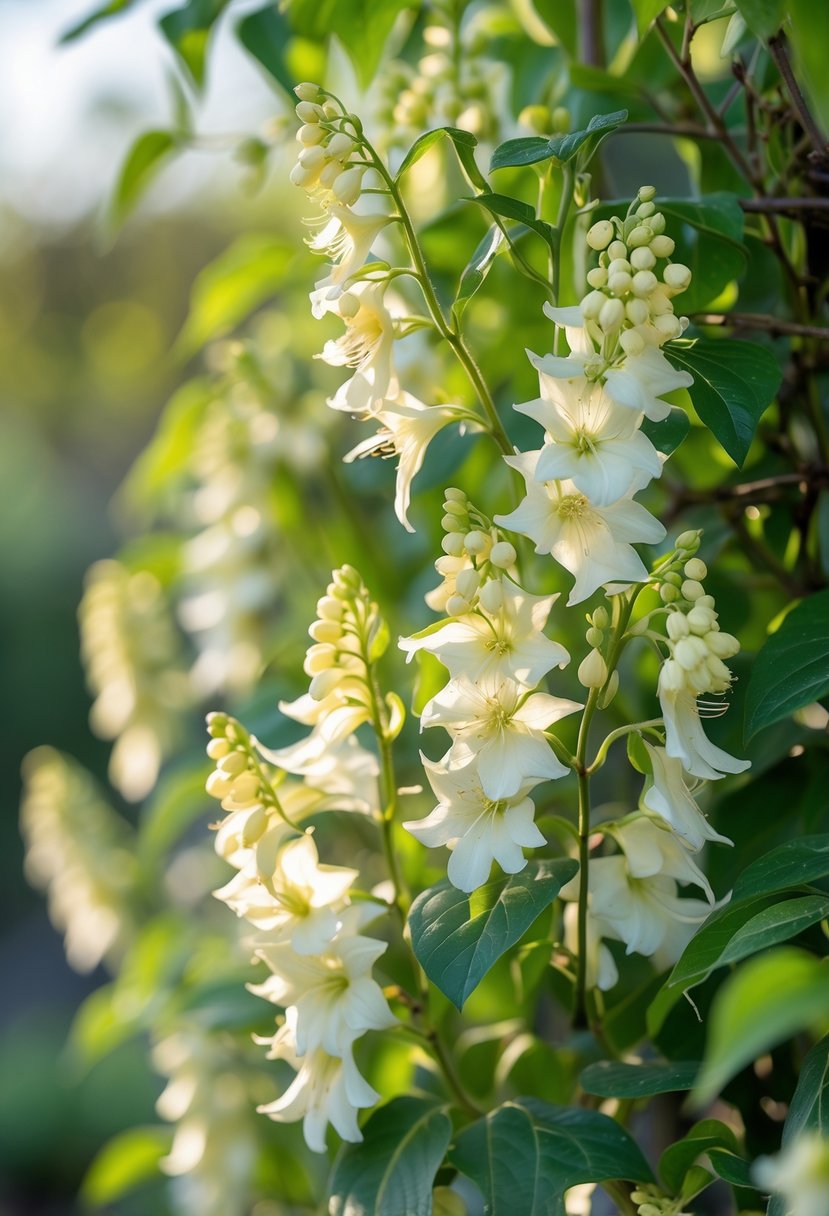
You will find that Japanese honeysuckle is one of the most fragrant vines available. It produces sweet-smelling white to yellow flowers. The scent is strong and can fill a large area around the plant.
This vine blooms from late spring through early fall. It grows quickly and can cover fences or trellises easily. Because it spreads fast, you should watch it to prevent it from becoming invasive.
If you want a vine that offers both fragrance and visual appeal, Japanese honeysuckle is a good choice. It works well in many garden settings and attracts pollinators like bees and butterflies.
6) Passionflower (Passiflora caerulea)
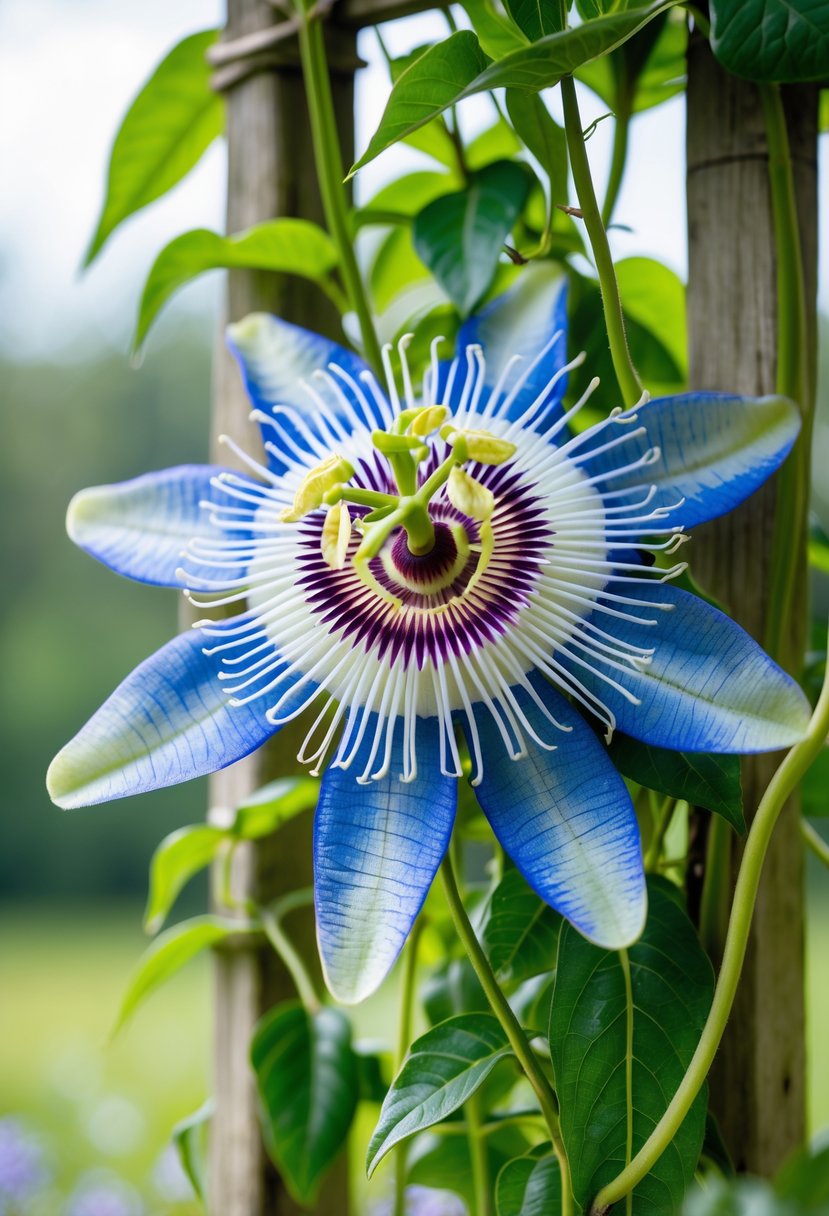
Passiflora caerulea, also known as the Blue Passionflower, is a climbing vine you can grow for its fragrant flowers. The blooms are large and often show a mix of white, blue, and purple colors.
You will notice that the flower petals are star-shaped with a unique center ring. This vine grows quickly and can cover fences or trellises, making it a good choice for creating shade or privacy.
This passionflower does best in warmer climates and can stay evergreen in frost-free areas. It adds a fresh, light fragrance to your garden without needing much care.
7) Climbing Roses (Rosa spp.)
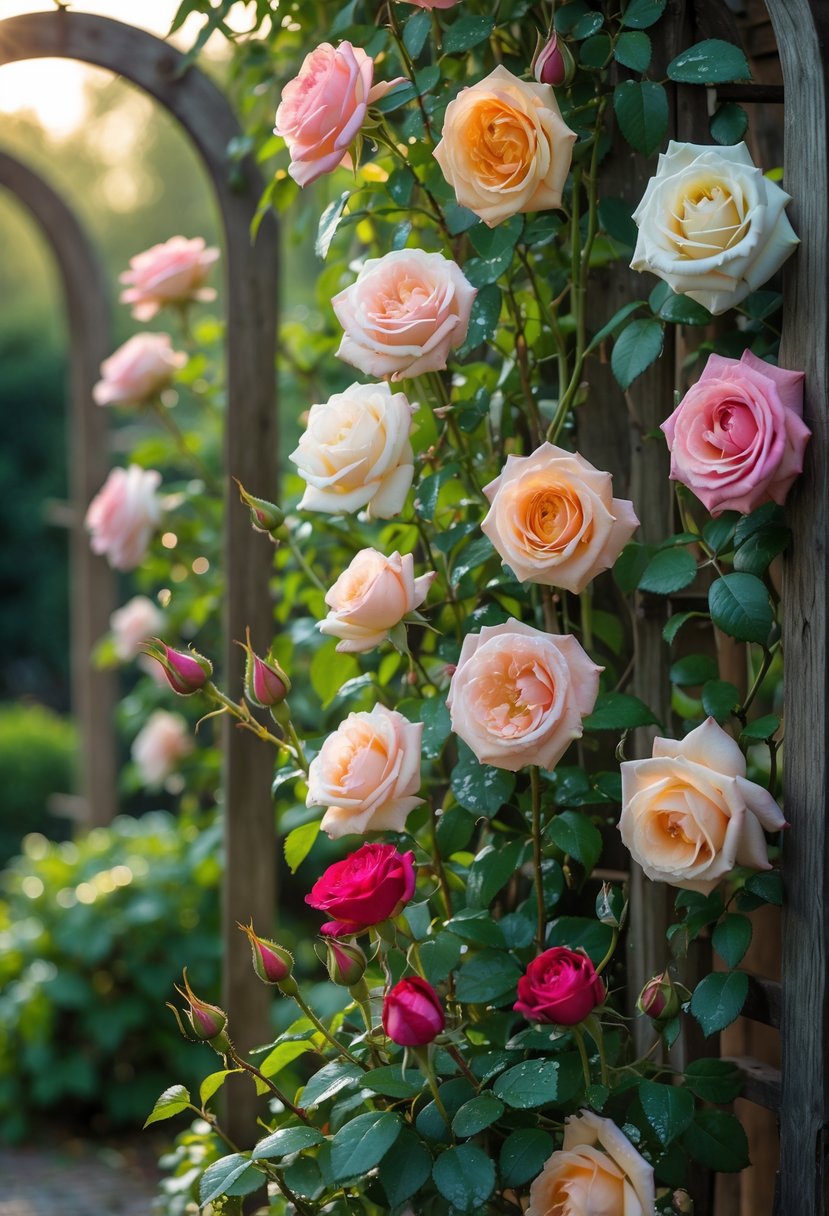
Climbing roses are great if you want to add both beauty and fragrance to your garden. They grow well on fences, arbors, and trellises. These roses often have strong, sweet scents that fill the air.
You can find many varieties with different fragrances, from light floral to spicy scents. Some types also bloom repeatedly, so you get fragrance throughout the season.
Climbing roses need good sunlight and well-drained soil. They can also resist some common diseases if cared for properly. With regular pruning, your climbing roses will stay healthy and produce more blooms.
8) Chocolate Vine (Akebia quinata)
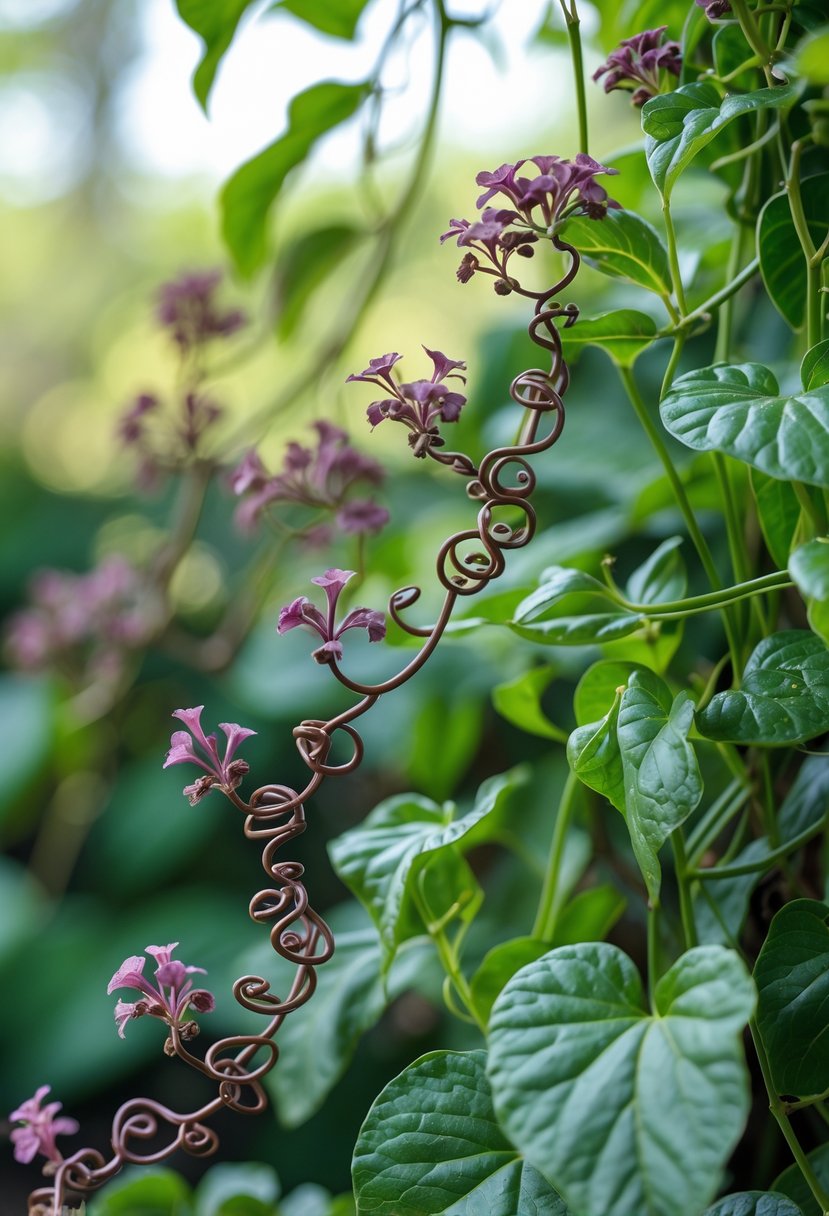
You will notice the Chocolate Vine for its unique, sweet fragrance, which blends chocolate and vanilla scents. It blooms in late spring with small, purple or white flowers that hang in clusters.
This vine grows quickly and can reach 15 to 20 feet. It is semi-evergreen, so it keeps some leaves in mild winters. You can use it to cover fences or trellises fast.
The leaves have five rounded parts, giving the plant a distinct look. After flowering, you might see unusual purple fruits that are edible. Keep in mind, the vine spreads vigorously, so pruning is needed to control its growth.
9) Orange Trumpet Vine (Pyrostegia venusta)
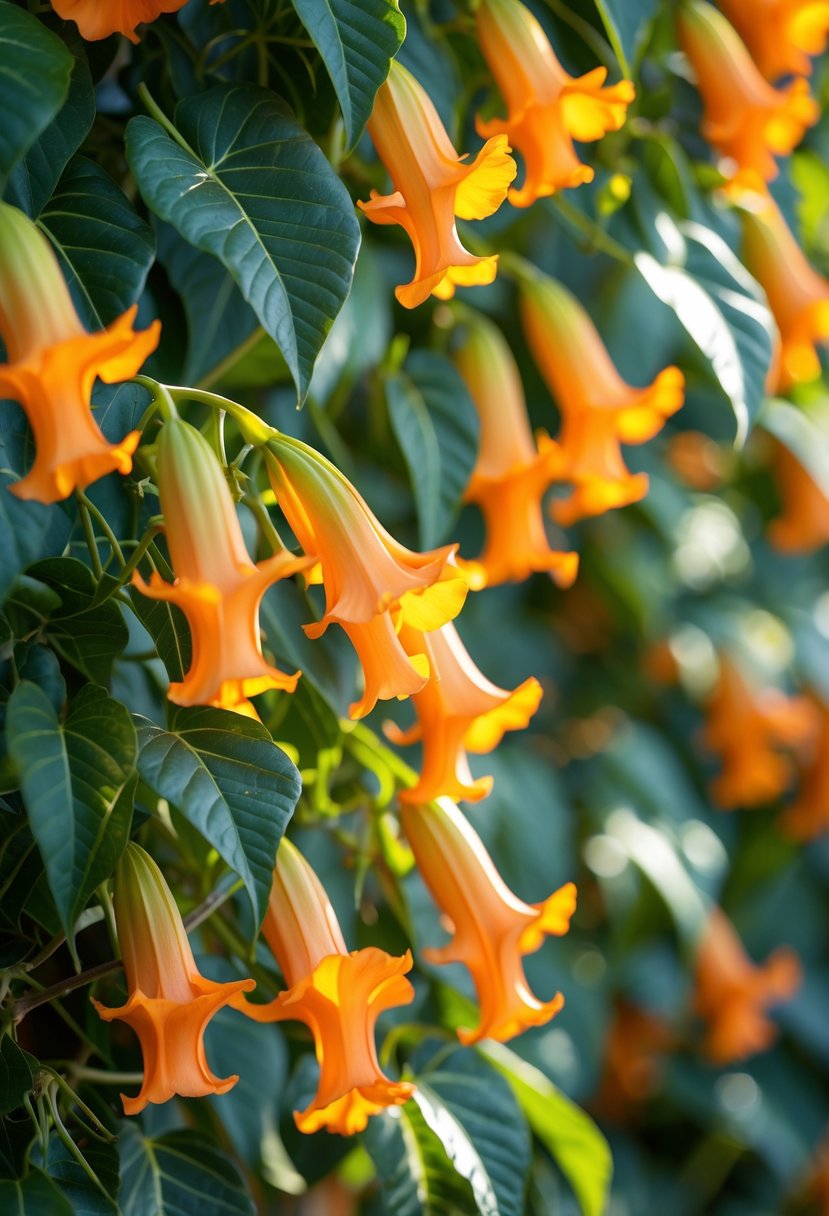
The Orange Trumpet Vine, also called Flame Vine, is known for its bright orange, trumpet-shaped flowers. It blooms mainly in winter, adding color when many plants are not flowering.
You can grow it in warm climates, especially in zones 9 to 11. It climbs quickly and can cover fences or walls, making it a good choice for shade or privacy.
Its flowers have a light, sweet scent that attracts hummingbirds and pollinators. The vine needs full sun and regular watering but can tolerate dry periods once established.
Benefits of Planting Fragrant Vines
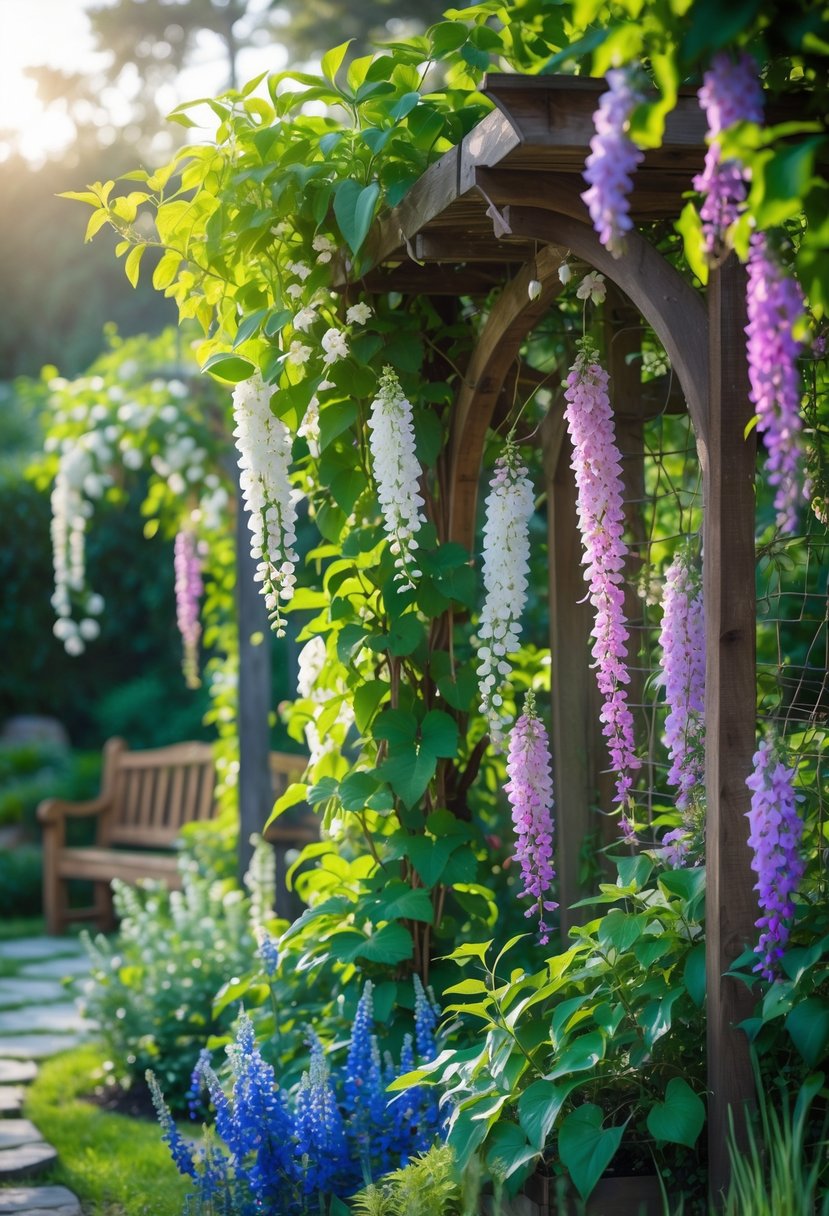
Fragrant vines bring unique scents and visual appeal to your garden or outdoor space. They create a calming atmosphere while offering practical advantages like privacy and natural pest control. You can enjoy their beauty and fragrance without much extra work.
Enhancing Outdoor Living Spaces
Fragrant vines soften hard surfaces like fences, walls, and trellises with lush green leaves and colorful blooms. Their sweet scents can transform patios, balconies, or garden paths into relaxing retreats you want to spend time in.
Many fragrant vines grow fast and need little care, making them ideal for busy gardeners. Plus, their blooms can last for weeks, providing ongoing enjoyment. You can also use these vines to add privacy, blocking neighbors’ views without bulky fences.
Their scent often fills the air in the evening or morning, adding a natural perfume that freshens your outdoor living areas. This creates a more inviting space for gatherings or quiet moments.
Attracting Pollinators Naturally
Fragrant vines often draw important pollinators such as bees, butterflies, and hummingbirds. These helpful insects support your garden by improving the health of flowers and fruit plants nearby.
By planting these vines, you encourage a balanced ecosystem in your yard. Pollinators help increase the yield of fruits and vegetables and assist flowering plants in producing seeds.
The scent and colorful blooms act as signals to pollinators, guiding them to your garden. This reduces the need for artificial fertilizers or pesticides since natural pollination boosts plant growth and resilience.
You support biodiversity by choosing fragrant vines that attract beneficial insects, making your outdoor space more lively without effort on your part.
Best Practices for Growing Fragrant Vines
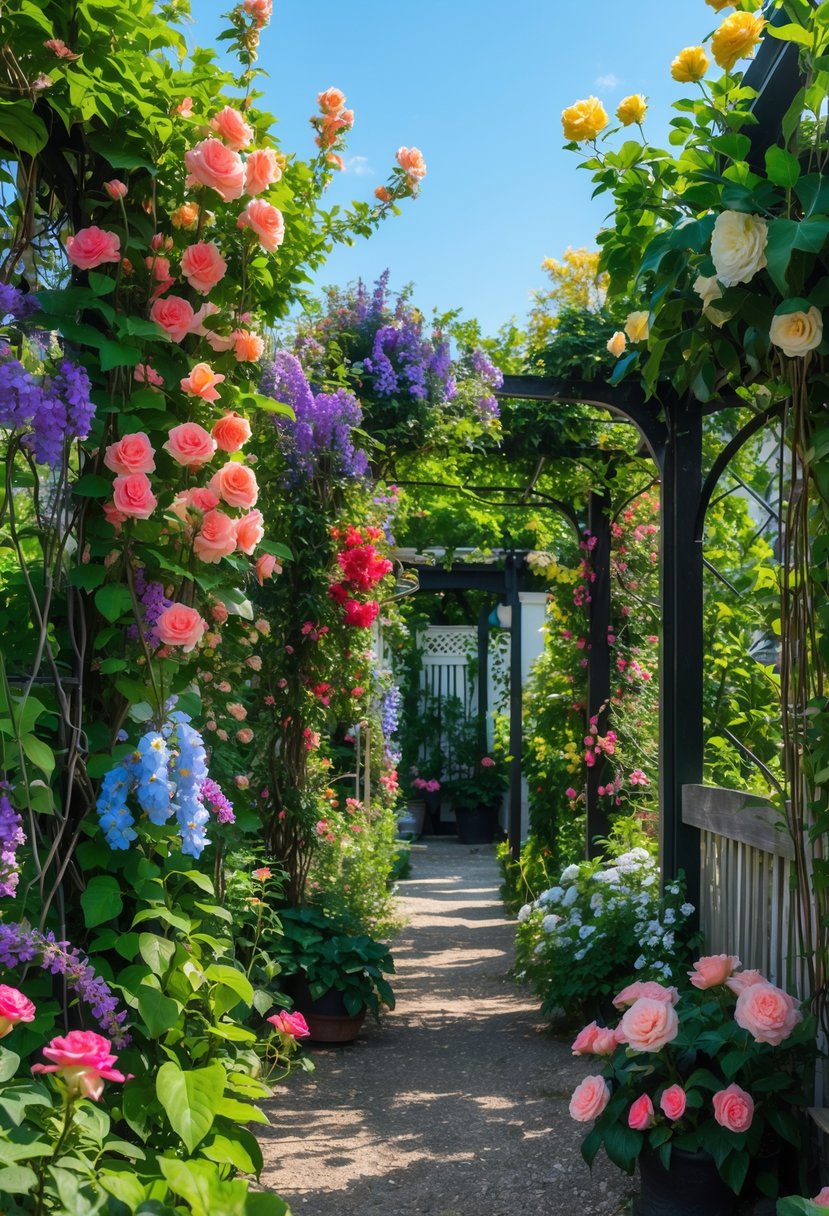
To grow fragrant vines successfully, you must pay close attention to the soil quality and how much sunlight your plants receive. Proper care through pruning and regular maintenance also plays a big role in keeping your vines healthy and full of scent.
Soil and Sunlight Requirements
Fragrant vines generally need well-draining soil that stays moist but not soggy. You should aim for soil rich in organic matter, such as compost or aged manure, to provide essential nutrients.
Most fragrant vines do best in full sun, meaning at least 6 hours of direct sunlight daily. However, some varieties tolerate light shade. Check the specific needs of your chosen vine to match its sunlight preference.
If your soil is heavy or clay-like, improve drainage by mixing in sand or organic compost. Testing your soil’s pH can help too; most vines prefer slightly acidic to neutral soil (pH 6.0 to 7.0).
Maintenance and Pruning Tips
Regular pruning encourages healthy growth and better flowering. You should prune vines once or twice a year, depending on the species and how fast they grow.
Remove dead or weak stems to allow new, stronger shoots to develop. Trim back overgrown parts to keep your vine tidy and prevent it from becoming too dense, which can reduce airflow and fragrance.
Water your vines consistently, especially during dry spells, but avoid waterlogging. Applying mulch helps retain moisture and controls weeds.
Fertilize your vines lightly during the growing season with a balanced fertilizer to support flower and leaf growth without overwhelming the plant.