17 Shade-Loving Flowers You Need for Lush, Low-Light Gardens
If you have shady spots in your garden, you might think it’s hard to grow flowers there. Many plants need sunlight to thrive, but there are good options that can bloom beautifully without it. These flowers bring color and life to areas where the sun barely reaches.
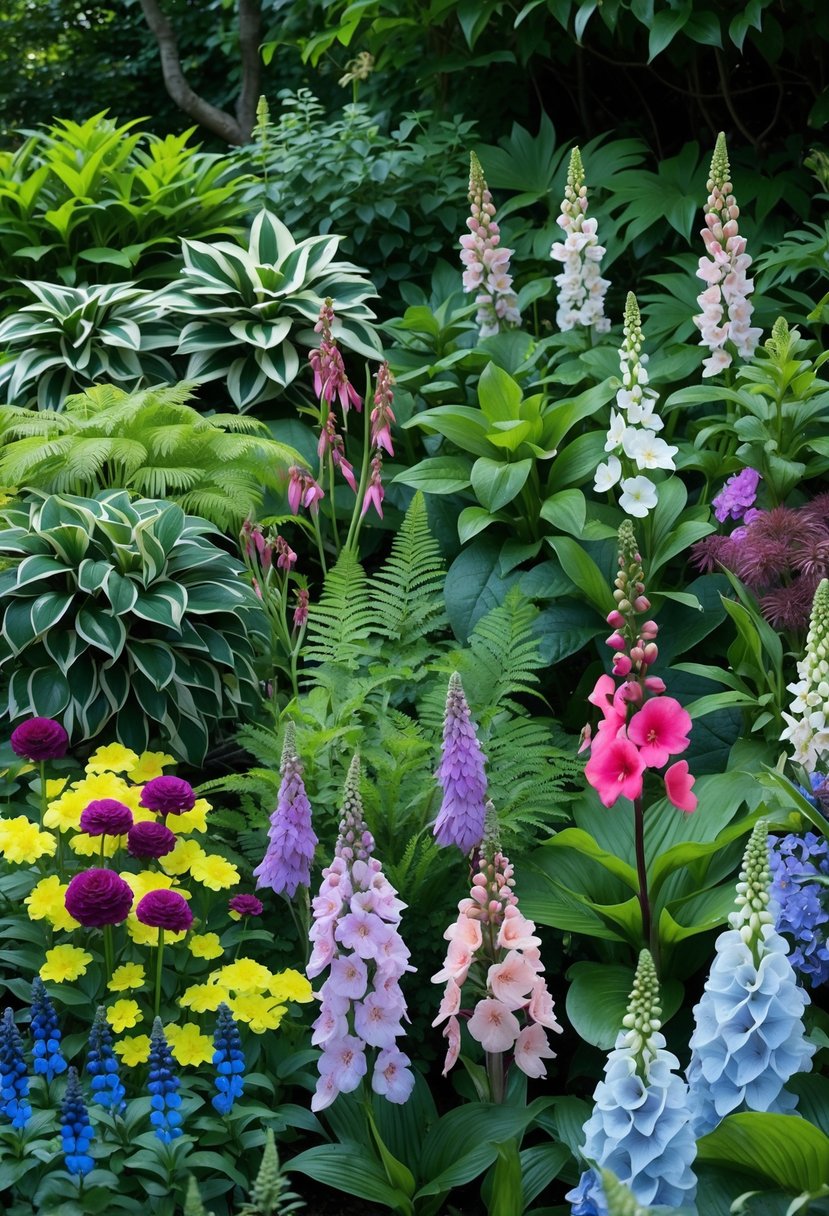
You don’t need direct sunlight to have a vibrant garden because some flowers actually prefer shade and can thrive in low light conditions. Choosing the right shade-loving flowers helps you brighten up dark corners and make the most of every part of your outdoor space.
1) Hosta
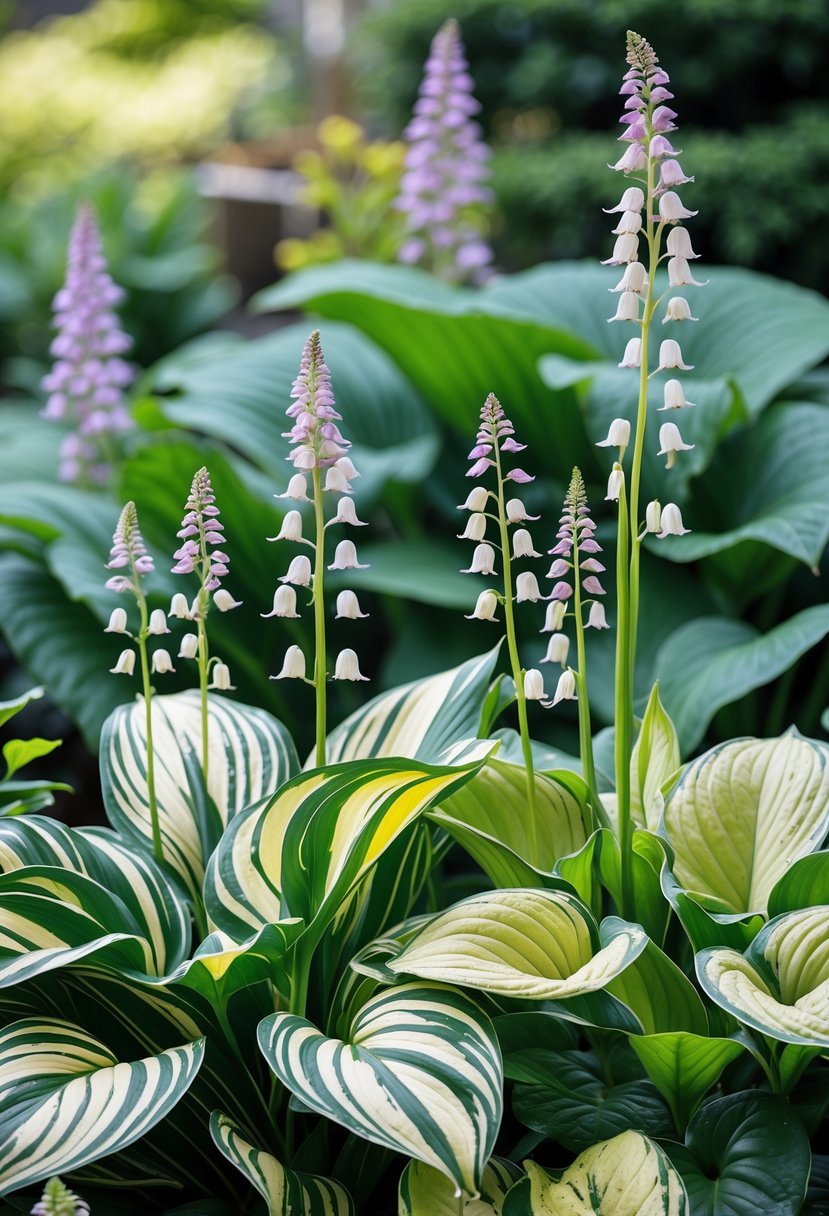
Hostas are reliable plants for shady spots in your garden. They come in many sizes, from small to large, and have leaves in shades of green, blue, and yellow.
You can plant hostas where they get morning sun and afternoon shade. They need little care and add texture to areas under trees or near shrubs.
Hostas also produce small flowers in summer. They grow best in well-drained soil and can handle different levels of shade.
2) Impatiens
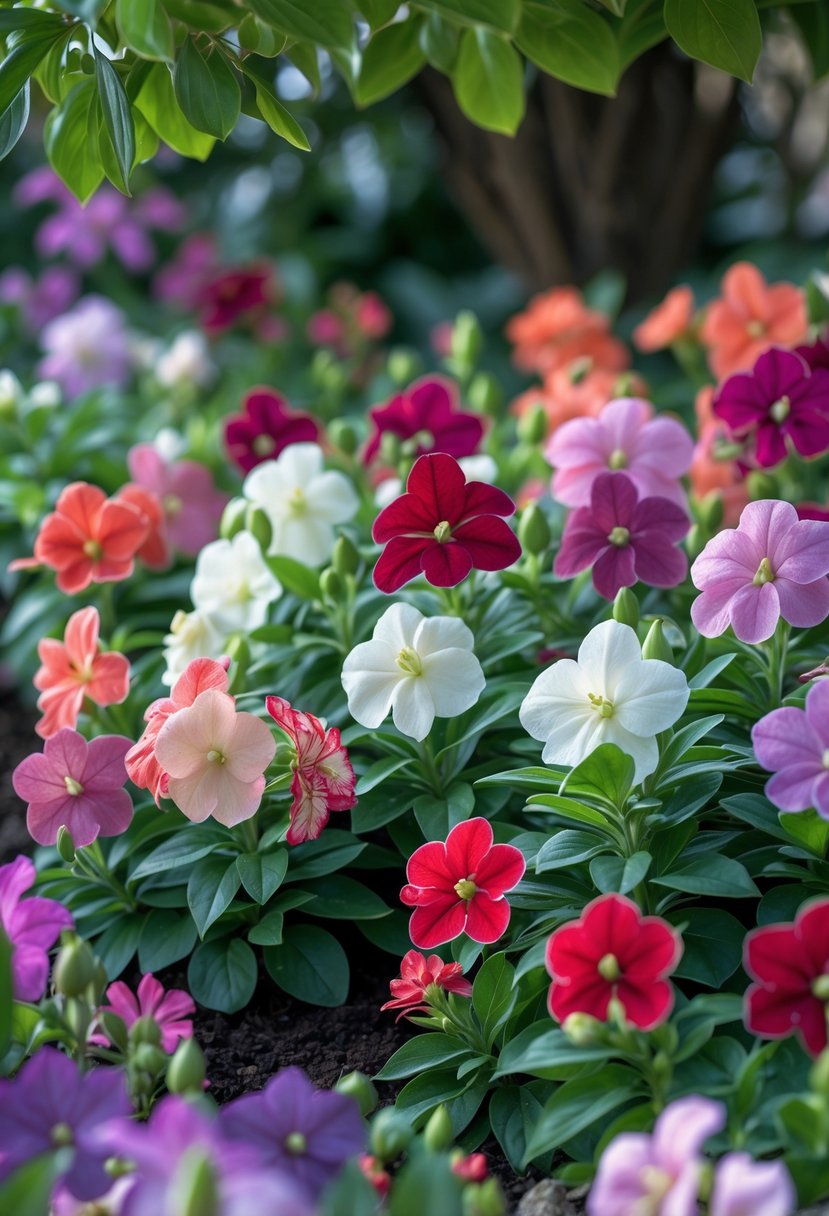
Impatiens are great for shady spots in your garden. They bloom continuously from spring to fall, adding color where many plants struggle.
These flowers do well in moist, well-drained soil. You can plant them in beds, containers, or hanging baskets.
Impatiens need little care and are ideal if you want easy, low-maintenance flowers. Their bright blooms come in many colors to brighten any shaded space.
3) Astilbe
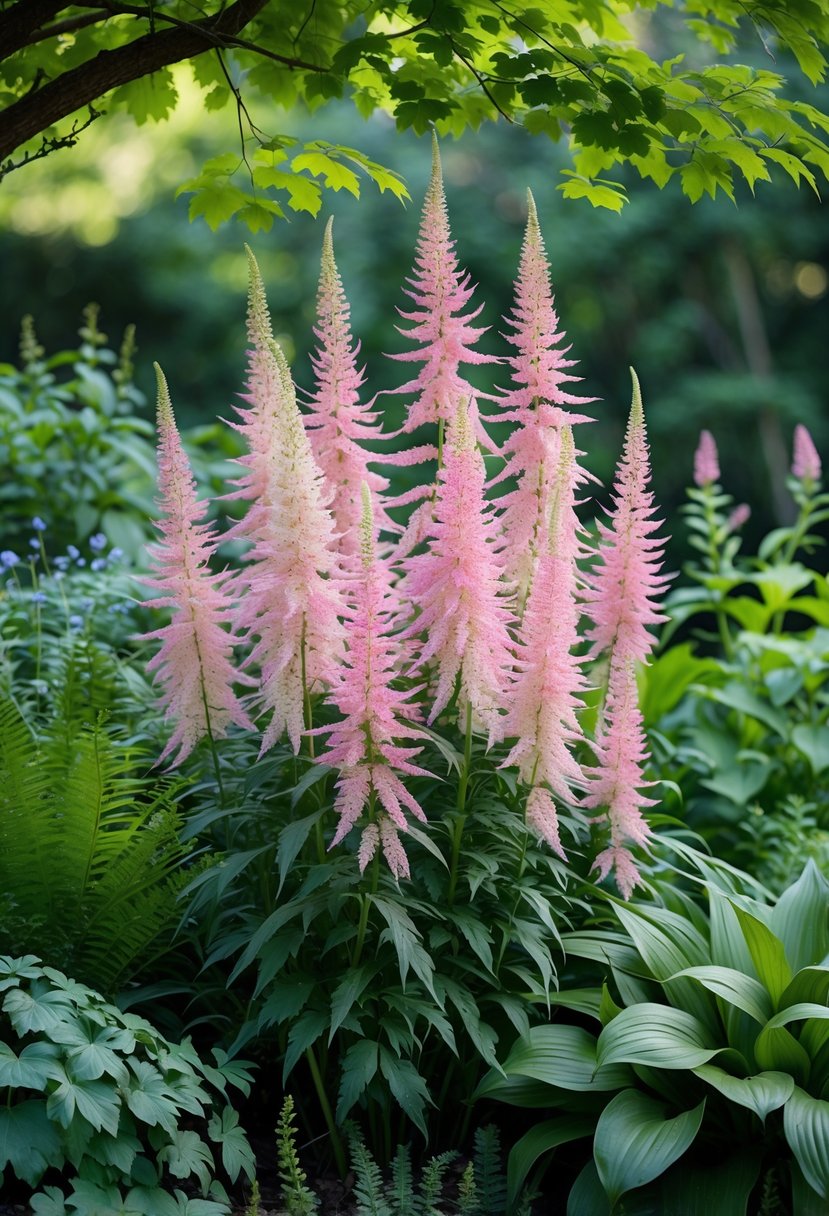
You can rely on astilbe for bright color in shady spots. It grows well in partial to full shade, making it ideal for spots where other flowers might struggle.
Astilbe has soft, feathery flowers that bloom from early summer to fall. Its fern-like leaves stay attractive all season.
You don’t need to spend much time caring for astilbe. Just keep the soil moist, and it will add texture and color to your garden year after year.
4) Begonia
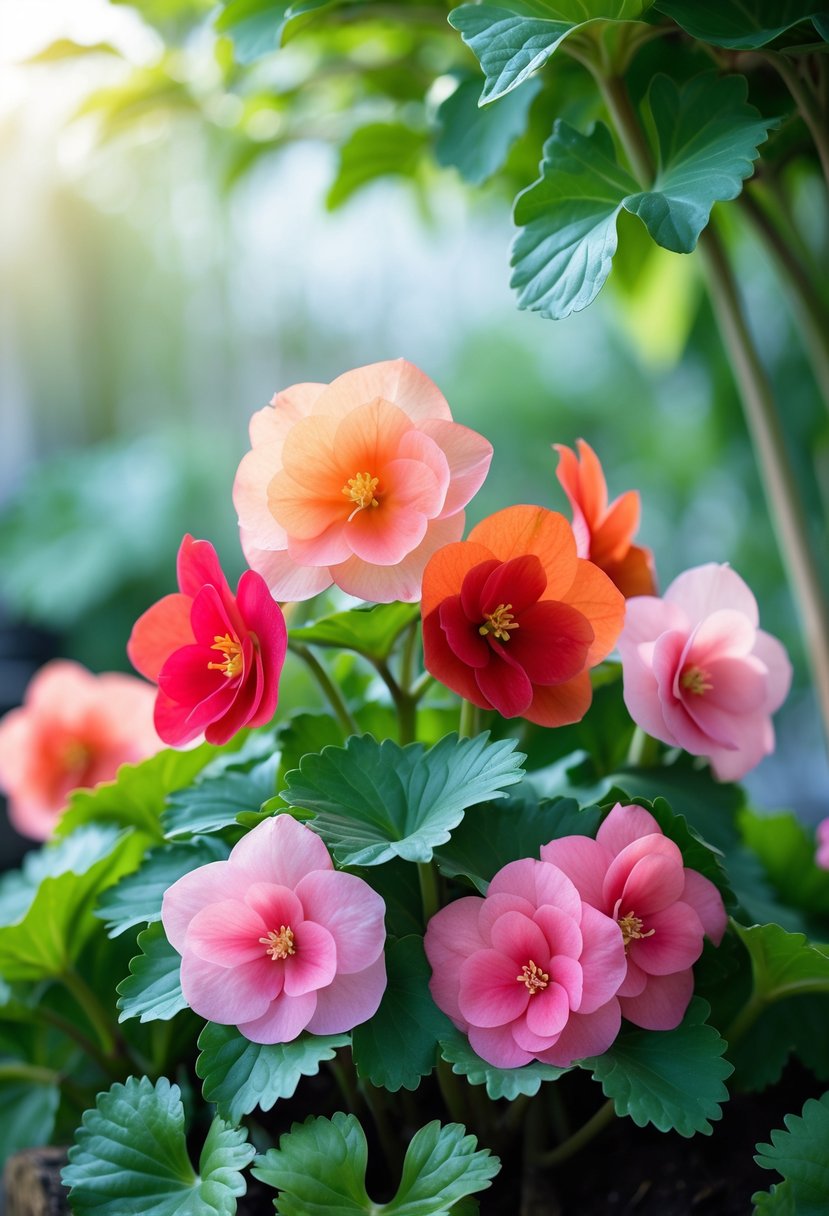
You can grow begonias well in shaded areas. They have many types, some with bright flowers and others with interesting leaves.
Begonias like partial shade better than full sun. This helps keep their colors vibrant and their leaves healthy.
If your garden has limited sunlight, begonias add color and texture. They work well in hanging baskets or under trees.
5) Fuchsia
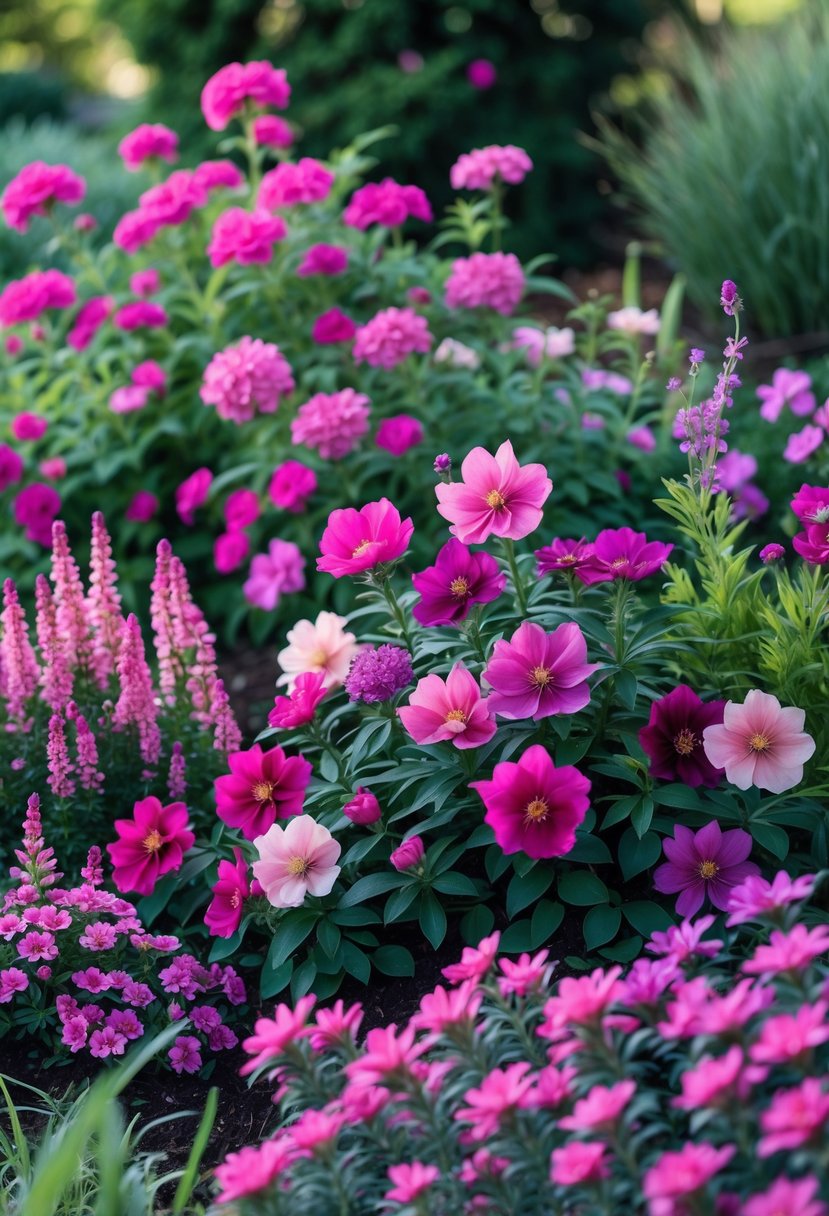
You can grow fuchsias well in shady spots. They prefer cool, moist conditions and do best with indirect or dappled sunlight.
Fuchsias have bright, teardrop-shaped flowers that hang from the stems, adding color to darker areas.
These plants need regular watering and well-drained soil to stay healthy. They work great in containers or hanging baskets, making them flexible for your garden.
6) Heuchera (Coral Bells)
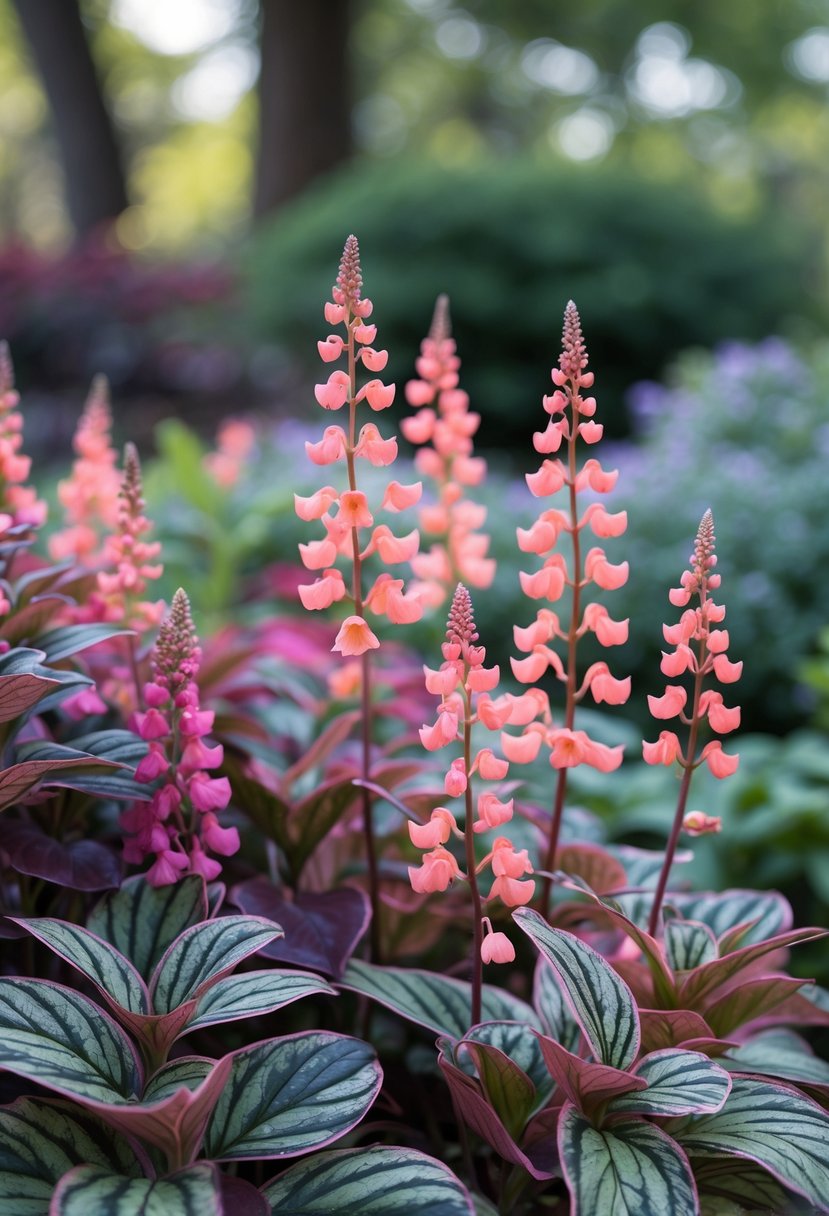
Heuchera, or coral bells, is a great choice for shady spots in your garden. You’ll find many colors in their leaves, from deep purple to light green. These plants are low-maintenance and do well in garden beds or containers.
They have small, bell-shaped flowers, but most people grow them for their colorful foliage. You can combine them with other shade-loving plants to add texture and interest.
7) Bleeding Heart
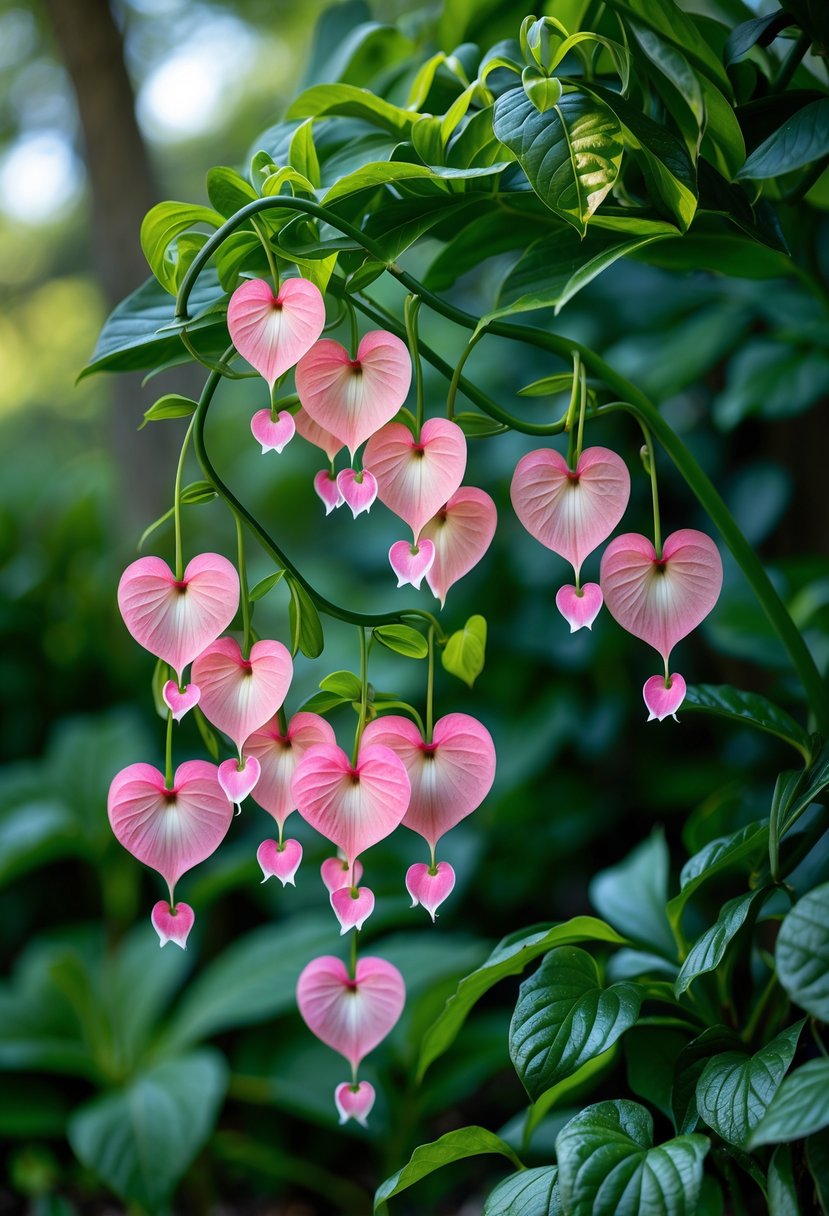
You can grow bleeding hearts in partial to full shade. They prefer cool, moist soil that drains well.
Their heart-shaped flowers bloom in spring and early summer. The delicate blooms hang from arching stems, adding charm to shady spots.
Bleeding hearts are low-maintenance once established. They pair well with other shade plants like hostas.
8) Lungwort (Pulmonaria)
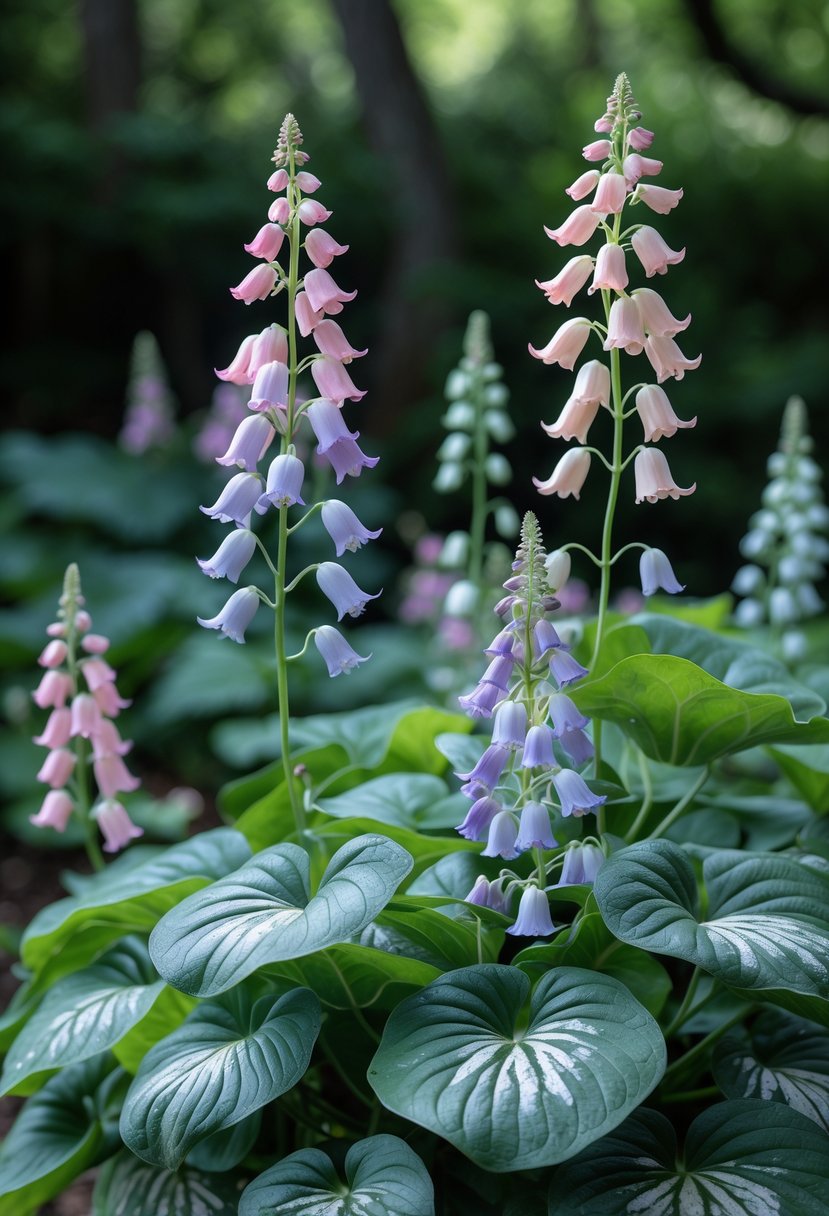
You can add Lungwort to your garden if you have shady areas. It grows well in low light and moist soil.
Lungwort has spotted leaves that stay interesting even when the flowers are not blooming. Its flowers change color from pink to blue or purple.
This plant blooms early in the spring, giving your shade garden some color when few others do. It pairs well with other shade-loving plants like ferns and hellebores.
9) Solomon’s Seal
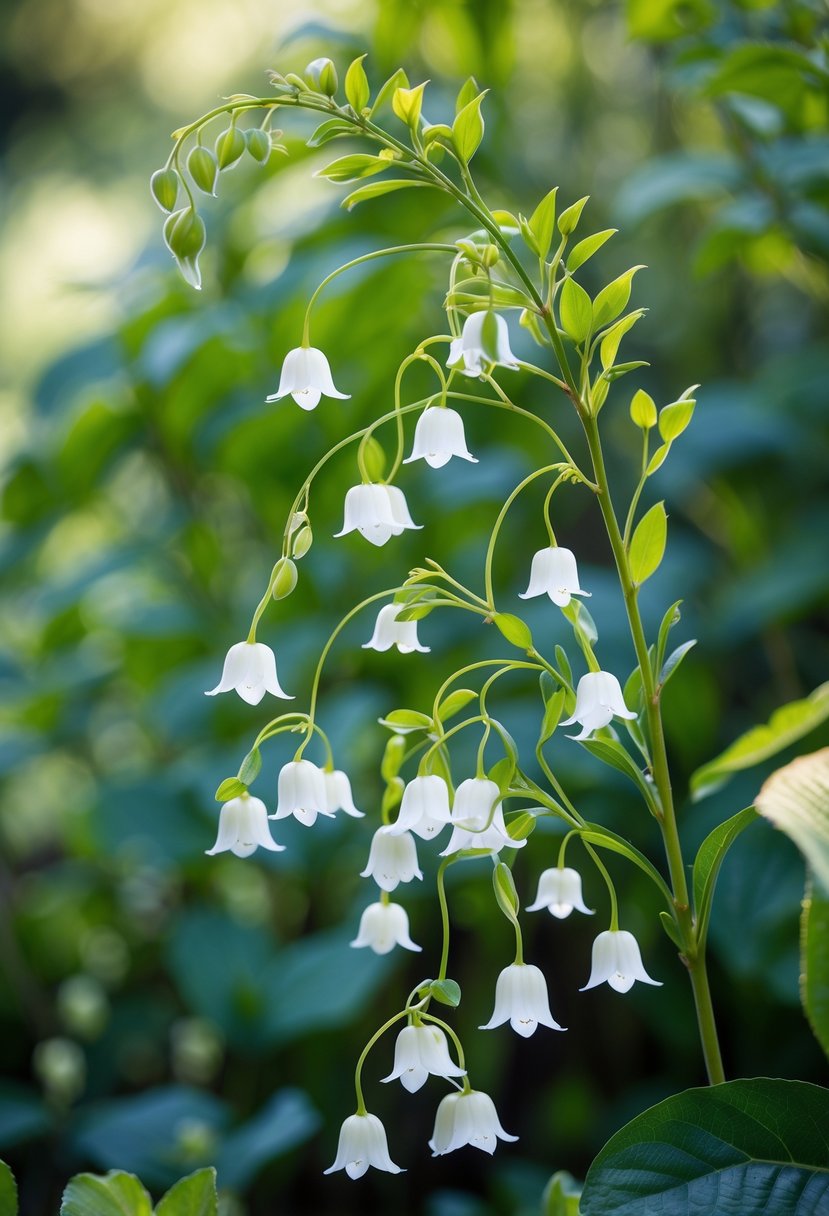
Solomon’s Seal is a shade-loving perennial that adds elegance to your garden. It has arching stems with small, white, bell-shaped flowers that hang under the leaves in spring.
The plant prefers moist, cool soil and does well in partial to full shade. You can grow it alongside ferns and hostas for a natural woodland look.
Its leaves turn yellow in the fall, adding seasonal interest. Solomon’s Seal is low-maintenance and long-lasting, making it a reliable choice for shaded areas.
10) Japanese Forest Grass
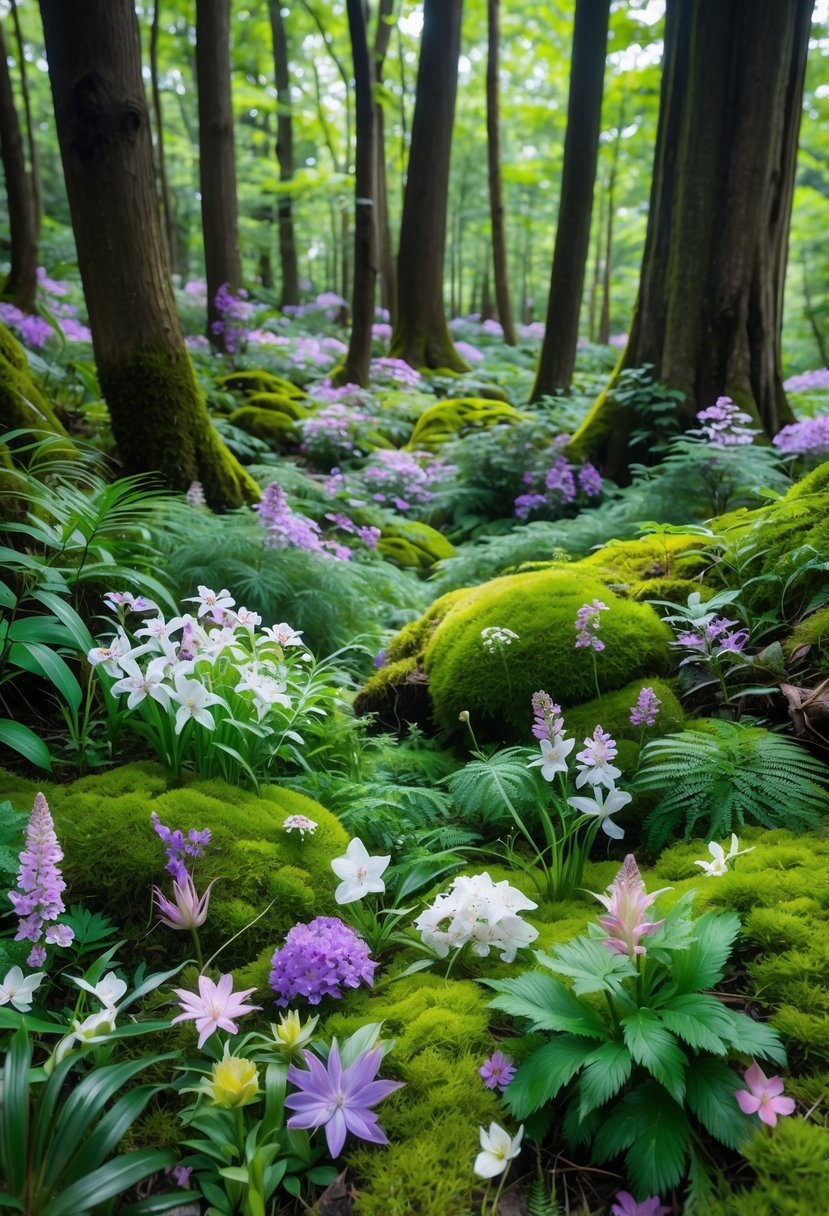
Japanese Forest Grass is a good choice for shady spots in your garden. It grows well in moist, well-drained soil and prefers cool, shaded areas.
This grass has graceful, arching leaves that add texture and movement. It works well with ferns, hostas, and Japanese maples.
You should water it regularly to keep the soil moist. Avoid direct sunlight to prevent leaf scorching or discoloration.
11) Hellebore
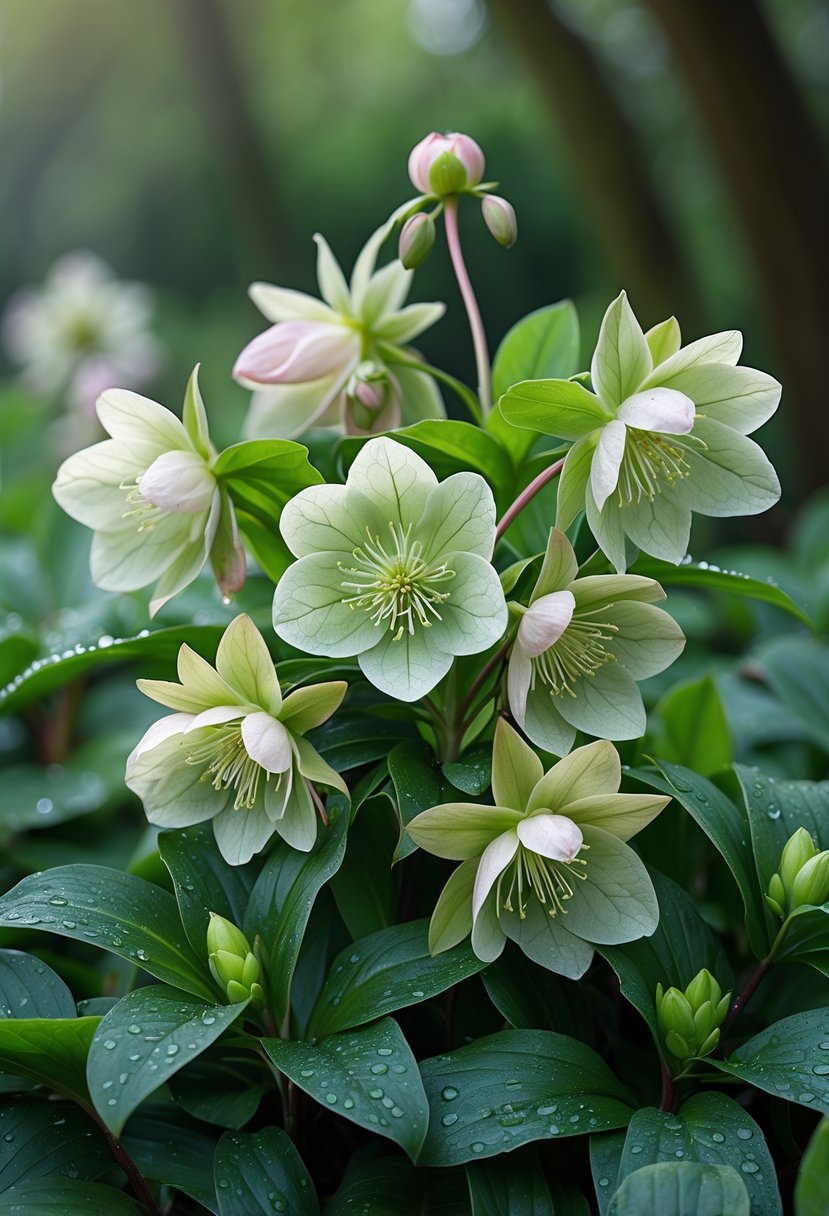
You can grow hellebores in partial to full shade. They do best with up to six hours of sunlight each day.
These perennials bloom in late winter to early spring. Their flowers add color when most other plants are still asleep.
Hellebores prefer well-drained soil and need some patience. They may take 2-3 years to fully mature. Once established, they tolerate more sun.
12) Coleus
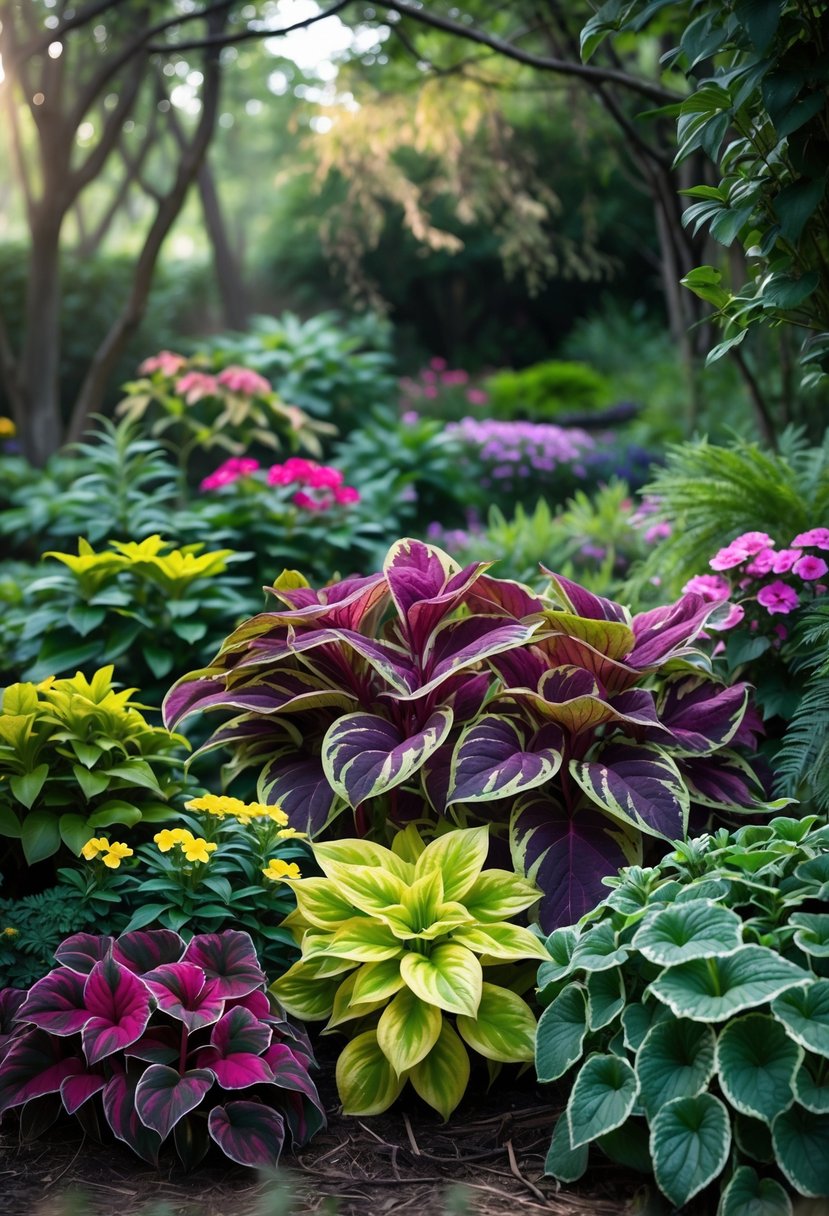
You can grow coleus in shady areas where many flowers won’t thrive. Its colorful leaves come in a variety of patterns and shades, adding interest to your garden without needing much sun.
Coleus grows quickly from seed and adapts well to pots or garden beds. Make sure to keep the soil moist and provide some indirect light for best results.
13) Brunnera
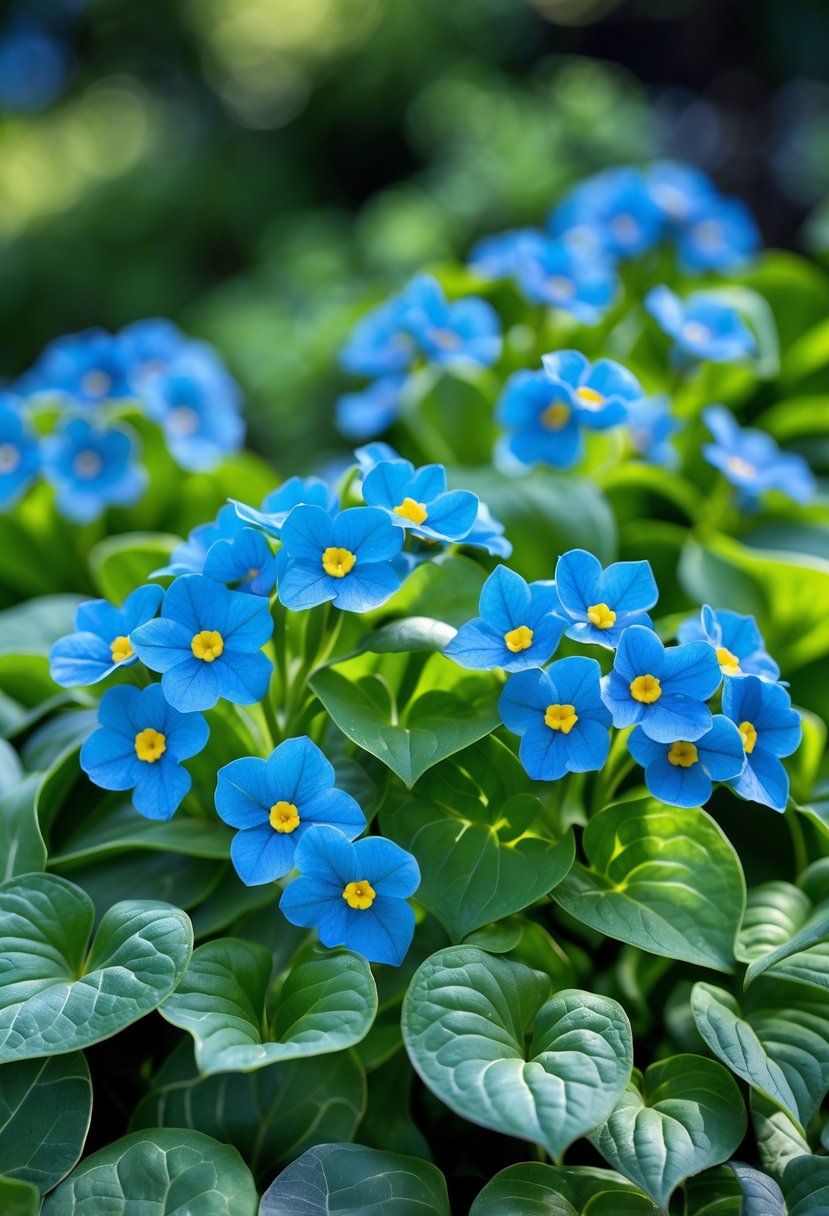
Brunnera is a great choice for shady spots in your garden. It has heart-shaped, green leaves with silver or white patterns that add texture.
You will also enjoy its small, blue flowers, which bloom in early spring. Brunnera grows well with other shade-loving plants like hostas and astilbe.
It is low-maintenance and provides color and interest through much of the growing season. You can rely on it to brighten darker areas without much effort.
14) Toad Lily (Tricyrtis)
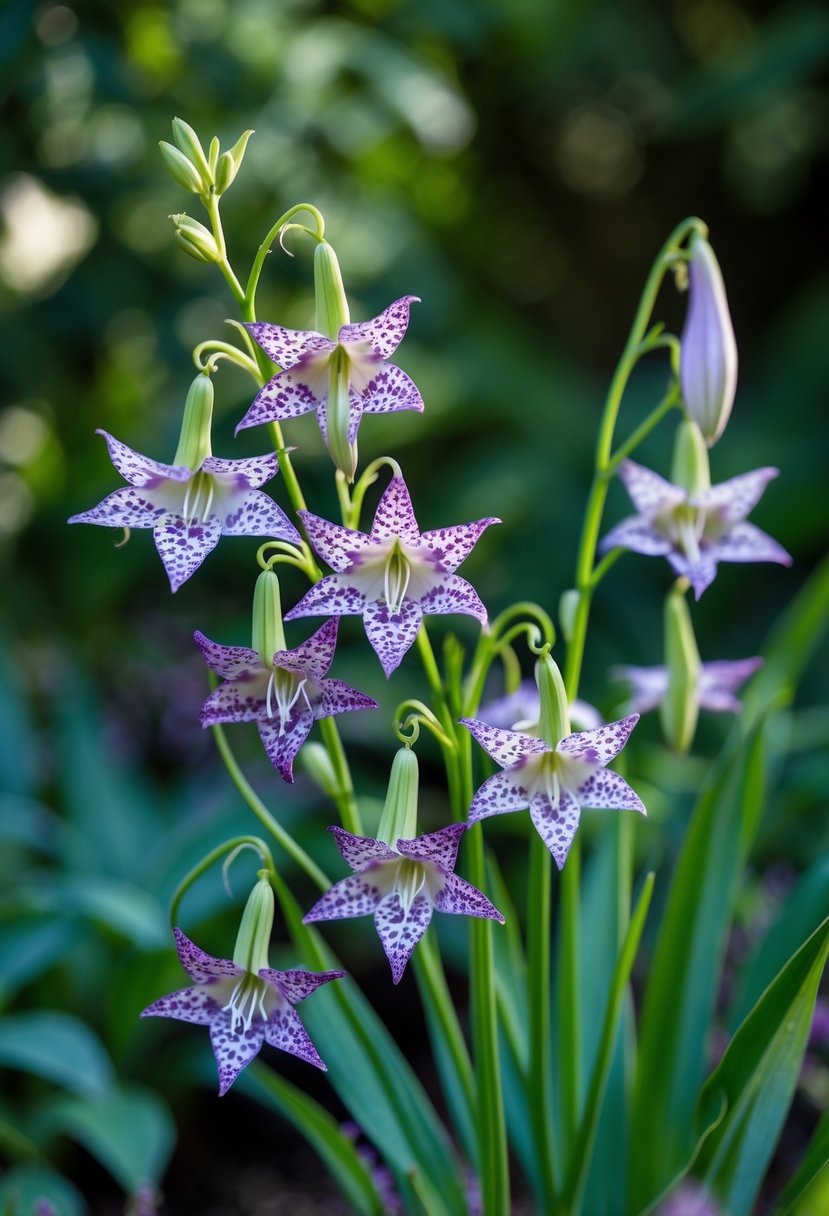
Toad lilies are shade-loving perennials that bloom in late summer to fall. You’ll notice their small, orchid-like flowers with spots, adding an exotic look to your garden.
These plants do well in shady, moist areas. They need little care and are often deer-resistant, making them easy to grow.
If you want a plant that brightens shady spots with unique flowers, toad lilies are a solid choice.
15) Foamflower (Tiarella)
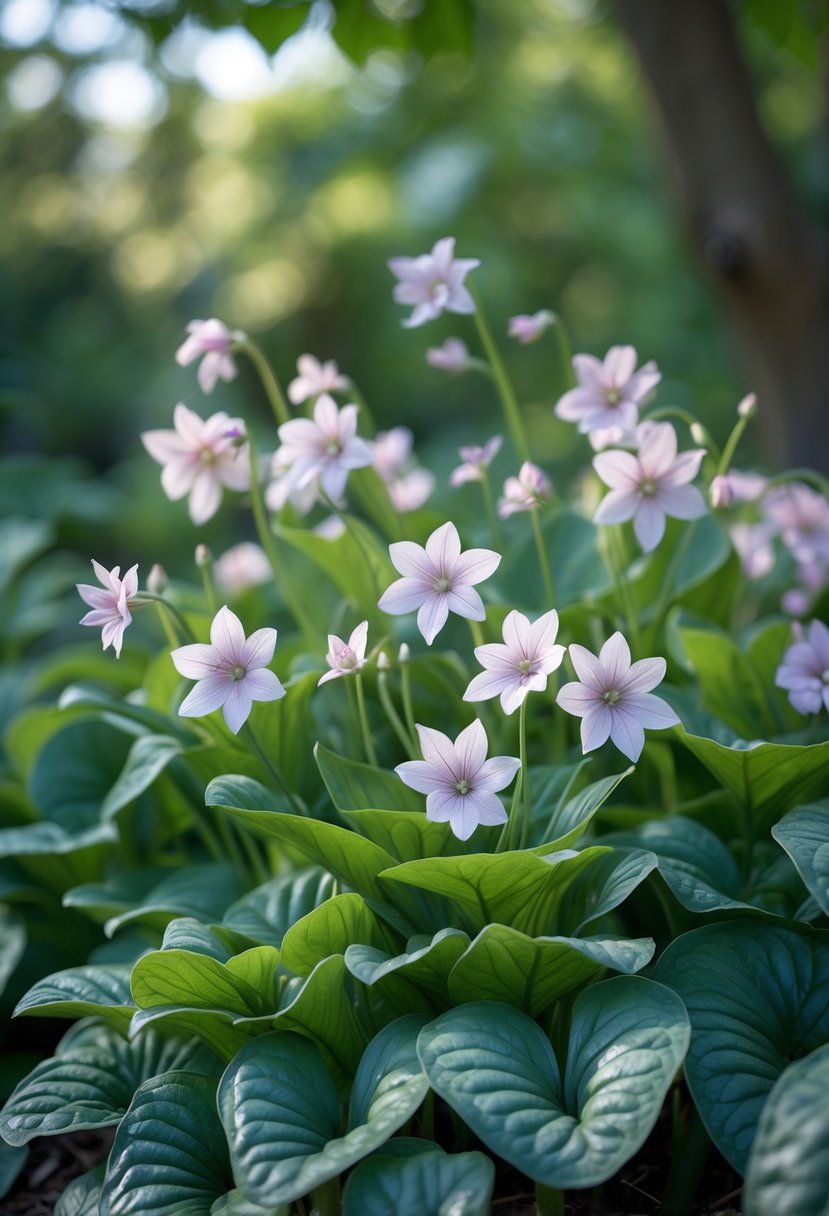
Foamflower is a low-growing perennial that thrives in full or partial shade. You will find it ideal for moist, woodland-like soil.
Its dense clusters of small white or pale pink flowers appear in spring. The plant spreads through runners, forming attractive ground cover.
You don’t need to prune it often, and it grows well in rich, well-drained soil. Foamflower is a good choice if your garden has shaded, damp spots.
16) Jacob’s Ladder (Polemonium)
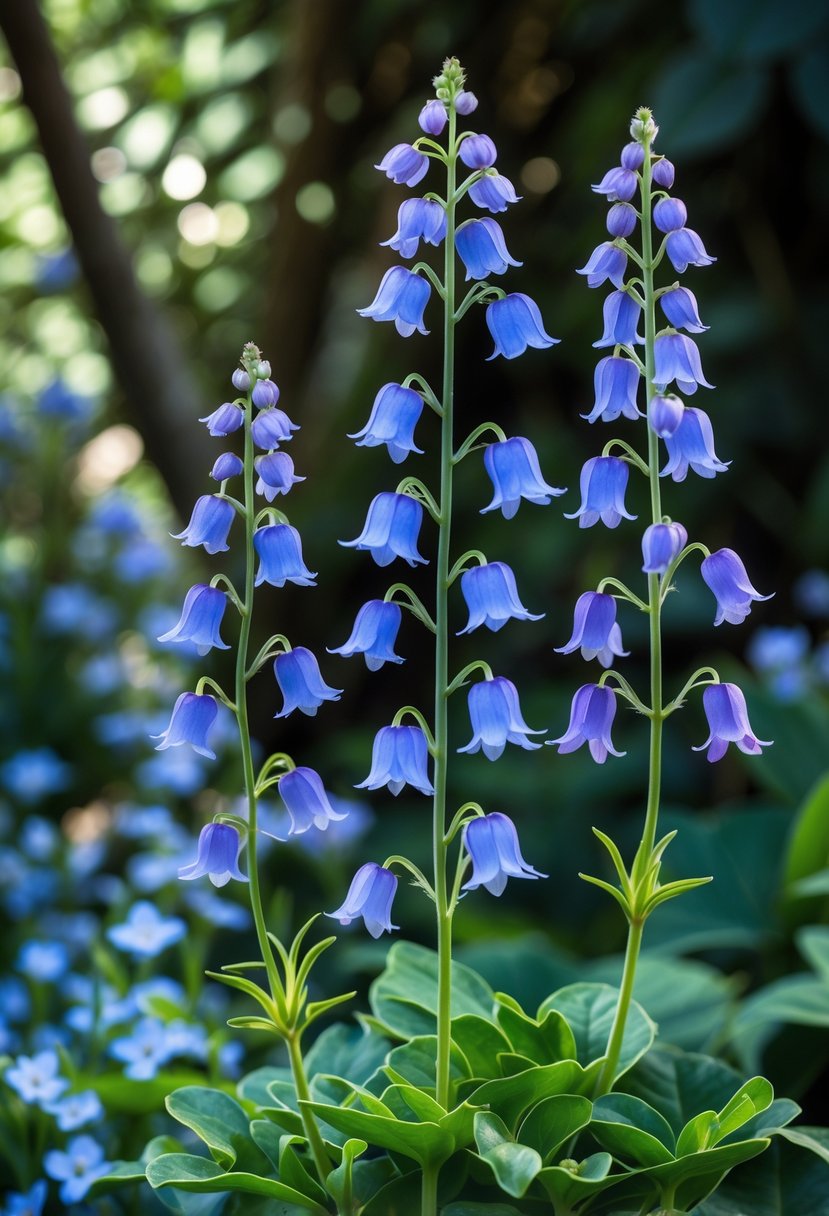
You can grow Jacob’s Ladder in shady spots of your garden. It prefers part shade and moist, well-drained soil rich in organic matter.
This perennial blooms in late spring with small clusters of bell-shaped flowers. Its leaves have a unique ladder-like pattern that adds texture.
Jacob’s Ladder works well under trees or near shrubs. It is easy to care for and fits nicely in shade gardens or woodland borders.
17) Lamium (Dead Nettle)
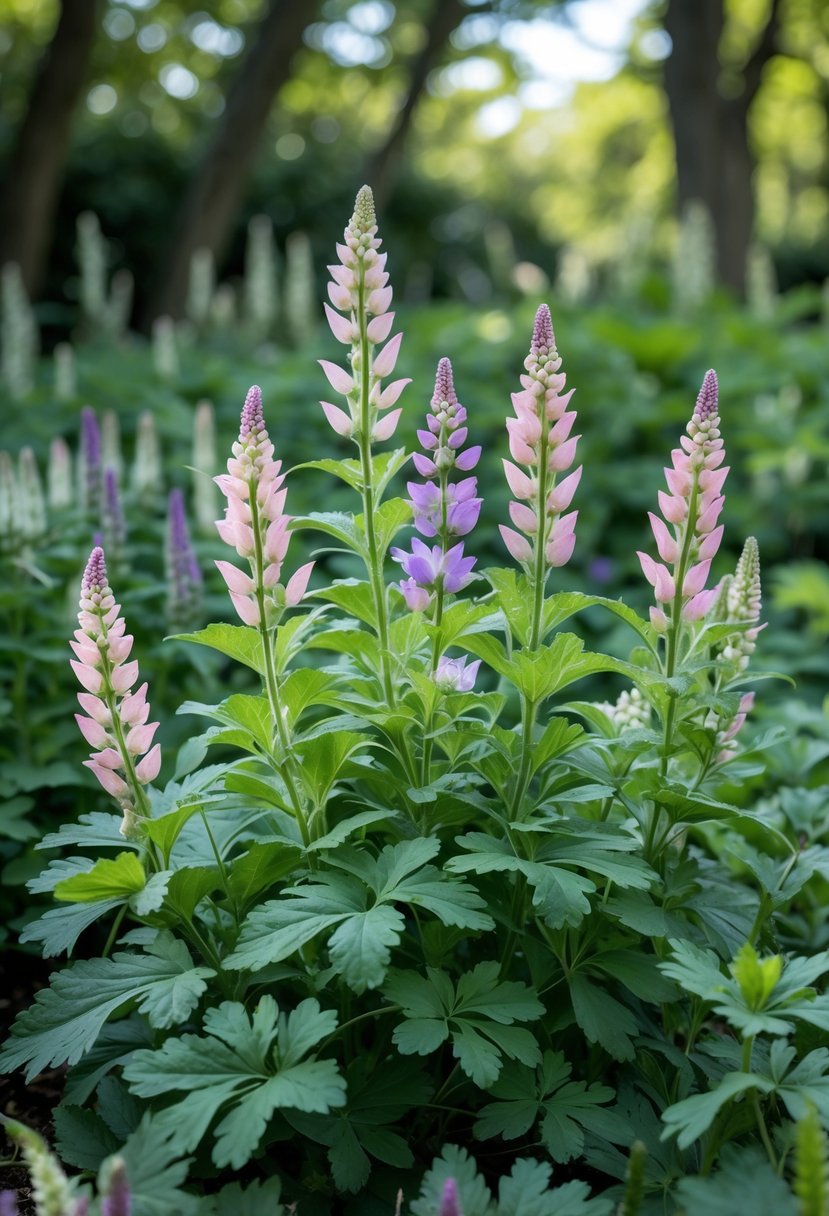
Lamium, also known as dead nettle, is a low-growing plant perfect for shady spots in your garden. It has attractive leaves that often show silver or variegated patterns.
You’ll find it works well as a ground cover under trees or in woodland gardens. Dead nettle blooms with small flowers in colors like white, pink, and purple, adding subtle beauty without taking over.
Ideal Growing Conditions for Shade-Loving Flowers
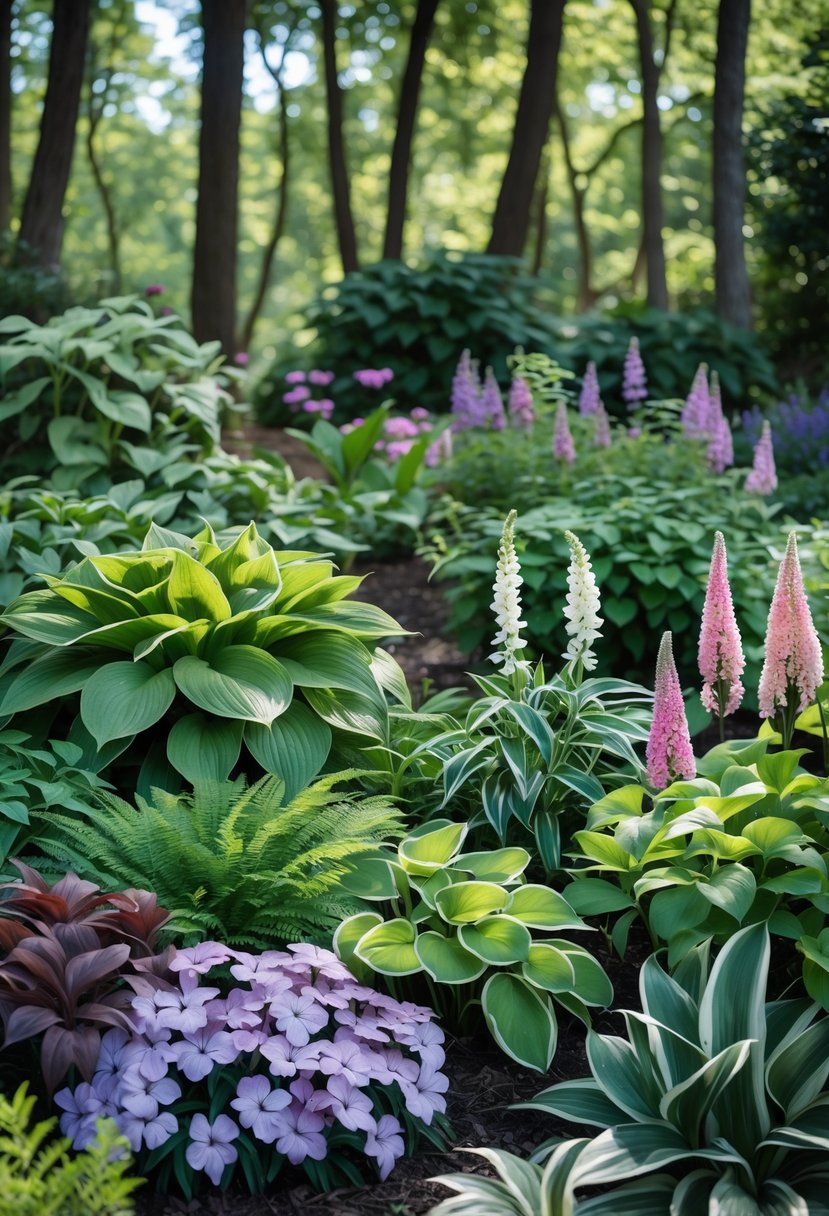
To grow shade-loving flowers successfully, you need to focus on soil quality, watering habits, and understanding the types of shade your garden has. These factors will help your plants thrive even without direct sunlight.
Soil Requirements
Shade-loving flowers do best in moist, well-draining soil rich in organic matter. You should add compost or leaf mold to improve soil texture and fertility. Avoid heavy clay soils that hold too much water and cause root rot.
Most shade plants prefer soil that stays evenly damp but not soggy. You can check soil moisture by feeling it; if it’s dry an inch below the surface, it’s time to water. In shady spots, mulch helps retain moisture and regulate temperature. Use a 2-3 inch layer of organic mulch like shredded bark or leaves to protect roots.
Watering Tips
Water your shade plants deeply but less often to encourage strong root growth. Since shaded areas usually dry out more slowly, water only when the top inch of soil feels dry.
Use slow, steady watering methods such as soaker hoses or drip irrigation to avoid wetting leaves, which can lead to fungal problems. Water early in the morning if possible. Keep in mind some shade plants tolerate wetter soil, while others need better drainage. Adjust watering based on your specific plant type and weather conditions.
Shade Types Explained
Understanding the type of shade in your garden helps you pick the right plants and care for them properly. There are three main shade types:
- Full Shade: Less than 2 hours of direct sunlight a day. Plants here need the most shade-tolerant varieties.
- Partial Shade: About 3-6 hours of sun, often in the morning or late afternoon. Many shade flowers grow well under these conditions.
- Dappled Shade: Sunlight filtered through tree leaves, giving soft, broken light throughout the day. Many woodland plants prefer this type.
Knowing your shade type guides watering and soil needs too, since light affects how quickly soil dries out.
Design Tips for Shade Gardens
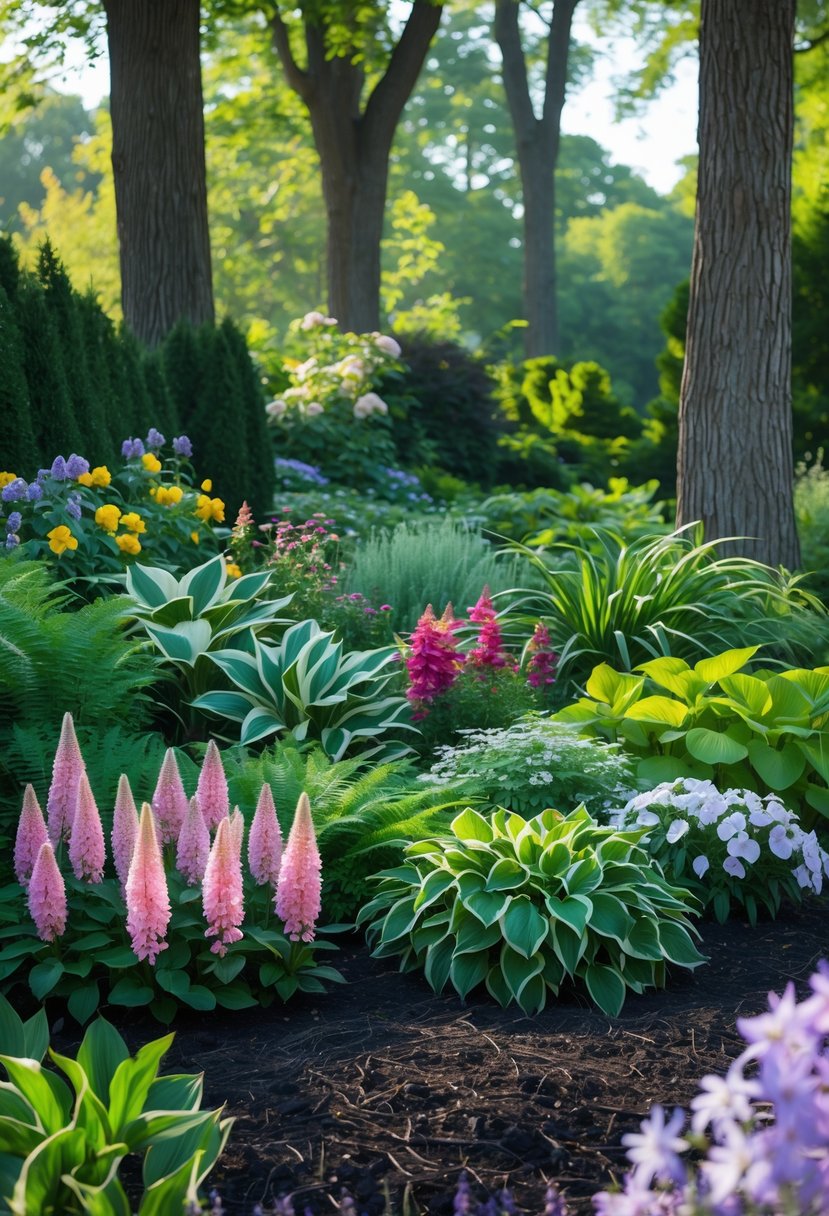
To create a successful shade garden, focus on mixing different plant shapes, leaf textures, and colors. You will also want to plan your layout to highlight the garden’s entrance or main view, making it more inviting and attractive.
Combining Textures and Colors
Use a variety of leaf shapes and textures to add interest where flowers might be less bright. For example, combine broad, smooth hosta leaves with the fine, feathery texture of ferns. Mixing glossy and matte foliage can also give your garden depth.
Choose plants in different shades of green and add some with colorful leaves, like purple or silver. You can also include shade-tolerant flowers in white, pink, or blue to bring soft pops of color without overpowering the space.
Layer plants in height, placing taller shrubs or small trees behind medium plants like astilbe, with groundcovers filling in the front. This creates a natural flow and makes the area feel full and lush.
Maximizing Curb Appeal
Place your most eye-catching plants near entrances or along pathways to guide visitors’ attention. Repeat colors or plant types in different spots to create balance and rhythm, making your shade garden look well planned.
Use elements like mulch or stone borders to define garden beds clearly. This keeps your shading plants from mixing with grass or bare soil and adds a neat appearance.
Consider adding garden art, benches, or lighting to make your shady spots inviting even in the evening. This also highlights your plants by drawing the eye to key areas.