15 Small Cottage Garden Ideas to Maximize Charm and Space Efficiency
If you have a small outdoor space, creating a cottage garden can make it charming and inviting. A cottage garden blends flowers, herbs, and shrubs in a relaxed, natural way, perfect for adding beauty without needing a big yard.
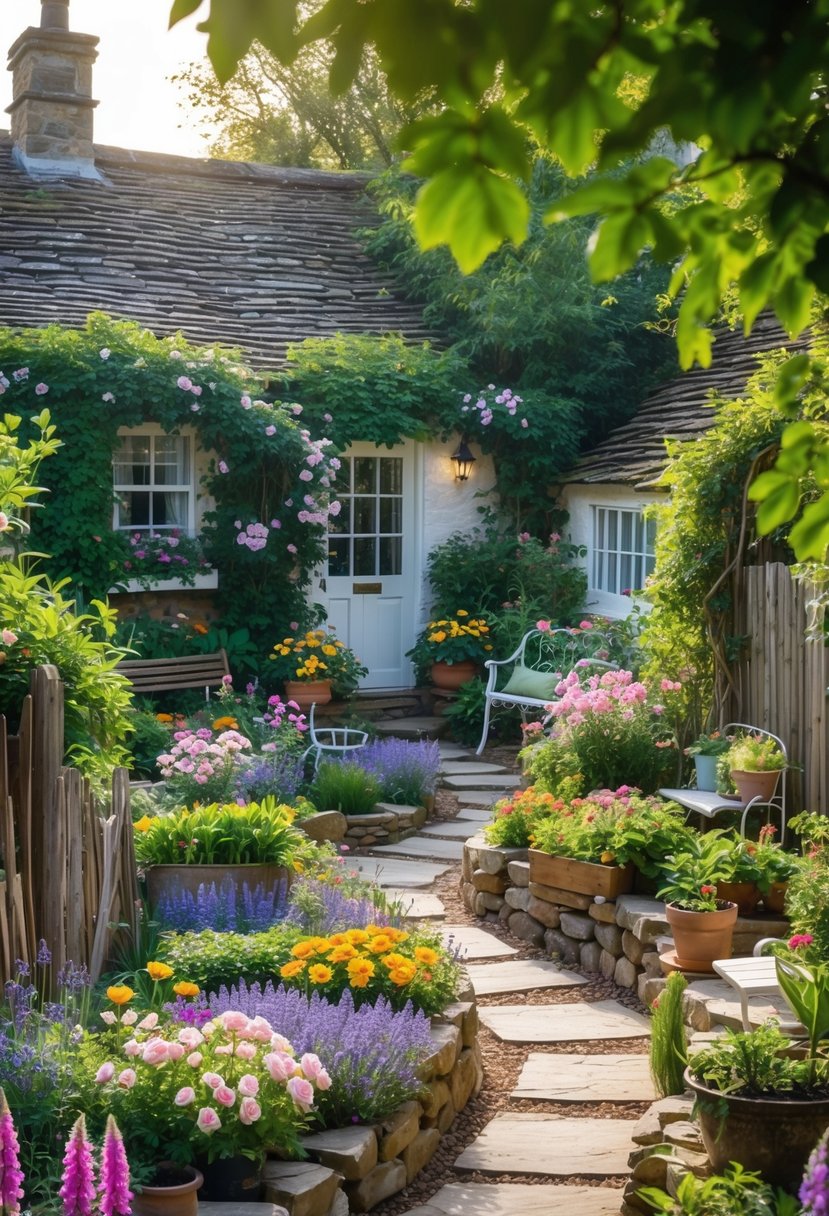
You can use simple ideas to make your small garden look full and lively, no matter the size. This article will help you find ways to design and plant your garden so it feels cozy and colorful.
1) Use vertical trellises for climbing roses
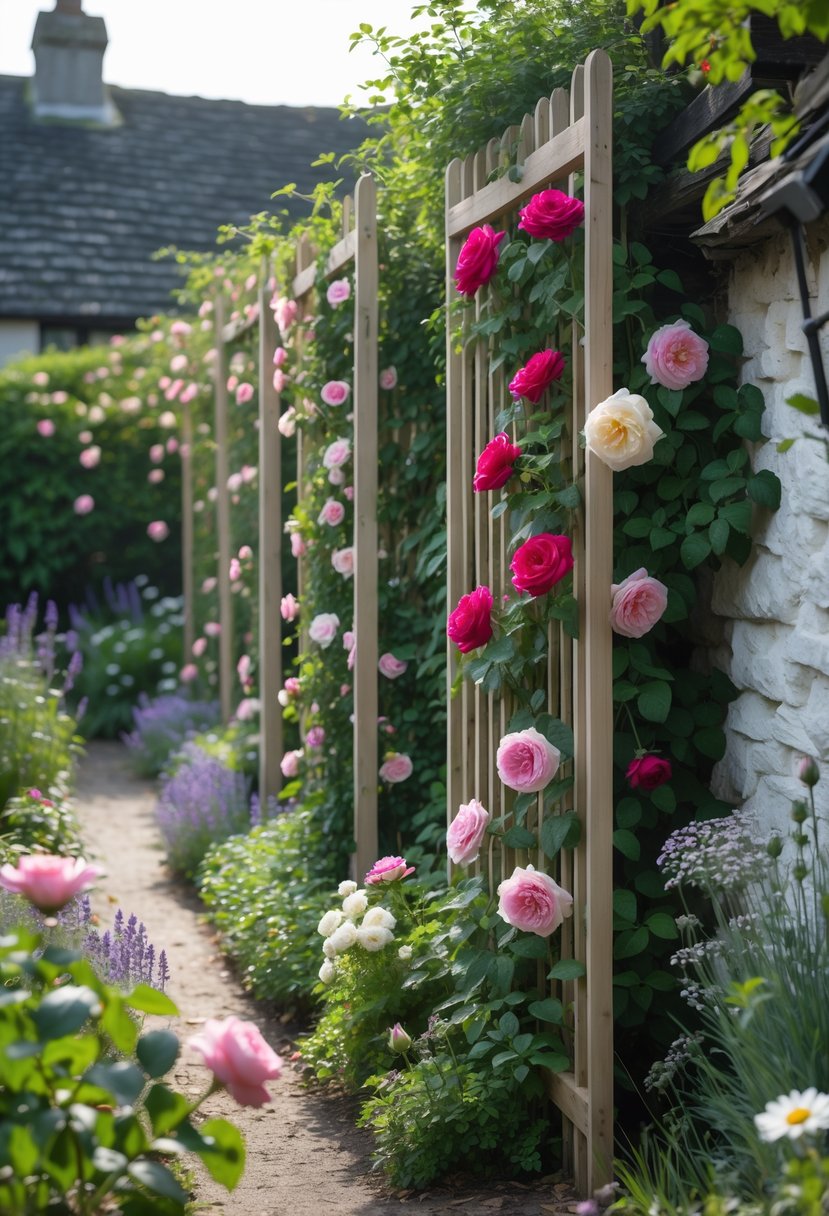
You can save a lot of space by using vertical trellises for climbing roses in your cottage garden. This allows your roses to grow upward instead of spreading out wide.
Trellises also add structure and height to your garden. They create a beautiful backdrop for other plants.
Climbing roses on a trellis get better air circulation. This helps keep the plants healthy and less prone to disease.
Choose a sturdy trellis made of wood or metal. Secure the rose canes gently to guide their growth. This will keep your garden neat and vibrant.
2) Incorporate lavender for fragrance and color
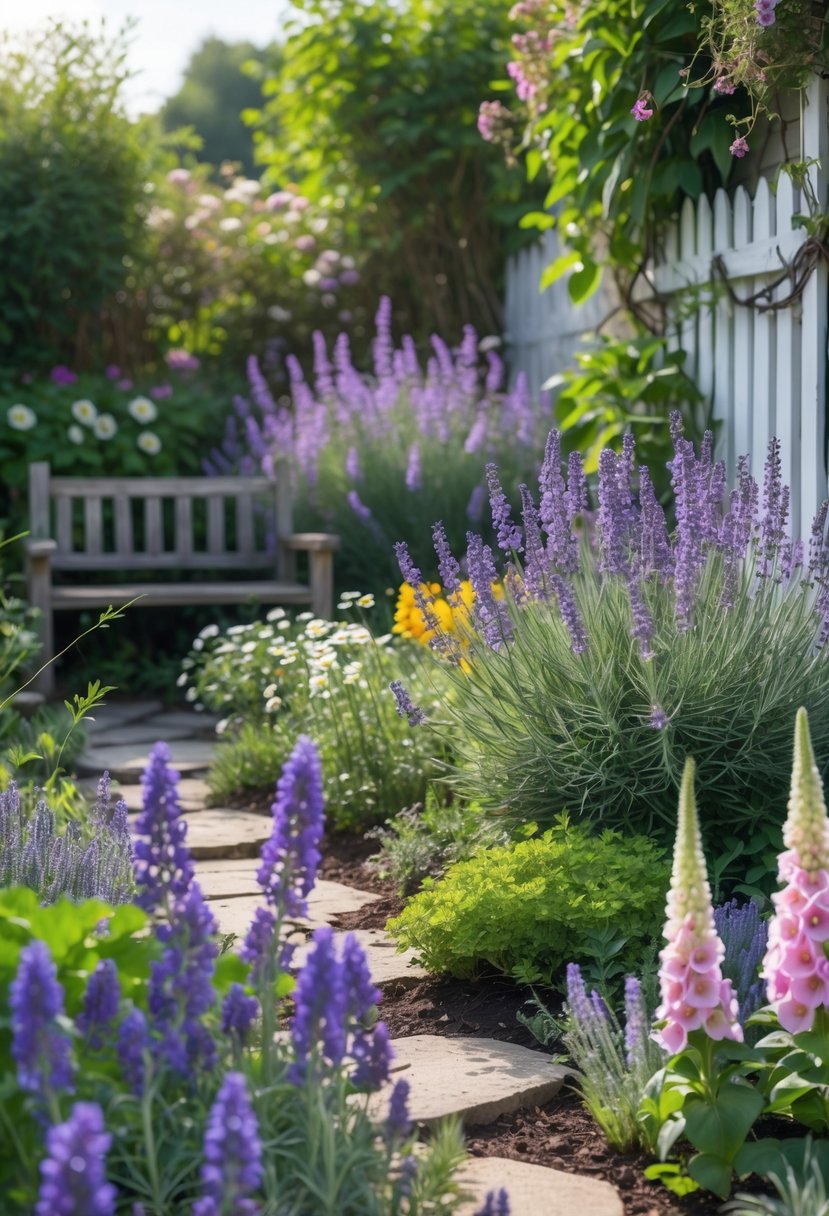
You can add lavender to your cottage garden to bring in both scent and a soft splash of color. Lavender grows well in small spaces and can fit neatly along paths or borders.
The plant requires full sun and well-drained soil to thrive. When you include lavender, your garden gets a calming purple shade and a light, fresh fragrance.
Lavender also attracts bees and butterflies, which help keep your garden healthy. It needs little water once it is established, making it an easy choice for small gardens.
3) Plant compact foxgloves for height variation
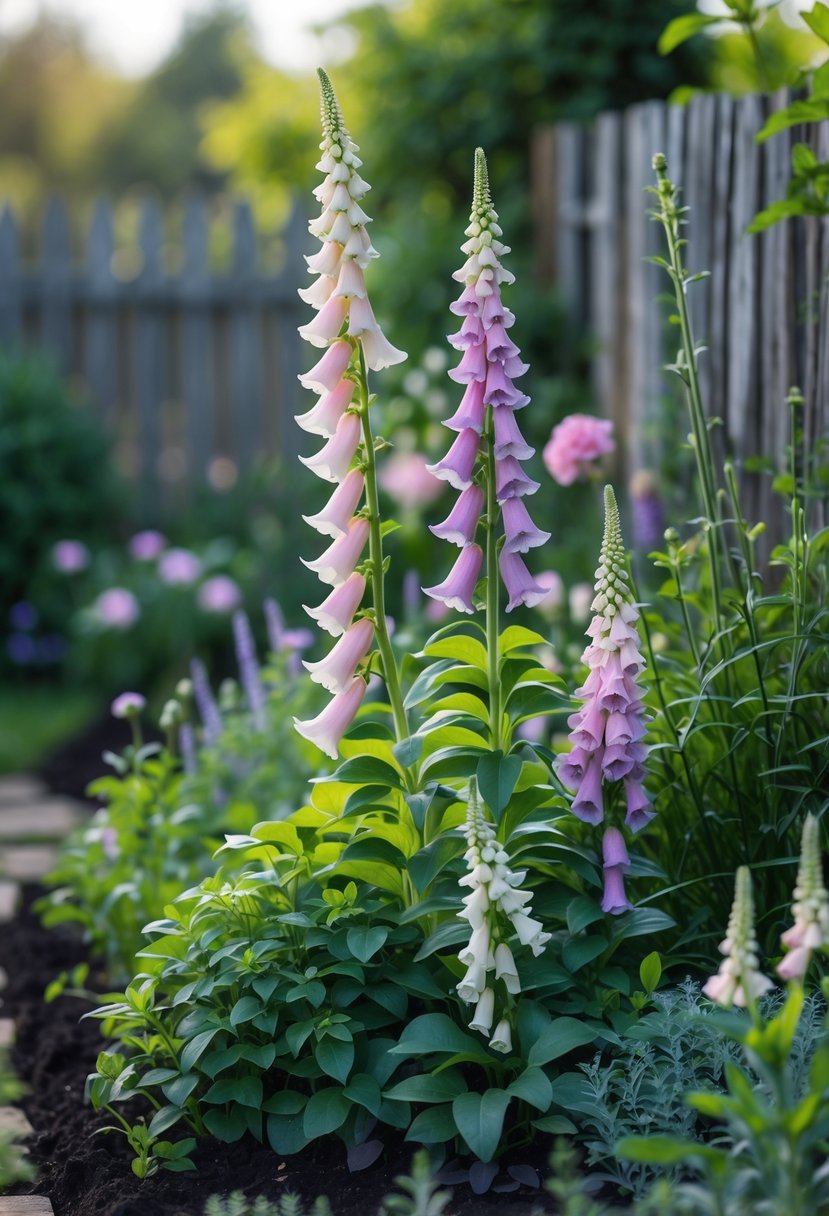
You can add height and interest to your cottage garden by planting compact foxgloves. These plants grow tall but stay narrow, perfect for small spaces. They create a natural backdrop without taking up too much room.
Foxgloves have bell-shaped flowers that attract bees and butterflies. Their blooms come in soft colors like pink, white, and purple, adding charm to your garden.
Plant them in a spot with some shade and well-drained soil. They usually bloom in late spring and early summer, bringing vertical layers to your garden’s look.
4) Create a small herb spiral
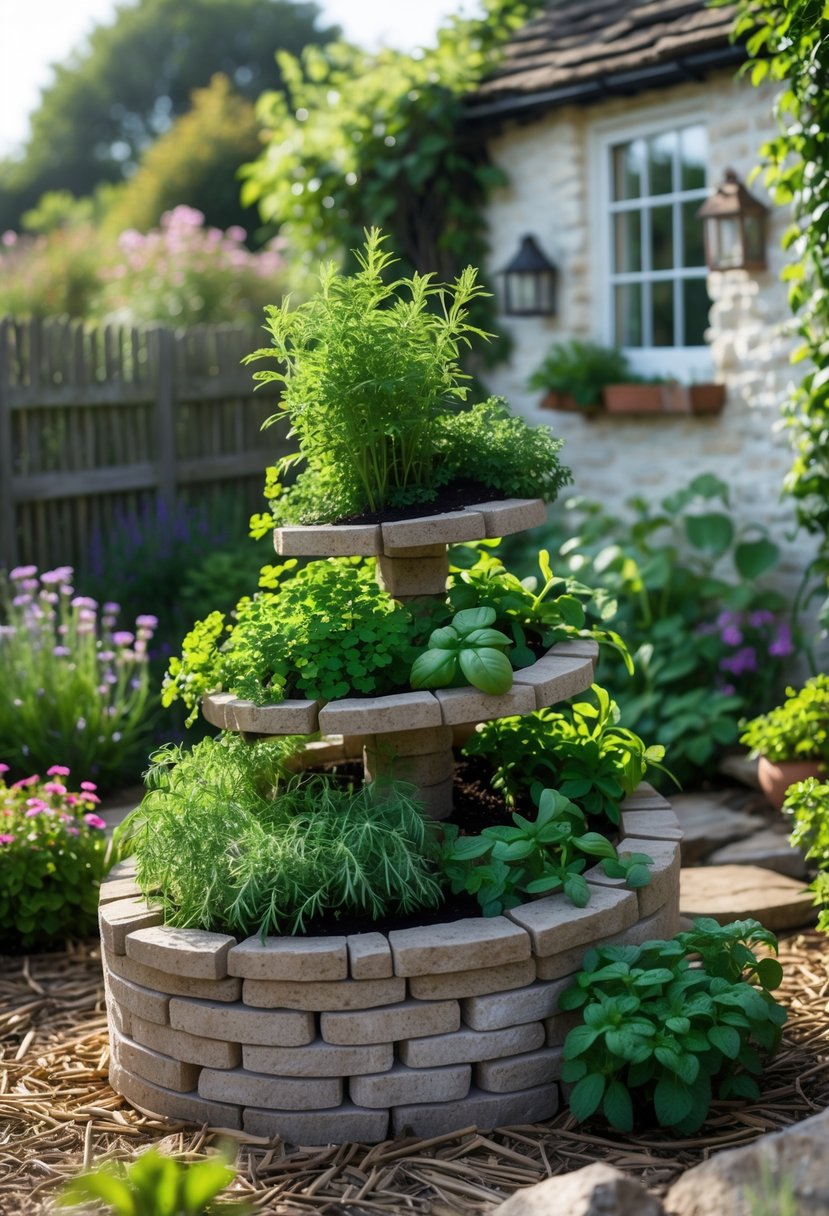
You can save space by building a small herb spiral in your garden. It is a spiral-shaped, raised bed that lets you grow many different herbs in a small area. The spiral design helps herbs with different water and sunlight needs grow well together.
Start by choosing a sunny spot for your spiral. Use stones or bricks to build the spiral shape, stacking them to create height. Plant herbs that like dry conditions at the top and those needing more moisture near the bottom.
This design also makes it easier for you to reach and harvest your herbs. It adds an interesting feature to your cottage garden without taking up much room.
5) Add a narrow gravel path for structure
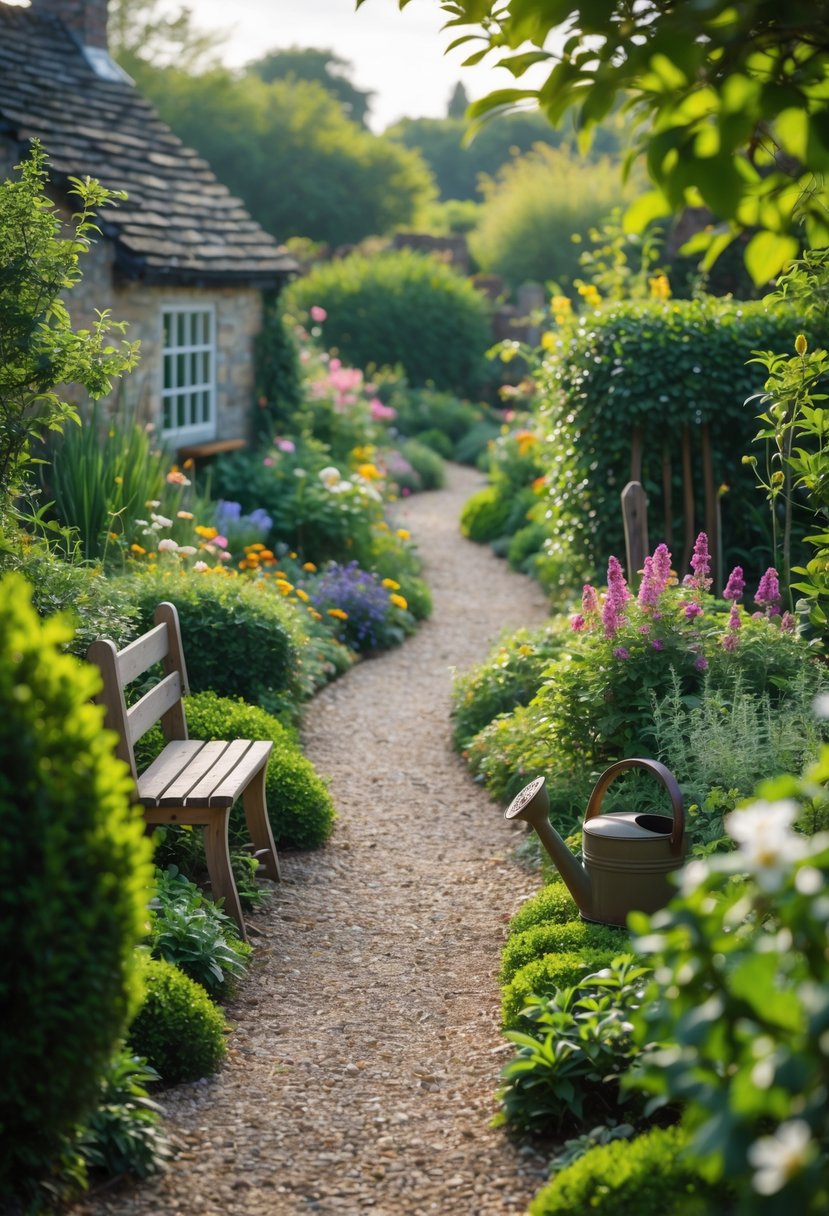
You can use a narrow gravel path to add clear lines and structure to your small cottage garden. It helps guide visitors and makes the garden easier to walk through.
Gravel is easy to install and allows water to drain well. A slim path won’t take up much space but can divide the garden into neat sections.
Choose natural colors like gray or beige to match the cottage style. The rough texture also contrasts nicely with soft flowers and plants around the path.
6) Use cottagecore-themed garden benches
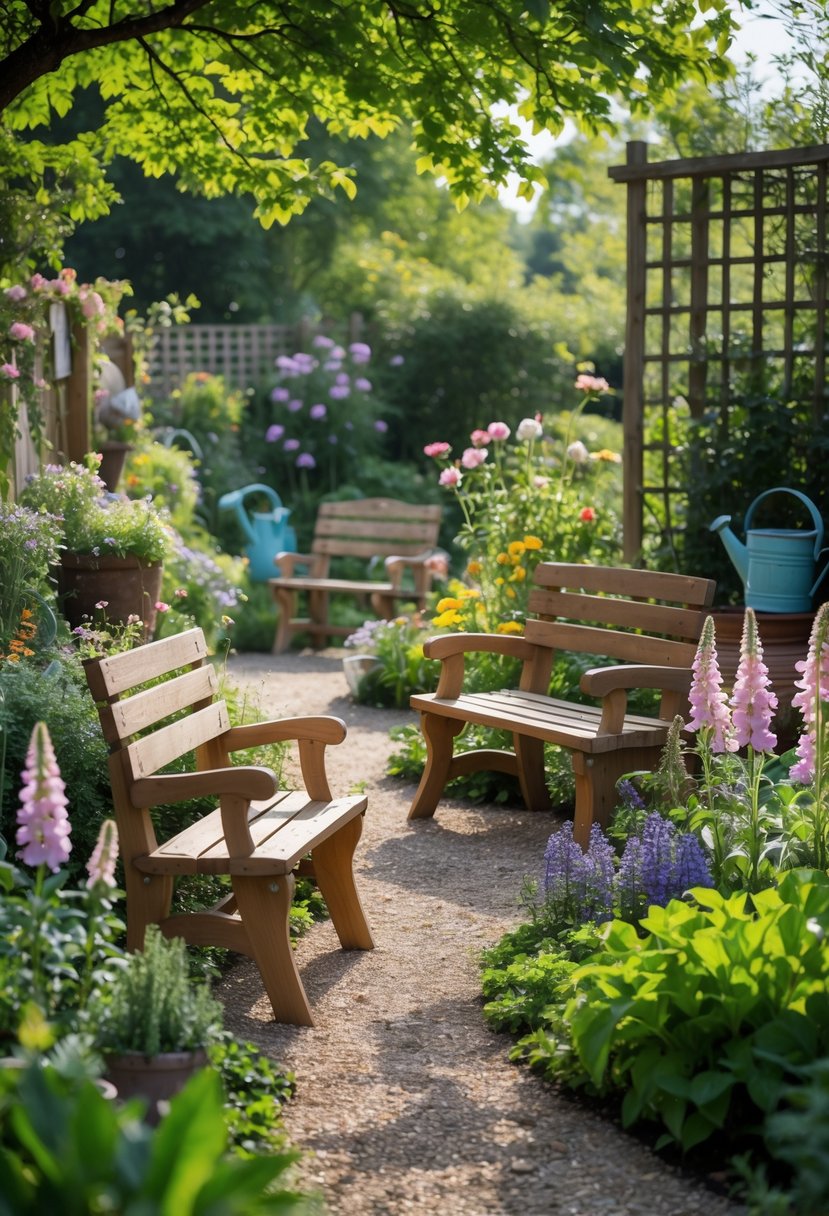
You can add charm to your cottage garden with benches that fit the cottagecore style. Choose benches made of wood or wrought iron for a simple and natural look. These materials blend well with flowers and greenery.
Look for benches with soft curves or delicate details. This style helps create a cozy, inviting spot in your garden. You can place your bench under a tree or near flowering plants.
Adding cushions or throw blankets in soft colors will make your bench more comfortable. This also adds a personal touch and fits the gentle cottagecore vibe.
Your bench becomes a peaceful place to sit and enjoy your garden. It fits the relaxed and natural feel you want in a cottage garden.
7) Mix hardy geraniums with daisies
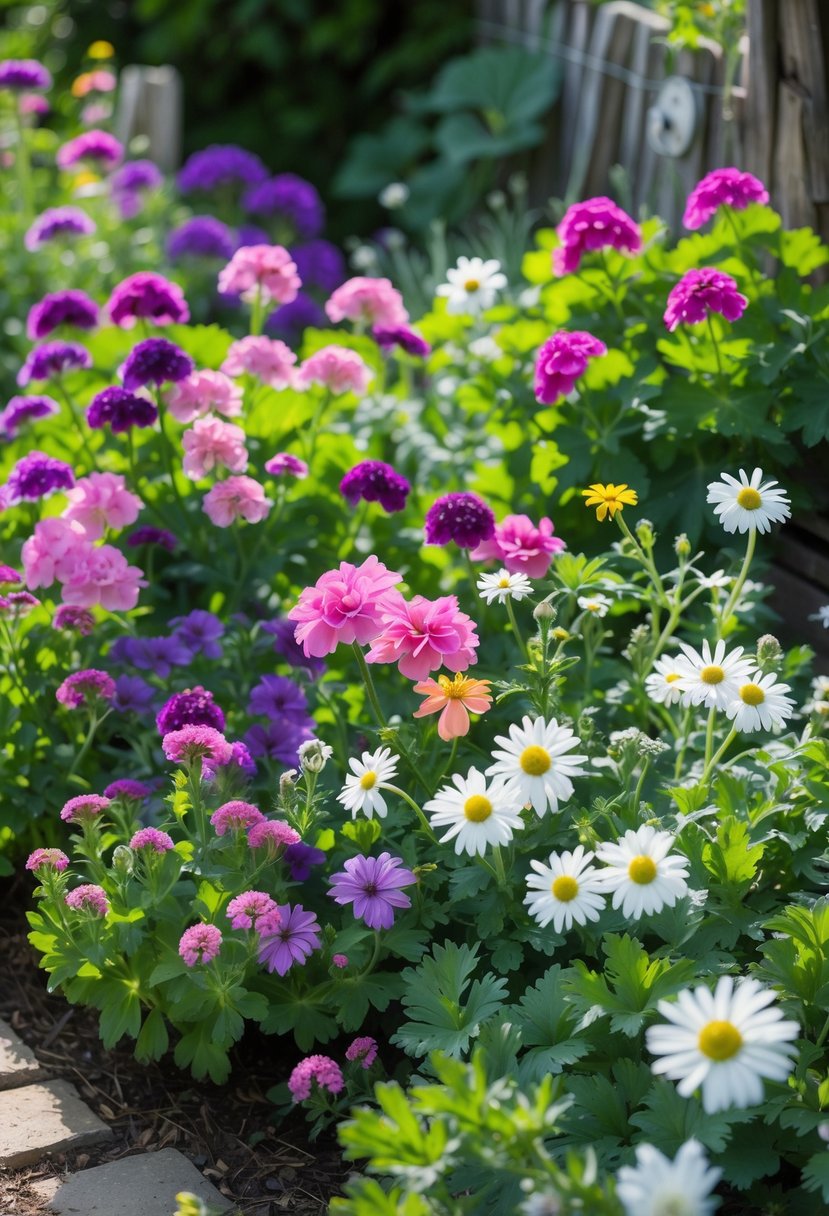
You can create a charming look by planting hardy geraniums with daisies. Both plants are tough and easy to take care of, making them a good match for your cottage garden.
Hardy geraniums have soft, colorful flowers and spread nicely. Daisies add bright white petals with yellow centers that bring a fresh feel to your garden.
Plant them close together to fill small spaces with color and texture. This mix works well in sunny spots and can handle different weather conditions without much fuss.
8) Include native wildflowers for low maintenance
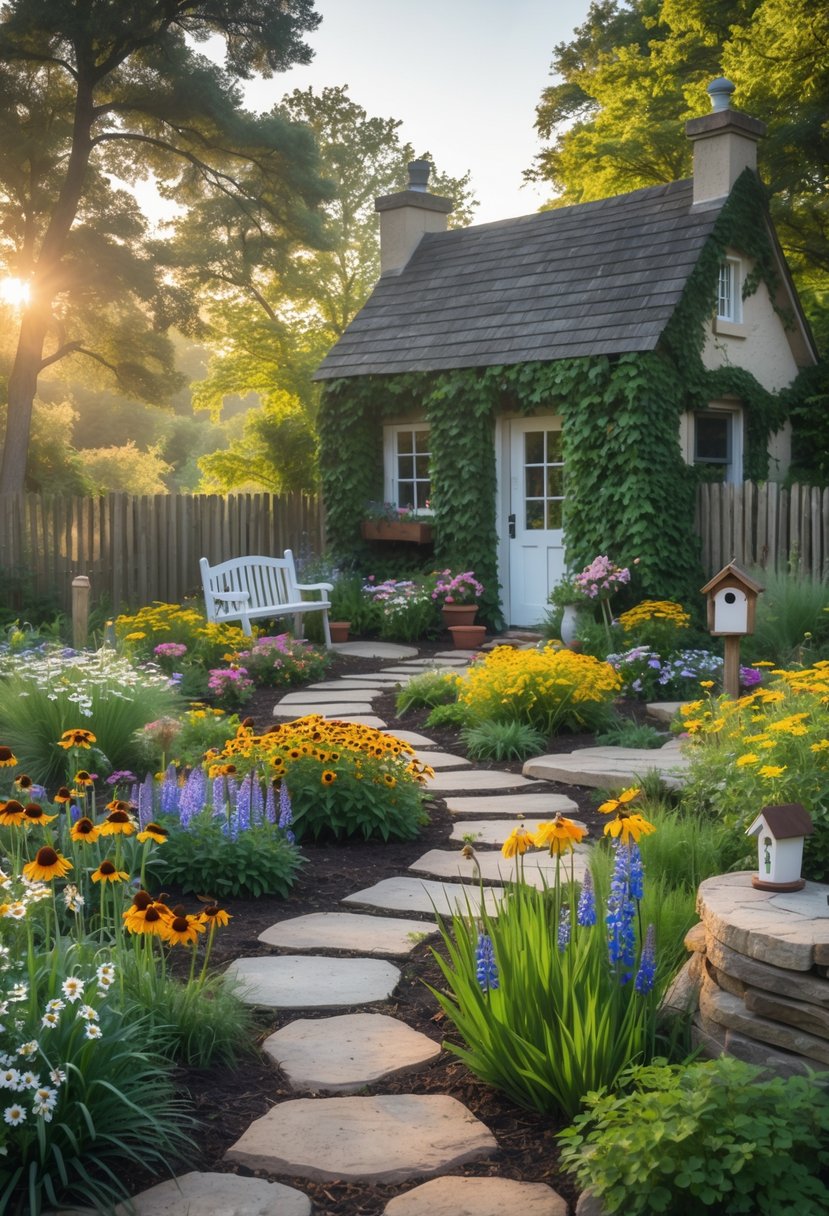
Using native wildflowers in your cottage garden helps reduce the care your plants need. These flowers are already adapted to your local soil, weather, and pests. This means you won’t need to water or fertilize them as much.
Native wildflowers also attract local bees, butterflies, and birds. These pollinators improve the health of your garden naturally. You can enjoy colorful blooms that return year after year with little effort.
Including native plants creates a more sustainable garden. It saves you time and helps the environment. Choose a variety that blooms at different times to keep your garden looking lively through the seasons.
9) Grow dwarf fruit trees like miniature apple
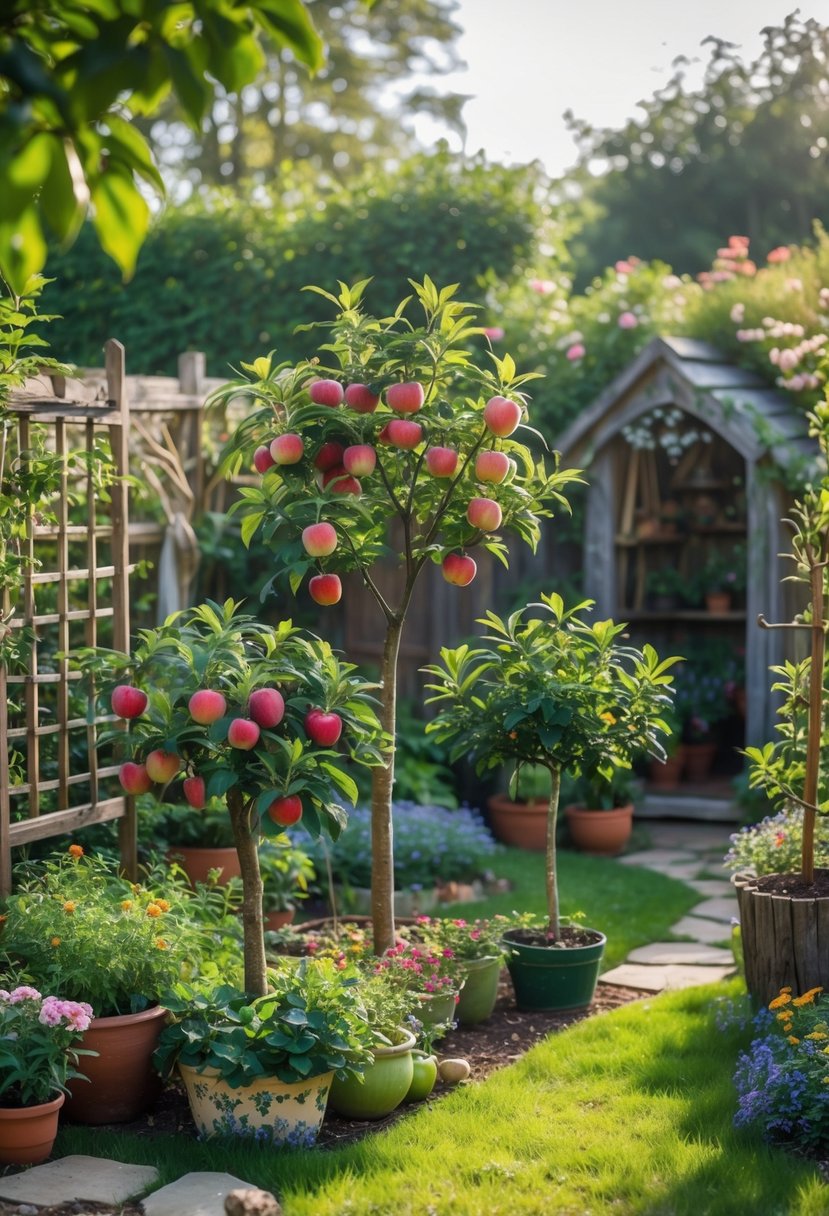
You can save space by choosing dwarf fruit trees. Miniature apple trees fit well in small cottage gardens. They grow slowly and stay compact.
These trees produce full-size apples but take up less room. You can plant them in the ground or containers. Both options work well in limited spaces.
Dwarf fruit trees need regular watering and good sunlight. They also benefit from pruning to keep their shape and size. Growing them adds beauty and fresh fruit to your garden.
10) Place vintage-style birdbaths
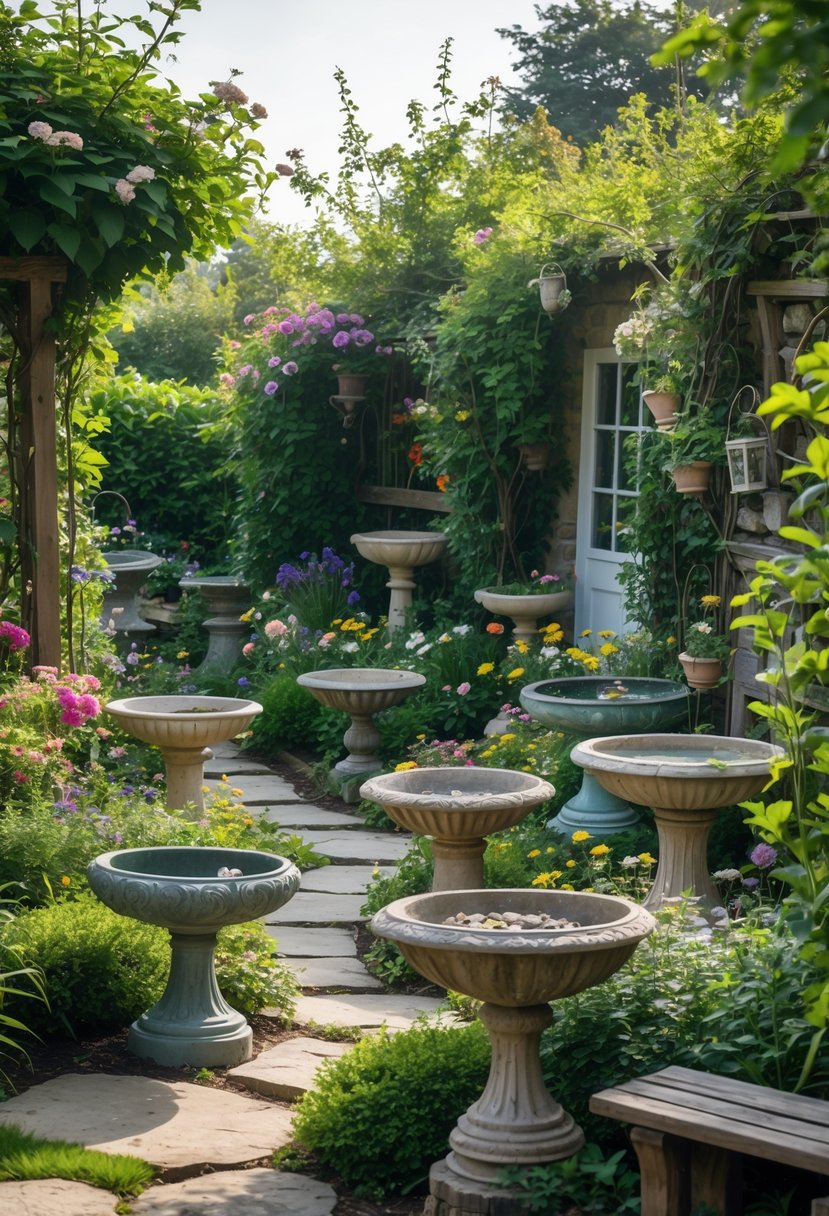
You can add charm to your cottage garden by placing vintage-style birdbaths. They bring a classic look and serve as a water source for birds. This can help attract more wildlife to your garden.
Choose birdbaths with weathered finishes or ornate details. These designs fit well with the cozy, old-fashioned feel of a cottage garden. Put them where they are easy to see.
A birdbath also adds a peaceful spot for you to enjoy. Watching birds drink or bathe can be relaxing. Make sure to clean the birdbath regularly to keep the water fresh.
11) Use weathered wooden raised beds
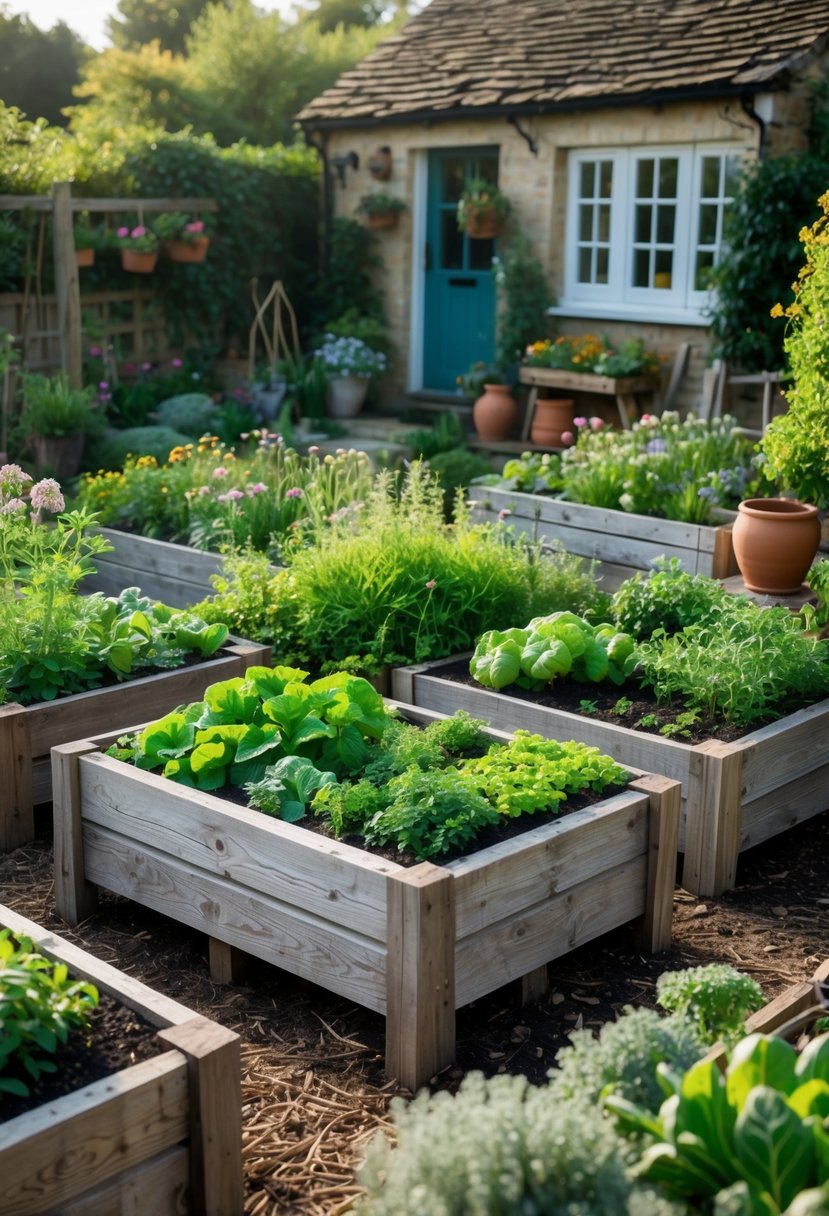
You can add charm to your cottage garden by using weathered wooden raised beds. The natural look of old wood fits well with the rustic style you want to create.
Raised beds help you organize your plants and make gardening easier. They improve drainage and keep soil quality better than open ground.
Using weathered wood also means you don’t need to treat it much, which is safer for your plants. Over time, the wood will blend into the garden, giving it a cozy, lived-in feel.
Place your raised beds in sunny spots. Fill them with a mix of flowers, herbs, and vegetables to make the most of the space you have.
12) Incorporate clematis on archways
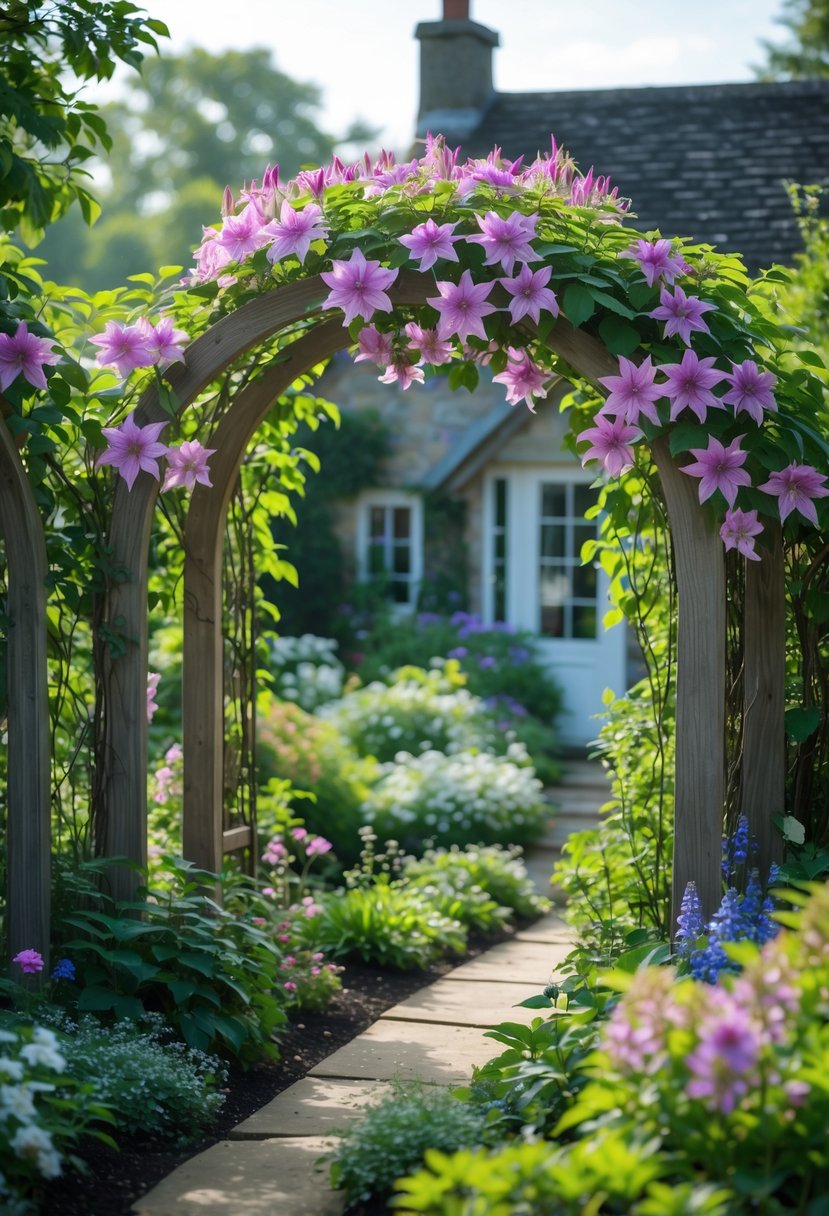
You can add clematis to your garden by planting it near archways. This climbing plant grows quickly and wraps around supports, creating a natural frame.
Clematis flowers come in many colors. Choose shades that match the rest of your garden for a balanced look.
Make sure your archway is sturdy. Clematis needs something strong to hold its weight as it grows taller.
Regular pruning helps keep the plant healthy. It also encourages more blooms throughout the growing season.
13) Plant scented sweet peas near entrances
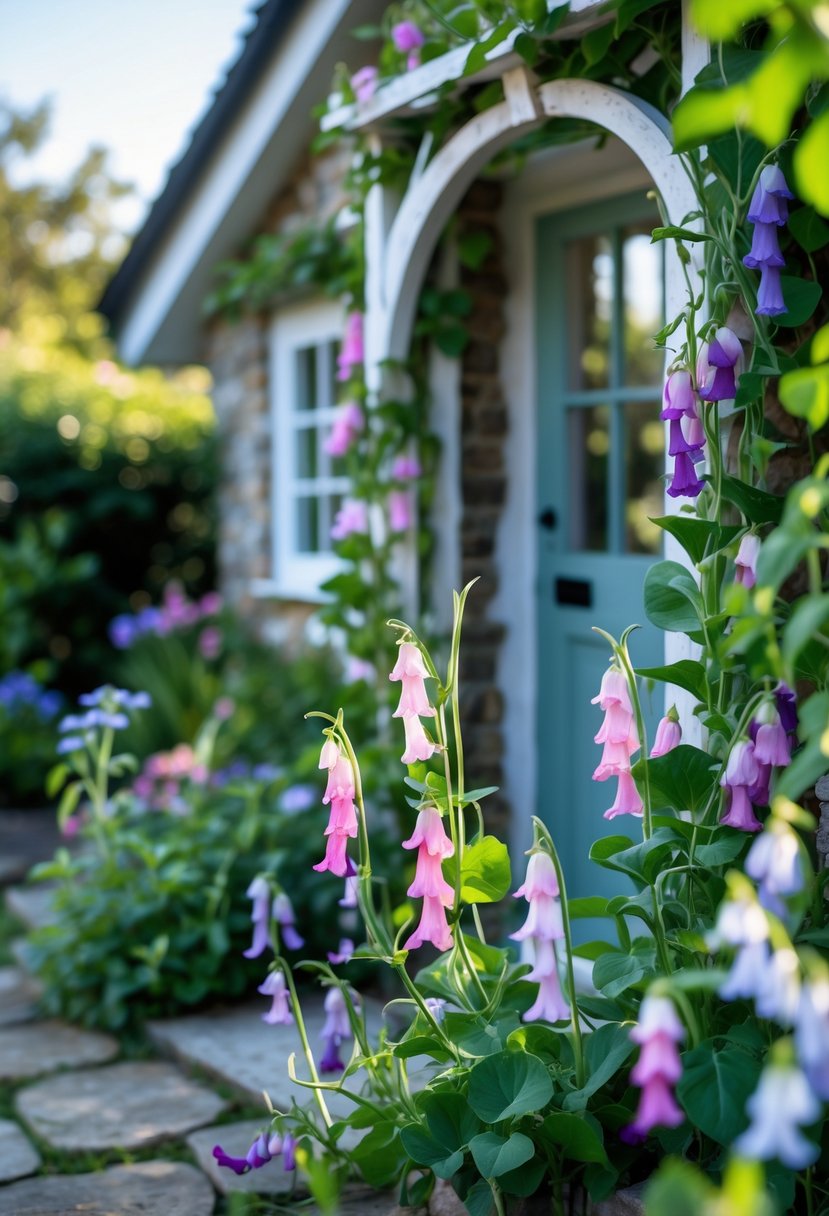
Plant scented sweet peas near your entrances to add a pleasant smell whenever you come or go. These flowers have a soft fragrance that is not too strong but inviting.
Sweet peas grow well on trellises, fences, or arches. Placing them by doors lets the scent spread easily around the area. You can also enjoy their bright, colorful flowers.
Choose a spot that gets morning sun and good air flow. Regular watering and support will help sweet peas climb and bloom well. This simple addition makes your garden feel more welcoming.
14) Add hanging baskets with petunias
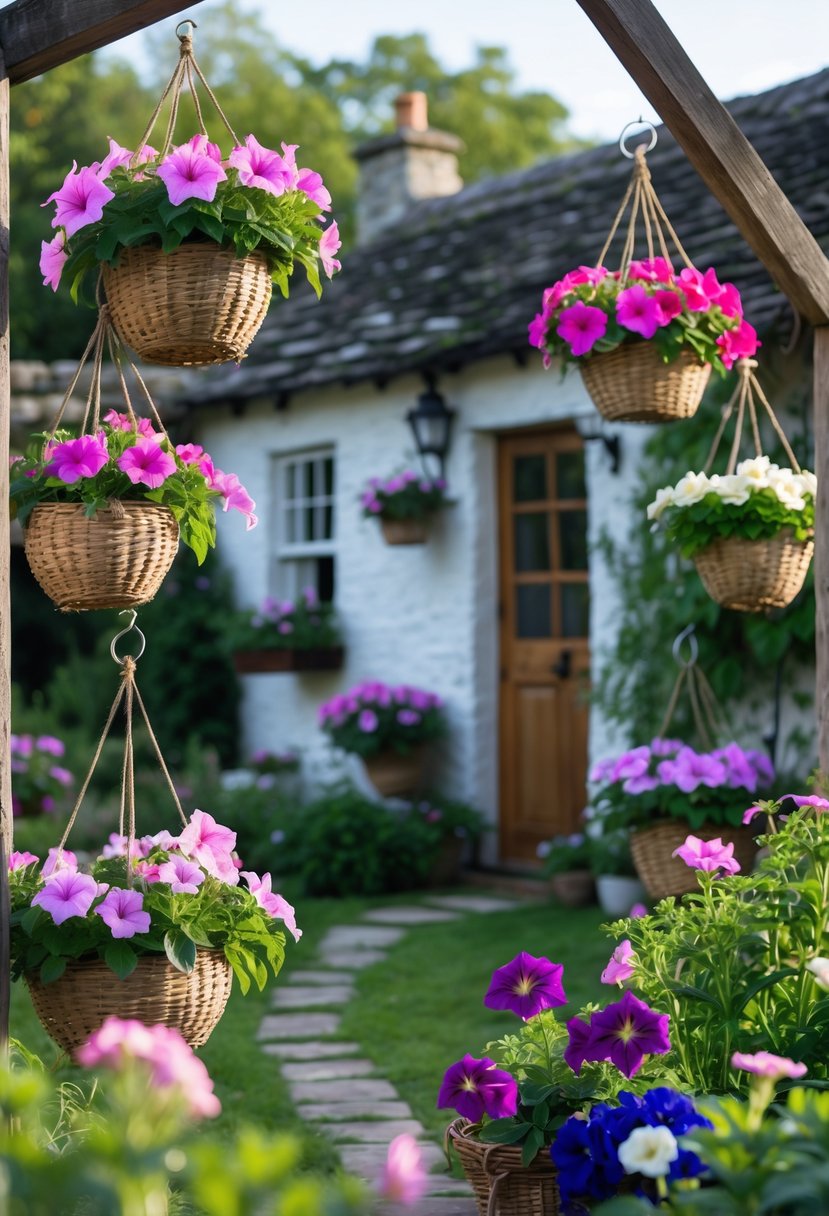
You can brighten your small cottage garden by adding hanging baskets filled with petunias. These flowers come in many colors and can bring a cheerful look to your space.
Petunias grow well in baskets because they trail nicely, giving a full and lush appearance. Make sure your baskets are hung in places that get plenty of sunlight.
Water your petunias regularly, but avoid overwatering. They prefer well-drained soil and thrive with good air circulation.
Hanging baskets also help save ground space, which is useful in a small garden. You can place them near your porch, windows, or garden fences for a lovely and colorful display.
15) Use pastel-colored garden furniture
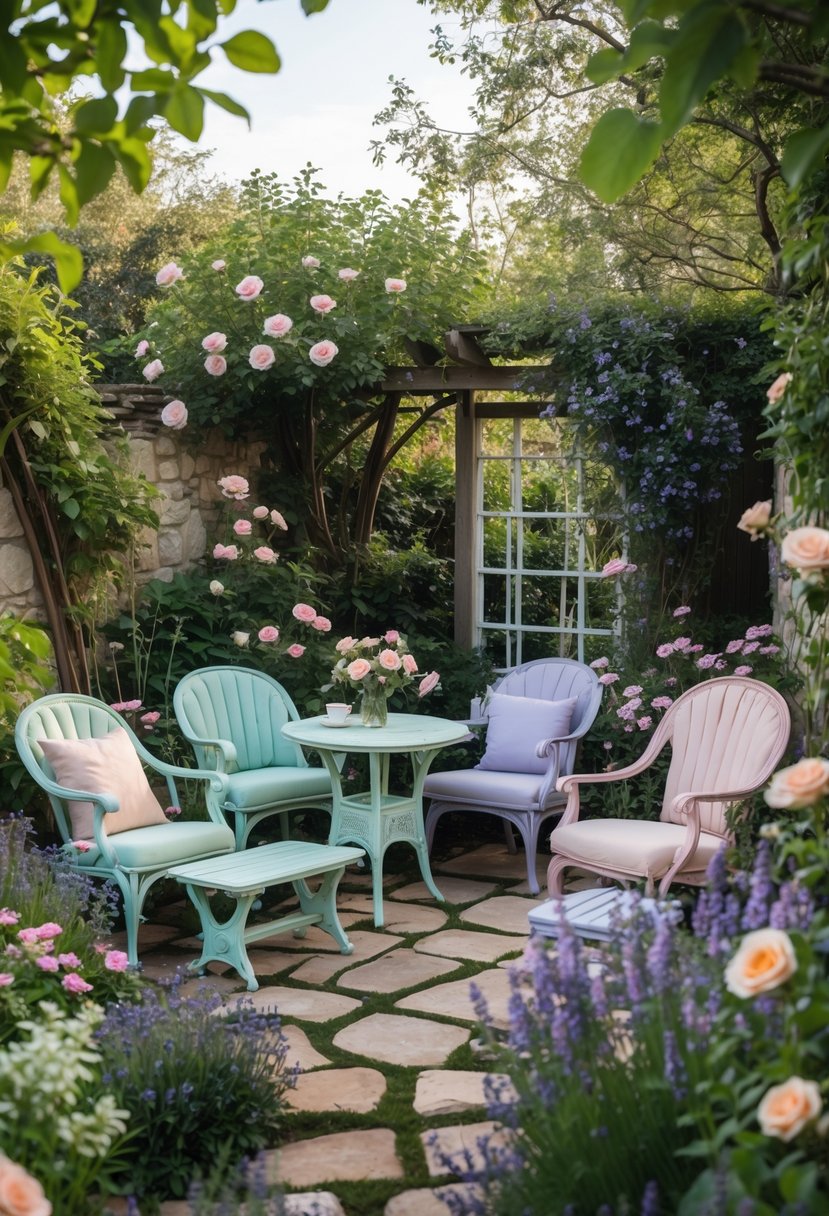
You can make your small cottage garden feel more inviting by adding pastel-colored garden furniture. Soft shades like light blue, mint green, or pale pink blend well with natural plants and flowers.
Pastel colors create a calm and cozy atmosphere without overpowering the garden’s natural beauty. Choose simple wooden or metal furniture painted in these light tones.
This kind of furniture can fit into tight spaces and adds a charming touch. It’s easy to mix with floral cushions or light textiles to keep the look fresh and elegant.
Fundamental Principles of Small Cottage Gardens
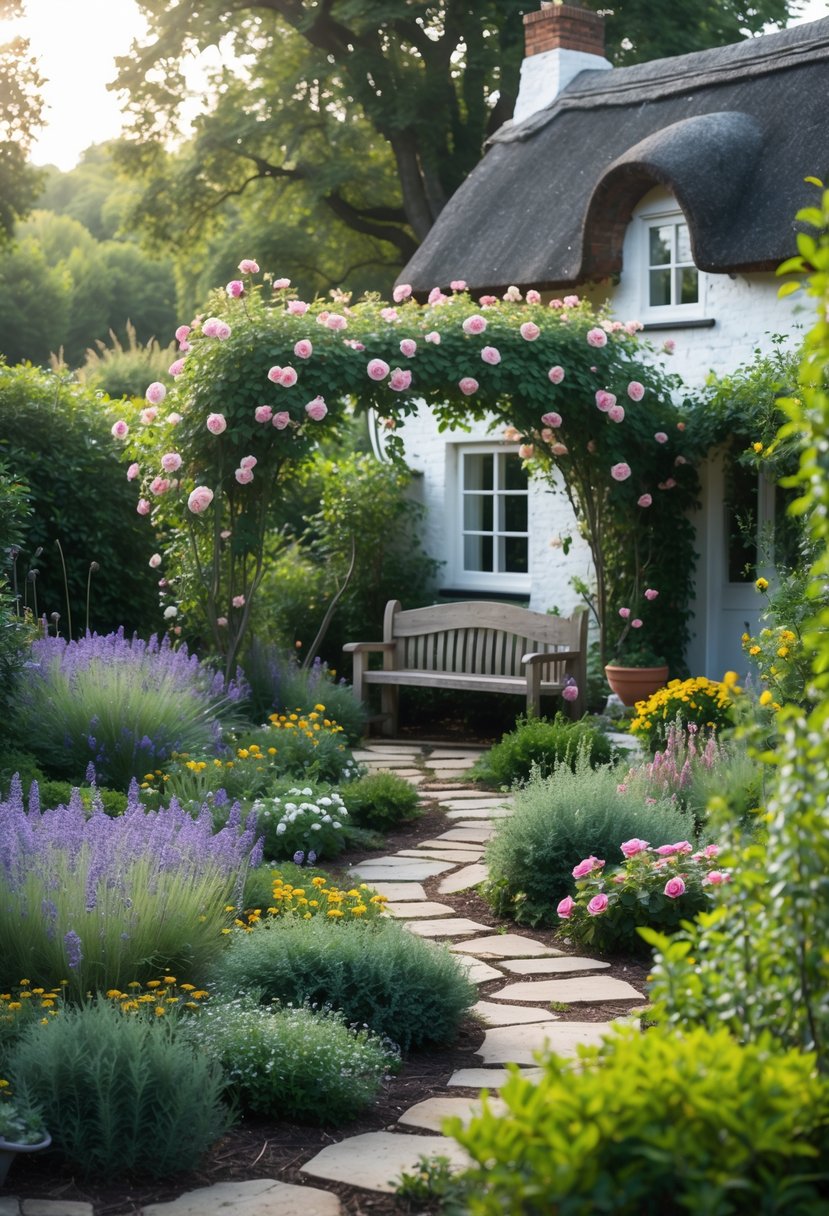
You need to think carefully about color and planting to make the most of limited space. It is important to create a feeling of privacy and charm when designing your garden. These ideas help turn a small area into a cozy and attractive outdoor space.
Color and Planting Design
Use a mix of soft and bright colors to keep your garden interesting without overwhelming the space. Choose plants that bloom at different times to have color throughout the year. Combining perennials like lavender or foxglove with annuals such as cosmos or sweet peas can add variety.
Arrange plants by height, placing taller ones at the back and shorter ones near paths. This shows off your flowers better and keeps the layout neat. Group plants with similar water and sunlight needs to make care easier.
Creating a Sense of Enclosure
You want your garden to feel like a private retreat. Use low fences, trellises, or hedges to define the space without blocking light. Climbing plants like clematis or roses on a trellis can create green walls without taking up much room.
Small trees or large shrubs help form natural borders. This keeps the garden cozy and shields it from noise or neighbors. Paths that wind gently through the garden add interest and invite you to explore every corner.
Enhancing Ambiance and Practicality
You can make the most of a small cottage garden by using space smartly and keeping it interesting through the year. Adding height in your garden and choosing plants that bloom in different seasons will help your garden feel full and lively.
Incorporating Vertical Features
Using vertical features like trellises, arches, and wall-mounted planters helps save ground space. You can grow climbing plants such as clematis, roses, or beans on these structures. They add visual height and create cozy spots or natural screens for privacy.
Vertical features also help you organize the garden better. You can hang pots or baskets to keep herbs and flowers within easy reach. When planning, aim for sturdy supports that fit your garden size and style. This approach keeps your garden neat and maximizes growing space without crowding.
Maximizing Seasonal Interest
To keep your garden attractive all year, select plants that bloom or show interesting foliage in different seasons. Combine early spring bulbs like daffodils with summer perennials such as lavender. Add evergreens or shrubs with colorful leaves for winter interest.
Consider planting fast-growing annuals alongside longer-lasting perennials. This mix ensures constant color and variety. Don’t forget to add elements like berry-producing bushes or seed heads, which provide food for birds and look good when flowers fade. Scheduling plants by season helps your garden stay lively and practical.