15 Container Gardening Vegetables Ideas for Maximizing Small Space Harvests
Growing your own vegetables in containers is a great way to enjoy fresh produce without needing a large garden space. Whether you have a balcony, porch, or small yard, container gardening lets you grow a variety of vegetables in manageable spaces.
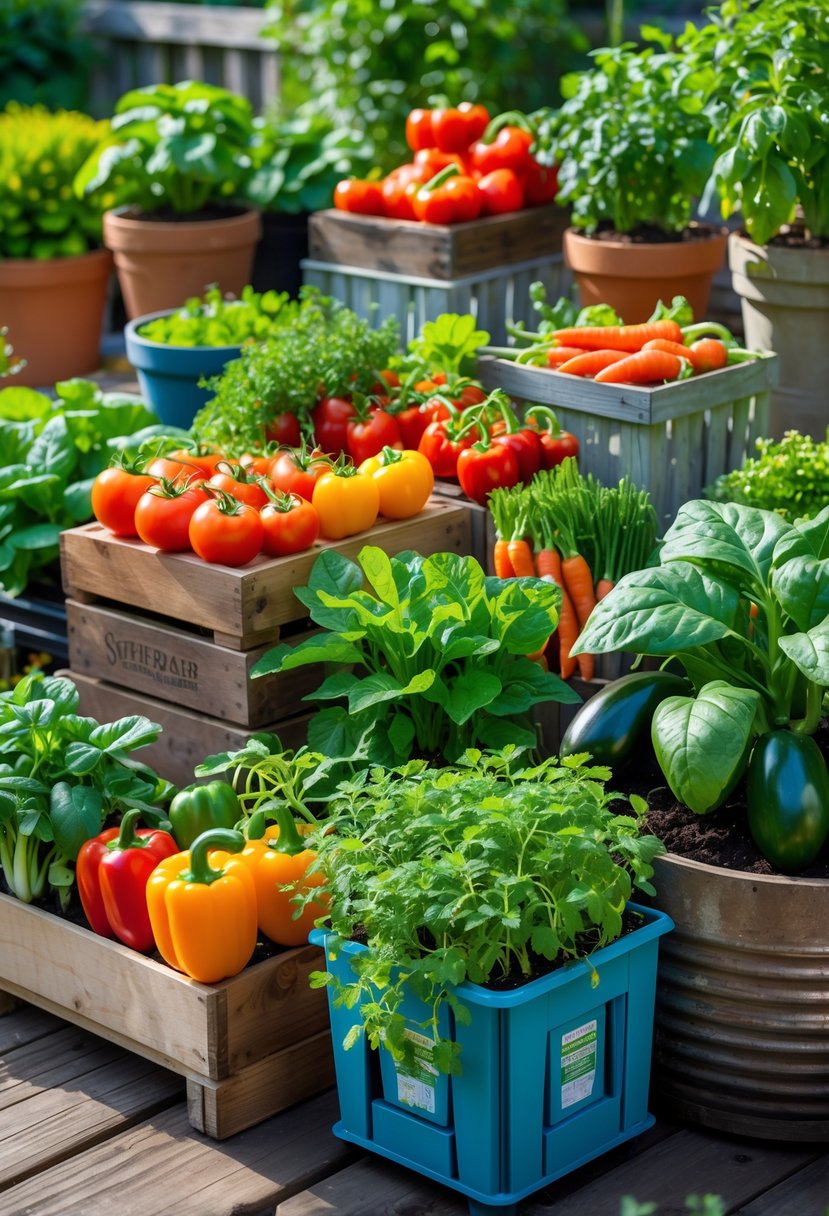
You can successfully grow many types of vegetables in containers, making gardening accessible even in limited areas. This approach allows you to control soil quality, water, and sunlight more easily, helping your plants thrive. With the right choices, your container garden can be both productive and enjoyable.
1) Cherry tomatoes in 24″ deep pots
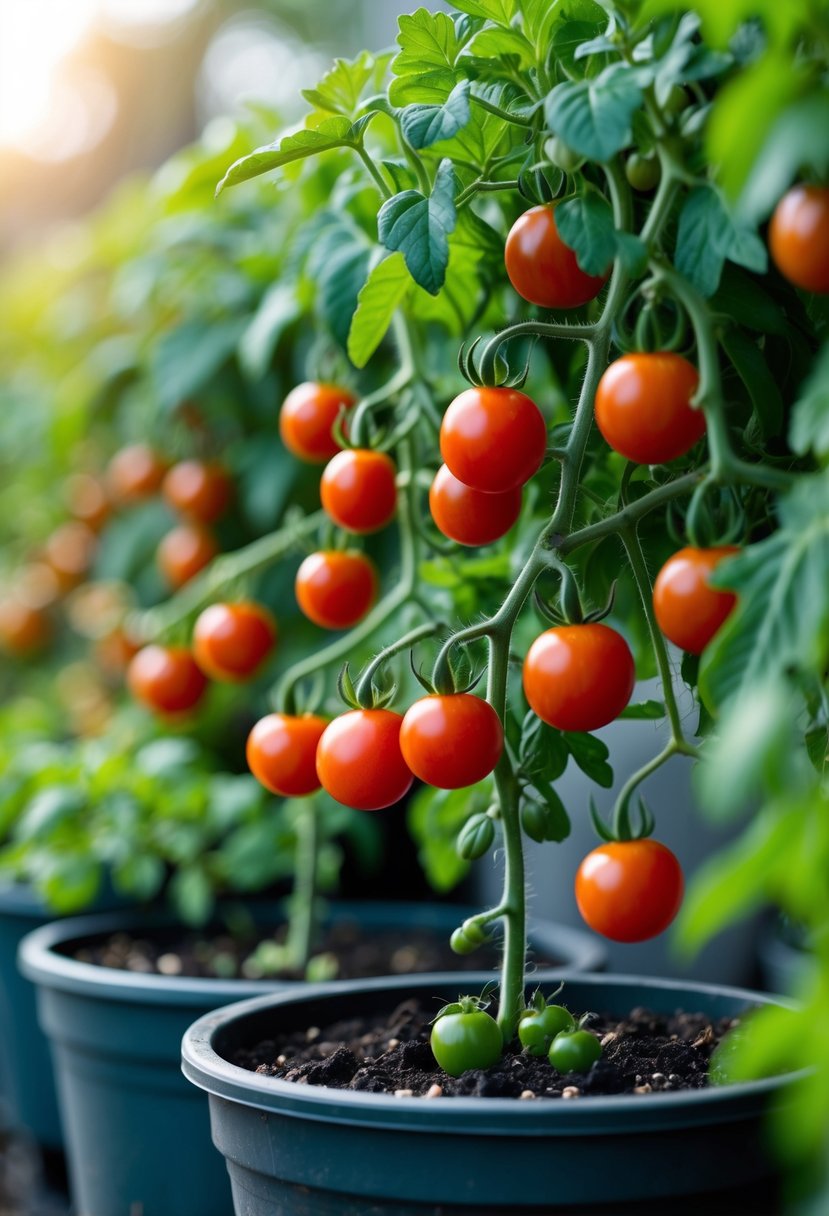
Cherry tomatoes grow best in pots that are at least 24 inches deep. This depth gives the roots plenty of space to spread out, helping the plant stay healthy and produce more fruit. Choose a pot with good drainage holes to prevent water from pooling at the bottom.
Place your pot in a sunny spot where it gets 6 to 8 hours of direct sunlight daily. Cherry tomatoes need lots of light to grow well and develop sweet, ripe fruit.
Make sure to water your tomatoes regularly, keeping the soil moist but not soggy. Too much water can cause root problems, while too little can make the fruit small and dry.
Use good-quality potting soil that drains well. Adding some slow-release fertilizer can support steady growth throughout the season. You can expect consistent fruit production if you keep an eye on watering and sunlight.
2) Dwarf tomato varieties like ‘Micro Tom’
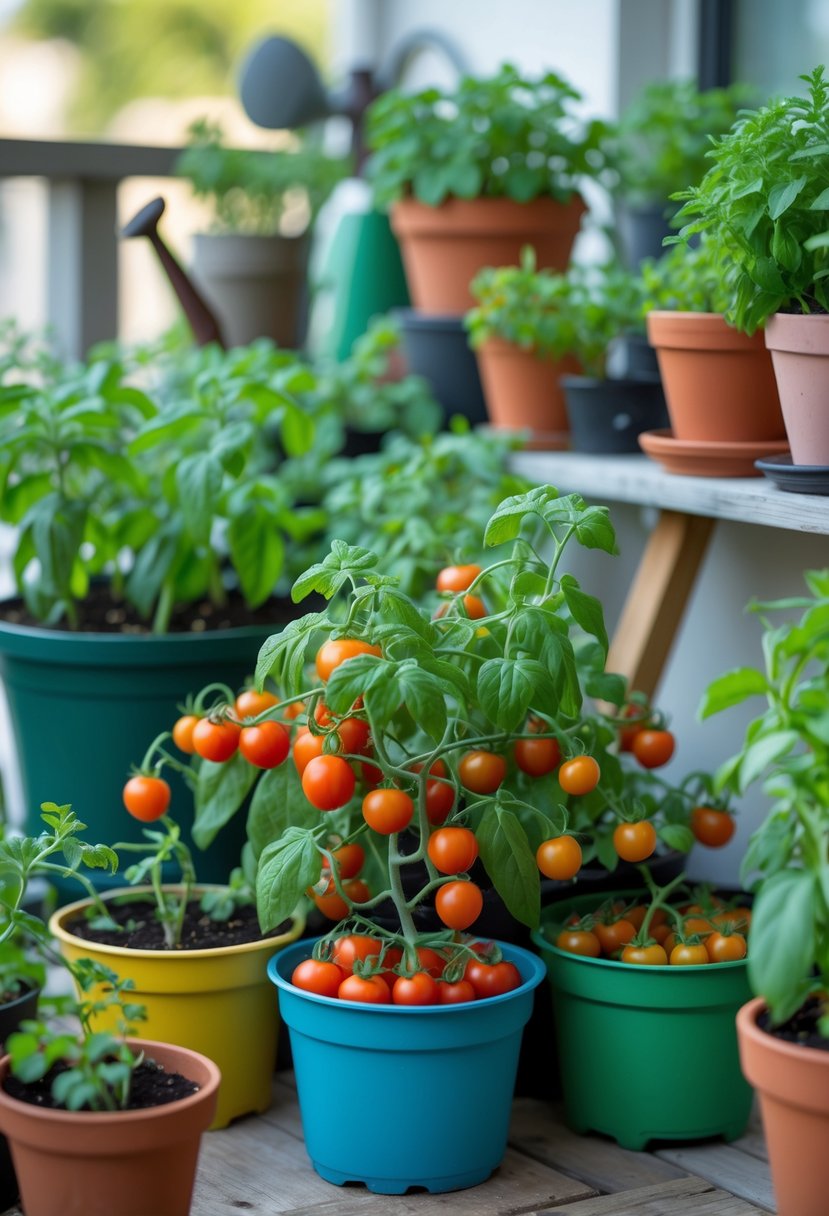
Dwarf tomato varieties are a great choice if you have limited space. These plants stay small and fit well in containers, even on windowsills or small balconies. The ‘Micro Tom’ is one of the smallest tomato plants available.
You can grow ‘Micro Tom’ in containers as small as 1 to 3 gallons. It produces small cherry tomatoes that are easy to harvest. This variety is perfect if you want fresh tomatoes but don’t have room for larger plants.
Dwarf tomatoes need good sunlight and regular watering. Because they are small, they dry out faster than bigger plants. Using quality soil and feeding your plants will help you get a better harvest.
Many dwarf varieties like ‘Micro Tom’ are bred to work well indoors or outdoors. They finish growing faster than regular tomatoes, so you can enjoy your tomatoes sooner. These plants are easy to manage and can brighten up small garden spaces.
3) Arugula in shallow containers
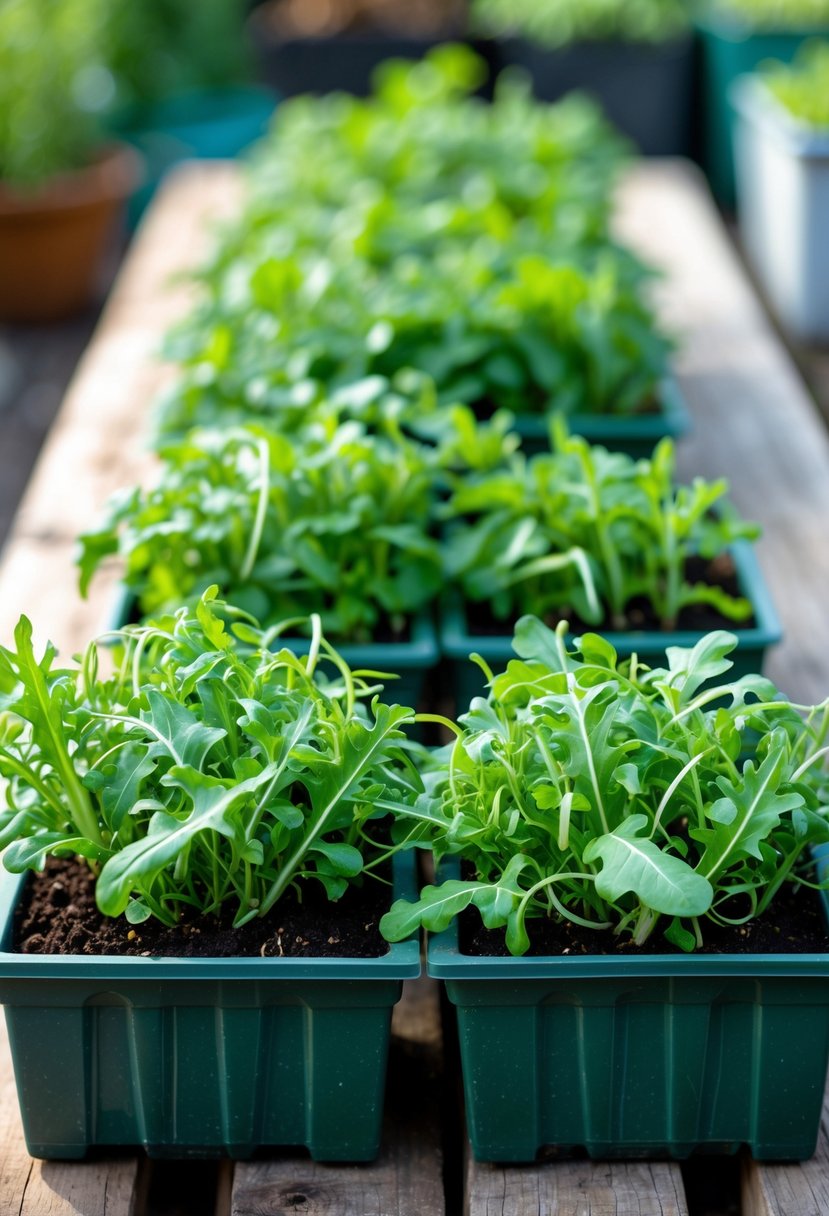
You can grow arugula easily in shallow containers. Choose a pot that is about 10 to 12 inches deep. This size works well because arugula has a small root system and does not need deep soil.
Use good quality potting soil mixed with some compost to give the plants nutrients. Fill your container with this mix before planting the seeds or young plants.
Place the container where it gets at least 4 to 6 hours of sunlight each day. Arugula grows best in cool weather, so avoid very hot spots if you can.
Water the plants regularly to keep the soil moist but not soggy. Arugula grows quickly, so you can start harvesting leaves in just a few weeks.
Harvest often by picking the outer leaves. This will encourage the plant to keep growing and give you fresh arugula for a longer time.
4) Bush beans in 12″ pots
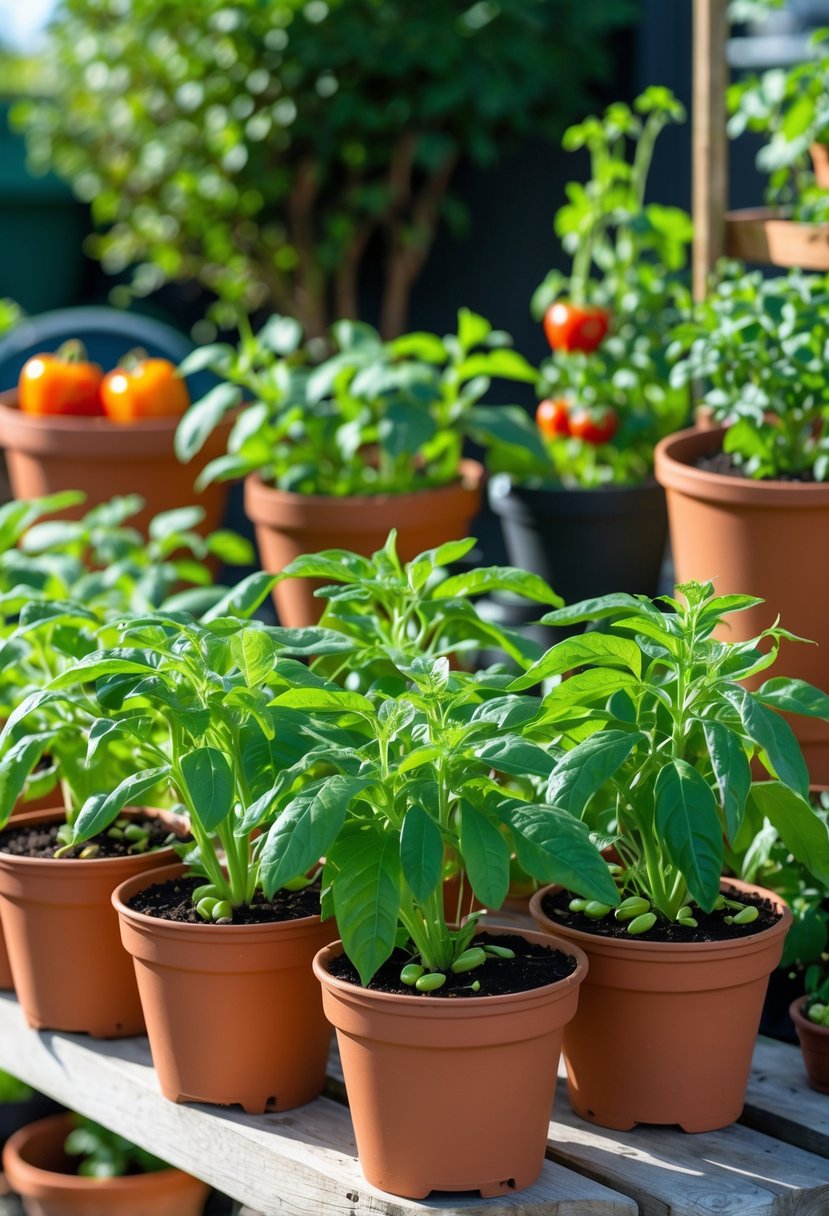
You can grow bush beans successfully in 12-inch pots. These containers give enough room for the roots to develop well. Use a high-quality potting mix to help your plants get the nutrients they need.
Make sure your pot has drainage holes to prevent water from sitting at the bottom. Beans do not like soggy soil, so good drainage is important.
Plant seeds directly in the soil, and keep the soil moist but not wet. Water regularly, especially when the weather is warm.
Bush beans grow quickly and can be ready to harvest in about 50 days. They usually stay around 16 to 20 inches tall, which works well for container gardens.
You can place pots on balconies, patios, or even near your windows. Bush beans need sunlight, so pick a spot where they get at least six hours of light a day.
5) Spinach for quick harvest
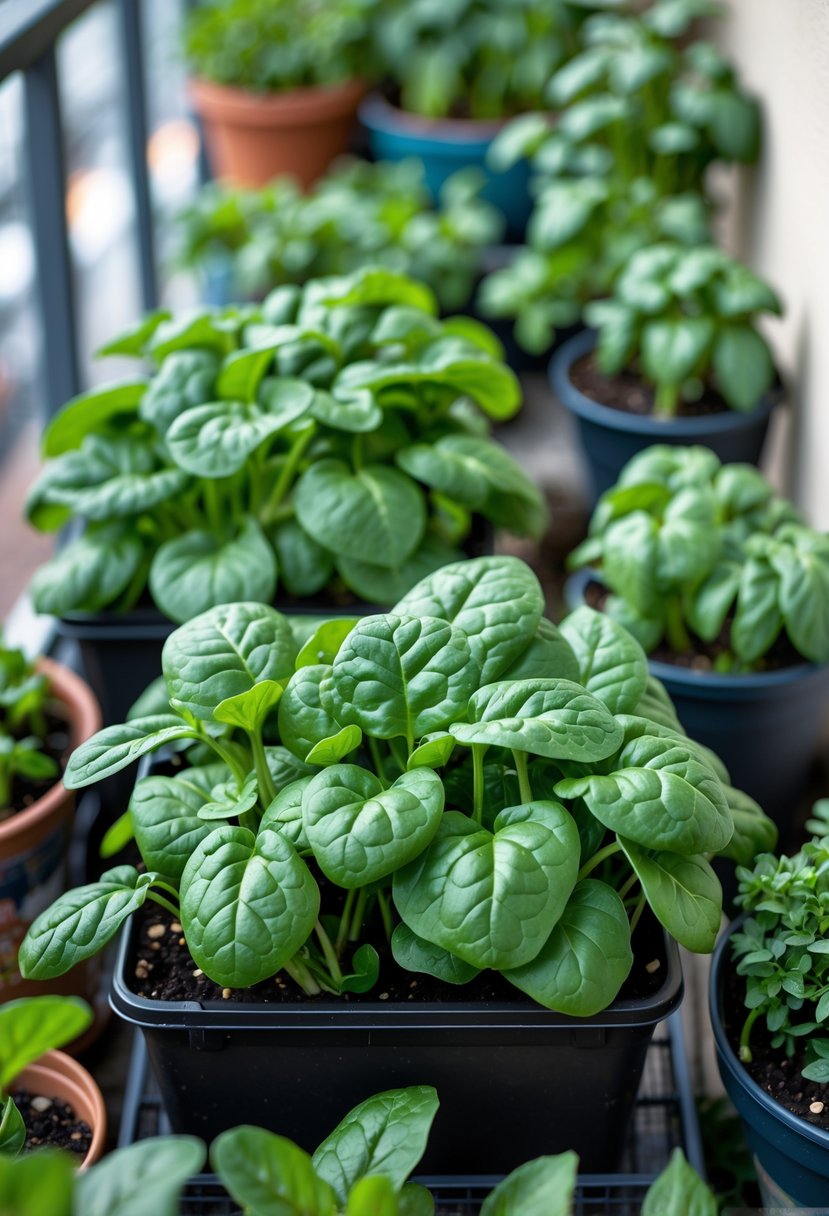
Spinach grows fast and is a good choice for container gardening. You can start harvesting leaves in just a few weeks after planting. This makes it great if you want fresh greens quickly.
Choose a spot that gets 6-8 hours of sunlight each day. Spinach prefers cooler temperatures, so avoid planting it during the hottest months. Early spring or fall works best for growing spinach outdoors.
Use containers with good drainage and fill them with rich, moist soil. Spinach roots don’t need much space, so small pots work well. You can also move your pots to protect plants from too much sun or heat.
Watch out for pests like slugs and aphids, which sometimes attack spinach leaves. Check your plants regularly and remove any pests you find. With the right care, you can enjoy fresh spinach for salads and cooking straight from your container.
6) Lettuce in window boxes
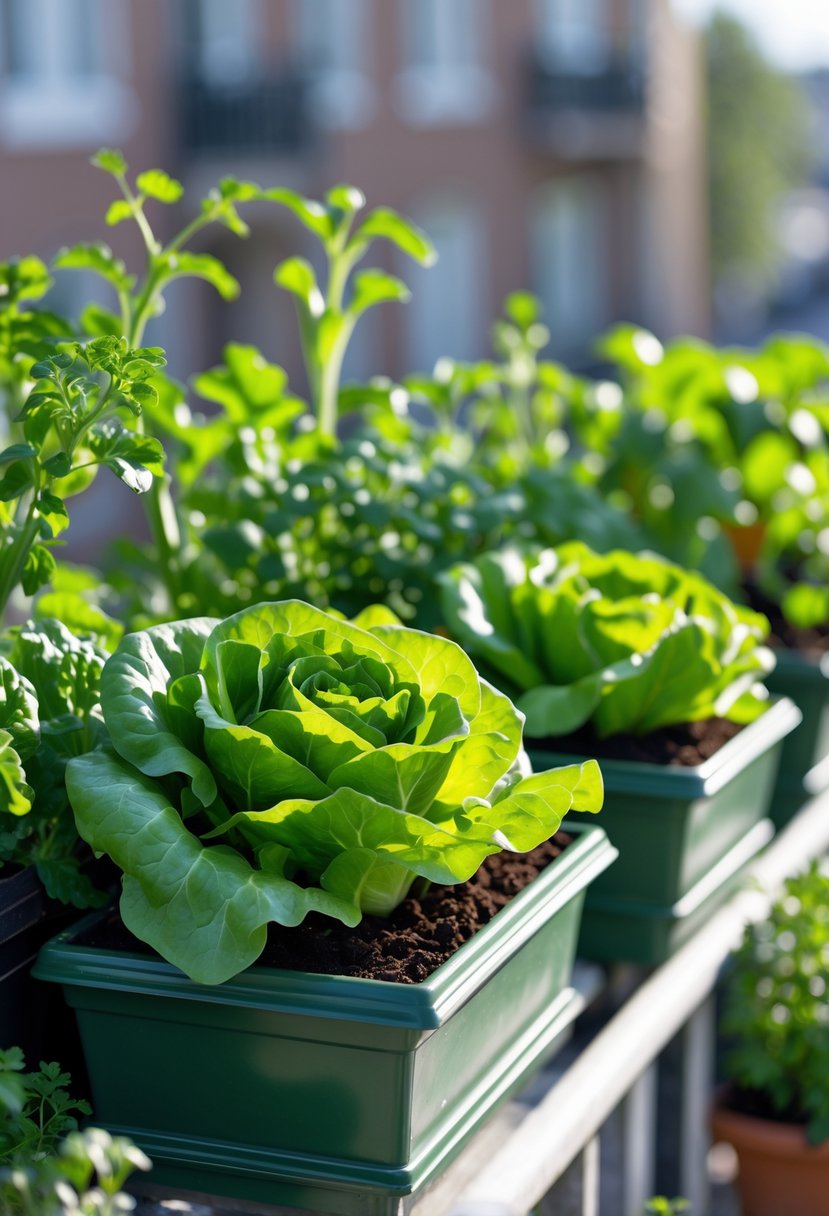
You can grow lettuce easily in window boxes, even if space is limited. Choose a container with good drainage to prevent water buildup, which can harm the roots.
Use loose, well-draining soil that stays moist but not soggy. Lettuce needs consistent watering, so check the soil often and water when the top feels dry.
Pick lettuce varieties that do well in containers, like leaf lettuce or butterhead. These types grow quickly and don’t need deep soil.
Place your window box where it gets at least 4 to 6 hours of sunlight daily. Lettuce grows best with enough light but can also tolerate some shade.
Keep the temperature in mind. Lettuce prefers cooler weather, so avoid placing it in direct harsh sun during hot days to prevent it from wilting or bolting early.
You can harvest leaves as they grow. This lets you enjoy fresh lettuce throughout the season without waiting for a full head to form.
7) Strawberries in hanging baskets
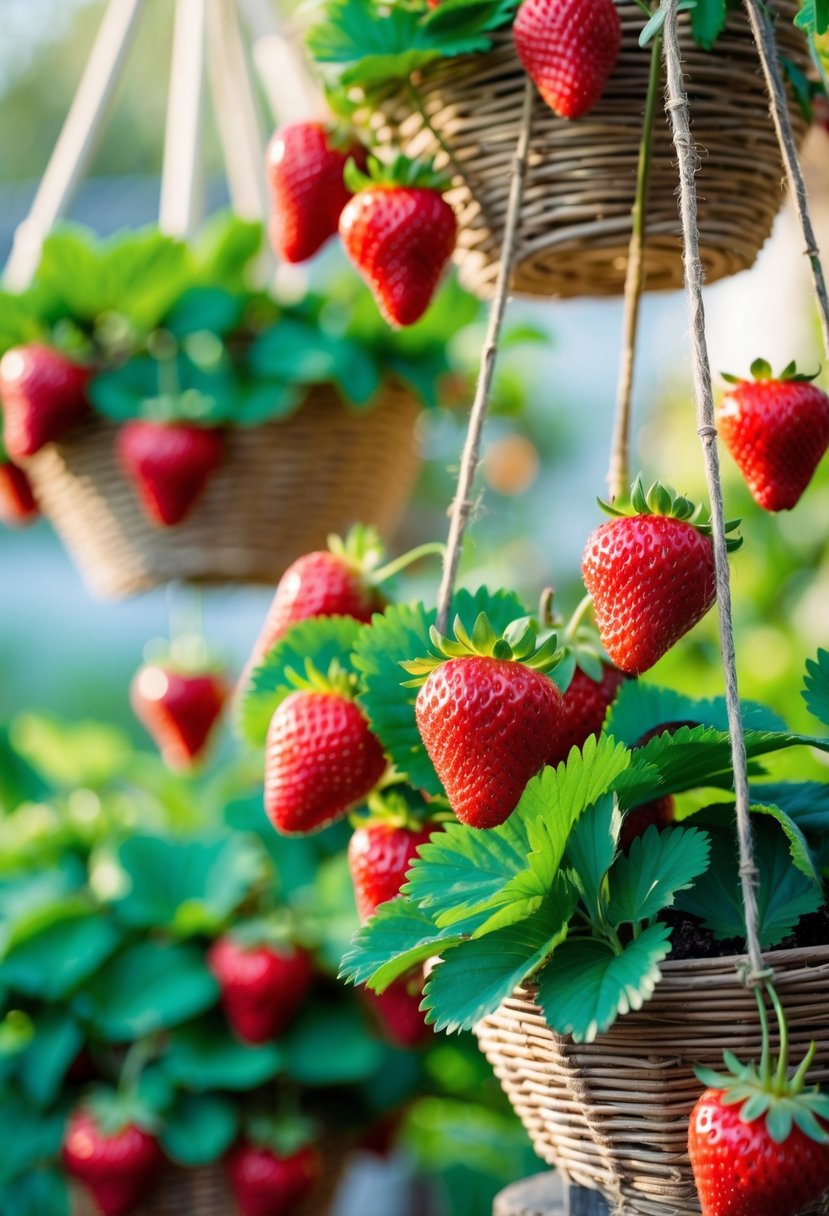
Growing strawberries in hanging baskets is a great way to save space and add greenery to your garden or balcony. You just need a basket about 12 to 15 inches wide and lined with moss or coco coir to keep the soil moist.
Strawberries in hanging baskets get good air circulation, which helps reduce disease. They also look attractive as the fruit hangs down from the sides. Choose a sunny spot where your plants can get at least 6 hours of sunlight each day.
Use a light, well-draining potting mix to avoid waterlogging. Water your strawberries regularly, making sure the soil stays moist but not soggy. Feeding them with a balanced fertilizer every few weeks can help improve fruit production.
This method works well for small spaces or if you want fresh fruit within easy reach. Pick varieties suited for containers, like everbearing or day-neutral types, for the best results. Growing strawberries this way allows you to enjoy fresh fruit even without a big garden.
8) Bell peppers in 15-gallon grow bags
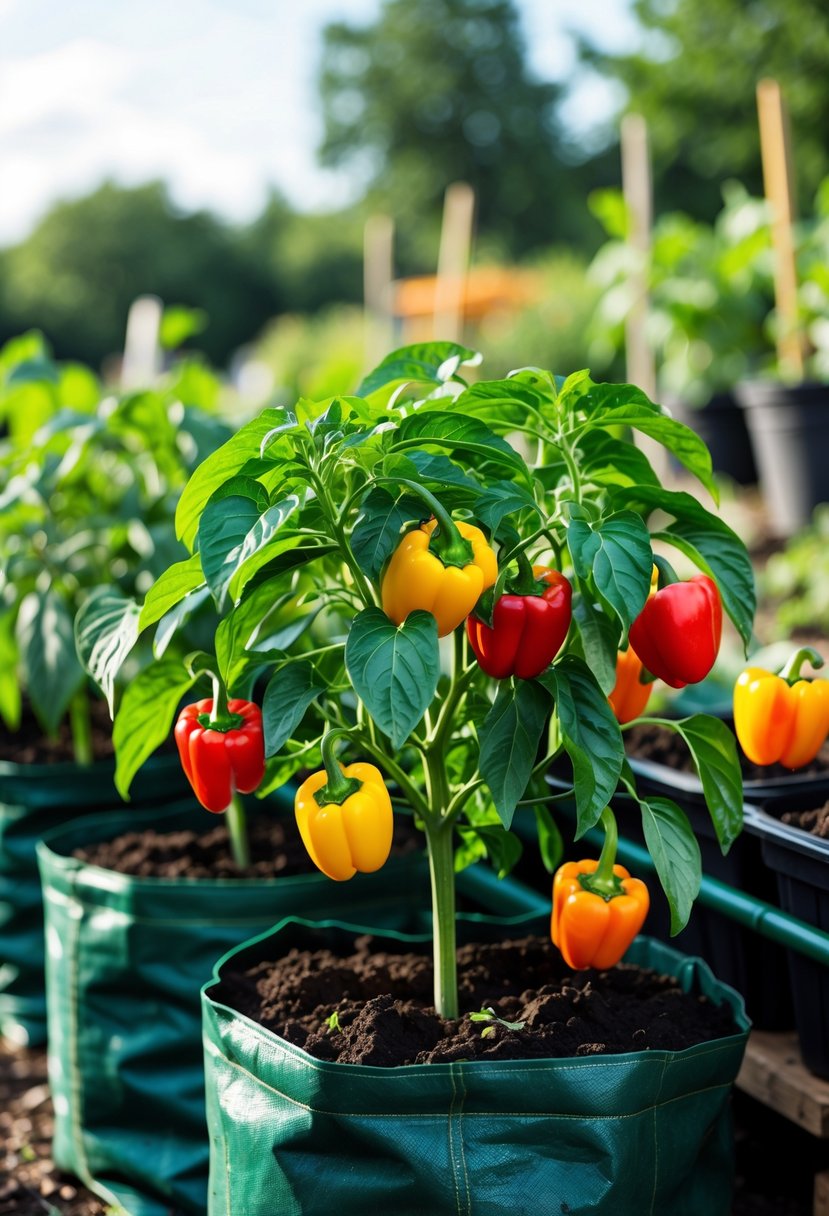
You can grow bell peppers well in 15-gallon grow bags. These bags hold enough soil and moisture to support several pepper plants comfortably. This size gives the roots enough space to spread and grow strong.
Using grow bags for bell peppers is good for small spaces like patios or balconies. The bags allow good air circulation to the roots, which helps prevent problems like root rot. You can move the bags around to catch the best sunlight.
Bell peppers need about 6-8 hours of sunlight each day. Keep the soil moist but not soaking wet. You can add a simple trellis or stakes to support the plants as they grow taller and hold the peppers.
You can grow 3 to 4 bell pepper plants in one 15-gallon bag. Make sure to space them evenly to avoid crowding. Regular feeding with balanced fertilizer will help your peppers produce more fruit.
9) Radishes in small containers
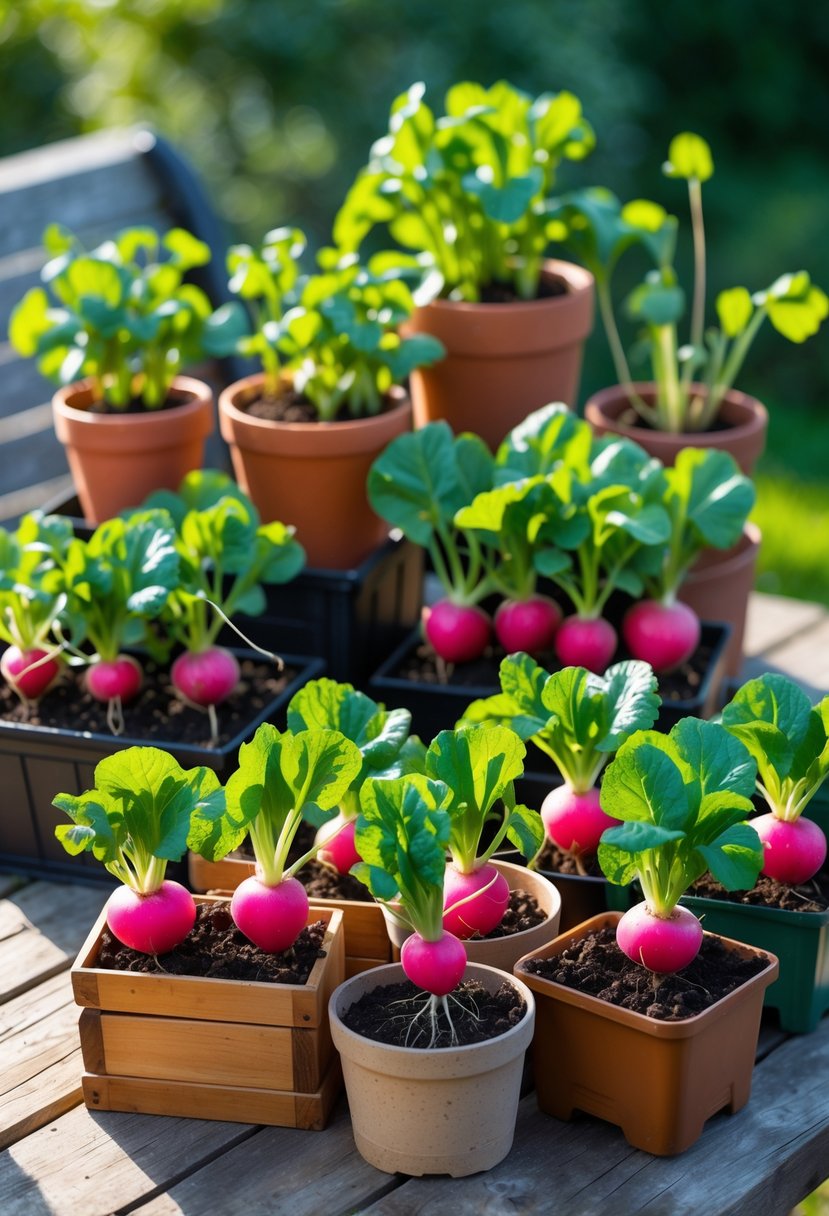
Radishes are great for small container gardens because they grow quickly and don’t need deep soil. You can use pots that are at least 6 to 8 inches deep to give the roots enough space to develop.
Choose varieties like Cherry Belle or French Breakfast, which do well in containers. These radishes grow fast, often ready to harvest in just 3 to 4 weeks.
Use containers with good drainage to avoid waterlogging. Fill them with loose, well-draining soil to help the radishes grow straight and flavorful.
You can grow radishes in window boxes, small pots, or shallow troughs. This makes them perfect if you use a balcony or small patio for your garden.
Radishes fit well into tight spaces because they don’t need a lot of room. Just give them regular water and some sunlight, and you’ll get fresh radishes soon.
10) Green onions in narrow pots
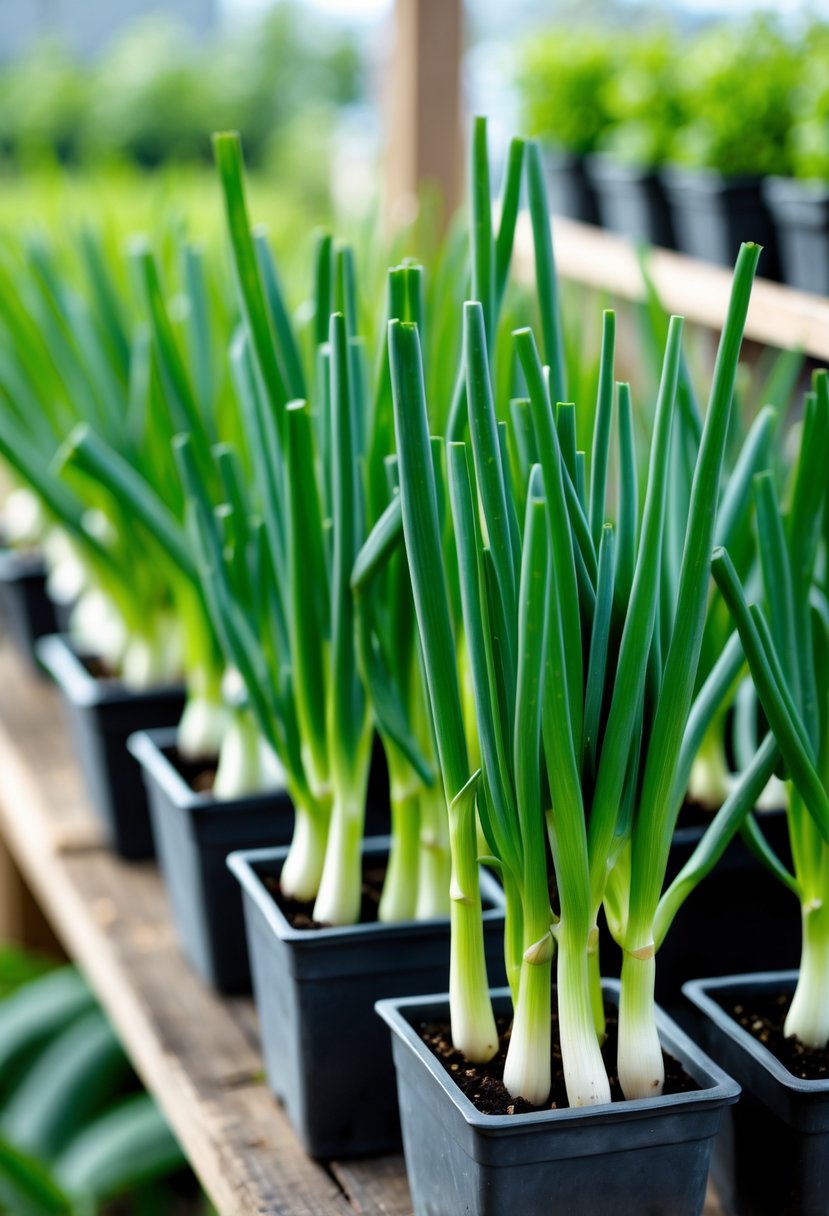
Green onions grow well in narrow pots because their roots do not need much space. You can use containers that are at least 6 inches deep and about 3-4 inches wide. This size gives the roots enough room to develop.
Choose a well-drained, loose potting soil so water does not sit and cause rot. Place the pots in a sunny spot that gets at least 4 hours of direct sunlight daily. If indoors, a bright windowsill works well.
Plant green onion seeds or sets close together in the pot. You can thin them out as they grow to give each plant more space. Keep the soil moist but not soaking wet to encourage steady growth.
Green onions mature quickly and you can start harvesting small bunches once they reach a few inches tall. This makes them a good option for fresh greens on hand all year if you keep replanting.
Using narrow pots can save space in your garden or balcony while giving you a continuous supply of green onions for cooking.
11) Herbs like basil and parsley in mixed containers
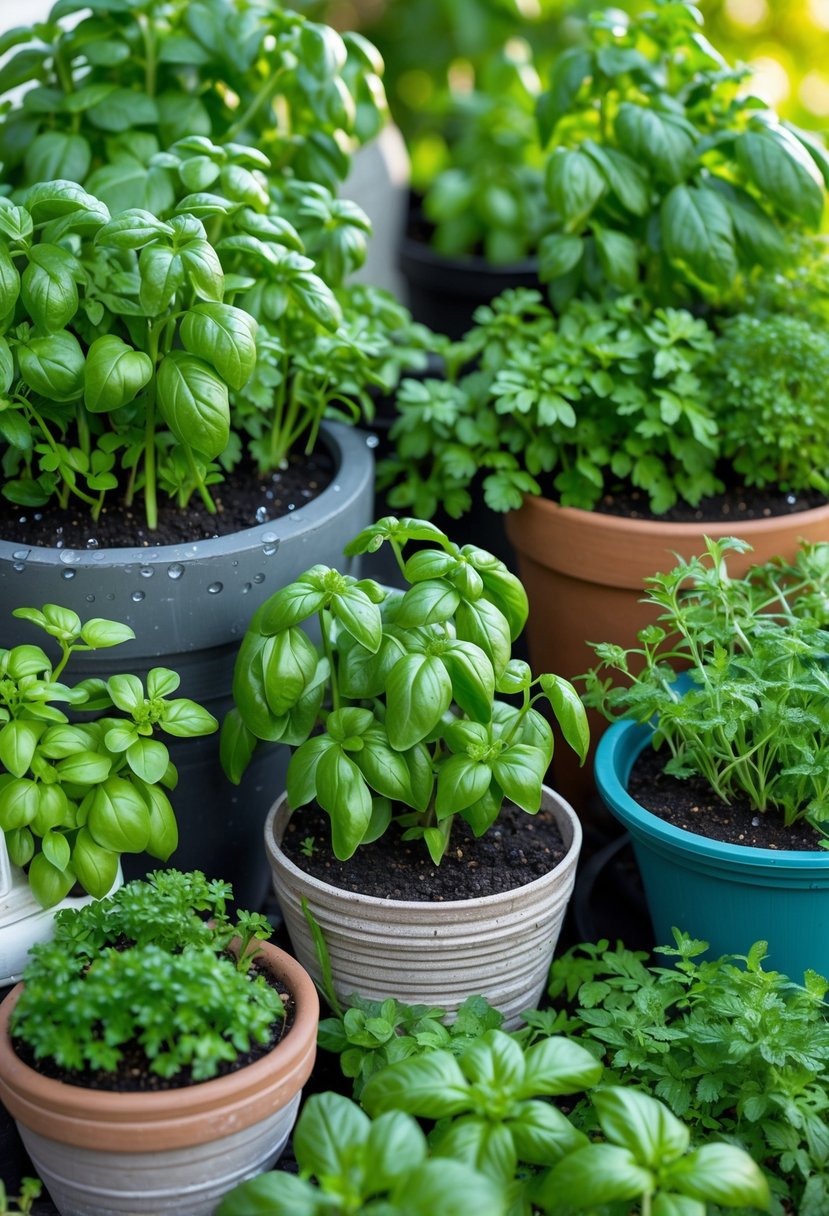
You can grow basil and parsley together in the same container. Both herbs like similar growing conditions like well-drained soil and regular watering. This makes them good companions that will grow well side by side.
Basil prefers a warm, sunny spot, which parsley can also tolerate. Keeping the container in a place with at least six hours of sunlight will help both herbs thrive. You should water often but avoid letting the soil get soggy.
Mixed containers save space and add variety to your garden. You can also add other herbs that match basil and parsley’s needs, such as oregano or thyme. Just make sure not to overcrowd the pot so each plant has room to grow.
Keep an eye on the herbs as they grow. Basil grows faster and taller, so you might need to trim it back to keep parsley healthy. This will help both herbs stay productive throughout the growing season.
12) Carrots in deep, narrow pots
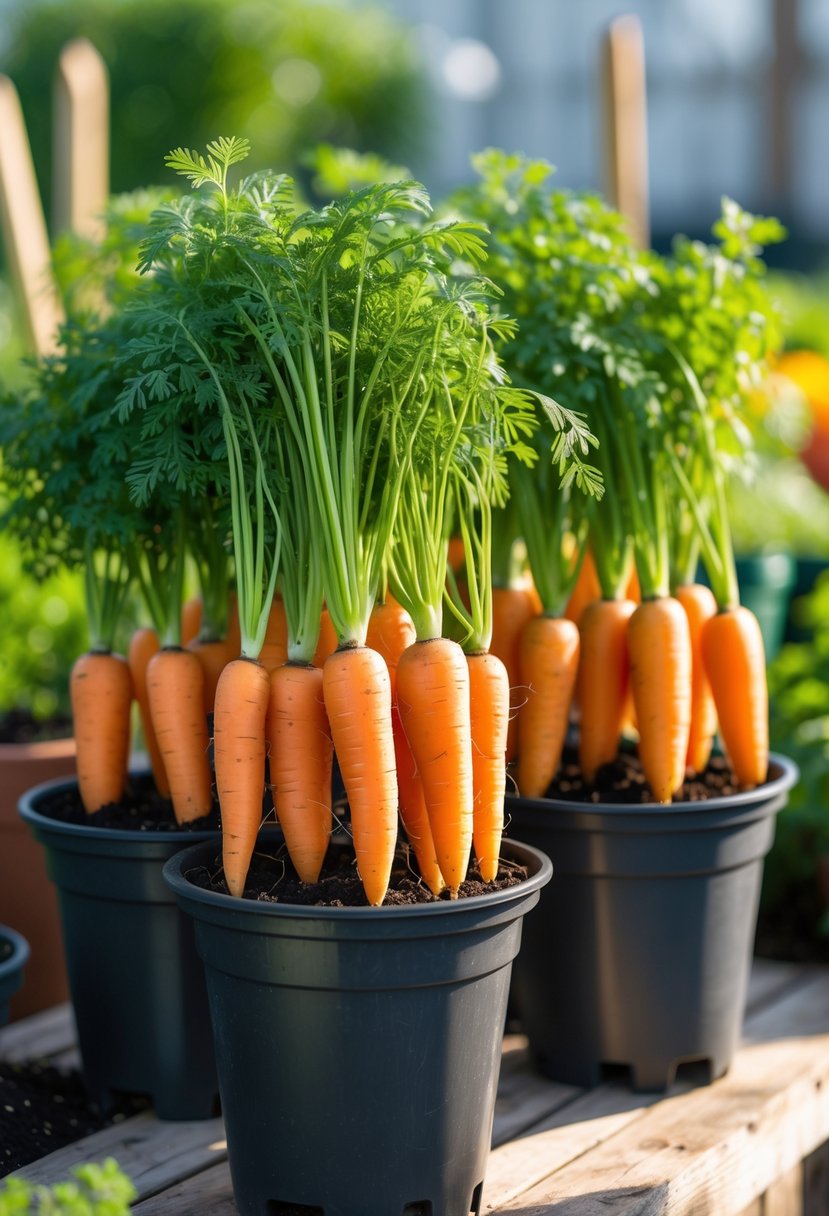
Carrots need enough space for their roots to grow straight and long. Choose deep pots that are at least 10 to 12 inches deep for most carrot varieties. If you want to grow longer carrots, look for pots that are 20 inches deep or more.
Narrow pots work well because they help support the carrot roots and keep them growing down instead of spreading out. Make small grooves or trenches in the soil before sowing seeds to guide where you plant. This helps keep seeds in place when you water.
Use loose, well-draining soil so the roots can easily grow without resistance. Avoid compacted soil because it can cause carrots to grow crooked or stunted. Water the soil gently to keep it moist but not soggy.
If you want your carrots to grow well in containers, pick varieties suited for pots. Most common types will do fine as long as they have enough room to develop their roots below the surface. A deep, narrow pot gives carrots space to grow straight and be harvested easily.
13) Zucchini in large containers
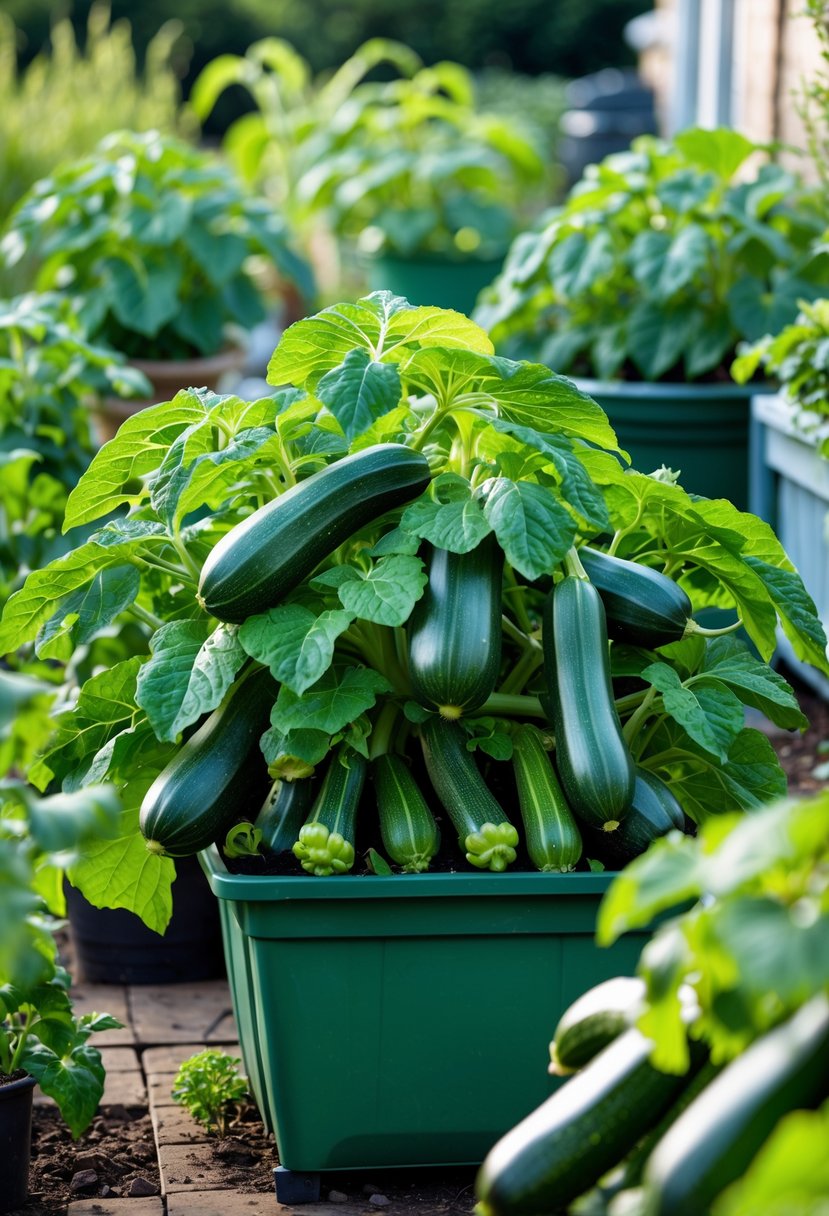
You can grow zucchini successfully in large containers. Choose pots that hold at least 20 gallons of soil to give the roots room to grow well. This size helps the plant stay healthy and produce fruit.
Make sure your container has good drainage holes. Zucchini plants need plenty of sunlight, at least 6 hours a day. Place the container in a sunny spot.
Use quality potting soil mixed with compost. Water regularly, keeping the soil moist but not soggy. Check often because container soil can dry out faster than garden soil.
Zucchini plants can get big, so give them space to spread. You may also try smaller zucchini varieties if your container area is limited.
With the right care, you can get several zucchinis from your container plant. They grow fast and respond well to feeding with balanced fertilizer every two weeks.
14) Cucumbers trained on small trellises
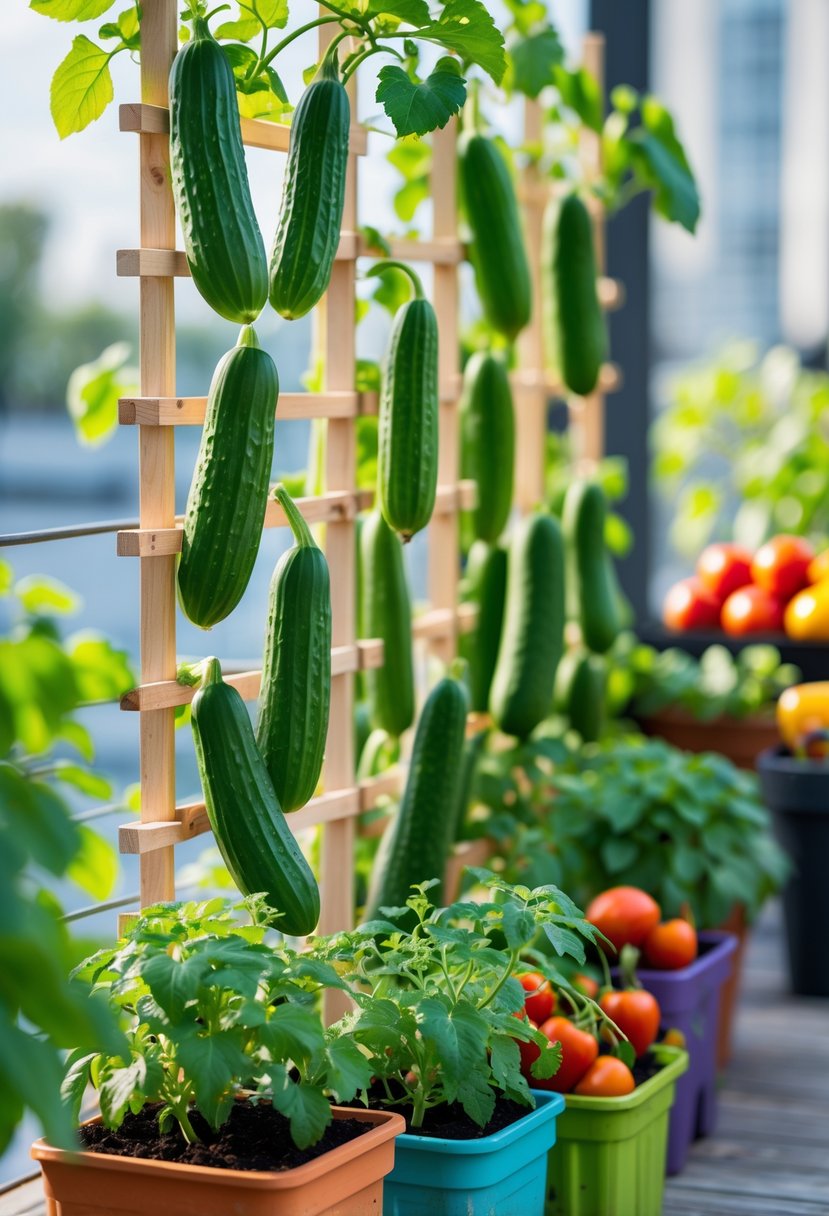
You can grow cucumbers in containers by using small trellises to save space. Training the vines to climb a vertical support helps keep the plants healthy. It also makes picking cucumbers easier and can reduce diseases caused by ground contact.
Start by placing a trellis that is about 5 to 6 feet tall in your container. When the cucumber vines are young, gently tie them to the trellis with soft garden twine. Check the plants regularly and guide the tendrils toward the support as they grow.
Small trellises can be made from simple materials like wooden stakes, mesh wire, or string. This setup works well in limited spaces such as balconies or patios. Growing cucumbers vertically also frees up room underneath for planting other small vegetables or herbs.
Make sure your container has good soil and proper drainage to support the cucumber plants. With regular watering and sunlight, your cucumbers should climb the trellis and produce fruit efficiently in a small space.
15) Swiss chard in versatile containers
Swiss chard grows well in many types of containers. You should choose a pot at least 15 inches wide and 8 inches deep. This gives the roots enough space to develop and helps the plant stay healthy.
This vegetable is good for partial shade, so it works well if your container garden does not get full sun all day. You can place it with other plants, like nasturtiums or sweet alyssum, to make your container look colorful.
Swiss chard comes in many colors, which adds a nice touch to your garden. It is easy to pick leaves for cooking because it grows upright. You should use soil that drains well and keep the soil moist but not soaked.
Though Swiss chard can tolerate some neglect, it grows best with regular watering and good care. It is tasty in many dishes like soups and sautés. Growing it in containers makes it easy to move as needed, depending on your garden’s light and space.
Container Selection & Preparation
The containers you pick and how you prepare the soil affect the growth of your vegetables. Proper size, material, and drainage are key. Using the right soil mix keeps roots healthy and supports strong plants.
Choosing the Right Containers
Select containers that are large enough for the vegetables you want to grow. For example, tomatoes need at least a 5-gallon pot, while smaller vegetables like lettuce do well in 1- to 3-gallon pots.
Materials matter. Plastic pots hold moisture longer but can trap heat. Clay pots allow air flow but dry out faster. Choose based on your climate and watering habits.
Make sure containers have drainage holes. Without drainage, water can pool and cause root rot. If holes are missing, drill some before planting.
Soil Quality and Drainage Considerations
Use high-quality potting mix designed for containers, not garden soil. Potting mix drains well and has enough air space for roots to breathe.
You can add perlite or vermiculite for extra drainage and moisture retention. Avoid heavy soils that stay soggy.
Layer the bottom of your container with small stones or broken pottery to improve drainage. Check soil moisture often to keep it balanced—not too dry or too wet.
Effective Plant Care in Container Gardens
To keep your container vegetables healthy, focus on giving them the right amount of water, nutrients, and protection from pests. These steps help your plants grow strong and produce well in limited space.
Irrigation Strategies
Containers dry out faster than garden beds, so you need to check soil moisture often. Water your plants when the top inch of soil feels dry. Use a watering can or hose with a gentle spray to avoid washing soil out.
Water deeply to encourage roots to grow down. Avoid frequent shallow watering. Early morning is the best time to water to reduce evaporation and fungal problems.
Consider using self-watering containers or adding mulch on top of the soil to keep moisture longer. Too much water can cause root rot, so make sure your pots have good drainage holes.
Fertilizing Protocols
Vegetables in containers need regular feeding since nutrients wash out with watering. Use balanced, water-soluble fertilizer every two weeks during the growing season.
Follow the instructions on the fertilizer package to avoid overfeeding, which can hurt your plants. Slow-release fertilizers mixed into the soil when planting can also help provide steady nutrients.
Pay attention to the needs of specific vegetables. Leafy greens like Swiss chard benefit from more nitrogen, while fruiting plants like tomatoes need more potassium and phosphorus.
Managing Pests and Diseases
Inspect your plants regularly for pests like aphids, spider mites, and whiteflies. Remove pests by hand or spray plants with insecticidal soap or neem oil.
Keep your containers clean and avoid overcrowding to reduce disease risks. Remove dead leaves and spent plants promptly.
Good air circulation around containers helps prevent fungal infections. Rotate crops each season if possible to reduce pest buildup in the soil.
Frequently Asked Questions
You need to match container sizes to the type of vegetable for best growth. Drainage and sunlight are key factors for healthy plants. Choosing the right pairs and arranging containers well can improve space and yield.
What are the best vegetables to grow in small containers?
You can grow arugula and spinach in shallow containers. Dwarf tomatoes like ‘Micro Tom’ do well in small pots around 12 inches deep. Bush beans also fit nicely in pots at least 12 inches deep.
How do I ensure proper drainage for vegetables in container gardens?
Use containers with drainage holes at the bottom. Add a layer of small stones or broken pottery inside to help water flow. Avoid letting water sit in trays under pots for too long.
Can you give me some creative ideas for arranging a vegetable garden in containers on a patio?
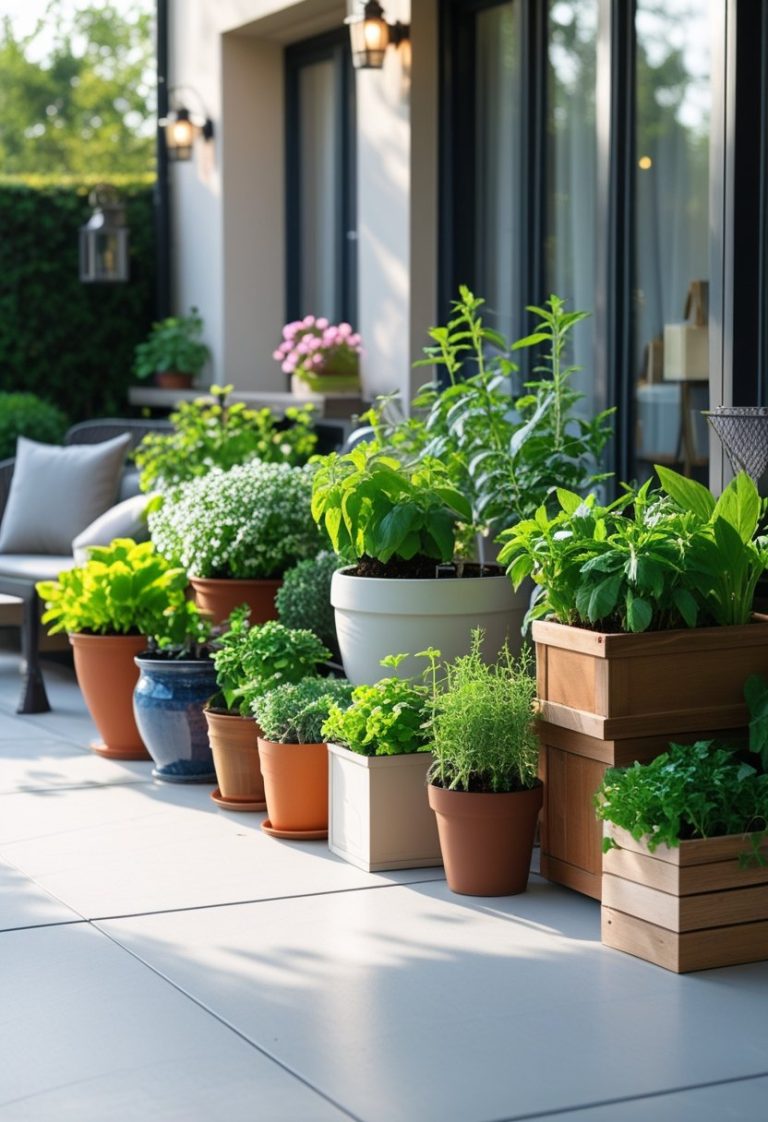
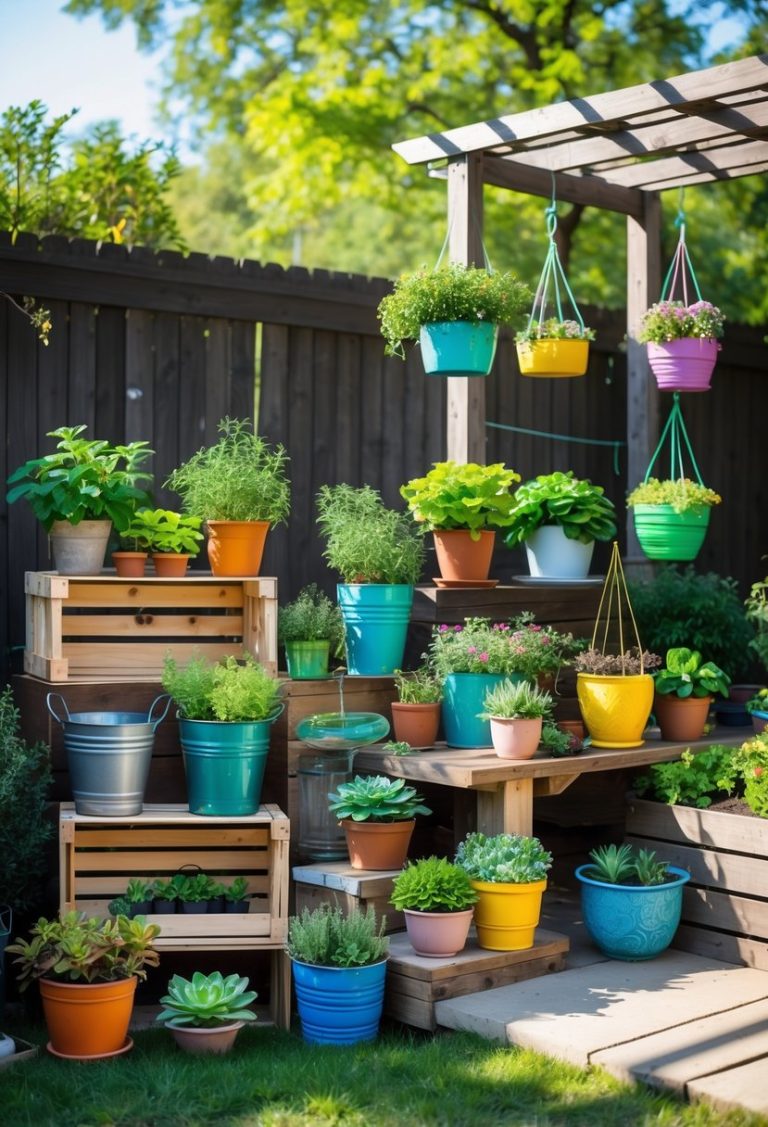
Place taller plants like cherry tomatoes in deeper pots at the back or corners. Use smaller containers with quick-growing greens like arugula in front. Group containers by sun exposure, turning them periodically for even light.
What is the ideal container size for growing root vegetables like carrots and beets?
Use containers at least 10 to 12 inches deep. This depth allows roots to grow straight and fully. Wide pots give you space to plant several root veggies without crowding.
Which vegetables can be paired together in the same container for companion planting?
Plant spinach or arugula with bush beans to save space. Avoid planting large, heavy feeders like tomatoes with leafy greens in the same pot. Choose plants with similar light and water needs.
Are there any tips for maximizing yield in a container vegetable garden?
Give your plants at least six hours of direct sunlight. Rotate pots regularly for even light. Water consistently and feed with balanced fertilizer. Thin seedlings early to avoid overcrowding.