13 Minecraft Vegetable Garden Ideas for Efficient and Creative Farming Designs
Creating a vegetable garden in Minecraft can add both beauty and function to your world. Whether you want fresh food for your character or a peaceful green space, gardening helps you customize your environment.

This article will give you 13 clear and practical ideas for building vegetable gardens that fit different styles and needs in Minecraft. These ideas will help you make the most of your space while keeping your garden organized and useful.
1) Compact Staircase Garden

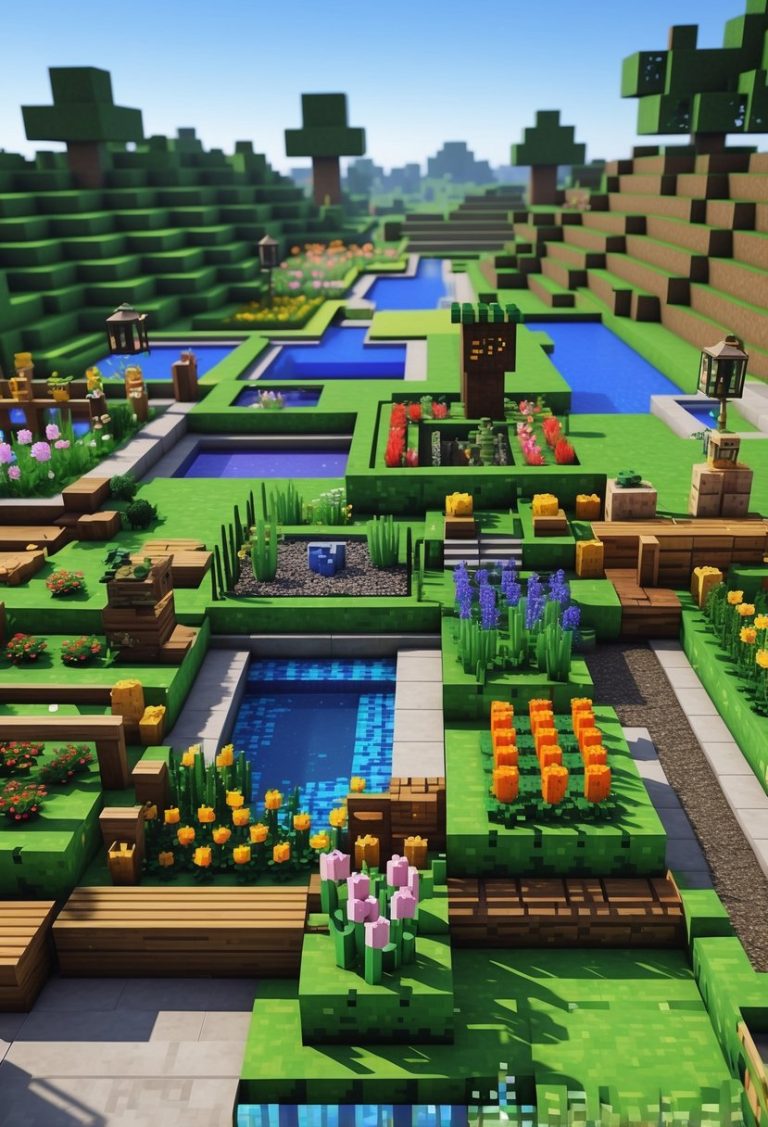
You can build a vegetable garden using a staircase design. This layout stacks small garden plots on top of each other in steps. It saves space and works well if you have a limited area.
Each step can hold different crops like carrots, potatoes, or wheat. You can use blocks such as stone, andesite, or wood for the stairs. Adding trapdoors or fences helps keep the crops safe.
This design is simple to build and easy to maintain. It fits well near your house or inside your base. The compact setup lets you grow many vegetables without taking up much room.
2) Japanese Zen Vegetable Garden

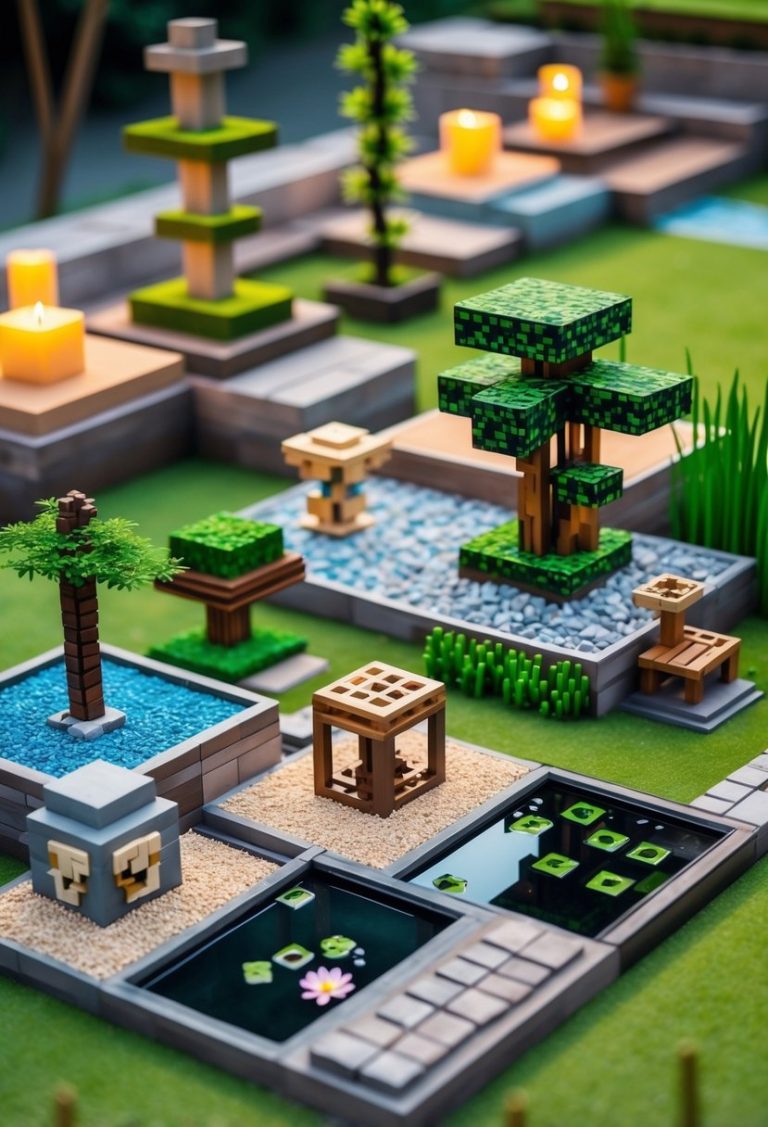
You can create a Japanese Zen vegetable garden in Minecraft by combining simplicity with natural beauty. Use clean lines and minimalistic design to keep the garden calm and organized. Plant rows of vegetables like carrots, potatoes, or beetroot in neat sections.
Add elements like small gravel paths or stone slabs to divide the garden areas. Include bamboo or small trees nearby to enhance the traditional feel. Water channels made with slabs or water blocks help keep the garden functional and peaceful.
Keep the colors balanced by mixing green vegetables with soft flowers or mossy blocks. This style focuses on quiet harmony, so avoid clutter and keep decorations simple but meaningful. Your garden will feel both useful and relaxing.
3) Greenhouse Vegetable Patch

You can create a greenhouse to grow your vegetables year-round in Minecraft. Use glass blocks or panes to build the walls and roof. This allows natural light to come in, helping your crops grow faster.
Inside, set up tilled soil with water nearby to keep plants hydrated. You can plant carrots, potatoes, wheat, or any crops you like. The enclosed space protects your garden from mobs and weather.
Adding some leaf blocks or vines around the glass can make your greenhouse look more natural. Keep the design simple or modern, depending on your style. A greenhouse keeps your vegetable patch organized and productive.
4) Raised Bed Vegetable Garden

You can build raised beds easily in Minecraft by stacking blocks to form walls around a soil area. This keeps your crops organized and helps you manage space well.
Raised beds work best on flat land where you can place water close by. Water kept near the soil helps your vegetables grow faster.
You can use different materials like wood, stone, or bricks for the bed borders. This adds style and matches your overall garden design.
Arranging your beds in rows or patterns makes it easier to tend your crops. It also helps you keep track of the vegetables you are growing.
Raised beds give your garden a neat look and improve your farming efficiency. You can customize them to fit any space or style you want.
5) Water-Adjacent Garden for Hydration

You can improve your garden’s growth by placing crops next to water. A single block of water hydrates farmland in a 9×9 square around it. This helps your crops grow faster and stay healthy.
Make sure your water source touches the tilled soil. Crops like sugar cane must be planted directly next to water to grow. For other vegetables, water nearby keeps the soil hydrated.
You can also create water channels through your garden. This lets you reach more farmland with fewer water blocks. It saves space and keeps your garden organized.
6) Mixed Crop Spiral Garden

You can create a mixed crop spiral garden to save space and add variety. Start by building a spiral shape using dirt or blocks that curve upward.
Plant different crops on each level of the spiral. For example, place wheat at the bottom, carrots in the middle, and potatoes near the top.
This design helps you grow multiple vegetables in a small area. It also looks neat and organized while making it easy to harvest.
Water each level carefully to keep all plants hydrated. You can use water blocks or place the spiral near a water source to keep your crops growing well.
7) Colorful Flower Border Garden

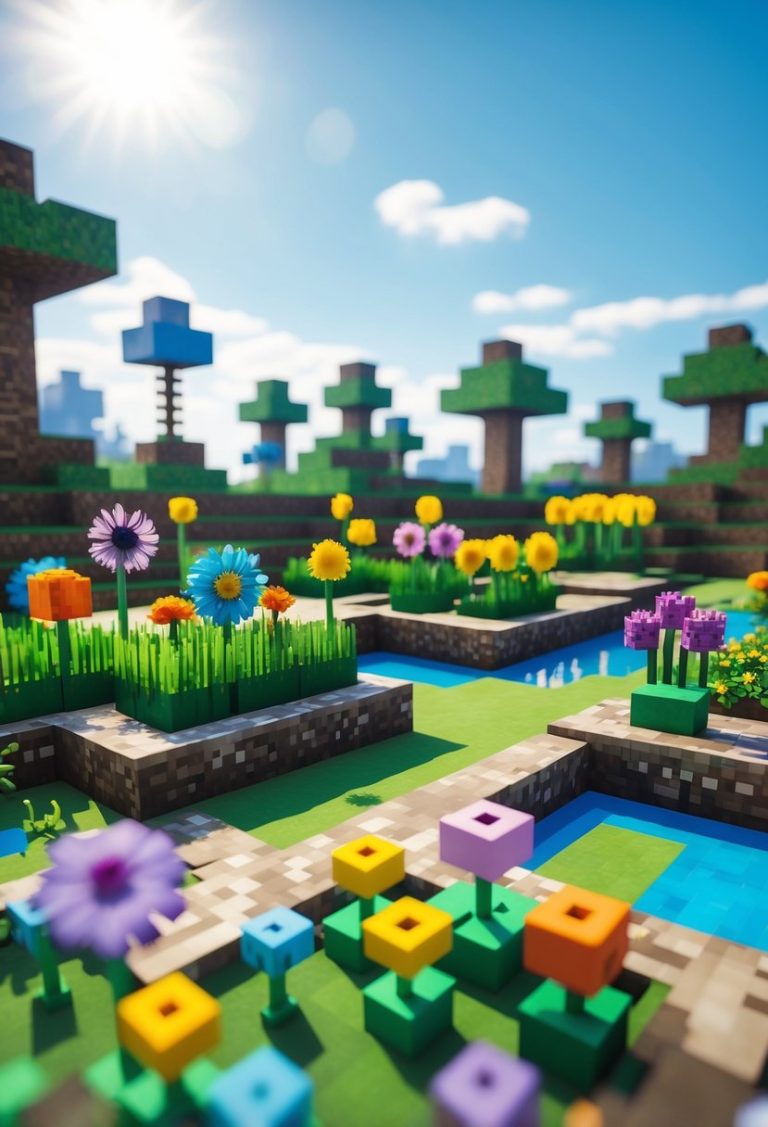
You can use a variety of flower types to create a bright and attractive border around your vegetable garden. Mixing colors like red, yellow, blue, and white will make the space more lively and inviting.
Plant the flowers along the edges of your garden plots. This helps define the area clearly and adds a natural decorative touch that breaks up the plain dirt or grass.
This type of border also helps guide your character as you work in the garden. It makes it easier to find different sections while adding a simple, beautiful design element to your Minecraft world.
8) Vertical Bamboo and Sugar Cane Garden
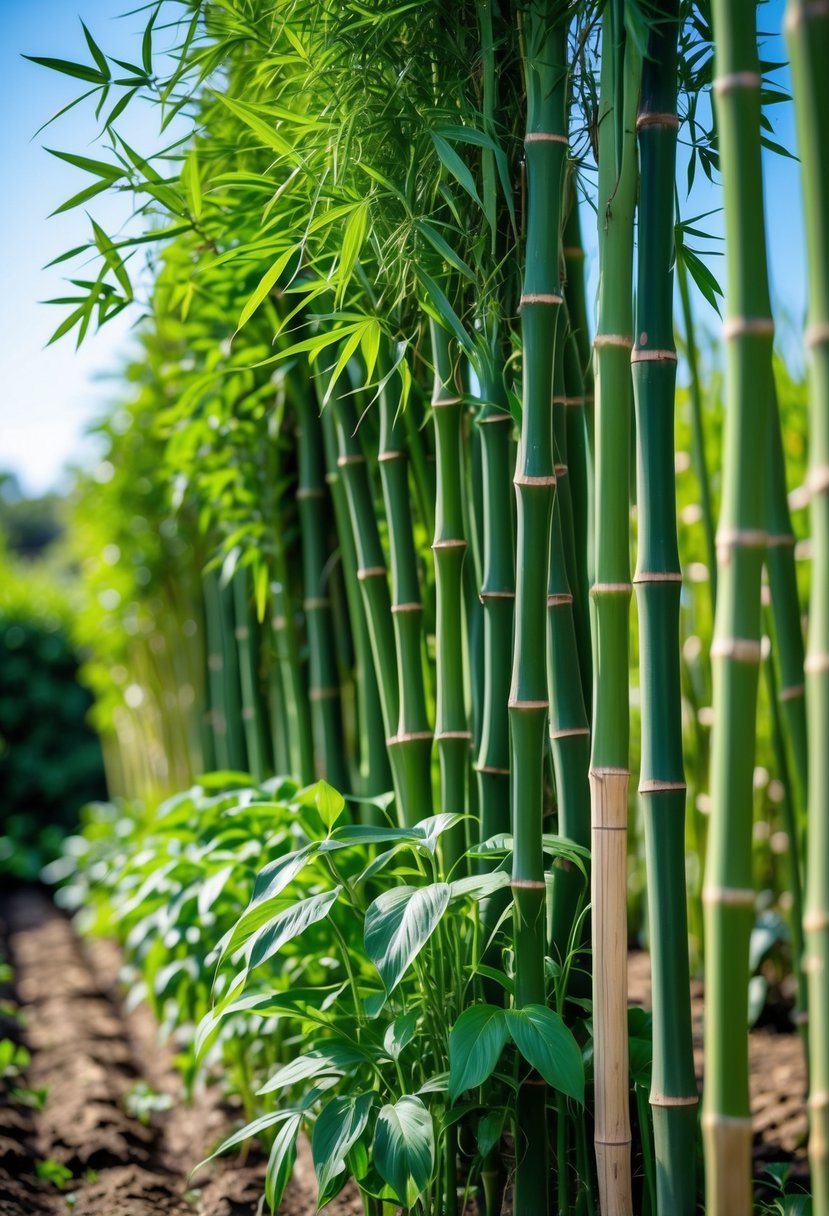
You can save space by growing bamboo and sugar cane vertically. Build tall columns using blocks and plant bamboo or sugar cane on top or beside them. This method lets you fit more plants in a small area.
Make sure the plants have water nearby to grow. Sugar cane must be next to water, while bamboo only needs dirt or grass blocks. Both grow quickly with enough light.
This garden type is easy to harvest. You can cut the plants near the base and they will grow back fast. It also adds a nice natural look to your Minecraft space.
9) Small Courtyard Vegetable Garden

You can create a vegetable garden even in a small courtyard in Minecraft. Use raised beds to save space and keep your crops organized. Raised beds help control soil quality, making it easier to grow healthy vegetables.
Plan your layout carefully. Arrange different crops in small plots to make the most of limited room. Adding simple paths between beds lets you move around without stepping on plants.
Incorporate some decorations like fences or lamps to make the space more inviting. Small courtyard gardens are practical and fit well in tight areas while giving you fresh food in the game.
10) Minimalist Zen Rock Garden with Herbs
You can create a simple and peaceful vegetable garden by combining a Zen rock garden with herbs. Use a few carefully placed stones to keep the space clean and calm. This minimalist style helps avoid clutter and makes your garden easy to maintain.
Plant small herbs like basil, thyme, or rosemary between the rocks. These herbs fit well in tight spaces and add useful plants to your garden. The rocks help separate the herbs and give your garden a neat look.
This style works well if you want a relaxing garden space with practical plants. It also requires fewer blocks and tools, which is helpful if you want a quick build. You can enjoy both beauty and function in one simple garden design.
11) Multi-Tiered Planter Boxes
Multi-tiered planter boxes let you grow many types of vegetables in a small space. You can stack different levels to fit more plants while keeping everything organized and easy to reach.
Using stairs, slabs, or blocks helps create these levels. This design also adds depth to your garden and makes it look neat.
You can plant vegetables that need more sunlight on the top tiers. Shade-loving plants go on the lower levels. This way, each plant gets the right amount of light.
Building multi-tiered planter boxes is simple and fits well in many Minecraft gardens. It helps you maximize space while keeping your garden tidy.
12) Rustic Wooden Fence Enclosed Garden
You can build a rustic wooden fence around your Minecraft vegetable garden for a simple and natural look. Using weathered or different types of wood adds character to your space. Oak, spruce, or birch wood fences work well for this style.
The fence helps keep animals and mobs from trampling your crops. It also defines the garden area clearly. You can add small details like wooden gates or mossy blocks to enhance the rustic feel.
This type of fence pairs nicely with other natural elements like dirt paths or flower patches. It creates a cozy, farm-like atmosphere while protecting your vegetables efficiently.
13) Pathway-Lined Vegetable Rows
You can improve your garden by adding pathways between your vegetable rows. This makes it easier to walk through and tend to your plants without stepping on them.
Use blocks like dirt paths, stone bricks, or wood planks to create clear walkways. These materials stand out and guide you through the garden.
Lining your rows with pathways also helps organize the space. It makes your garden look neat and shows where each type of vegetable grows. This method is simple but effective for both small and large gardens.
Key Benefits of Vegetable Gardens in Minecraft
Building a vegetable garden in Minecraft helps you stay fed and makes your world look better. It also provides useful materials you can use for crafting and survival. These gardens add value beyond just growing food.
Sustainable Food Sources
Your vegetable garden creates a steady supply of food, so you don’t have to keep searching or hunting. Crops like carrots, potatoes, and wheat help restore your hunger and keep your health up.
Growing food means you can cook meals like soups and stews, which are more effective at restoring hunger than raw items. Some recipes, like pumpkin pie or rabbit stew, need specific vegetables, so having a garden nearby saves time.
You also get a renewable source. Rather than relying on animals or fishing, your planted crops keep growing as long as you water and harvest them properly.
Aesthetic Landscaping Advantages
A vegetable garden isn’t just practical; it adds charm to your build. When you arrange rows or patterns of colorful crops, it creates an inviting and organized space.
You can mix flowers or decorative blocks near the garden to improve its appearance. Adding fences or pathways around your crops keeps it neat while preventing mobs from trampling them.
Besides the traditional garden look, you can design unique styles like small farm plots, terraced gardens, or vertical planting areas. This enhances your world’s beauty and makes your base feel more alive.
Tips for Efficient Minecraft Garden Design
To build an efficient vegetable garden, focus on organizing your plants for easy access and fast growth. Using proper light and water setups helps your crops grow better and stay healthy.
Optimal Layout Strategies
Plan your garden in neat rows or blocks, so each plant gets enough space to grow. Group similar crops together, like carrots with potatoes, to make harvesting faster.
Use fences or walls around your garden to protect plants from mobs. Paths between rows improve your movement and make it easier to tend your crops.
You can also use raised beds made of wood or stone to separate different types of vegetables. This keeps your garden tidy and helps you find plants quickly.
Irrigation and Lighting Techniques
Water is key for crop growth in Minecraft. Place water sources every four blocks to keep nearby farmland hydrated. This prevents plants from drying out and growing slowly.
For lighting, use torches or redstone lamps to keep your garden bright at night. This stops hostile mobs from spawning and allows your crops to grow 24/7.
Make sure lights are placed above or beside plants but avoid blocking their growth space. Proper light levels support faster crop maturation and protect your garden area.
Frequently Asked Questions
You can make your garden work well by choosing smart layouts and using the right crops. Small gardens fit better in tight spaces, while simple designs help if you’re new to the game. Protecting your garden and adding features like ponds also improve its look and function.
What are some efficient layouts for a vegetable garden in Minecraft survival mode?
You can use a compact staircase garden to save space and grow many crops in a small area. Raised bed gardens are easy to organize and help with watering. Arranging crops in rows near water sources keeps plants hydrated and healthy.
How do I create a small, space-saving vegetable garden in Minecraft?
Try using vertical layers or stacking garden beds to make the most of limited space. A Japanese Zen vegetable garden uses clean lines and minimal space effectively. Using fence blocks and slabs can also help separate areas without taking extra room.
What are some simple designs for first-time players building a vegetable garden in Minecraft?
Start with a greenhouse vegetable patch for control over light and water. Raised beds are simple to build and maintain. Plant basic crops like carrots, potatoes, and wheat to keep things easy and productive.
Which crops are best to include in a Minecraft vegetable garden for food sustainability?
Wheat, carrots, and potatoes are reliable for steady food supply. Beetroot offers another good option for variety. All these crops grow quickly and are easy to harvest, so you can stay fed during survival mode.
How can I incorporate a water feature like a pond into my Minecraft vegetable garden design?
Build a small pond near your garden to keep crops hydrated naturally. Water-adjacent gardens make it easy to irrigate crops without extra tools. You can shape the pond with stone or wood blocks for a neat, natural look.
What are creative ways to protect my Minecraft vegetable garden from mobs?
Use fences and gates around your garden to block mobs from trampling crops. Place torches or lanterns nearby to stop mobs from spawning. You can also add walls or a moat as extra barriers to keep your garden safe.