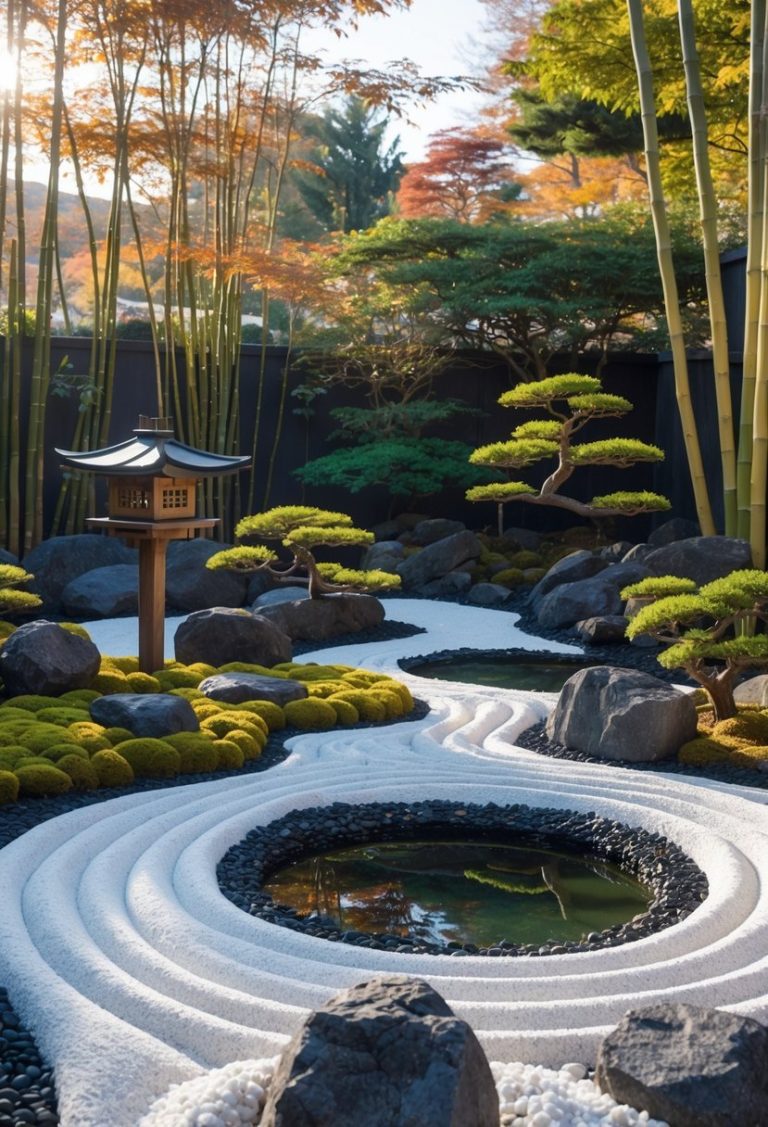
13 Indoor Zen Garden Ideas to Transform Your Space with Calm and Style
Creating an indoor zen garden can bring a sense of calm and balance to your living space. These small, simple gardens use natural elements like stones, sand, and plants to create a peaceful environment. They help reduce stress and provide a quiet place for reflection, even inside your home.
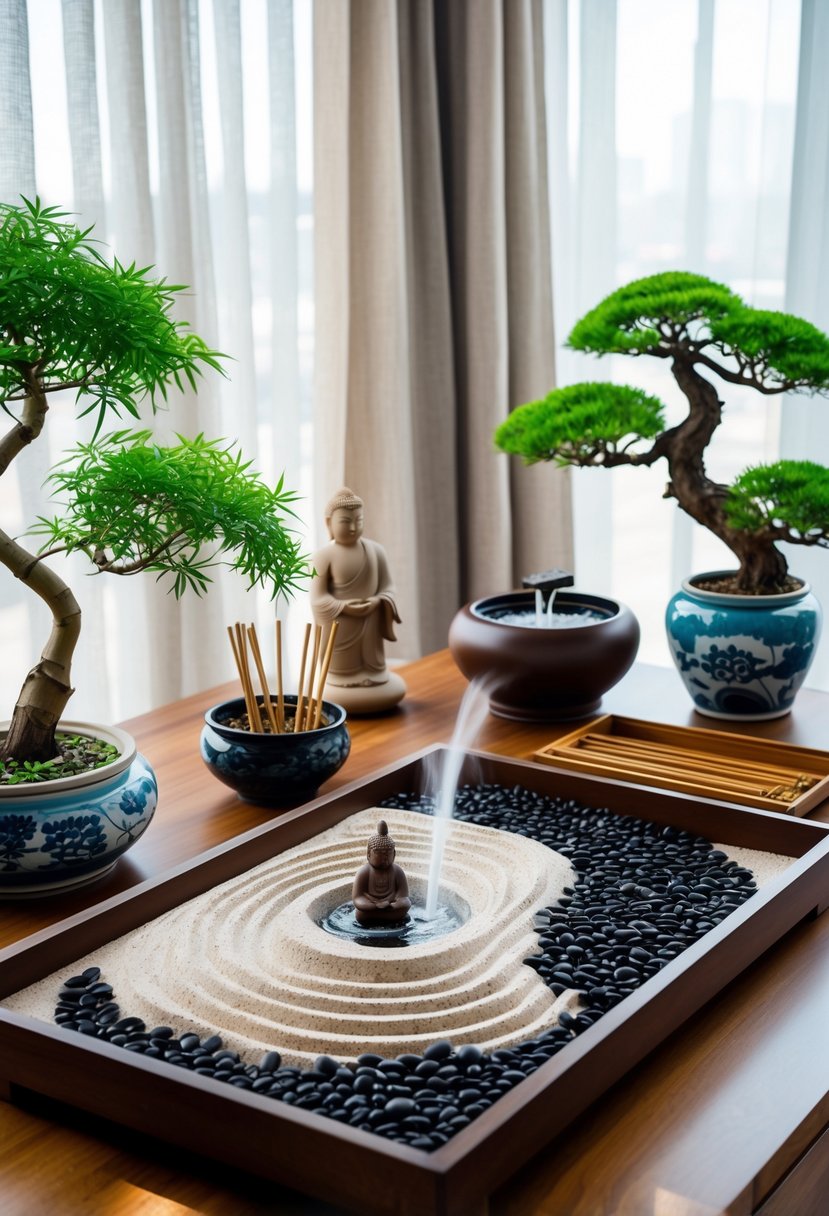
You don’t need a large space or special skills to make an indoor zen garden. With some basic materials and thoughtful design choices, you can create a soothing area that fits your style and needs. This article will help you explore ideas that work for different spaces and tastes.
1) Miniature sand and stone tray with smooth stones
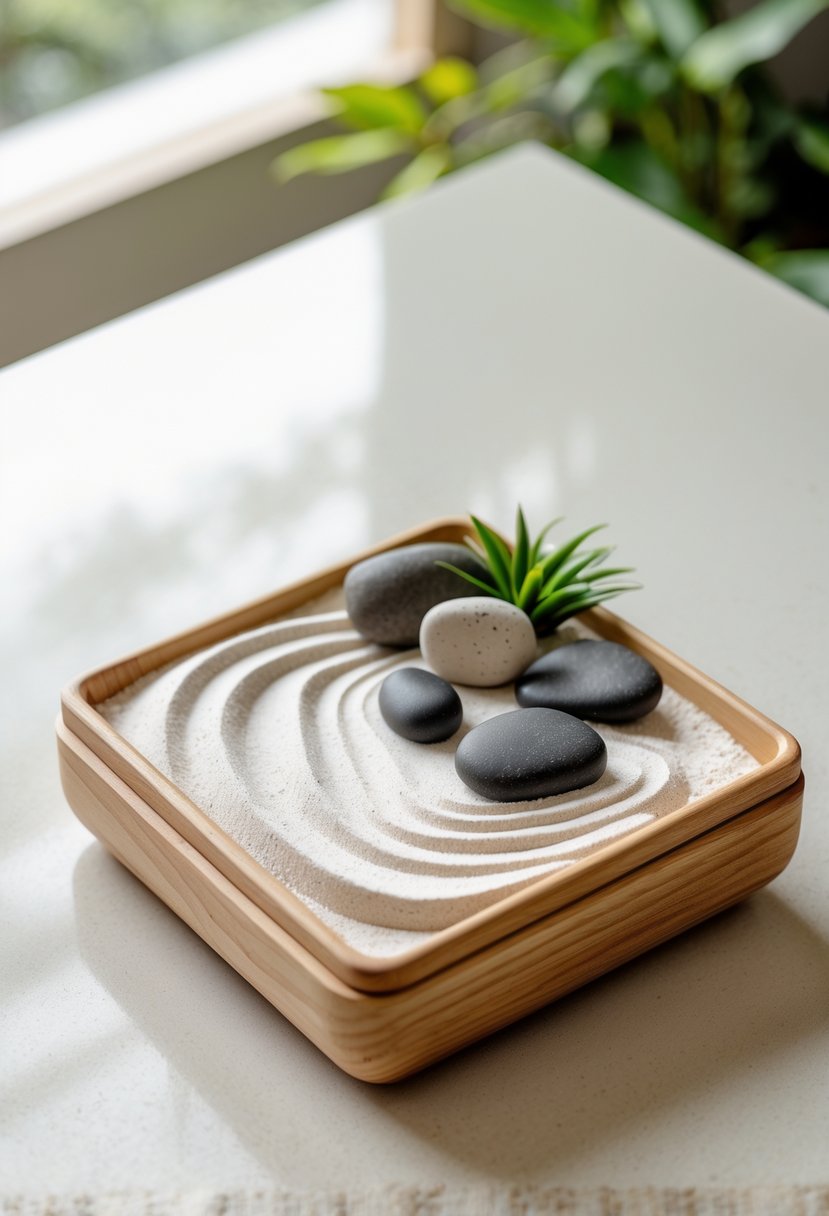
You can create a simple indoor zen garden using a small tray filled with fine sand. Add smooth stones of different sizes to give it a natural look.
Use a tiny rake or a fork to gently draw patterns in the sand. This slow, careful movement can help you focus and relax.
Place your tray on a desk or shelf where you can see it often. It requires little space and offers a quick moment of calm.
2) Succulent planters with white and brown stones
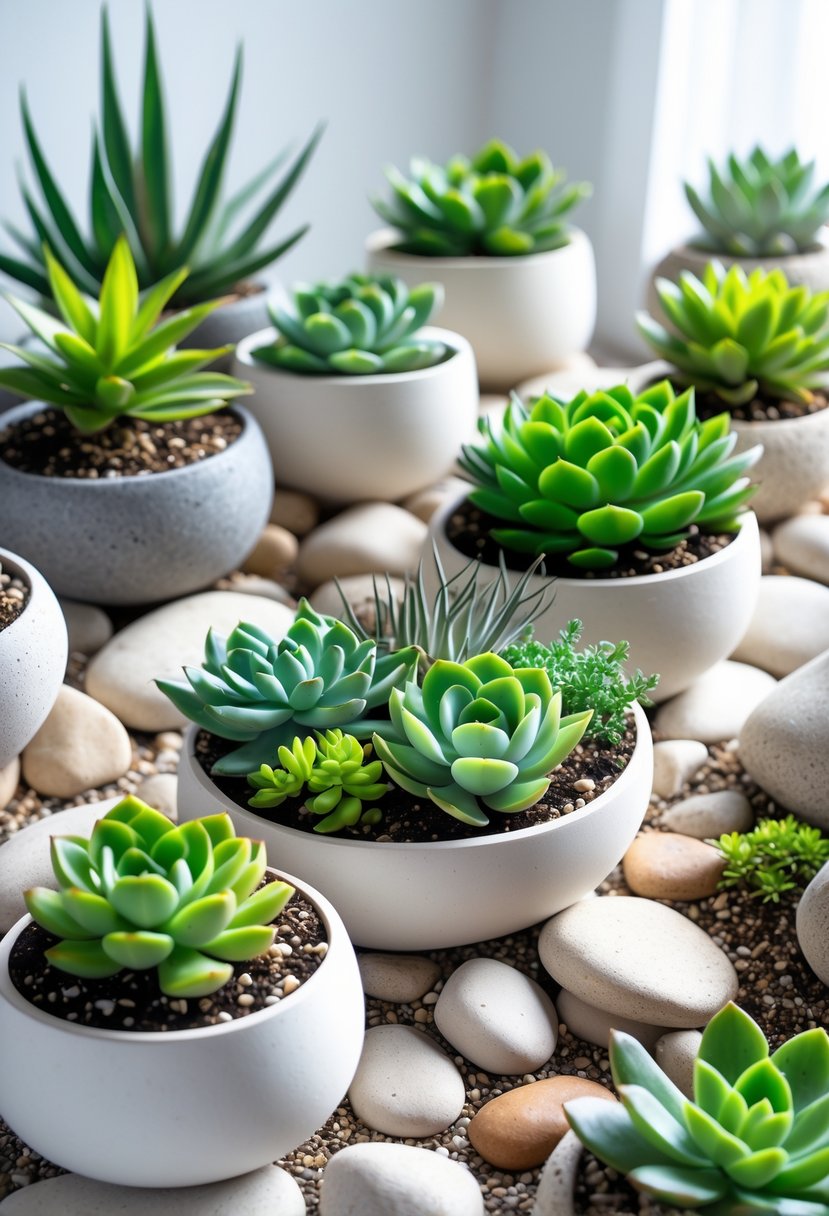
You can create a simple, calming indoor zen garden using succulents with white and brown stones. The stones add texture and contrast, making the green plants stand out.
Using natural tones like white and brown helps the arrangement look balanced and peaceful.
Place your succulents in a shallow planter and scatter the stones around them. This setup is low-maintenance and fits well on shelves or tables.
3) Buddha figurine on a bed of fine sand
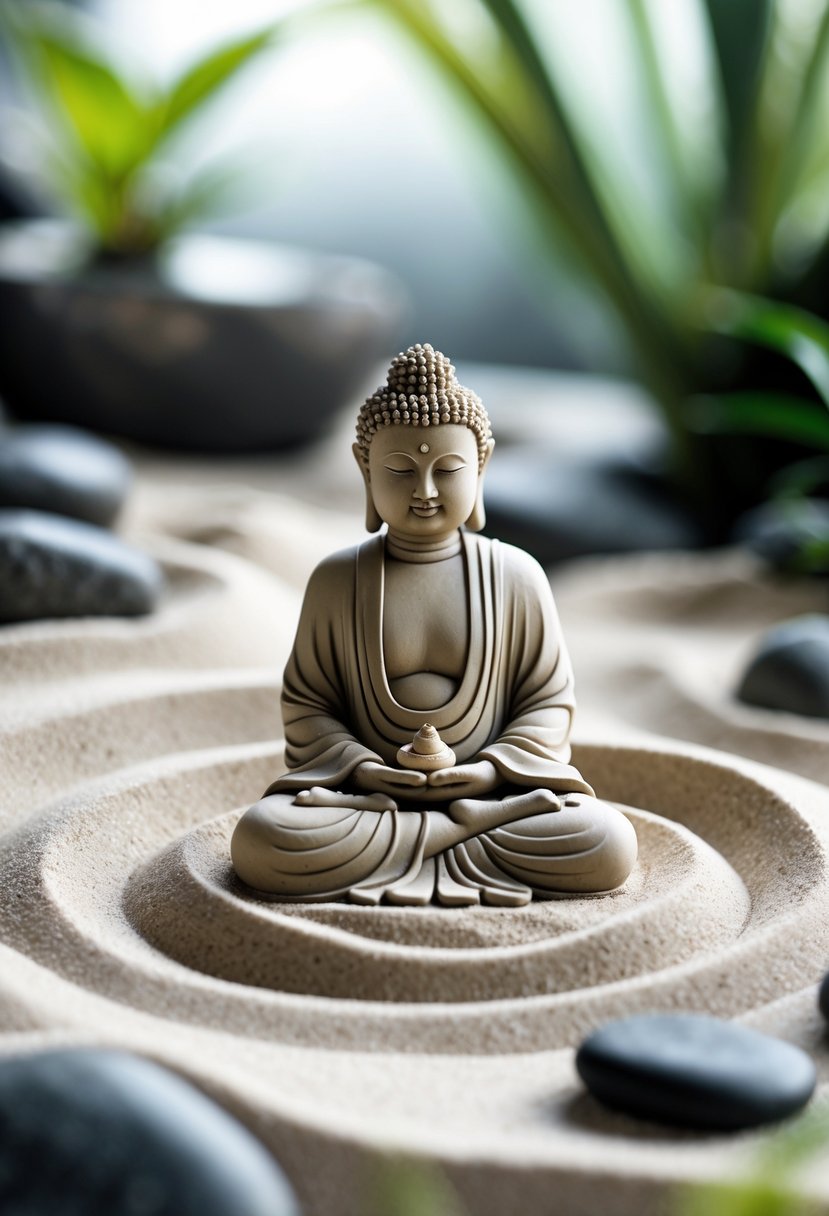
You can place a Buddha figurine on a smooth bed of fine sand to create a simple, calm display. The sand represents water or emptiness, adding softness to the arrangement.
Use small tools to gently shape the sand around the figurine. This can add a subtle design and enhance the peaceful feeling.
This setup works well on a tabletop or shelf. It needs little space but still helps bring a sense of calm to your room.
4) Stone pathway leading to a patio space
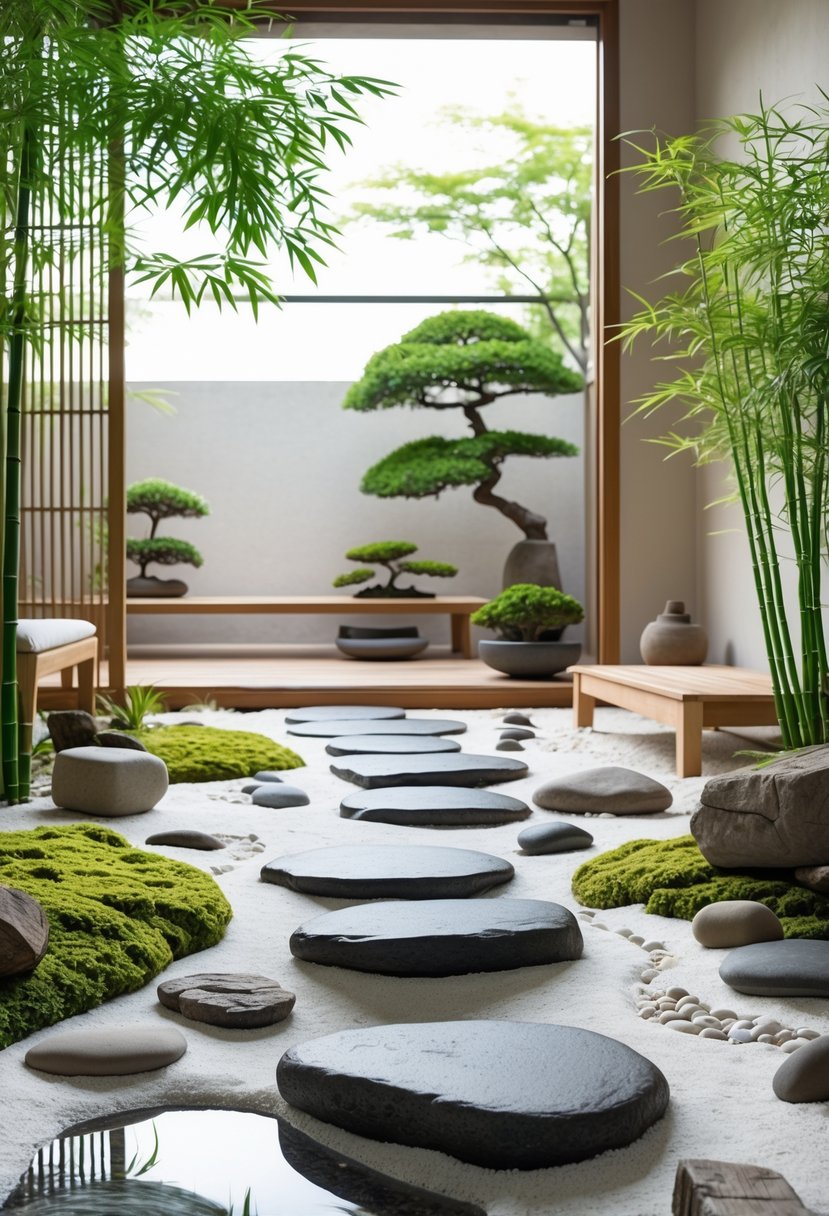
You can create a simple stone pathway inside to lead to your patio or seating area. Use natural stones with different shapes to add texture and interest.
Place the stones irregularly but close enough to walk on comfortably. This helps guide your steps and adds a calm flow to the space.
Adding small plants or moss between the stones can soften the look. It also makes the path feel more natural and peaceful.
5) Bamboo water tap feature
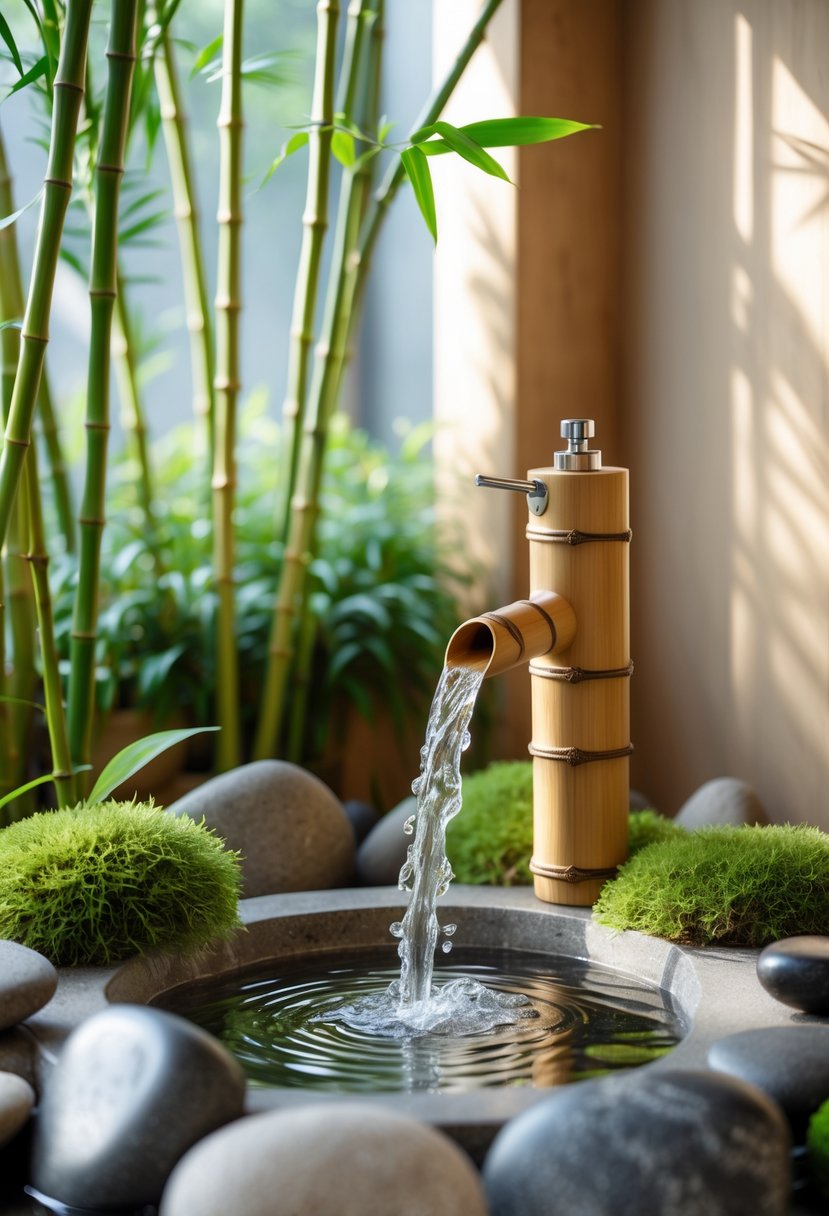
You can add calm to your indoor Zen garden with a bamboo water tap feature. The gentle sound of flowing water creates a peaceful atmosphere.
Bamboo is a strong and eco-friendly material, making it ideal for indoor fountains. It pairs well with small stones or plants around it.
This feature is simple to set up and can fit into many types of spaces. It helps bring nature inside without taking much room.
6) Use of neutral color palettes for tranquility
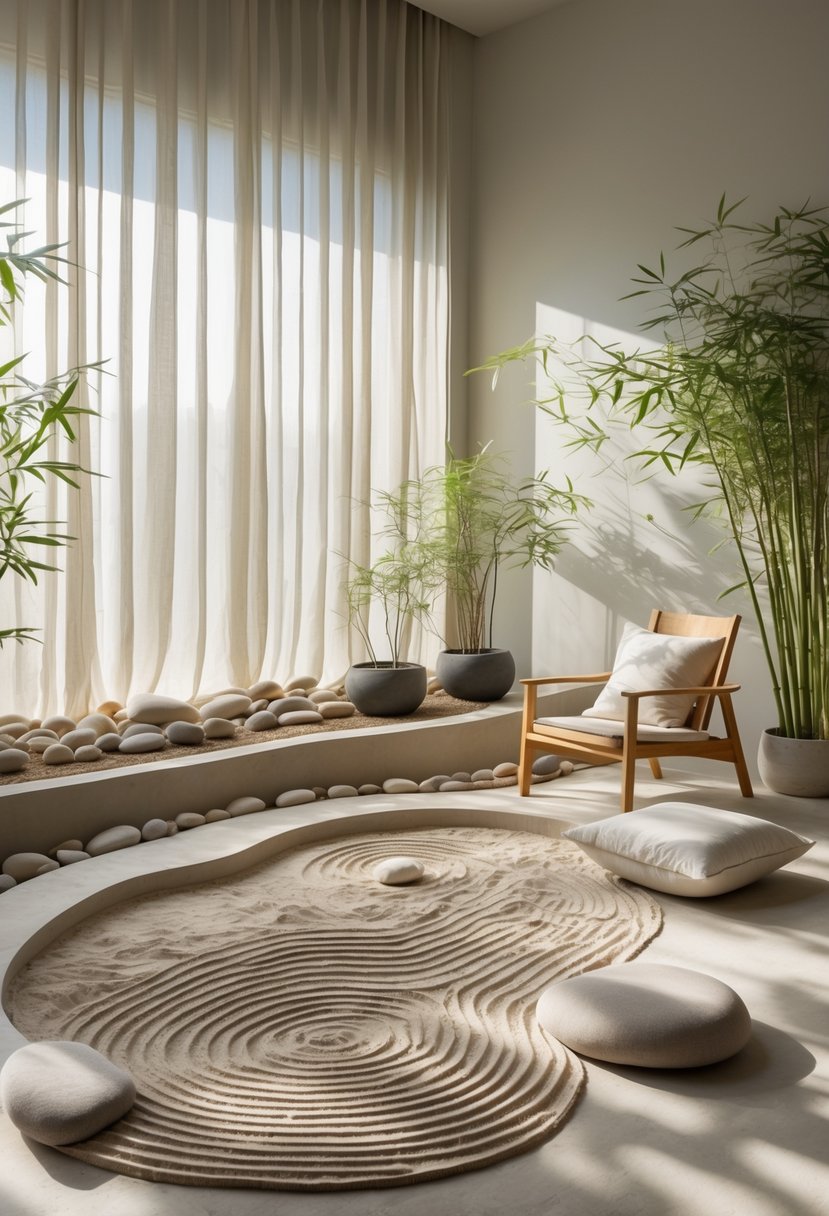
You can create a calm indoor zen garden by using neutral colors. Shades like beige, gray, and off-white help make the space feel peaceful and balanced.
Neutral tones also work well with natural materials like wood and stone. This keeps your garden simple and uncluttered.
By choosing soft and muted colors, your garden will have a soothing effect. It supports relaxation without drawing too much attention.
7) Japanese rock garden with simple rock placements
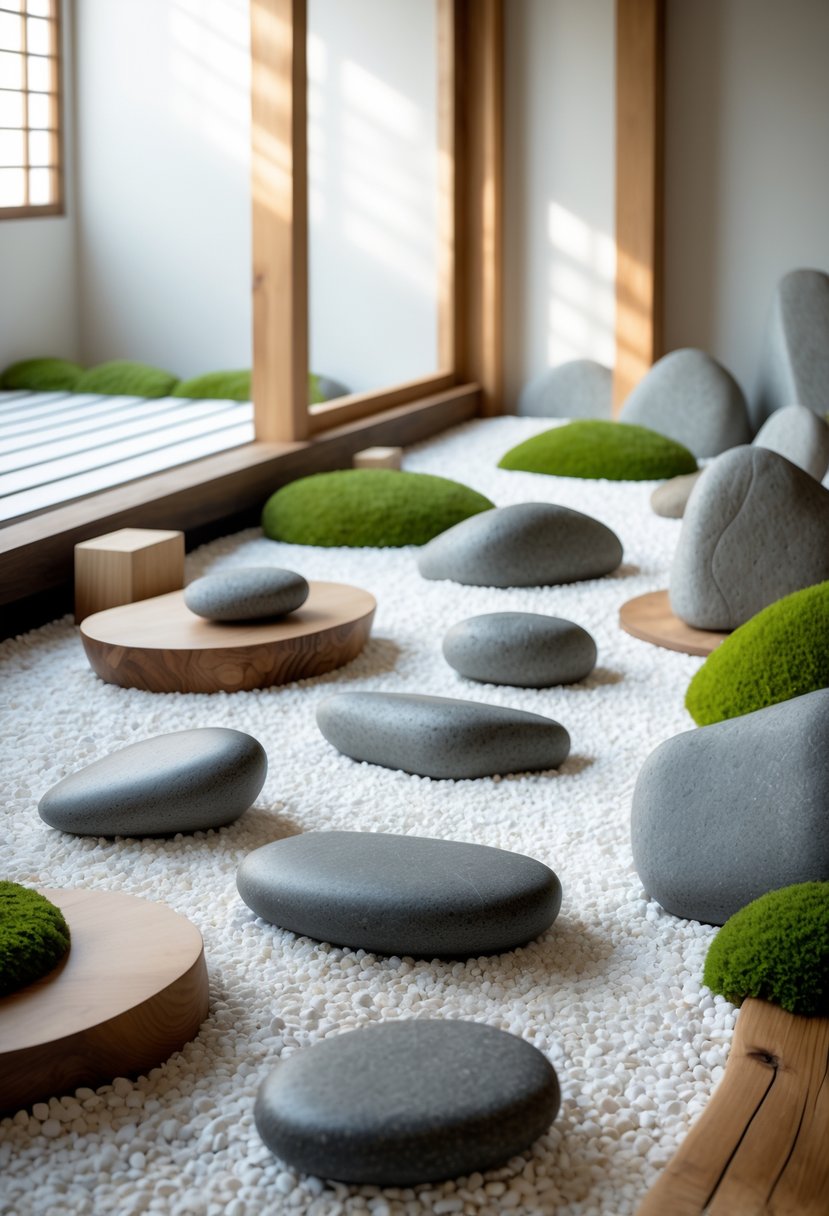
You can create a calm space using just a few carefully placed rocks. Focus on simplicity by arranging stones with space around them.
Use gravel or sand to cover the base and rake simple patterns to add texture. This style helps keep your indoor zen garden low-maintenance and peaceful.
Choosing natural, smooth rocks will give your garden a clean and balanced look. Keep the design uncluttered to promote calmness.
8) Indoor moss garden with natural elements
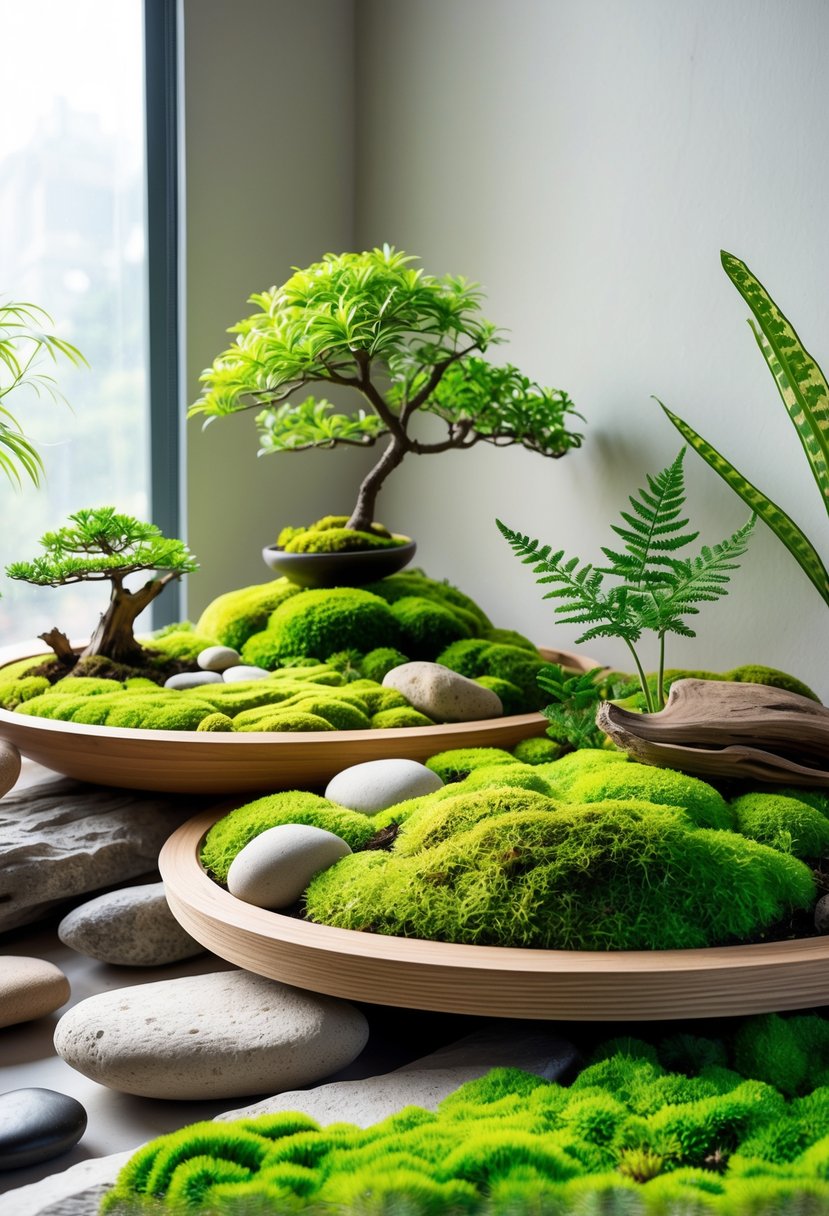
You can create a simple indoor moss garden by combining moss with natural elements like small rocks, sand, and wood pieces. These materials add texture and make the garden feel more balanced.
Place your moss in a shallow dish or tray to keep the moisture in. Arrange the rocks and sand around the moss to give it a calm, natural look.
This setup helps bring a peaceful, natural vibe to your space without needing much care.
9) Succulent-based small zen garden indoors
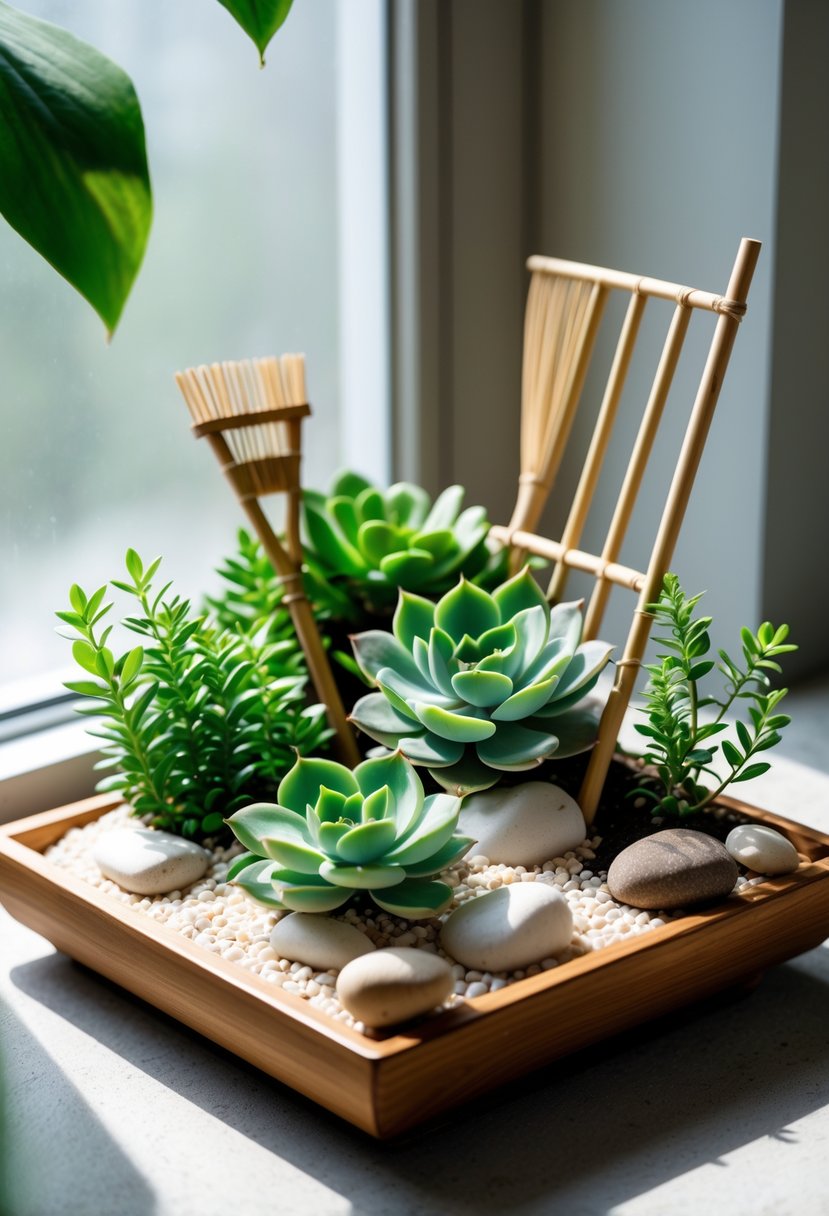
You can create a small zen garden using succulents, sand, and stones in a shallow container. Succulents need little water, making them easy to care for indoors.
Arrange a few mini succulents with smooth river rocks on a bed of sand. Use a small rake to create simple patterns in the sand for a calming effect.
This type of garden fits well on desks or shelves, adding a natural and peaceful touch to your space.
10) Raked sand patterns for mindful relaxation
You can use a small rake to create patterns in the sand of your indoor Zen garden. Straight lines can help you feel calm, while swirls can bring a sense of flow.
Raking sand is a simple activity that helps you focus your mind. The repeating patterns guide your thoughts and support relaxation.
This practice takes patience, but over time, it can enhance your ability to stay present and reduce stress.
11) Large container plants with gravel infill
You can create a calm look by using large containers for your plants. Fill the space around the plants with gravel. This keeps the design simple and clean.
Gravel also helps with drainage, keeping your plants healthy. Using the same color gravel or containers makes the garden look more balanced. This method fits well in an indoor Zen garden setting.
12) Zen garden paths made of wood or concrete stones
You can create a calm walkway in your indoor Zen garden using wood or concrete stones. Wooden slabs or slices add a natural feel and warmth to the space.
Concrete stones can be shaped and arranged neatly to guide movement and add structure. Both materials help separate areas and make your garden feel more organized. A well-designed path invites you to slow down and enjoy the space.
13) Compact indoor zen garden with limited materials
You can create a simple zen garden using basic items like sand, small stones, and a shallow container. Use a glass or ceramic tray to hold your materials neatly.
Add a few small plants like succulents or air plants for low maintenance. A miniature rake or even a fork helps you create patterns in the sand.
Keep it small to fit on a desk or shelf. This setup brings calm without needing many supplies or much space.
Key Elements of a Zen Garden
Creating a Zen garden means using simple, natural materials and arranging them to promote peace and balance. You focus on textures, shapes, and minimal objects that invite calm.
Essential Materials and Tools
You need a shallow container or tray, fine sand or gravel, smooth stones, and small plants like succulents or moss. Rakes with different patterns help create designs in the sand.
Other tools you might need include tweezers to place small stones and a small brush to clean debris. These basics allow you to build and maintain your Zen garden easily.
Your choice of materials affects how much effort the garden needs. For example, sand is easy to rake and reshape. Stones should be smooth and varied in size to create visual interest.
Incorporating Natural Textures
Natural textures give your Zen garden a calming feel. Use sand or gravel to represent water and smooth stones to symbolize mountains.
Plants like succulents or moss add softness without crowding. You want to pick greenery that stays small and needs little care. Their texture contrasts with the roughness of stones.
Adding wood or bamboo elements can bring warmth and a natural scent. Be careful to keep the textures balanced so one element does not overpower the others.
Balancing Minimalism and Tranquility
Zen gardens thrive on simplicity. Keep your design minimal by limiting the number of stones, plants, and decorations. This focus helps parents avoid clutter and distractions.
Arrange rocks and plants with space between them. Use the raked patterns in sand to create flow and movement that feel peaceful.
The key is to find a balance between empty space and natural items. This balance makes your garden a place for rest and reflection without overwhelming the senses.
Care and Maintenance Tips
To keep your indoor Zen garden healthy and beautiful, focus on proper watering, light conditions, and regular cleaning. Watch for signs of stress in your plants and address issues quickly to maintain a calm, balanced space.
Best Practices for Longevity
Water your plants according to their specific needs. Most indoor Zen garden plants, like bonsai and ferns, prefer moist but not soggy soil. Use a spray bottle for misting ferns and mosses to keep humidity up.
Place your garden in indirect light. Low to medium light works best for most plants like Lucky Bamboo and azaleas. Avoid direct sunlight, which can dry out or burn leaves.
Clean leaves and surfaces regularly to prevent dust buildup. Dust can block sunlight and reduce growth. Trim dead or yellowing leaves to keep plants healthy and tidy.
Rotate your plants occasionally to promote even growth on all sides. Check soil moisture with your finger before watering again to avoid overwatering.
Troubleshooting Common Issues
If your plants start to droop or leaves yellow, check for overwatering or underwatering first. Yellow leaves usually mean too much water, while dry, brittle leaves suggest not enough.
Watch for pests like spider mites or scale insects. Use a gentle insecticidal soap or wipe leaves with a damp cloth to remove pests without harming plants.
Brown tips on leaves often mean dry air or mineral buildup. Increase humidity by misting or placing a water tray nearby. Use filtered water if you see white mineral deposits on soil.
If moss stops growing or soil becomes compacted, carefully loosen it with a small tool and add fresh moss or soil to keep the garden lively.
Frequently Asked Questions
You will need specific materials like sand, stones, and small containers to build a Zen garden indoors. Choosing the right plants and layout helps create a calm, balanced space. Incorporating Zen principles adds meaning and peace to your design.
How to create a small Zen garden in an indoor space?
Start with a shallow tray or container that fits your space. Add a layer of fine sand or gravel. Arrange stones or small plants like succulents carefully. Use a small rake or a tool to create patterns in the sand.
What materials are needed for a DIY indoor Zen garden?
You need a sturdy tray or shallow container. Fine sand or white gravel works well as a base. Smooth stones or pebbles add texture. Use small plants like succulents and include decorative items such as a Buddha figurine or bamboo water feature.
What plants are best suited for an indoor Zen garden?
Succulents are a good choice because they need little water and stay neat. Small bonsai trees can work if you can care for them. Bamboo and moss also add a natural, peaceful element that fits the Zen style.
How can I incorporate the 7 principles of Zen into my indoor garden design?
Focus on simplicity by using minimal elements like sand, stones, and one or two plants. Emphasize natural materials and space. Keep the garden tidy and balanced. Use asymmetry and empty space to create calm and encourage meditation.
What is the recommended layout for a peaceful indoor Zen garden?
Create a clear area for sand with stones arranged in asymmetrical patterns. Place plants or decorative items like a bamboo water tap off-center for balance. Leave open space in the tray for raking patterns to symbolize water or waves.
What are the different styles of Zen gardens that can be adapted for indoor use?
You can choose a dry landscape style with sand and stones only. Another style includes small plants and water features like a bamboo fountain. Minimalist designs focus on a few simple elements, while Japanese meditation gardens add natural wood and statues for atmosphere.