
13 Best Indoor Fruit Plants for Year-Round Harvest and Easy Care
Growing fruit plants indoors can be a great way to enjoy fresh produce year-round, even if you don’t have outdoor space. You can create a small garden inside your home that adds both beauty and function.
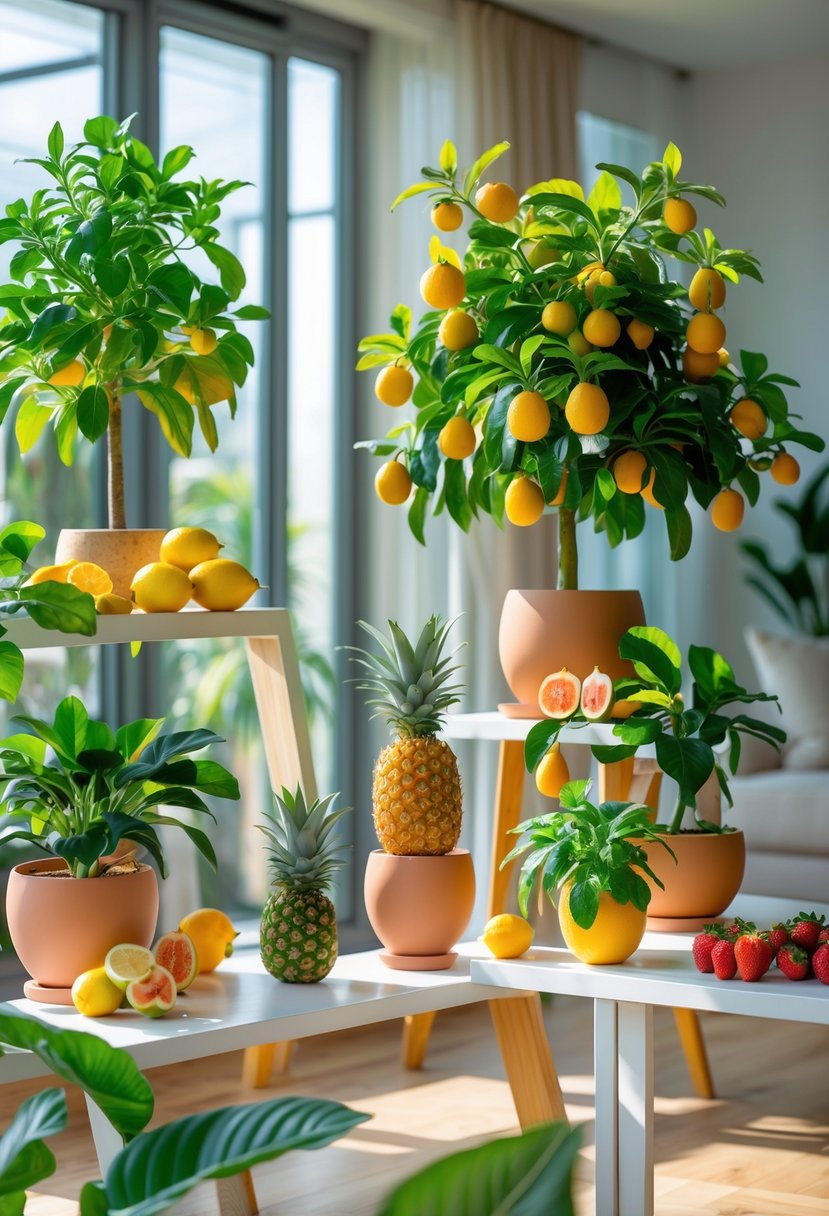
The best indoor fruit plants are easy to care for and can thrive with the right light and attention. These plants can bring a touch of nature indoors and provide you with fresh fruit without needing a large yard.
1) Meyer Lemon Tree
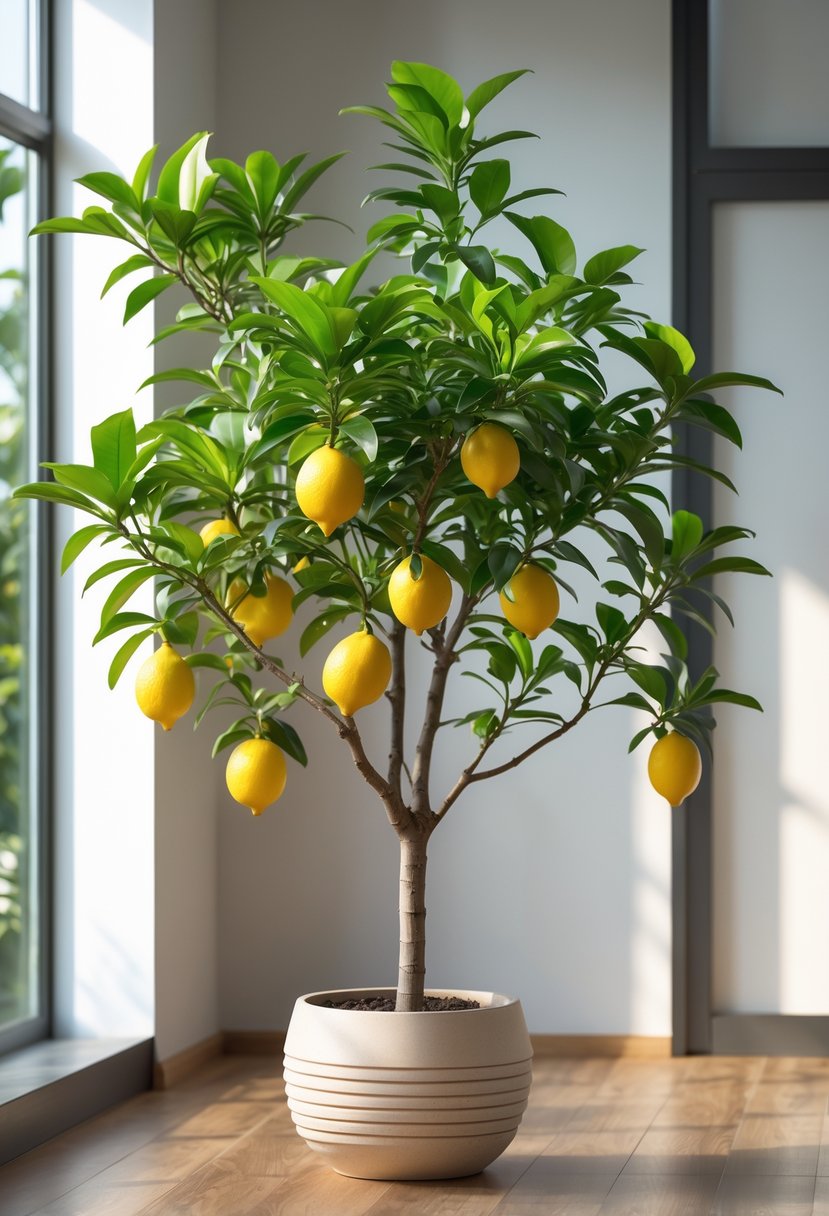
You can grow a Meyer lemon tree indoors even if you don’t have a warm outdoor space. It needs bright light, like a sunny window, and well-draining soil.
Water it regularly, but avoid letting the roots sit in water. You can help your tree produce fruit by hand-pollinating its flowers.
This tree can bloom and fruit up to four times a year. It also gives off a pleasant citrus scent that fills your room.
2) Dwarf Avocado Tree
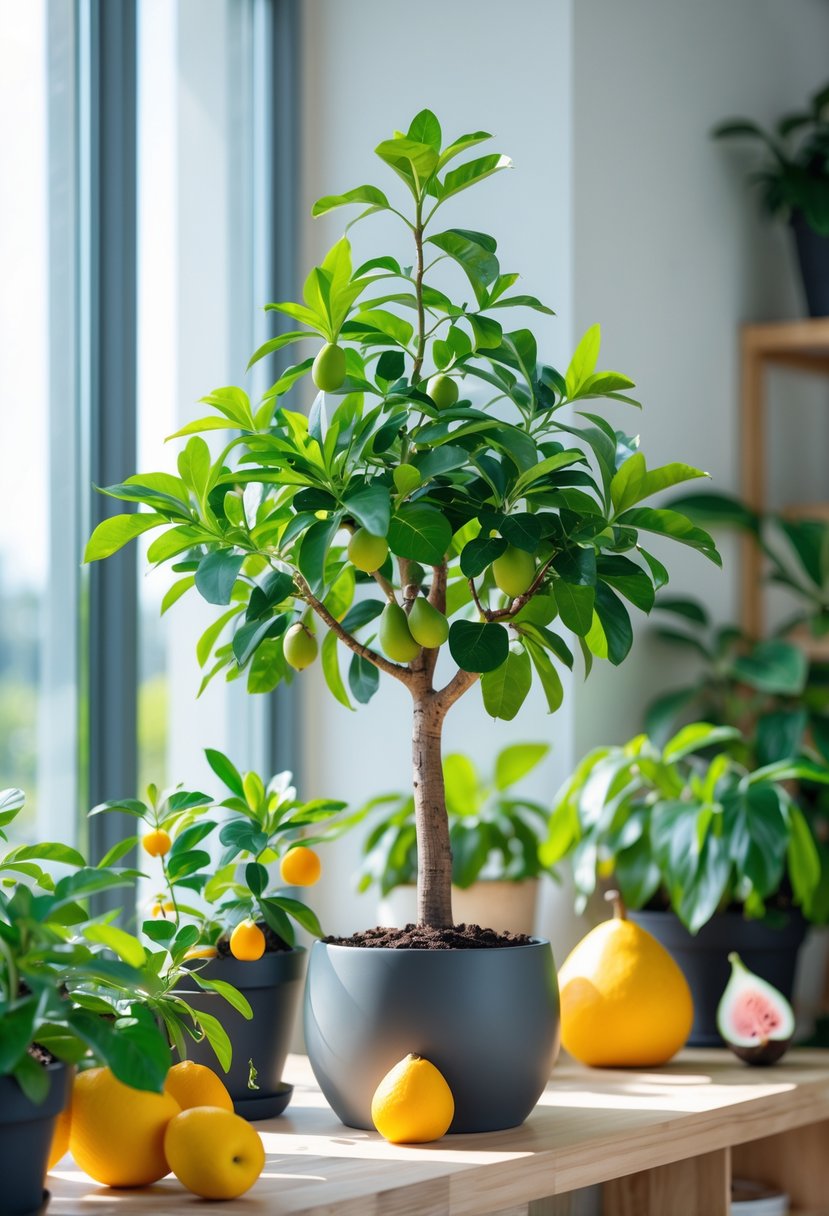
You can grow a dwarf avocado tree indoors if you have limited space. These trees stay small, usually under 8 feet, making them easier to manage.
Place your tree in a spot with bright, indirect light. Use a large pot and well-draining soil to keep the roots healthy.
With proper care, your tree may eventually produce fruit. It also helps improve the air quality in your home.
3) Figs (Ficus carica)
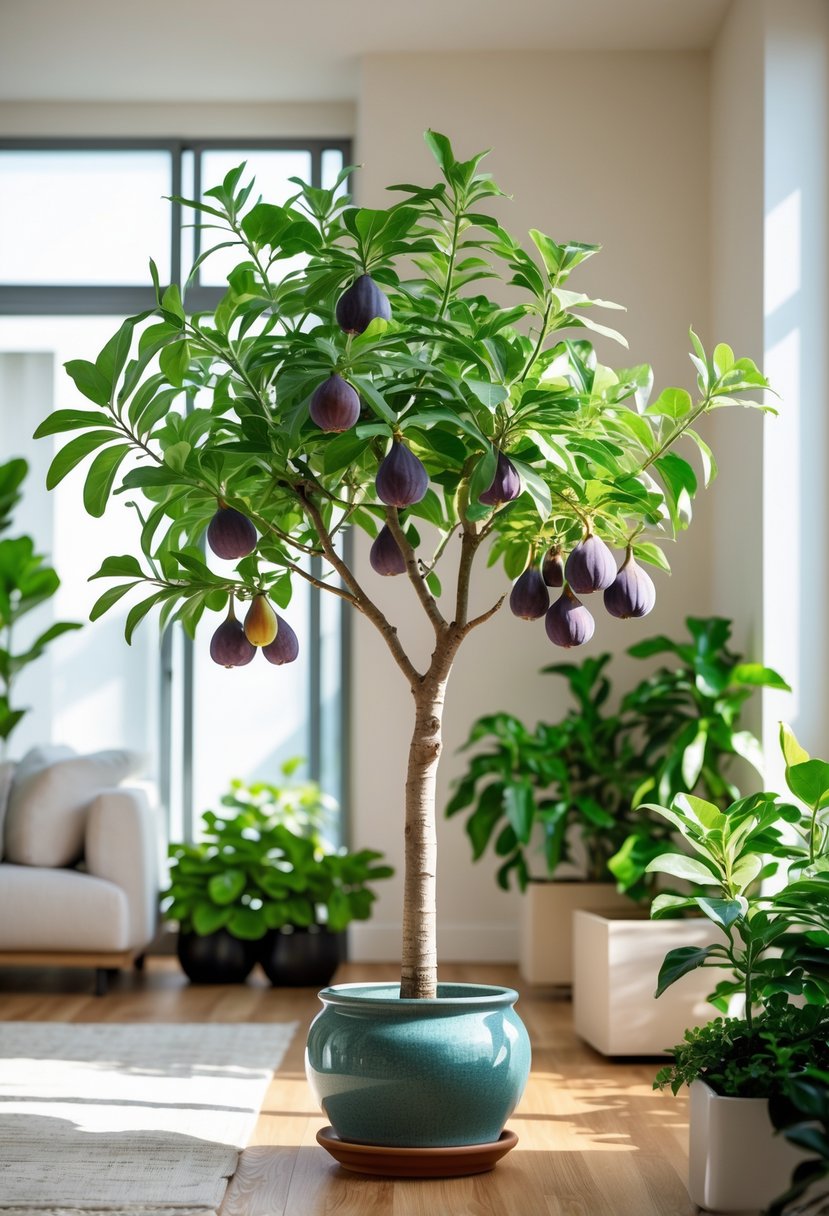
You can grow fig trees indoors, but they need plenty of sunlight to thrive. Most edible fig varieties struggle inside because they require direct sun and a fig wasp for pollination.
If you want fruit, place your fig tree near a south-facing window. Otherwise, fiddle leaf figs and weeping figs are popular indoor types that add greenery without fruit.
Figs grow fast and need moderate care, making them a good choice for indoor fruit plants if you have the right conditions.
4) Calamondin Orange
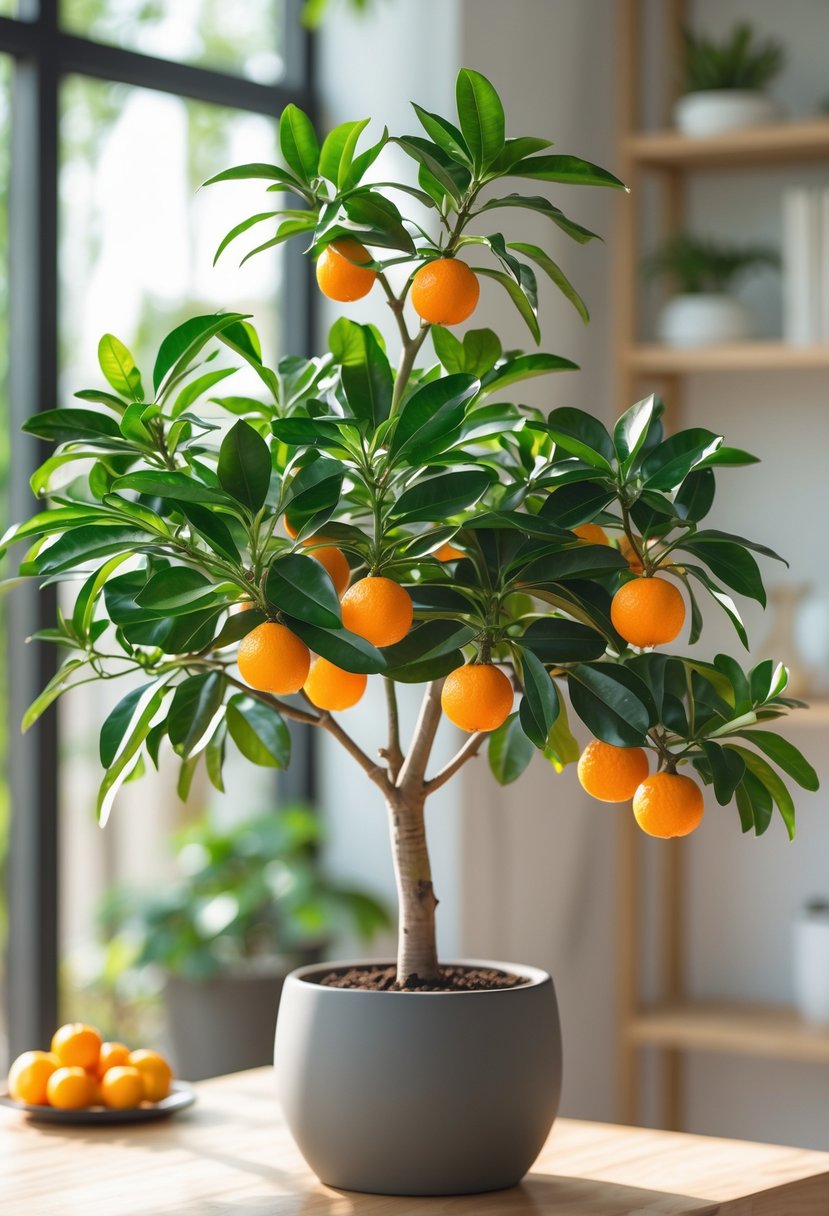
You can grow Calamondin Orange trees indoors because they stay small and produce fruit all year. The fruit is small, round, and edible with the rind.
This tree is easy to care for, needing bright light and regular watering. You can enjoy its bright flowers and sour, citrus fruit right inside your home.
5) Banana Plant (Dwarf Varieties)
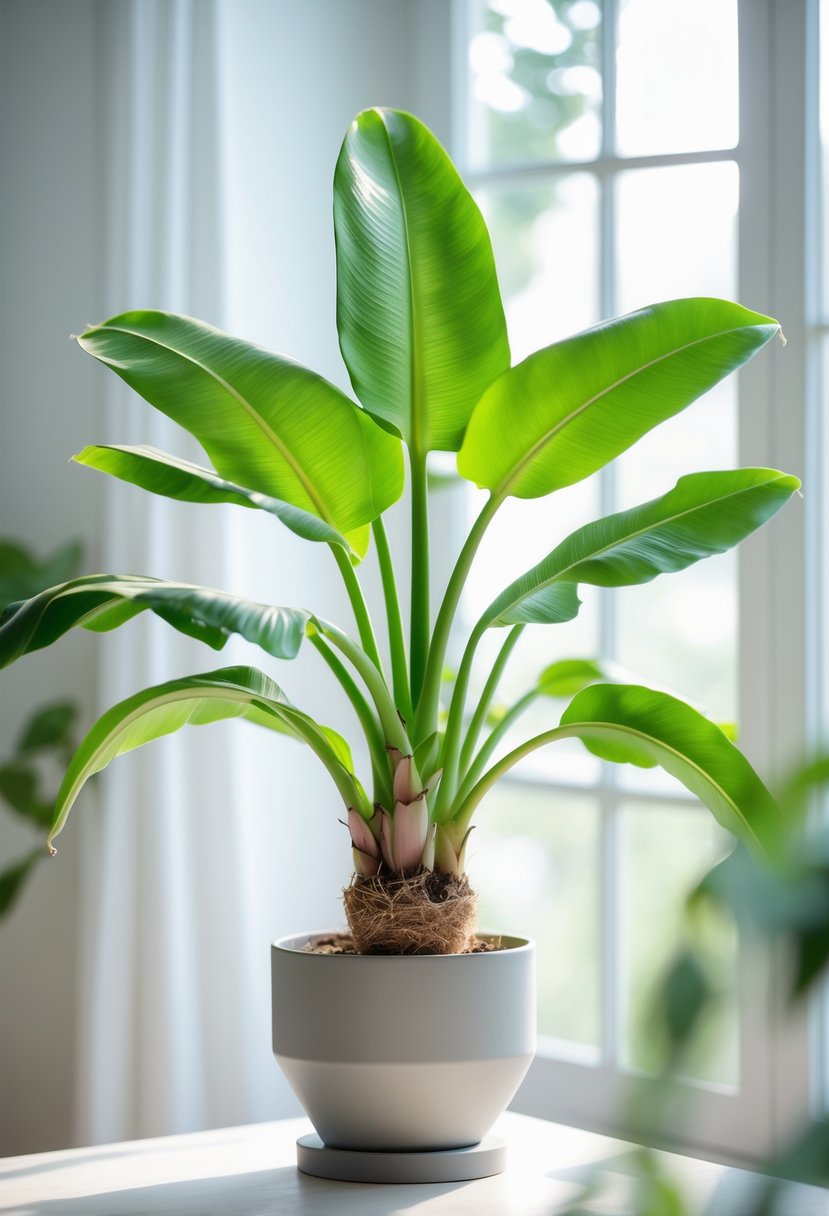
You can grow dwarf banana plants indoors without needing a large space. These plants usually reach 8 to 10 feet tall, making them easier to manage than full-size banana trees.
Dwarf varieties like the Dwarf Cavendish are popular for indoor planting. They have broad leaves and produce colorful blooms in the early stages.
With proper light and care, your dwarf banana plant can add a tropical look to your home. Just make sure to place it where it gets plenty of indirect sunlight.
6) Indoor Strawberry Plant
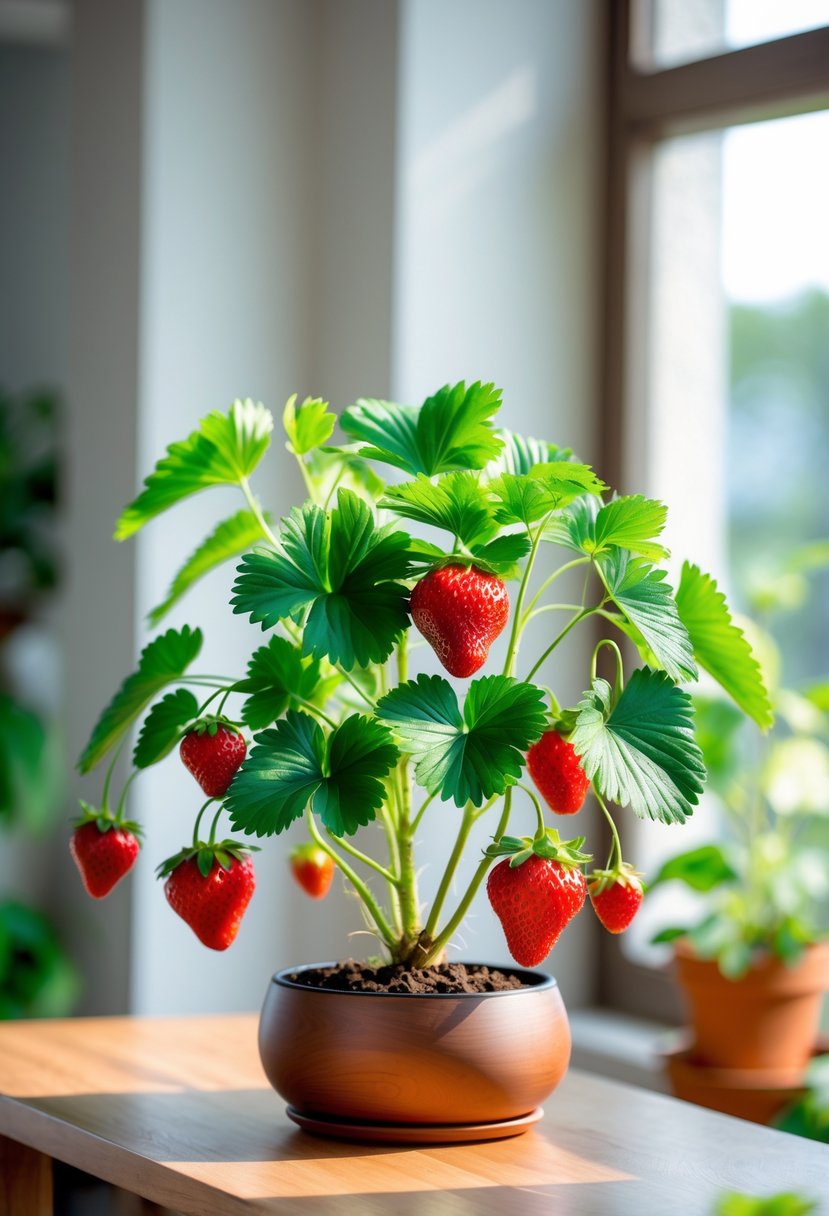
You can grow strawberries indoors all year. They need bright light, so place them near a sunny window or use a grow light.
Choose containers with good drainage to avoid water build-up. Keep the soil moist but not soggy.
Indoor strawberries grow best in a steady temperature between 60-75°F. They are less likely to get pests inside your home. You’ll enjoy fresh berries whenever you want.
7) Apricot Tree
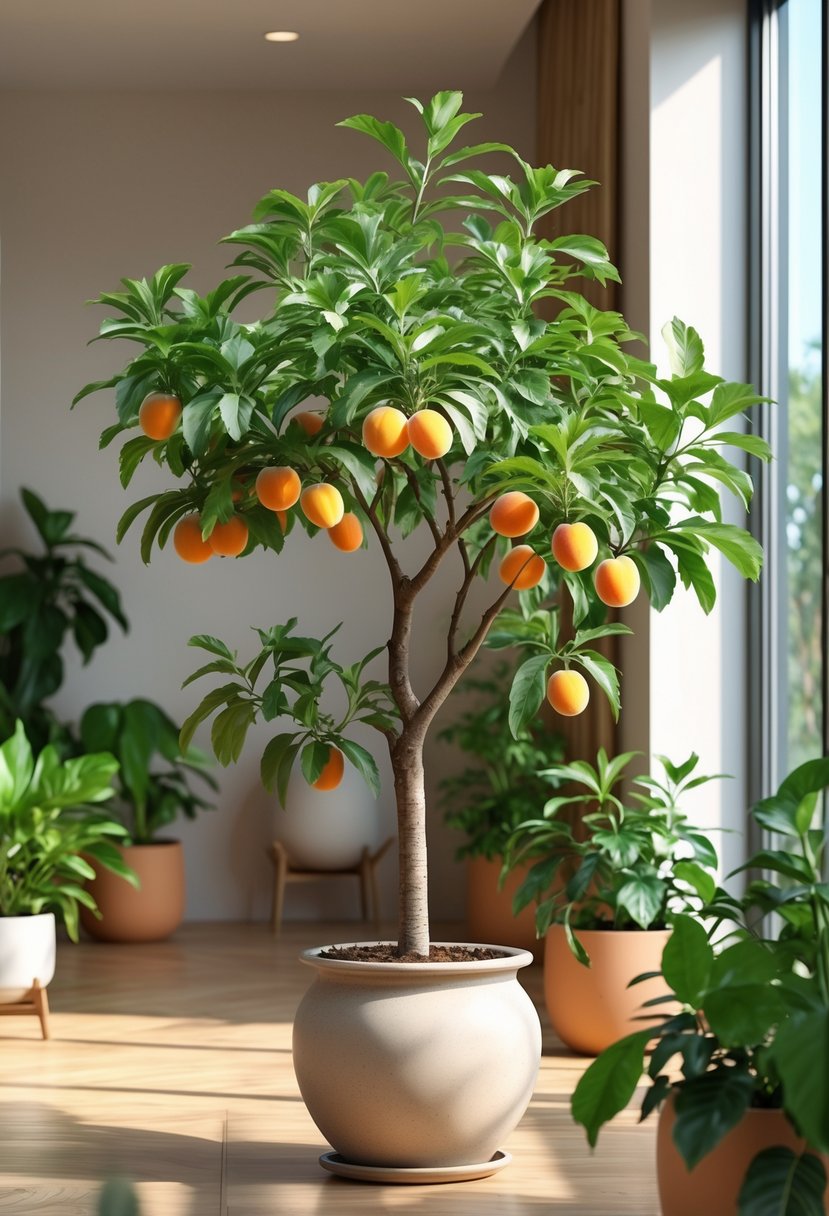
You can grow a dwarf apricot tree indoors with the right care. It needs plenty of sunlight, ideally full sun for several hours a day.
Water the tree only when the soil feels dry, and use well-draining, loamy soil.
Keep the temperature between 65°F and 85°F for the best growth. Remember, apricot trees may take a few years before they start producing fruit.
8) Nectarine Tree
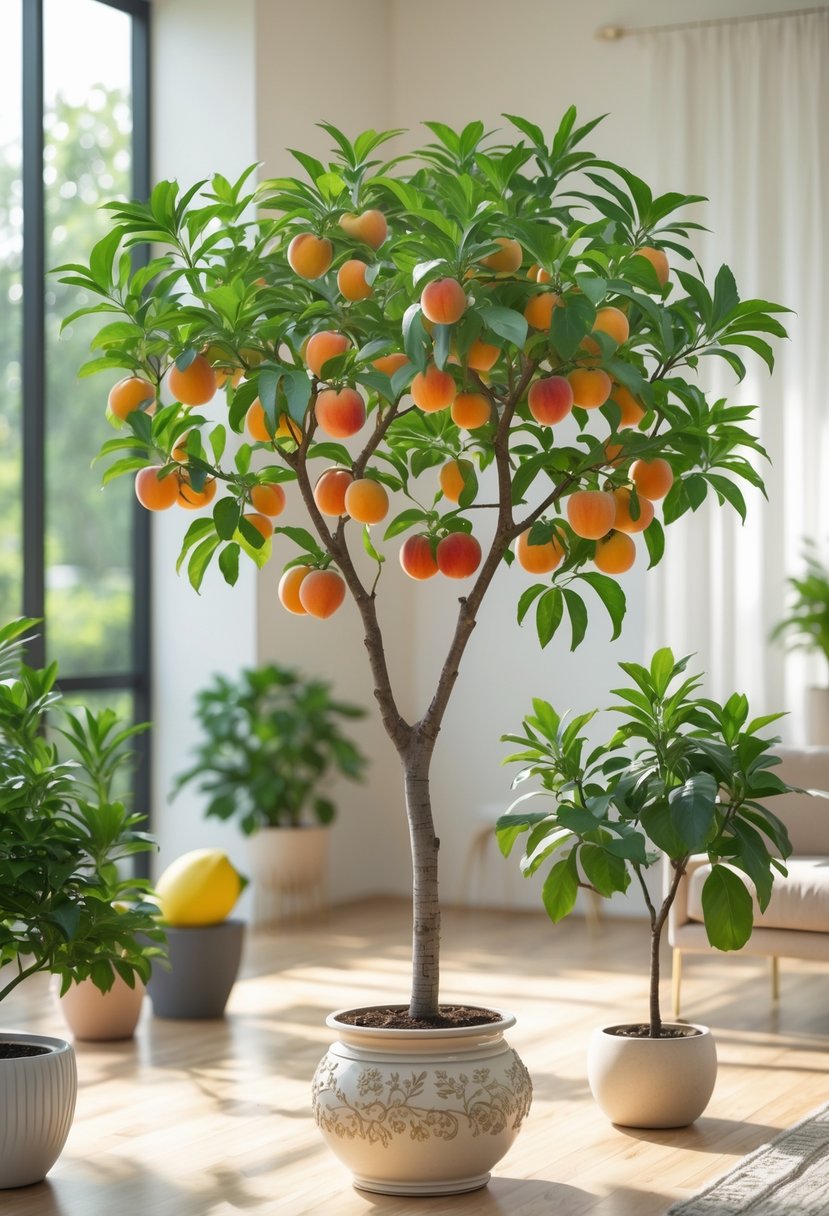
You can grow a nectarine tree indoors if you have enough light and space. Choose a dwarf variety to keep the tree manageable in a pot.
Your nectarine tree will need regular watering and well-draining soil. Make sure it gets at least six hours of sunlight each day.
Pollination may require two trees or hand pollination because some nectarines are self-sterile. Watch for pests and prune to keep the tree healthy.
9) Peach Tree
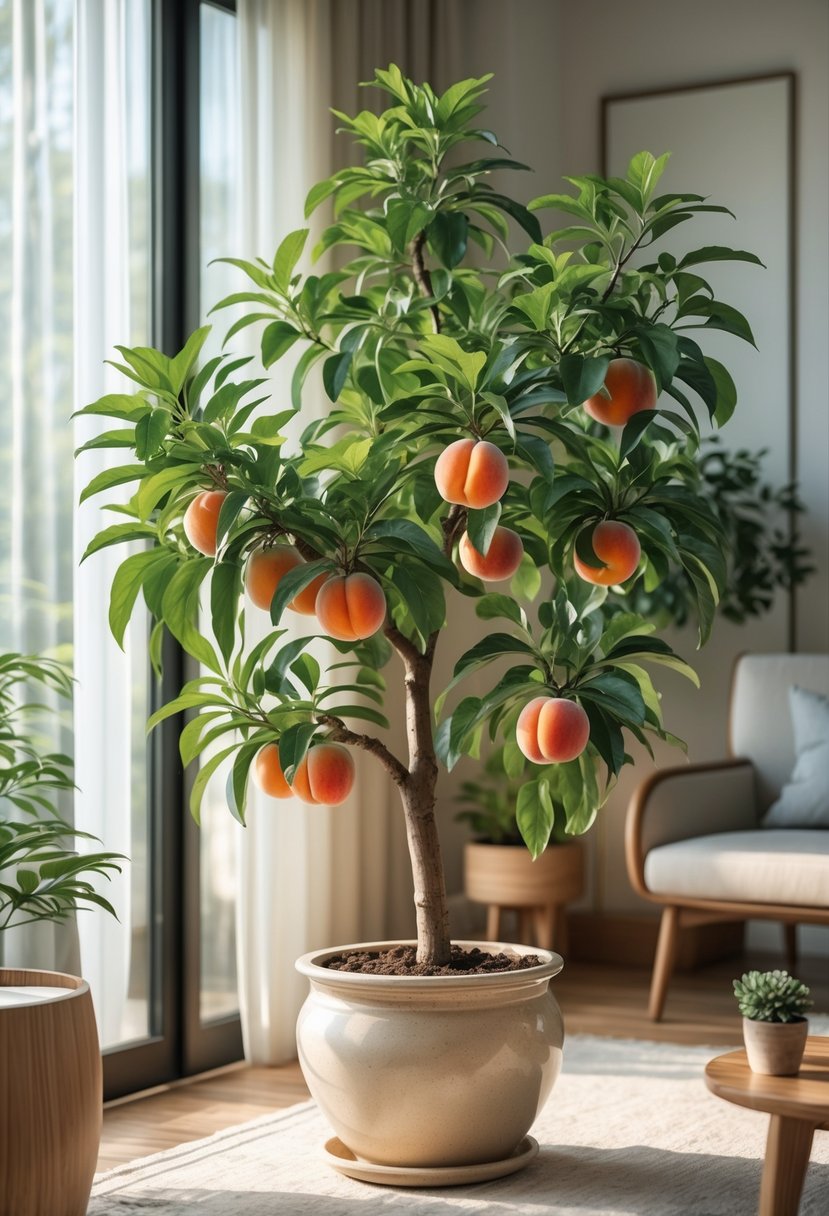
You can grow a peach tree indoors with the right care. These trees need good sunlight, so place them near a bright window.
Peach trees can grow tall, so make sure you have enough space. Regular pruning helps keep the size manageable.
To get fruit, your tree needs proper watering and occasional feeding. Be patient, as indoor peach trees may take time to produce fruit.
10) Sour Cherry Tree
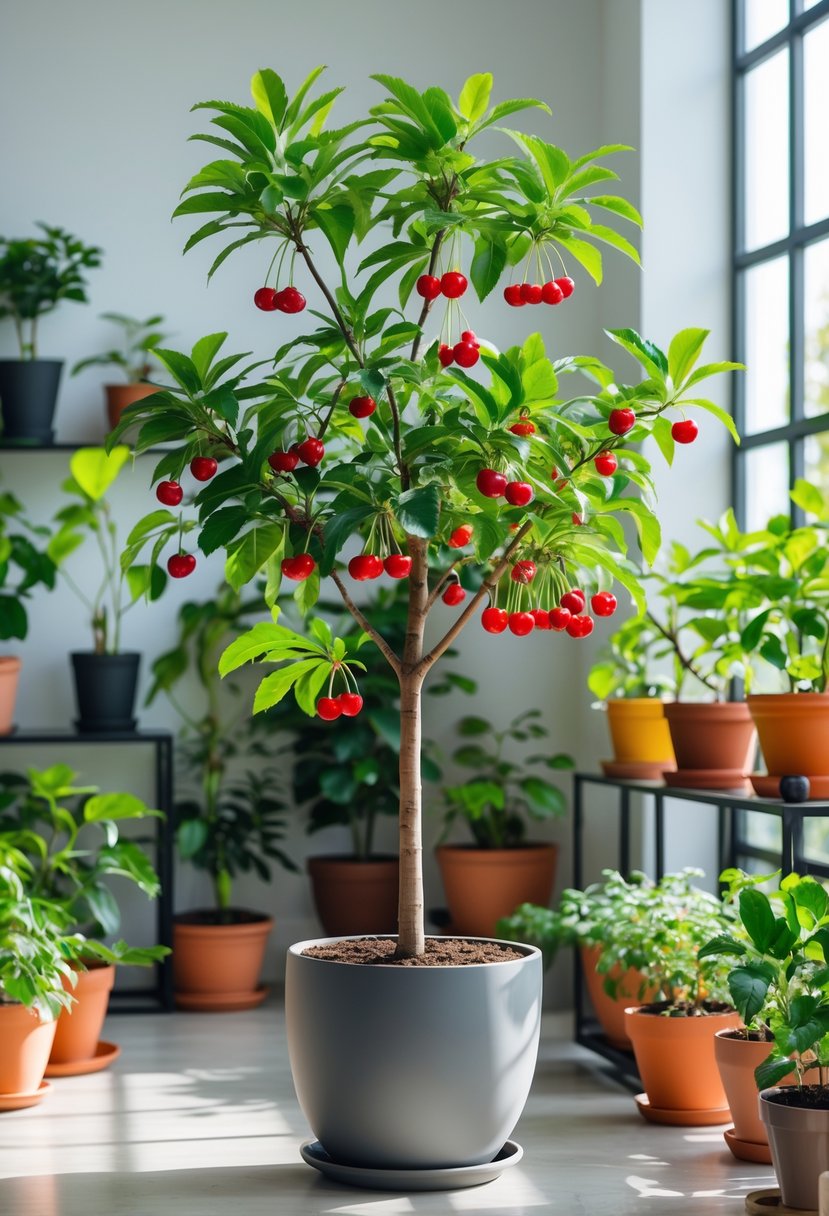
You can grow a sour cherry tree indoors if you have good sunlight and well-draining soil. These trees are self-pollinating, so you do not need a second tree for fruit.
Sour cherries produce tart fruit that works well in cooking and baking. Make sure to pick a dwarf variety for easier indoor care.
Keep the tree in a sunny spot and water it moderately. Prune it to maintain shape and encourage fruit production.
11) Olive Tree
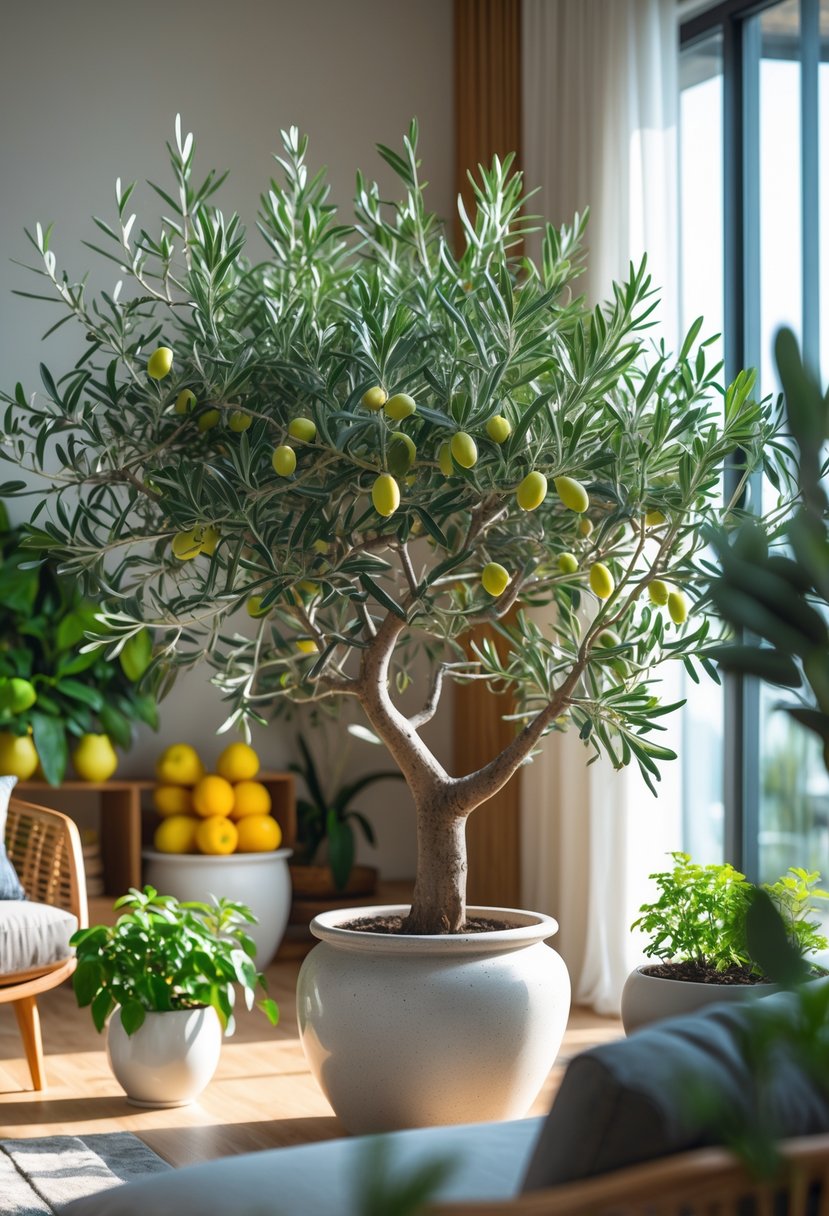
You can grow an olive tree indoors if you provide enough light. These trees need full sun but can handle some shade.
The Frantoio variety is a good choice because it has fewer pest problems.
Make sure to control watering and light to keep your olive tree healthy. Regular repotting helps the roots grow strong.
12) Dwarf Pomegranate
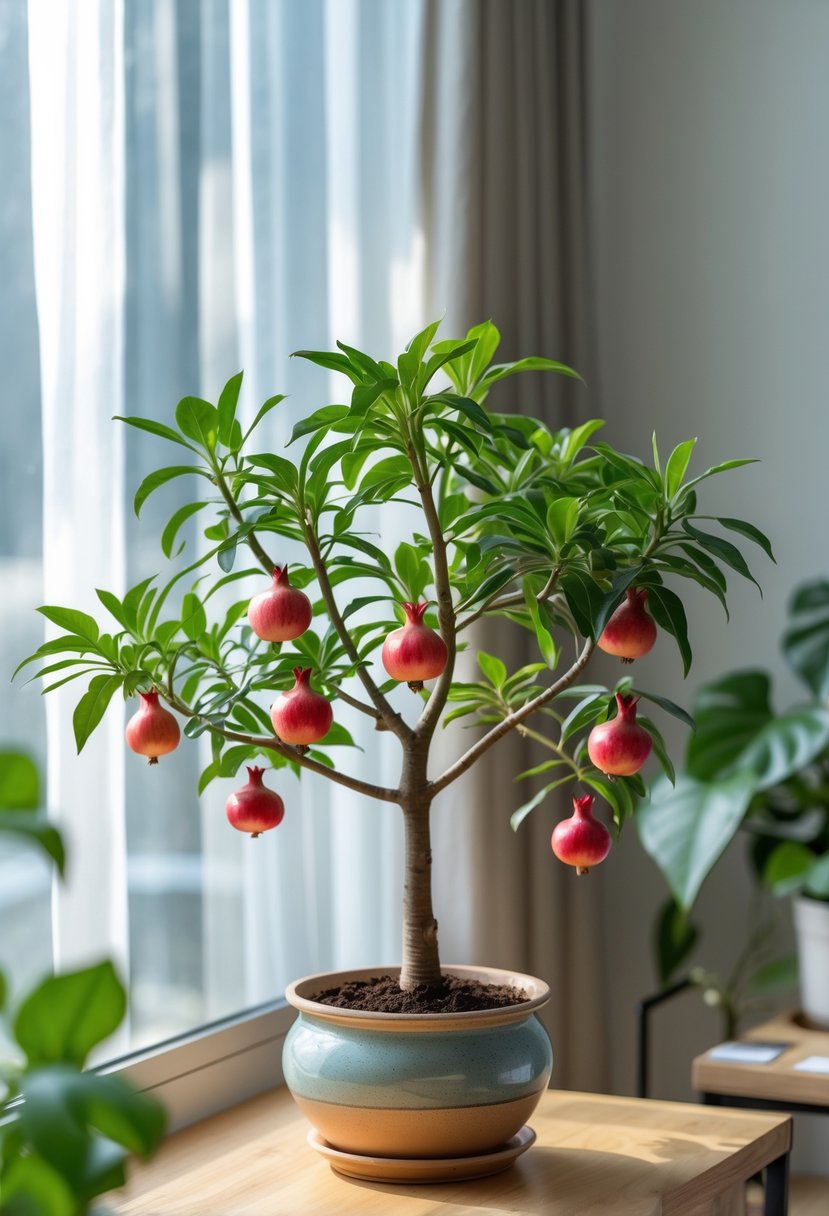
You can grow a dwarf pomegranate tree indoors with enough light. It needs bright, direct sunlight to do well.
Keep the soil moist but not soggy, and make sure your pot drains well. This will help your tree stay healthy.
With proper care, your dwarf pomegranate can even produce small, edible fruit inside your home. It adds both beauty and fresh fruit to your space.
13) Kumquat Tree
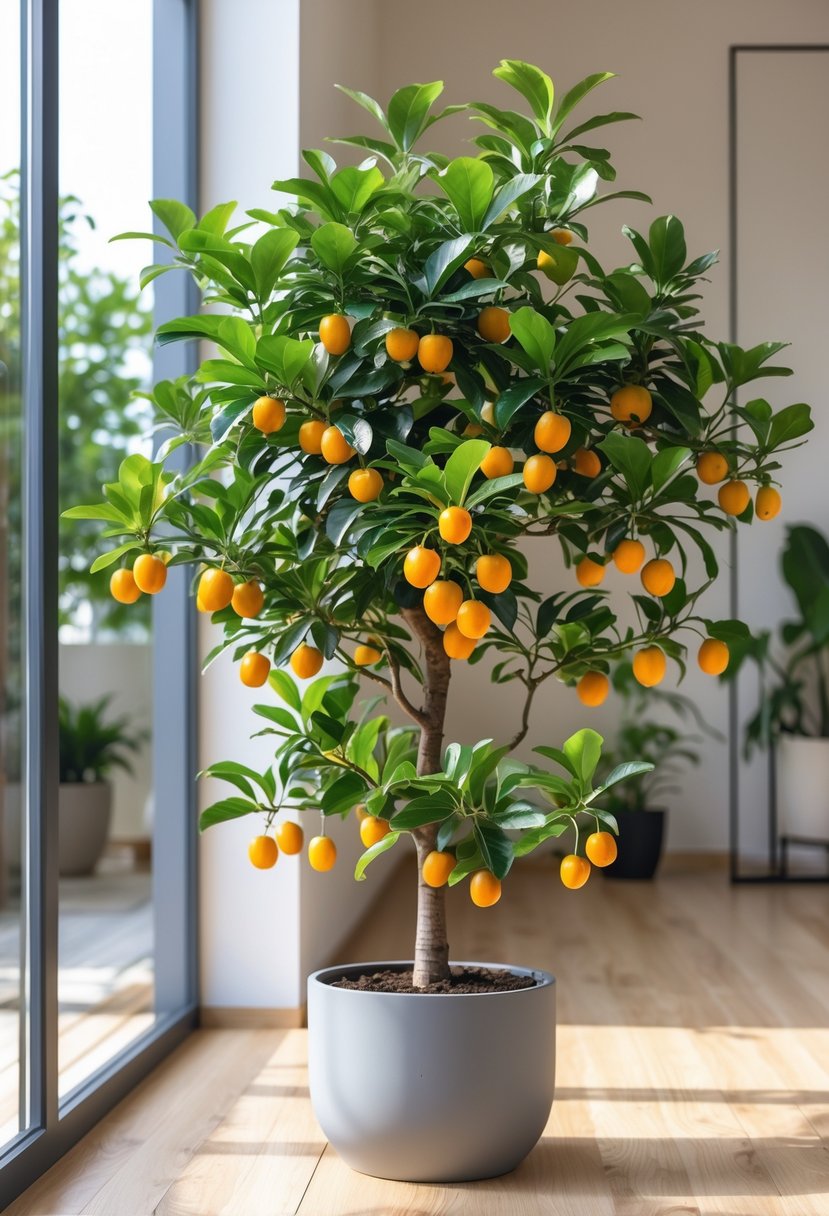
You can grow a kumquat tree indoors because it stays small and produces fruit. It has shiny green leaves and small white flowers in spring. The fruit is tiny and tangy, with a sweet, edible skin.
Your kumquat needs regular watering and plenty of sunlight. If sunlight is low, use a grow light. Feeding it with proper fertilizer helps your tree stay healthy and fruit well.
How to Care for Indoor Fruit Plants
To grow healthy indoor fruit plants, you need to provide the right light, water, humidity, soil, and potting conditions. Paying close attention to these factors will give your plants the best chance to produce fruit and grow strong.
Lighting Requirements
Most indoor fruit plants need bright, indirect sunlight. Place your plants near south- or west-facing windows to get enough light. If natural light is limited, consider using a grow light for 10 to 12 hours daily.
Avoid direct harsh sunlight, which can burn leaves. Some fruit plants, like citrus trees, tolerate more light and may even need a bit of direct sun.
Keep plants rotating regularly so all sides get light evenly. This helps avoid uneven growth or leaning. Keep the light steady throughout the year to support fruit production.
Watering and Humidity
Water your fruit plants when the top inch of soil feels dry. Overwatering leads to root rot, so always check moisture before watering.
Most indoor fruit plants prefer moderate humidity around 40-60%. If your home is dry, increase humidity by misting leaves or placing a tray of water near the plant.
Avoid letting water sit on leaves for too long, as this can cause fungal problems. Use room temperature water to avoid shocking roots.
Consistent watering and humidity help your plant stay healthy and improve its chances of bearing fruit.
Soil and Potting Tips
Use well-draining soil designed for indoor plants or mix potting soil with sand or perlite. Good drainage stops water from pooling at roots.
Choose pots with drainage holes. This prevents water buildup, which can kill roots. If your plant grows too large, repot it to a container slightly bigger than the last.
Fertilize during growing season with a balanced, water-soluble fertilizer made for fruiting plants. Follow instructions to avoid overfeeding.
Check soil regularly to keep it loose and airy. This encourages strong roots and healthy growth. Avoid heavy compacted soils indoors.
Common Challenges and Solutions
Growing fruit plants indoors requires attention to specific issues that can affect plant health and yield. Managing pests and preventing leaf problems are two key areas to focus on for successful indoor fruit cultivation.
Pest Management
Indoor fruit plants can attract pests like spider mites, aphids, and whiteflies. These insects thrive in warm, dry indoor environments. To control pests, regularly inspect your plants, especially the undersides of leaves.
Use natural remedies such as neem oil or insecticidal soap. Spray your plants once a week to reduce infestations without harming beneficial insects.
You can also introduce beneficial insects, like ladybugs, if the pest problem becomes severe. Keep your space clean and avoid overwatering to reduce conditions that favor pests.
Sticky traps near plants can capture flying insects and help monitor pest levels.
Addressing Leaf Discoloration
Leaf discoloration often signals a problem with light, water, or nutrients. Yellow leaves typically mean overwatering or poor drainage, while brown edges can indicate low humidity or underwatering.
Make sure your plants get 6-8 hours of bright, indirect light daily. Use grow lights if natural light is too weak, especially during winter.
Check soil moisture regularly. Allow the top inch to dry out before watering again to prevent root rot.
If discoloration persists, consider a balanced fertilizer to supply missing nutrients. Look especially for signs of nitrogen or magnesium deficiency.
Adjust humidity levels around your plants by misting or using a humidifier to keep leaves healthy.


