12 Flowers to Plant in September for a Gorgeous Fall Garden Transformation
September is a great time to refresh your garden as the weather starts to cool. You can still plant flowers that will add color and life to your outdoor space well into fall and beyond. This season offers ideal conditions for planting a variety of flowers that can thrive despite changing temperatures.
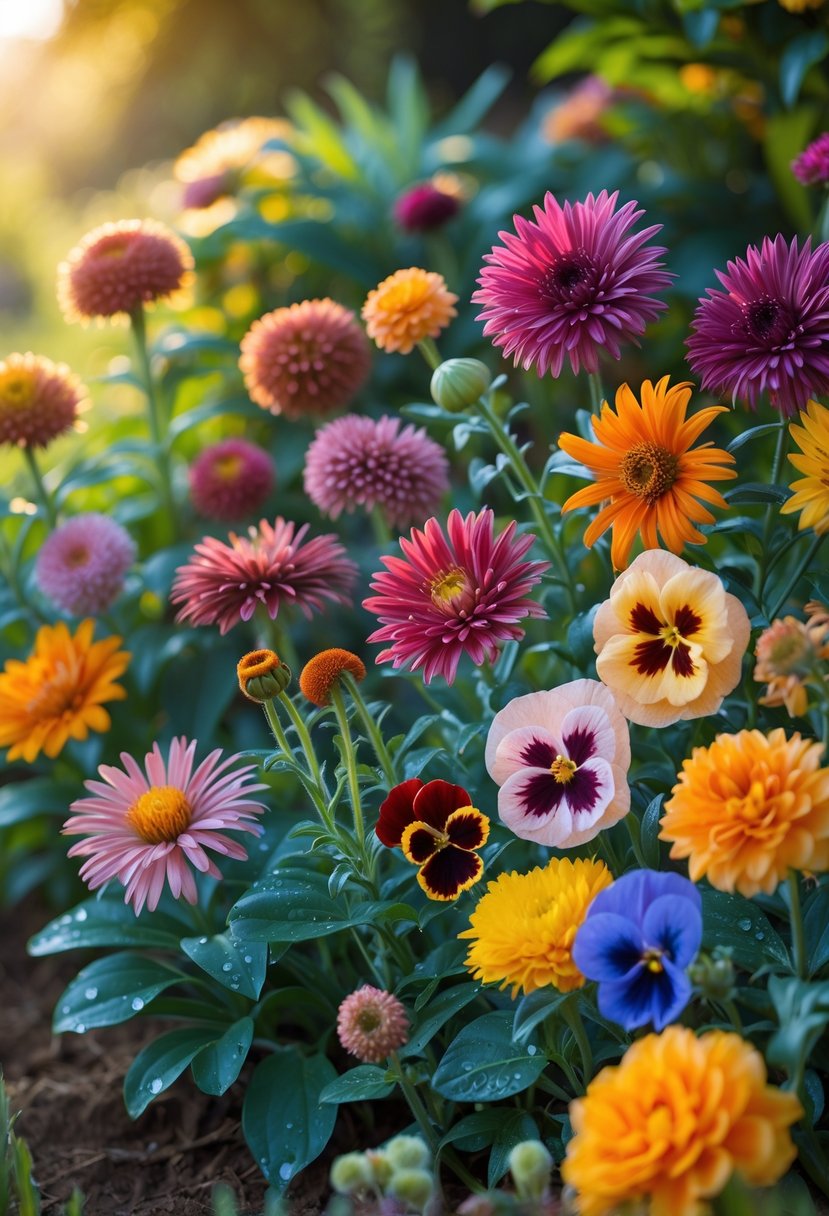
By planting the right flowers in September, you can enjoy vibrant blooms through the cooler months and even prepare for next spring. Knowing which flowers do well when planted now helps you maintain a beautiful garden all year long.
1) Chrysanthemums
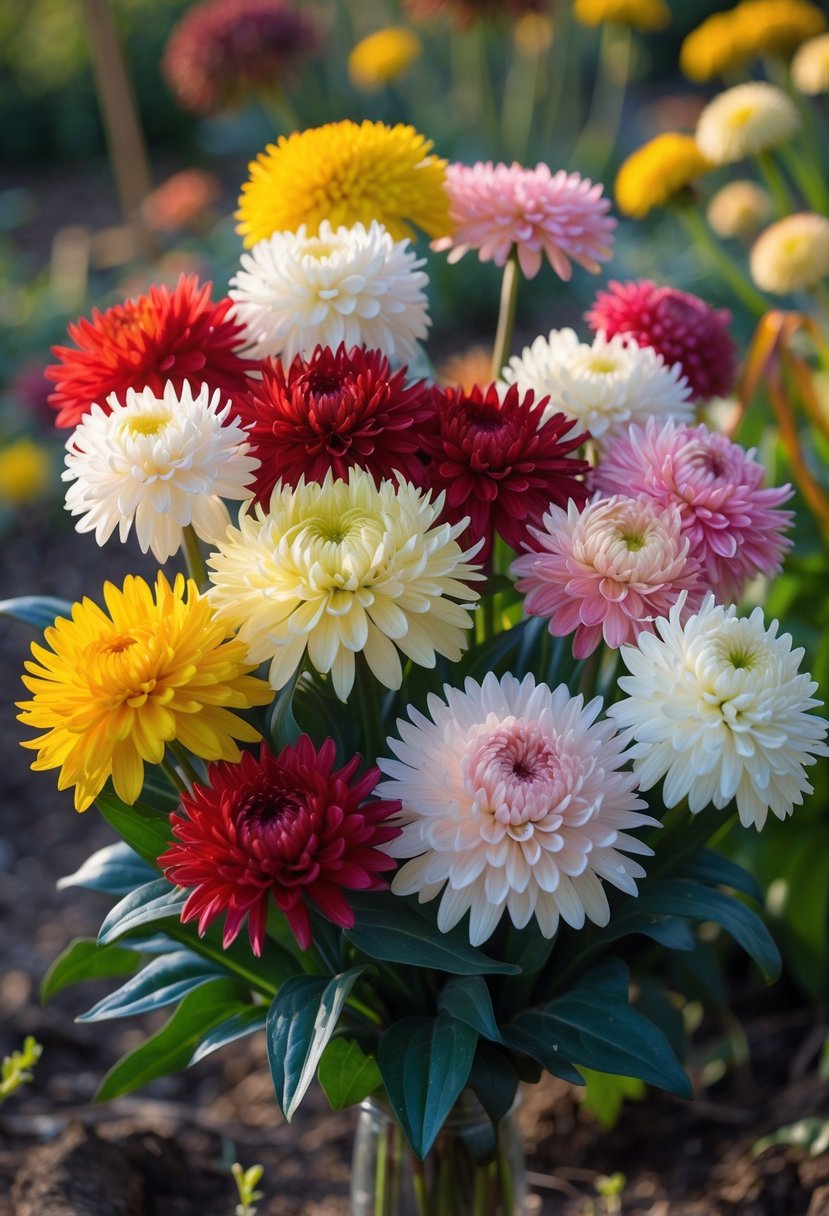
You can plant chrysanthemums in September to add color to your garden in fall. They come in many colors like yellow, red, orange, and white.
Mums grow well in full sun but can tolerate some shade. They prefer well-drained soil and need regular water.
These flowers are hardy in many areas and will bloom through autumn. Planting them now helps them establish strong roots before winter.
2) Asters
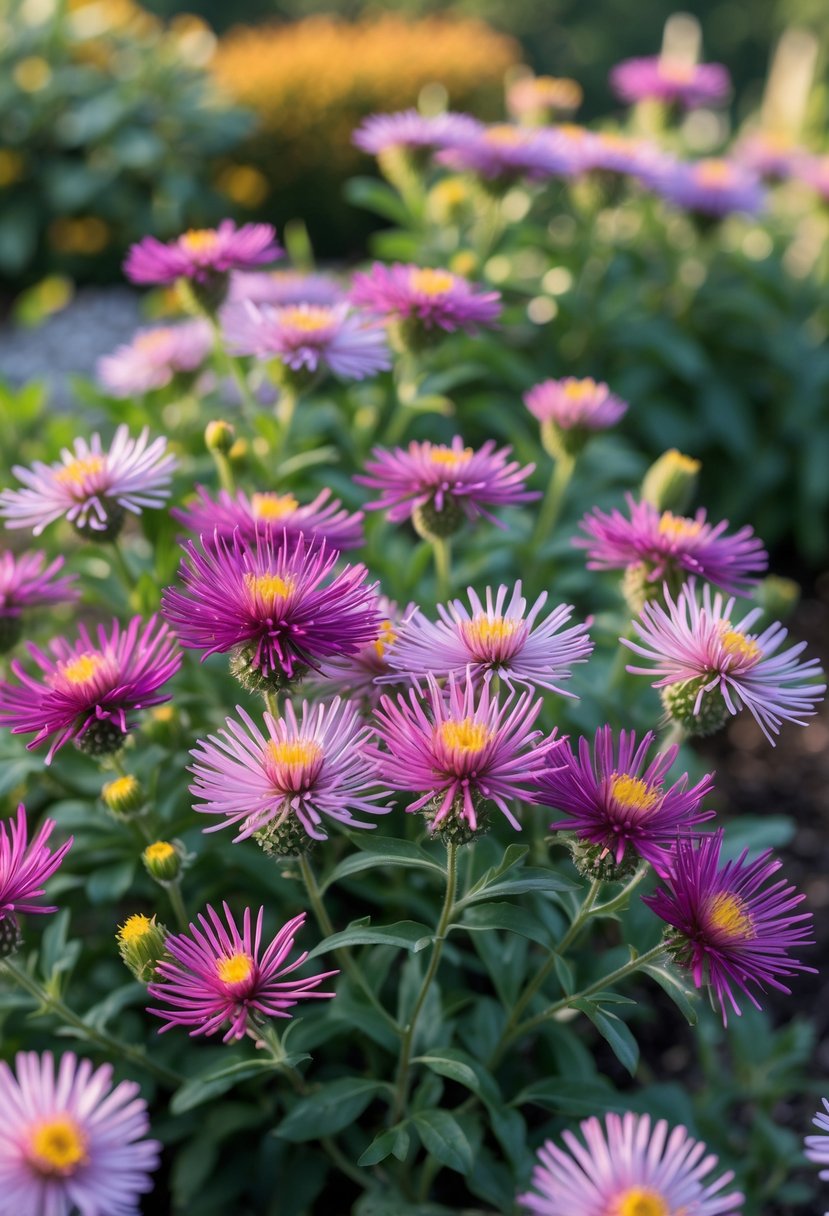
Asters are great flowers to plant in September. They bloom in colors like purple, blue, pink, and white. Their star-shaped flowers add a neat look to your garden.
You will find asters easy to grow and care for. They attract bees and butterflies, helping pollinate your garden late in the season. Water them deeply but allow the soil to dry a bit between watering.
3) Japanese Anemone
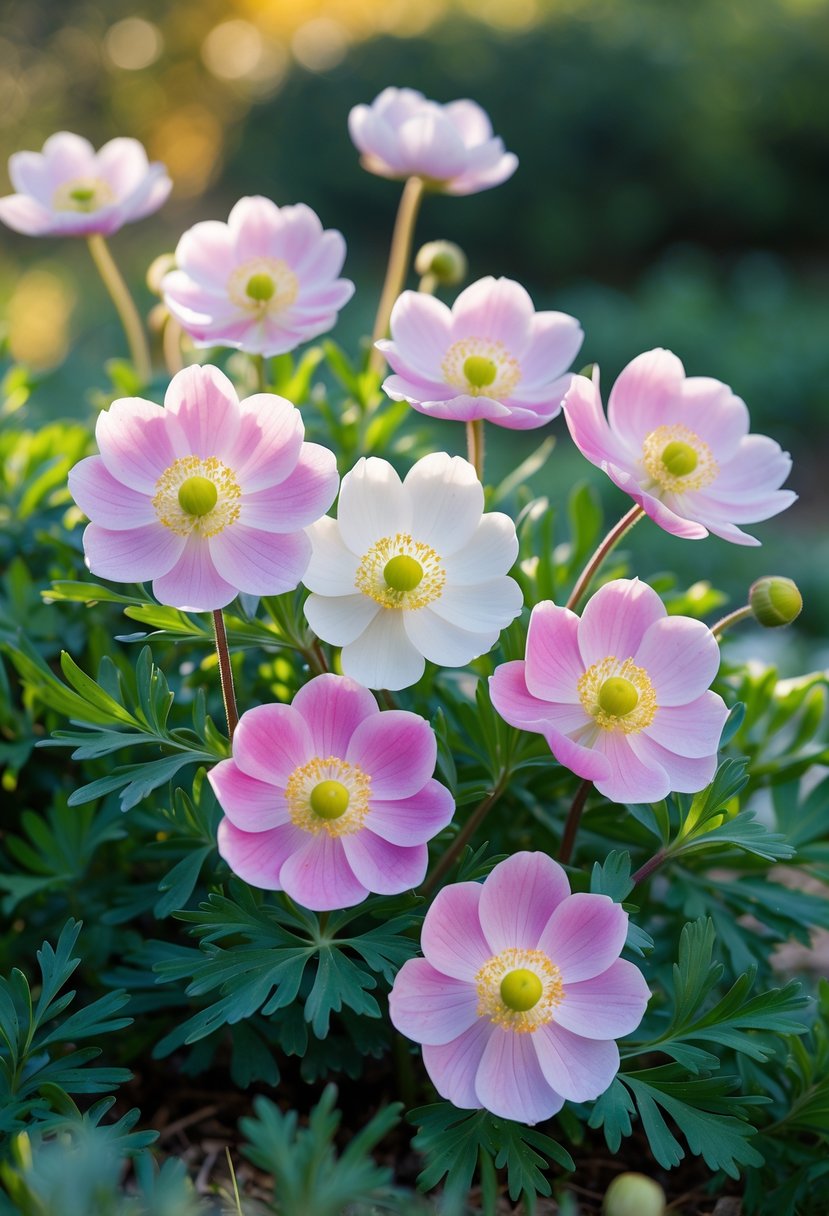
You can plant Japanese Anemones in September for late summer and fall blooms. The flowers are light pink with yellow centers and grow on tall stems that reach 2 to 4 feet.
These plants work well in full sun or partial shade. They prefer moist, well-drained soil and can brighten borders or woodland gardens.
Their graceful flowers last until frost, making them a reliable choice to extend your garden’s color into autumn.
4) Sedum (Autumn Joy)
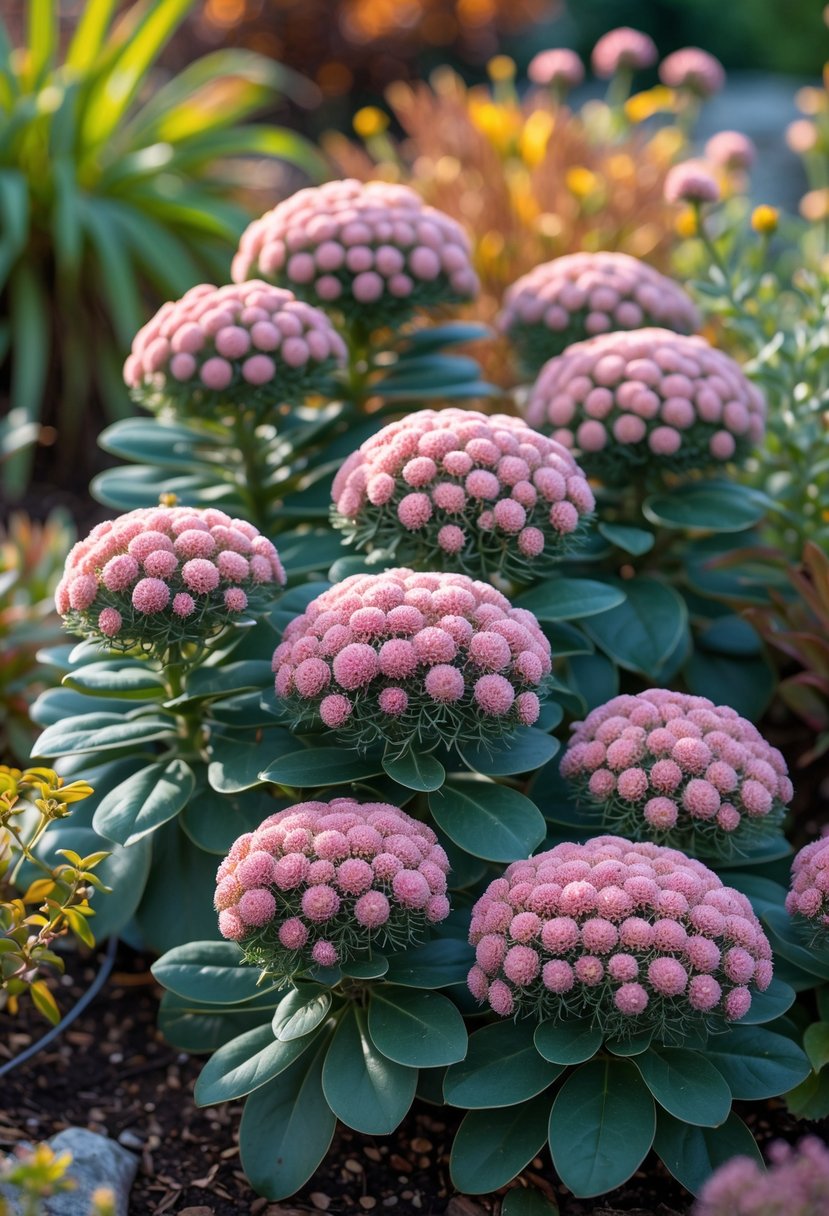
Sedum Autumn Joy is a sturdy perennial that blooms in late summer and fall. You will notice its thick, pale green leaves and clusters of pink flowers that turn red as the season changes.
This plant needs little care and can grow well in poor soil with full sun. It works great in borders, containers, and rock gardens.
Plant it in September to enjoy color when many other flowers fade. You can divide the plant easily to grow more in your garden.
5) Goldenrod
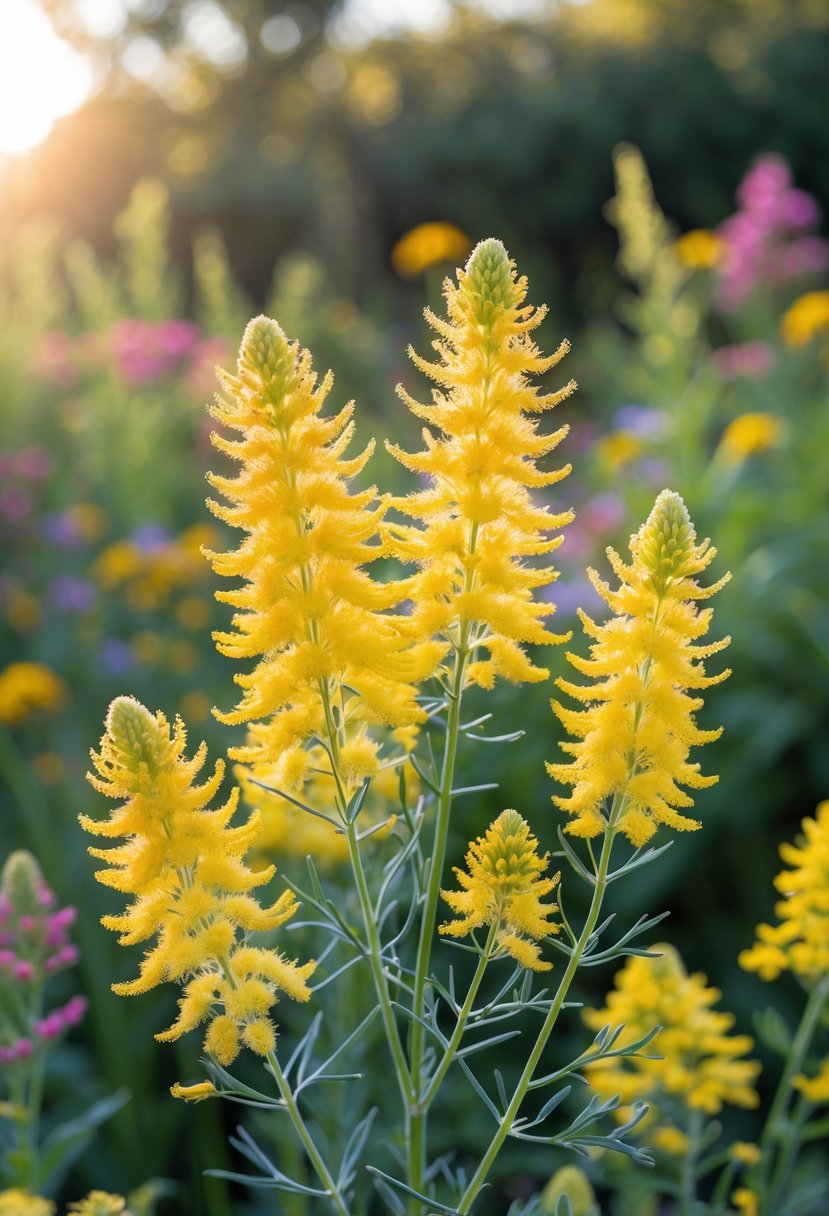
Goldenrod blooms in September with bright yellow flowers that add late-season color to your garden. It is a hardy and low-maintenance plant that grows well in many soils.
You will attract bees, butterflies, and other pollinators with goldenrod. It also supports beneficial insects that help control garden pests.
Plant goldenrod in a sunny spot with good drainage. It dies back in winter and returns in spring, making it a reliable perennial for fall blooms.
6) Autumn Camellia
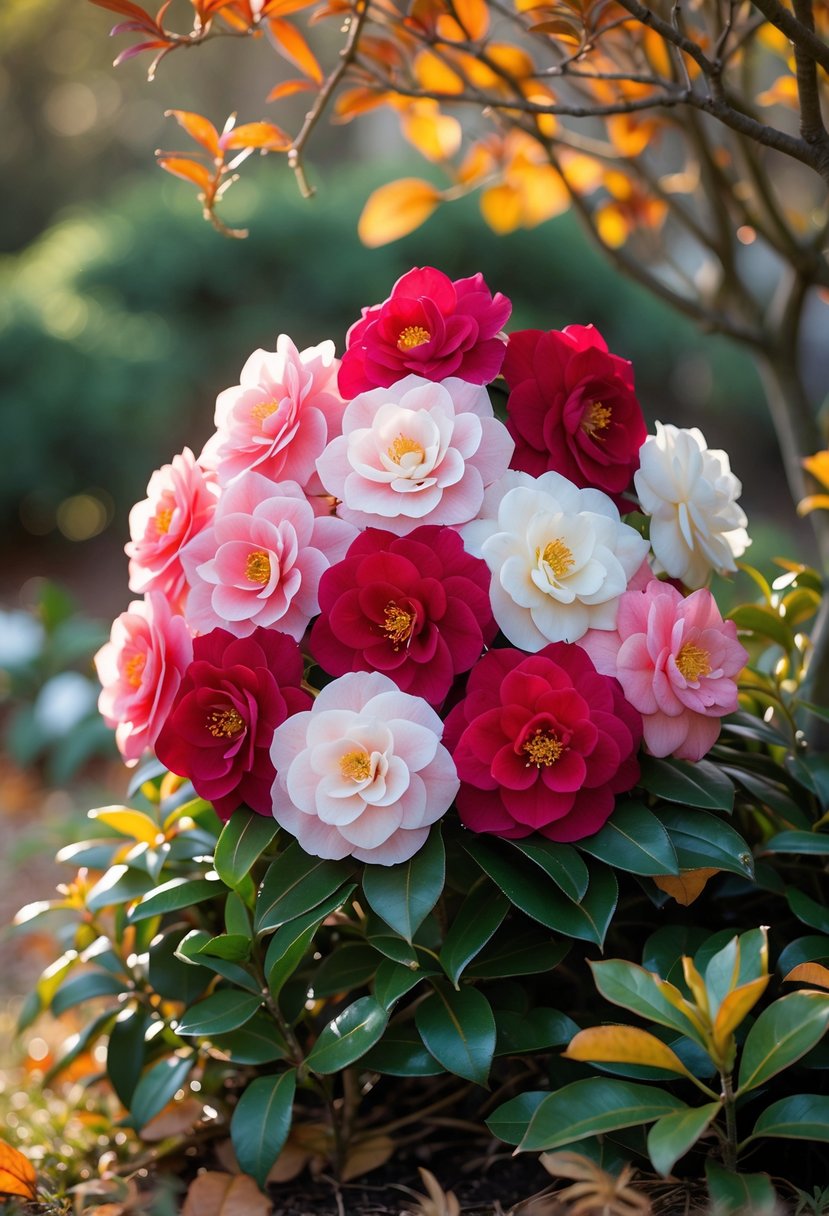
You can plant autumn camellias in September for blooms that bring color into fall and early winter. These shrubs have glossy, dark green leaves and flowers in white, pink, or red.
Autumn camellias are hardy and tolerate cooler weather. With the right care, they will add beauty to your garden when many other flowers have finished blooming.
7) Helenium
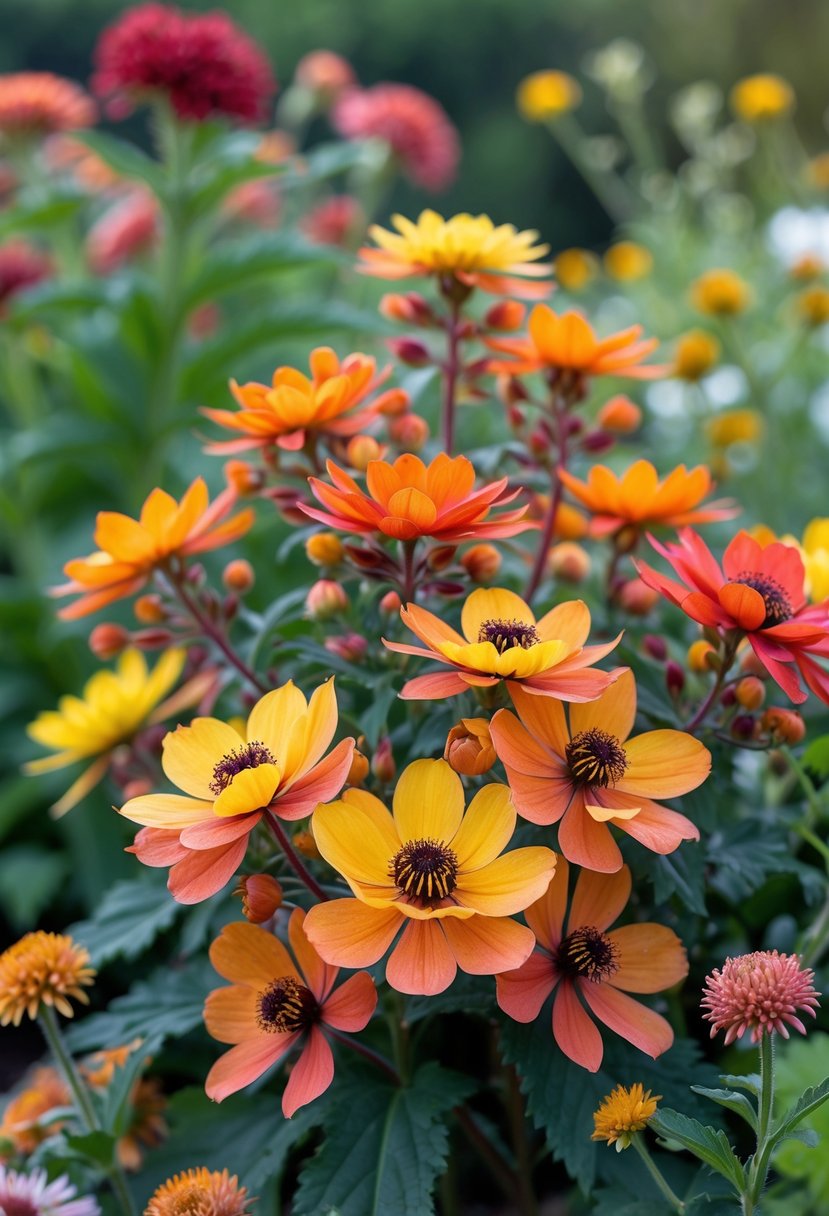
You can plant Helenium in September to add warm colors to your garden. These flowers bloom from late summer to mid-fall.
Their daisy-like petals come in shades of yellow, orange, red, and bronze. Helenium grows well in full sun with well-drained soil.
They are low-maintenance and work well in borders, beds, or containers. You can also cut their flowers for arrangements.
8) Dahlias
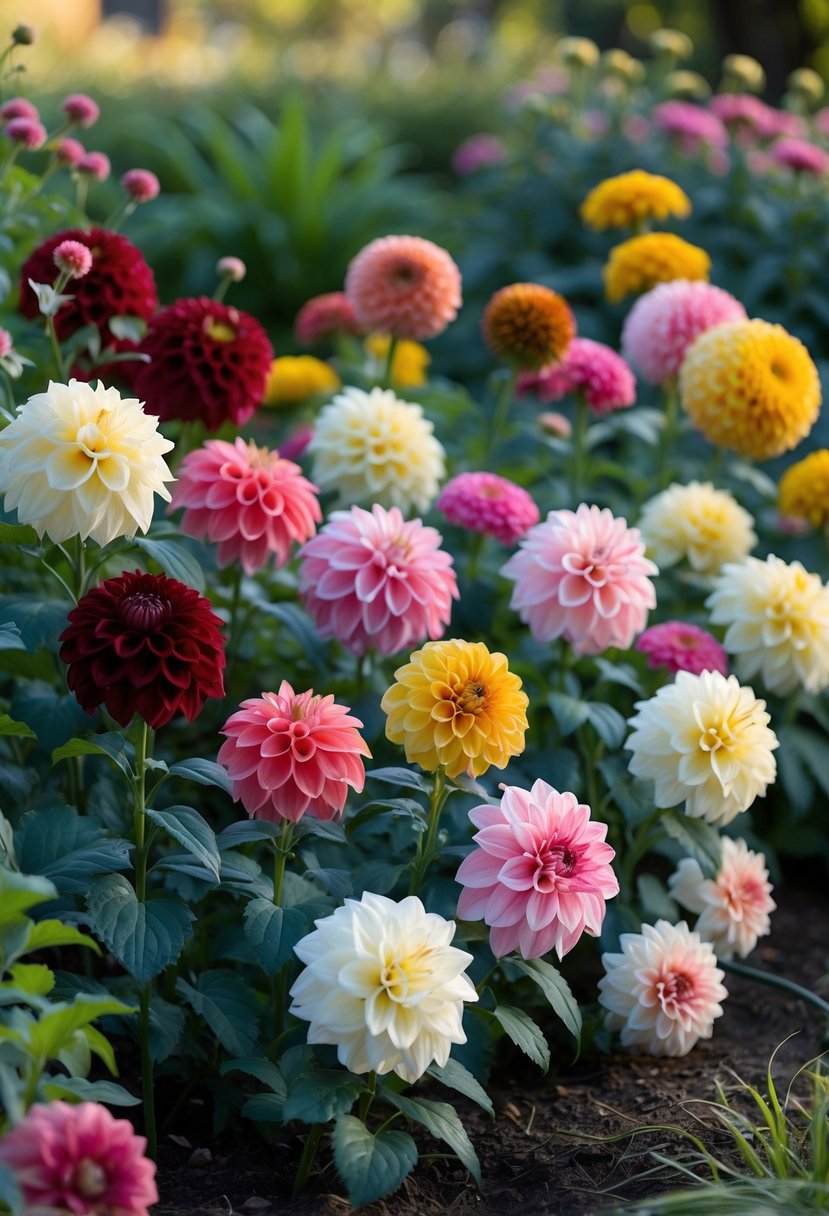
You can plant dahlias in September for a strong display of colorful blooms. These flowers come in many shapes and sizes, from spiky to large, so you can choose what fits your garden style.
Dahlias grow fast and need space between plants to avoid disease. With proper care, they will brighten your garden until the first fall frost.
9) Torenia
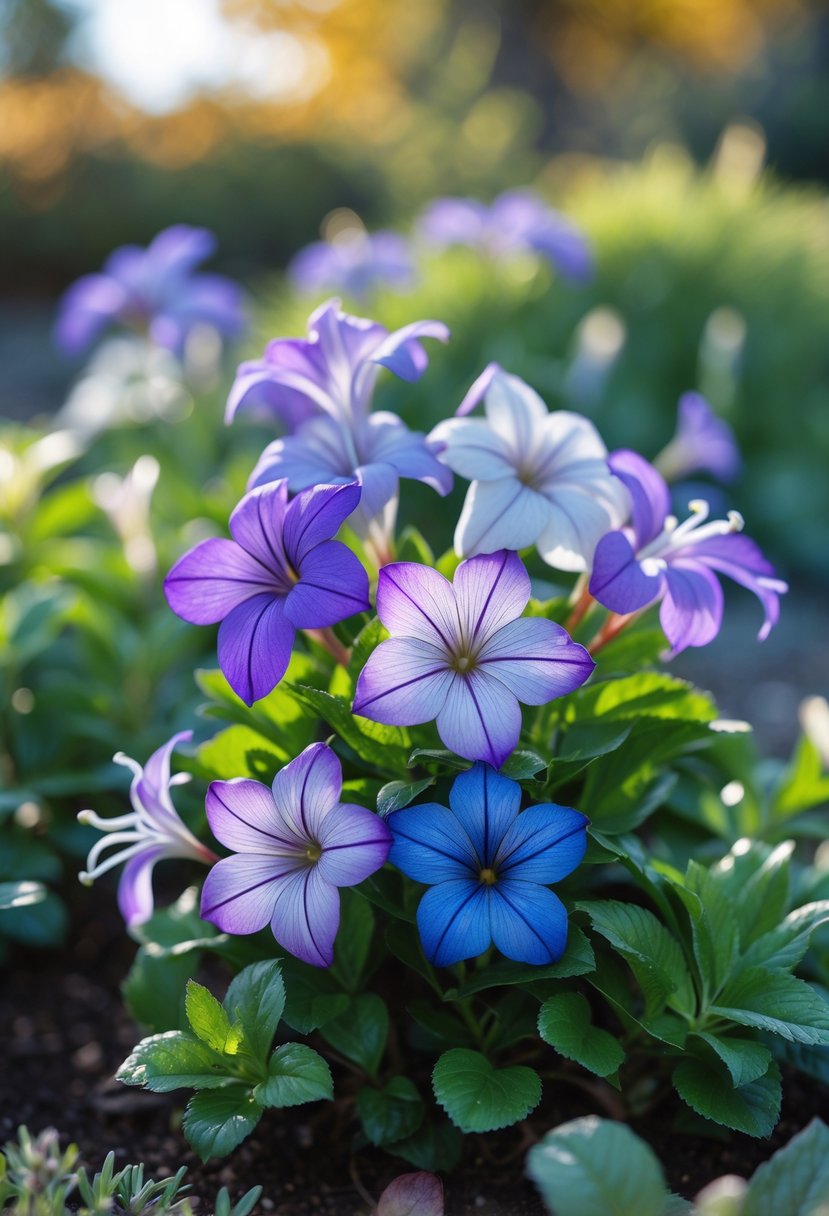
You can plant Torenia, also called wishbone flower, in September for color in shady spots. It grows well in partial to full shade.
Torenia has bright, small flowers that bloom from early summer to fall. It stays low, about 6 to 12 inches tall, so it works well in borders or containers.
The plant likes moist, well-drained soil. Pinching back new growth helps it grow bushier with more flowers. Torenia also attracts hummingbirds with its nectar.
10) Snapdragons
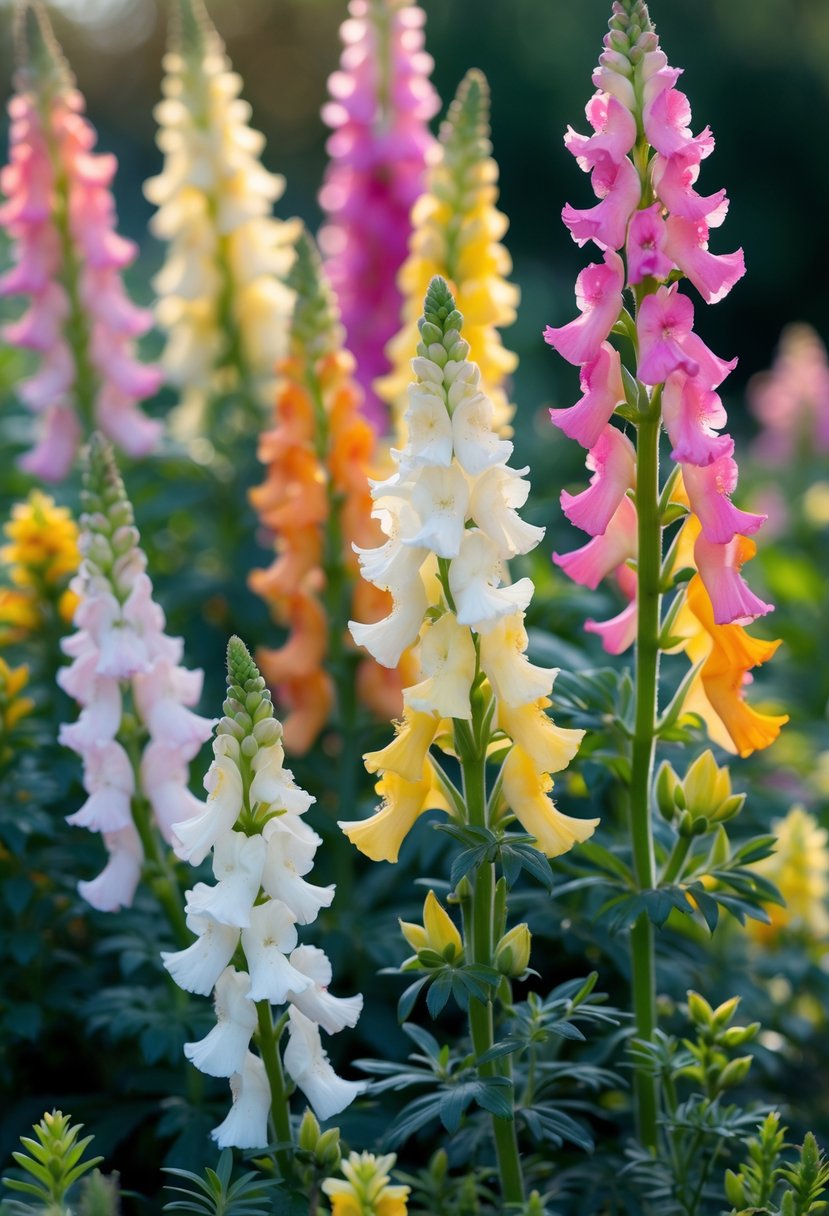
You can plant snapdragons in September for strong fall blooms. These flowers do well in cooler weather and can handle light frost.
Snapdragons come in many colors like red, pink, yellow, white, and more. They add height and color to your garden beds or containers.
Make sure to plant them in well-drained soil with good sunlight. Regular watering helps keep their blooms healthy and vibrant throughout the season.
11) Pansies
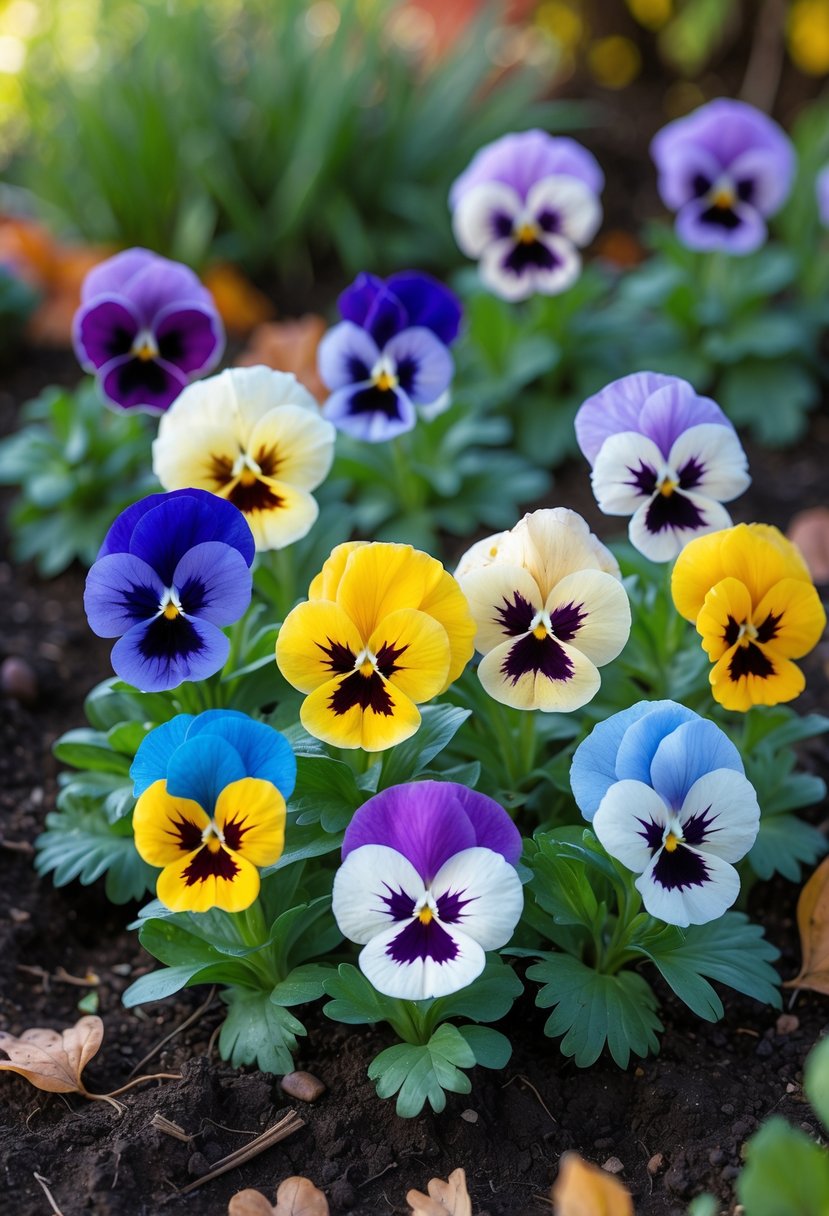
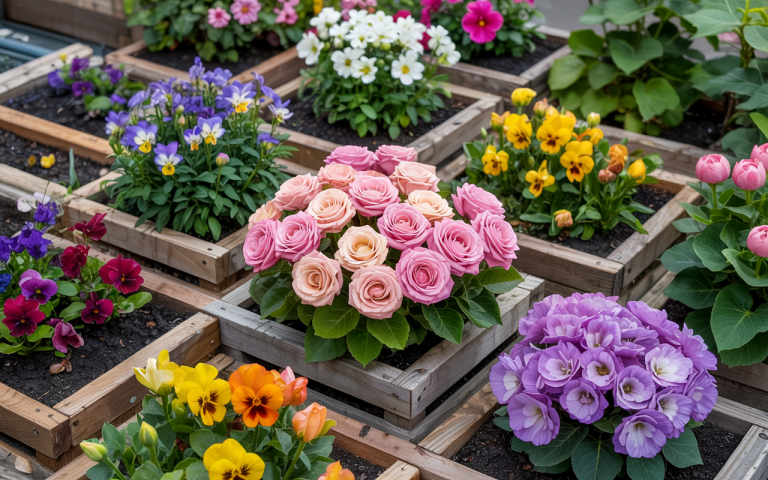
You can plant pansies in September to enjoy bright blooms through fall and early spring. They do well in cooler weather and establish strong roots before winter.
Pansies come in many colors, adding varied shades to your garden. They are low-maintenance and tolerate light frost, making them a reliable choice for fall planting.
12) Violas
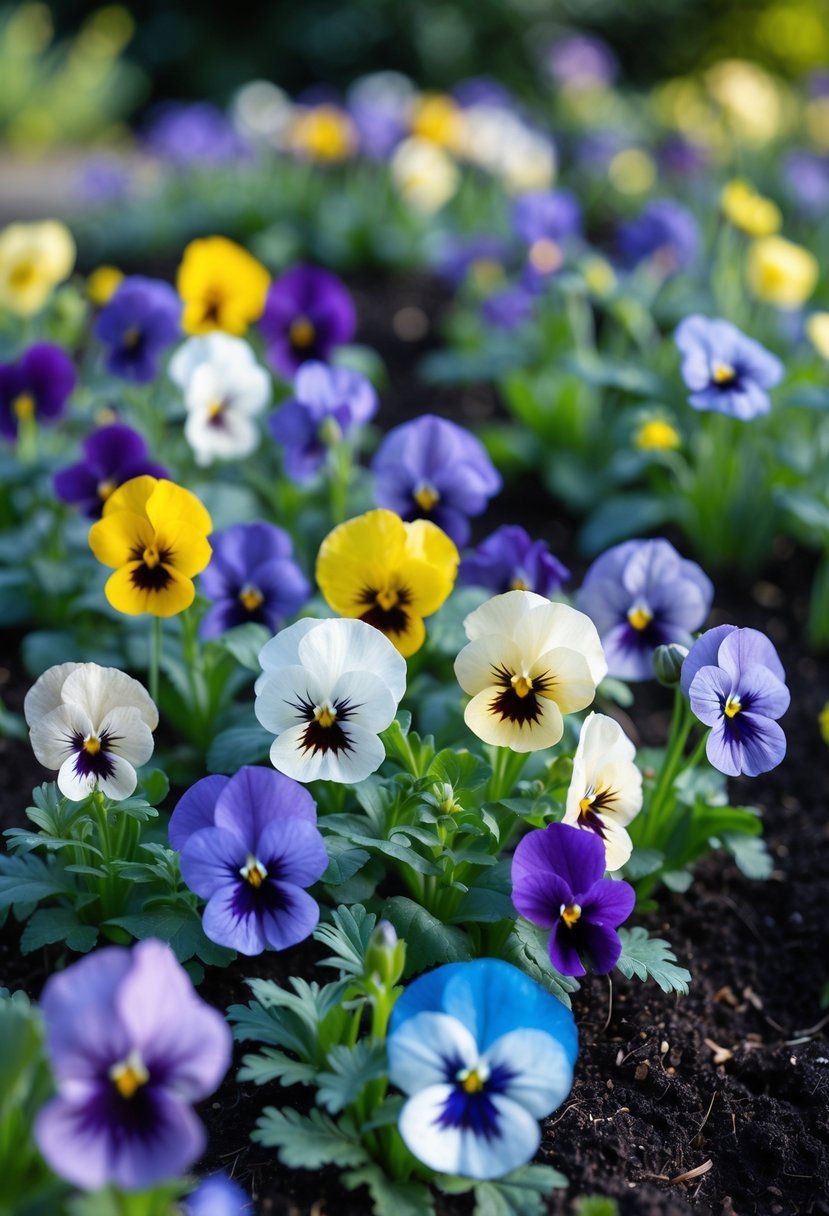
You should plant violas in September to give them time to establish before winter. They are hardy, cool-season flowers that bloom through fall and early spring.
Violas come in many colors and are great for adding continuous color. Plant them in groups for the best display. They grow well in cool, well-drained soil and need moderate care to thrive.
Seasonal Benefits of Planting Flowers in September
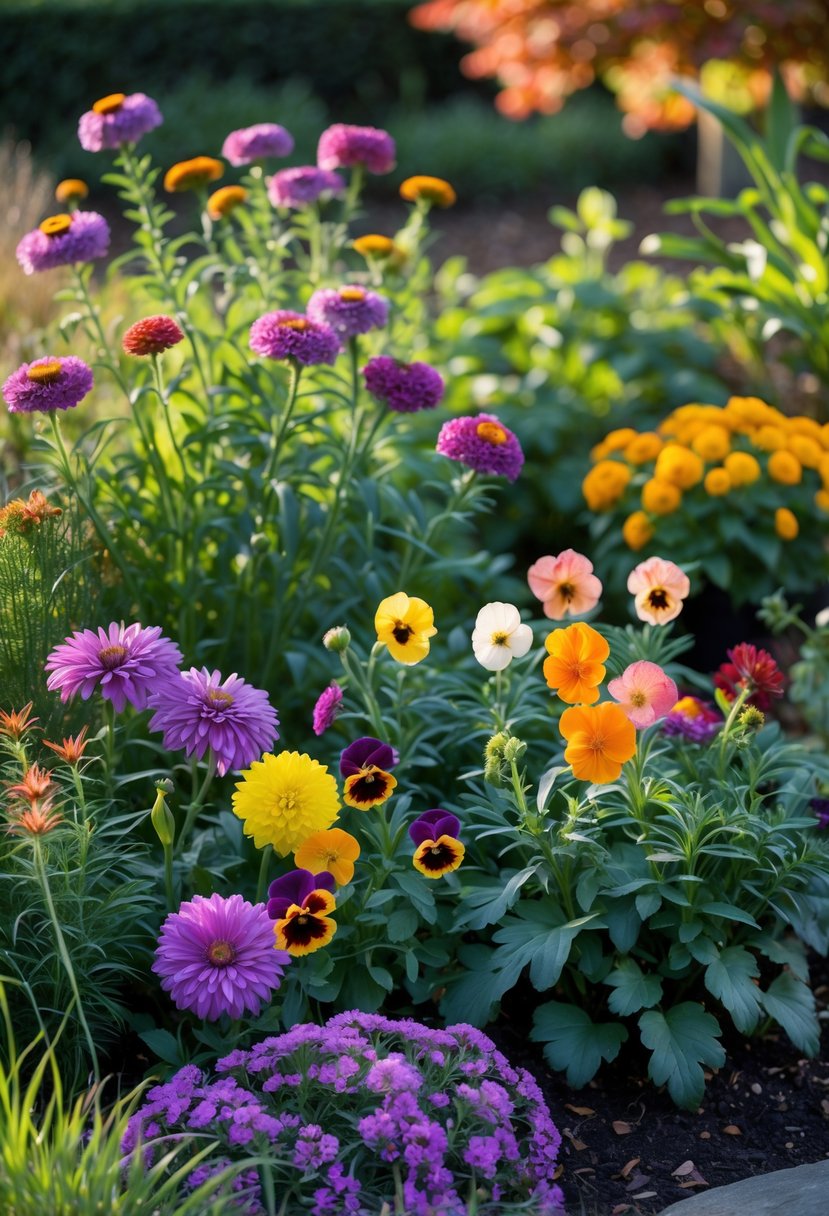
Planting flowers in September helps you enjoy longer blooms and supports your garden’s overall health. The soil is still warm, and cooler air encourages strong roots. This timing gives plants a head start before winter.
Extended Bloom Periods
When you plant in September, your flowers often bloom longer into fall and sometimes even early spring. The cooler air slows down growth, which helps flowers last instead of wilting quickly.
Many perennials planted now establish deep roots before cold weather. This means they survive winter better and burst into color earlier next season.
You can expect:
- Fall blooms that brighten your garden as summer plants fade
- Early spring flowers when bulbs and perennials awaken
This timing reduces stress on your plants. You won’t need to water as often because the air is cooler and rain is more frequent.
Improved Garden Health
September planting benefits your garden’s health by letting plants settle in without harsh heat. The warm soil encourages root growth while the cooler air reduces water loss.
Strong root systems established now help plants withstand winter cold and spring growth spurts. This early root development means less chance of damage from drought or frost.
Also, fewer pests are active in September. You won’t have to deal with many bugs that can harm young plants during hotter months.
By planting now, you support a balanced, resilient garden. Your flowers can establish well and be less vulnerable to diseases and stress later on.
Essential Care Tips for September-Planting Success
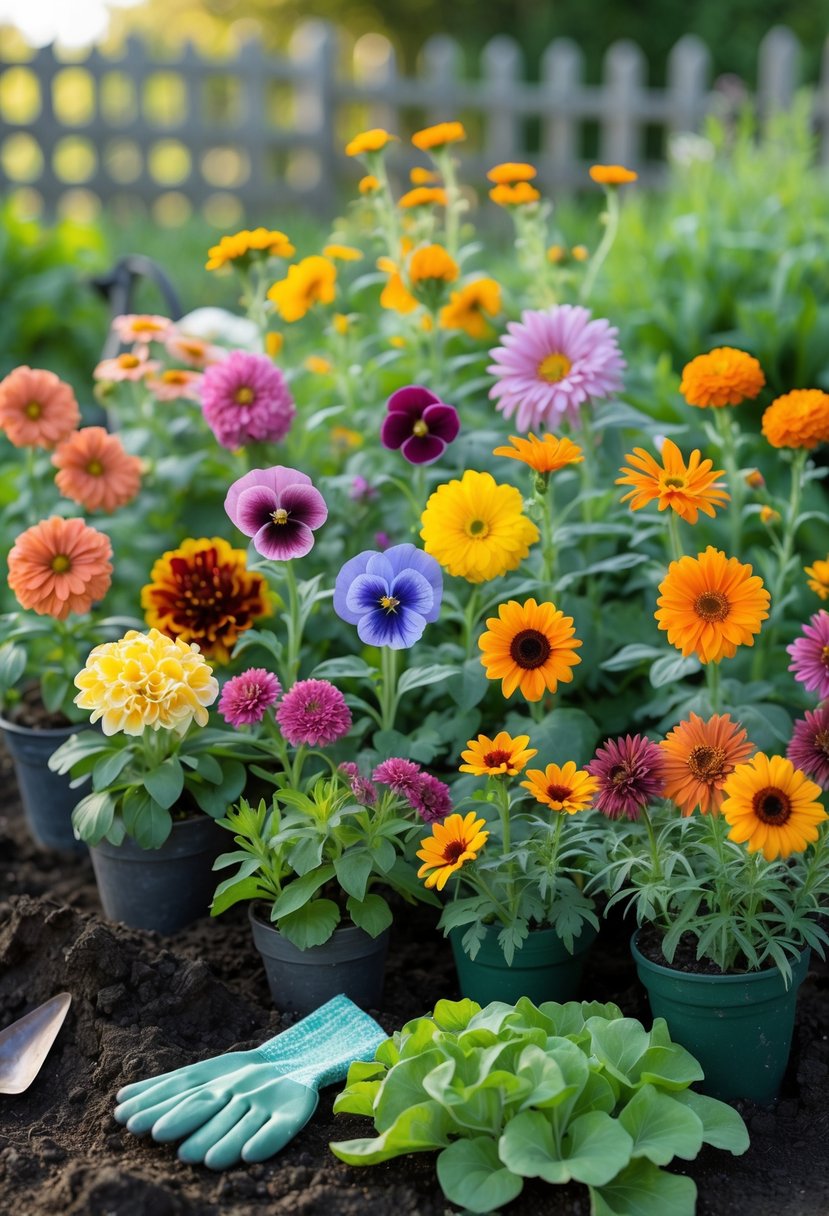
To help your September-planted flowers thrive, focus on preparing the soil properly and using the right watering methods. These steps ensure strong roots and healthy growth during cooler fall temperatures.
Soil Preparation
Start by loosening the soil to a depth of about 8 to 12 inches. This helps roots grow easily and allows air and water to reach them.
Add organic matter like compost or well-rotted manure. This improves soil structure, drainage, and nutrient content.
Check the soil pH if possible. Most fall flowers prefer slightly acidic to neutral soil (pH 6.0–7.0). Adjust it by adding lime for acidity or sulfur for alkalinity.
Remove weeds and debris before planting. This reduces competition for nutrients and water.
Create raised beds or mounds if your soil does not drain well. Good drainage prevents root rot and fungal diseases.
Watering Techniques
Water your new plants right after planting to settle the soil around the roots.
Keep the soil moist but not soggy during the first few weeks. This encourages roots to establish without drowning them.
Water deeply, aiming for at least 1 inch per week, depending on rainfall. Deep watering promotes deeper root growth.
Use a drip irrigation system or a soaker hose if possible. These methods deliver water directly to the roots and reduce evaporation.
Avoid watering leaves to prevent fungal problems. Water in the morning so plants dry before nightfall.