12 Cool Uses for Lavender Leaves to Enhance Your Home and Health
Lavender leaves are often overlooked, but they offer many practical uses beyond just their scent. You might think of lavender flowers first, but the leaves themselves can be useful in your home, garden, and kitchen.
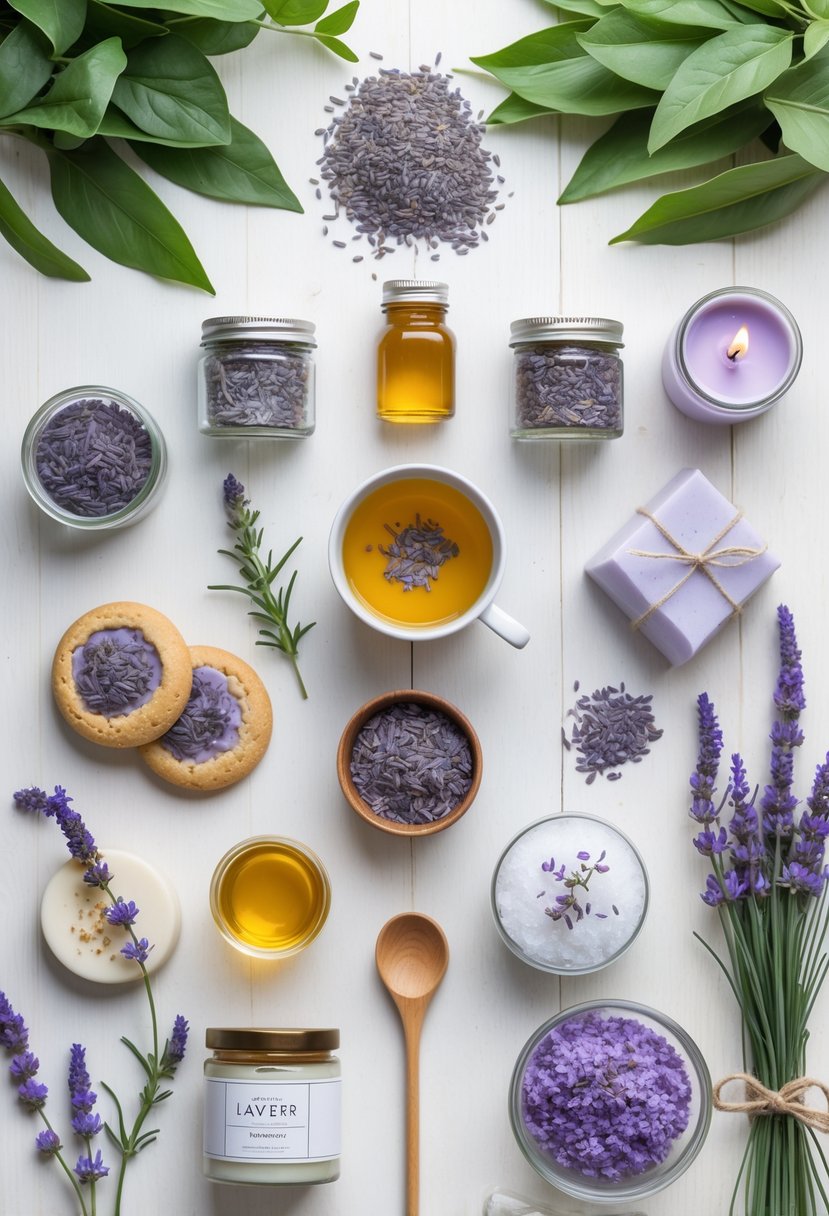
If you want to get more value from your lavender plants, learning how to use the leaves can open up new and simple ways to enjoy them. This article will show you a variety of easy and creative ideas to make the most of your lavender leaves.
12) Apply diluted lavender tincture to scalp for lice prevention
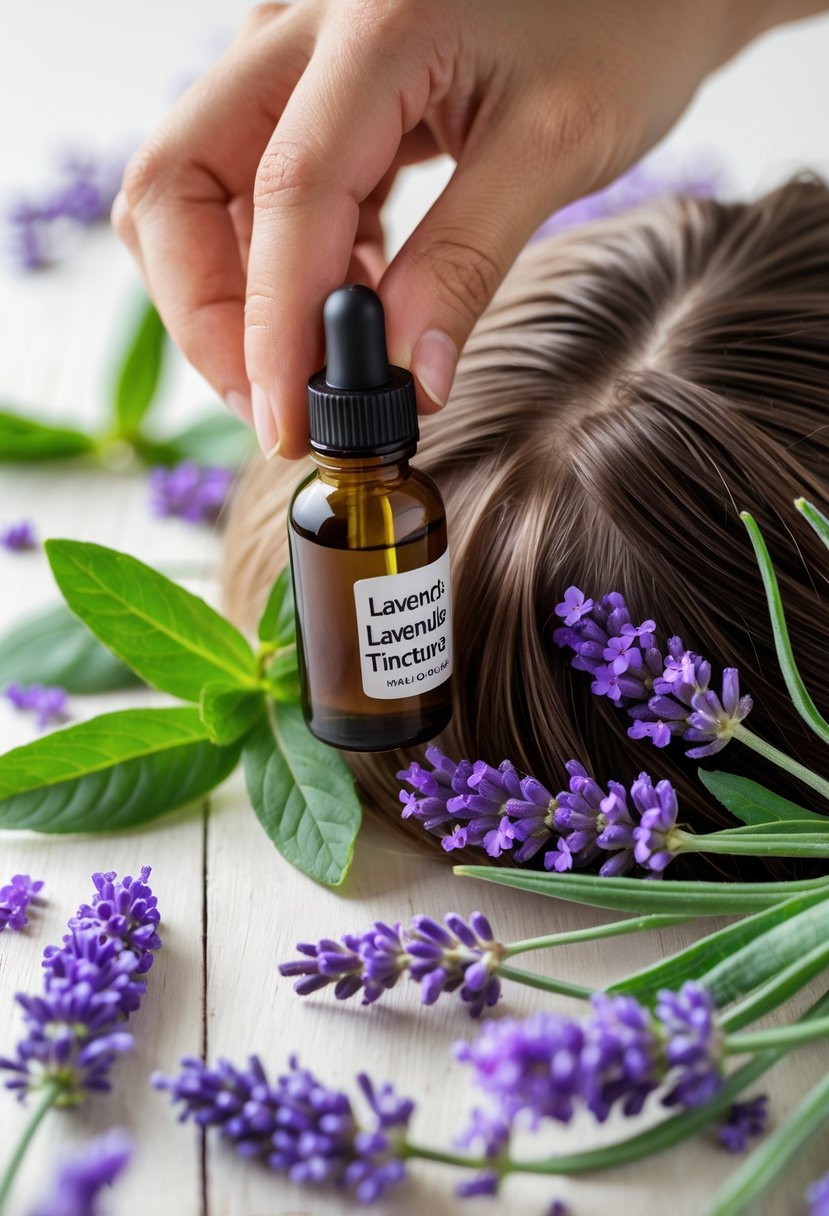
You can use diluted lavender tincture on your scalp to help prevent lice. Mix about 30 drops of tincture with half a cup of water before applying.
Gently massage the mixture into your scalp and hair to cover all areas.
This method is gentle and can reduce the chance of lice without harsh chemicals. Always test a small skin area first to check for any reaction.
11) Steep lavender leaves with lemon balm for evening tea
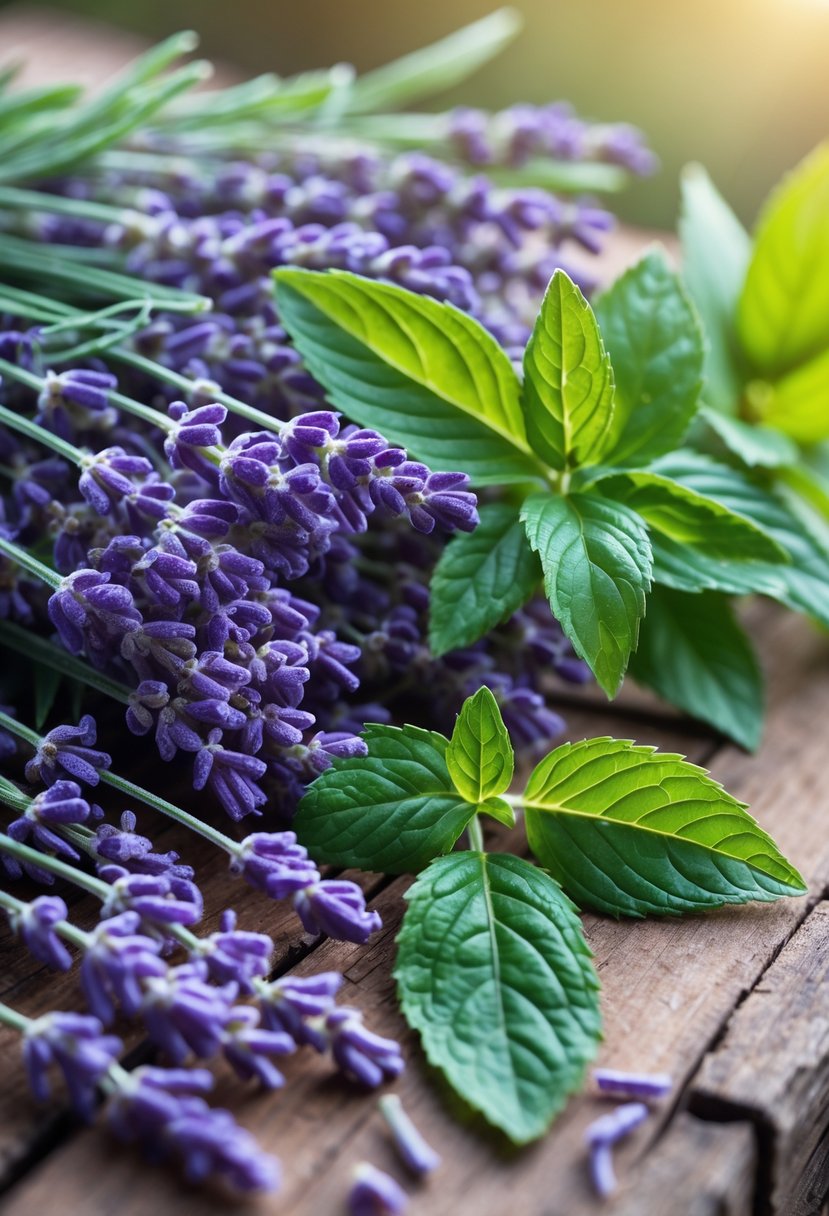
You can make a calming tea by steeping lavender leaves with lemon balm. Boil water and pour it over the herbs. Let them steep for about 10 to 15 minutes.
This blend has a mild, soothing flavor that is good before bedtime. You can drink it plain or add honey for sweetness. It helps you relax without strong or bitter taste.
10) Use lavender leaf bath salts for a fragrant soak
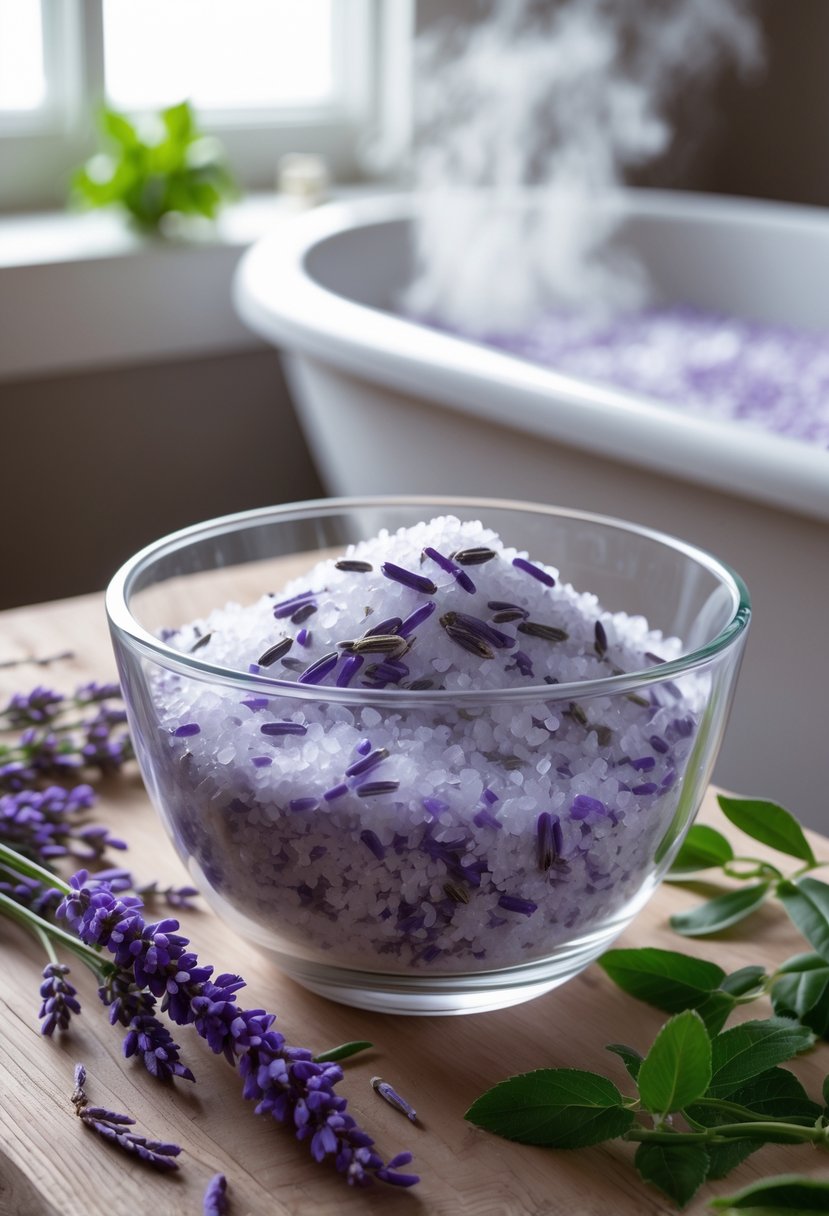
You can make bath salts using dried lavender leaves along with Epsom salts and sea salt.
When you add these to warm water, the lavender releases a mild scent that helps create a relaxing atmosphere.
This simple soak can help ease muscle tension and leave your skin feeling soft.
Try rubbing the lavender leaves between your fingers before adding them to release more fragrance.
9) Mix dried lavender leaves into homemade potpourri
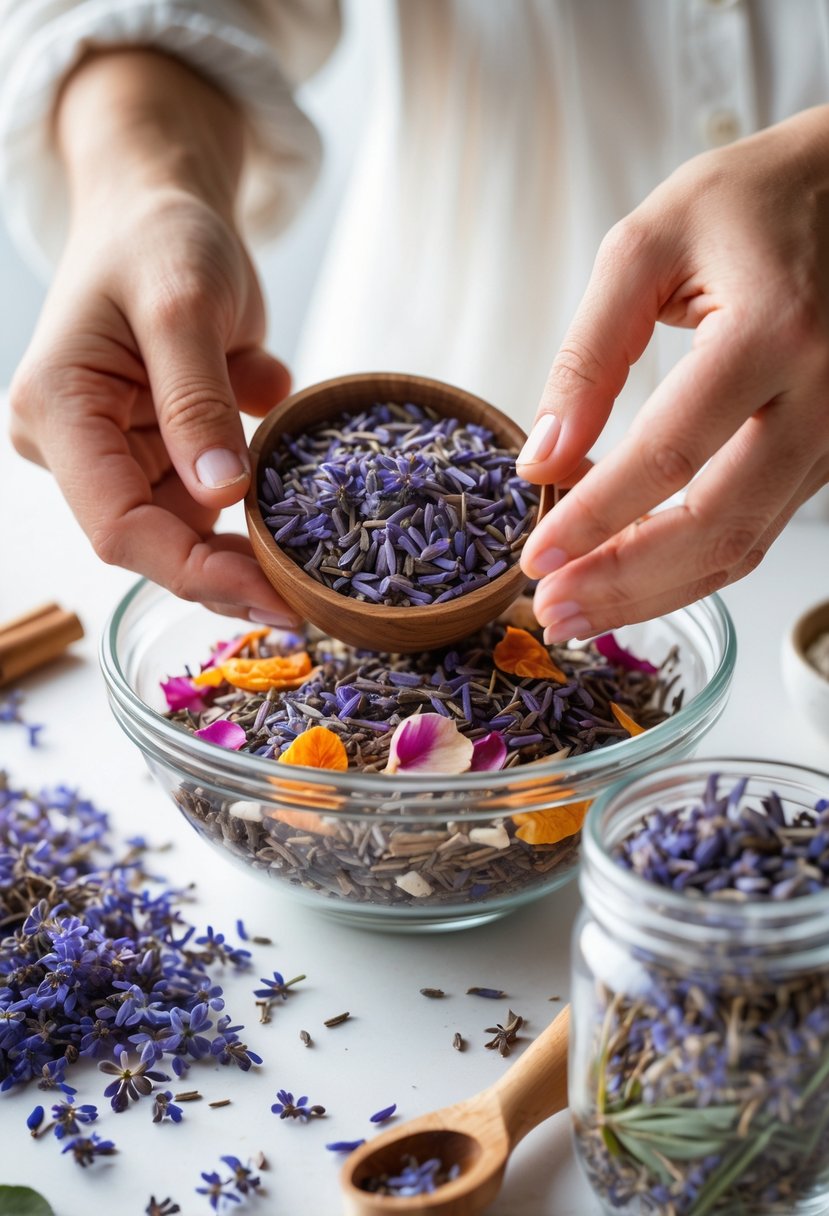
You can add dried lavender leaves to your homemade potpourri for a fresh, natural scent. Use them along with dried buds and flowers to create a simple mix.
Mix the leaves gently with other dried herbs or flowers in a bowl. Add a few drops of lavender essential oil to boost the fragrance if needed.
Store your potpourri in a breathable container or sachet. Shake it occasionally to keep the scent strong over time.
8) Add finely chopped lavender leaves to cookies or cakes
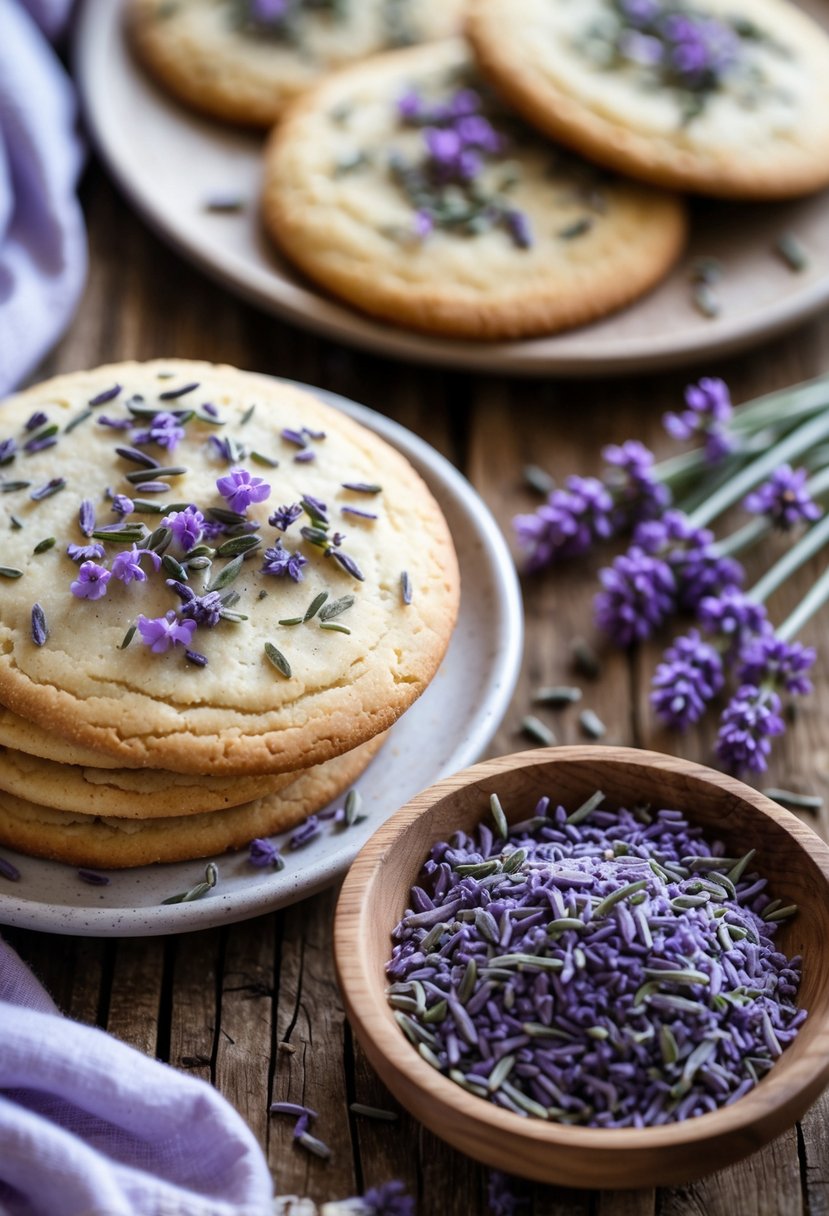
You can add finely chopped lavender leaves to your cookie or cake recipes for a mild floral flavor. Use fresh leaves for a greener taste or dried ones for a more subtle aroma.
Start with a small amount, like 2-3 tablespoons of fresh leaves per batch. Chop them finely to avoid large bits in your baked goods.
Lavender pairs well with simple flavors like vanilla and lemon. It adds an interesting twist without overpowering your dessert.
7) Make lavender tincture with high-proof alcohol for calming effects
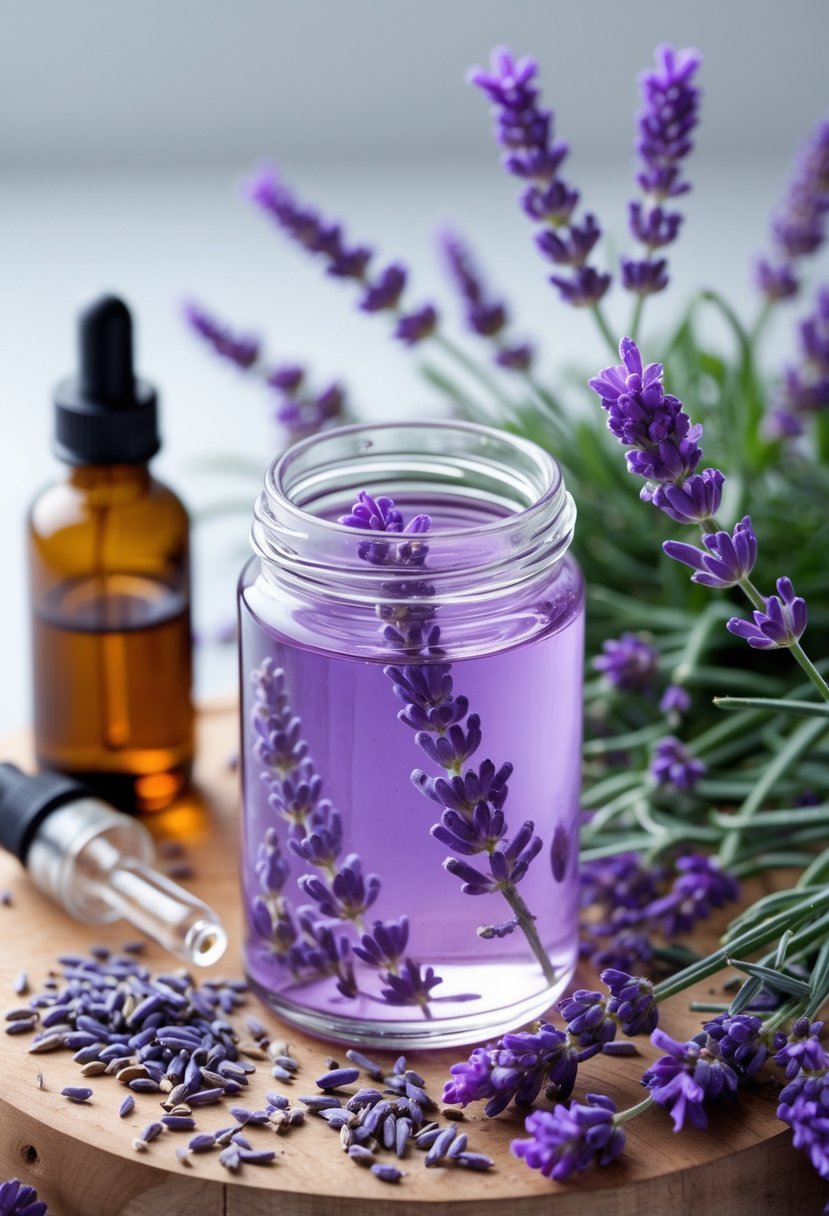
You can make a lavender tincture using lavender leaves and high-proof alcohol, like vodka. Fill a jar halfway with fresh or dried lavender, then cover it with the alcohol.
Seal the jar and store it in a cool, dark place for 4 to 6 weeks. Shake the jar gently every few days to mix the contents well.
After steeping, strain the liquid through a fine mesh or cheesecloth into a clean bottle. Taking 1 to 2 teaspoons may help promote calm and relaxation.
6) Infuse lavender leaves in olive oil for skincare massage oil
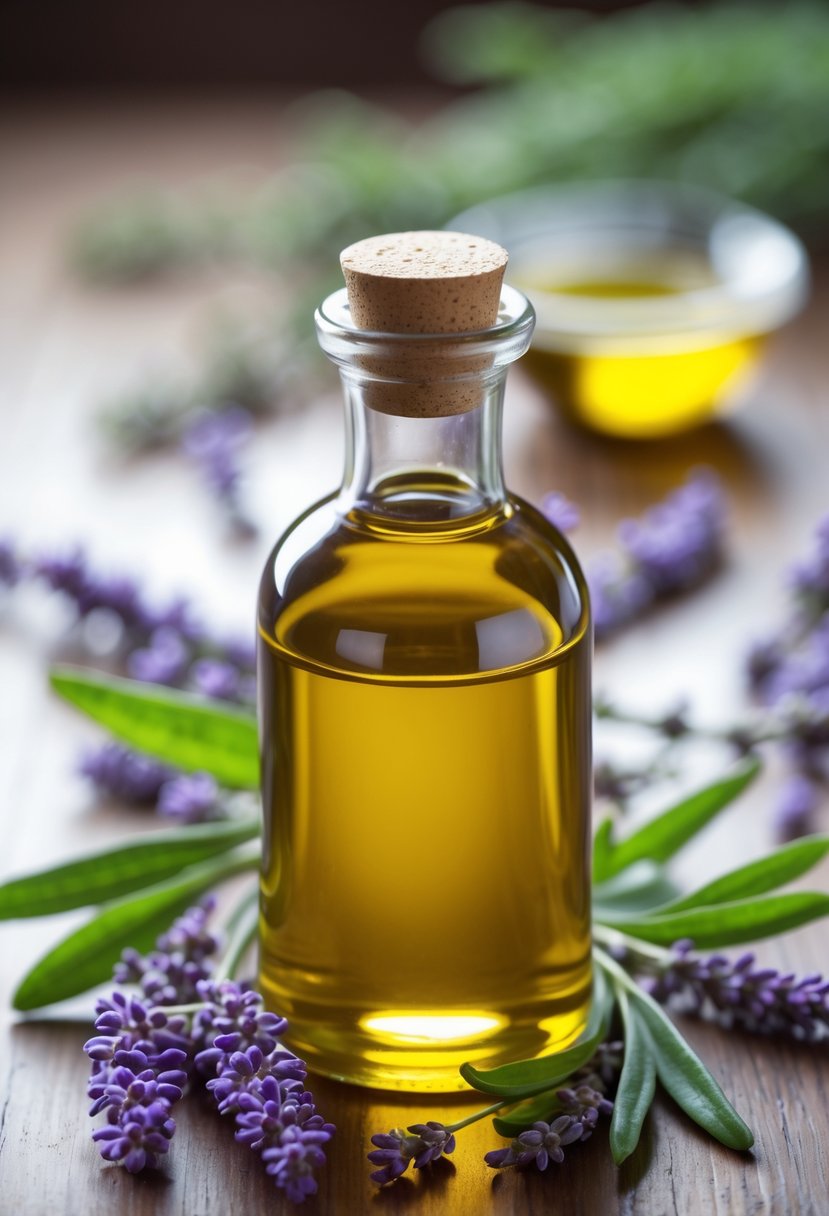
You can make a gentle massage oil by infusing dried lavender leaves in olive oil. Fill a clean jar with lavender leaves and cover them completely with extra virgin olive oil. Seal the jar tightly and let it sit in a warm, sunny spot for 2 to 4 weeks.
After infusion, strain the oil to remove the leaves. This lavender olive oil can soothe your skin and help relax muscles during a massage. Keep it in a dark bottle to preserve freshness.
5) Combine lavender leaves with chamomile for soothing tea blends
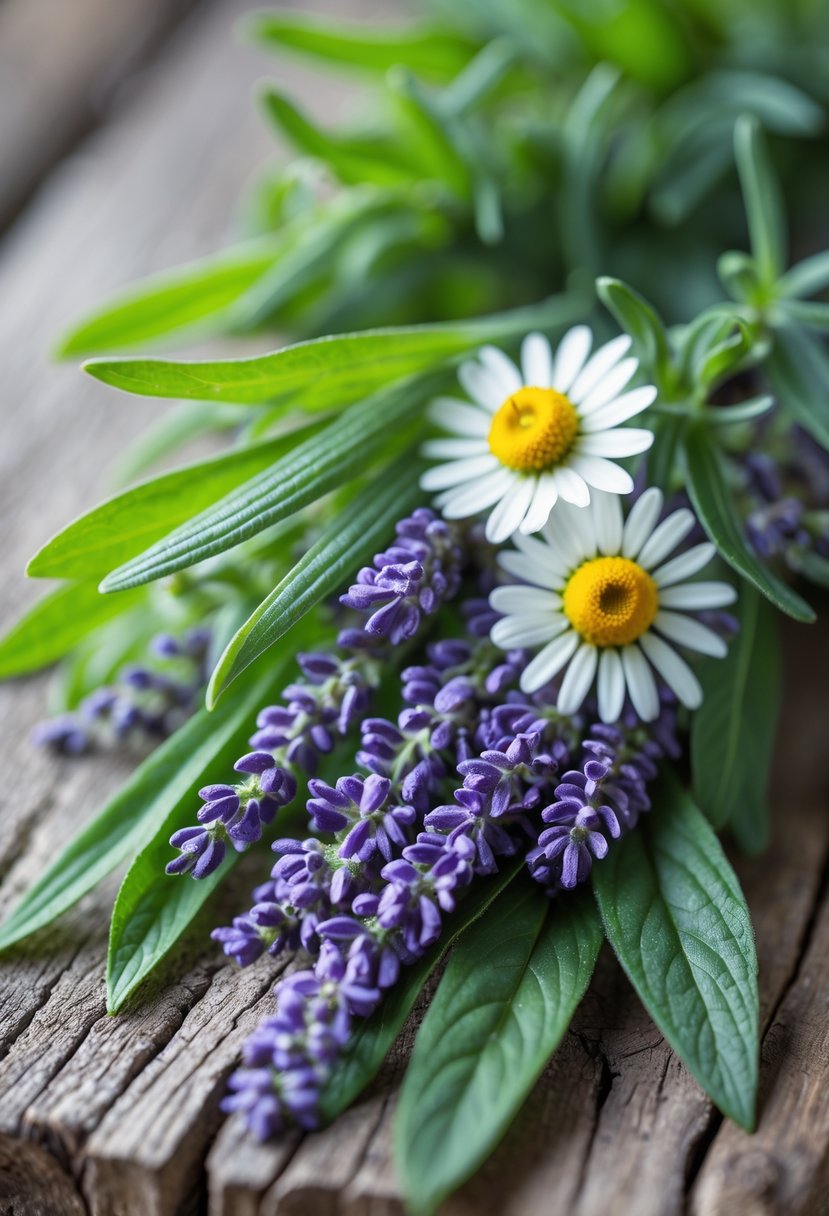
You can mix lavender leaves with chamomile flowers to create a calming tea. This blend is known for its gentle, relaxing effects.
To prepare, steep about one teaspoon of dried lavender and one tablespoon of chamomile in hot water for five minutes. You can drink it plain or add honey for sweetness.
This tea may help reduce stress and support better sleep. It’s a simple way to use lavender leaves for relaxation.
4) Brew lavender leaf tea to promote relaxation
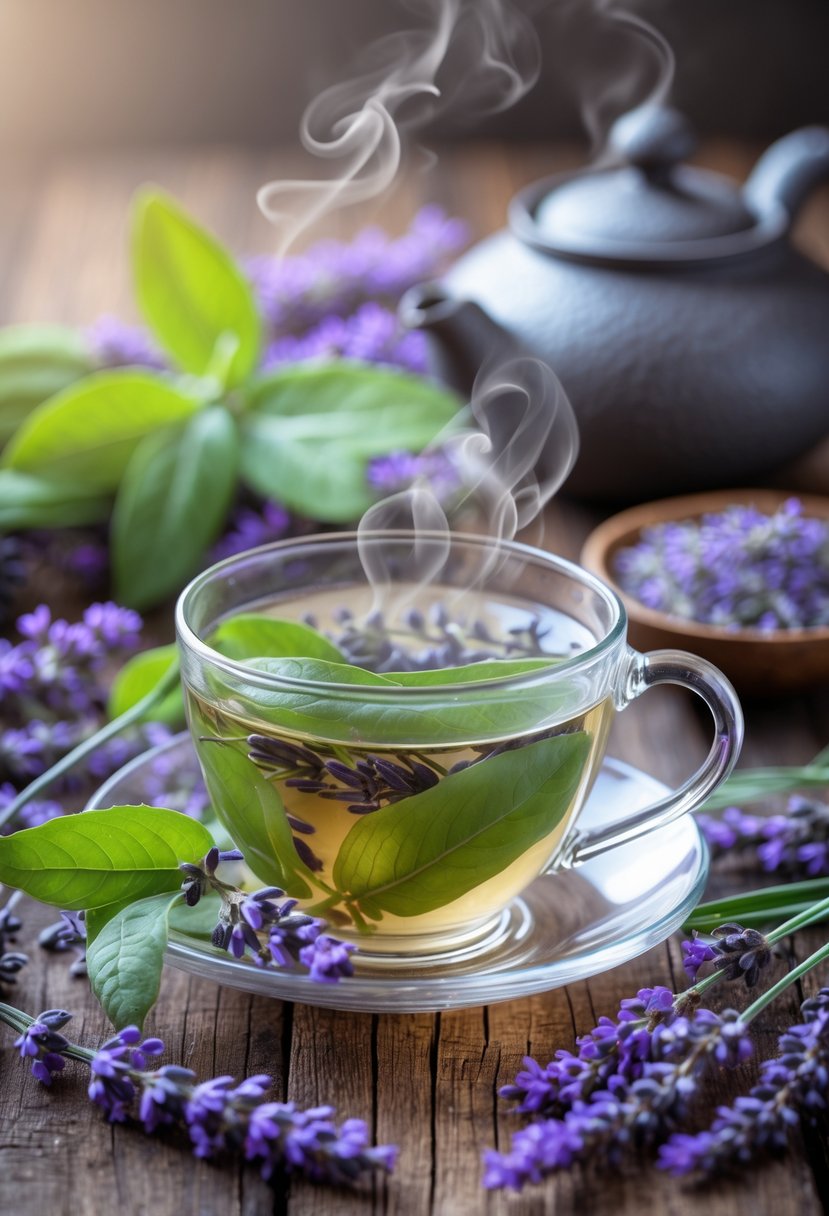
You can make a simple tea using dried or fresh lavender leaves. Steep about a teaspoon of leaves in hot water for 3 to 5 minutes. The longer you steep, the stronger the flavor will be.
This tea has a mild, floral taste that many find calming. You can add honey or sugar if you want it sweeter. Drinking lavender leaf tea may help you feel more relaxed.
3) Create herbal rubs with lavender for grilled meats
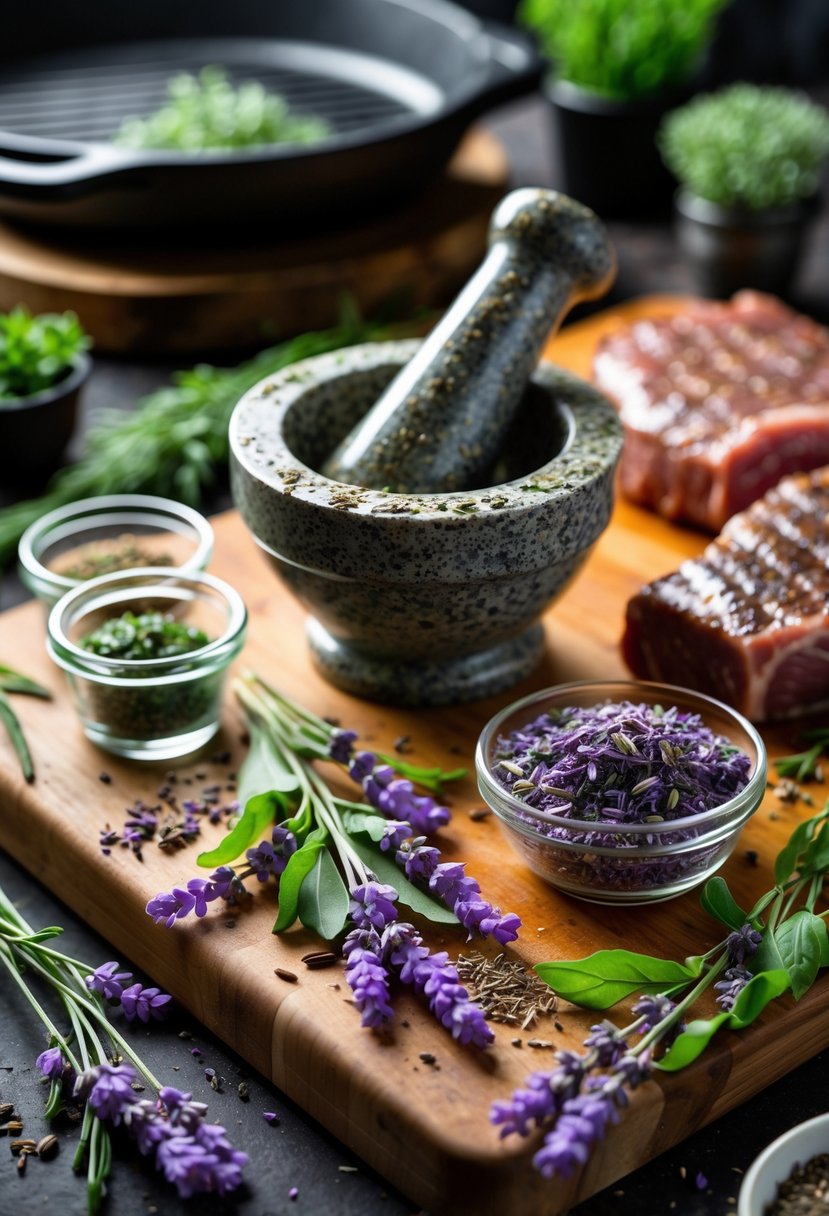
You can blend dried lavender leaves with herbs like rosemary, thyme, and garlic to make a flavorful rub. Use this mix sparingly to season meats such as chicken, lamb, or pork.
Lavender adds a subtle floral touch that pairs well with savory flavors. Try applying the rub before grilling to enhance your meat’s taste.
Stick to English lavender for cooking, as other types may taste bitter. This simple rub can bring a new twist to your usual grilling routine.
2) Add lavender leaves to roasted potatoes for flavor
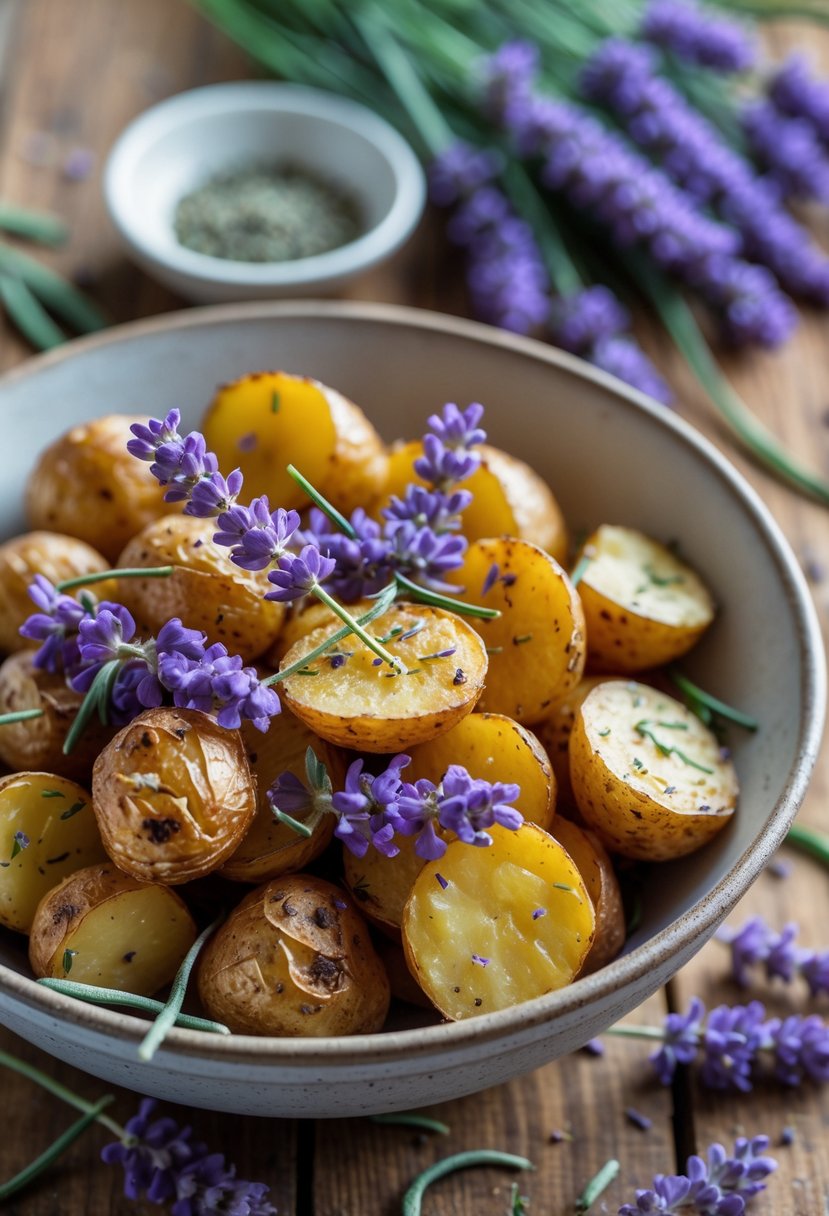
You can toss fresh or dried lavender leaves with potatoes before roasting. The herb adds a subtle, herbal note that pairs well with the earthiness of the potatoes.
Use waxy potatoes like fingerlings for the best texture. Combine lavender with olive oil, salt, and other herbs for a balanced flavor.
Roast the potatoes until crispy on the outside. Lavender helps brighten the dish without overpowering it. This simple addition can make your roasted potatoes more interesting.
1) Make lavender leaf sachets for linens and pillows
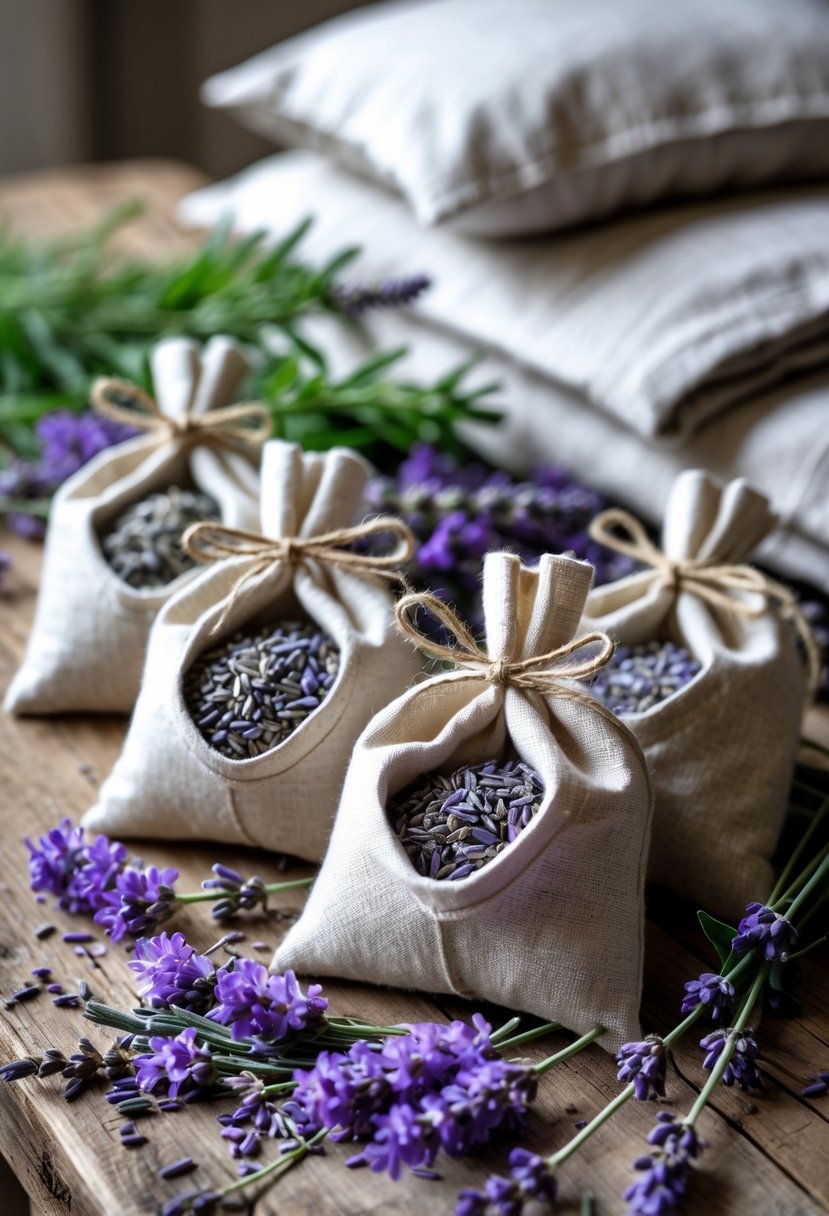
You can use dried lavender leaves to make small sachets for your linens and pillows. Simply fill small fabric bags or scraps of cloth with the leaves.
Place the sachets in your drawers, closets, or under your pillow. They add a light, natural scent and can help keep your linens smelling fresh.
Understanding Lavender Leaves
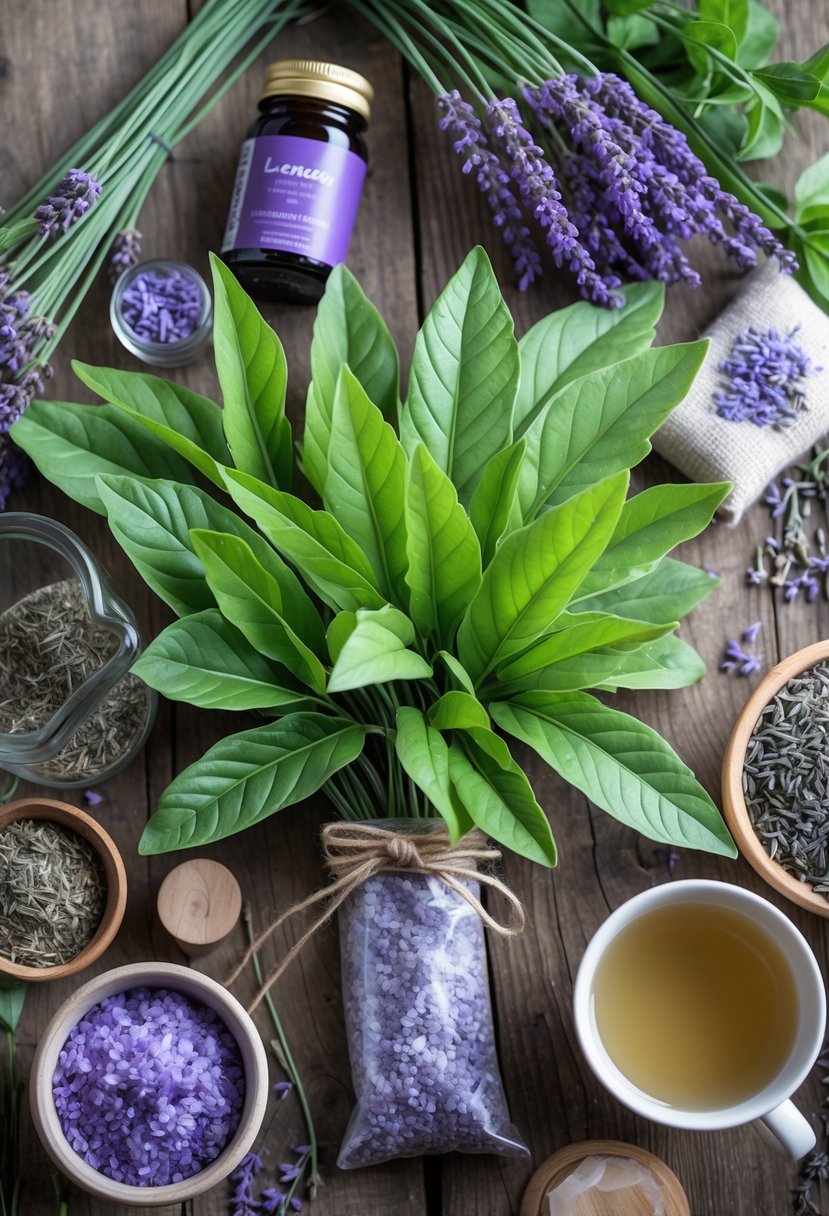
Lavender leaves have distinct features and qualities that make them useful beyond just their scent. You will find important details in their physical traits and their special compounds that influence flavor and health benefits.
Botanical Characteristics
Lavender leaves come from the Lavandula plant, which is a shrub that grows well in dry and sunny areas. The leaves are usually narrow and elongated with a slightly fuzzy texture on the surface. They range in color from green to grayish-green.
The shape and size of the leaves can vary depending on the type of lavender. For example, English lavender has softer leaves compared to Spanish or French types. You should note that some varieties like Spanish lavender have higher camphor levels, which affect their taste.
Lavender plants also have a woody stem, and the leaves grow in pairs along it. The plant is evergreen, so you can use the leaves year-round if you harvest carefully.
Nutritional and Aromatic Properties
Lavender leaves contain essential oils such as linalool and camphor, which give them their aroma and some health properties. Linalool is known for its calming effects, while camphor can add a sharp, slightly bitter taste.
The concentration of these oils varies by lavender species. English lavender usually has a softer, sweeter scent with less camphor, making it ideal for cooking. Other types may taste too bitter or strong when used in food.
Besides flavor, these compounds in the leaves also have antibacterial and anti-inflammatory traits, which is why lavender leaves are sometimes used in natural health remedies or skin care products. Their scent can help reduce stress and promote relaxation when used in aromatherapy.
Safety and Storage Considerations
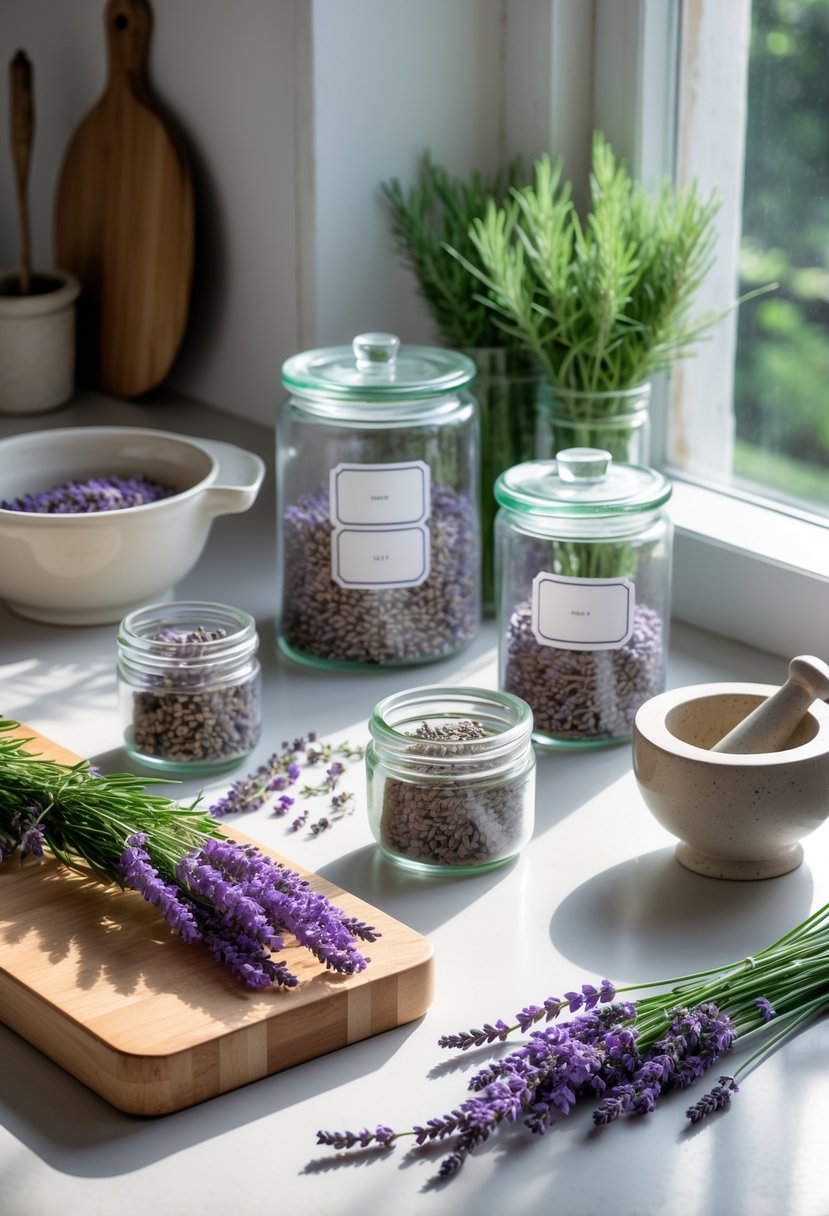
Using lavender leaves safely and storing them properly helps keep their quality and benefits intact. Paying attention to preparation and storage will prevent issues like flavor loss, contamination, or spoilage.
Safe Handling and Preparation
When handling lavender leaves, make sure they are clean and free from pesticides or chemicals. If you grow your own, avoid spraying pesticides to keep the leaves safe for cooking or skin use.
Use only English lavender leaves for culinary purposes, as other types like Spanish or French lavender have higher camphor, which can taste bitter and irritate digestion.
Before using leaves, rinse them gently in cold water and pat dry with a clean towel. Use a clean knife or scissors to cut leaves, especially if you plan to eat them or apply them on skin. Avoid touching your face or eyes after handling lavender, as some people may have mild skin sensitivity.
Proper Storage Techniques
Store dried lavender leaves in an airtight container to keep them fresh and prevent moisture buildup. Use glass jars or sealed plastic bags placed in a cool, dark, and dry place away from direct sunlight.
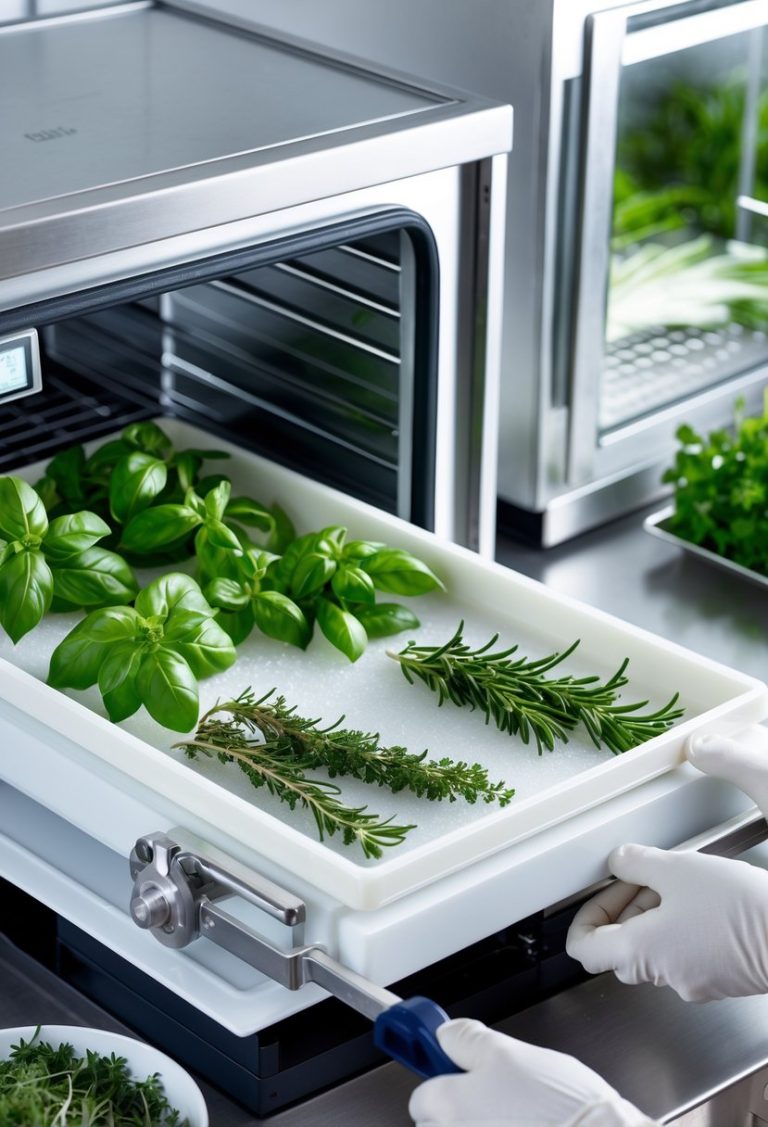
If you want to freeze fresh leaves, spread them on a tray first to freeze individually before transferring them to a freezer-safe bag. This stops the leaves from clumping together.
Label containers with the date to track freshness. Dried leaves usually last up to a year if stored well, while fresh leaves should be used within a few days or frozen for longer use. Avoid storing near strong odors, as lavender easily absorbs smells.