12 Best Plants that Clean and Filter Pond Water for Healthy and Clear Aquatic Environments
Pond plants play a key role in keeping your pond water clean and healthy. They naturally filter and absorb nutrients, which helps prevent algae and other problems that can make your water murky or unhealthy.
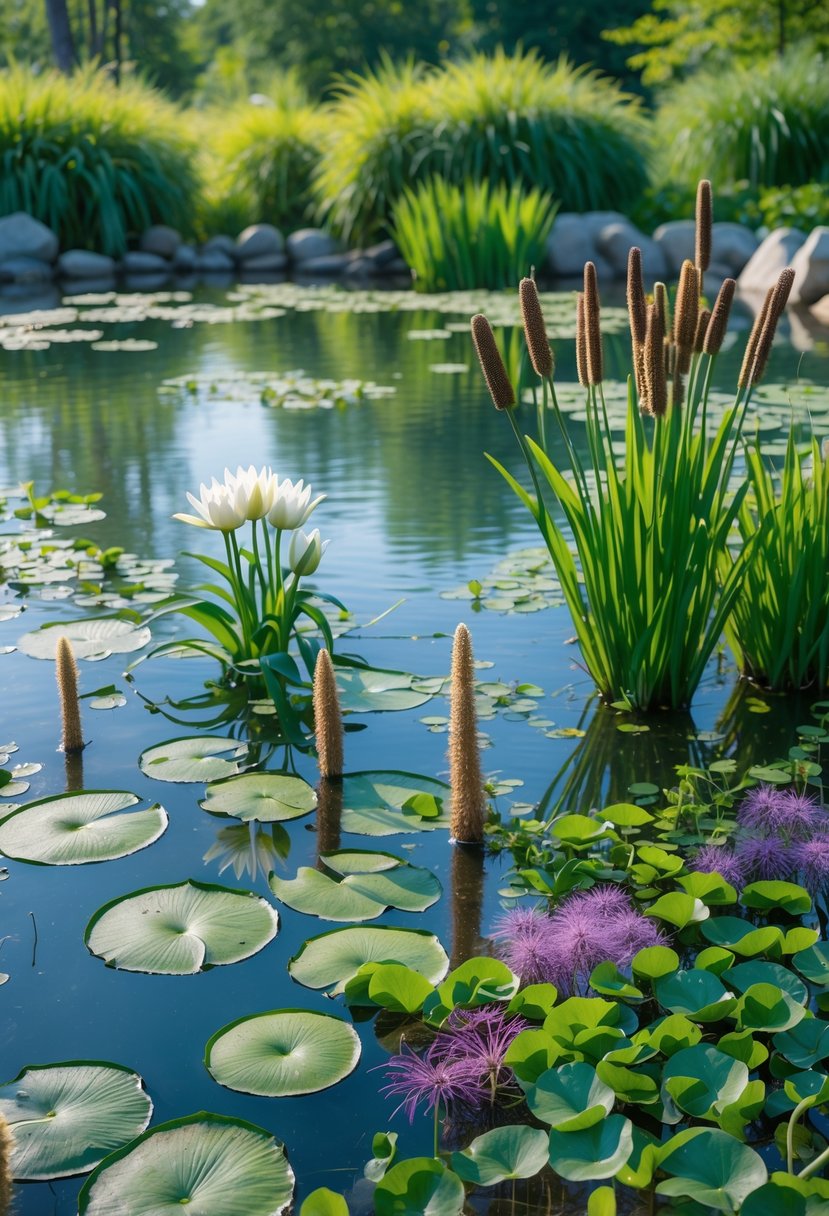
Using the right plants can improve water clarity and support a balanced pond ecosystem without relying on chemicals. This article will help you learn about the best plants that clean and filter pond water effectively.
1) Hornwort
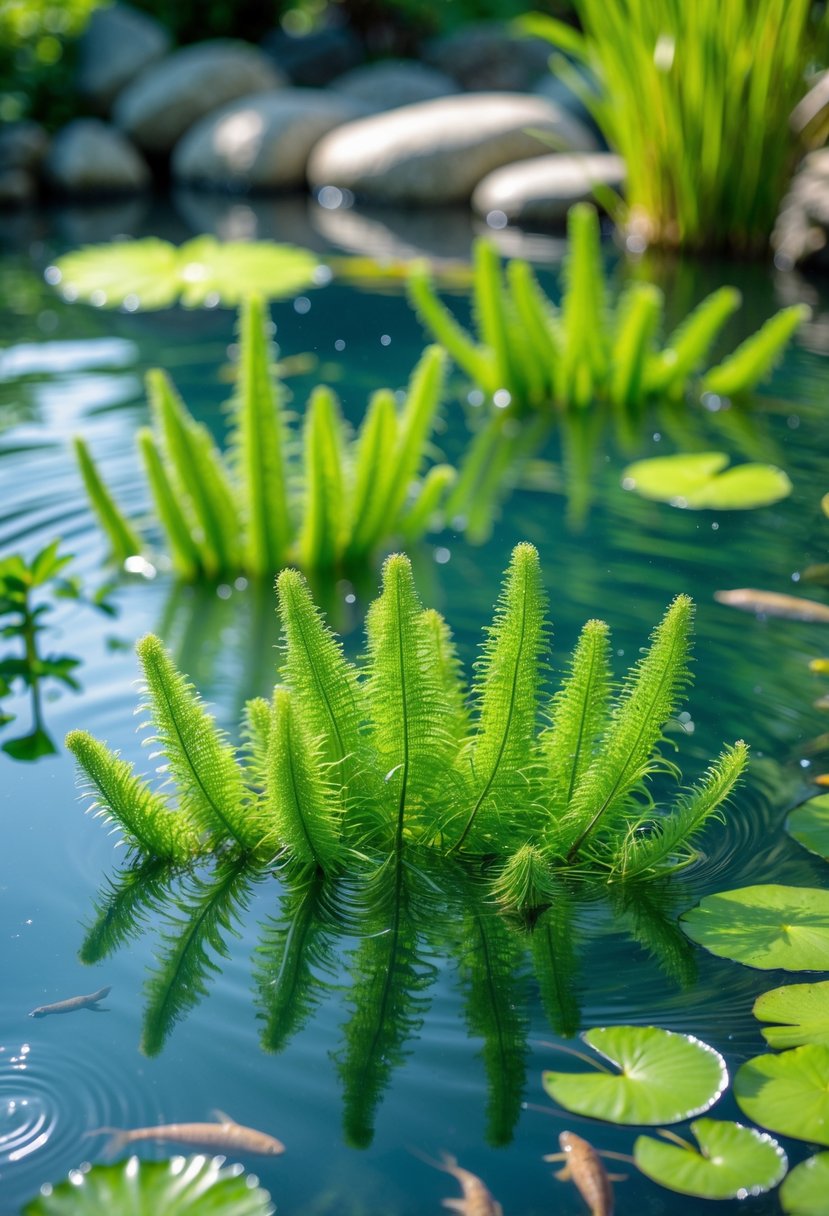
Hornwort is a fully submerged plant that helps keep your pond water clear. Its long stems can grow up to 10 feet, providing a large surface area to absorb excess nutrients.
You can rely on hornwort to add oxygen to your pond, which supports fish and other aquatic life. It also helps reduce algae growth by competing for nutrients.
This plant grows fast and floats freely, making it easy to move or remove if needed. Hornwort is low maintenance and works well in many pond environments.
2) Water Lily
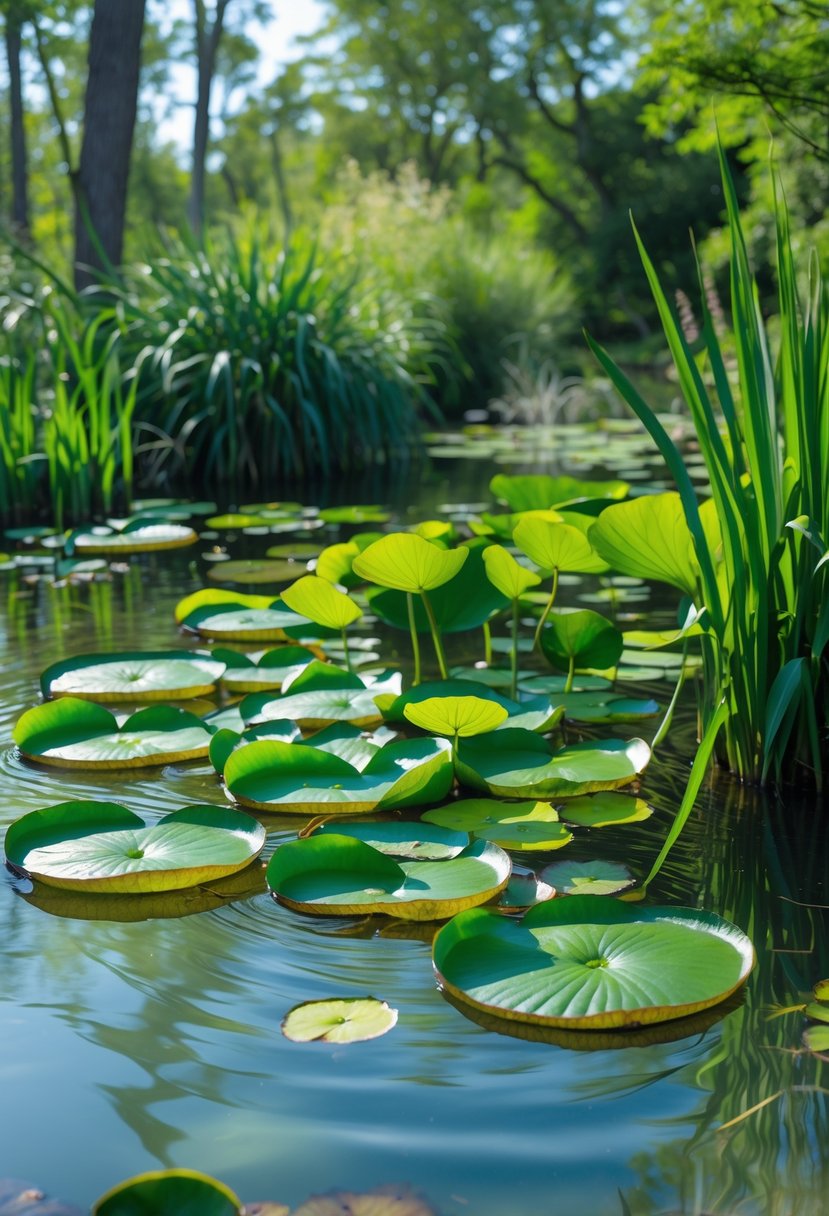
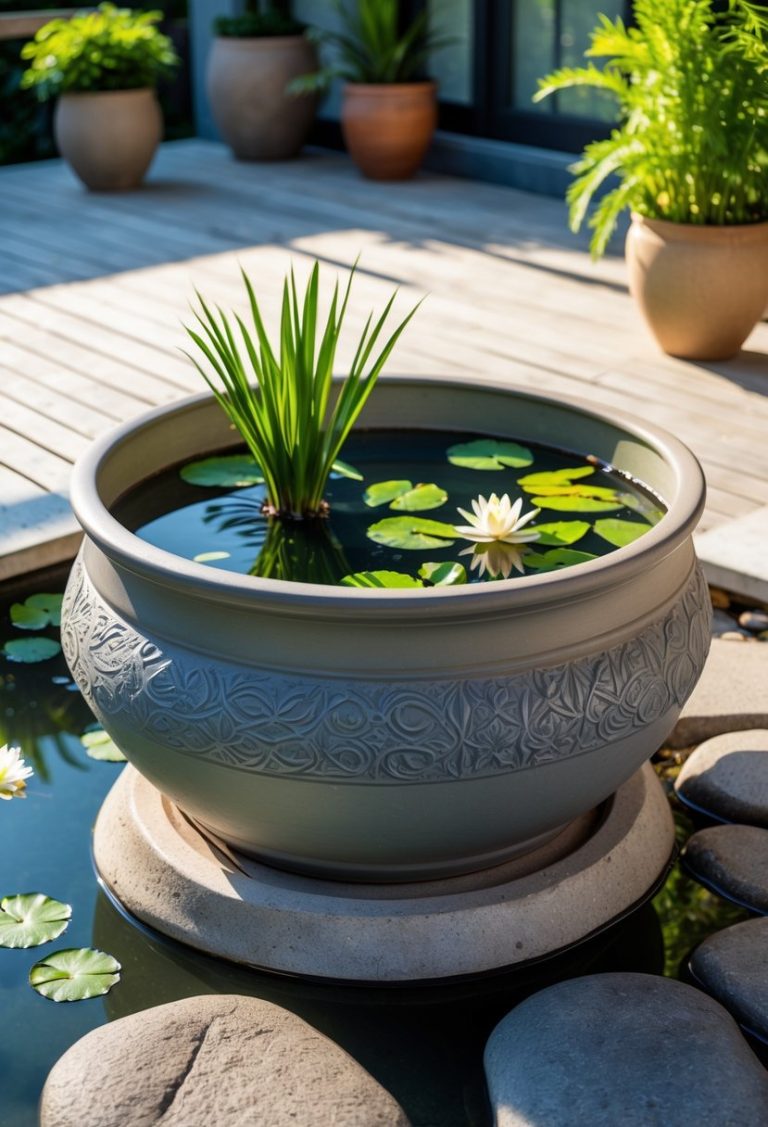
Water lilies are a popular choice for pond owners who want both beauty and function. Their large, flat leaves cover the water surface, which helps block sunlight and reduces algae growth.
You can plant water lilies in pots submerged in the pond. Their roots absorb nutrients from the water, which helps keep the water cleaner.
The flowers add visual interest, but the plant also creates shade and shelter for fish and other aquatic animals. This makes your pond healthier and more balanced.
3) Pickerel Weed
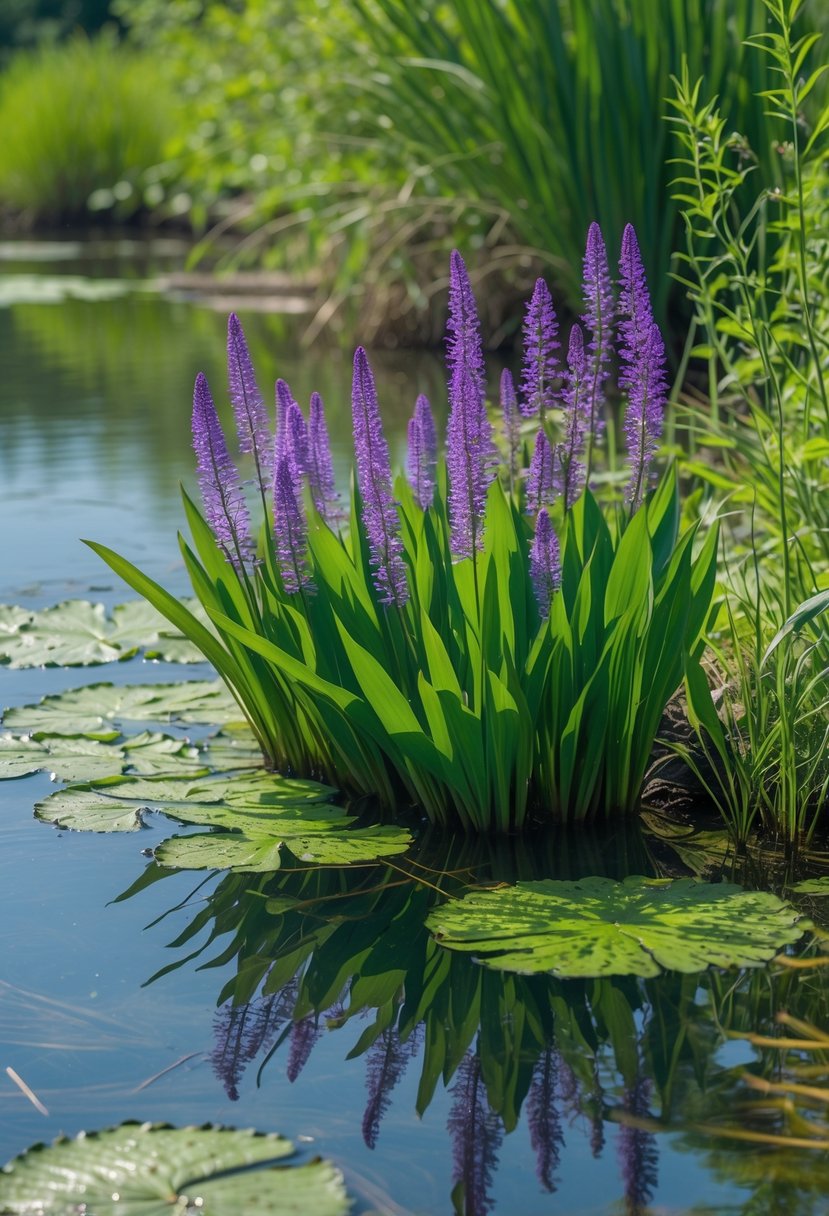
Pickerel Weed is a good choice for cleaning pond water. It grows best in full sun and blooms from May to October. You can expect it to reach up to 4 feet tall.
Its roots help filter out algae and other impurities. This makes the water clearer and healthier for fish and other animals.
This plant also provides shelter for frogs and attracts beneficial insects like bees and dragonflies. You can control its growth by trimming or hand removal if it starts to spread too much.
Pickerel Weed adds green color and texture around the edge of your pond. It is a hardy, low-maintenance plant that helps improve your pond’s water quality.
4) Water Hyacinth
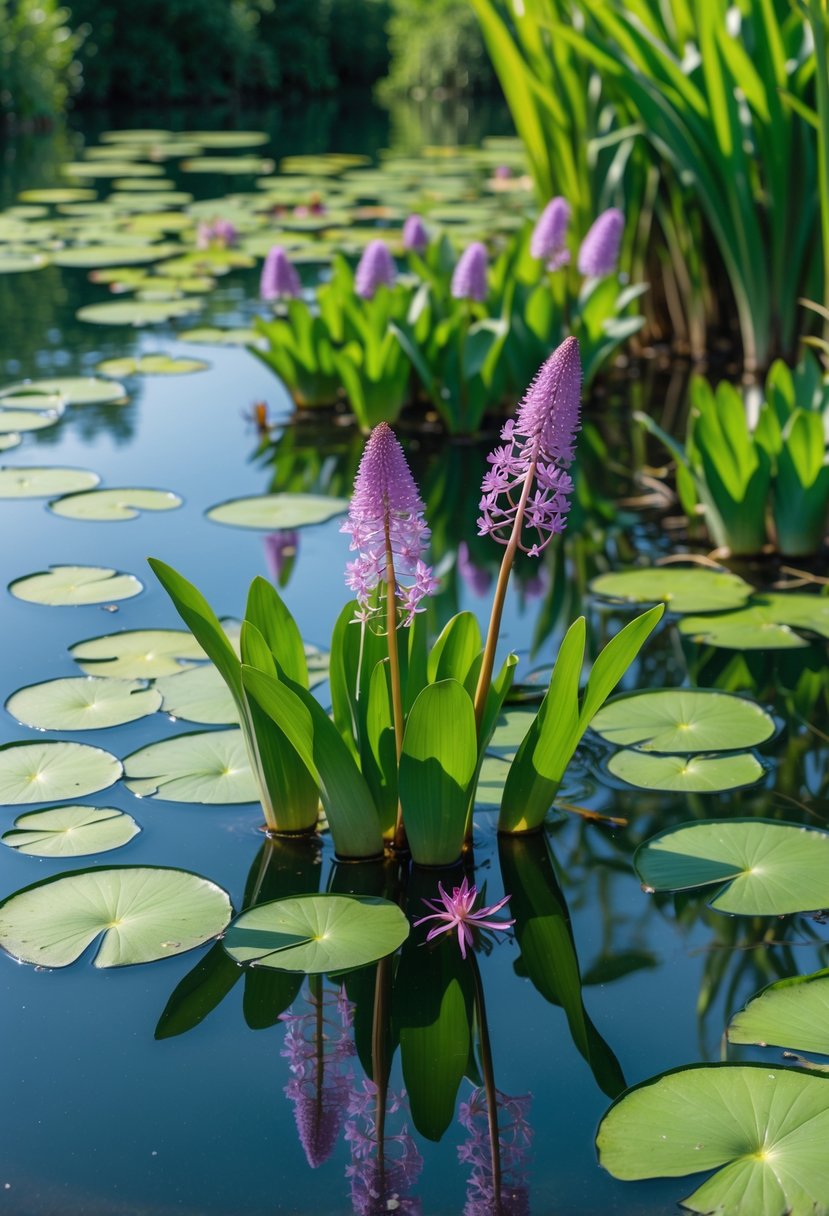
Water hyacinth is a fast-growing floating plant known for its thick, glossy green leaves and purple flowers. It absorbs nutrients and pollutants from your pond water, helping to reduce harmful substances like heavy metals.
You should know that water hyacinth can spread quickly, sometimes covering the whole surface in a few weeks. Regular removal is necessary to keep it from taking over your pond.
This plant also provides shade, which limits sunlight and helps control algae growth. If managed well, water hyacinth can improve water clarity and support a balanced pond environment.
5) Cattails
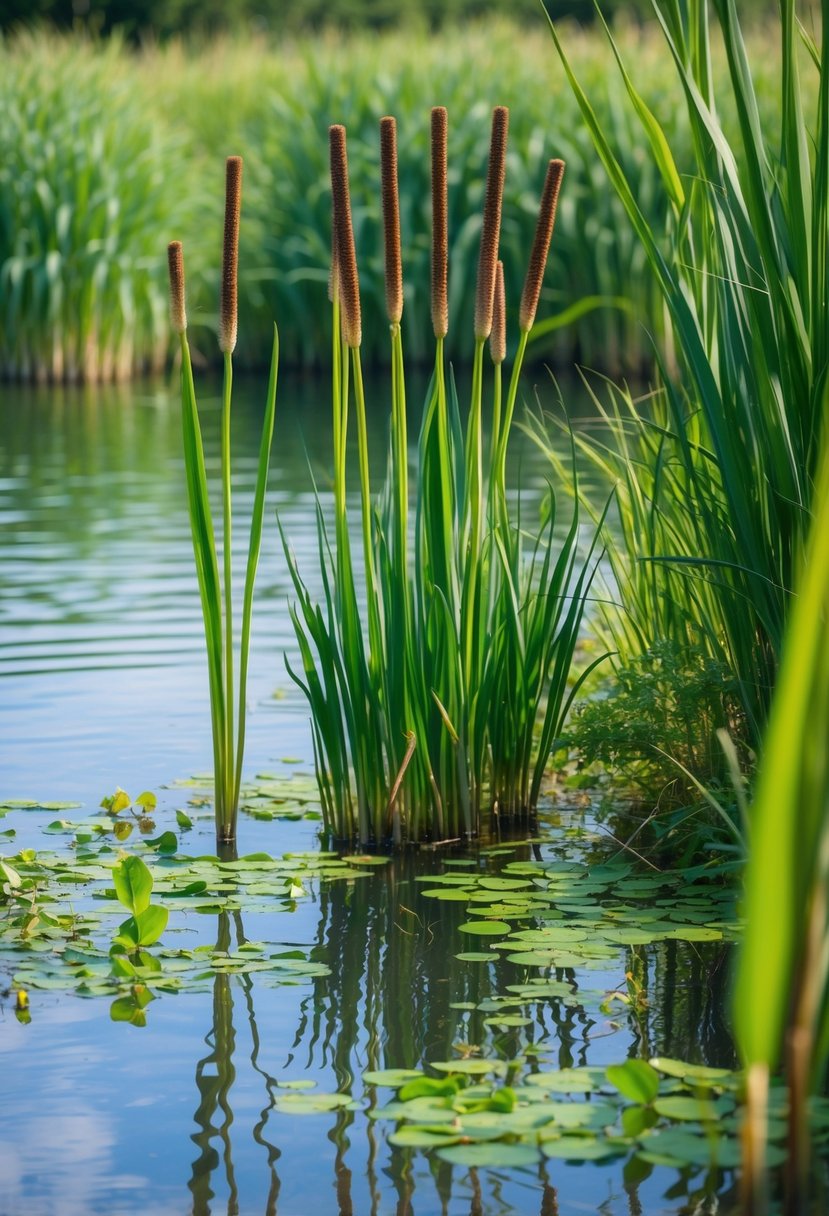
Cattails are strong plants that help clean pond water by absorbing excess nutrients. Their thick roots hold soil in place, which reduces erosion and helps keep the water clear.
You will find cattails growing along the pond’s edges. They create shade and slow down water flow, which limits algae growth.
These plants also provide shelter for wildlife. If you add cattails to your pond, you support a healthier and more balanced environment.
6) Duckweed
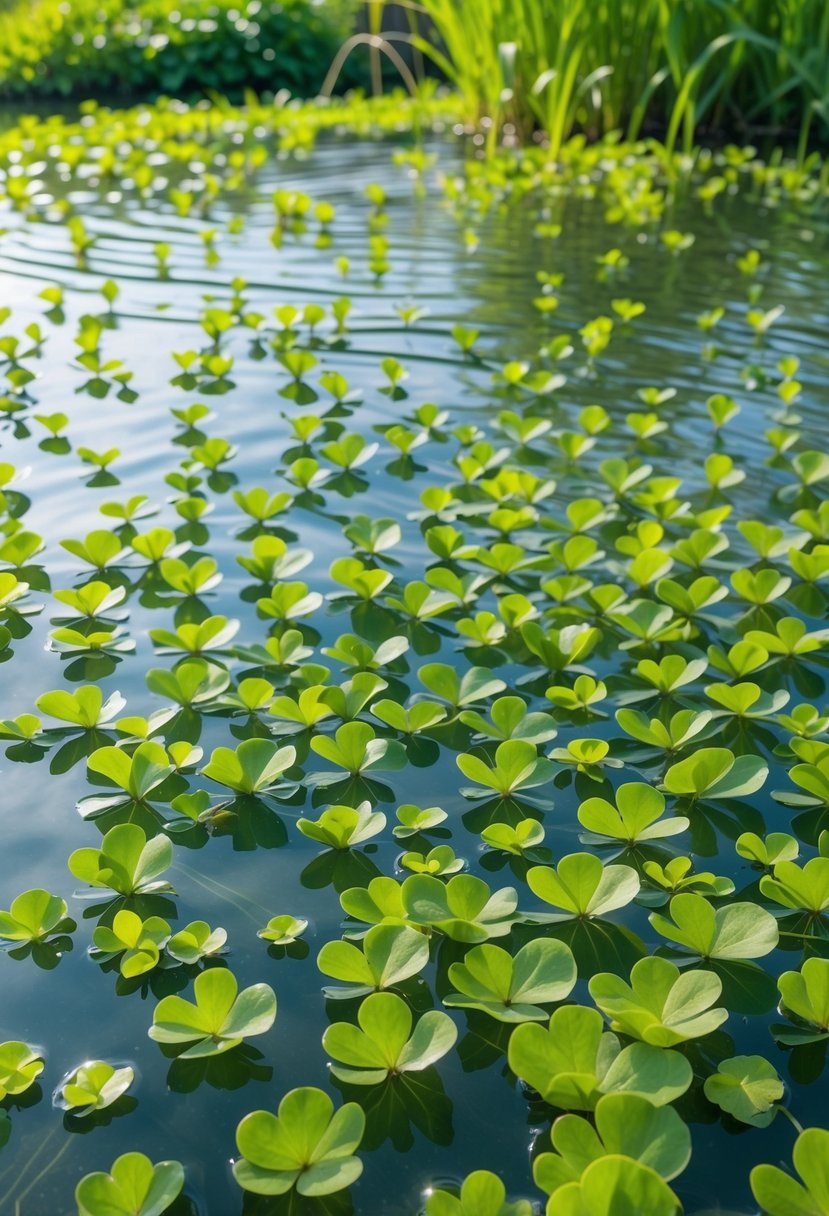
Duckweed is a small, floating plant that covers the surface of your pond. It helps filter the water by absorbing excess nutrients that can cause algae to grow.
This plant provides natural shade, which can reduce sunlight and keep water temperatures cooler. That helps prevent algae blooms and keeps your pond clearer.
You should watch the spread of duckweed because it grows fast and can cover the entire pond. Managing its growth is important to keep a healthy balance in your pond’s ecosystem.
7) Anacharis (Elodea)
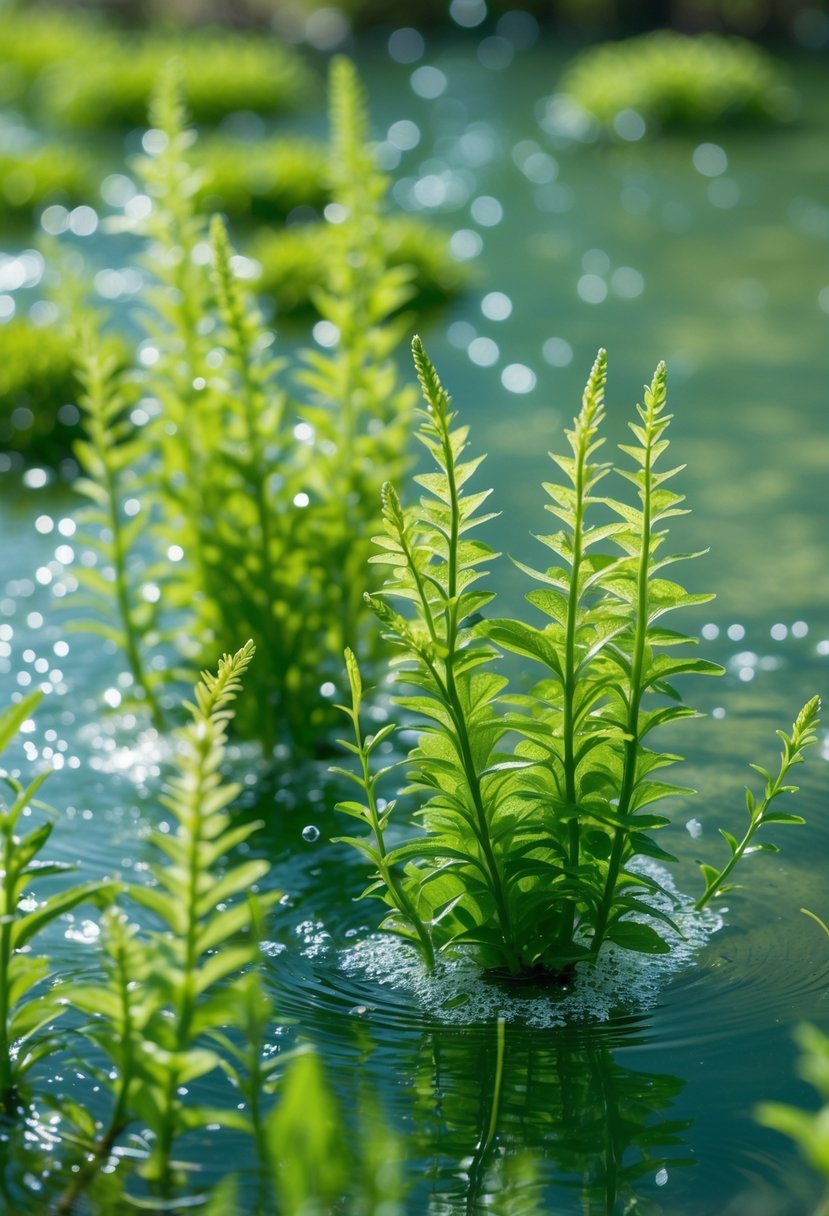
Anacharis is a fast-growing submerged plant that helps keep pond water clean. It uses nutrients in the water, reducing algae growth by competing for the same resources.
You can plant one bunch of Anacharis for every 2 to 4 square feet of pond surface. It also adds oxygen to the water, which benefits fish and other aquatic life.
This plant is easy to care for and adapts well to different water conditions. It grows beneath the surface with long green stems and narrow leaves. Anacharis also helps stabilize pH levels by absorbing organic debris and waste.
8) Marsh Marigold
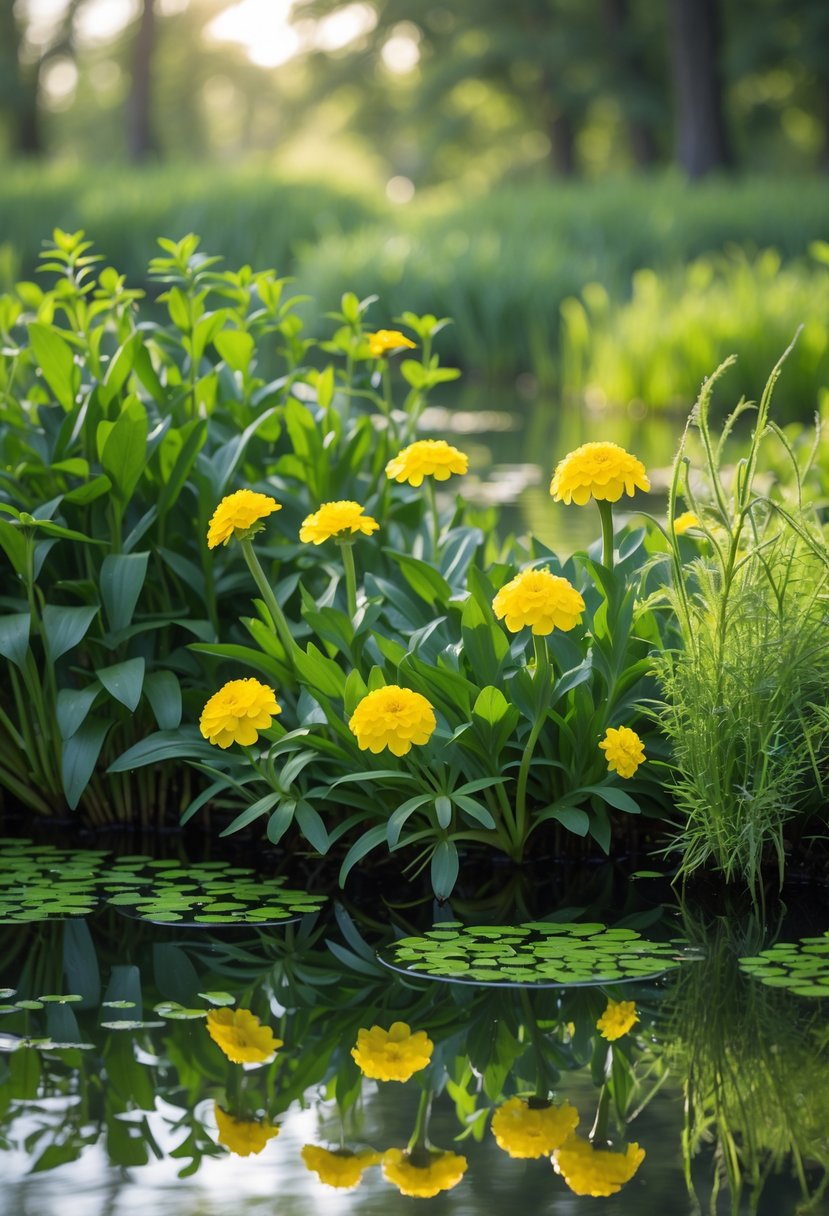
Marsh Marigold is a hardy, perennial plant that grows well in wet areas around your pond. It blooms early in spring with bright yellow flowers that add color to the pond edge.
You should plant it in shallow water or muddy banks where it can get full or partial sun. It prefers cooler temperatures and may wilt during hot summer days but will return in cooler weather.
This plant helps clean your pond by absorbing excess nutrients from the water. It also provides habitat for small wildlife and helps stabilize the pond’s shoreline. Marsh Marigold is a natural choice for a healthy, balanced pond ecosystem.
9) Sweet Flag (Acorus)
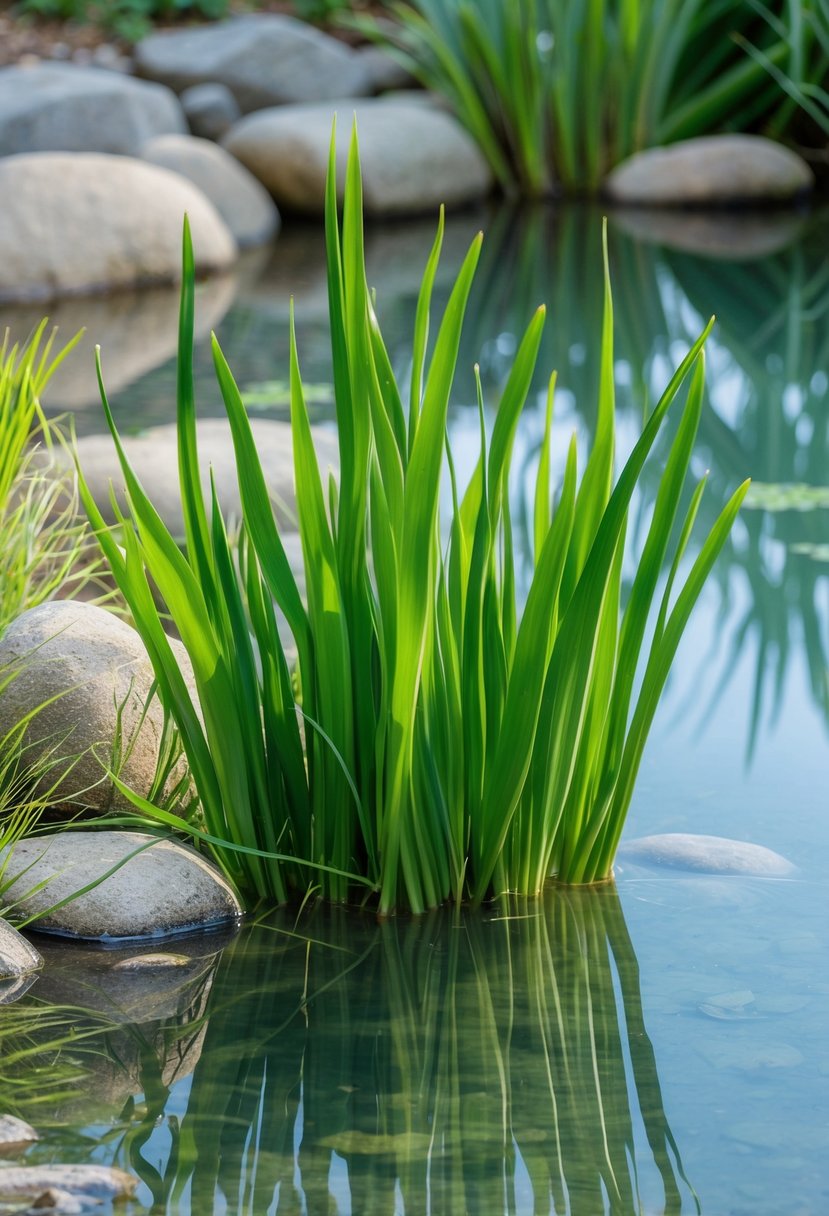
Sweet Flag, or Acorus, is a tough perennial plant that grows well in wet soil or along pond edges. You’ll notice its long, sword-like leaves that add a natural look to your pond.
This plant helps clean water by trapping sediments and absorbing nutrients that can cause algae growth. Its roots are dense and fibrous, which improves water filtration.
Sweet Flag stays compact, making it perfect for small or large ponds. It also handles changing water levels well, so you don’t have to worry about it dying in dry or wet times.
10) Parrot’s Feather
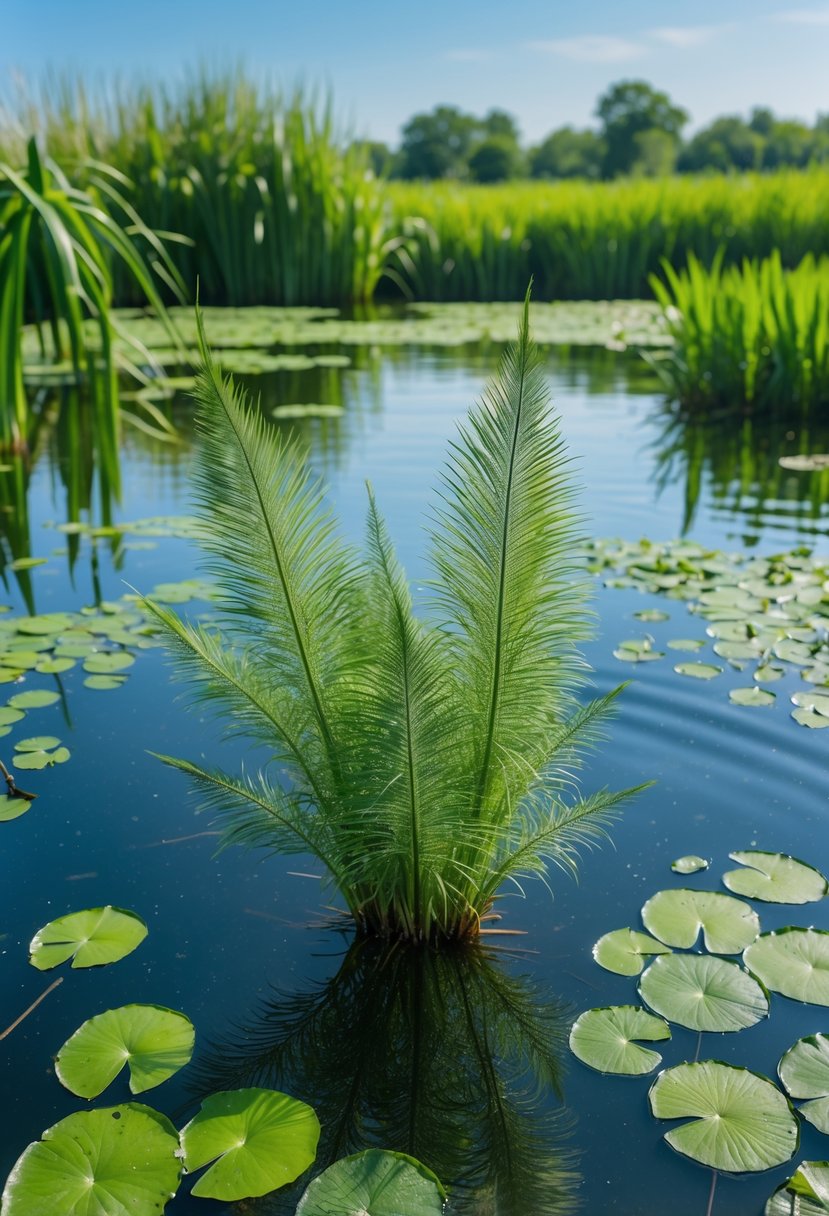
Parrot’s Feather is a semi-emergent aquatic plant that can help filter your pond water. It absorbs nutrients from the water, which helps reduce algae growth.
This plant also releases oxygen into the water, improving water quality for fish and other pond life. Its fine, fern-like leaves create a nice contrast with larger plants like water lilies.
You can grow Parrot’s Feather in ponds or container water gardens. It is easy to care for but can spread quickly, so keep an eye on its growth to prevent overcrowding.
11) Water Iris
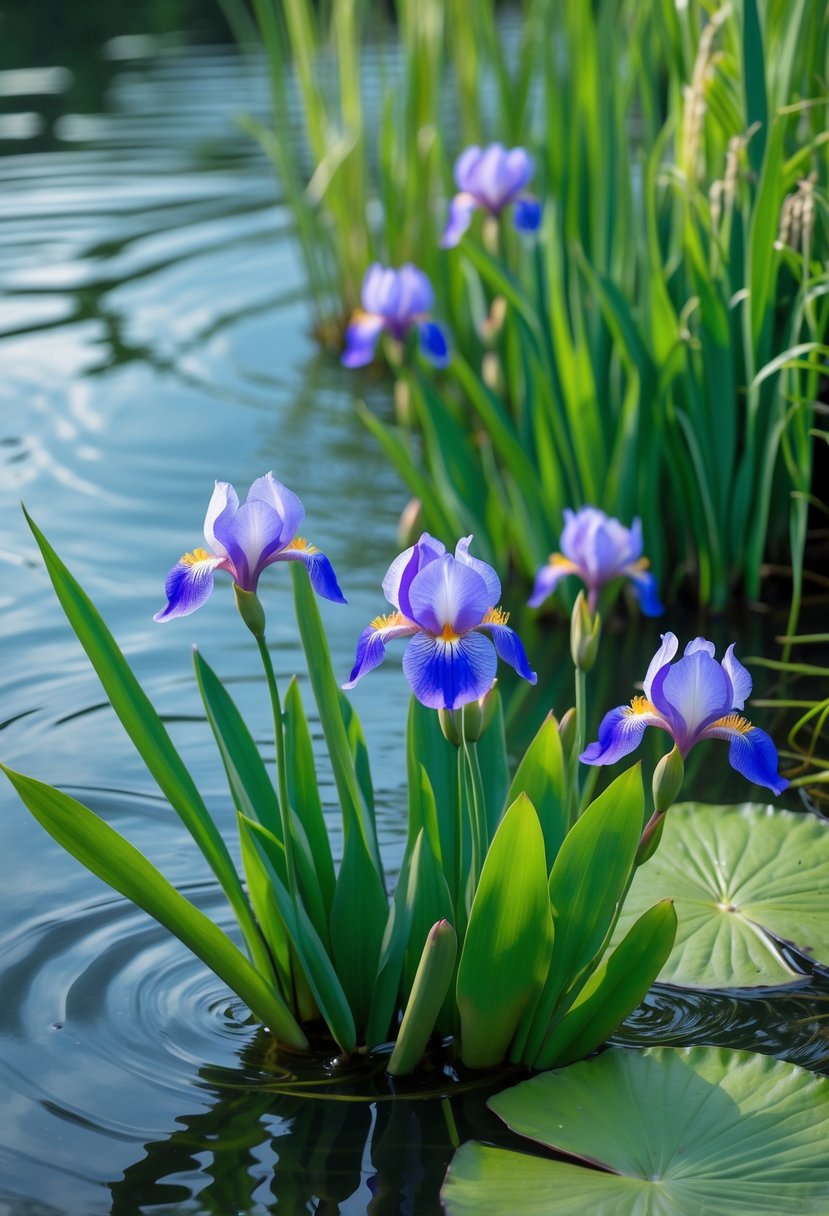
Water iris is a great choice for your pond’s edge. It thrives in shallow water and helps filter the water by absorbing excess nutrients. Its roots grow dense and fibrous, which prevents soil erosion around your pond.
You should plant water iris in gravel or soil with a few inches of water above. This allows the roots to spread and filter well. Keep in mind, water iris needs regular maintenance to stop it from becoming too crowded.
Choose native types like Iris versicolor if you want to avoid invasive species. Your water iris will add beauty with vertical leaves and colorful blooms while helping keep your pond clean.
12) Bulrush
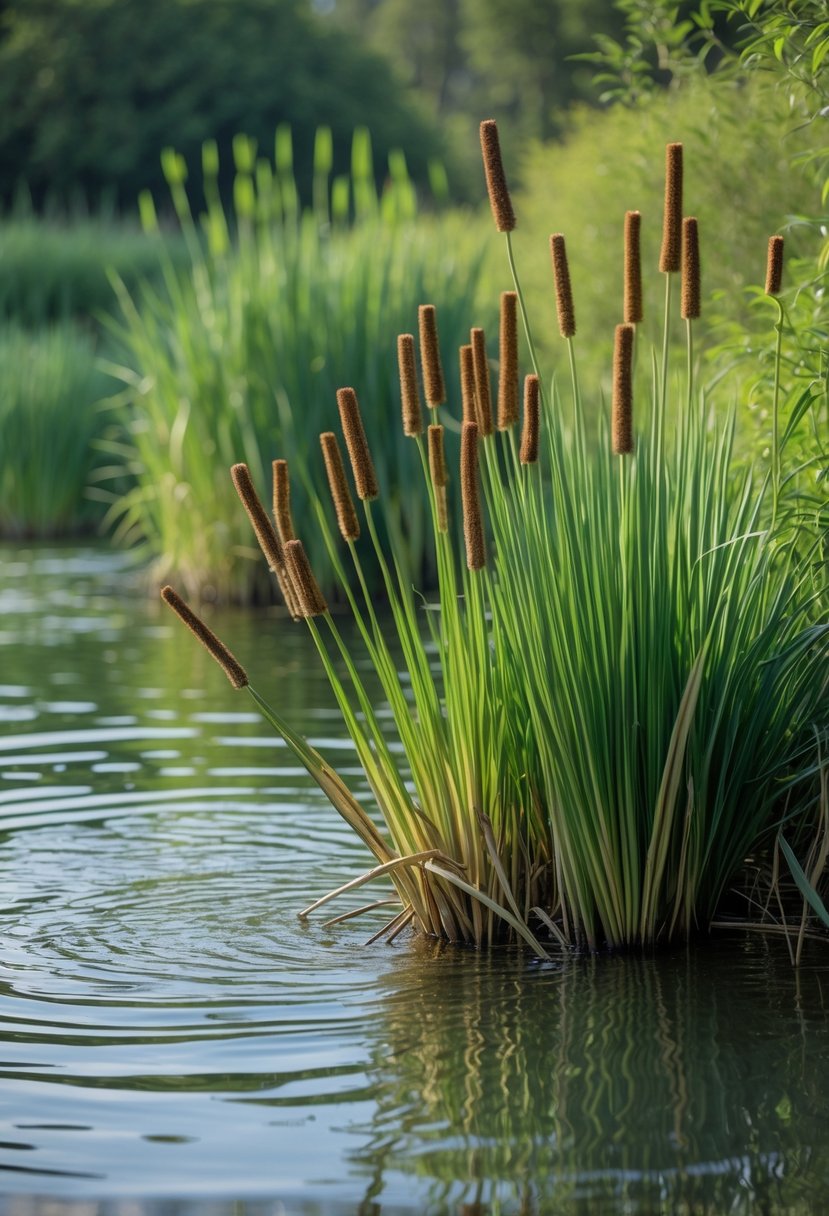
Bulrush is a tough plant that grows well in shallow water near pond edges. You will find its tall, grass-like stems helpful in slowing water flow. This helps sediment settle and improves water clarity.
Its dense root system holds soil in place, reducing erosion in your pond. Bulrush also absorbs excess nutrients that can cause algae growth. This makes your pond healthier and clearer.
You can easily add bulrush to your pond. It does well in wet soil and can handle changes in water levels. This plant also provides shelter for small pond animals and insects.
How Aquatic Plants Improve Pond Water Quality
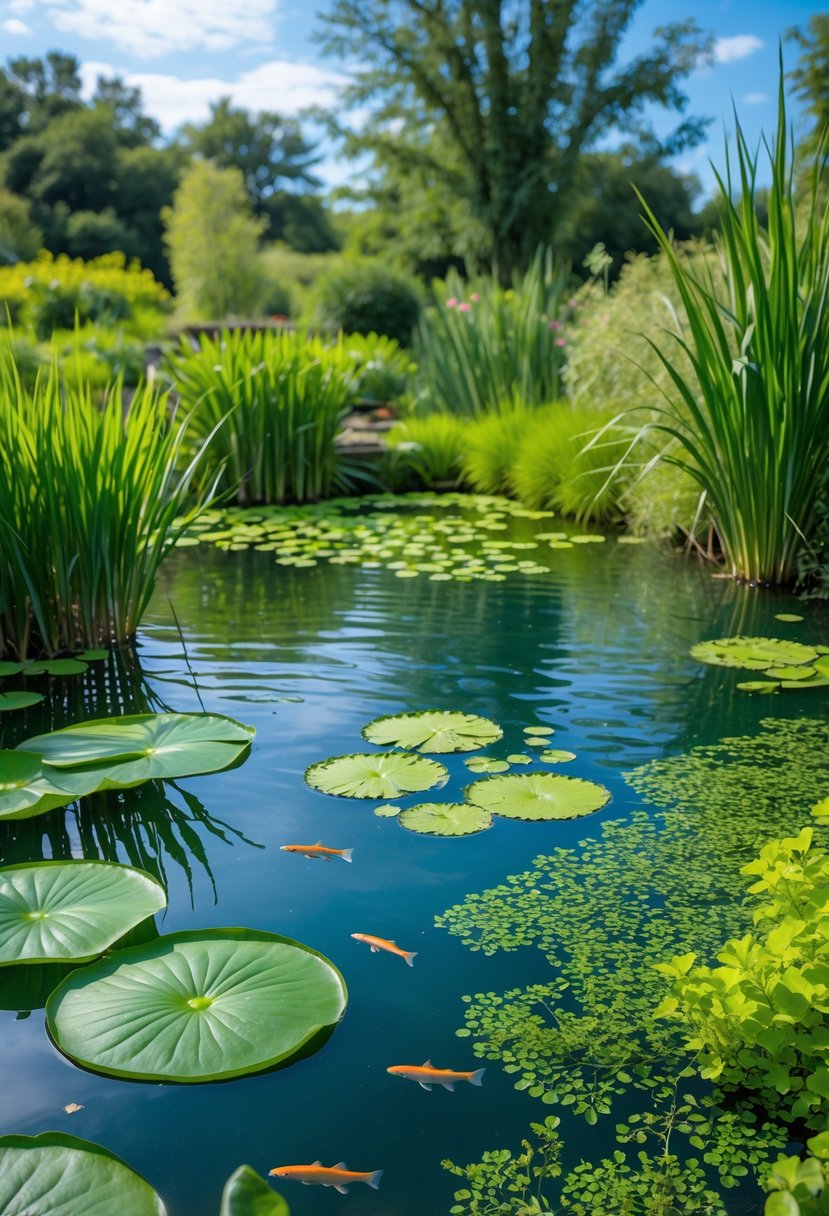
Aquatic plants play a key role in keeping your pond clean and healthy. They help by filtering contaminants and adding oxygen to the water. They also use nutrients that would otherwise feed unwanted algae, preventing water from becoming cloudy or dirty.
Role in Filtration and Oxygenation
Plants filter pond water by trapping particles and absorbing harmful substances. Submerged plants, like hornwort or cabomba, pull pollutants directly from the water. Floating plants, such as water lilies or duckweed, shade the surface and reduce sunlight, which slows algae growth.
All plants release oxygen into the water during photosynthesis. This oxygen helps fish and other aquatic life survive. It also supports beneficial bacteria that break down organic waste. Without enough oxygen, your pond can become stagnant and smelly.
Adding a mix of plant types improves filtration and oxygenation more than using just one kind. Each kind fills a different role, making your pond water clearer and safer.
Nutrient Uptake and Algae Control
Excess nutrients like nitrogen and phosphorus in your pond feed algae, causing blooms that cloud the water. Aquatic plants take in these nutrients as food, starving algae and keeping it under control.
Marginal plants such as pickerel rush and cattails absorb nutrients from the sediment near the pond edge. Floating plants absorb nutrients directly from the water surface. Together, they outcompete algae for resources.
By removing too many nutrients, plants help maintain a balanced ecosystem. This means fewer algae problems and clearer water. You’ll notice your pond stays healthier when the right plants are present to manage nutrient levels.
Tips for Planting and Maintaining Pond Plants
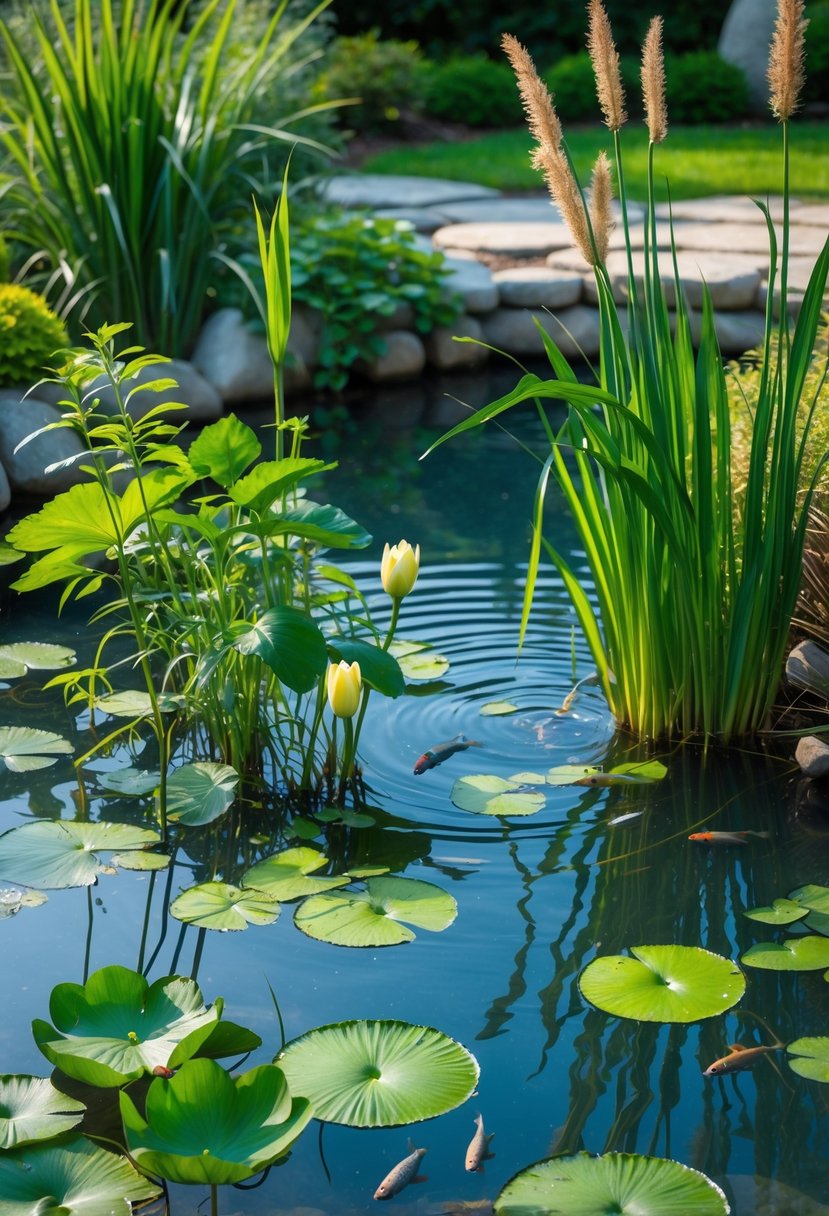
Proper placement and ongoing care are essential to keep your pond plants healthy and effective at filtering water. Paying attention to where you plant each species and maintaining them through the seasons will improve their growth and the overall pond environment.
Selecting the Right Plant Locations
Place submerged plants in deeper parts of the pond where they can get enough sunlight but are protected from strong water movement. Floating plants should cover parts of the water surface to provide shade, but avoid letting them cover the entire pond as this can block oxygen.
Marginal plants belong around pond edges or shallow areas, where their roots stay wet but stems and leaves reach the air. Check each plant’s sunlight needs—some do well in full sun, while others need partial shade. Proper spacing allows plants to grow without overcrowding, which can reduce their filtering ability.
Seasonal Care and Pruning
In colder months, cut back dead or dying plant parts to prevent decay in the water. Some plants die back naturally and will regrow in spring, so remove dead material to keep water clear.
During growing seasons, trim overgrown plants to maintain balance and prevent them from overtaking the pond. Remove floating debris regularly and watch for signs of disease or pests. Fertilize sparingly using pond-safe products to support growth without causing algae blooms.