10 Flower Seeds to Start in the Fall for a Vibrant Spring Garden
Starting flower seeds in the fall can help you get a head start on a colorful garden for the next growing season. When you plant certain seeds before winter, they can develop strong roots and bloom earlier in spring.
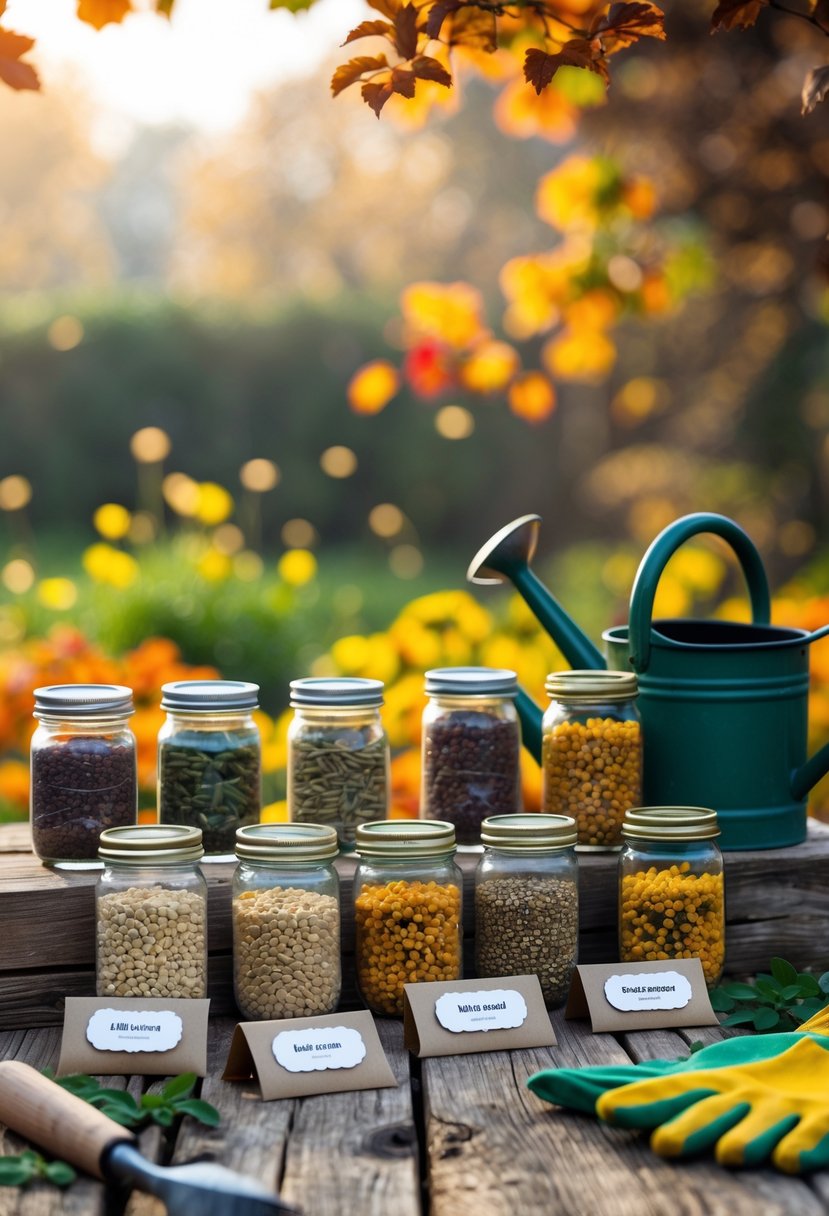
You can save money and enjoy earlier blooms by sowing seeds in cooler weather, allowing plants to establish themselves over the winter. Fall planting works well because many flowers are naturally adapted to colder conditions.
1) Snowdrops (Galanthus)

You can start snowdrops from seeds in the fall for flowers that bloom early in spring. Snowdrops grow from bulbs and produce small, white bell-shaped flowers that often appear while snow is still on the ground.
Plant seeds or bulbs in a well-drained spot with partial to full shade. Space them about 3 to 4 inches apart and plant bulbs around 3 inches deep.
Snowdrops usually grow 3 to 6 inches tall. They are hardy and naturalize well, meaning they spread over time to form attractive patches in your garden.
2) Daffodils (Narcissus)
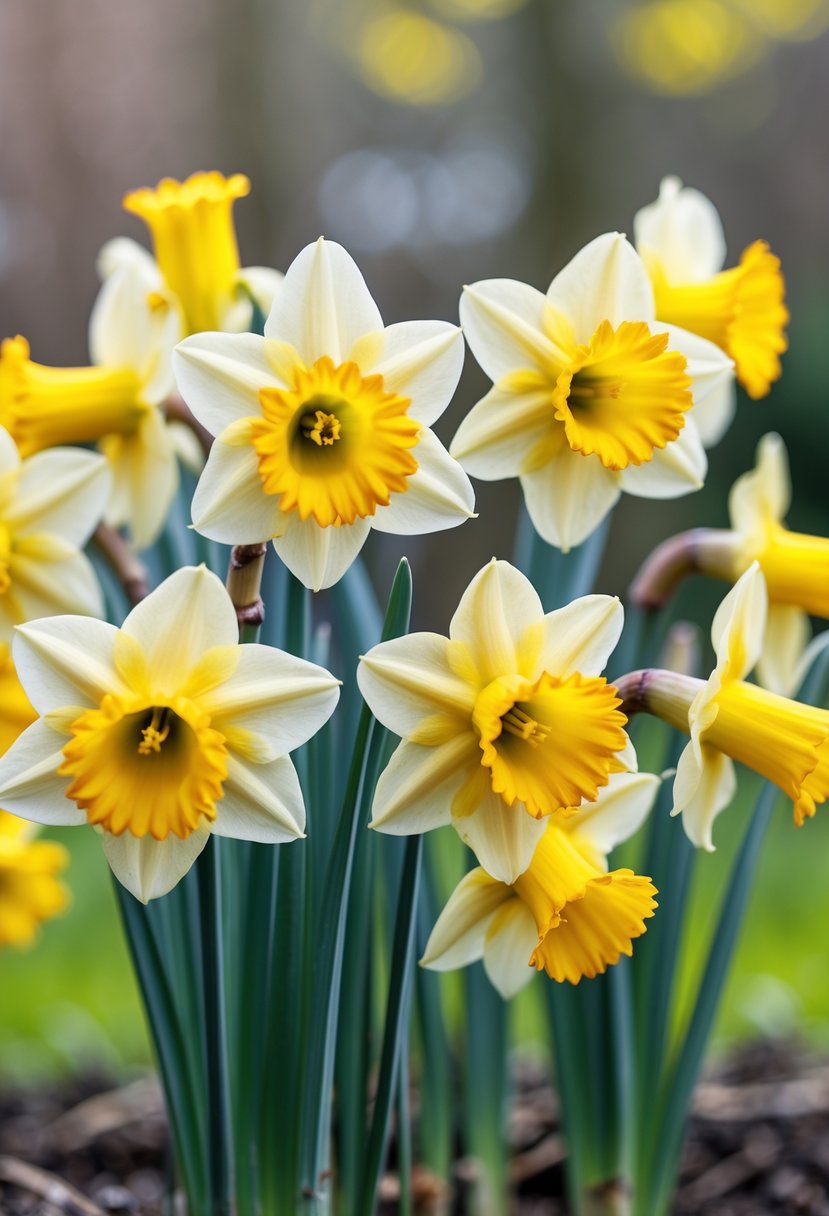
You can start daffodil seeds in the fall to grow bright flowers in the spring. While many people plant bulbs, growing daffodils from seeds lets you try different colors and shapes.
Sow the seeds in containers with well-draining soil. Keep them in a cool spot and be patient—it can take several years before your plants bloom.
Daffodils are low-maintenance and do well in many garden soils. They also make great cut flowers if you let them soak in water before mixing with other flowers. Starting them from seed is a good way to add variety and beauty to your garden over time.
3) Tulips (Tulipa)
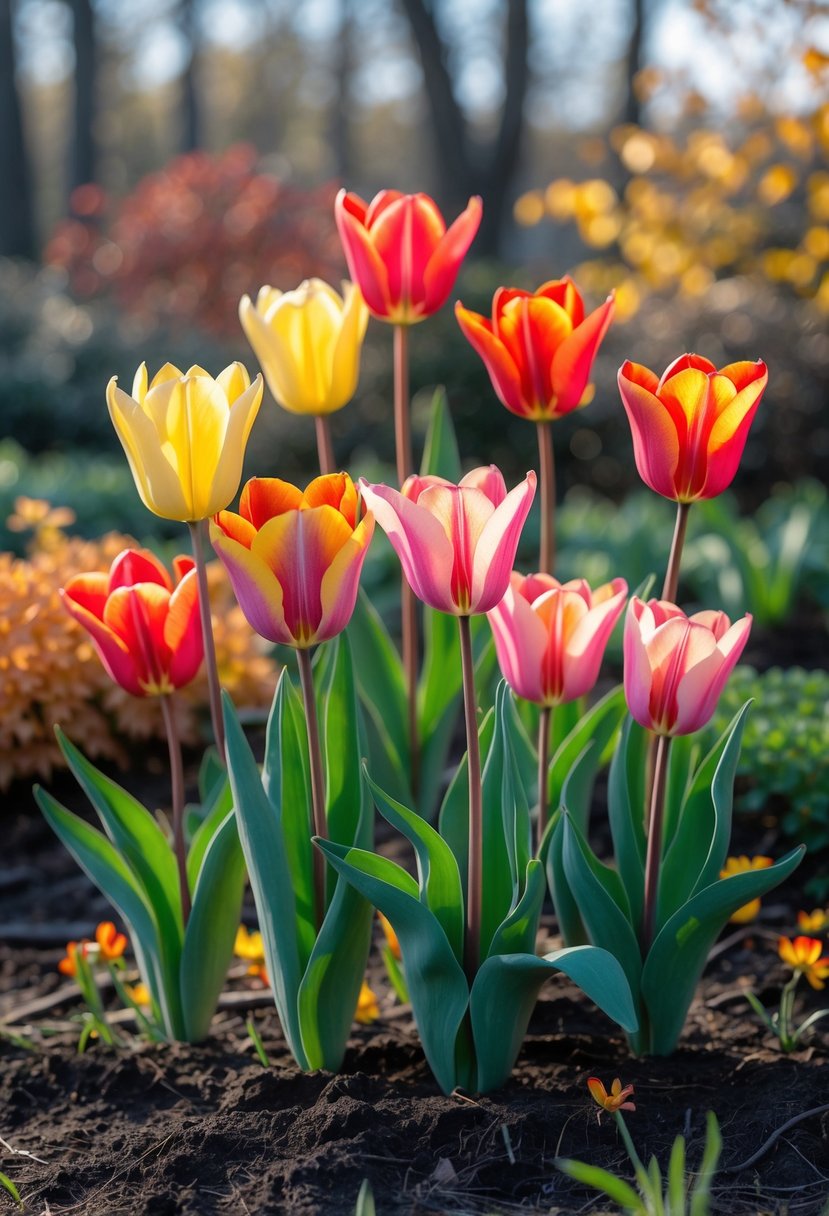
You should plant tulip seeds or bulbs in the fall. This timing helps them get the cold they need to bloom well in spring. Tulips need cool temperatures between 50°F and 60°F for good seed germination.
Choose a spot with full or partial sun for your tulips. Sunlight helps them grow strong and produce vibrant flowers.
Plant bulbs before the first frost to give roots time to develop. If growing from seeds, fall planting gives seedlings the best chance to grow through winter and flower later.
4) Crocosmia
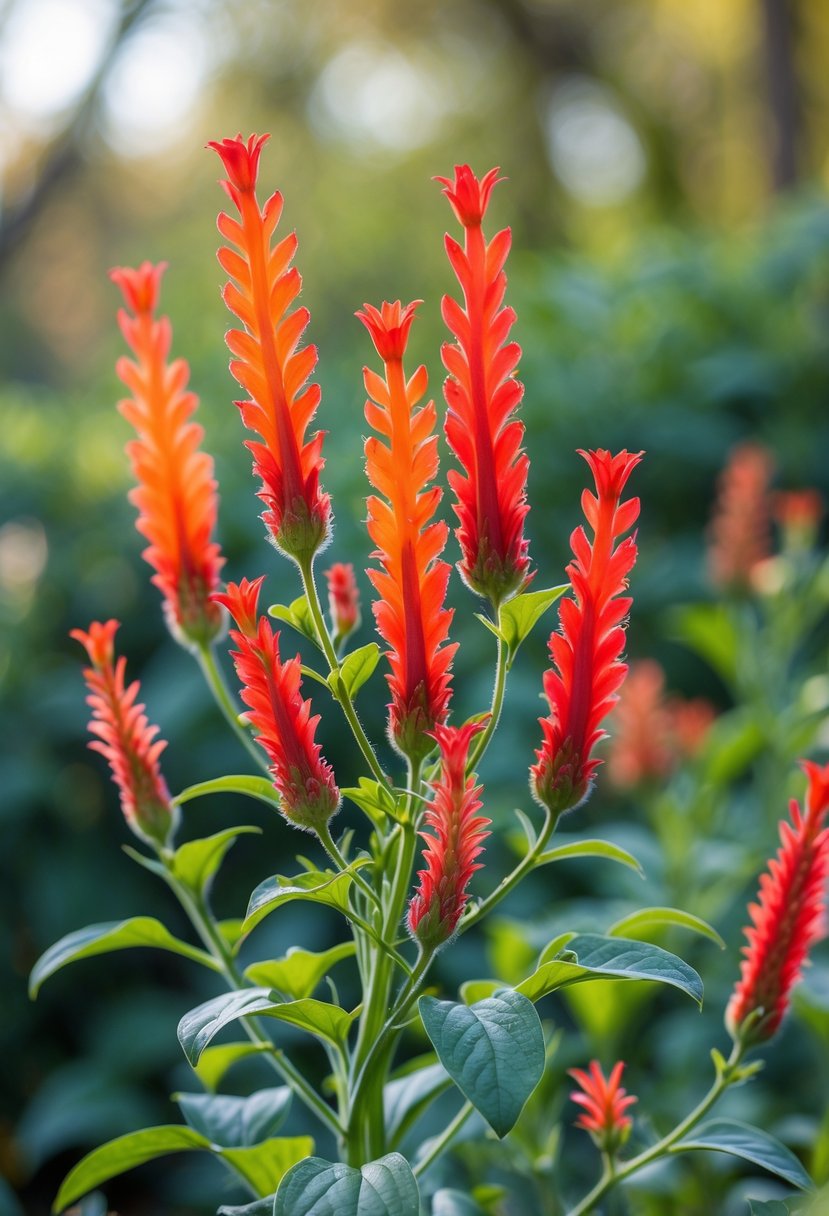
You can start Crocosmia seeds in the fall for strong plants the next year. Sow the seeds about 1/4 inch deep in well-draining soil. Keep the soil moist and warm, around 68°F, to help germination, which takes about 4 to 8 weeks.
Crocosmia prefers full sun and slightly acidic soil. Plant it where the soil dries well, as too much moisture can cause problems. The flowers bloom in summer, offering bright colors like red, orange, and yellow.
If you want, you can also grow Crocosmia from corms planted in the fall. Both seeds and corms will give you flowers, but corms usually grow faster. Make sure to space plants about 16 inches apart for good airflow and growth.
5) Columbine (Aquilegia)
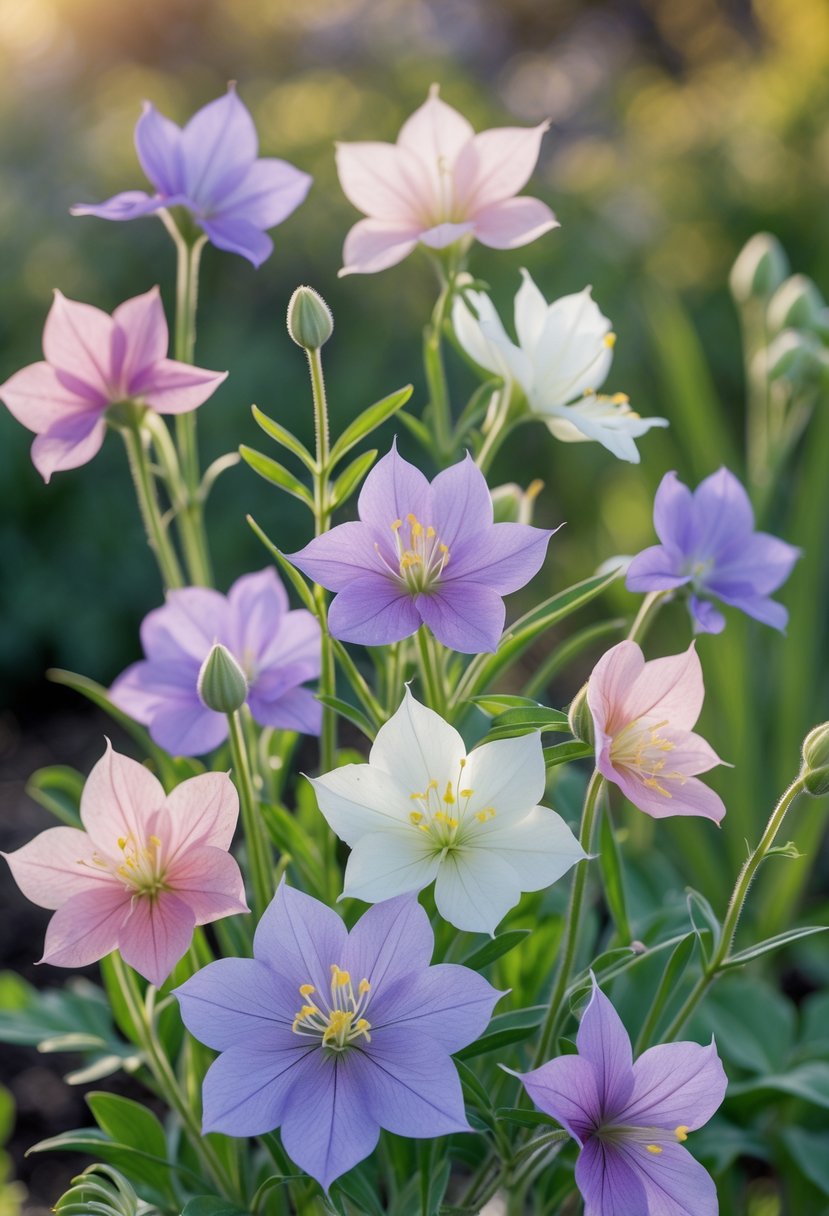
You can start columbine seeds in the fall to give them time to go through natural cold stratification. This process helps the seeds germinate well in spring.
Simply scatter the seeds on prepared soil and press them lightly without covering too deeply. They prefer cool temperatures and need to experience winter to grow strong.
Columbine plants have delicate bell-shaped flowers and attractive foliage. They bloom in early to mid-spring and often continue producing flowers throughout the season if you deadhead old blooms.
Starting seeds outdoors in fall is easy and mimics their natural growth cycle. You can also start them indoors about six weeks before the last frost if you want an earlier bloom.
6) Larkspur (Delphinium)
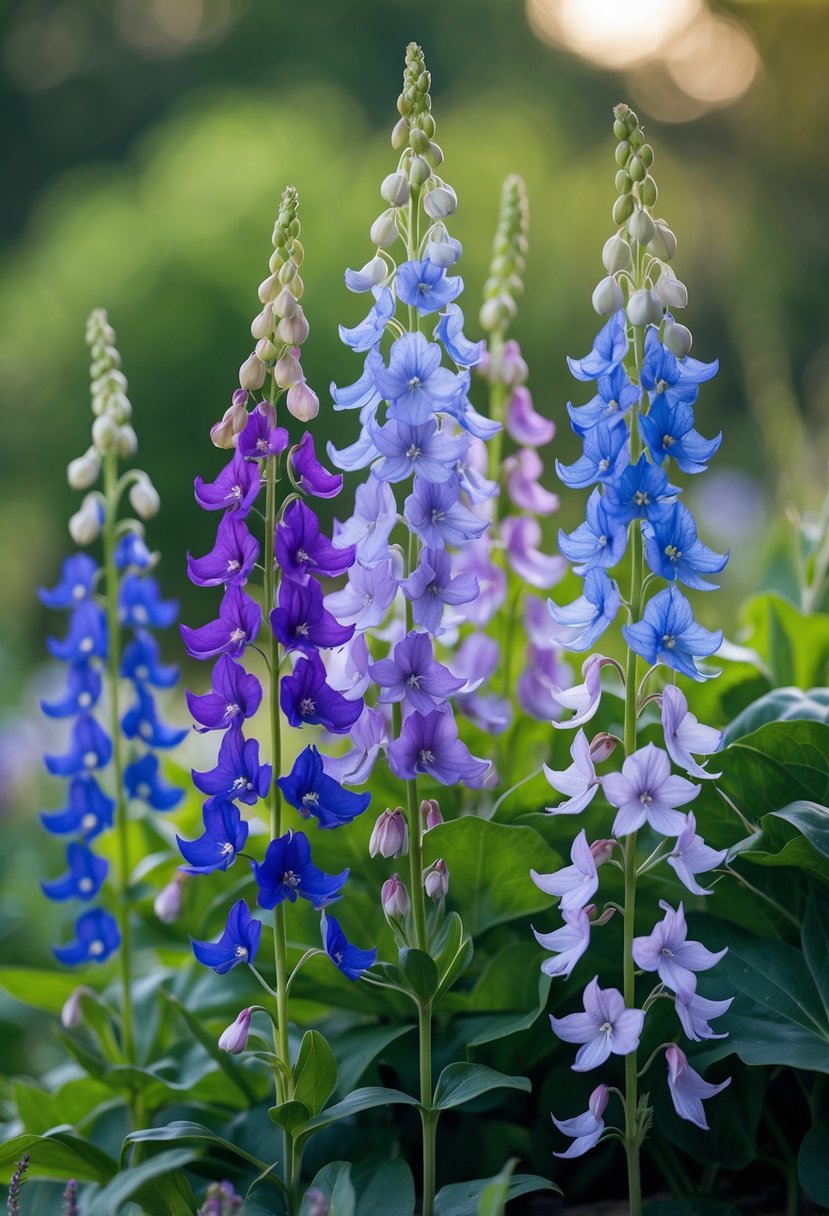
You can plant larkspur seeds in the fall or early spring. If you live in a mild climate, fall sowing helps the seeds get the cold they need to germinate well.
Larkspur grows best in full sun to partial shade. It produces tall spikes of colorful flowers that add height and color to your garden.
Start seeds indoors for an earlier bloom, or sow them directly in rich, well-prepared soil. The seeds take some time to sprout, usually 20 to 30 days.
Larkspur flowers range from blues to pinks and whites. They grow quickly and can reach up to 7 feet tall, making them great for borders or cut flowers.
7) Sweet Peas (Lathyrus odoratus)
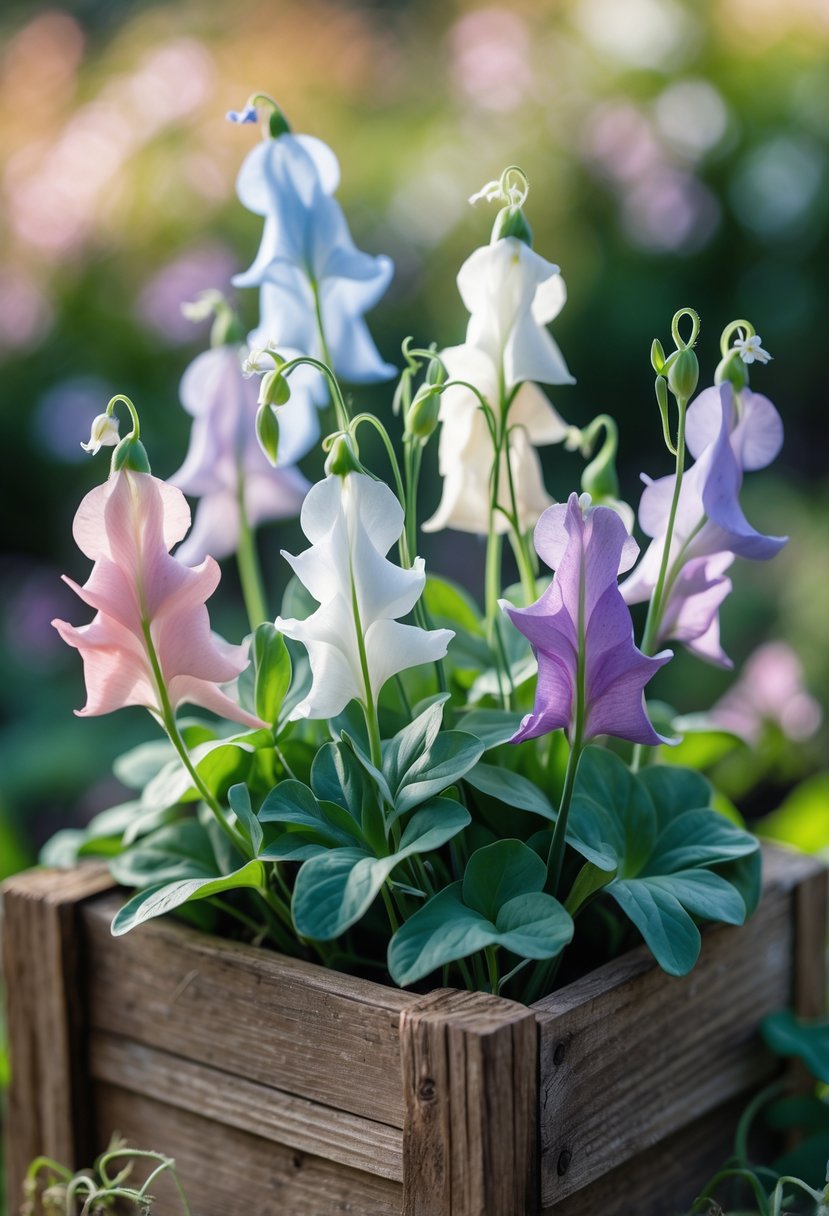
You can start sweet pea seeds in the fall, especially in mild climates. Plant them between September and November for blooms in early spring.
Sweet peas are climbing plants. They need support like a trellis or fence to grow well.
These plants grow tall, often reaching 3 to 6 feet. They thrive in full sun and well-drained soil.
Sweet peas produce colorful, fragrant flowers. Their scent and bright petals make them a popular choice for gardens.
Before planting, soak or nick the seeds to help them sprout faster. Water them regularly but avoid soggy soil.
8) Pansies (Viola tricolor)
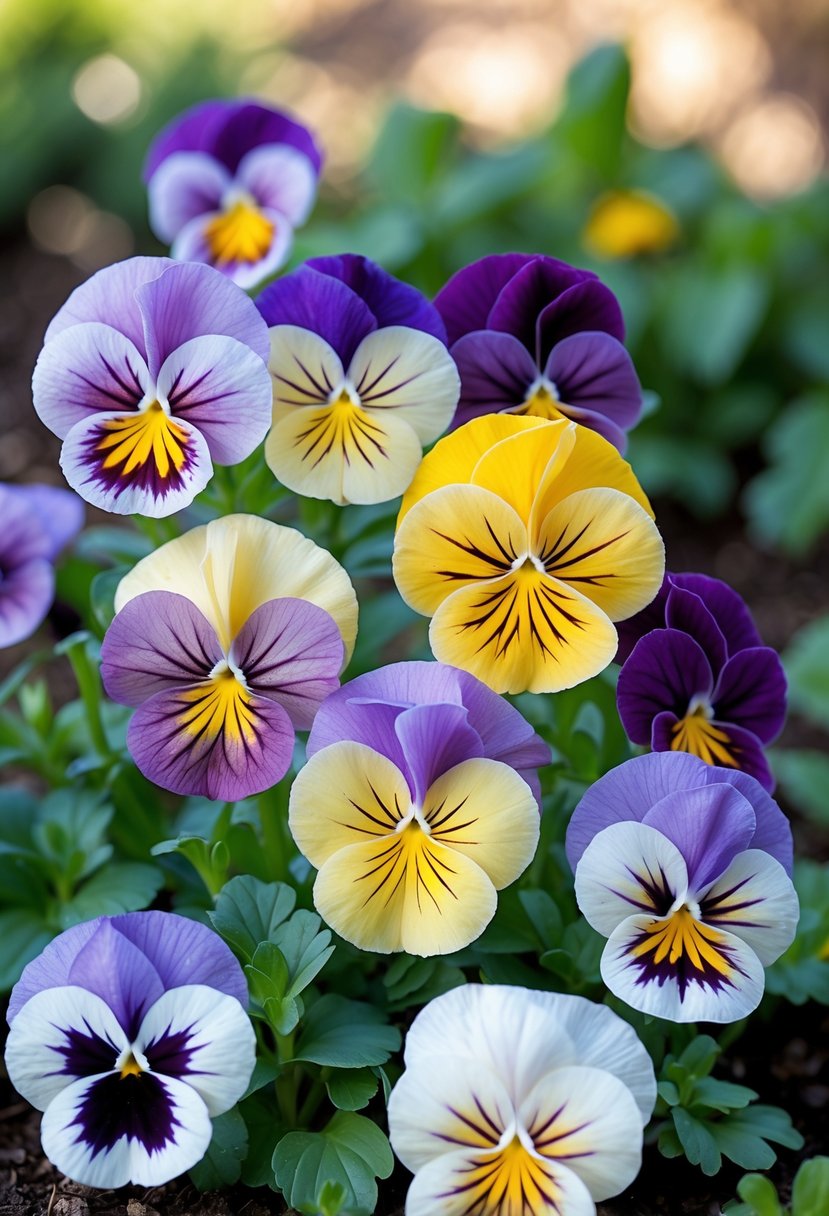
You can plant pansy seeds in the fall to enjoy bright colors through the cooler months. These flowers are cold-tolerant, which helps them grow well in fall and even winter in mild climates.
Pansies do best in full sun or partial shade. Make sure to plant them in well-drained soil for healthy growth.
Starting seeds indoors is an option if you want an early start. Once seedlings are strong, you can transplant them outside.
Pansies are part of the viola family and are known for their cheerful, multi-colored blooms. They usually take about 10 to 14 weeks from seed to blooming.
9) Forget-Me-Nots (Myosotis)
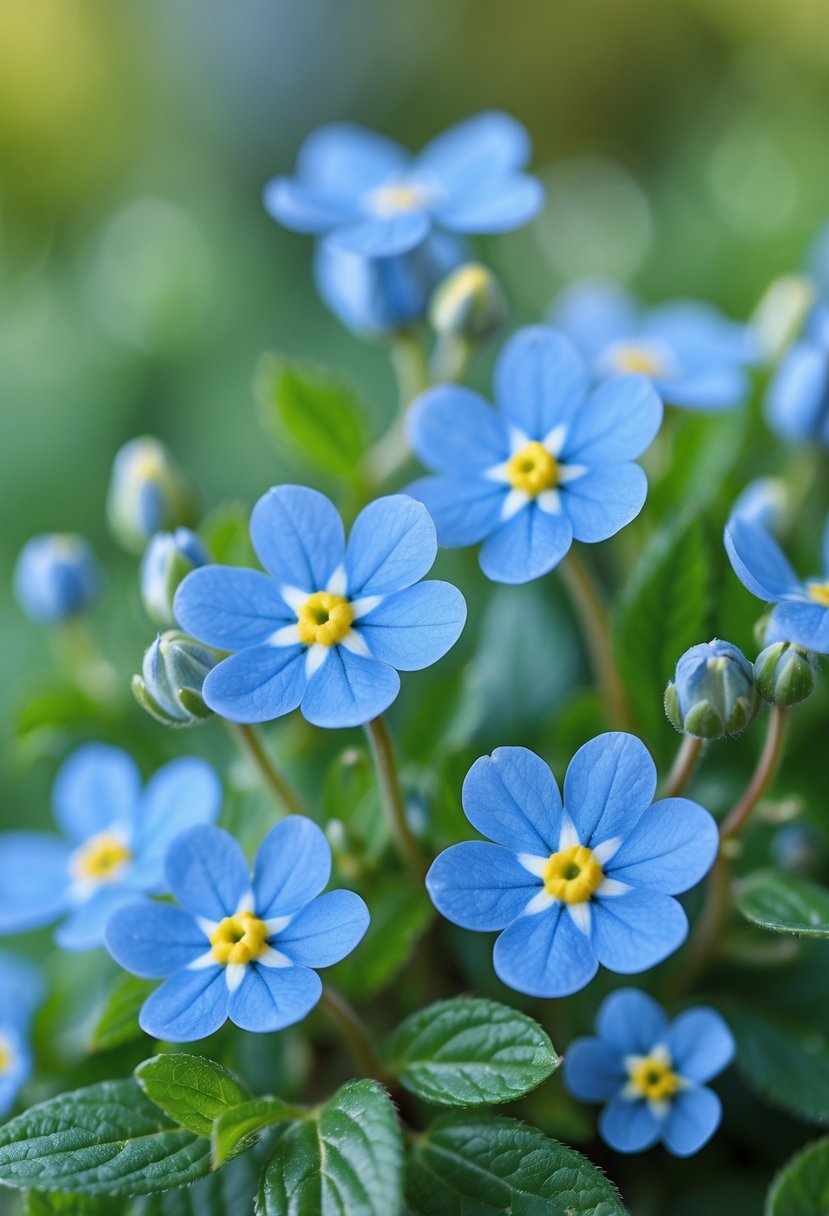
You can plant Forget-Me-Not seeds in the fall for blooms the next spring. These flowers are usually short-lived perennials but often grown as biennials. They produce small, blue flowers with yellow centers that add a soft touch to your garden.
When sowing, plant seeds just below the soil surface and keep the area moist. Forget-Me-Nots self-seed easily, so once established, they will return year after year. You can also start seeds indoors about two months before the last frost.
These flowers prefer consistent moisture and partial shade but can adapt to various garden spots. Their delicate blooms last for several months, making them a lovely addition to your fall planting list.
10) Primrose (Primula)
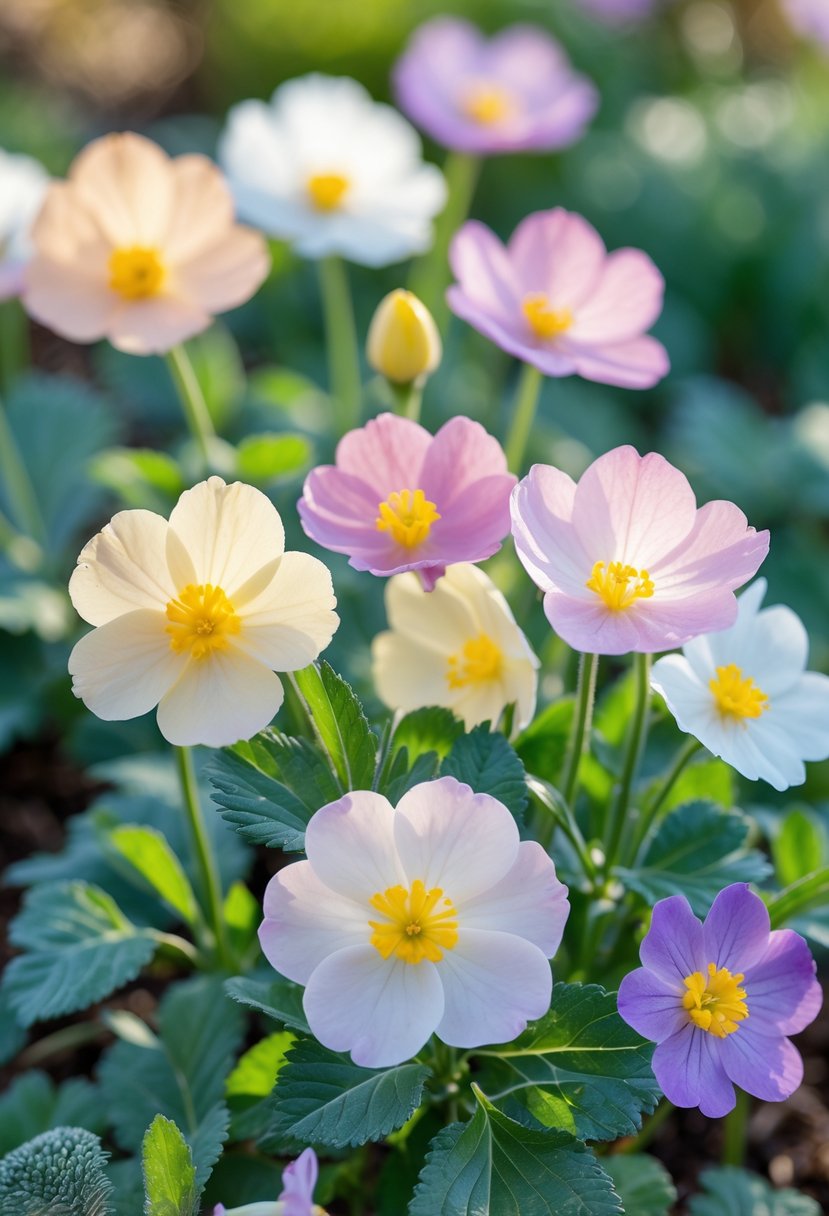
You can start primrose seeds indoors in late fall or early winter. Use a light soil mix and keep the seeds at about 60-65°F. Press the seeds gently into the soil but do not cover them, as they need light to germinate.
Primroses grow best in cool, moist conditions. After the seedlings develop a few leaves, you can transplant them outdoors in late spring once the danger of frost has passed.
These flowers stay low to the ground, usually under 8 inches tall. They come in many colors and work well in borders, pots, or woodland gardens. Starting primroses from seed lets you grow a wide variety at low cost.
Benefits of Starting Flower Seeds in Fall
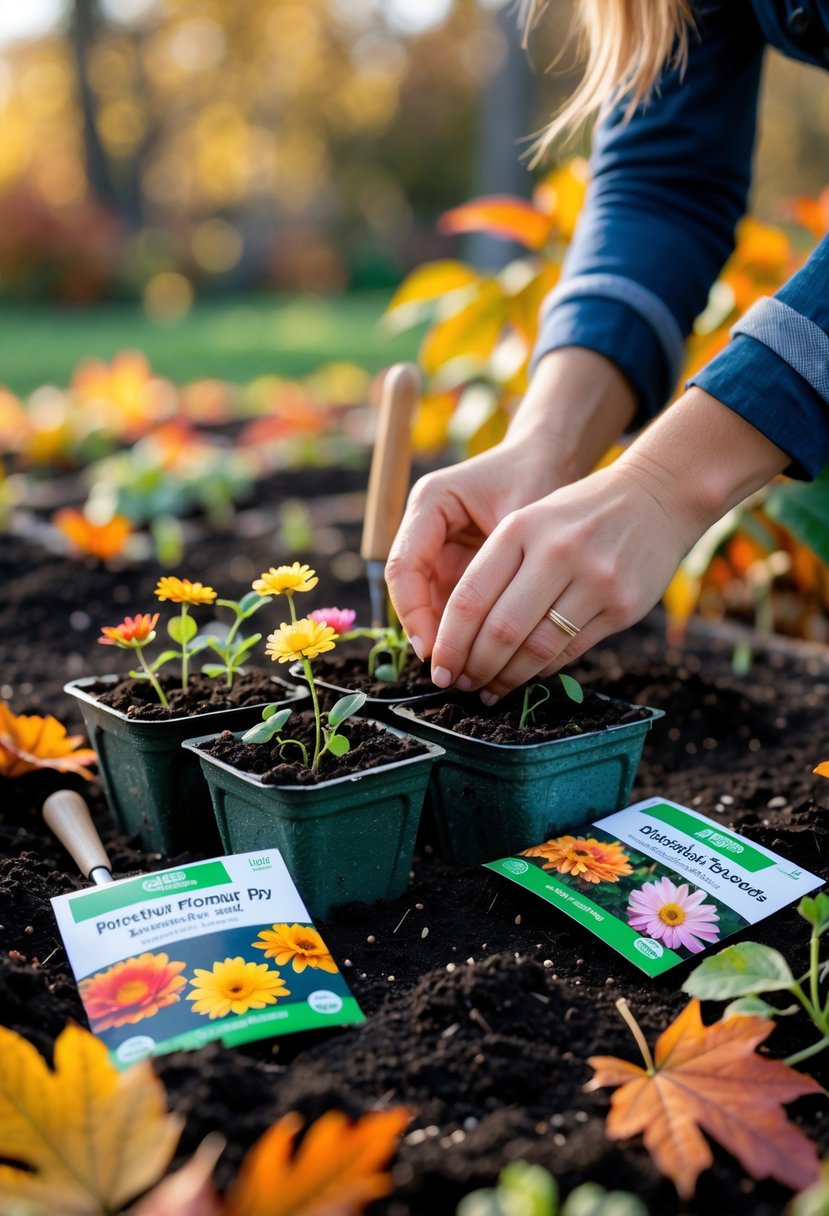
Starting flower seeds in the fall gives your garden a head start for spring. This timing helps seeds grow better, lets flowers bloom earlier, and lowers the chance of problems from pests and diseases.
Improved Germination Rates
When you plant seeds in the fall, the cooler soil and steady moisture help seeds germinate more successfully. Many flower seeds need a natural cold period called stratification to break dormancy, and the fall weather provides this.
This process prepares seeds to sprout quickly once spring arrives. You won’t have to worry about heat drying out the soil or overly wet conditions that cause seeds to rot, which are more common in other seasons.
Because of this, you can expect stronger and healthier seedlings. Fall planting sets the stage for a solid start to your garden’s growing cycle.
Early Spring Blooms
Sowing seeds in the fall lets your flowers bloom earlier in spring. The seeds spend the winter underground, ready to sprout as soon as temperatures rise.
This gives your garden color and life before many plants start growing. Flowers that begin early also tend to bloom longer through the spring and sometimes into summer.
By starting in fall, you create a natural cycle that fits the seasons. This means your garden won’t wait until late spring to show its beauty.
Reduced Pest and Disease Pressure
Planting flower seeds in fall helps avoid many common pests and diseases. Cooler weather and less plant activity mean fewer insects and plant illnesses to worry about.
Since pests are less active, your young plants face less damage during their critical early growth. Diseases that thrive in warm, humid conditions also tend to be less common in fall.
This natural reduction in pest and disease pressure gives your seedlings a better chance to grow strong and healthy without needing heavy use of chemicals or treatments.
Tips for Successful Fall Seed Sowing
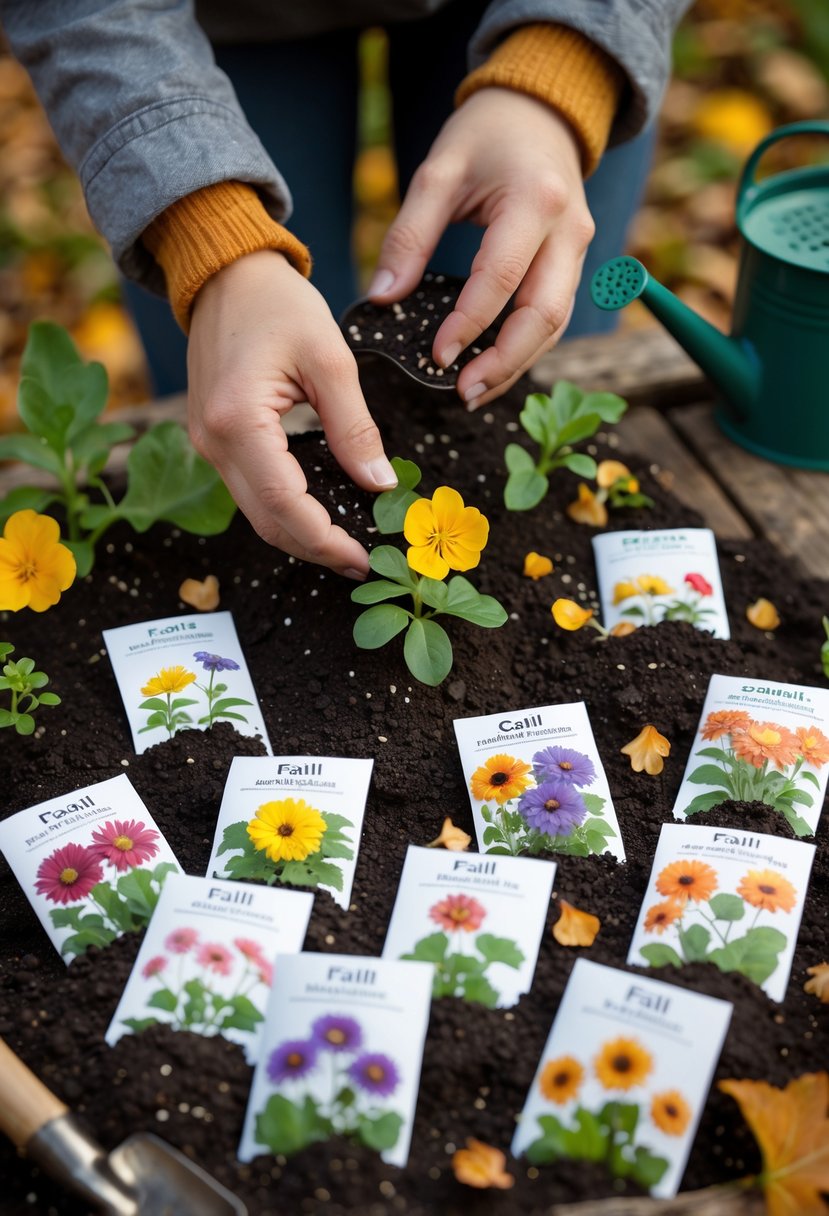
To grow healthy flowers from fall seeds, you need to pick the right types, prepare your soil well, and manage watering and mulch carefully. These are key steps for strong seedlings and good blooms in spring.
Selecting the Right Seeds
Choose flower seeds that do well with cool soil and cold weather. Many annuals and perennials like pansies, snapdragons, and poppies thrive when planted in fall.
Check your climate zone to know when to sow. Some seeds need a cold period to germinate properly. Avoid plants with long growing seasons if winter in your area is harsh.
Look for seeds labeled “cold-hardy” or “fall sowing.” These seeds are bred to handle frost and will start growing once temperatures warm in spring.
Soil Preparation and Amendments
Your soil should be loose and drain well. Remove any weeds or old plant material before planting. This stops disease and pests from harming new seeds.
Add organic matter like compost or well-rotted manure to improve soil nutrients and moisture. Avoid fresh manure as it can burn seedlings.
Use a rake to level the soil surface. This makes it easier to plant seeds evenly and cover them with the right soil depth.
Watering and Mulching Guidelines
After sowing seeds, water gently but deeply to settle them into the soil. Keep the soil moist until seedlings start to grow but do not overwater.
Apply a thin layer of mulch, such as straw or shredded leaves, to keep soil temperature steady and reduce water loss. Mulch also protects seeds from frost.
Remove mulch early in spring once new growth appears. This lets seedlings breathe and helps the soil warm quickly.